
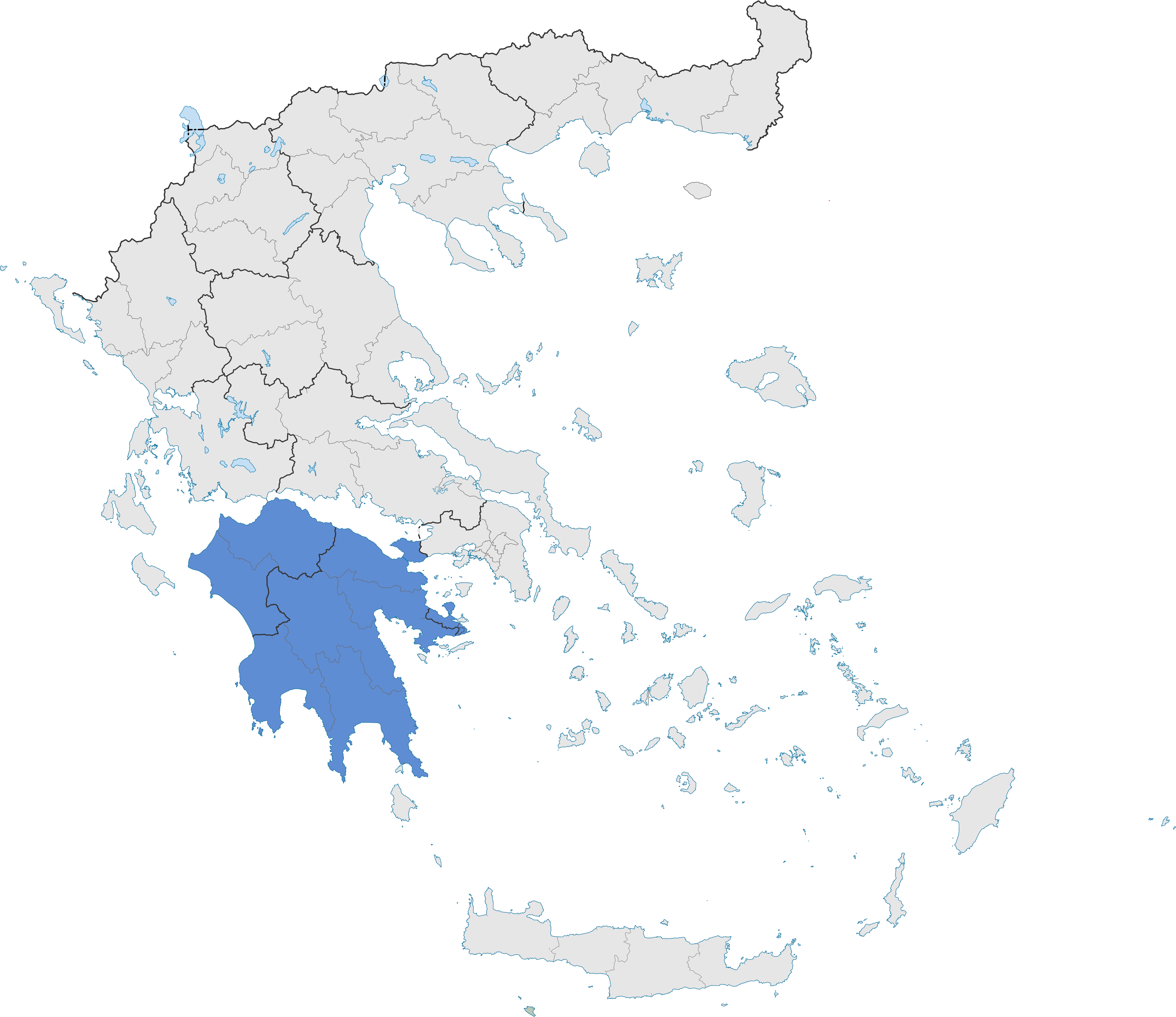
Why Peloponnese is Perfect for Your Celebration
- Dramatic backdrops of ancient Greek ruins, Byzantine castles, and Aegean sea views unlike anywhere else in Europe
- Intimate boutique resorts and private villa estates ideal for exclusive, small-to-medium celebrations
- Long, reliable summer season (May–September) with consistently sunny skies and warm evenings perfect for outdoor ceremonies
- Authentic Greek cuisine and local wine traditions (Nemea wines, Kalamata olives) elevate every event's hospitality
- Far less crowded than the Greek islands, offering privacy and exclusivity for destination weddings
- Rich cultural heritage — Olympia, Mycenae, Nafplio — creates a uniquely storied setting for milestone celebrations
Compare Peloponnese with Other Top Destinations
Frequently Asked Questions
Is the Peloponnese a good destination for an intimate wedding?
Yes, particularly so. The Peloponnese is among the strongest destinations in Greece for intimate weddings of 30 to 150 guests. Its boutique resorts, heritage estates, and private villa complexes are specifically well-suited to smaller, exclusive celebrations where scenery, privacy, and personalised service matter more than large-scale infrastructure. The region's relative quietness compared to the major islands means venues are more attentive and less formulaic in their approach.
What is the best time of year to hold a wedding or event in the Peloponnese?
May through September is the clear best window. This period offers consistently sunny weather, warm evenings ideal for outdoor ceremonies, and the full availability of the region's boutique venues. September is particularly popular — temperatures ease slightly from the August peak, the sea remains warm, and tourist crowds thin. Outside this window, rainfall increases significantly and many properties operate on reduced schedules or close entirely.
How do international guests typically get to the Peloponnese?
Most international guests arrive via one of two routes: flying into Kalamata International Airport (KLX), which has seasonal direct connections from several European cities, or flying into Athens International Airport and travelling onward by road (approximately 2–3 hours to Nafplio, 3.5–4 hours to Kalamata). Guests from Italy can also arrive by ferry into Patras. Planners should arrange dedicated private coach transfers for group movements, as public transport within the region is limited.
What size guest group can the Peloponnese realistically accommodate for a wedding?
The region is best suited to groups of 30 to 200 guests. Within this range, the local venue inventory — boutique resorts, heritage estates, coastal resort complexes — can comfortably accommodate both ceremony and reception, often with on-site accommodation for the core guest group. Very large events of 300 or more guests requiring a single venue to handle everything will find options more limited and may need a split-venue approach.
What kinds of venues are available for events in the Peloponnese?
The region offers a varied mix: boutique luxury spa retreats with panoramic hillside or coastal settings, restored Byzantine and Venetian-era heritage estates with stone courtyards and garden terraces, private villa complexes suited to fully exclusive buyouts, and larger coastal resort properties in the western Peloponnese with beachfront ceremony spaces. Each of the region's main areas — Nafplio, Monemvasia, the Mani, the western coast — has a distinct aesthetic character.
Do I need a local wedding coordinator for an event in the Peloponnese?
Yes, strongly recommended. The Peloponnese's vendor network is smaller and more relationship-dependent than Athens or the major islands. An experienced local coordinator based in Nafplio or Kalamata will have established relationships with reliable local caterers, florists, transport providers, and venue staff. Attempting to plan remotely without local representation significantly increases the risk of logistical gaps, particularly for guests arriving from multiple international origins.
How do guests get around the Peloponnese once they arrive?
Private coach or minibus transfers are the practical standard for group movements. Public bus services connect major towns but run infrequently and are not suited to coordinating a wedding party's schedule. Individual guests can hire cars, which works well for those who want to explore independently. For venues in more remote locations — the Mani peninsula, Monemvasia — transfer times are longer and road conditions narrower, so logistics planning should begin early.
What makes the food and catering experience distinctive in the Peloponnese?
The Peloponnese is one of Greece's richest food regions. Local caterers can source Kalamata olives and olive oil, Nemea red wines (among Greece's most respected appellations), Laconian honey, fresh Aegean seafood, and regional cheeses — ingredients that give event menus a genuinely place-specific character. This is not generic Greek catering; the regional food identity is strong enough to be a meaningful part of the guest experience in its own right.
Is the Peloponnese safe for international guests attending a wedding?
Yes. The Peloponnese is considered very safe for international visitors. Greece generally has low rates of serious crime, and the Peloponnese's tourism areas are well-accustomed to hosting international guests. Standard travel precautions apply, but safety is not a meaningful concern for event planners or guests choosing this destination.
Can outdoor ceremonies be held reliably in the Peloponnese?
Yes, reliably within the May–September window. Rainfall during these months is minimal across the peninsula, and the long summer evenings — with golden-hour light extending past 8pm in June and July — make outdoor ceremonies particularly beautiful. July and August can be hot inland, so morning or early evening ceremony timing is advisable for venues without coastal breezes. Outside the summer season, outdoor reliability drops considerably.
Are there multi-day wedding weekend experiences possible in the Peloponnese?
Yes, and this is one of the destination's genuine strengths. The region's boutique resorts and heritage estates lend themselves naturally to multi-day wedding weekends — a welcome dinner in a Byzantine courtyard, a ceremony on a clifftop terrace, a day-after brunch overlooking olive groves. The proximity of major archaeological sites (Mycenae, Epidaurus, Olympia) also gives guests meaningful excursion options between events, making the overall experience feel curated rather than purely celebratory.

Ready to explore venues in Peloponnese?
Peloponnese: Destination Wedding & Celebration Venues in Greece
◆The Peloponnese is best suited to intimate, romantic destination weddings, private celebrations, and small corporate retreats where scenery, heritage, and exclusivity matter more than large-scale infrastructure. Its primary vibe is Romantic & Dreamy — shaped by ancient Greek ruins, Byzantine castles, olive-grove estates, and Aegean coastal views. The summer season (May through September) is the clear window for outdoor events, with reliable sunshine and warm evenings. Accessibility requires planning — most guests route through Athens or fly into Kalamata — but the relative effort filters for a committed, engaged guest list. The destination sits at a mid-to-upper cost tier for Greece, driven by boutique and luxury property pricing rather than mass-market volume.
Peloponnese at a Glance
| Category | Detail |
|---|---|
| Best For | Intimate Destination Weddings, Private Celebrations, Honeymoon Extensions, Small Corporate Retreats |
| Primary Vibe | Romantic & Dreamy |
| Other Vibes | Historic & Cultural, Scenic & Natural, Exclusive & Private |
| Best Season | Summer (May, Jun, Jul, Aug, Sep) |
Why Choose Peloponnese?
- Unmatched heritage scenery: No other European destination combines active archaeological sites — Olympia, Mycenae, Epidaurus, Mystras — with coastal beauty and working olive estates in such close proximity, giving every event a genuinely singular visual backdrop.
- Genuine exclusivity: Unlike the Greek islands, the Peloponnese draws far fewer mass-market tourists, meaning boutique resorts and private villa estates can be hired with a level of privacy and personalisation that busier destinations struggle to offer.
- Authentic local hospitality and cuisine: The region's food culture — Kalamata olives, Nemea red wines, fresh seafood, local honey and cheeses — gives event catering a distinctive, place-rooted character that guests remember long after the event itself.
- Diverse micro-destinations within one region: Nafplio's Venetian old town, Monemvasia's medieval rock fortress, the Mani peninsula's tower villages, and the western coastal resorts each offer a completely different aesthetic, allowing planners to match venue character to the couple's or client's personality.
- Long, reliable summer season: From May through September, the Peloponnese enjoys consistently low rainfall, warm temperatures, and long golden-hour evenings — a five-month window that gives planners genuine flexibility in date selection.
- Manageable scale for intimate events: The local venue inventory is particularly well-calibrated for groups of 30 to 200 guests — small enough to feel personal, large enough to accommodate a meaningful celebration without logistical strain.
Which Celebrations Work Best in Peloponnese?
- Destination Weddings: The Peloponnese is arguably at its strongest for destination weddings. The combination of dramatic outdoor ceremony settings — castle terraces, olive grove lawns, clifftop sea-view platforms — with boutique luxury accommodation creates the kind of immersive, multi-day wedding experience that couples and guests talk about for years. The region's relative quietness compared to Santorini or Mykonos means venues are more attentive and less formulaic.
- Pre-Wedding Celebrations (Mehendi, Sangeet, Engagement Parties): The Peloponnese's heritage estates and resort gardens are well-suited to multi-event wedding weekends. A rehearsal dinner in a Byzantine courtyard or a sunset cocktail reception on a Venetian-era terrace adds layers of meaning that a standard hotel ballroom cannot replicate.
- Private Milestone Celebrations (Anniversaries, Significant Birthdays): For couples or families marking a major milestone, the Peloponnese offers the combination of beauty, privacy, and cultural depth that makes a celebration feel genuinely commemorative rather than simply festive.
- Small Corporate Retreats and Incentive Events: Senior leadership retreats and incentive travel groups find the Peloponnese compelling — the historical sites provide meaningful excursion content, the boutique resorts offer focused meeting environments, and the overall experience feels curated rather than generic.
- Honeymoon Extensions: Many couples who marry elsewhere in Greece or Europe choose the Peloponnese as a honeymoon leg, drawn by the slower pace, the archaeological exploration opportunities, and the coastal beauty of areas like the Mani or Monemvasia.
Venues & Event Spaces
The Peloponnese offers a genuinely varied landscape of event spaces, though the overall inventory is smaller and more boutique in character than major island destinations. The dominant venue types include:
- Boutique luxury resorts and spa retreats: Typically set in hillside or coastal positions, these properties offer dedicated event lawns, terraced ceremony spaces with panoramic views, and in-house catering teams experienced with international wedding formats.
- Heritage and castle estates: Several properties occupy restored Byzantine or Venetian-era buildings, offering stone-walled courtyards, vaulted interiors, and garden terraces that provide an architectural drama impossible to replicate in a purpose-built venue.
- Private villa estates: The region has a growing inventory of privately bookable villa complexes with event infrastructure — outdoor ceremony areas, pool terraces, and catering kitchens — suited to groups of 20 to 80 guests seeking complete privacy.
- Coastal resort complexes: Particularly in the western Peloponnese, larger resort properties offer beachfront ceremony settings, multiple indoor and outdoor function spaces, and the accommodation capacity to house a larger guest group on-site.
- Archaeological and cultural site adjacencies: While events cannot typically be held within protected archaeological zones, several venues are positioned immediately adjacent to or overlooking major sites, incorporating the ruins as a visual backdrop for ceremonies and receptions.
Planners should note that the Peloponnese's venue inventory is strongest for groups of 30–200 guests. Very large events (300+ guests) requiring a single venue to accommodate both ceremony and accommodation on-site will find the options more limited, and may need to consider a split-venue approach across multiple nearby properties.
Best Time to Celebrate
The curated best season for events in the Peloponnese is Summer: May, Jun, Jul, Aug, Sep. This five-month window is the clear choice for outdoor celebrations for several concrete reasons:
- May and June offer warm but not oppressive temperatures (typically 22°C–28°C), lower tourist density than peak summer, and landscapes still green from spring rains — particularly photogenic for outdoor ceremonies.
- July and August are the hottest months (often 30°C–35°C inland), with virtually zero rainfall and the longest daylight hours. Evening events are especially beautiful, with golden-hour light lasting well past 8pm. Coastal venues benefit from sea breezes that moderate the heat.
- September is widely considered the most balanced month — temperatures ease to 25°C–30°C, the sea remains warm for swimming, tourist crowds thin noticeably, and the harvest season begins, adding a richness to local food and wine offerings.
Outside this window, the picture changes significantly. October can still produce pleasant days but brings increasing rainfall and unpredictability — outdoor ceremonies become a genuine weather risk. November through March sees cold, wet conditions across much of the peninsula, with many boutique properties operating on reduced schedules or closing entirely for the winter. April is transitional — temperatures are mild but rainfall remains frequent enough to make outdoor event planning unreliable. For any celebration where outdoor spaces are central to the experience, the May–September window is not merely preferred but practically essential.
Getting There & Local Connectivity
The Peloponnese is accessible by several routes, though none are as straightforward as flying directly into a major hub city. The primary options for international guests are:
- Kalamata International Airport (KLX) serves the southern Peloponnese with seasonal direct flights from several European cities, particularly during the summer months. It is the most convenient entry point for events based in Nafplio, Sparta, Monemvasia, or the Mani.
- Athens International Airport (ATH) is the main international gateway for guests flying from outside Europe or from destinations without direct Kalamata service. From Athens, the Peloponnese is reachable by road (approximately 2–3 hours to Nafplio, 3.5–4 hours to Kalamata) or by a combination of rail to Corinth and onward road transfer.
- Patras in the northwest serves as a ferry gateway for guests arriving from Italy (Ancona, Bari, Venice), making it a viable entry point for European guests travelling overland.
Once guests arrive in the region, private coach or minibus transfers are strongly recommended for group movements. Public transport within the Peloponnese is limited — bus services connect major towns but are infrequent and not suited to coordinating a wedding party's schedule. Car hire is practical for individual guests but requires coordination for groups. Event planners should budget for dedicated ground transport as a non-negotiable logistical element, particularly for venues in more remote locations such as the Mani peninsula or Monemvasia.
Local Vendor & Hospitality Ecosystem
The Peloponnese has a growing but still developing destination wedding vendor ecosystem. Key characteristics planners should understand:
- Experienced local wedding coordinators operate primarily out of Nafplio and Kalamata, with established relationships with local venues, florists, and catering suppliers. Engaging a local coordinator with genuine regional experience is particularly important here, as the vendor network is smaller and more relationship-dependent than in Athens or the major islands.
- Catering quality is genuinely strong, rooted in one of Greece's richest regional food traditions. Local caterers can source exceptional ingredients — Kalamata olives and olive oil, Nemea wines, Laconian honey, fresh Aegean seafood — that give event menus a distinctive, place-specific character.
- Floral and décor suppliers are available locally but with a narrower range than Athens-based suppliers. For highly specific or elaborate floral concepts, planners often bring in Athens-based florists, which adds logistics but is a well-established practice in the local market.
- Photography and videography: The Peloponnese attracts a strong cohort of destination wedding photographers, both Greek and international, who are drawn by the scenery. Booking early is advisable for peak summer dates.
- Entertainment and music: Live Greek music, traditional dance performances, and local musicians are readily available and add authentic cultural texture to celebrations. International DJs or large production entertainment typically need to be sourced from Athens.
Pros & Things to Consider
Why Peloponnese Works Well
- Genuinely unique, historically rich scenery that no other European destination replicates
- High level of privacy and exclusivity compared to more commercialised Greek island destinations
- Authentic local food and wine culture that elevates event catering naturally
- Long, reliable summer season giving planners a wide date window
- Boutique venue inventory well-calibrated for intimate to medium-sized groups
- Very safe destination with a welcoming, hospitality-oriented local culture
- Multiple distinct micro-destinations within the region, each with its own aesthetic character
Things to Consider
- Internal transport requires dedicated private arrangements — public transport is not adequate for coordinating a guest group
- Venue inventory for very large events (300+ guests, single-site) is limited; split-venue logistics may be necessary
- Many boutique properties operate seasonally and may have limited availability or reduced services outside May–September
- The vendor ecosystem, while capable, is smaller than Athens or Mykonos — early booking and a strong local coordinator are essential, not optional
- Some of the most scenic locations (Monemvasia, deep Mani) involve narrow roads and longer transfer times that require careful guest logistics planning
- July and August inland temperatures can be intense; venues without sea breezes or adequate shade require careful event timing (early morning or evening ceremonies)
When Peloponnese May Not Be the Right Fit
- Very large guest lists (300+ guests): If a single venue needs to accommodate a large ceremony, reception, and all guest accommodation under one roof, the Peloponnese's boutique-dominated inventory will likely fall short. A destination with larger resort complexes would serve this need better.
- Events planned for October through April: Couples or planners committed to an autumn, winter, or early spring date will find many of the region's most distinctive venues closed or operating at reduced capacity, and outdoor ceremony reliability drops significantly.
- Guests with very limited travel flexibility: If a significant portion of the guest list cannot manage a multi-leg journey (Athens connection plus road transfer, or a seasonal charter flight), the Peloponnese's relative inaccessibility compared to a major hub city may create attendance challenges.
- Events requiring large-scale production infrastructure: Large stage productions, elaborate lighting rigs, or very high-capacity entertainment setups are harder to source and install locally. Destinations with a more mature large-event production ecosystem would be more practical for this type of celebration.