
Why Paros is Perfect for Your Celebration
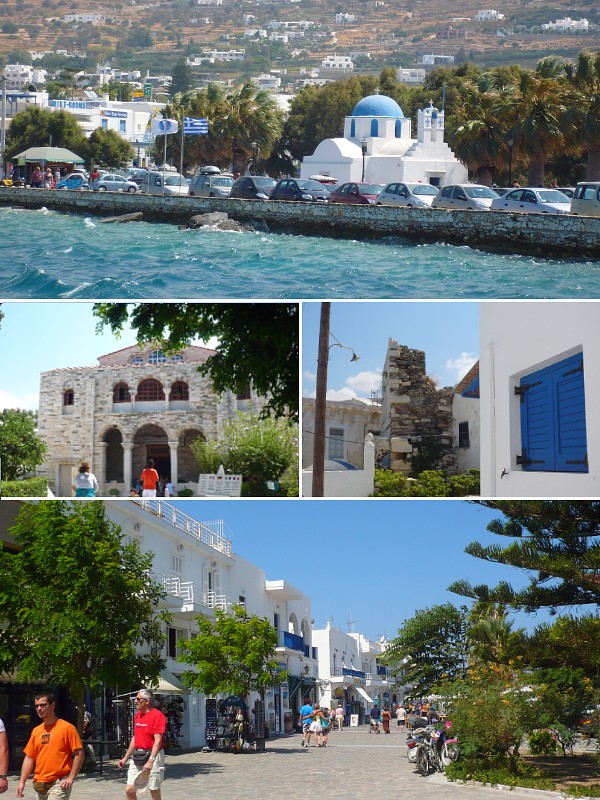
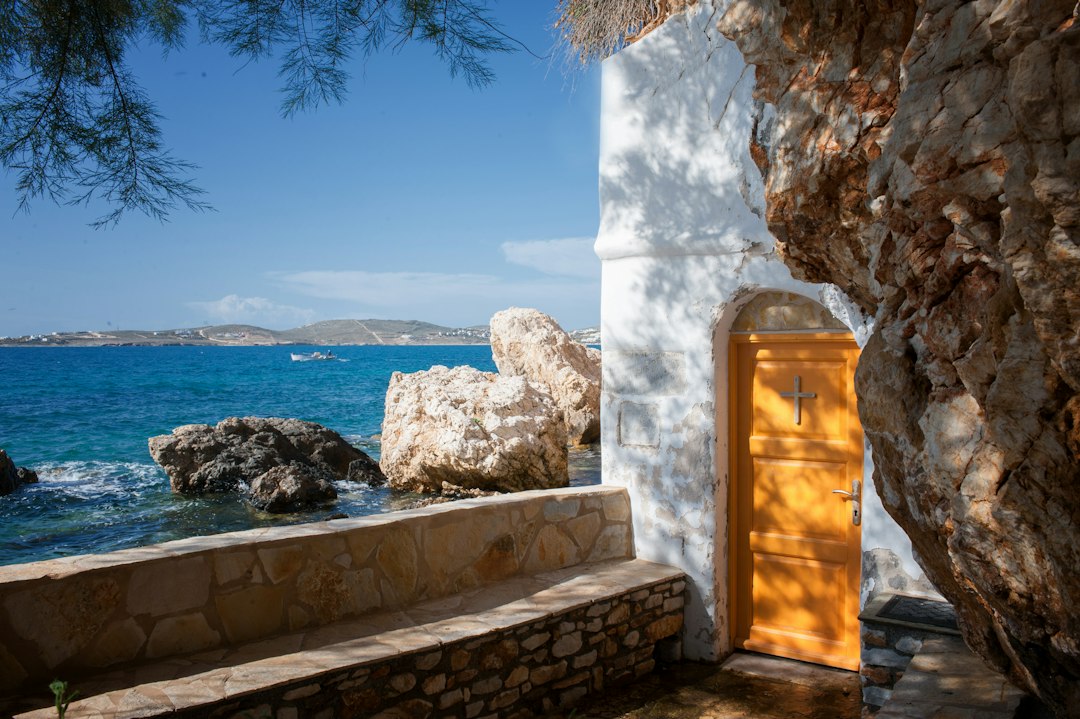
- Stunning Cycladic scenery — whitewashed chapels, cobblestone alleys, and Aegean sea views create a naturally photogenic wedding backdrop
- Warm, reliable summer weather from May through September with long daylight hours ideal for outdoor ceremonies and sunset receptions
- Boutique luxury resorts and private villa estates offer intimate, exclusive settings for small to mid-size celebrations
- Rich local gastronomy — fresh seafood, local wines, and Cycladic cuisine elevate catering and dining experiences
- Naoussa and Parikia offer charming village venues, waterfront tavernas, and private event spaces with authentic Greek character
- Well-connected to Athens via ferry and seasonal flights, making it reachable for international guests with a single stopover
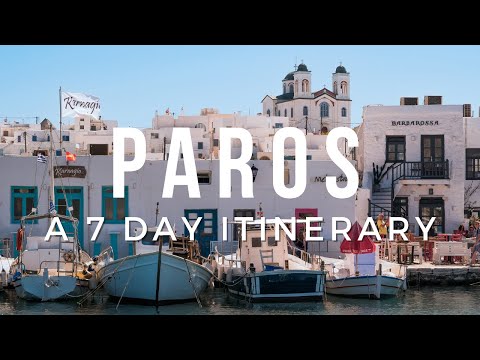
Top Venues in Paros
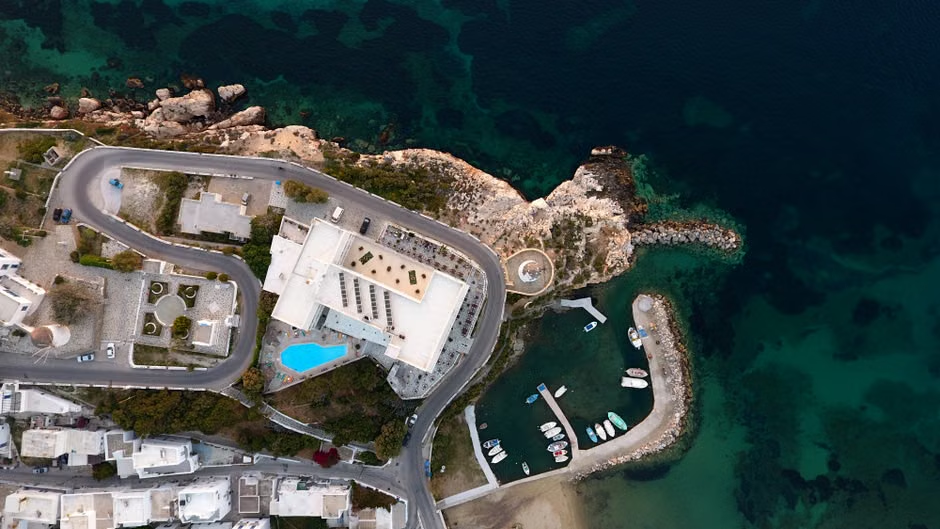
Astir of Paros
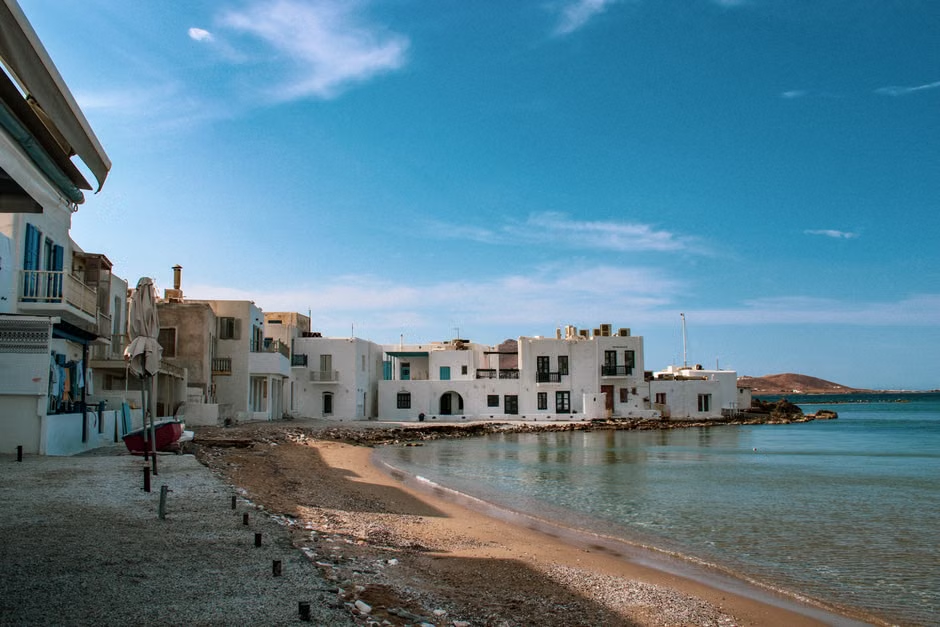
Minois Village Hotel Suites & Spa
Paros Agnanti Hotel
Compare Paros with Other Top Destinations
Frequently Asked Questions
Is Paros a good destination for a wedding?
Yes. Paros is particularly well-suited to intimate and mid-size destination weddings of roughly 30–150 guests. The island offers a combination of naturally beautiful Cycladic scenery, boutique luxury resorts, experienced local wedding planners, and excellent local catering — making it a genuinely complete wedding destination rather than simply a scenic backdrop. It works best for couples who want an authentic, romantic Greek island experience rather than a large-scale production.
What is the best time of year to hold a celebration in Paros?
May through September is the recommended window. May, June, and September are generally considered the sweet spot — warm weather, long daylight hours, and lower crowd density than peak July–August. July and August are reliable but busier and require much earlier booking. Outside this summer season, many venues and hotels close and weather becomes unpredictable, making events significantly harder to plan.
How do guests travel to Paros for a destination event?
Guests arrive either by ferry from Piraeus (Athens' main port), typically a 3.5–5 hour journey, or by seasonal domestic flight from Athens to Paros National Airport. International guests will generally fly into Athens first and then connect. Ferry services are frequent in summer; flight frequency is more limited. Early booking of both accommodation and transport is strongly recommended, especially for July and August events.
How large a guest group can Paros realistically accommodate for an event?
Paros is best suited to events of up to around 150–200 guests. The island's venue inventory — boutique resorts, private villas, and traditional village spaces — is well-matched to intimate and mid-size celebrations. Very large events requiring capacity for 300 or more guests under one roof are not well-served by the current local infrastructure, and planners with those requirements should consider this early in the planning process.
What kinds of venues are available for events in Paros?
Paros offers boutique luxury resort properties with private event terraces and garden lawns, privately rentable villa estates with pools and sea views, traditional village courtyards and waterfront spaces in Naoussa and Parikia, and naturally scenic beachside or clifftop ceremony locations. The overall character is intimate and boutique rather than large-scale ballroom or convention-style — the island's settings are strongest for outdoor and semi-outdoor celebrations.
Is there a local wedding and events vendor community in Paros?
Yes, Paros has a reasonably mature local vendor ecosystem for its size, built around years of growth in the destination wedding market. Local specialists include experienced wedding coordinators, florists working with Mediterranean botanicals, photographers familiar with Aegean light, and caterers drawing on strong local produce. For highly specialist requirements — large-scale production, niche entertainment — some vendors may need to be sourced from Athens and brought to the island.
Can guests find good accommodation in Paros during a summer event?
Yes, though advance booking is essential. Paros has a solid range of boutique luxury resorts, smaller hotels, and private villa rentals that can accommodate event guests comfortably. During July and August — peak season — availability tightens significantly, and securing a block of rooms or an exclusive-use property typically requires booking 12–18 months ahead. May, June, and September offer more flexibility while still providing excellent conditions.
How does the Meltemi wind affect outdoor events in Paros?
The Meltemi is a dry northerly wind common across the Aegean in summer, and it can affect outdoor event setups — particularly in July and August when it tends to be strongest. On Paros it is generally less severe than on more exposed Cycladic islands, but planners should still build contingency arrangements into outdoor ceremony and reception plans. Experienced local coordinators are familiar with managing this and can advise on sheltered venue orientations and backup options.
Is Paros suitable for a corporate retreat or team celebration?
Yes, for smaller groups. Paros works well for corporate retreats, incentive travel, and team celebrations of up to around 60–80 delegates, particularly when the brief calls for a relaxed, scenic environment with high-quality accommodation and dining. The island is not equipped for large-scale conferences or events requiring extensive technical production infrastructure, but for experience-led, relationship-focused corporate gatherings it is a genuinely strong option in the summer season.
What makes Paros different from other Greek island wedding destinations?
Paros retains a more authentic, unhurried Cycladic character compared to more heavily commercialised Greek island destinations. Its village centres — particularly Naoussa — feel genuinely local rather than resort-generic, and the island's scale means celebrations feel intimate rather than lost in a mass-tourism environment. The combination of boutique luxury accommodation, strong local gastronomy, and a growing but not overcrowded wedding vendor community gives it a distinctive character well-suited to couples who want a real sense of place.
What should I know about local transport for guests once they arrive in Paros?
Once on the island, guests can use taxis, rental cars, scooters, or ATVs — all widely available in summer. For event groups, private minibus or coach transfers can be arranged through local operators to move guests between accommodation, ceremony venues, and reception spaces. The island's road network is manageable, though some more remote properties may require careful coordination for larger vehicle movements. Most event-relevant venues are within a reasonable drive of the main port town, Parikia, and the resort village of Naoussa.

Ready to explore venues in Paros?
Paros: Destination Wedding & Celebration Venues in the Cyclades
◆Paros is a mid-sized Cycladic island in the South Aegean, Greece, best suited to intimate and mid-size destination weddings, anniversary celebrations, and private milestone events. Its primary vibe is romantic and dreamy — shaped by whitewashed architecture, Aegean sea views, and warm summer light. The island is most accessible and event-ready from May through September, when weather is reliably warm and the full hospitality infrastructure is operational. Guests typically arrive via Athens, either by ferry or a short domestic flight, making it a manageable journey for European travellers and a single-stopover trip for those coming from further afield. Paros sits at a boutique-luxury price point rather than a mass-market one, and its venue inventory is strongest for groups of up to around 150–200 guests.
Paros at a Glance
| Category | Detail |
|---|---|
| Best For | Destination Weddings, Anniversary Celebrations, Milestone Birthdays, Intimate Private Events |
| Primary Vibe | Romantic & Dreamy |
| Other Vibes | Coastal & Scenic, Boutique & Intimate, Relaxed Sophistication |
| Best Season | Summer (May, Jun, Jul, Aug, Sep) |
Why Choose Paros?
- Naturally cinematic scenery: Whitewashed cubic houses, blue-domed chapels, bougainvillea-draped alleyways, and the deep turquoise of the Aegean provide a backdrop that requires minimal decoration — the island itself is the setting.
- Authentic Cycladic character: Unlike more heavily commercialised Greek islands, Paros retains a genuine village atmosphere in Naoussa and Parikia, giving celebrations a sense of place that feels personal rather than resort-generic.
- Boutique luxury accommodation: The island hosts several well-regarded luxury and upper-boutique properties with dedicated event facilities, private pools, and spa services — suitable for hosting guests who expect a high standard of comfort.
- Exceptional local gastronomy: Paros has a strong culinary identity built around fresh Aegean seafood, local cheeses, Cycladic wines, and traditional mezze — catering at events here can draw on genuinely distinctive, high-quality local produce.
- Manageable scale for intimate events: The island's size and venue inventory are well-matched to groups of 30–150 guests, making it easier to secure exclusive use of a property or a private outdoor space without the logistical complexity of a larger destination.
- Reliable summer conditions: The Meltemi wind that characterises the Aegean in summer is generally lighter on Paros than on more exposed islands, and the long daylight hours — often past 8 pm — allow for extended outdoor ceremonies and sunset receptions.
Which Celebrations Work Best in Paros?
- Destination Weddings: Paros is particularly well-suited to intimate destination weddings of 30–150 guests. The combination of scenic outdoor ceremony spaces (clifftop terraces, beachside lawns, traditional courtyards), boutique luxury accommodation, and a strong local vendor ecosystem for florals, photography, and catering makes it a genuinely complete wedding destination rather than simply a scenic backdrop.
- Anniversary Celebrations: Couples seeking a romantic, private setting for a significant anniversary — whether a dinner for two or a gathering of close family and friends — find Paros's intimate resort properties and waterfront dining well-suited to the occasion. The island's unhurried pace supports a celebratory stay rather than a rushed event.
- Milestone Birthdays: A 30th, 40th, or 50th birthday gathering of 20–80 guests works well here, particularly when the group wants to combine a celebration with a genuine travel experience. Private villa hire and boutique hotel buyouts are realistic options for groups of this size.
- Private Corporate Retreats & Team Celebrations: Smaller corporate groups — typically up to 60–80 delegates — can use Paros's resort properties for incentive travel, team retreats, or end-of-year celebrations, particularly when the brief calls for a relaxed, scenic environment rather than a large conference facility.
Venues & Event Spaces
Paros offers a range of venue types that suit the island's boutique, intimate character. The most common settings for celebrations include:
- Boutique luxury resorts with private event lawns: Several of the island's upper-tier properties have dedicated outdoor event terraces, garden lawns, or poolside spaces that can be configured for ceremonies and receptions of varying sizes.
- Private villa estates: Paros has a growing inventory of privately rentable villas with outdoor entertaining areas, private pools, and sea views — well-suited to exclusive-use events where the host wants full control over the guest experience.
- Traditional village courtyards and taverna spaces: In Naoussa and Parikia, a number of traditional buildings and waterfront spaces can be hired for private dinners and smaller celebrations, offering an authentically Cycladic atmosphere.
- Beachside and clifftop ceremony spots: The island's coastline provides naturally dramatic outdoor ceremony locations, from sheltered coves to elevated terraces with panoramic Aegean views — typically arranged in coordination with a local event planner and the relevant property.
- Spa and wellness retreat spaces: Some resort properties offer wellness-focused event formats — yoga retreats, spa weekends, or wellness-themed celebrations — making use of their dedicated spa facilities alongside event catering.
The overall venue inventory is strongest for groups up to around 150–200 guests. Very large-scale events requiring banquet halls for 300 or more guests are not well-served by the current local infrastructure, and planners with those requirements should factor this in early.
Best Time to Celebrate
The curated best season for events in Paros is Summer: May, Jun, Jul, Aug, Sep. Here is what that means in practical terms:
- May and June are generally considered the sweet spot for weddings and events — temperatures are warm (typically 22°C–28°C), the island is not yet at peak tourist density, accommodation is more readily available, and the light is exceptional for photography. The sea is warm enough for swimming from late May onward.
- July and August are the peak summer months — temperatures can reach 30°C–32°C, the island is at its busiest, and the Meltemi wind (a dry northerly) can be stronger, occasionally affecting outdoor setups. These months are still very popular for celebrations, but advance booking of venues and accommodation is essential, often 12–18 months ahead.
- September offers a return to more comfortable temperatures, thinner crowds, and a relaxed end-of-summer atmosphere — many couples and planners consider it the best single month for a Paros event, combining reliable weather with greater logistical ease.
- October is a shoulder month — weather can still be pleasant in early October, but the risk of rain and strong winds increases, and a growing number of venues and hotels begin to close for the winter season, reducing options significantly.
- November through March are genuinely unsuitable for outdoor events: the island experiences cold temperatures, storms, and a near-complete shutdown of its hospitality infrastructure. Many hotels, restaurants, and event vendors close entirely during this period.
- April sees the island beginning to reopen, but conditions remain unpredictable for outdoor events and the full vendor ecosystem is not yet operational — it is generally not recommended for planned celebrations.
Getting There & Local Connectivity
Paros is an island destination, so all guests arrive either by sea or air — there is no rail connection. The two main access routes are:
- By air: Paros National Airport operates seasonal flights, primarily from Athens and a limited number of European cities during the summer months. The airport is a small facility and flight frequency is lower than at major Greek island airports, so guests should book early and check schedules carefully, particularly for peak summer dates.
- By ferry: Regular high-speed and conventional ferry services connect Paros to Piraeus (Athens' main port), typically in 3.5–5 hours depending on the service. Ferries also connect Paros to neighbouring Cycladic islands (Naxos, Mykonos, Santorini), which can be useful for guests combining the trip with wider island travel. Ferry schedules are frequent in summer but reduce significantly in the off-season.
Once on the island, local transport options include taxis, rental cars, scooters, and ATV hire — all widely available in summer. For event groups, private minibus or coach transfers can be arranged through local operators to move guests between accommodation, ceremony venues, and reception spaces. The island's road network is manageable, though some more remote venues may require careful coordination for larger vehicle movements. Parikia (the main port town) and Naoussa (the main resort village) are the two primary hubs, and most event-relevant properties are within a reasonable drive of both.
Local Vendor & Hospitality Ecosystem
Paros has developed a reasonably mature event vendor ecosystem relative to its size, driven by years of growth in the destination wedding market. Couples and planners can generally expect to find:
- Experienced local wedding planners and coordinators who specialise in Cycladic destination events and have established relationships with venues, caterers, and suppliers across the island.
- Florists and decorators familiar with the island's aesthetic — typically working with Mediterranean botanicals, dried grasses, olive branches, and seasonal blooms that complement the Cycladic setting.
- Photography and videography professionals based on or regularly working in Paros, with strong portfolios of Aegean light and whitewashed-village settings.
- Catering and private chef services drawing on local produce — fresh fish and seafood, Cycladic cheeses, local honey, and regional wines — with the ability to deliver both traditional Greek menus and more internationally-oriented cuisine.
- Music and entertainment options including live Greek music, acoustic ensembles, and DJ services, though the range is narrower than in a major mainland city and some specialist acts may need to be brought in from Athens.
The ecosystem is strongest during the May–September season, when vendors are fully operational. Outside this window, availability drops sharply and some services may not be accessible at all. For very large or highly complex events, it is common practice to supplement local vendors with specialists brought in from Athens or other major European cities.
Pros & Things to Consider
Why Paros Works Well
- Genuinely beautiful, naturally photogenic setting that reduces the need for heavy decoration
- Authentic Cycladic atmosphere — the island feels real and characterful, not over-commercialised
- Strong boutique luxury accommodation options for guests expecting a high standard of comfort
- Excellent local gastronomy and a growing wine culture that elevates event catering
- Well-matched to intimate and mid-size groups — the island's scale works in favour of smaller celebrations
- Reliable, warm summer weather with long daylight hours ideal for outdoor events
- A growing, experienced local wedding and events vendor community
Things to Consider
- Island logistics require advance planning: Getting a large guest group to an island — coordinating flights, ferries, and transfers — is more complex than a mainland destination and demands early, careful organisation.
- Seasonal venue closures: Much of the island's hospitality infrastructure closes between October and April, significantly limiting options outside the summer window.
- Peak-season booking pressure: July and August are extremely popular; securing preferred venues and accommodation for these months typically requires booking 12–18 months in advance.
- Limited capacity for very large events: The island's venue inventory is not well-suited to events of 200+ guests — planners with large guest lists may find options constrained.
- Wind exposure: The Meltemi wind can affect outdoor setups, particularly in July and August — event planners should build contingency arrangements into outdoor ceremony and reception plans.
- Specialist vendor gaps: For highly specific entertainment, décor, or technical production requirements, some vendors may need to be sourced from Athens and transported to the island, adding logistical complexity.
When Paros May Not Be the Right Fit
- Very large guest lists (200+): If your celebration requires banquet-scale capacity for a large number of guests under one roof, Paros's boutique venue inventory is unlikely to meet that need comfortably — a mainland Greek city or a larger island with resort-scale infrastructure would be a more practical choice.
- Off-season or winter events: If your preferred dates fall between November and April, Paros is genuinely not suitable — the majority of venues, hotels, and vendors are closed, and weather conditions are not conducive to outdoor celebrations.
- Guests with very limited travel flexibility: For a guest list that includes many elderly guests, guests with mobility challenges, or guests who find multi-leg journeys (flight to Athens, then ferry or connecting flight) difficult, the island's access requirements may create a meaningful barrier to attendance.
- Events requiring large-scale technical production: If your event requires extensive AV infrastructure, large stage setups, or specialist technical production, the local vendor ecosystem may not have the depth to support it without significant importation of equipment and crew from the mainland.