
Why Crete is Perfect for Your Celebration
- Stunning clifftop and beachfront venues with panoramic Aegean Sea views
- Long, reliable summer season (May–Sep) ideal for outdoor ceremonies and receptions
- Rich Cretan cuisine and local wine traditions elevate catering experiences
- Diverse venue portfolio from luxury 5-star resorts to intimate private villas and historic estates
- Direct international flight connections from across Europe make guest travel straightforward
- Ancient Minoan heritage sites and charming old towns provide unique photographic and cultural backdrops

Compare Crete with Other Top Destinations
Frequently Asked Questions
Is Crete a good destination for a wedding?
Yes. Crete is one of the Mediterranean's most established destination wedding locations, offering beachfront ceremony spaces, clifftop terraces, private villa estates, and Venetian old-town settings. The island has a mature wedding vendor ecosystem, reliable summer weather from May through September, and strong international flight connections from across Europe, making it genuinely well-suited to couples planning a destination celebration.
What guest group sizes can Crete's venues realistically accommodate?
Crete's venue range covers intimate gatherings of 20–50 guests at boutique heritage properties and private villas, through to mid-size celebrations of 200–400 guests at larger beachfront resort complexes. The island is generally best calibrated to small and mid-size events. Very large events of 500 or more guests in a single venue are possible at the largest resort properties but represent a narrower set of options.
Which airports serve Crete, and how easy is it for international guests to get there?
Crete is served by two international airports: Heraklion International Airport in the centre-east of the island, and Chania International Airport in the west. Both receive direct flights from major European cities throughout the summer season. Guests from outside Europe typically connect through Athens. Overall accessibility for European guest groups is strong, making Crete one of the more straightforward Mediterranean destinations to reach.
What is the best time of year to plan a celebration in Crete?
May through September is the optimal window. May, June, and September offer warm temperatures, very low rainfall, and manageable crowds — often considered the sweet spot for outdoor events. July and August are hotter and busier but remain viable, particularly for evening ceremonies. Outside this window, rainfall increases, many resort properties close seasonally, and outdoor events become impractical.
What kinds of venues are available for events in Crete?
Crete offers a genuinely diverse venue landscape: large beachfront resort complexes with dedicated wedding pavilions and outdoor ceremony lawns; boutique heritage properties in Venetian old towns with courtyard and rooftop spaces; and private villa estates offering fully privatised settings. Each category suits a different event scale and atmosphere, from intimate gatherings to mid-size celebrations.
How do guests get around Crete once they arrive?
Crete has no rail network. Guests travel by road — hired car, taxi, or organised coach transfer. The main national road connects the island's key resort areas along the north coast, with journey times between major centres ranging from roughly 45 minutes to two hours. For event days, advance coordination of group transfers is strongly advisable, particularly if guests are staying across different resort areas.
How developed is Crete's wedding and events vendor ecosystem?
Very well developed. Crete has been hosting international destination weddings for over two decades, producing a mature network of specialist vendors: multilingual wedding planners, photographers experienced with the island's light and landscape, florists, and catering teams capable of both traditional Cretan and internationally oriented menus. English is widely spoken across the hospitality industry, reducing communication friction for international couples.
What makes Cretan catering distinctive for a wedding or celebration?
Cretan cuisine is built around high-quality local ingredients — extra-virgin olive oil, fresh seafood, slow-cooked lamb, regional cheeses, and local wines and spirits. Many resort properties work directly with local producers. This gives event catering a genuinely distinctive, high-quality character that stands apart from generic banquet menus, and is frequently cited by couples as one of the highlights of a Cretan celebration.
Are there heritage or culturally distinctive settings available for ceremonies in Crete?
Yes. Crete's Venetian old towns — particularly in Rethymno and Chania — offer converted mansion courtyards, harbour-view terraces, and spaces within historic fortified walls. Ancient Minoan heritage sites and Byzantine churches provide further culturally distinctive backdrops. These settings are generally better suited to smaller, more intimate guest lists where atmosphere and character take priority over scale.
What legal steps are involved in getting married in Crete as a non-Greek national?
Civil marriages for non-Greek nationals in Crete involve specific documentation requirements — typically including birth certificates, proof of single status, and passport copies — that must be legalised and in some cases translated. Requirements vary by nationality. The process generally needs to be initiated well in advance through the relevant consulate and local municipality. Most experienced local wedding planners are familiar with the process and can guide couples through it.
Can Crete accommodate a multi-day wedding celebration rather than a single-day event?
Yes, and this is actually the norm for destination weddings in Crete. The island's combination of resort amenities, cultural excursions (Minoan sites, gorge walks, wine tours, boat trips), and beach leisure activities makes it well-suited to a three-to-five-day celebration programme. Many couples structure a welcome dinner, main ceremony and reception, and a farewell brunch across consecutive days, with guests enjoying the island between events.
Is Crete suitable for a small, intimate wedding rather than a large celebration?
Yes. Crete is particularly well-suited to intimate weddings. Private villa estates in areas such as Elounda and Agios Nikolaos, boutique heritage properties in Rethymno and Chania's old towns, and smaller boutique resorts all cater specifically to small guest groups where privacy, atmosphere, and a personalised experience take priority over scale. The island arguably performs at its strongest for celebrations of under 100 guests.

Ready to explore venues in Crete?
Crete: Destination Wedding & Celebration Venues on the Aegean
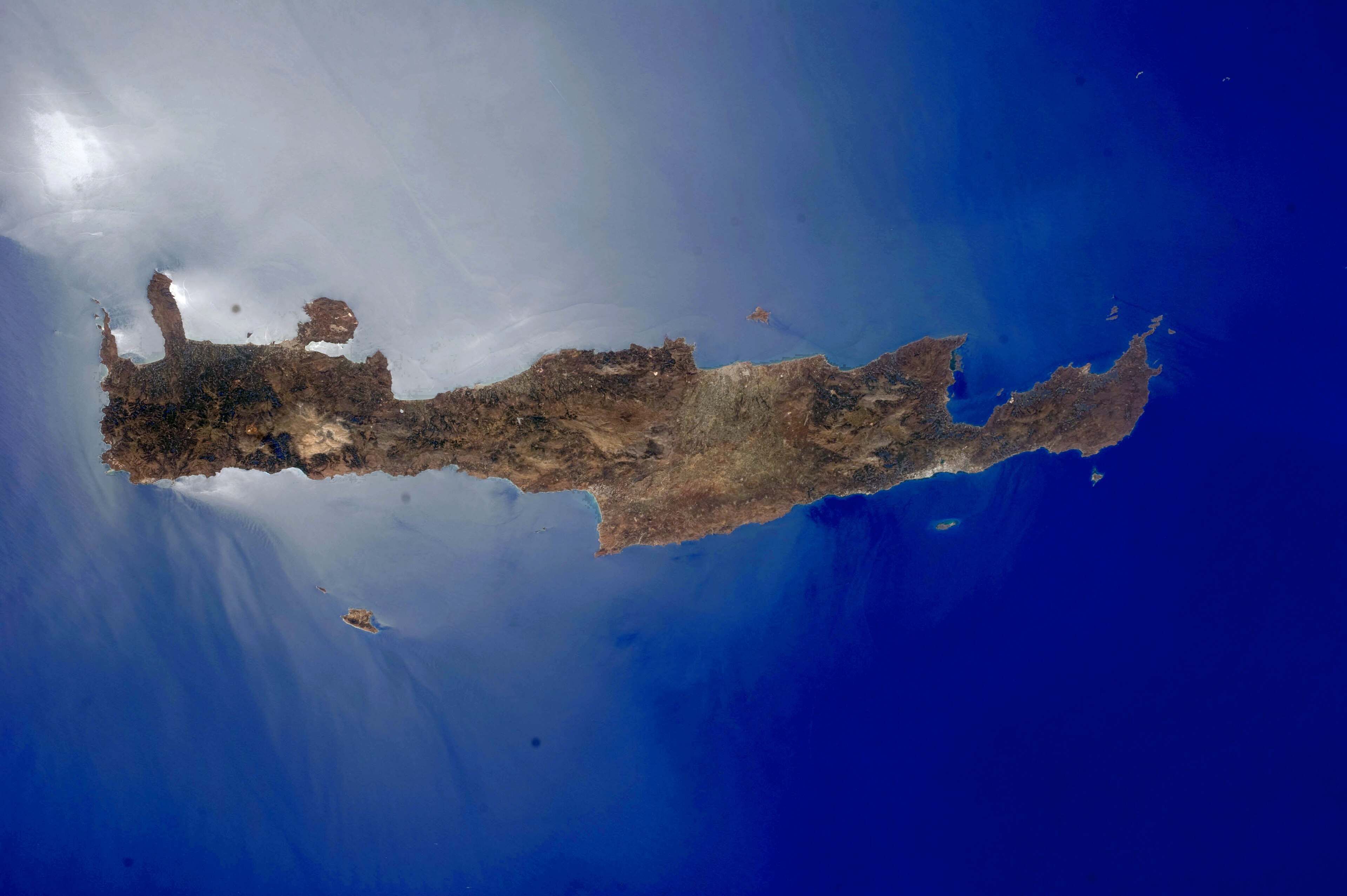
◆Crete is Greece's largest island and one of the Mediterranean's most established destination wedding and celebration locations. Its primary strength lies in romantic, visually dramatic settings — clifftop and beachfront venues, ancient Minoan heritage backdrops, and olive-grove estates — making it particularly well-suited to intimate weddings, honeymoon extensions, anniversary celebrations, and private milestone events. The island's long summer season (May through September) delivers reliably warm, dry weather ideal for outdoor ceremonies. Guest accessibility is strong, with direct international flights into two airports serving different parts of the island. The hospitality infrastructure is mature and internationally oriented, though the island's scale means logistics require planning for groups spread across different resort areas.
Crete at a Glance
| Attribute | Detail |
|---|---|
| Best For | Destination Weddings, Romantic Celebrations, Anniversary Events, Private Milestone Gatherings |
| Primary Vibe | Romantic & Dreamy |
| Other Vibes | Coastal & Scenic, Heritage-Rich, Relaxed Mediterranean |
| Best Season | Summer (May, Jun, Jul, Aug, Sep) |
Why Choose Crete?
- Unmatched coastal scenery: The island's north coast offers long sandy beaches and turquoise bays, while the south coast provides dramatic cliffs and secluded coves — giving couples a genuine choice of visual backdrop for ceremonies and receptions.
- Mature luxury resort infrastructure: Crete hosts a significant concentration of internationally operated luxury and upper-midscale resorts, many of which have dedicated wedding and events teams experienced in handling international guest groups.
- Rich Cretan culinary tradition: Local cuisine — built around olive oil, fresh seafood, lamb, and regional wines — gives catering a distinctive, high-quality character that elevates the dining experience well beyond generic banquet fare.
- Ancient heritage as a living backdrop: Minoan palace sites, Venetian old towns (particularly in Rethymno and Chania), and Byzantine churches provide genuinely unique photographic and ceremonial settings unavailable in most other European destinations.
- Reliable summer season: From May through September, Crete delivers consistently dry, warm weather with very low rainfall probability — a critical factor for outdoor event planning that many Mediterranean destinations cannot match as reliably.
- Strong international flight connectivity: Heraklion and Chania airports receive direct flights from across Europe throughout the summer season, making guest travel straightforward for international wedding parties without requiring complex multi-leg journeys.
Which Celebrations Work Best in Crete?
Destination Weddings: Crete is particularly well-suited to destination weddings, especially those seeking a romantic, visually dramatic setting. The combination of beachfront ceremony spaces, clifftop terraces, and private villa estates allows couples to create a genuinely distinctive event rather than a generic hotel ballroom experience. The island's established wedding vendor ecosystem — including local florists, photographers familiar with the light conditions, and catering teams experienced with international dietary requirements — supports smooth execution.
Anniversary & Milestone Celebrations: The island's intimate boutique properties and private villa options make it an excellent choice for significant anniversaries or milestone birthday celebrations where a small, close group wants an immersive, high-quality experience over several days rather than a single-evening event.
Honeymoon Extensions: Many couples who marry elsewhere choose Crete as an immediate honeymoon destination, taking advantage of the island's combination of luxury resort amenities, private beach access, and cultural exploration opportunities. The island's geography — with distinct regions each offering a different character — allows a honeymoon itinerary that feels varied without requiring long travel.
Private Corporate Retreats & Incentive Events: Larger resort properties in areas such as Hersonissos and Rethymno have conference and event facilities capable of hosting corporate groups. The combination of professional meeting infrastructure with leisure activities (sailing, wine tours, archaeological excursions) makes Crete a credible incentive travel destination for European corporate groups.
Venues & Event Spaces
Crete's venue landscape is diverse and genuinely tiered. At the upper end, large beachfront resort complexes offer dedicated wedding pavilions, outdoor ceremony lawns with sea views, and banquet spaces capable of accommodating several hundred guests. These properties typically have in-house events coordinators and established relationships with local vendors, which simplifies planning for international couples.
Boutique and heritage properties — particularly in the Venetian old towns of Rethymno and Chania — offer a more intimate, architecturally distinctive setting. Converted mansions, courtyard spaces within historic fortified walls, and rooftop terraces overlooking the old harbour provide a character that larger resort complexes cannot replicate. These venues are generally better suited to smaller guest lists where atmosphere takes priority over scale.
Private villa estates, particularly in the Lasithi region around Elounda and Agios Nikolaos, represent a third category: fully privatised settings where the entire property is taken over for the event, offering maximum privacy and a bespoke experience. These are typically best suited to intimate weddings and celebrations of under 100 guests.
Outdoor beach and clifftop ceremony spaces are widely available across the island, often as part of a resort package rather than as standalone hire. The island's light conditions — particularly in the late afternoon and early evening — are exceptionally well-regarded for ceremony photography, which is a practical consideration many couples factor into venue selection.
Best Time to Celebrate
The curated best season for events in Crete runs from May through September, and this reflects genuine climatic conditions rather than a conservative estimate. May and June offer warm temperatures (typically in the mid-to-upper 20s Celsius), very low rainfall, and manageable crowds compared to the peak of July and August. These early summer months are often considered the sweet spot for outdoor weddings — warm enough for evening receptions without the intense midday heat of high summer.
July and August are the hottest months, with temperatures regularly reaching 30°C and above, particularly in inland areas. Coastal breezes at beachfront venues moderate this considerably, but midday outdoor events in these months require careful scheduling. Evening ceremonies and receptions are the norm during peak summer, and the long daylight hours (sunset as late as 9pm in June) allow for extended golden-hour photography.
September remains an excellent month — temperatures begin to ease slightly, the sea is at its warmest of the year, and the island is somewhat less crowded than August. Many couples and planners consider September the most comfortable month overall for a Cretan celebration.
Outside this window, the picture changes significantly. October can still offer pleasant weather and is a genuine shoulder-season option for smaller, more flexible events, though rainfall probability increases noticeably from mid-October onward. November through March brings cool, wet conditions, and a significant proportion of resort properties close seasonally during this period — reducing the available venue inventory substantially and making outdoor events impractical. April is a transitional month with improving weather but still some rainfall risk and limited resort openings.
Getting There & Local Connectivity
Crete is served by two international airports: Heraklion International Airport (serving the central and eastern parts of the island) and Chania International Airport (serving the western part). Both receive direct flights from major European cities throughout the summer season, making the island genuinely accessible for international guest groups without requiring connections through Athens, though Athens connections are also available year-round for those travelling from further afield.
Within the island, there is no rail network. Guests and event groups move between locations by road — either by hired car, taxi, or organised coach transfer. The island's main national road runs along the north coast connecting Chania, Rethymno, Heraklion, and Agios Nikolaos, and journey times between these centres range from roughly 45 minutes to two hours depending on the route. For a wedding group staying across multiple properties or in different resort areas, coordinating transfers requires advance planning, particularly for ceremony days when timing is critical.
Ferry connections from the Greek mainland (Piraeus) and from other Aegean islands are available, though for most international guests arriving by air, ferry travel is more relevant for island-hopping extensions than for the primary arrival journey. Local taxis and private hire vehicles are widely available in resort areas and cities, though advance booking is advisable during peak summer months.
Local Vendor & Hospitality Ecosystem
Crete has one of the most developed destination wedding vendor ecosystems in the eastern Mediterranean. The island has been receiving international wedding groups for well over two decades, and this has produced a mature network of specialist vendors: wedding planners with multilingual capability, photographers and videographers experienced with the island's specific light and landscape, florists working with both local and imported blooms, and catering teams capable of delivering both traditional Cretan menus and internationally oriented cuisine.
The hospitality workforce in resort areas is largely experienced with international guests and English is widely spoken across the industry. This reduces the communication friction that can complicate event planning in destinations where the hospitality sector is less internationally oriented.
Cretan cuisine itself is a genuine asset for event catering. The island's food culture — centred on high-quality olive oil, fresh local produce, seafood, slow-cooked meats, and regional wines and spirits — gives catering a distinctive identity. Many resort properties work with local producers, and the quality of ingredients available on the island is consistently high.
One practical consideration: the island's vendor ecosystem is concentrated in the main resort areas (Hersonissos, Rethymno, Elounda, Chania). Events planned in more remote or rural locations may require vendors to travel, which can affect logistics and should be factored into planning timelines.
Pros & Things to Consider
Why Crete Works Well
- Consistently reliable summer weather with very low outdoor event cancellation risk during the May–September window
- Diverse venue portfolio spanning luxury beachfront resorts, intimate heritage properties, and private villa estates
- Strong international flight connectivity from across Europe, simplifying guest travel
- Mature, experienced destination wedding vendor ecosystem with multilingual capability
- Distinctive Cretan cuisine elevates catering well above generic event food
- Rich cultural and heritage experiences (Minoan sites, Venetian old towns, gorge walks, wine tours) give guests a multi-day programme beyond the event itself
- Long summer evenings with exceptional natural light conditions for ceremony photography
Things to Consider
- The island is large and its main resort areas are spread across a significant distance — a guest group staying in different areas may face meaningful transfer times on event days
- Peak summer (July–August) brings high tourist volumes across the island, which can affect road traffic, restaurant availability, and the general atmosphere in popular areas
- Many resort properties close seasonally between November and April, substantially reducing venue options for anyone considering an off-season event
- Remote or rural venue choices may require vendors to travel from main resort areas, adding logistical complexity
- Civil marriage ceremonies for non-Greek nationals involve specific legal documentation requirements that typically need to be arranged well in advance through the relevant consulate or local municipality — couples should factor this into their planning timeline
When Crete May Not Be the Right Fit
- Off-season events requiring full resort infrastructure: If the preferred event date falls between November and April, the available venue inventory is significantly reduced as many properties close seasonally. Couples with fixed off-season dates may find the choice of suitable venues limited.
- Very large-scale events (500+ guests): While Crete has resort properties capable of hosting substantial guest numbers, the island's venue landscape is generally better calibrated to mid-size and intimate events. Couples requiring very large ballroom-scale capacity across a single venue may find the options narrower than in major mainland European event cities.
- Guests with limited European travel access: For wedding parties where a significant proportion of guests face visa or logistical barriers to European travel, the island's location — while excellent for European guests — may create meaningful attendance challenges that a destination closer to the guest group's home region would avoid.
- Couples prioritising urban event infrastructure: Crete is fundamentally a resort and coastal destination. Couples seeking the kind of large-scale urban event infrastructure — convention centres, multiple adjacent luxury hotels within walking distance, extensive public transport — that a major European city provides may find the island's more dispersed, resort-oriented layout less convenient.