
Why Tamale / Mole Region is Perfect for Your Celebration
- Authentic Dagomba cultural ceremonies and traditional drumming create a genuinely immersive celebration atmosphere
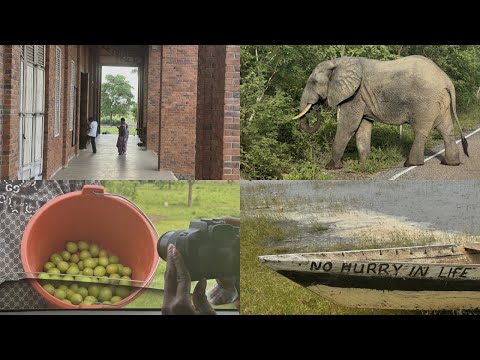
- Mole National Park offers extraordinary wildlife backdrops — elephants, antelopes, and open savanna — unique among African event destinations
- Dry season (Nov–Feb) delivers clear skies and cooler evenings ideal for outdoor ceremonies and sundowner receptions
- Exclusive-use eco-lodges and bush camps near Mole allow full buyouts for private, intimate celebrations
- Low tourist density during the best season means events feel private and unhurried
- Strong local community hospitality traditions make guests feel genuinely welcomed rather than processed
Compare Tamale / Mole Region with Other Top Destinations
Frequently Asked Questions
Is Tamale / Mole Region a good destination for a wedding?
Yes, particularly for small, intimate weddings of 20–100 guests. The region offers a genuinely distinctive setting — savanna landscapes, wildlife backdrops at Mole National Park, and deep Dagomba cultural traditions — that suits couples who want an authentic, exclusive experience rather than a conventional large-scale wedding. It is less suited to very large guest lists given the current venue and accommodation inventory.
What is the best time of year to hold an event in Tamale / Mole Region?
The dry season — January, February, November, and December — is the only reliably suitable window for outdoor events. These months bring clear skies, lower humidity, and cooler evenings. The rainy season (June–September) brings flooding and poor road access to Mole, while March–May sees extreme heat regularly exceeding 38°C. November and December are the most accessible entry points into the good season.
How do guests get to Tamale from abroad?
All international guests will connect through Accra's Kotoka International Airport, then take a domestic flight to Tamale Airport (TML) — a journey of under an hour in the air. There are no direct international flights to Tamale. Planners should build in a connection window or overnight in Accra for overseas guests. Road travel from Accra to Tamale is possible but takes 10–12 hours and is not recommended for large groups.
How far is Mole National Park from Tamale, and how do guests get there?
Mole National Park is approximately 150 km west of Tamale — roughly a 3–4 hour drive depending on road conditions. There is no public transport link, so dedicated hired minibuses or 4WD vehicles are the standard arrangement for moving a guest group. Planners should treat the road journey as part of the guest experience and arrange group transport in advance, particularly during the dry season when roads are at their best.
What kinds of event spaces are available in the Tamale / Mole Region?
The region offers eco-lodges and bush camps near Mole National Park with outdoor terraces and savanna-facing lawns, mid-range hotel banquet halls and courtyards in Tamale city, and open community spaces suitable for traditional ceremonies. There are no purpose-built wedding venues or large convention centers — planners work creatively with available spaces. Full buyouts of eco-lodges are realistic and common for private events.
How many guests can the Tamale / Mole Region realistically accommodate for a destination event?
The region comfortably supports events of up to 150–200 guests when combining available venue space and nearby accommodation. Eco-lodges near Mole are best suited to intimate gatherings of 20–80 guests, while hotel properties in Tamale can handle slightly larger receptions. Events significantly above 200 guests will strain the local inventory and may require guests to be spread across multiple properties.
Are local vendors available for events, or do planners need to bring everything from Accra?
Local vendors in Tamale cover the essentials well — caterers experienced in northern Ghanaian cuisine, traditional musicians and performers, tent and furniture hire, and basic audio-visual equipment. For more specialist production — high-end lighting, international cuisine, professional wedding photography — planners typically source from Accra and arrange travel north. This is common practice but requires additional lead time and accommodation planning for vendor teams.
Can traditional Ghanaian ceremonies be incorporated into a celebration here?
Yes, and this is one of the region's genuine strengths. Tamale is the heartland of Dagomba culture, and traditional elements — drumming, regalia, community participation, and ceremonial customs — can be authentically woven into a celebration. Local cultural groups and community leaders are generally open to participating in events, and the experience feels organic rather than staged, which is difficult to replicate elsewhere.
What is internet and mobile connectivity like for guests at Mole National Park?
Connectivity at Mole is limited. Mobile signal is patchy and internet access at lodges is generally slow or intermittent. Guests and vendors should be briefed to expect this before arrival — it is part of the destination's character rather than a fixable logistical problem. In Tamale city, connectivity is more reliable, with standard Ghanaian mobile networks providing reasonable coverage.
Is the Tamale / Mole Region safe for international guests attending an event?
Generally yes. Tamale and the Mole area are considered safe for visitors, and northern Ghanaian communities are known for their hospitality toward guests. Planners should stay current with any regional advisories, as northern Ghana's proximity to the Sahel means the broader security picture can shift — but for the destination itself, events have been hosted without significant safety concerns during the dry season.
What makes a celebration in the Mole Region feel different from a conventional destination wedding?
The combination of wildlife, savanna landscape, and living Dagomba cultural traditions creates an atmosphere that is genuinely hard to manufacture elsewhere. Guests are likely to encounter elephants near the lodge, hear traditional drumming, and experience a level of community warmth that feels real rather than curated. The remoteness also means the event feels entirely private — there are no other tourists or events competing for attention.

Ready to explore venues in Tamale / Mole Region?
Tamale / Mole Region: Destination Wedding & Cultural Event Venues in Northern Ghana
◆Tamale and the Mole Region in northern Ghana are best suited to intimate, culturally immersive celebrations — small weddings, traditional ceremonies, social gatherings, and corporate retreats — where authenticity and exclusivity matter more than scale or conventional luxury. The primary vibe is Cultural & Timeless, rooted in Dagomba heritage, open savanna landscapes, and genuine community hospitality. The dry season (January, February, November, December) is the only reliably comfortable window for outdoor events. Accessibility requires planning — guests typically fly into Tamale via Accra — and the local hospitality infrastructure, while growing, is best described as mid-range and eco-focused rather than large-scale luxury.
Tamale / Mole Region at a Glance
| Category | Detail |
|---|---|
| Best For | Intimate Weddings, Traditional Ceremonies, Social Gatherings, Corporate Retreats |
| Primary Vibe | Cultural & Timeless |
| Other Vibes | Wild & Untamed, Eco-Conscious, Community-Rooted |
| Best Season | Dry Season (Jan, Feb, Nov, Dec) |
Why Choose Tamale / Mole Region?
- Genuinely unique cultural setting: The Dagomba people of northern Ghana have one of West Africa's richest living ceremonial traditions — drumming, regalia, and community ritual can be authentically woven into a celebration in ways that feel organic rather than staged.
- Wildlife as a backdrop: Mole National Park, Ghana's largest wildlife reserve, places elephants, warthogs, and antelopes within walking distance of event spaces — a backdrop that is essentially impossible to replicate at a conventional venue destination.
- Exclusivity by geography: The region's relative remoteness means events here are naturally private. Full buyouts of eco-lodges and bush camps are realistic and common, giving a celebration a sense of complete ownership over the space.
- Dry-season climate: Between November and February, the harmattan wind brings cooler temperatures and clear skies to the savanna, making outdoor ceremonies and evening receptions genuinely comfortable — a sharp contrast to the punishing heat and rains of other months.
- Authentic local hospitality: Northern Ghanaian communities are known for a warmth and generosity toward guests that translates well into event hosting — local catering, traditional music, and community participation can enrich a celebration in ways that feel real rather than performative.
- Low event density: Unlike more established destination wedding markets, the Tamale/Mole region sees very few destination events, meaning vendors, venues, and local authorities are typically attentive and flexible rather than overextended.
Which Celebrations Work Best in Tamale / Mole Region?
- Intimate destination weddings: Small guest lists of 20–100 people are the sweet spot here. The venue inventory — eco-lodges, bush camps, hotel lawns — is well-suited to close-knit celebrations where the setting does the heavy lifting rather than elaborate décor or large production.
- Traditional and cultural ceremonies: For couples with Ghanaian heritage, particularly from northern Ghana, Tamale is a natural home for traditional engagement ceremonies (knocking), outdooring events, and family celebrations that draw on Dagomba customs and community participation.
- Social gatherings and milestone celebrations: Landmark birthdays, family reunions, and anniversary celebrations benefit from the region's sense of occasion — a gathering here feels genuinely special and far removed from everyday life.
- Corporate retreats and team events: The combination of wildlife, open space, and cultural programming makes the Mole area particularly effective for leadership retreats, team-building events, and off-site strategy sessions where disconnection from urban routine is the goal.
- Festival-style events: The region's cultural calendar — including the Damba Festival celebrated by the Dagomba — offers opportunities to time a social event around an existing community celebration, adding a layer of authentic festivity that no event planner could manufacture independently.
Venues & Event Spaces
The Tamale/Mole region's event infrastructure is built around a combination of eco-lodges and bush camps within or adjacent to Mole National Park, mid-range hotel banquet facilities in Tamale city, and open-air community spaces that can be adapted for traditional ceremonies. Eco-lodges typically offer outdoor terraces, poolside areas, and bush-facing lawns that work well for ceremonies and sundowner receptions. In Tamale itself, hotel properties generally provide indoor banquet halls and courtyard spaces suitable for receptions of up to 200 guests. For larger traditional ceremonies, open community grounds and family compounds are commonly used, often with local tent and canopy hire. The region does not currently have purpose-built wedding venues or large convention-style event centers — planners should expect to work creatively with the available spaces rather than selecting from a menu of pre-configured event packages.
Best Time to Celebrate
The dry season — January, February, November, and December — is the only window that reliably supports outdoor events in the Tamale/Mole region. During these months, the harmattan wind from the Sahara brings lower humidity, cooler evening temperatures (sometimes dropping to the low 20s°C at night), and consistently clear skies. Dust haze from the harmattan can occasionally reduce visibility in January and February, but this is generally manageable and far preferable to the alternatives.
The rest of the year presents genuine challenges. March through May sees temperatures climb sharply — regularly exceeding 38°C — with little rainfall to moderate the heat, making outdoor events uncomfortable and potentially unsafe for elderly guests or children. June through September is the main rainy season: heavy, unpredictable downpours, flooding on roads leading to Mole, and high humidity make this period unsuitable for outdoor celebrations and logistically difficult for guest travel. October is a transitional month where rains linger and conditions remain unreliable. Planners should treat November and December as the most accessible entry points into the good season, and January and February as the peak comfort window — though harmattan dust should be factored into décor and photography planning.
Getting There & Local Connectivity
Tamale Airport (TML) is the primary gateway, located close to the city center and served by domestic flights from Accra (Kotoka International Airport). Flight times from Accra are typically under an hour, making this the most practical route for international guests who will connect through Accra. Direct international flights to Tamale do not currently exist, so all overseas guests will transit through Accra — planners should build in at least one overnight in Accra or a same-day connection window when designing guest travel itineraries.
Road travel from Accra to Tamale is possible but long — typically 10–12 hours by road — and is generally not recommended for large guest groups unless guests are already based in Ghana. There is no operational rail service to northern Ghana.
Once in Tamale, local transport options include taxis, ride-hailing apps (with variable availability), and hired minibuses — the latter being the most practical for moving a guest group between the city and Mole National Park, which is approximately 150 km west of Tamale (roughly a 3–4 hour drive on roads that vary in quality). Planners hosting events at Mole should arrange dedicated group transport and factor in the road journey as part of the guest experience rather than treating it as a logistical inconvenience.
Local Vendor & Hospitality Ecosystem
Tamale has a functioning local vendor ecosystem for events — caterers experienced in both Ghanaian northern cuisine and broader West African menus, local musicians and traditional performers, tent and furniture hire operators, and basic audio-visual suppliers. For a traditional ceremony or a culturally rooted celebration, local vendors are often the strongest choice, bringing authenticity and community knowledge that outside vendors cannot replicate.
For more technically demanding production — large-scale lighting rigs, international cuisine catering, high-end floral design, or professional wedding photography at international standards — planners typically need to source from Accra and arrange for vendors to travel north. This is common practice and generally workable, but it adds logistical complexity and lead time. Accommodation for vendor teams should be factored into planning, particularly for multi-day events at Mole where the nearest town is small.
The hospitality staff at established lodges and hotels in the region are generally experienced with hosting groups and events, and the culture of northern Ghanaian hospitality — attentive, warm, and community-oriented — tends to translate into a guest experience that feels genuinely cared for rather than transactional.
Pros & Things to Consider
Why Tamale / Mole Region Works Well
- Genuinely unique wildlife and savanna setting — no other destination in Ghana offers this combination
- Deep cultural authenticity through Dagomba traditions, music, and community participation
- Excellent exclusivity — full venue buyouts are realistic and the region sees very few destination events
- Dry season climate is genuinely comfortable for outdoor events, with clear skies and cooler evenings
- Local hospitality culture is warm and attentive, making guests feel genuinely welcomed
- Strong fit for small, intimate guest lists where the setting and experience matter more than scale
Things to Consider
- Accessibility is a real constraint — all international guests must connect through Accra, and the journey to Mole adds further travel time
- The venue inventory is limited in scale — events much above 150–200 guests will strain the available accommodation and event space
- High-end production vendors (lighting, international catering, specialist photography) typically need to be sourced from Accra and transported north
- Harmattan dust in January and February can affect outdoor décor, photography, and guest comfort — this should be planned for rather than ignored
- Internet and mobile connectivity in the Mole area is limited — guests and vendors should be briefed to expect this
- The rainy season (June–September) and extreme heat months (March–May) are genuinely unsuitable for events — the planning window is narrower than many destinations
When Tamale / Mole Region May Not Be the Right Fit
- Large guest lists: If your celebration requires accommodation and event space for more than 150–200 guests in one location, the current venue inventory in the Tamale/Mole region will not comfortably support it — a larger Ghanaian city or a destination with more hotel density would serve better.
- Guests with limited travel flexibility: International guests who cannot manage a multi-leg journey (international flight to Accra, domestic connection to Tamale, then road transfer to Mole) may find the logistics prohibitive — this destination rewards guests who are genuinely up for an adventure.
- Events planned outside the dry season: Any outdoor celebration planned between June and September faces serious risk from heavy rains and flooding, particularly on the road to Mole. If your dates are fixed in the rainy season, this destination is not the right choice.
- Couples seeking conventional luxury production: If the vision involves large-scale floral installations, international-standard catering, or high-end production values delivered seamlessly on-site, the local vendor ecosystem will require significant supplementation from Accra — which is manageable but adds complexity that may not suit every planner's bandwidth.