
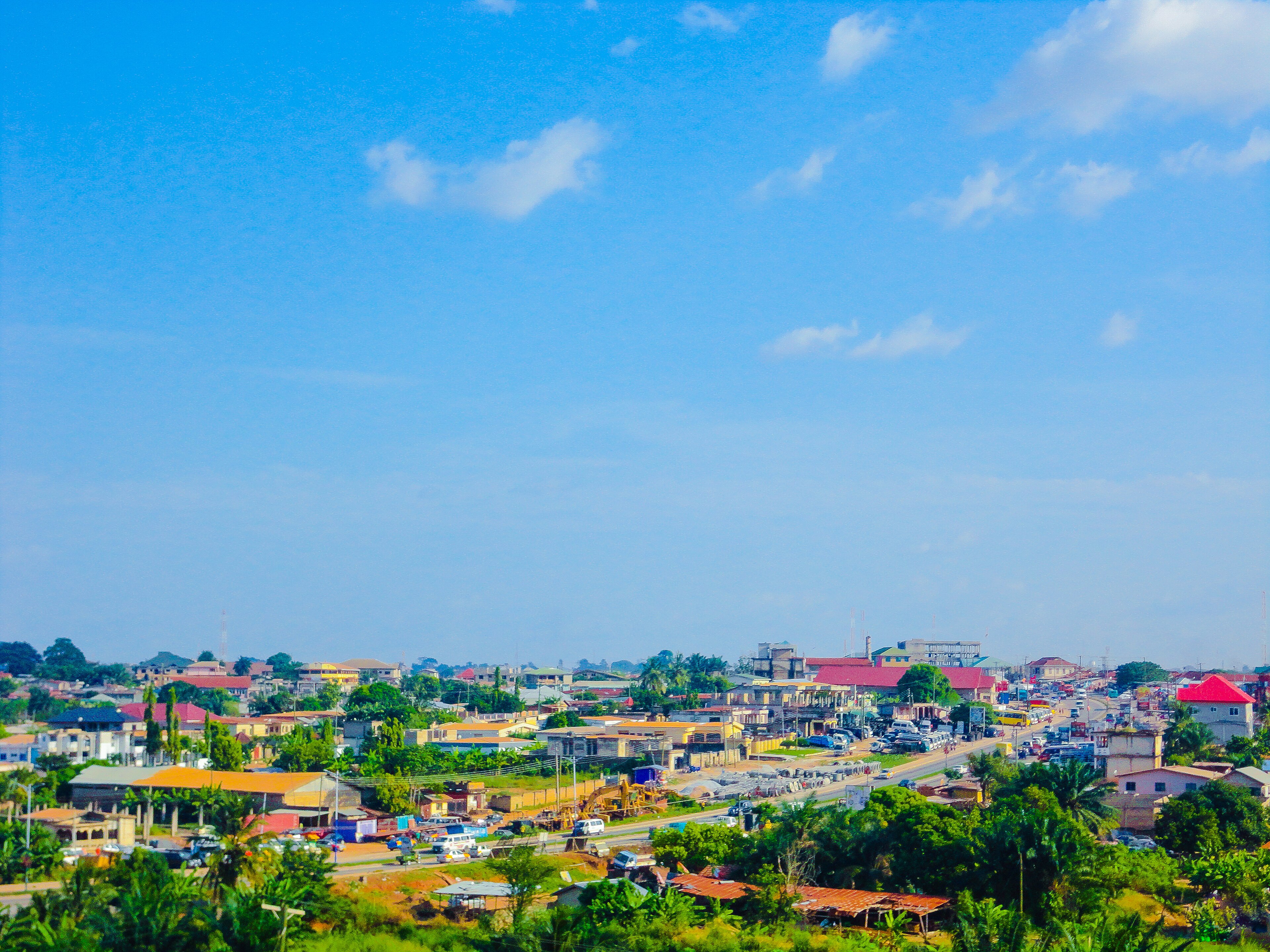
Why Kumasi is Perfect for Your Celebration
- Deep Ashanti royal heritage lends authentic cultural grandeur to traditional weddings and ceremonies
- Dry season months (Jan–Mar, Nov–Dec) offer reliably low rainfall and comfortable temperatures for outdoor celebrations
- Kumasi Airport (KMS) provides direct domestic connections from Accra, easing guest travel logistics
- A growing mid-range and upscale hotel inventory can accommodate sizeable guest groups within the city
- Rich local craft traditions — kente weaving, Adinkra symbolism — offer unique, place-specific décor and gifting opportunities
- Vibrant local catering and hospitality culture rooted in Ashanti cuisine and ceremonial hosting
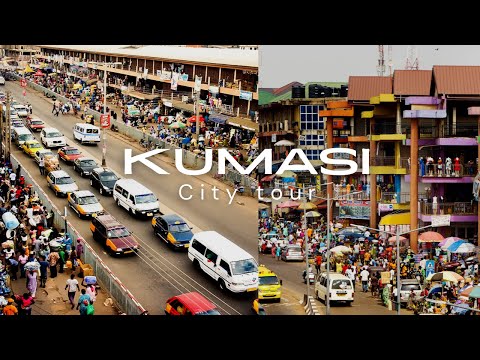
Compare Kumasi with Other Top Destinations
Frequently Asked Questions
Is Kumasi a good destination for a traditional Ghanaian wedding?
Yes, strongly so. Kumasi is the historic capital of the Ashanti Kingdom and arguably the most authentic setting in Ghana for a traditional Ashanti wedding or knocking ceremony. The city's cultural infrastructure — including experienced traditional caterers, kente weavers, and ceremonial protocol advisors — is well-suited to events that honour Ashanti customs in their original context, giving celebrations a depth of authenticity that is difficult to replicate elsewhere.
What is the best time of year to hold a celebration in Kumasi?
The best time is the dry season: January, February, March, November, and December. These months offer the lowest rainfall probability and manageable humidity, making outdoor ceremonies and garden receptions reliably feasible. April through June and July through September bring Kumasi's two rainy seasons, with frequent heavy downpours that make outdoor events genuinely risky. October is a transitional month and generally not recommended for outdoor-dependent events.
How do guests get to Kumasi for a destination event?
Kumasi is served by Kumasi Airport (KMS), approximately 4 km from the city center, with regular domestic flights from Accra taking under an hour. International guests typically fly into Accra's Kotoka International Airport and connect onward by air or road. The Accra–Kumasi highway is well-maintained and covered by frequent intercity coaches, with journey times of roughly 3.5 to 5 hours by road.
What kinds of event venues are available in Kumasi?
Kumasi offers hotel ballrooms and banquet halls, outdoor garden and lawn spaces, and a small number of heritage and culturally significant properties. Mid-range hotels with dedicated event wings are the most common format, typically suited to groups of 80 to 300 guests. Outdoor garden venues are particularly popular during the dry season, when the city's lush tropical greenery provides a naturally beautiful backdrop.
How large a guest group can Kumasi realistically accommodate for an event?
Most of Kumasi's established event venues comfortably handle groups in the range of 80 to 300 guests. A handful of larger properties can stretch toward the upper end of that range across multiple spaces. For very large events exceeding 400 to 500 guests, planners should assess venue capacity carefully and consider whether a multi-venue or multi-space approach is needed, as the city's inventory at the largest scale is more limited than in major metropolitan event hubs.
Is December a good month for a celebration in Kumasi?
Yes, December falls within the dry season and is a popular month for celebrations in Kumasi, coinciding with the festive season and the return of Ghanaian diaspora visitors. This makes it a lively and socially vibrant time to celebrate. However, the increased demand during December means accommodation and domestic flights can be in high demand — early booking for venues and guest accommodation is particularly important for this window.
What makes Kumasi's local vendor ecosystem well-suited to events?
Kumasi has a mature local catering culture rooted in Ashanti ceremonial traditions, with experienced caterers capable of producing both traditional Ghanaian menus and contemporary event catering. The city's proximity to major craft markets means locally sourced kente textiles, Adinkra-printed fabrics, and handcrafted décor are readily accessible. Event decoration specialists, photographers experienced in traditional ceremonies, and local event coordinators with established vendor networks are all available in the city.
What is local transport like for a guest group once they arrive in Kumasi?
Taxis and ride-hailing services are widely available within Kumasi. For event groups, chartered minibuses and coaches are the standard approach for moving guests between accommodation, ceremony venues, and reception spaces. Traffic congestion — particularly around the central Kejetia market area — can add time to journeys during peak hours, so event-day schedules should include buffer time, especially for morning ceremonies.
Are there outdoor event spaces in Kumasi, and are they reliable?
Yes. Outdoor garden and lawn spaces are among Kumasi's most appealing event settings, particularly during the dry season (January–March, November–December) when rainfall is minimal. The city's tropical greenery — which earns it the 'Garden City of West Africa' nickname — provides a naturally lush backdrop. Outside the dry season, outdoor events carry meaningful weather risk and should be planned with covered contingency options.
Can Kumasi work for a social festival or large community celebration?
Yes. Kumasi has a deeply embedded culture of large communal gatherings, reinforced by annual events like the Akwasidae festival. Local vendors, caterers, and event spaces are experienced in managing sizeable, festive social events. Birthday milestones, naming ceremonies, family reunions, and community festivals all translate well to Kumasi's hospitality infrastructure, particularly during the dry season months.
Is Kumasi safe for guests travelling for a celebration?
Kumasi is generally considered safe for visitors and is one of Ghana's most visited cities. Standard travel precautions apply — guests should be aware of their surroundings, particularly in busy market areas, and event planners typically arrange coordinated transport for guest groups rather than relying on guests navigating independently. Ghana as a whole is regarded as one of West Africa's more stable and visitor-friendly countries.

Ready to explore venues in Kumasi?
Kumasi: Destination Wedding & Cultural Event Venues in Ghana's Ashanti Capital
◆Kumasi is Ghana's second-largest city and the historic capital of the Ashanti Kingdom, making it one of West Africa's most culturally distinctive destinations for weddings, traditional ceremonies, and social celebrations. Its primary vibe is Cultural & Timeless — rooted in Ashanti royal heritage, kente traditions, and ceremonial depth that few cities on the continent can replicate. The destination suits traditional weddings, engagement ceremonies, social festivals, and milestone celebrations particularly well. The best season runs through the dry months of January, February, March, November, and December, when rainfall is minimal and outdoor events are reliably feasible. Accessibility is moderate — Kumasi Airport (KMS) offers domestic connections from Accra, and international guests typically route through Kotoka International Airport in Accra before a short onward flight or road journey.
Kumasi at a Glance
| Category | Detail |
|---|---|
| Best For | Traditional Weddings, Cultural Ceremonies, Social Festivals, Milestone Celebrations |
| Primary Vibe | Cultural & Timeless |
| Other Vibes | Royal, Vibrant, Heritage-Rich |
| Best Season | Dry Season (Jan, Feb, Mar, Nov, Dec) |
Why Choose Kumasi?
- Unmatched Ashanti Royal Heritage: Kumasi is the seat of the Ashanti Kingdom, one of Africa's most storied royal traditions. This living heritage — expressed through the Manhyia Palace, Adinkra symbolism, and kente weaving — gives celebrations here a cultural depth and authenticity that is genuinely unique in West Africa.
- Reliable Dry Season Window: The five dry-season months (January through March, and November through December) offer consistently low rainfall, manageable humidity, and comfortable daytime temperatures in the mid-to-upper 20s Celsius — conditions that make outdoor ceremonies and garden receptions genuinely practical.
- Rich Local Craft & Décor Ecosystem: Kumasi's Bonwire kente weaving village and the Kejetia/Central Market are among West Africa's most celebrated craft hubs. Event planners can source authentic, locally made textiles, Adinkra-printed fabrics, and handcrafted décor elements that give celebrations a distinctive, place-specific character.
- Growing Hospitality Infrastructure: The city has seen steady growth in its hotel and event-space inventory over the past decade, with a range of properties capable of hosting mid-to-large guest groups, supported by experienced local catering and event management professionals.
- Domestic Air Connectivity: Kumasi Airport (KMS) operates regular domestic flights to and from Accra, meaning guests travelling from the capital — or connecting internationally through Kotoka — can reach Kumasi in under an hour by air, reducing the logistical burden for dispersed guest lists.
- Vibrant Local Celebration Culture: Kumasi's population has a deeply embedded culture of communal celebration — festivals like Akwasidae, which honours Ashanti ancestors and the Golden Stool, demonstrate the city's capacity for large-scale, ceremonially rich gatherings that local vendors and hospitality providers are well-practised in supporting.
Which Celebrations Work Best in Kumasi?
- Traditional Ashanti Weddings & Engagement Ceremonies (Knocking Ceremonies): Kumasi is arguably the most authentic setting in Ghana for a traditional Ashanti wedding or knocking ceremony (the formal request for a bride's hand). The city's cultural infrastructure — from royal protocol advisors to kente weavers and traditional caterers — is well-suited to ceremonies that honour Ashanti customs in their original context.
- Social Festivals & Community Celebrations: The city's tradition of large communal gatherings, reinforced by annual festivals like Akwasidae, means local vendors and event spaces are experienced in managing sizeable, festive social events. Birthday milestones, naming ceremonies, and family reunions all translate well here.
- Corporate & Cultural Retreats: Kumasi's combination of cultural richness, reasonable domestic accessibility, and growing conference facilities makes it a credible choice for corporate groups seeking a distinctive Ghanaian setting beyond Accra, particularly for events with a cultural or heritage theme.
- Milestone Anniversaries & Family Reunions: For Ghanaian diaspora families or extended family groups with Ashanti roots, Kumasi carries deep personal and cultural significance. Milestone anniversaries and multi-generational family reunions held here benefit from that emotional resonance in a way that a more generic urban venue cannot replicate.
Venues & Event Spaces
Kumasi's event venue landscape is anchored by a mix of hotel ballrooms and banquet halls, garden and outdoor lawn spaces, and a small number of heritage and culturally significant properties. Mid-range hotels with dedicated event wings are the most common format, typically capable of hosting receptions and ceremonies for groups ranging from around 80 to 300 guests. A handful of larger properties can accommodate guest counts toward the upper end of that range across multiple event spaces.
Outdoor garden venues are particularly popular during the dry season, when the city's lush, tropical greenery — which earns it the nickname 'Garden City of West Africa' — provides a naturally beautiful backdrop without requiring extensive imported décor. Some properties combine indoor and outdoor spaces, allowing ceremonies and receptions to flow between settings.
For culturally themed events, certain heritage sites and palace grounds in and around the city can serve as ceremonial backdrops, though these typically require coordination with traditional authorities and are more suited to the ceremonial portions of an event than to full reception hosting. Event planners working in Kumasi are generally familiar with navigating these arrangements.
Best Time to Celebrate
The curated best season for Kumasi is the Dry Season: January, February, March, November, and December. Here is why each part of that window works, and why the remaining months present genuine challenges:
- January & February are typically the driest months of the year, with very low rainfall probability and relatively lower humidity compared to the rest of the year. Daytime temperatures are warm but manageable, generally in the high 20s to low 30s Celsius. These months are particularly well-suited to outdoor ceremonies and garden receptions.
- March sits at the tail end of the dry season and remains largely reliable, though occasional early showers can begin to appear toward the latter half of the month. It is still considered a strong planning window, particularly for events in the first two weeks.
- November & December represent the second dry window after the main rainy seasons have passed. December in particular is a popular month for celebrations, coinciding with the festive season and the return of diaspora visitors to Ghana — which can be both an advantage (more guests in-country) and a logistical consideration (higher demand for accommodation and flights).
- April through June bring the first and heavier of Kumasi's two rainy seasons. Rainfall can be frequent and heavy, making outdoor events genuinely risky and increasing humidity significantly. This period is best avoided for events with outdoor components.
- July through September represent a secondary wet season. While rainfall is sometimes slightly less intense than the April–June peak, conditions remain humid and unpredictable enough to make outdoor planning unreliable.
- October is a transitional month — rainfall is declining but not yet reliably dry, and conditions can be variable. It is generally treated as a shoulder period rather than a safe planning window.
Getting There & Local Connectivity
By Air: Kumasi is served by Kumasi Airport (KMS), located approximately 4 km from the city center — one of the most conveniently positioned airports relative to a city center in the region. Domestic flights from Accra (Kotoka International Airport) operate regularly and take under an hour, making this the preferred route for most guests. International guests will typically fly into Accra and connect onward to Kumasi by air or road.
By Road: The Accra–Kumasi highway is one of Ghana's busiest and best-maintained intercity routes, covering roughly 250 km. Journey times by road are typically in the range of 3.5 to 5 hours depending on traffic, and comfortable intercity coach services operate frequently. For large guest groups, chartered road transport from Accra is a common and practical arrangement.
By Rail: Kumasi has a railway station, but Ghana's intercity rail network is limited in frequency and reliability for event-related travel. Rail is generally not the primary recommendation for guest groups, and most event planners default to air or road options.
Local Movement: Within Kumasi, taxis and ride-hailing services are widely available. For event groups, chartered minibuses and coaches are the standard approach for moving guests between accommodation, ceremony venues, and reception spaces. The city's road network is functional, though traffic congestion — particularly around the central market area — can add time to journeys during peak hours, so event-day logistics should account for buffer time.
Local Vendor & Hospitality Ecosystem
Kumasi has a well-established local hospitality and events ecosystem, shaped by the city's long tradition of large communal celebrations and its status as a regional commercial hub. Local catering is a particular strength — Ashanti cuisine is rich and celebratory, and experienced caterers capable of producing both traditional Ghanaian menus and more contemporary event catering are readily available.
Event decoration and styling vendors have grown significantly in number and sophistication over the past decade, with many specialists in kente-themed décor, floral arrangements suited to tropical settings, and traditional ceremonial staging. The proximity to Kumasi's craft markets means that locally sourced, authentic materials are more accessible here than in most other Ghanaian cities.
Photography and videography professionals with experience in traditional Ashanti ceremonies and large social events are available, though for very large or high-profile events, some couples and planners supplement local teams with professionals from Accra.
The overall vendor ecosystem is mature for traditional and cultural events and growing for contemporary-format celebrations. Planners new to the city are advised to engage a locally based event coordinator who has established relationships with reliable vendors, as quality and reliability can vary across the market.
Pros & Things to Consider
Why Kumasi Works Well
- Genuinely unique cultural and royal heritage that gives celebrations authentic depth and distinctiveness
- Strong dry-season window across five months, providing reliable planning certainty for outdoor events
- Domestic air connectivity from Accra keeps travel times manageable for most Ghanaian guests
- Rich local craft and textile ecosystem enables distinctive, place-specific event styling
- Experienced local catering culture rooted in Ashanti ceremonial traditions
- Emotionally resonant setting for families with Ashanti heritage or strong ties to the region
Things to Consider
- International guests face a two-leg journey (international flight to Accra, then onward to Kumasi), which adds complexity and cost compared to a single-destination international hub
- The luxury end of the hotel inventory is more limited than in major international event destinations — very large guest groups requiring extensive five-star accommodation may find options constrained
- December's popularity as a celebration month (coinciding with the festive season and diaspora returns) can create demand pressure on accommodation and flights — early booking is important for this window
- Traffic congestion in central Kumasi, particularly around the Kejetia market area, can affect event-day logistics and should be factored into scheduling
- The rainy seasons (April–June and July–September) are genuinely disruptive for outdoor events and should be avoided for any celebration with significant outdoor components
When Kumasi May Not Be the Right Fit
- Guests travelling primarily from outside West Africa: International guests face a multi-leg journey through Accra, which adds travel time and complexity. If the majority of your guest list is international, a destination with a direct international airport may offer a more comfortable travel experience.
- Events planned during the rainy season (April–October): If your preferred dates fall between April and October, Kumasi's frequent and sometimes heavy rainfall makes outdoor celebrations genuinely risky. A covered or fully indoor venue strategy is essential during this period, and even then, logistics can be affected.
- Very large events requiring extensive luxury accommodation: Kumasi's upscale hotel inventory, while growing, is not yet at the scale of a major international event city. Events requiring a very large block of luxury rooms for guests may find the local supply stretched, particularly during peak season.
- Couples or planners seeking a primarily contemporary or cosmopolitan event aesthetic: Kumasi's strongest suit is cultural authenticity and heritage richness. Those seeking a primarily modern, internationally styled event with minimal cultural character may find that Accra or another more cosmopolitan city better matches their vision.