
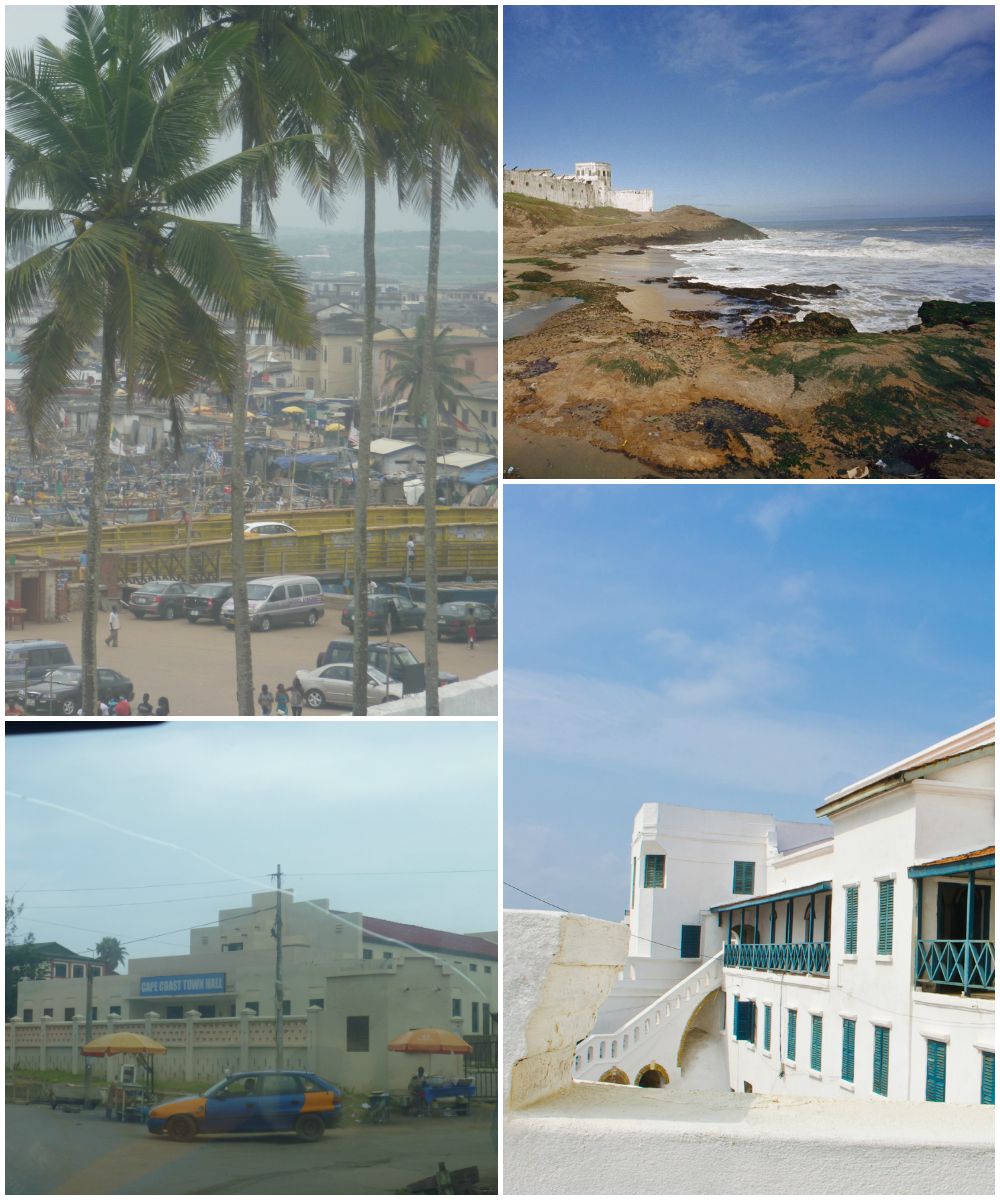
Why Cape Coast is Perfect for Your Celebration
- UNESCO World Heritage Site (Cape Coast Castle) provides an unmatched historic backdrop for ceremonies
- Atlantic Ocean coastline offers dramatic, naturally scenic outdoor event settings
- Rich Ghanaian cultural traditions — including Fante customs — add authentic depth to celebrations
- Dry season (Jan–Mar, Nov–Dec) delivers reliably low rainfall and comfortable temperatures for outdoor events
- Growing hospitality infrastructure with beachfront and heritage-adjacent properties
- Relatively intimate city scale suits mid-size gatherings and culturally immersive social events
Compare Cape Coast with Other Top Destinations
Frequently Asked Questions
Is Cape Coast a good destination for a cultural or heritage wedding?
Yes, particularly so. Cape Coast is among the most culturally resonant wedding destinations in West Africa, offering the UNESCO-listed Cape Coast Castle as a backdrop, accessible Fante traditions, local drumming and kente customs, and Atlantic Ocean scenery. It suits couples who want their wedding to carry genuine historical and cultural meaning rather than a generic luxury resort setting.
What is the best time of year to hold an event in Cape Coast?
The dry season — January, February, March, November, and December — is the optimal window. Rainfall is minimal, humidity is lower, and outdoor events on the coast are reliably plannable. January and February are the most consistent months. The long rainy season (April–June) and the short rains in October make outdoor events significantly more difficult to plan reliably.
How do guests get to Cape Coast from abroad?
International guests fly into Kotoka International Airport in Accra, Ghana's main international gateway, and then travel onward to Cape Coast by road — a journey of approximately two and a half hours along the coastal highway. There is no operational rail service, so coordinated road transfers from Accra are the standard arrangement for event groups.
What size of guest group does Cape Coast realistically suit?
Cape Coast is best suited to small-to-mid-size gatherings — typically up to around 200–300 guests. The local venue and accommodation inventory is boutique in scale, and very large events requiring multiple parallel spaces or the ability to house hundreds of guests in a single property may find the local supply stretched. Intimate and mid-size celebrations are where the destination genuinely excels.
What kinds of event venues are available in Cape Coast?
The primary venue types are beachfront and coastal resort properties with outdoor event lawns, heritage-adjacent courtyard spaces near the castle district, and hotel banquet facilities for indoor receptions. Open-air oceanfront settings are the defining feature of Cape Coast events. The overall inventory is boutique rather than large-scale, which suits intimate and culturally immersive celebrations well.
Can guests be accommodated within Cape Coast itself, or do they need to stay elsewhere?
Accommodation is available within Cape Coast and in the immediately surrounding area, including beachfront resort properties. However, total accommodation capacity is limited compared to major event hubs. For larger guest lists, planners should expect to distribute guests across multiple properties and factor in local transport coordination between accommodation and event venues.
Is Cape Coast suitable for diaspora homecoming celebrations?
Yes, it is particularly well-suited to this. Cape Coast holds profound historical significance for the African diaspora globally, and the presence of Cape Coast Castle — a key site in the history of the transatlantic slave trade — gives homecoming celebrations held here a depth of meaning that is genuinely unique. Many diaspora families choose Cape Coast specifically for this reason.
What local cultural elements can be incorporated into a celebration in Cape Coast?
Genuinely accessible local elements include traditional Fante drumming and dance performances, kente cloth weaving demonstrations, local Ghanaian cuisine and traditional dishes, and ceremonial customs rooted in Fante culture. These are not staged approximations — they reflect living local traditions and can be meaningfully woven into wedding ceremonies, receptions, and social events.
Do event planners need to bring vendors from Accra, or is there a local vendor base?
For catering and cultural performance, the local vendor base is strong. For specialist event production — large-scale lighting, AV, elaborate décor — planners will typically need to source vendors from Accra and arrange for them to travel to Cape Coast. This is a standard and workable arrangement but adds a logistical layer that should be built into planning timelines.
What makes Cape Coast different from a typical beach resort wedding destination?
Cape Coast combines Atlantic Ocean frontage with UNESCO World Heritage architecture and deep Ghanaian cultural traditions — a combination that is genuinely rare. Unlike a purpose-built resort destination, the city itself is the setting: the castle, the colonial townscape, the local community, and the cultural ecosystem are all part of the event experience in a way that a standalone resort cannot replicate.
Are there any visa requirements guests should be aware of when travelling to Cape Coast?
Ghana requires a visa for most nationalities outside the ECOWAS region. International guests — particularly those travelling from Europe, North America, or Asia — should check visa requirements well in advance of the event date. Event planners working with large international guest lists should factor visa processing timelines into their overall planning schedule to avoid last-minute complications.

Ready to explore venues in Cape Coast?
Cape Coast: Destination Wedding & Cultural Event Venues in Ghana
◆Cape Coast is Ghana's foremost heritage destination and a genuinely distinctive choice for cultural celebrations, social festivals, and intimate weddings. Its primary identity is Cultural & Timeless — shaped by UNESCO-listed colonial architecture, Atlantic Ocean frontage, and deep-rooted Fante traditions. The destination suits mid-size gatherings, culturally immersive weddings, diaspora homecoming celebrations, and social festivals particularly well. The dry season (January–March and November–December) is the reliable window for outdoor events. Accessibility is moderate: international guests fly into Accra and travel onward by road, roughly two and a half hours away. The hospitality infrastructure is growing but remains boutique in scale, making Cape Coast best suited to groups that value character and cultural depth over large-scale luxury.
Cape Coast at a Glance
| Category | Detail |
|---|---|
| Best For | Cultural Weddings, Social Celebrations, Heritage Events, Diaspora Homecoming Gatherings |
| Primary Vibe | Cultural & Timeless |
| Other Vibes | Coastal, Historic, Intimate |
| Best Season | Dry Season (Jan, Feb, Mar, Nov, Dec) |
Why Choose Cape Coast?
- UNESCO World Heritage backdrop: Cape Coast Castle and the surrounding colonial townscape provide a historically resonant setting that is genuinely rare among African event destinations — ceremonies held against this backdrop carry a weight and meaning that purpose-built venues cannot replicate.
- Atlantic Ocean frontage: The city sits directly on the Gulf of Guinea, giving outdoor events a dramatic natural setting — ocean breezes, golden-hour light over the water, and the sound of the Atlantic as a natural ambient backdrop.
- Deep cultural authenticity: Fante customs, traditional drumming, kente weaving, and local culinary traditions are genuinely accessible here, allowing celebrations to incorporate authentic Ghanaian cultural elements rather than staged approximations.
- Diaspora significance: Cape Coast holds profound meaning for the African diaspora globally, making it a particularly powerful location for homecoming celebrations, heritage weddings, and milestone events for guests of Ghanaian descent or those with a connection to West African history.
- Intimate, human-scale city: Unlike a large metropolitan event hub, Cape Coast's manageable size means guests experience a genuine sense of place rather than an anonymous hotel corridor — the city itself becomes part of the event experience.
- Reliable dry-season weather window: The January–March and November–December periods offer consistently low rainfall and comfortable temperatures, giving event planners a dependable outdoor planning window across five months of the year.
Which Celebrations Work Best in Cape Coast?
- Cultural & Heritage Weddings: Cape Coast is particularly well-suited to couples who want their wedding to be rooted in Ghanaian tradition or set against a historically significant backdrop. The combination of the castle, the coastline, and local Fante customs creates a ceremony environment that is both visually striking and culturally meaningful.
- Diaspora Homecoming Celebrations: For Ghanaian diaspora communities — especially those with roots in the Central Region — Cape Coast carries deep personal and historical significance. Milestone celebrations, family reunions, and anniversary events held here often carry an emotional resonance that goes beyond the purely logistical.
- Social Festivals & Cultural Gatherings: The city's existing festival culture (including the Fetu Afahye festival) and its open coastal spaces make it a natural fit for larger social gatherings, community celebrations, and cultural festivals that benefit from an outdoor, heritage-rich environment.
- Intimate Milestone Events: Smaller anniversary dinners, engagement celebrations, and private family gatherings benefit from Cape Coast's boutique hospitality scale — the city does not overwhelm small groups the way a large metropolitan destination might, and the personal warmth of local hospitality is a genuine asset for close-knit events.
Venues & Event Spaces
Cape Coast's event venue landscape is characterised by beachfront and coastal resort properties, heritage-adjacent guesthouses, and open-air event lawns. The most prominent venue type is the oceanfront resort — properties that combine accommodation, outdoor event lawns, and catering facilities in a single coastal setting, well-suited to multi-day celebrations where guests stay on-site.
Beyond resorts, the city and its immediate surroundings offer heritage courtyard spaces near the castle district, which can be used for smaller ceremonial gatherings or cocktail receptions with a distinctly historic atmosphere. Open-air beachfront settings — either within resort grounds or on semi-private stretches of coastline — are a defining feature of Cape Coast events, particularly during the dry season when rainfall risk is low.
Banquet hall infrastructure exists within the city's hotels and community venues, suitable for seated receptions and indoor celebrations. However, planners should note that the overall venue inventory is boutique in scale — Cape Coast does not have the volume of large-scale ballroom or convention-centre capacity that a major metropolitan event hub would offer. This makes it most appropriate for gatherings in the small-to-mid range rather than very large events requiring extensive parallel venue spaces.
Best Time to Celebrate
The dry season months — January, February, March, November, and December — are the clear optimal window for events in Cape Coast. During this period, rainfall is minimal, humidity is relatively lower than the rest of the year, and daytime temperatures are warm but generally manageable, typically in the mid-to-upper twenties Celsius. Ocean breezes provide natural cooling for outdoor events, and the risk of a sudden downpour disrupting an outdoor ceremony or reception is genuinely low.
January and February are particularly reliable — these months sit at the heart of the dry season and offer the most consistent conditions. November and December are also strong, with the added benefit of coinciding with the festive season, which can make international guest travel more convenient as many diaspora visitors are already planning trips home.
The long rainy season (approximately April through June) brings heavy, frequent rainfall that makes outdoor events genuinely difficult to plan reliably. Even with contingency structures, the volume and unpredictability of rain during this period creates significant logistical risk for open-air celebrations. July through September sees a partial dry spell but conditions remain overcast, humid, and less photogenic than the true dry season — outdoor events are possible but not ideal. October brings the short rains, adding further unpredictability before conditions improve again in November.
Getting There & Local Connectivity
The primary arrival point for guests travelling to Cape Coast is Kotoka International Airport in Accra, Ghana's main international gateway. From Accra, Cape Coast is reached by road — the journey typically takes approximately two and a half hours along the coastal highway, a route that is well-established and regularly used by both private transfers and shared transport services.
There is no operational railway service connecting Cape Coast to Accra or other Ghanaian cities, so road travel is the standard and expected mode of onward transit for all guests. For event planners, this means that coordinated group transfers from Accra — whether by private coach, minibus, or arranged car hire — are an important logistical element to plan in advance, particularly for international guests unfamiliar with the route.
Within Cape Coast itself, the city is compact and navigable. Taxis and ride-hailing services operate within the city, and for event groups, local transport can generally be arranged through accommodation providers or local event coordinators. The relatively small geographic footprint of the city means that guests staying at beachfront resorts are rarely far from the key event and cultural sites.
International guests should note that Ghana requires a visa for most nationalities (with some exceptions under ECOWAS arrangements), and event planners working with large international guest lists should factor visa processing timelines into their planning schedule.
Local Vendor & Hospitality Ecosystem
Cape Coast has a growing but still developing event vendor ecosystem. Local catering providers are well-versed in Ghanaian cuisine and can deliver authentic, high-quality food experiences — this is a genuine strength, particularly for celebrations that want to incorporate traditional dishes and local flavours as a meaningful part of the event.
For décor, floral, and production services, the local vendor base is more limited than in Accra. Planners organising larger or more elaborate events will typically need to source specialist vendors — lighting technicians, large-scale décor suppliers, audio-visual production teams — from Accra and arrange for them to travel to Cape Coast. This is a standard and workable arrangement, but it adds a logistical layer that planners should account for in their timelines and coordination.
Photography and videography talent with experience in destination events is available, though again the strongest pool of specialist event photographers is concentrated in Accra. Local hospitality staff — at the beachfront resorts and heritage properties — are generally noted for warmth and personal attentiveness, which is a meaningful asset for events where guest experience is a priority.
The cultural performance ecosystem is a genuine local strength: traditional drumming groups, kente weavers, cultural dancers, and local musicians are accessible and can add authentic ceremonial elements to celebrations that would be difficult to replicate elsewhere.
Pros & Things to Consider
Why Cape Coast Works Well
- Genuinely unique UNESCO heritage setting — Cape Coast Castle is a globally recognised landmark that gives events an unmatched historic backdrop
- Atlantic Ocean frontage provides naturally dramatic outdoor ceremony and reception settings
- Strong cultural authenticity — Fante traditions, local music, cuisine, and crafts are genuinely accessible and can be meaningfully incorporated into celebrations
- Particularly powerful location for diaspora homecoming events and heritage-focused celebrations
- Reliable five-month dry season window gives planners a solid outdoor event calendar
- Warm, personal local hospitality that suits intimate and mid-size gatherings well
Things to Consider
- No direct international airport — all guests must transit through Accra and travel onward by road, adding approximately two and a half hours to arrival journeys and requiring coordinated group transfers
- Venue inventory is boutique in scale — very large events (several hundred guests requiring multiple parallel spaces) may find the local supply stretched
- Specialist event vendors (large-scale production, décor, AV) typically need to be sourced from Accra and transported in, adding logistical complexity
- Rainy season (April–June and October) makes outdoor events genuinely risky — the destination's outdoor-event strengths are largely season-dependent
- Accommodation capacity across the city is limited compared to major event hubs — large guest lists may need to be distributed across multiple properties
When Cape Coast May Not Be the Right Fit
- Very large events (300+ guests): The local venue and accommodation inventory is not well-suited to very large gatherings that require extensive parallel event spaces, large ballrooms, or the ability to house a big guest list within a single property or compact cluster of properties.
- Guests with limited international travel flexibility: The requirement to fly into Accra and travel onward by road means Cape Coast adds meaningful transit time and logistical complexity for international guests — if a significant portion of the guest list has limited travel flexibility or mobility considerations, a more directly accessible destination may serve them better.
- Events planned during the rainy season (April–June or October): If event dates are fixed in the rainy season months, Cape Coast's primary strengths — its outdoor coastal and heritage settings — are significantly compromised. A destination with stronger indoor venue infrastructure would be a more reliable choice for those dates.
- Events requiring a large, locally-based specialist vendor ecosystem: Planners who need a deep local pool of specialist event production, large-scale floral design, or high-end catering vendors without the need to import them from a larger city will find Cape Coast's current ecosystem limiting — Accra or another major hub would offer more immediate vendor depth.