
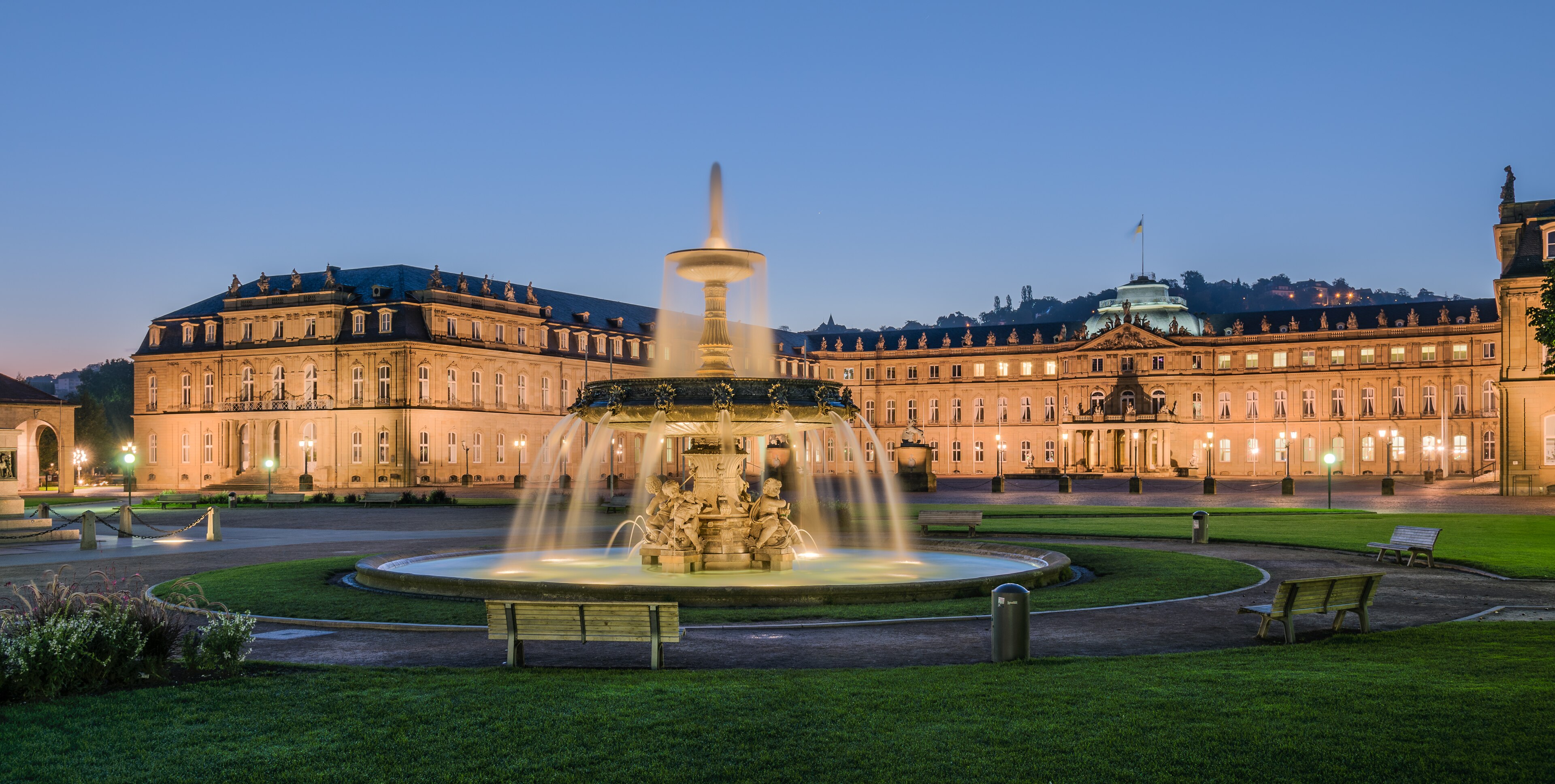
Why Stuttgart is Perfect for Your Celebration
- Unique vineyard-draped hillside settings within the city limits — rare for a major European metropolis
- World-class corporate event infrastructure with large convention centers and luxury hotel ballrooms
- Excellent ICE rail and international air connectivity makes guest travel straightforward from across Europe
- A mature, professional local events and hospitality vendor ecosystem with multilingual service
- Summer season (May–Sep) offers long, warm days ideal for outdoor receptions and garden parties
- Distinctive cultural experiences — Porsche Museum, Staatsgalerie, Mercedes-Benz Museum — for guest entertainment programs
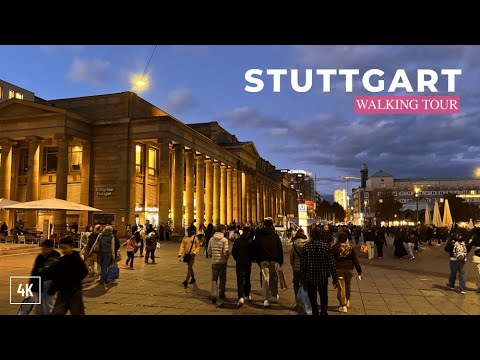
Top Venues in Stuttgart
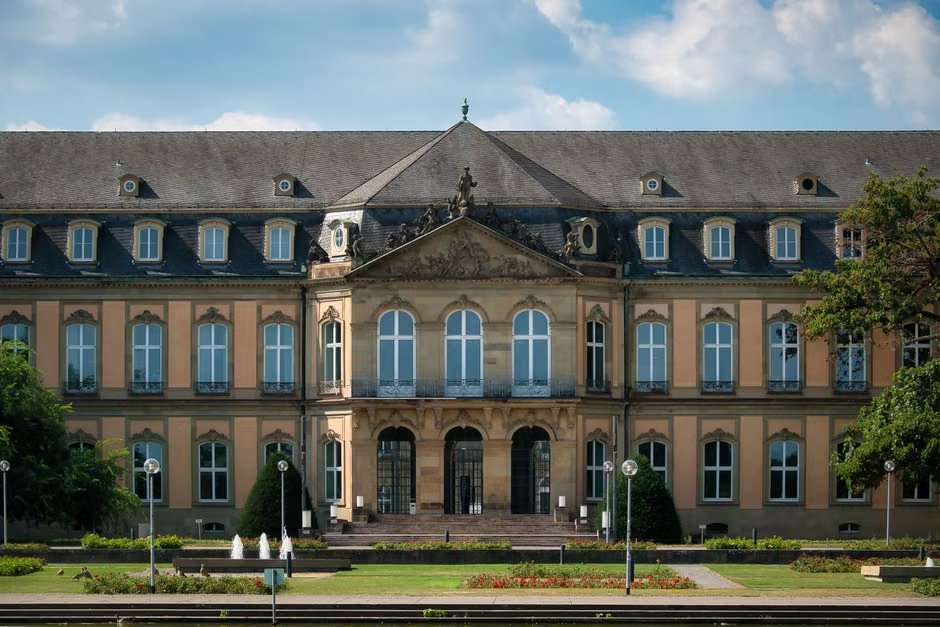
Le Méridien Stuttgart
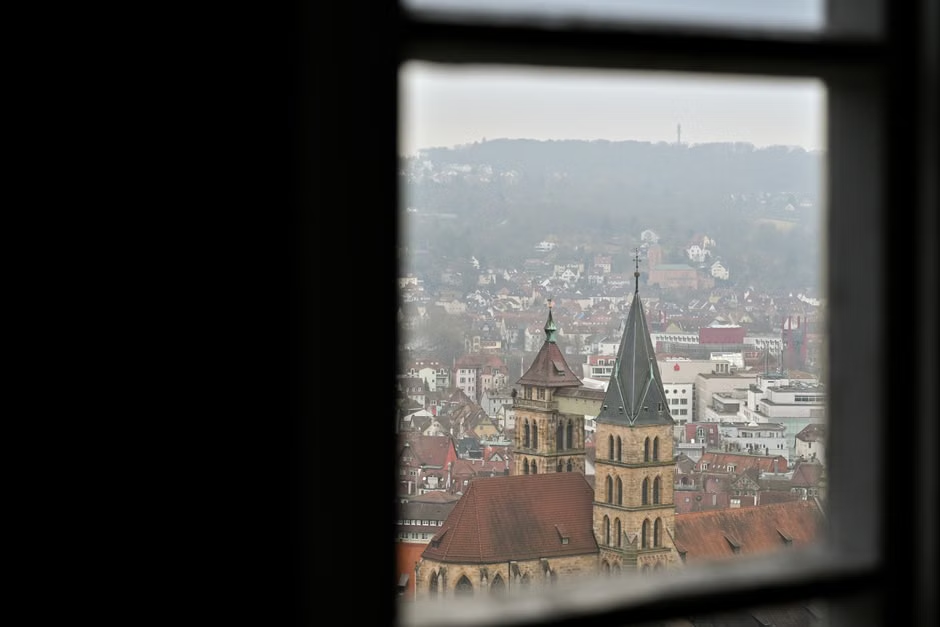
Steigenberger Graf Zeppelin Stuttgart
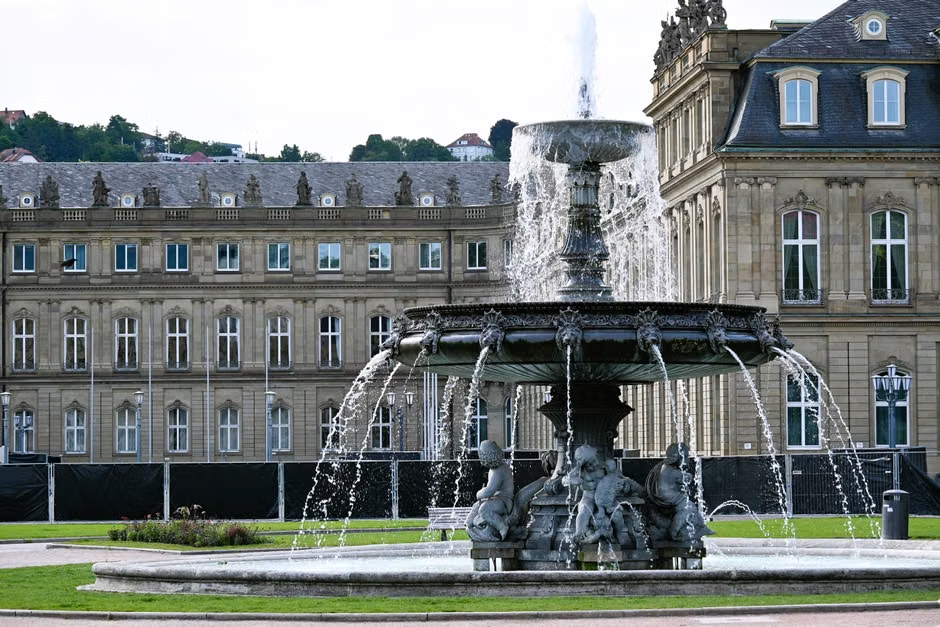
Pullman Stuttgart Fontana
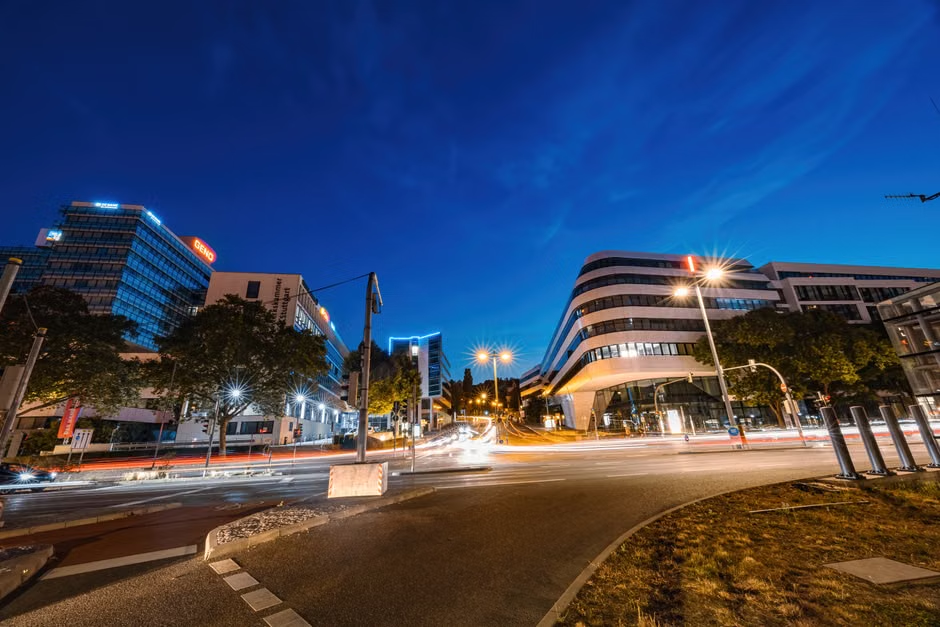
Mercure Hotel Stuttgart City Center
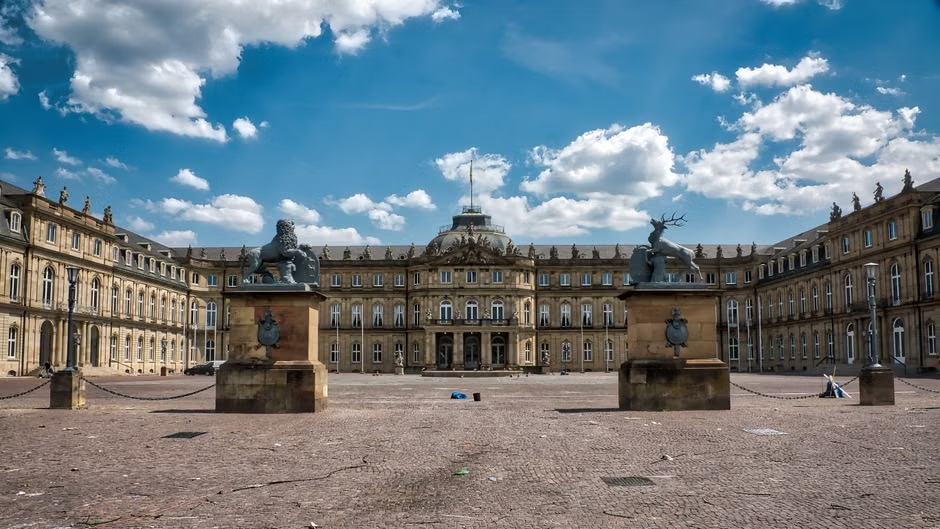
Crowne Plaza Stuttgart
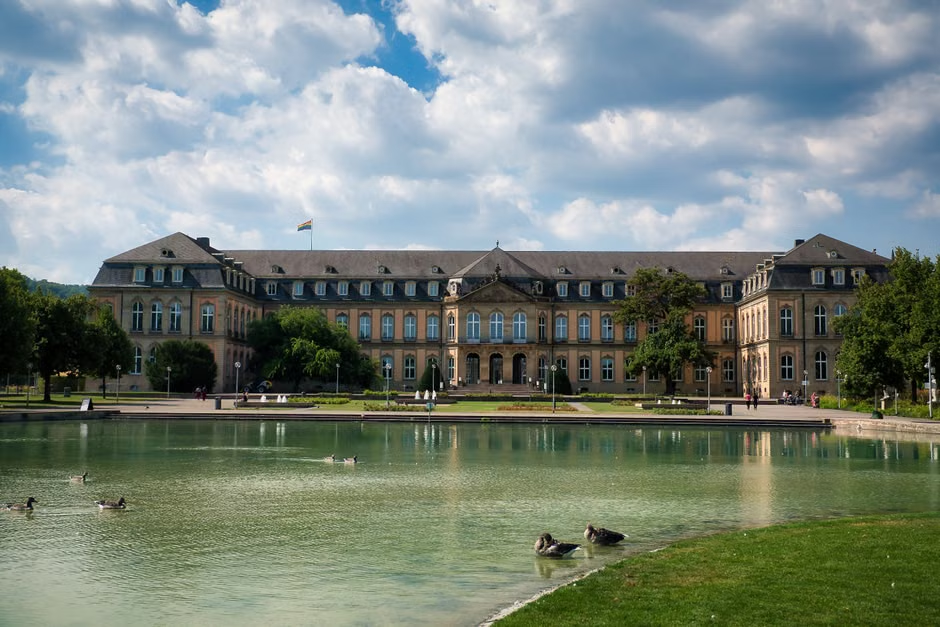
Wyndham Stuttgart
Compare Stuttgart with Other Top Destinations
Frequently Asked Questions
Is Stuttgart a good destination for a wedding?
Yes, particularly for couples seeking a cosmopolitan European city wedding with distinctive character. Stuttgart's vineyard hillsides, luxury hotel ballrooms, and long summer evenings create a genuinely appealing setting. It suits intimate to mid-size weddings especially well, and the city's mature hospitality sector handles international guest groups confidently. It is less suited to couples whose vision centers on a grand heritage palace as the sole venue.
What is the best time of year to hold an event in Stuttgart?
May through September is the clear best window. This period offers warm temperatures, very long daylight hours (particularly May–July), and reliable conditions for both indoor and outdoor events. Outside this season, cold temperatures and grey skies from November through February make outdoor events impractical, and spring (March–April) is unpredictable enough to carry real risk for outdoor-dependent plans.
How do guests typically travel to Stuttgart for a destination event?
Most guests arrive either by air via Stuttgart Airport (STR), which is connected to the city center by suburban rail in around 27 minutes, or by high-speed ICE train to Stuttgart Hauptbahnhof, which sits at the heart of the city. Guests from Frankfurt, Munich, and Zurich can reach Stuttgart by rail in under two hours, making train travel a practical and comfortable option for a large share of European guests.
What size guest group can Stuttgart venues realistically accommodate?
Stuttgart's hotel ballrooms and event spaces can comfortably accommodate groups ranging from around 80 guests for an intimate celebration up to several hundred for a large gala or corporate event. The city's convention infrastructure extends capacity further for very large corporate formats. For weddings, the sweet spot is typically 100–400 guests, where the local venue inventory is strongest.
What kinds of event spaces are available in Stuttgart?
Stuttgart offers luxury hotel ballrooms, outdoor vineyard terraces, dedicated congress and convention centers, historic architectural spaces, and park and garden settings. The range covers intimate private dining rooms through to large-scale gala formats. Outdoor spaces are particularly attractive during summer and can be combined with marquee or covered structures for weather contingency.
Is Stuttgart well-suited to corporate events and conferences?
Yes — this is arguably Stuttgart's strongest event category. The city has a long-established corporate hospitality and conference infrastructure, with large hotel event spaces, dedicated convention facilities, professional AV and technical vendors, and a hospitality sector experienced in managing international delegate groups. Its connectivity by rail and air makes it practical for multi-origin attendee lists from across Europe.
How easy is it for a large guest group to get around Stuttgart once they arrive?
Relatively easy. Stuttgart has an integrated public transport network covering U-Bahn, S-Bahn, trams, and buses that is efficient and straightforward to navigate. For event groups, private coach transfers between hotels, venues, and the airport are simple to arrange through local operators. The city's compact central area means most key locations are within short transfer distances of one another.
Can guests find accommodation easily in Stuttgart for a large event?
Generally yes, with one important caveat: Stuttgart's hotel inventory is substantial and spans multiple tiers, so large guest groups can typically be accommodated across several properties in the city center. However, when major trade fairs are running at Messe Stuttgart, city-wide availability tightens significantly. Checking the Messe Stuttgart calendar and booking accommodation early is strongly advisable for any large group event.
What makes Stuttgart distinctive as an event destination compared to a typical city venue?
The most distinctive element is Stuttgart's working vineyards within the city limits — a genuinely rare feature for a major European metropolis that gives outdoor events a scenic character most urban destinations cannot replicate. Combined with world-class automotive museums (Porsche, Mercedes-Benz) and a strong cultural calendar, Stuttgart offers event planners an unusually rich menu of guest experiences to build around a central celebration.
Is the local vendor and catering ecosystem in Stuttgart experienced with international events?
Yes. Stuttgart's long history as a major business and trade fair city means its events vendor market — covering catering, floral design, AV production, event management, and entertainment — is well-calibrated for international clients. Many vendors are experienced with multilingual guest groups, diverse dietary requirements, and the logistical complexity of destination events where guests are arriving from multiple countries.
Are outdoor events in Stuttgart reliable during the summer season?
Generally reliable, though not guaranteed. May through September offers the best conditions, with warm temperatures and long daylight hours. Occasional summer rain showers are a realistic possibility, and reputable local vendors are well-practiced at providing marquee or covered contingency solutions. Planners should build weather contingency into any outdoor event concept rather than assuming entirely clear conditions throughout.

Ready to explore venues in Stuttgart?
Stuttgart: Destination Wedding & Corporate Event Venues in Germany
◆Stuttgart is a cosmopolitan German city and the capital of Baden-Württemberg, best suited to corporate events, milestone celebrations, destination weddings, and cultural festivals. Its primary vibe is chic and modern, anchored by vineyard hillsides within the city, world-class museums, and a highly professional hospitality sector. The summer season (May through September) is the clear window for events, offering warm temperatures and long daylight hours. Guest accessibility is genuinely strong — Stuttgart Airport and one of Germany's best-connected central railway stations make arrival straightforward from across Europe. The overall character is upscale and efficient, with a vendor ecosystem that handles international events confidently.
Stuttgart at a Glance
| Category | Detail |
|---|---|
| Best For | Corporate Events, Destination Weddings, Milestone Celebrations, Cultural Festivals |
| Primary Vibe | Chic & Cosmopolitan |
| Other Vibes | Vineyard & Scenic, Heritage & Cultural, Modern & Design-Forward |
| Best Season | Summer (May, Jun, Jul, Aug, Sep) |
Why Choose Stuttgart?
- Vineyards within the city limits: Stuttgart is one of the few major European cities where working vineyards climb the hillsides right into the urban fabric — providing a genuinely distinctive, photogenic backdrop for outdoor receptions and garden ceremonies that is difficult to replicate elsewhere.
- Mature corporate and events infrastructure: The city hosts major international trade fairs and conferences regularly, meaning its convention spaces, hotel ballrooms, and AV/technical vendor networks are calibrated for demanding, large-scale professional events — not just leisure tourism.
- Exceptional rail and air connectivity: Stuttgart Hauptbahnhof sits on Germany's high-speed ICE network, connecting guests from Frankfurt, Munich, Zurich, and beyond in under two hours. Stuttgart Airport (STR) adds direct international routes, making multi-origin guest groups manageable.
- Multilingual, internationally experienced hospitality: As a major industrial and business hub, Stuttgart's hotels and catering teams routinely serve international guests and are comfortable managing events with attendees from multiple countries and cultural backgrounds.
- Cultural guest programming: The Porsche Museum, Mercedes-Benz Museum, Staatsgalerie Stuttgart, and the Wilhelma zoological-botanical garden give event planners a rich menu of curated guest experiences to build around a central celebration — particularly valuable for multi-day destination events.
- Compact, walkable city core: Stuttgart's central districts are relatively compact, meaning guests staying in city-center hotels can move between venues, restaurants, and cultural sites without relying heavily on private transfers — reducing logistics complexity for planners.
Which Celebrations Work Best in Stuttgart?
Corporate Events & Conferences: Stuttgart is arguably at its strongest here. The combination of large hotel ballrooms, dedicated convention infrastructure, a professional AV and events vendor market, and excellent connectivity for delegates arriving from across Europe makes it a natural fit for product launches, annual conferences, incentive travel programs, and executive retreats.
Destination Weddings: Couples seeking a European city wedding with genuine scenic character — vineyard hillsides, elegant architecture, and a cosmopolitan atmosphere — will find Stuttgart a compelling choice. The city suits intimate to mid-size weddings particularly well, with a range of luxury hotel ballrooms and outdoor terrace spaces available during the summer season.
Milestone Celebrations (Anniversaries, Landmark Birthdays): Stuttgart's blend of fine dining, cultural experiences, and upscale accommodation makes it well-suited to significant personal celebrations where the guest experience beyond the event itself matters — guests can be taken to world-class museums, vineyard tastings, and Michelin-starred restaurants as part of a broader program.
Cultural Festivals & Brand Activations: The city's design-forward identity and its association with automotive and engineering excellence make it a natural stage for brand events, product launches with a premium positioning, and cultural programming tied to innovation or craftsmanship themes.
Venues & Event Spaces
Stuttgart's event venue landscape is diverse and genuinely well-developed. At the top end, the city's luxury hotels offer large, professionally equipped ballrooms and banquet halls capable of hosting several hundred guests, typically with in-house catering teams experienced in international menus and dietary requirements. Several properties feature outdoor terraces or garden spaces that become particularly attractive during the summer months.
Beyond hotels, Stuttgart has dedicated convention and congress centers suited to large-scale corporate formats, with modular spaces that can be configured for plenary sessions, breakout rooms, gala dinners, and exhibition areas within the same venue. The city also has a number of historic and architecturally distinctive spaces — including vineyard estates on the surrounding hillsides — that can be hired for private events, offering a more intimate and scenically distinctive alternative to hotel ballrooms.
Outdoor event spaces, including park settings and vineyard terraces, are genuinely viable during the summer season and add a character to Stuttgart events that purely urban venues cannot replicate. Planners should note that outdoor spaces in this climate require contingency planning for occasional summer rain, and reputable local vendors are well-practiced at providing marquee or covered solutions.
Best Time to Celebrate
The curated best season for Stuttgart events is Summer: May through September. This window works for several concrete reasons beyond simply "the weather is nice."
From May through July, daylight in Stuttgart extends well past 9 pm, which is genuinely transformative for outdoor evening receptions — guests can enjoy vineyard terraces, garden ceremonies, and open-air dinners in natural light for hours after the formal proceedings begin. Temperatures in this period typically range from the mid-teens at night to the mid-to-upper twenties Celsius during the day, which is comfortable for dressed guests without the oppressive heat that affects southern European destinations in the same months.
August and September remain strong, with September in particular offering a harvest-season character in the vineyards that adds a distinctive visual and experiential layer to events. Temperatures begin to ease in September, which many guests find more comfortable than peak summer heat.
The months outside this window present genuine challenges. October sees rapidly shortening days and cooling temperatures that make outdoor events increasingly impractical. November through February brings Stuttgart's grey, cold winter — temperatures regularly drop below freezing, outdoor spaces are largely unusable, and the overall atmosphere is not conducive to the kind of celebratory, guest-experience-rich events this destination does best. March and April are transitional and unpredictable — spring arrives, but late cold snaps and persistent rain are common enough that outdoor planning carries real risk.
Getting There & Local Connectivity
By air: Stuttgart Airport (STR) is located approximately 14 km south of the city center and is connected to the city by the S-Bahn suburban rail network — a journey of around 27 minutes to the central station. The airport handles a solid range of European and some intercontinental routes, making it accessible for guests arriving from major European cities. For guests traveling from further afield, Frankfurt Airport (a major international hub) is reachable by ICE train in under 90 minutes, providing a practical alternative entry point.
By rail: Stuttgart Hauptbahnhof is one of Germany's most important rail junctions, with frequent high-speed ICE services to Frankfurt, Munich, Zurich, Mannheim, and beyond. For a multi-origin guest group drawn from across Germany, Austria, and Switzerland, rail is often the most practical and comfortable arrival mode, and the central station's location in the heart of the city means guests step off the train within walking distance or a short taxi ride of most major hotels.
Local transport: Stuttgart has an integrated public transport network (VVS) covering U-Bahn, S-Bahn, trams, and buses, which is efficient and easy to navigate even for first-time visitors. For event groups, private coach transfers between hotels, venues, and the airport are straightforward to arrange through local operators, and the city's compact core means transfer times are generally short.
Local Vendor & Hospitality Ecosystem
Stuttgart's vendor ecosystem is one of its genuine strengths as an event destination. As a major business and industrial city with a long history of hosting international trade fairs, conferences, and corporate hospitality, the local market has a deep bench of experienced event professionals — including event management companies, catering specialists, floral designers, AV and technical production teams, and entertainment providers — who are accustomed to working to international standards and managing multilingual, multi-cultural guest groups.
The city's hotel sector is anchored by several large, internationally branded properties with dedicated in-house events teams, which simplifies coordination for planners who prefer a single point of contact. Independent caterers and specialist wedding vendors have also developed a strong presence, particularly for the growing destination wedding market, and many are experienced in accommodating dietary requirements and cultural preferences from international clients.
Stuttgart's wine region — the Württemberg wine area — means that local sommeliers and wine specialists are genuinely knowledgeable and can add an authentic regional dimension to event catering programs. Local cuisine, while not as internationally prominent as some other German cities, is solid and well-represented by a range of restaurants and catering teams capable of delivering both traditional Swabian menus and contemporary international cuisine.
Pros & Things to Consider
Why Stuttgart Works Well
- Genuinely distinctive vineyard-within-the-city setting that most European city destinations cannot offer
- Outstanding rail and air connectivity reduces guest travel friction significantly
- Mature, internationally experienced events and hospitality vendor market
- Long summer days (May–July) create exceptional conditions for outdoor evening events
- Rich cultural guest programming options (automotive museums, galleries, wine tastings) support multi-day destination events
- Very safe, well-organized city with reliable infrastructure — low operational risk for planners
- Multilingual hospitality sector comfortable with international client requirements
Things to Consider
- The event season is genuinely narrow — outside May to September, outdoor events carry real weather risk, and the city's winter character is not celebratory
- Stuttgart is not a beach or resort destination — guests seeking a leisure-resort atmosphere alongside their event will need to look elsewhere
- The city's identity is strongly industrial and corporate; couples seeking a purely romantic, heritage-palace aesthetic may find the overall character more modern and functional than they envisioned
- Peak summer dates (particularly around major trade fair periods such as when Messe Stuttgart is active) can create accommodation pressure — early booking is important for large guest groups
- English is widely spoken in hospitality contexts, but general city signage and some vendor communications are primarily in German — international planners should factor in translation support for complex logistics
When Stuttgart May Not Be the Right Fit
- Outdoor-focused events planned outside May–September: If your event concept depends on outdoor spaces — garden ceremonies, vineyard receptions, open-air dinners — and your dates fall between October and April, Stuttgart's climate makes this genuinely risky. A southern European or indoor-focused alternative would be more reliable.
- Guests requiring a beach or resort leisure experience: Stuttgart is an inland city with no coastal or lakeside resort character. If a significant part of the guest experience is expected to be beach access, poolside relaxation, or a resort-style holiday atmosphere, this destination does not deliver that.
- Very large-scale weddings requiring a single grand heritage venue: While Stuttgart has excellent hotel ballrooms and corporate event spaces, it does not have the kind of single iconic palace or castle venue that some European destinations offer for very large, visually spectacular weddings. Couples whose vision centers on a grand heritage property as the sole venue may find the local inventory less suited to that specific brief.
- Events coinciding with major Messe Stuttgart trade fair dates: When large international trade fairs are running at the Stuttgart exhibition center, hotel availability across the city tightens considerably and accommodation logistics for a large guest group become significantly more complex. Planners should check the Messe Stuttgart calendar carefully before confirming dates.