
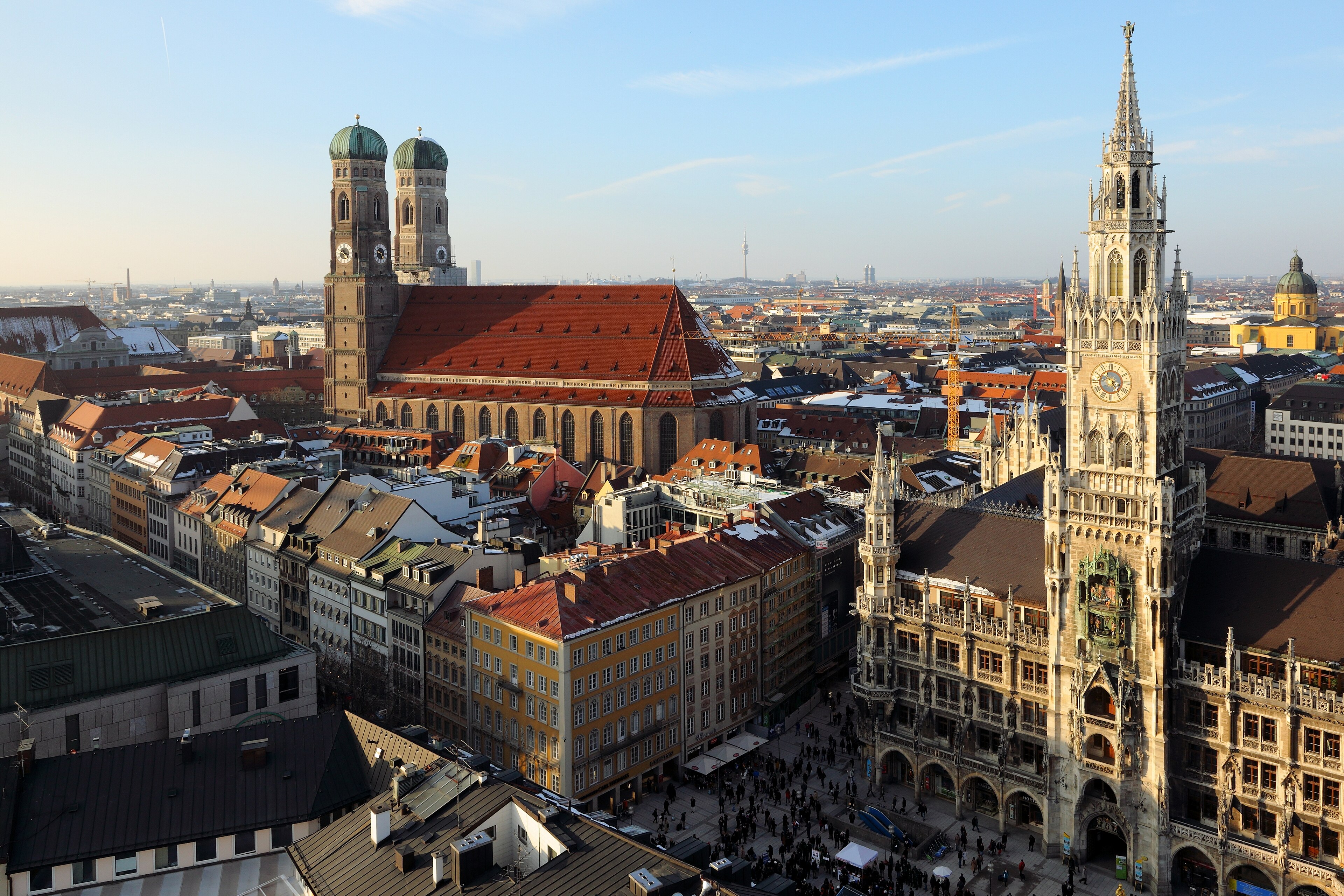
Why Munich is Perfect for Your Celebration
- World-class festival culture rooted in Oktoberfest tradition — ideal for large, celebratory events
- Diverse venue portfolio: baroque palaces, historic beer halls, modern congress centres, and luxury hotel ballrooms
- Outstanding international connectivity via Munich Airport (MUC), one of Europe's busiest hubs
- Warm, long summer days (May–Sep) provide ideal conditions for both outdoor and indoor celebrations
- Mature, professional events and hospitality industry with experienced local vendors and caterers
- Rich Bavarian cultural experiences — traditional music, cuisine, and architecture — add unique event character

Compare Munich with Other Top Destinations
Frequently Asked Questions
Is Munich a good destination for corporate events and conferences?
Yes, strongly so. Munich is one of Europe's premier corporate event cities, with a mature congress infrastructure, experienced event management industry, and a wide range of luxury hotel ballrooms and dedicated conference venues. Its international air connectivity means most global attendees can reach it on a direct flight, and the city's professional hospitality ecosystem is well-accustomed to large-scale international corporate gatherings.
What guest group sizes can Munich venues realistically accommodate?
Munich's venue inventory spans a very wide range. Intimate gatherings of 20–50 guests are well-served by boutique hotel spaces and private dining rooms, while mid-scale events of 200–600 guests are comfortably handled by the city's major hotel ballrooms. For large-scale events of 1,000 or more, Munich's congress centres and larger hotel complexes have the capacity and infrastructure to deliver effectively.
What is the best time of year to plan an event in Munich?
May through September is the recommended window. This period offers warm temperatures, long daylight hours, and reliable conditions for both outdoor and indoor events. June and July are the warmest months with the longest days. September is a strong shoulder option, though the Oktoberfest period (typically mid-September to early October) causes extreme accommodation pressure and should be planned around very carefully.
How easy is it for international guests to travel to Munich?
Very easy. Munich Airport (MUC) is one of Europe's major hub airports with direct connections from cities across Asia, the Americas, the Middle East, and throughout Europe. The airport is connected to the city centre by suburban rail in approximately 40 minutes. Munich Central Station also offers high-speed rail links to major European cities, making Munich highly accessible for both air and rail travellers.
What kinds of event venues are available in Munich?
Munich offers genuine venue diversity: grand luxury hotel ballrooms, historic Bavarian beer halls, baroque palace halls available for private hire, modern congress and convention centres, rooftop terraces with Alpine views, and outdoor garden settings within the English Garden. This range means events can be styled from traditionally Bavarian and cultural to sleek and contemporary, depending on the brief.
How do guests get around Munich once they arrive?
Munich's public transport network — U-Bahn, S-Bahn, trams, and buses — is extensive, punctual, and easy to navigate, making it straightforward for guest groups to move between hotels, venues, and city attractions independently. For larger groups or more coordinated transfers, private coach and minibus hire is readily available through well-organised local operators.
Is Munich suitable for destination weddings?
Yes, particularly for intimate to mid-scale weddings seeking a cosmopolitan European city backdrop. Munich's luxury hotels, palace venues, and English Garden settings accommodate weddings effectively. It is less naturally oriented toward very large traditional multi-day wedding formats, but for couples wanting a vibrant, culturally rich European city setting with excellent international guest accessibility, Munich is a strong option.
How mature is Munich's local events and hospitality vendor ecosystem?
Highly mature. Munich's role as a major international trade fair and congress city means its local supplier base — catering, AV, floral, entertainment, logistics — is experienced with large-scale, complex international events. Hotel event teams are typically multilingual and professionally trained. The ecosystem is reliable and well-regulated, though it operates at Western European pricing levels and advance booking during summer is essential.
Are there things to avoid when planning an event in Munich?
Yes. The Oktoberfest period (typically mid-September to early October) causes extreme accommodation pressure and price surges across the city — planning a private event during this window without very early booking is genuinely difficult. November through March brings cold, grey conditions that make outdoor events impractical. April can also be unpredictable with cold snaps and rain, making it less reliable for outdoor planning.
What makes Munich distinctive as an event destination compared to a generic European city?
Munich's Oktoberfest heritage has shaped an entire city culture and infrastructure around large-scale, high-energy celebration — this permeates its venues, catering industry, and hospitality sector year-round. The combination of baroque architecture, traditional Bavarian cultural identity (music, cuisine, costume), and a genuinely festive city atmosphere gives events held here a distinctive character that is difficult to replicate elsewhere in Europe.
Is Munich a safe destination for event guests?
Yes. Munich is consistently rated among Europe's safest major cities, with low crime rates, high-quality public infrastructure, and a well-organised emergency services network. International guests generally find the city easy, comfortable, and welcoming to navigate, and the hospitality industry is experienced in managing the needs of diverse international groups.

Ready to explore venues in Munich?
Munich: Destination Wedding & Event Venues in Bavaria, Germany
◆Munich is Bavaria's cosmopolitan capital and one of Europe's most capable event destinations, particularly strong for corporate gatherings, large-scale festivals, milestone celebrations, and cultural events. Its primary vibe is Vibrant & Festive — rooted in a world-famous festival culture, grand baroque architecture, and a mature hospitality industry. The best season runs from May through September, when long daylight hours and warm temperatures make both outdoor and indoor events highly practical. Munich is exceptionally well-connected internationally via its major hub airport, and its city-wide public transport makes group logistics straightforward. The destination sits at a premium cost level typical of major Western European cities.
Munich at a Glance
| Attribute | Detail |
|---|---|
| Best For | Corporate Events, Festivals & Large Celebrations, Cultural Events, Milestone Parties |
| Primary Vibe | Vibrant & Festive |
| Other Vibes | Cosmopolitan, Cultural, Sophisticated |
| Best Season | Summer (May, Jun, Jul, Aug, Sep) |
Why Choose Munich?
- World-renowned festival culture: Munich's Oktoberfest heritage has shaped an entire city infrastructure around large-scale, high-energy celebrations — a culture that permeates its event venues, catering industry, and hospitality sector year-round.
- Exceptional venue diversity: From baroque palace halls and historic beer halls to sleek modern congress centres, rooftop terraces overlooking the Alps, and lush English Garden settings, Munich offers a genuinely wide range of event environments within a compact, navigable city.
- Outstanding international connectivity: Munich Airport (MUC) is one of Europe's busiest and best-connected hubs, with direct flights from cities across Asia, the Americas, the Middle East, and throughout Europe — making it highly accessible for international guest groups.
- Mature, professional events industry: Munich hosts major international trade fairs, congresses, and cultural festivals throughout the year, meaning its local vendor ecosystem — AV, catering, floral, entertainment, logistics — is experienced, well-resourced, and accustomed to large-scale events.
- Warm, long summer days: The May–September window delivers reliable warmth, extended daylight (up to 16 hours in June), and generally stable conditions that make outdoor ceremonies, garden receptions, and evening events genuinely practical.
- Rich Bavarian cultural identity: Traditional Bavarian music, cuisine, costume, and architecture give events held here a distinctive, memorable character that is difficult to replicate elsewhere — particularly valuable for international guests seeking an authentically European experience.
Which Celebrations Work Best in Munich?
- Corporate Events & Conferences: Munich is arguably one of Europe's premier corporate event cities. Its congress infrastructure, luxury hotel ballrooms, and experienced event management industry make it particularly well-suited to international conferences, product launches, incentive trips, and executive retreats. The city's business credibility and connectivity reinforce its appeal for professional gatherings.
- Festivals & Large-Scale Celebrations: The city's DNA is built around large, communal celebration — Oktoberfest being the most famous expression of this. Groups planning large milestone parties, anniversary galas, or themed festival-style events will find Munich's venues, caterers, and entertainment suppliers exceptionally well-prepared for this format.
- Cultural & Heritage Events: Munich's baroque palaces, historic museums, and landmark civic buildings provide extraordinary backdrops for cultural galas, charity dinners, and heritage-themed celebrations. Events held in these spaces carry a gravitas and visual impact that modern venues rarely match.
- Milestone Celebrations (Birthdays, Anniversaries, Reunions): The combination of world-class hospitality, diverse dining, and a genuinely festive city atmosphere makes Munich an excellent choice for significant personal milestones — particularly for international guest groups who can combine the celebration with a broader Munich experience.
- Destination Weddings (Intimate to Mid-Scale): While Munich is not primarily marketed as a wedding destination in the traditional sense, its luxury hotels, palace venues, and English Garden settings do accommodate weddings effectively — particularly for couples seeking a cosmopolitan European city backdrop rather than a rural or coastal setting. Intimate to mid-scale weddings (up to a few hundred guests) are the most natural fit.
Venues & Event Spaces
Munich's event venue landscape is genuinely diverse and spans multiple distinct categories. At the top end, the city's grand luxury hotels offer large ballrooms, multiple breakout spaces, and full-service event coordination — several of these properties can accommodate events ranging from intimate gatherings of 20 to large celebrations of 1,000 or more guests. Historic beer halls and traditional Bavarian banquet venues provide a uniquely local atmosphere, with long communal tables, live folk music, and hearty Bavarian catering that creates an immersive cultural experience. Baroque palace halls and civic landmark buildings — available for private hire through appropriate channels — offer extraordinary architectural backdrops for gala dinners and formal receptions. The English Garden, Munich's vast urban park, provides outdoor lawn and garden settings that are particularly popular for summer receptions and informal celebrations. Modern congress and convention centres cater specifically to large corporate events, with state-of-the-art AV infrastructure and flexible floor plans. Rooftop venues with views toward the Alps and the city skyline are increasingly popular for cocktail receptions and evening events during the summer months. Across all these categories, Munich's venue market is well-developed, professionally managed, and accustomed to hosting international groups.
Best Time to Celebrate
The curated best season for Munich events runs from May through September, and this recommendation is well-grounded in the city's actual climate and event calendar. May marks the beginning of reliably warm weather, with average daytime temperatures typically in the high teens to low twenties Celsius, and the city's outdoor spaces — parks, beer gardens, terraces — coming fully to life. June and July are the warmest months, with long daylight hours that make evening outdoor events practical well into the night. August remains warm and is particularly popular for garden receptions and outdoor ceremonies. September is an excellent shoulder month — temperatures remain pleasant, crowds thin slightly from the peak summer, and the early weeks of September carry the festive energy of the approaching Oktoberfest season without the extreme accommodation pressure that Oktoberfest itself (late September into early October) creates.
Outside this window, the picture changes considerably. October deserves specific mention: while the weather can still be mild in early October, the Oktoberfest festival (which typically runs from mid-September to the first weekend of October) causes extreme accommodation pressure, sharply elevated prices, and logistical complexity across the entire city — making it a genuinely difficult period to plan a private event unless the event is specifically designed around the festival. November through March brings cold, grey conditions with average temperatures frequently below freezing in December and January. Outdoor events are not viable, and the general atmosphere is considerably less festive outside the Christmas market season (late November to December 24). April is transitional — temperatures begin to recover, but cold snaps and rain remain common, making it unreliable for outdoor planning. For any event where outdoor elements, comfortable guest movement between venues, or a vibrant city atmosphere are priorities, the May–September window is strongly preferred.
Getting There & Local Connectivity
Munich is exceptionally well-connected by international standards. Munich Airport (MUC) is one of Europe's major hub airports, handling direct flights from cities across Asia, the Americas, the Middle East, Africa, and throughout Europe. For international guest groups, this means that the majority of attendees can reach Munich on a single direct flight — a significant logistical advantage over destinations that require connections. The airport sits approximately 28 km from the city centre and is connected to the city by the S-Bahn suburban rail network, with journey times of roughly 40 minutes to the central station — a straightforward, reliable transfer for arriving guests.
Munich Central Station (München Hauptbahnhof) is one of Germany's busiest rail hubs, with frequent high-speed ICE services to Frankfurt, Berlin, Hamburg, Cologne, and international connections to Vienna, Zurich, and beyond. For European guests, rail travel to Munich is a genuinely practical and comfortable option. Within the city, Munich's public transport network — comprising U-Bahn (metro), S-Bahn, trams, and buses — is extensive, punctual, and easy to navigate, making group movement between hotels, venues, and city attractions straightforward without requiring private coaches for every transfer. For larger groups or guests with mobility considerations, private coach and minibus hire is readily available and well-organised through local operators.
Local Vendor & Hospitality Ecosystem
Munich's vendor and hospitality ecosystem is among the most mature in Europe for event planning purposes. The city's role as a major international trade fair and congress destination — anchored by the Messe München exhibition centre, one of the world's largest — means that local suppliers across every event category are experienced with large-scale, high-complexity international events. Catering companies range from traditional Bavarian specialists to international cuisine providers capable of serving diverse dietary requirements across large guest counts. AV and technical production companies are well-resourced and familiar with the demands of both corporate and celebratory events. Floral and décor suppliers span the full range from traditional Bavarian styling to contemporary European design aesthetics. Entertainment options are genuinely broad: traditional Bavarian brass bands and folk performers sit alongside international DJs, classical ensembles, and contemporary live acts. Hotel event teams at Munich's major properties are typically multilingual, professionally trained, and experienced with international client expectations. The overall ecosystem is reliable, well-regulated, and capable of delivering events to a high standard — though it operates at Western European pricing levels, and advance booking is essential during the summer peak season.
Pros & Things to Consider
Why Munich Works Well
- Exceptional international air connectivity makes it accessible for global guest groups
- Genuinely diverse venue portfolio spanning historic, cultural, and contemporary spaces
- Mature, professional events industry with deep experience in large-scale international events
- Vibrant, festive city culture that enhances the overall guest experience beyond the event itself
- Excellent city-wide public transport reduces group logistics complexity
- Long summer days (May–Sep) provide reliable conditions for outdoor and evening events
- Rich Bavarian cultural identity gives events a distinctive, memorable character
- Very safe city environment with high standards of infrastructure and public services
Things to Consider
- Premium cost level: Munich is one of Germany's most expensive cities, and event costs — venues, catering, accommodation, and services — reflect Western European premium pricing. This is a genuine consideration for budget-sensitive planning.
- Oktoberfest period (late Sep – early Oct): Accommodation availability collapses and prices surge dramatically during Oktoberfest. Planning any private event during this window requires very early booking and careful management of guest accommodation logistics.
- Winter limitations: November through March is genuinely cold and grey, with outdoor event options essentially unavailable. Events during this period are confined to indoor spaces, which limits the range of venue types and atmospheres available.
- Language: While English is widely spoken in Munich's hospitality and events industry, some local vendors and smaller suppliers may operate primarily in German — having a local event coordinator or interpreter is advisable for complex multi-vendor events.
- Advance planning essential in summer: The May–September peak season sees high demand across Munich's hotel and venue inventory. Popular spaces and preferred dates book out well in advance, making early planning and confirmation critical.
When Munich May Not Be the Right Fit
- Events requiring a tropical or warm winter climate: Munich's winters are cold and grey. If the event date falls between November and March and outdoor elements or warm-weather ambience are important, a different destination would serve the brief better.
- Very large traditional South Asian weddings: While Munich can accommodate weddings, its venue and vendor ecosystem is not specifically oriented toward the multi-day, large-scale formats typical of traditional Indian or South Asian weddings — specialist vendors, décor suppliers, and catering for these formats are more limited than in dedicated South Asian wedding destinations.
- Events planned during Oktoberfest without very early booking: If accommodation and venue booking has not been secured many months in advance, the Oktoberfest period (typically mid-September to early October) is extremely difficult to plan around — availability is severely constrained and the city's logistics are under significant pressure.
- Guests for whom a long-haul flight with no direct connection is unavoidable: While Munich's connectivity is excellent for most major cities, guests travelling from smaller regional cities in South or Southeast Asia may face connecting journeys — worth factoring into overall guest travel ease assessments for specific groups.