
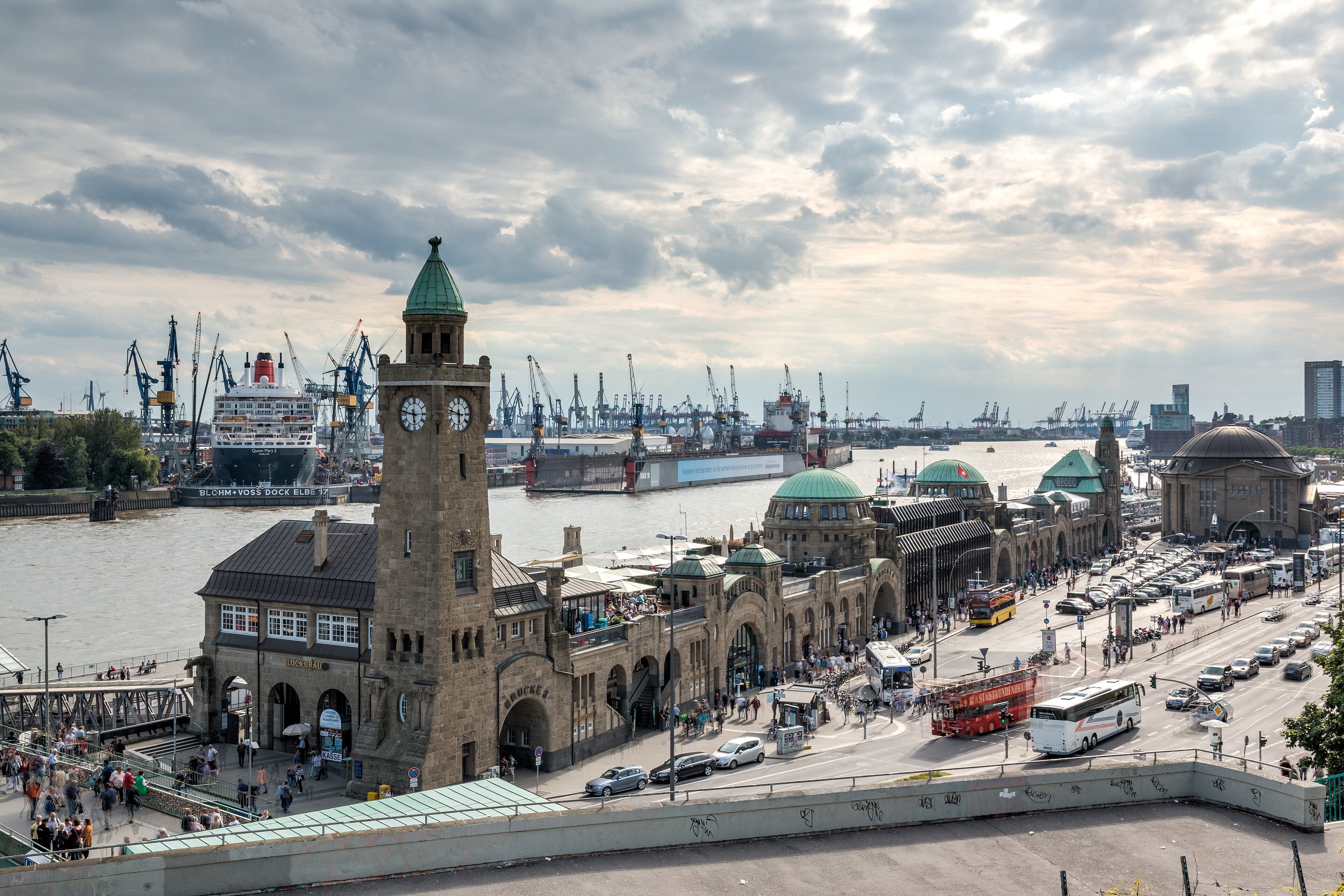
Why Hamburg is Perfect for Your Celebration
- Iconic waterfront venues along the Alster lakes and HafenCity harbor for dramatic event backdrops
- UNESCO-listed Speicherstadt warehouse district offers unique, atmospheric heritage event spaces
- Excellent international connectivity via Hamburg Airport (HAM) with direct flights across Europe and beyond
- Mature, world-class hospitality and vendor ecosystem with experienced event planners and caterers
- Long summer days (May–September) allow extended outdoor celebrations with natural light well into the evening
- Diverse venue portfolio from grand ballrooms in luxury hotels to intimate waterside lofts and historic concert halls

Top Venues in Hamburg
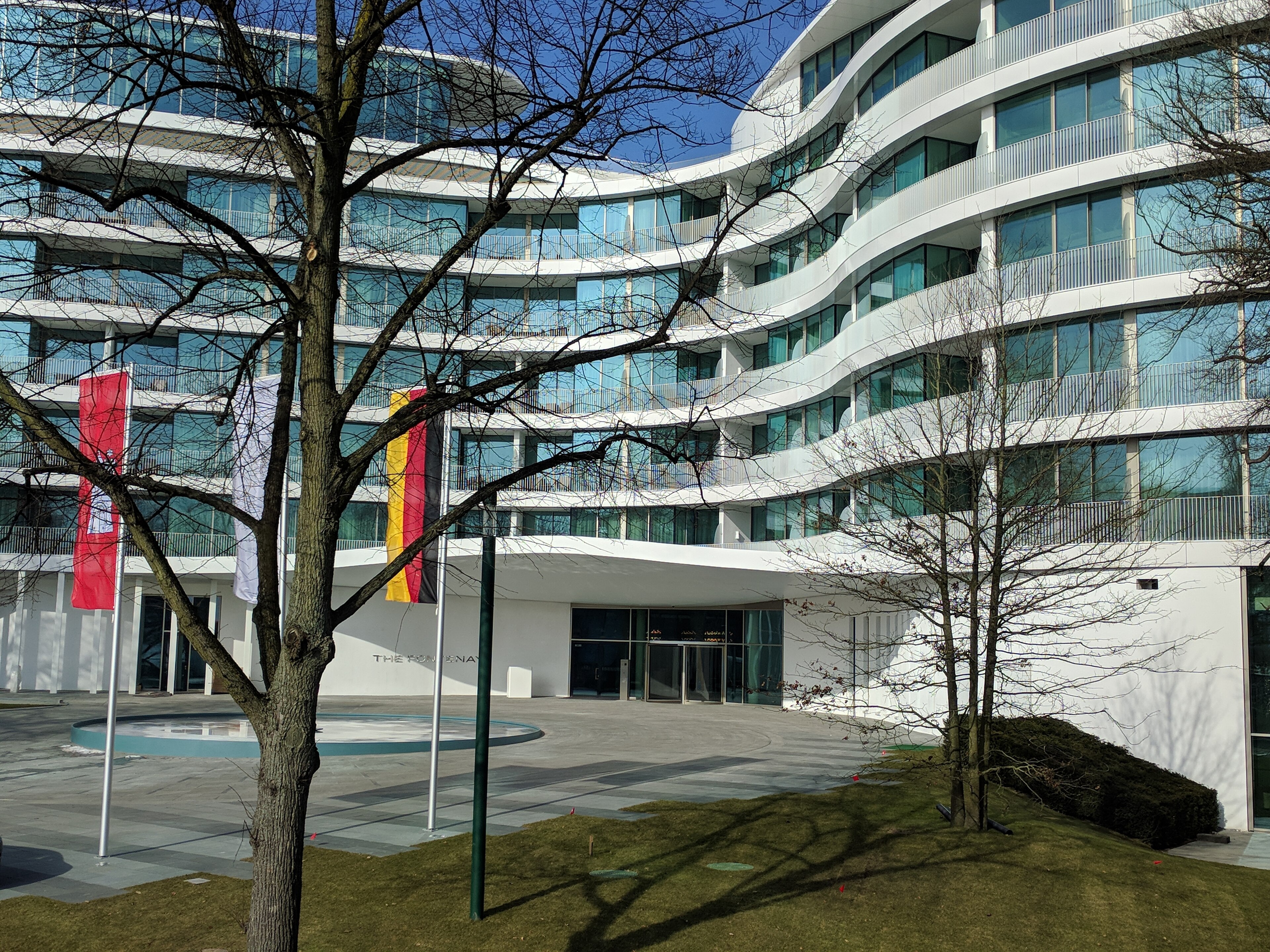
The Fontenay
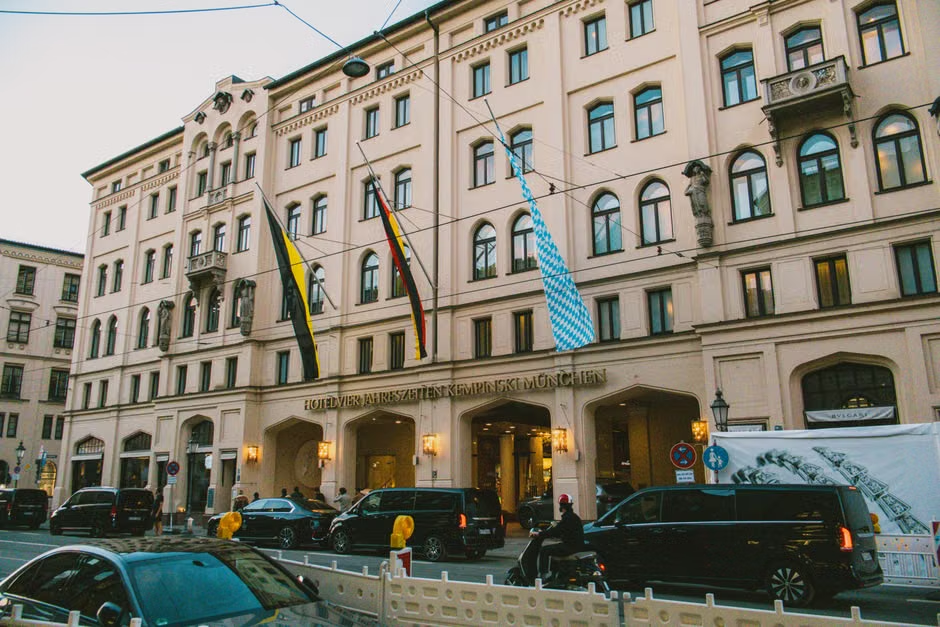
Fairmont Hotel Vier Jahreszeiten Hamburg
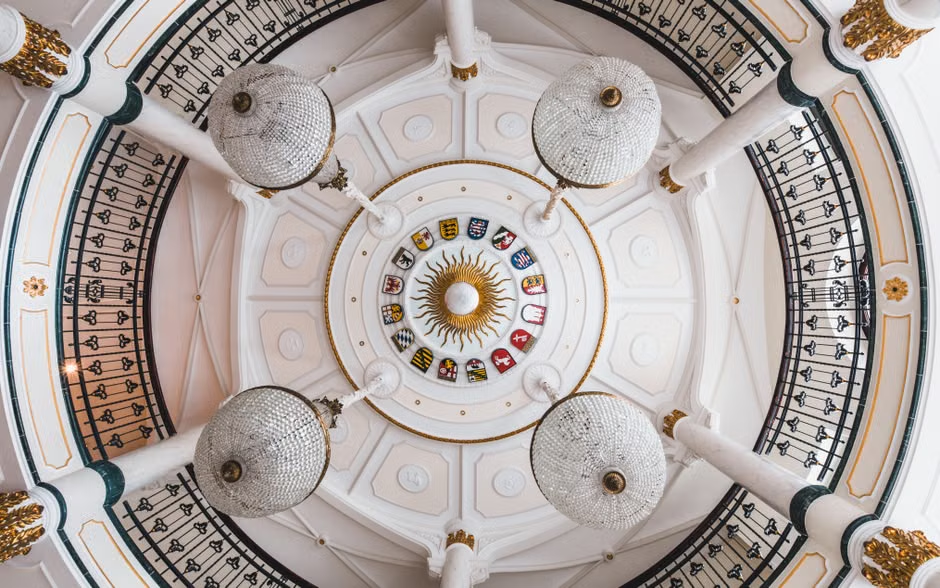
Grand Elysée Hamburg
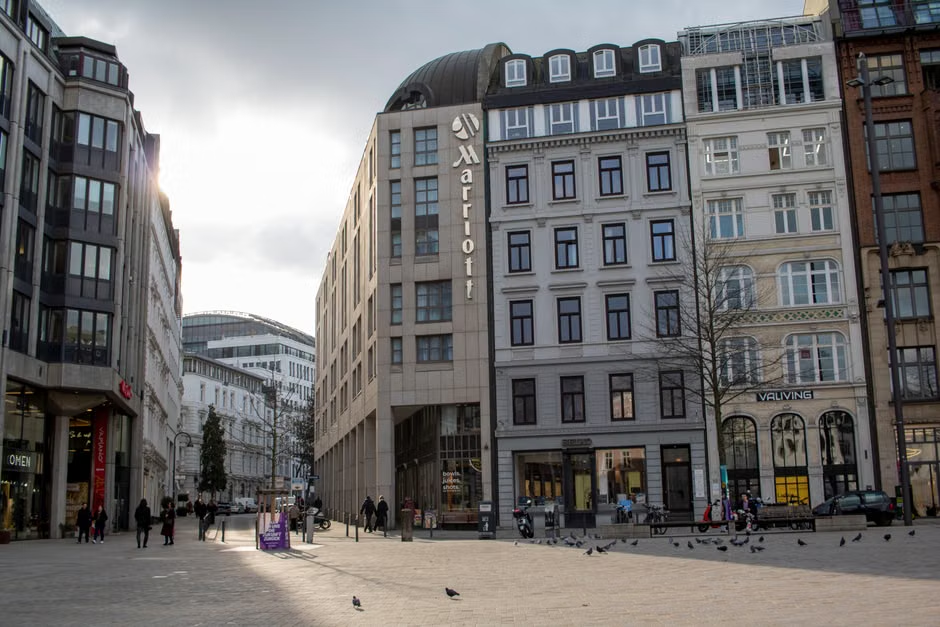
Marriott Hamburg
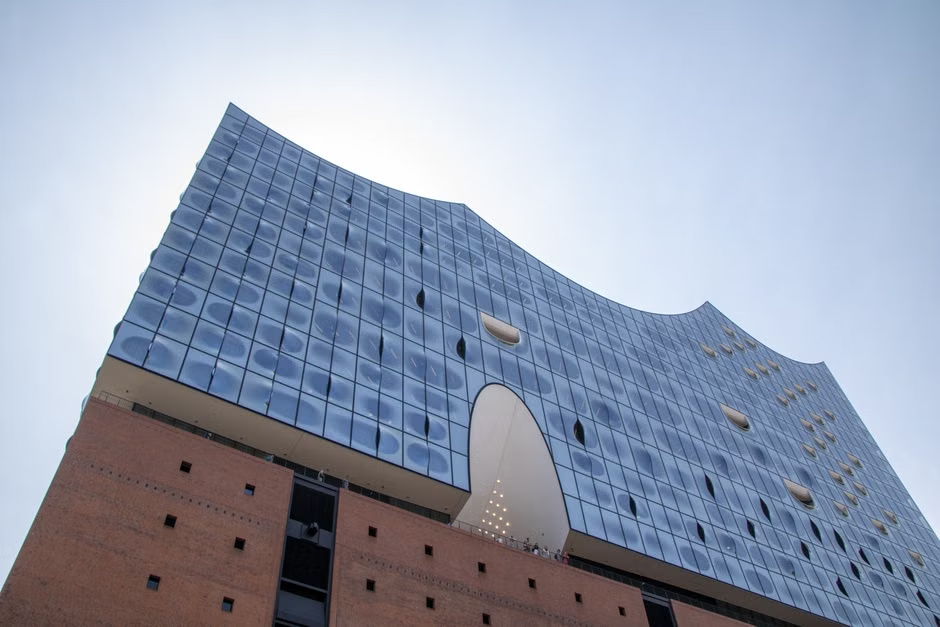
Hilton Hamburg
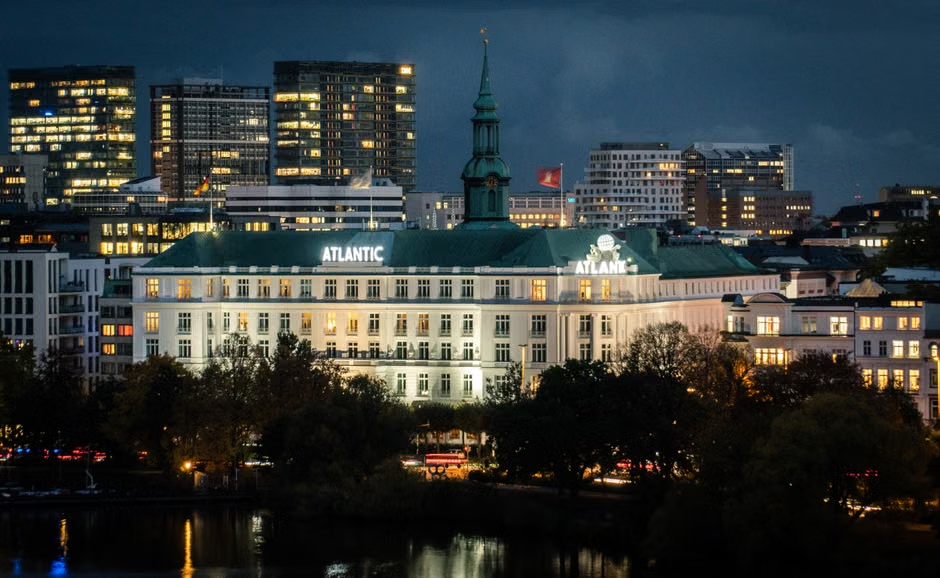
Crowne Plaza Hamburg - City Alster
Compare Hamburg with Other Top Destinations
Frequently Asked Questions
Is Hamburg a good destination for a wedding celebration?
Yes. Hamburg suits couples seeking a chic, cosmopolitan European wedding with genuine character. Its waterfront settings along the Alster lakes and HafenCity harbor, combined with heritage spaces in the Speicherstadt district and a strong luxury hotel infrastructure, make it particularly well-suited to stylish, urban weddings. The summer months (May–September) offer long daylight hours that extend outdoor ceremonies and receptions well into the evening.
What is the best time of year to hold an event in Hamburg?
May through September is the strongly recommended window. This period offers Hamburg's warmest temperatures, longest days (sunset as late as 10 pm in June), and the most reliable conditions for outdoor and waterfront event elements. Outside this window — particularly November through February — cold temperatures, very short days, and frequent rain make the destination significantly less suitable, especially for events with outdoor components.
How easy is it for guests to travel to Hamburg from across Europe?
Very easy. Hamburg Airport (HAM) offers direct connections to major European capitals and international hubs, and Hamburg Hauptbahnhof connects the city by high-speed rail to Berlin, Frankfurt, Munich, Cologne, and Amsterdam. The airport is linked to the city center by S-Bahn in around 25 minutes. For most European guests, Hamburg is a straightforward one-leg journey by air or rail.
What kinds of event venues are available in Hamburg?
Hamburg offers genuine variety: grand ballrooms in landmark lakeside and city-center hotels, converted warehouse and industrial lofts in the Speicherstadt and HafenCity districts, waterfront and floating venues including historic ships and harbor pavilions, and prestigious cultural spaces such as the Elbphilharmonie event rooms. This range suits everything from formal banquets and corporate conferences to creative, non-traditional celebrations.
Can Hamburg accommodate large guest groups for a destination event?
Generally yes, for groups up to several hundred guests. The city's hotel inventory is substantial and concentrated near key event districts, allowing large groups to be accommodated within a short distance of venues. For very large events exceeding 800–1,000 guests requiring a single integrated campus, early planning and careful venue selection are essential, as Hamburg's individual venue capacities vary considerably.
Is Hamburg suitable for corporate events and conferences?
Yes, strongly so. Hamburg is one of Germany's leading corporate event cities, hosting major international trade fairs and conferences year-round. The local event management, AV, catering, and logistics sectors are experienced and well-resourced. The city's international connectivity and English-language hospitality environment make it particularly practical for multinational corporate gatherings.
What is the local transport situation for event guests once they arrive in Hamburg?
Hamburg's integrated HVV public transport network — covering metro (U-Bahn), suburban rail (S-Bahn), buses, and harbor ferries — is efficient and easy to navigate. The harbor ferry network is especially useful for events in the HafenCity and Speicherstadt areas. For coordinated group transfers between accommodation, venues, and the airport, Hamburg's event logistics sector can arrange dedicated coach or minibus services.
How far in advance should I book venues and accommodation for a summer event in Hamburg?
For prime summer weekends (particularly June through August), booking 12–18 months in advance is strongly advisable. Hamburg's summer calendar is dense with trade fairs, music festivals, and public events, meaning popular venues and hotels can reach capacity well ahead of the event date. Shoulder months (May and September) offer somewhat more flexibility but still benefit from early commitment.
Does Hamburg have a strong local catering and vendor ecosystem for events?
Yes. Hamburg's event vendor market is mature and internationally experienced, covering catering, floral design, AV and lighting production, event styling, and logistics. The city's culinary scene is particularly strong — local caterers can offer distinctive Nordic and seafood-influenced menus that give events a genuine sense of place. English-language service is standard among professional vendors in this sector.
What should I plan for in terms of weather contingency at a Hamburg event?
Even in summer, Hamburg's maritime climate means rain and wind are possible on any given day. Events with outdoor components — ceremonies, garden receptions, waterfront dinners — should always have a credible indoor contingency plan. This is not a precaution unique to Hamburg's off-season; it applies throughout the summer window and should be built into venue selection and event design from the outset.
Is Hamburg safe for international guests attending a celebration?
Yes. Hamburg is generally considered a very safe city by European standards, with a well-functioning public safety infrastructure and a welcoming, internationally oriented culture. Standard urban awareness is advisable in busy nightlife areas, but for event guests moving between hotels, venues, and transport hubs, the city presents no unusual safety concerns.

Ready to explore venues in Hamburg?
Hamburg: Destination Wedding & Event Venues in Germany's Harbor Metropolis
◆Hamburg is a major North Sea port city and Germany's second-largest urban center, offering a chic, cosmopolitan setting for weddings, corporate events, milestone celebrations, and festivals. Its primary strengths are a diverse portfolio of waterfront and heritage event spaces, a mature hospitality ecosystem, and outstanding international connectivity via Hamburg Airport and its central railway hub. The best season runs from May through September, when long daylight hours and warmer temperatures make outdoor and waterside events genuinely viable. Hamburg suits mid-to-large guest groups well, with a broad range of accommodation tiers across the city center and lakeside districts.
Hamburg at a Glance
| Category | Detail |
|---|---|
| Best For | Destination Weddings, Corporate Events, Milestone Celebrations, Festivals |
| Primary Vibe | Chic & Cosmopolitan |
| Other Vibes | Maritime & Heritage, Urban & Contemporary, Waterfront & Scenic |
| Best Season | Summer (May, Jun, Jul, Aug, Sep) |
Why Choose Hamburg?
- Exceptional waterfront settings: The Alster lakes, HafenCity harbor, and Elbe riverfront provide dramatic, photogenic backdrops that are genuinely rare among European event cities — outdoor ceremonies and receptions benefit enormously from these natural water features during the summer months.
- UNESCO-listed heritage spaces: The Speicherstadt warehouse district, a UNESCO World Heritage Site, offers atmospheric, architecturally distinctive event venues that give celebrations a sense of place and history impossible to replicate in a generic ballroom setting.
- Outstanding international connectivity: Hamburg Airport (HAM) operates direct flights to major European capitals and intercontinental hubs, while Hamburg Hauptbahnhof connects the city to Berlin, Frankfurt, Munich, Cologne, and Amsterdam by high-speed rail — making guest travel straightforward from virtually anywhere in Europe.
- Mature, professional event industry: Hamburg hosts major international trade fairs, music festivals, and corporate summits year-round, meaning the local vendor ecosystem — caterers, AV specialists, florists, event designers, and logistics providers — is experienced, well-resourced, and accustomed to handling complex, large-scale events.
- Diverse venue portfolio: From grand ballrooms in landmark lakeside hotels and converted industrial lofts in the harbor district to historic concert halls and contemporary rooftop spaces, Hamburg offers genuine variety across event styles and guest capacities.
- Cosmopolitan dining and entertainment: Hamburg's internationally recognized restaurant scene, vibrant nightlife (particularly in the Reeperbahn and HafenCity areas), and rich cultural calendar — opera, Elbphilharmonie concerts, art galleries — give guests a full destination experience beyond the event itself.
Which Celebrations Work Best in Hamburg?
- Destination Weddings: Hamburg's combination of waterfront ceremony settings, heritage backdrops, and luxury hotel infrastructure makes it a compelling choice for couples seeking a European city wedding with genuine character. The summer season allows outdoor ceremonies along the Alster or in harbor-adjacent gardens, while the city's cosmopolitan atmosphere suits couples who want an urban, sophisticated aesthetic rather than a countryside or castle setting.
- Corporate Events & Conferences: Hamburg is one of Germany's leading corporate event destinations, with a well-established convention infrastructure, experienced event management companies, and a business culture that is internationally oriented. The city's connectivity makes it easy to assemble delegates from across Europe and beyond, and the range of venue sizes — from intimate boardroom settings to large congress halls — accommodates events of varying scale.
- Milestone Celebrations (Anniversaries, Landmark Birthdays): The city's upscale restaurant scene, private dining rooms in landmark hotels, and exclusive waterfront venue hire options make Hamburg particularly well-suited to intimate but high-quality milestone celebrations. Groups of 20–150 guests are especially well served by the mid-tier luxury hotel and boutique venue inventory.
- Festivals & Brand Experiences: Hamburg's existing festival culture — from the Reeperbahn Festival to the Hamburg DOM funfair — and its large outdoor public spaces make it a natural fit for brand activations, product launches, and curated festival-format events. The city's creative industries and media sector also provide a ready pool of production talent.
Venues & Event Spaces
Hamburg's event venue landscape is genuinely diverse, spanning several distinct character types. Grand hotel ballrooms in the lakeside and city-center luxury properties offer the most conventional large-format event infrastructure, with in-house catering, accommodation blocks, and dedicated event coordination teams. These suit weddings and corporate dinners requiring a seamless, full-service experience under one roof.
Converted industrial and warehouse spaces in the Speicherstadt and HafenCity districts provide a very different aesthetic — exposed brick, high ceilings, harbor views, and a raw architectural quality that works particularly well for creative corporate events, brand experiences, and couples seeking a non-traditional wedding setting. Many of these spaces are available for exclusive hire and can be dressed and configured to a high standard.
Waterfront and floating venues — including historic ships, harbor cruise vessels, and lakeside pavilions — are a distinctly Hamburg offering, allowing events to take place on or directly adjacent to the water. These are especially popular during the summer months when the long evenings make outdoor and semi-outdoor settings genuinely comfortable.
Cultural and civic venues — including the Elbphilharmonie's event spaces, historic town halls, and museum event rooms — add a further layer of prestige and uniqueness for events where the setting itself is part of the statement. These typically require advance planning and are subject to availability constraints given their public programming commitments.
Across all categories, Hamburg's venue market is well-regulated, professionally managed, and accustomed to international clients — venue coordinators and event managers commonly work in English, and technical infrastructure (AV, lighting, catering logistics) is generally to a high European standard.
Best Time to Celebrate
The curated best season for Hamburg events is Summer: May through September. This window is the clear optimal period for several concrete reasons beyond simply "the weather is nicer."
From May through July, Hamburg experiences its longest days — sunset can fall as late as 10 pm in June, which is genuinely transformative for outdoor events. Waterfront ceremonies, garden receptions, and harbor-view dinners that would be impractical in the dark, cold months become natural and beautiful. Temperatures in this period typically range from the mid-teens to the low-to-mid twenties Celsius, which is comfortable for guests dressed for a celebration without the oppressive heat that affects southern European destinations in the same months.
August and September remain strong, with slightly shorter days but often the most reliably settled weather of the year. September in particular is a popular month for corporate events and weddings, as the summer holiday period has ended, guest availability improves, and the city's cultural calendar resumes after its summer pause.
The months outside this window present genuine challenges for event planning. October sees a rapid deterioration in conditions — temperatures drop quickly, rainfall increases, and wind off the North Sea becomes a consistent factor. Outdoor elements become unreliable. November through February is Hamburg's most difficult period: cold (regularly near or below freezing), frequently grey and wet, with very short days (sunset as early as 3:45 pm in December). While indoor events remain entirely feasible year-round, the destination's strongest selling points — its waterfront settings, outdoor spaces, and scenic character — are largely inaccessible in winter. March and April are transitional months with unpredictable weather; they can produce pleasant days but also cold snaps and persistent rain, making them unreliable for events with significant outdoor components.
Getting There & Local Connectivity
Hamburg is among the most accessible cities in northern Europe for international guests. Hamburg Airport (HAM) sits approximately 9 km from the city center and is served by a wide range of European carriers with direct connections to major hubs across the continent and beyond. The airport's S-Bahn (suburban rail) link connects it to the city center in around 25 minutes, making arrival logistics straightforward for guests.
Hamburg Hauptbahnhof, the city's central railway station, is one of Germany's busiest rail hubs. High-speed ICE services connect Hamburg directly to Berlin (under two hours), Frankfurt (around three and a half hours), Munich (around five and a half hours), and Cologne (around four hours), as well as international services toward Amsterdam and Copenhagen. For European guests, rail travel is a genuinely competitive option in terms of both convenience and journey time.
Within the city, Hamburg operates an integrated public transport network (HVV) covering U-Bahn (metro), S-Bahn, buses, and harbor ferries. For event groups, the harbor ferry network is particularly useful — it connects HafenCity, the Speicherstadt area, and the Elbe waterfront in a way that is both practical and scenic. Taxis and ride-hailing services are readily available. For larger groups requiring coordinated transfers between accommodation, venues, and the airport, Hamburg's established event logistics sector can arrange dedicated coach or minibus services without difficulty.
Local Vendor & Hospitality Ecosystem
Hamburg's vendor ecosystem is one of its genuine strengths as an event destination. The city hosts major international trade fairs (including the Hamburg Messe), a thriving music and media industry, and a long tradition of large-scale public events — all of which have produced a deep pool of experienced event professionals.
Catering is a particular strength: Hamburg's restaurant scene is internationally recognized, and many of the city's top culinary teams also operate event catering arms. The city's port heritage means seafood and Nordic-influenced menus are a genuine local specialty, offering event hosts a distinctive culinary identity rather than generic banquet fare.
Floral design, AV production, lighting, and event styling are all well-represented by established local companies with experience across wedding, corporate, and festival formats. English-language service is standard among professional vendors in this sector, which significantly reduces friction for international clients planning events remotely.
Accommodation capacity across the city is substantial, with a wide range of hotel tiers concentrated in the city center, Alster lakeside, and HafenCity areas — meaning large guest groups can typically be accommodated within a short distance of event venues without requiring guests to disperse across distant neighborhoods.
One area to plan carefully is peak-season demand: Hamburg's summer calendar is busy with trade fairs, festivals, and public events, which can affect venue and hotel availability. Early booking — ideally 12–18 months in advance for large events during June through August — is strongly advisable.
Pros & Things to Consider
Why Hamburg Works Well
- Genuinely distinctive waterfront and heritage venue options that give events a strong sense of place
- Outstanding international and domestic connectivity, making guest travel straightforward from across Europe
- Long summer days (particularly May–July) that extend outdoor event windows well into the evening
- A mature, professional event industry with deep experience across weddings, corporate, and festival formats
- Cosmopolitan dining, cultural, and entertainment options that enrich the guest experience beyond the event itself
- English widely spoken across hospitality, vendor, and transport sectors — low friction for international planners
- Strong accommodation inventory across multiple tiers, concentrated near key event districts
Things to Consider
- Weather unpredictability even in summer: Hamburg's maritime climate means rain and wind are possible even in July and August. Events with significant outdoor components should always have a credible indoor contingency plan — this is not optional in Hamburg's climate.
- Peak-season competition for venues and accommodation: Hamburg's summer calendar is dense with trade fairs, music festivals, and public events. Popular venues and hotels can book out 12–18 months in advance for prime summer weekends, requiring early commitment from event planners.
- Northern European event costs: Hamburg operates at a northern European cost level across venues, catering, accommodation, and vendor services. This is not a low-cost destination by global standards, and event budgets should reflect that reality.
- Limited tropical or warm-weather aesthetic: Couples or planners seeking a warm, sun-drenched, or exotic visual aesthetic may find Hamburg's northern European character — grey skies, industrial harbor architecture, temperate greenery — less aligned with their vision than Mediterranean or tropical alternatives.
- Winter months are genuinely difficult: For events outside the May–September window, Hamburg's short days, cold temperatures, and frequent rain significantly limit the destination's appeal and restrict the use of its most distinctive outdoor and waterfront spaces.
When Hamburg May Not Be the Right Fit
- Events planned for October through April with significant outdoor or waterfront components — Hamburg's climate in these months makes reliable outdoor celebrations genuinely difficult, and the destination's strongest visual assets are largely inaccessible.
- Couples or planners seeking a warm, tropical, or sun-guaranteed aesthetic — Hamburg's northern European character and temperate climate are not well-matched to a vision built around guaranteed sunshine, warm evenings, or lush tropical surroundings.
- Very large-scale events (1,000+ guests) requiring a single integrated venue campus — while Hamburg has substantial venue capacity in aggregate, events requiring a single self-contained campus at very large scale may find the city's venue inventory less suited than purpose-built convention or resort destinations.
- Guest groups with limited European travel experience or complex visa requirements — while Hamburg itself is highly accessible for EU and most Western passport holders, guests from regions with complex Schengen visa requirements may face additional planning complexity that a domestic or more visa-accessible destination would avoid.