
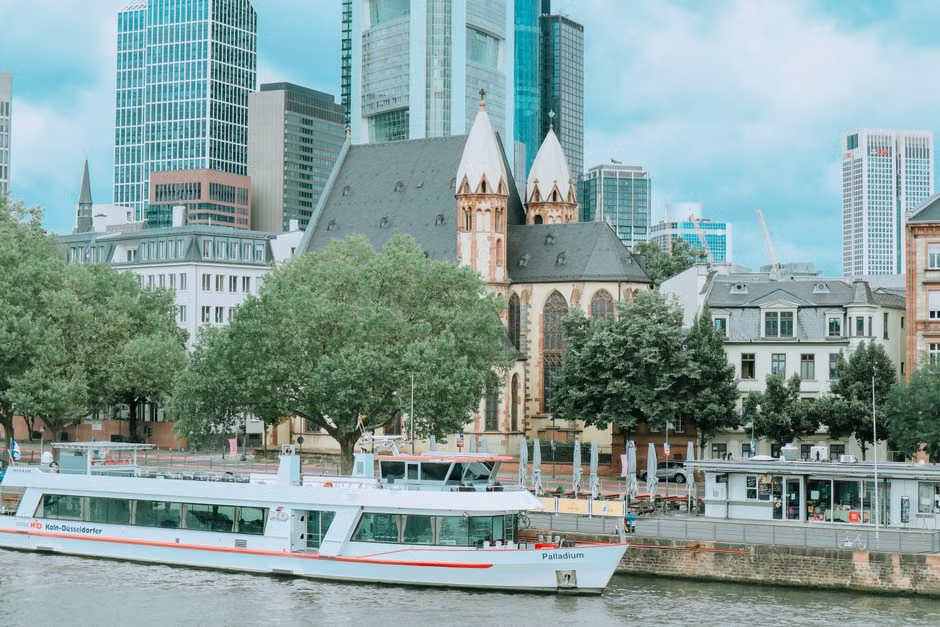
Why Dusseldorf is Perfect for Your Celebration
- World-class international airport (DUS) just 8 km from the city center, making guest arrivals seamless from across Europe and beyond
- Sophisticated mix of modern event halls, historic ballrooms, and riverside venues along the Rhine promenade
- Germany's fashion and trade fair capital — a mature, professional event and hospitality ecosystem with experienced vendors
- Excellent high-speed rail connections to Cologne, Frankfurt, Amsterdam, and Brussels for multi-city guest groups
- Long summer days (May–September) with warm, pleasant weather ideal for outdoor receptions and riverside celebrations
- Vibrant Altstadt (Old Town) and Königsallee luxury shopping district provide a stylish backdrop for pre- and post-event experiences
Top Venues in Dusseldorf
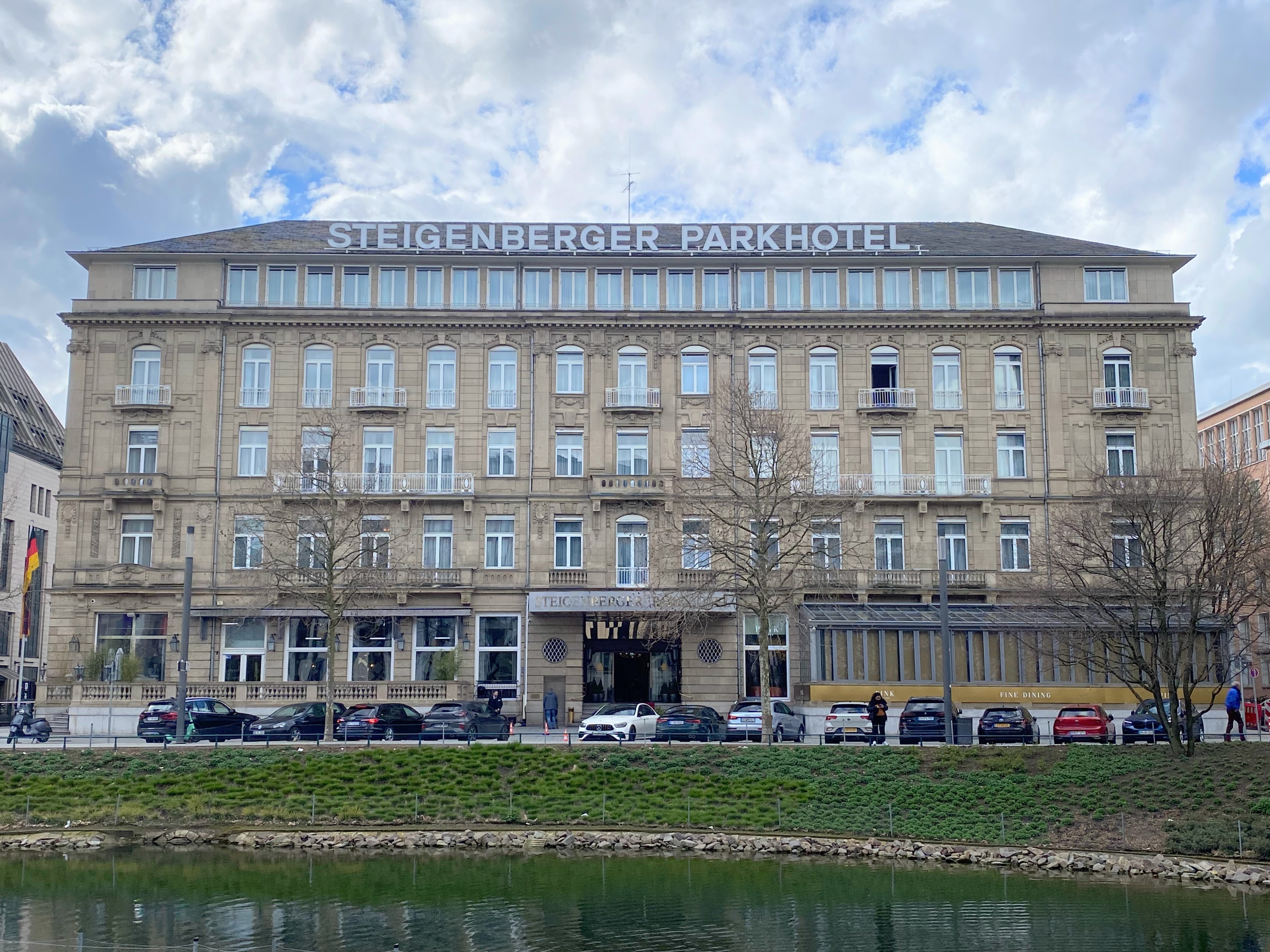
Steigenberger Parkhotel Düsseldorf
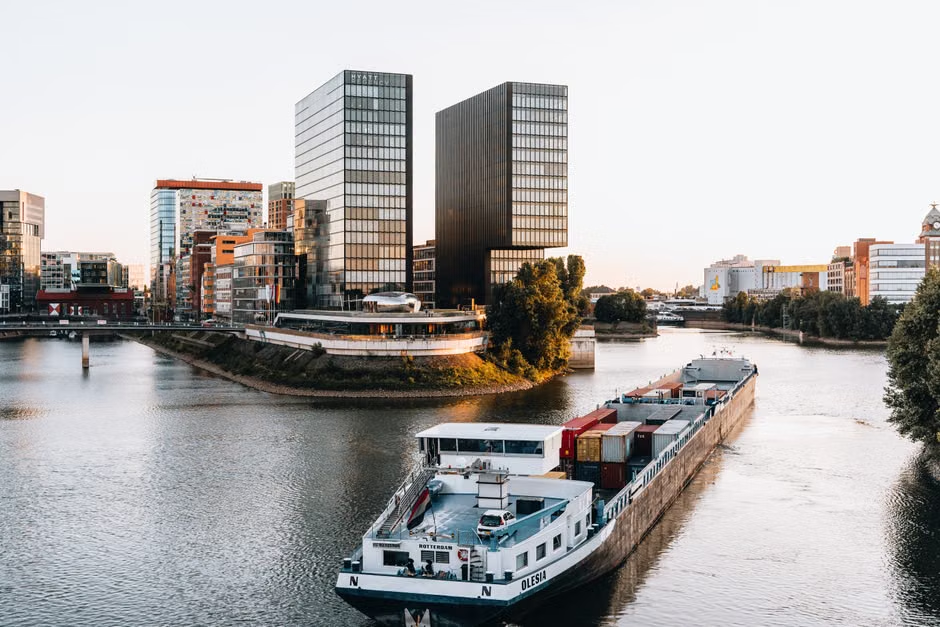
Hyatt Regency Düsseldorf
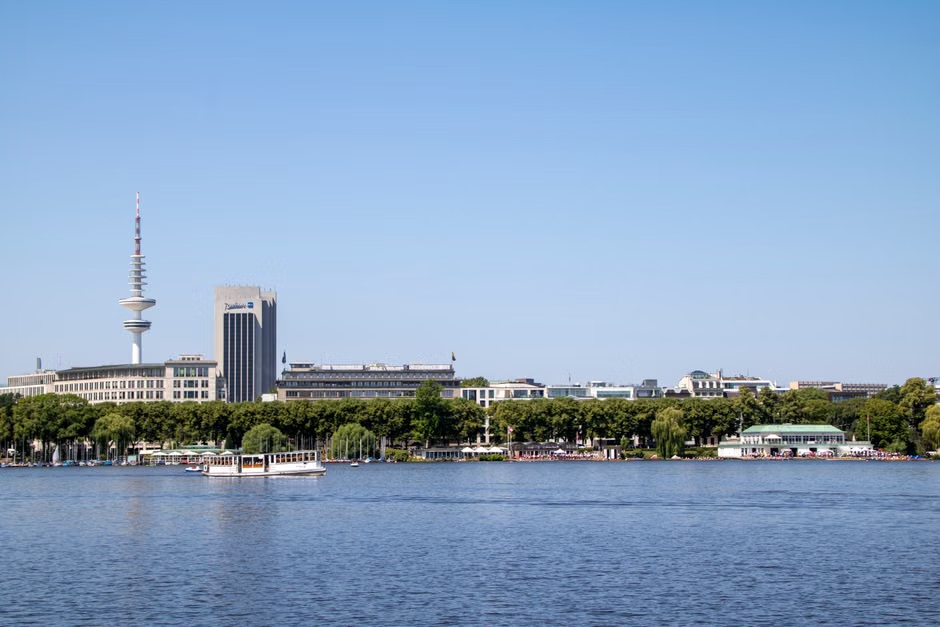
Radisson Blu Scandinavia Hotel Düsseldorf
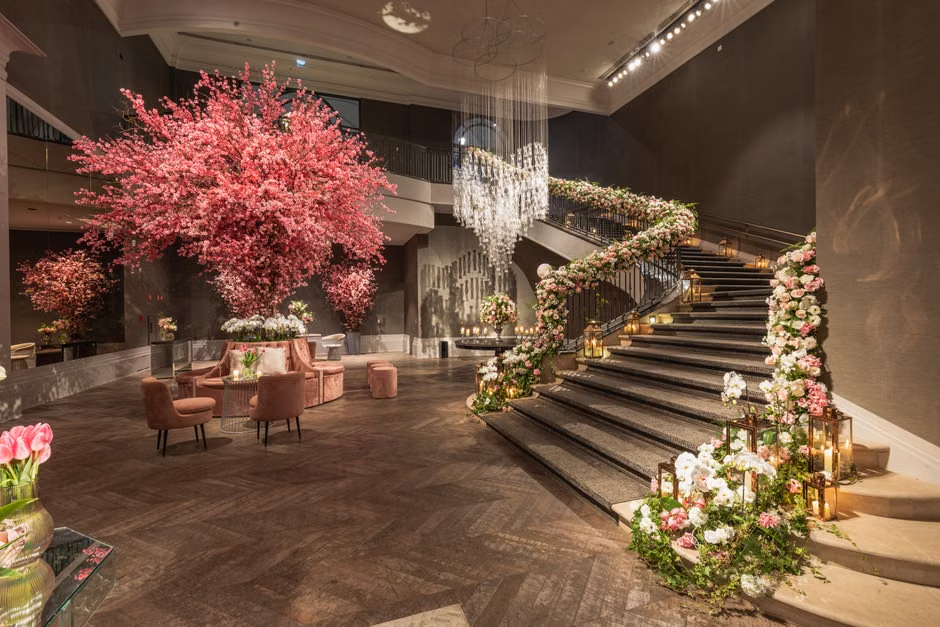
Lindner Hotel & Residence Main Plaza
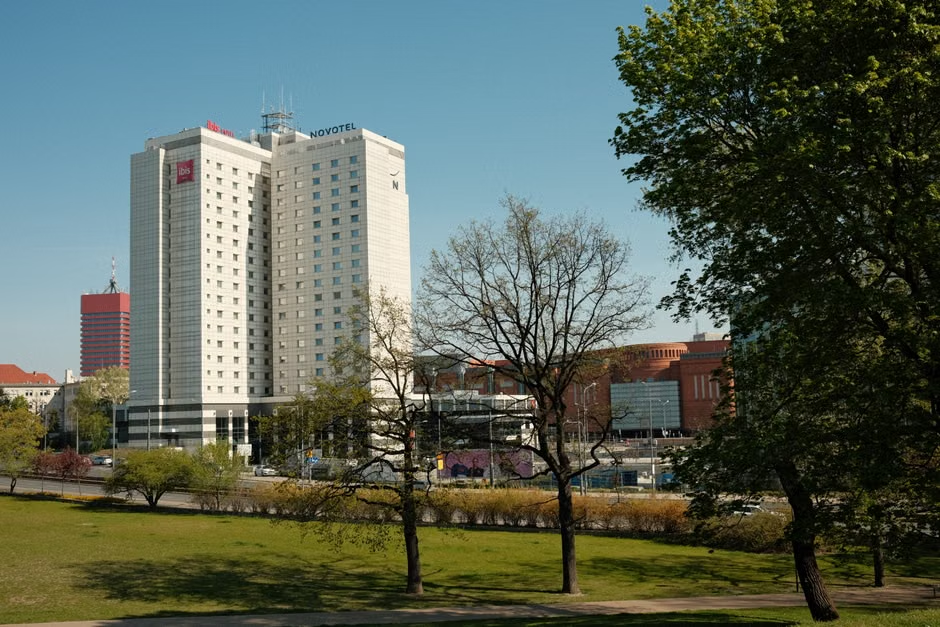
Novotel Düsseldorf City West
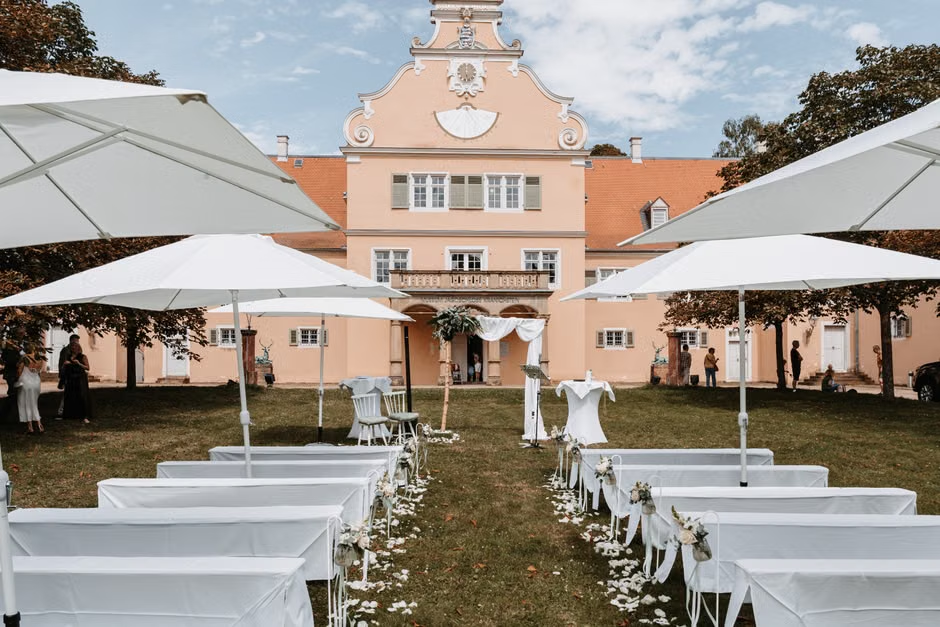
Ibis Styles Düsseldorf Mitte
Compare Dusseldorf with Other Top Destinations
Frequently Asked Questions
Is Düsseldorf a good destination for a wedding celebration?
Yes, particularly for couples seeking a chic, cosmopolitan European-city wedding rather than a heritage or countryside setting. Düsseldorf suits international couples whose guests are spread across Europe, given its outstanding airport and rail connectivity. The Rhine riverside, Medienhafen harbor district, and elegant hotel ballrooms provide genuinely distinctive settings, and the city's mature hospitality ecosystem handles complex, multi-day celebrations reliably.
What is the best time of year to hold an event in Düsseldorf?
May through September is the recommended window. Long daylight hours — usable outdoor light past 9 pm in midsummer — and warm temperatures make outdoor riverside and terrace events genuinely viable. Outside this period, shorter days, cooler temperatures, and higher rainfall make outdoor elements unreliable, and the city's distinctive open-air appeal is largely unavailable from October through April.
How easy is it for international guests to reach Düsseldorf?
Very easy. Düsseldorf International Airport (DUS) is approximately 8 km from the city center with a direct rail link to the main station, and serves a wide range of European, Middle Eastern, and intercontinental routes. The main railway station (Hauptbahnhof) also connects to Cologne, Frankfurt, Amsterdam, and other major cities via high-speed rail, giving guests multiple practical arrival options.
What size of guest group can Düsseldorf venues realistically accommodate?
The city's venue landscape comfortably supports events ranging from intimate dinners of 50 guests up to large receptions of several hundred. Major hotel event suites and dedicated congress spaces can handle 500–1,000 guests for seated dinners or standing receptions. Smaller, boutique-scale venues for groups under 80 are less abundant, but the overall range is broad enough to suit most event sizes.
What kinds of venues are available for events in Düsseldorf?
The main categories are grand hotel ballrooms (several internationally branded properties with dedicated banqueting suites), Medienhafen waterfront event spaces with striking contemporary architecture, outdoor Rhine riverside terraces (viable May–September), cultural venues including gallery and museum spaces, and dedicated congress and event halls near the exhibition center. The overall character is modern and urban rather than heritage or rustic.
Is Düsseldorf well-suited to corporate events and gala dinners?
Yes — this is arguably where Düsseldorf is strongest. As Germany's trade fair capital, the city has a deeply experienced corporate event ecosystem: professional AV and production companies, high-capacity hotel event suites, multilingual hospitality staff, and vendors accustomed to complex, multi-day programmes. Gala dinners, product launches, incentive evenings, and conference-adjacent celebrations are all well-supported here.
Are there any planning risks specific to Düsseldorf I should be aware of?
The main one is the Messe Düsseldorf trade fair calendar. Major international fairs run across multiple weeks of the year and can significantly compress hotel room availability and affect group accommodation logistics. Checking fair dates early and booking accommodation well in advance is essential. For outdoor-focused events, even within the summer window, a credible indoor contingency plan is advisable given the possibility of rain.
How easy is it to move a large guest group around Düsseldorf once they arrive?
Straightforward. The city's U-Bahn, S-Bahn, tram, and bus network is efficient and covers all major hotel and venue districts. The main event areas — city center, Medienhafen, Königsallee, Altstadt — are geographically compact, and many guests can walk between key locations. Coach and minibus hire for group transfers between airport, hotel, and venue is readily available through the city's well-developed ground transport sector.
What makes Düsseldorf's hospitality and vendor ecosystem suited to destination events?
The city's long-standing role as a trade fair and congress hub has produced a mature, professional vendor base: experienced event planners, specialist caterers, high-end florists, lighting and AV companies, and entertainment agencies are all well-represented. The fashion and design industry's presence raises the bar for event styling and visual production. Multilingual service is standard across the sector, which is important for international guest groups.
Can guests experience the city beyond the main event — is there enough to do?
Yes. The Altstadt (Old Town) is one of Germany's liveliest urban entertainment districts. The Königsallee luxury shopping boulevard, the Rhine promenade, the Kunstpalast and other museums, and the Medienhafen's architectural landmarks all provide rich pre- and post-event experiences. For multi-day destination celebrations where guest engagement beyond the main event matters, Düsseldorf offers a genuinely full programme without needing to leave the city.
Is Düsseldorf a safe destination for event guests?
Yes. Düsseldorf is consistently rated among Germany's safer major cities, with a well-functioning public infrastructure, reliable emergency services, and a city center that is generally comfortable for guests to navigate independently at most hours. Standard urban awareness applies, as with any large European city, but safety concerns are not a meaningful planning consideration for most event groups.

Ready to explore venues in Dusseldorf?
Düsseldorf: Destination Wedding & Corporate Event Venues
◆Düsseldorf is a strongly cosmopolitan, well-connected German city that suits corporate celebrations, fashion-forward weddings, festivals, and large-scale social events particularly well. Its primary character is chic and modern — defined by the Rhine promenade, the Medienhafen harbor district, and the Königsallee luxury boulevard — rather than heritage or rustic charm. The best season runs from May through September, when long daylight hours and warm temperatures make outdoor riverside events genuinely viable. Guest accessibility is among the highest of any European event destination, with an international airport under 10 km from the city center and high-speed rail links to major European cities. The overall hospitality tier is premium, reflecting the city's status as Germany's trade fair and fashion capital.
Düsseldorf at a Glance
| Attribute | Detail |
|---|---|
| Best For | Corporate Events, Destination Weddings, Festivals, Social Celebrations |
| Primary Vibe | Chic & Cosmopolitan |
| Other Vibes | Modern & Architectural, Riverside & Scenic, Cultural & Artistic |
| Best Season | Summer (May, Jun, Jul, Aug, Sep) |
Why Choose Düsseldorf?
- Exceptional international accessibility: Düsseldorf International Airport (DUS) is one of Germany's busiest, with direct connections to destinations across Europe, the Middle East, Asia, and North America — making it genuinely easy for international guest groups to converge here without complex routing.
- Mature, professional event infrastructure: As the host city for major international trade fairs (including one of Europe's largest exhibition centers, Messe Düsseldorf), the city has a deeply experienced ecosystem of event planners, caterers, AV specialists, florists, and hospitality professionals accustomed to large, complex, multi-day events.
- Diverse venue landscape: From sleek modern ballrooms in the Medienhafen harbor district to grand hotel event suites along the Königsallee, and outdoor riverside terraces on the Rhine promenade, the city offers a genuine range of settings across different aesthetic registers.
- Vibrant cultural backdrop: The Altstadt (Old Town), the Kunstpalast museum, and the broader arts and fashion scene give guests a rich programme of pre- and post-event experiences — important for multi-day destination celebrations where guest engagement beyond the main event matters.
- Excellent intra-city and regional transport: Düsseldorf's U-Bahn, S-Bahn, and tram network is efficient and well-integrated, and the city sits at the heart of the Rhine-Ruhr metropolitan region, making it straightforward to move large guest groups between venues, hotels, and the airport.
- Strong luxury and upper-midscale hotel inventory: The city has a well-developed stock of internationally branded hotels with dedicated event and banqueting facilities, meaning accommodation and event space can often be consolidated under one roof for large groups.
Which Celebrations Work Best in Düsseldorf?
- Corporate Events & Conferences: Düsseldorf is arguably at its strongest here. The combination of world-class exhibition infrastructure, experienced corporate event vendors, and seamless international connectivity makes it a natural fit for product launches, incentive dinners, gala evenings, and multi-day corporate retreats. The city's professional culture means service standards are consistently high.
- Destination Weddings: Couples seeking a chic, European-city wedding — rather than a countryside or heritage setting — will find Düsseldorf genuinely compelling. Riverside ceremonies along the Rhine, elegant hotel ballrooms, and the city's fashion-forward aesthetic suit couples who want a modern, cosmopolitan celebration. It works particularly well for international couples whose guest lists are spread across Europe.
- Festivals & Large Social Celebrations: The city has a strong culture of public celebration — the Rhine in Flames events, the famous Karneval season, and the Altstadt's lively social scene all reflect a city comfortable with large-scale festivity. Private festival-style events, milestone birthday celebrations, and anniversary parties translate well into this environment.
- Fashion & Brand Events: Given Düsseldorf's status as Germany's fashion capital — home to major fashion trade fairs and the Königsallee luxury retail corridor — brand launches, fashion shows, and luxury product events find a natural home here, with venues and vendors already fluent in the aesthetic demands of the industry.
Venues & Event Spaces
Düsseldorf's venue landscape is predominantly modern and urban in character, reflecting the city's identity as a contemporary European metropolis rather than a heritage destination. The most prominent category is the grand hotel ballroom — several internationally branded luxury and upper-midscale hotels in the city center offer dedicated banqueting suites capable of hosting events from intimate dinners of 50 to large receptions of several hundred guests, often with in-house catering and AV infrastructure.
The Medienhafen (Media Harbor) district is a particularly distinctive setting: a regenerated former industrial harbor now lined with architecturally striking buildings (including Frank Gehry's iconic Neuer Zollhof towers), housing event spaces that suit design-conscious, contemporary celebrations. Riverside terraces and waterfront event decks along the Rhine promenade offer outdoor ceremony and reception options during the summer months, with the river and city skyline as a backdrop.
Beyond hotels, the city has a range of dedicated event halls and congress centers suited to larger-scale gatherings, as well as cultural venues — galleries, museum spaces, and historic civic buildings — that can be hired for private events and offer a more distinctive atmosphere than a standard hotel function room. The Altstadt's network of restaurants and private dining rooms also supports smaller, more intimate celebrations within a lively urban setting.
Best Time to Celebrate
The curated best season for Düsseldorf events runs from May through September, and this recommendation is grounded in several concrete factors beyond simply "the weather is nice."
During these months, average daytime temperatures typically range from the mid-teens in May to the low-to-mid twenties Celsius in July and August — warm enough for outdoor riverside receptions and garden ceremonies without the extreme heat that can make outdoor events uncomfortable in more southerly European destinations. Crucially, daylight hours are exceptionally long: in June and July, usable outdoor light extends well past 9 pm, which meaningfully expands the window for outdoor ceremonies, cocktail hours, and evening receptions without requiring artificial lighting from early evening.
May and September function as reliable shoulder months within this window — generally warm and pleasant, with somewhat lower visitor volumes than the peak July–August period, which can translate to greater venue availability and a slightly calmer city atmosphere for private events.
Outside this window, the picture changes significantly. October sees temperatures drop noticeably and rainfall increase, making outdoor elements increasingly unreliable. November through February brings cold, grey, and often damp conditions with very short daylight hours — outdoor event elements are largely impractical, and the overall atmosphere is less conducive to the kind of celebratory, open-city experience that makes Düsseldorf distinctive as an event destination. March and April are transitional months with unpredictable weather: spring can arrive early or late, and the risk of cold snaps and persistent rain makes outdoor planning unreliable. For events that are entirely indoors, these months are not impossible, but the city's outdoor and riverside appeal — a significant part of what distinguishes it as an event setting — is largely unavailable.
Getting There & Local Connectivity
Düsseldorf's accessibility is genuinely one of its strongest assets as an event destination. Düsseldorf International Airport (DUS) sits approximately 8 km from the city center and is directly connected to the main railway station by a dedicated rail link, making the journey from plane to hotel straightforward for arriving guests. The airport serves a wide range of European, intercontinental, and long-haul routes, meaning guests traveling from outside Germany — including from South Asia, the Middle East, and North America — typically have direct or single-connection options.
Düsseldorf Hauptbahnhof (the main railway station) is a major node on Germany's high-speed ICE network, with fast, frequent services to Cologne (approximately 25 minutes), Frankfurt, Hamburg, Berlin, and Amsterdam. For European guest groups, arriving by train is often as practical as flying, and the station's central location means guests can reach most hotels and venues on foot or by a short taxi or tram ride.
Within the city, Düsseldorf's integrated public transport network — U-Bahn, S-Bahn, trams, and buses — is efficient and covers all major event and hotel districts. For group movements (transfers between airport, hotel, and venue), the city has a well-developed ground transport sector with coach and minibus hire readily available. The compact geography of the main event districts (city center, Medienhafen, Königsallee, Altstadt) means that many guests can walk between key locations, which simplifies logistics for multi-venue celebrations.
Local Vendor & Hospitality Ecosystem
Düsseldorf's vendor ecosystem is among the most mature and professionally developed of any German city for events, a direct consequence of its long-standing role as a trade fair and congress destination. Catering and banqueting at the city's major hotels operates to internationally consistent standards, and there is a strong independent catering sector capable of handling large outdoor or off-site events. Specialist event florists, lighting and AV companies, entertainment agencies, and wedding planners with international experience are well-represented in the city.
The city's fashion and design industry presence means that vendors in areas like event styling, décor, and visual production tend to be particularly sophisticated — a meaningful advantage for couples or corporate clients with high aesthetic expectations. Multilingual service is standard across the hospitality sector, which is important for international guest groups who may not speak German.
One practical consideration: Düsseldorf's event calendar is dense, particularly around major trade fair periods (which can run across multiple weeks of the year). During these periods, hotel room availability tightens significantly and rates rise — event planners should check the Messe Düsseldorf calendar early and book accommodation well in advance if their event dates overlap with a major fair.
Pros & Things to Consider
Why Düsseldorf Works Well
- Outstanding international and domestic guest accessibility via a major airport and high-speed rail hub
- Highly professional, experienced event vendor ecosystem with genuine capacity for large and complex events
- Diverse venue options spanning modern hotel ballrooms, waterfront spaces, cultural venues, and outdoor riverside settings
- Long summer days (May–September) provide an extended outdoor event window that many northern European cities cannot match
- Vibrant city life — Altstadt, Königsallee, Rhine promenade — gives guests a rich experience beyond the event itself
- Multilingual hospitality sector makes international guest groups feel genuinely comfortable
Things to Consider
- Trade fair calendar conflicts: Major Messe Düsseldorf events can compress hotel availability and significantly affect accommodation logistics — early planning and calendar awareness are essential.
- Weather unpredictability outside summer: Even within the May–September window, rain is possible; outdoor event plans should always have a credible indoor contingency.
- Urban rather than scenic character: Düsseldorf is a city, not a countryside or heritage destination — couples or clients seeking a rustic, pastoral, or historic-castle aesthetic will find the local venue landscape less naturally suited to that vision.
- Premium cost tier: As a major European business city, Düsseldorf's hospitality and vendor costs reflect an international premium market — this is not a destination where significant savings relative to other major European cities are typically available.
- Limited intimate or boutique venue options: The venue landscape skews toward larger, hotel-based event spaces; genuinely small, boutique, or highly private venues are less abundant than in some other European destinations.
When Düsseldorf May Not Be the Right Fit
- You want a heritage, palace, or countryside setting: Düsseldorf's character is modern and urban. If the vision is a castle, a vineyard estate, a historic manor, or a rural landscape backdrop, the city's immediate surroundings do not naturally deliver this — a different German or European destination would be a stronger match.
- Your event falls during a major trade fair period and accommodation logistics are already complex: If your guest list is large and your dates overlap with a significant Messe Düsseldorf event, room availability and group accommodation coordination can become genuinely difficult — it is worth considering whether an alternative date or city would simplify planning.
- You are planning primarily outdoor events in autumn or winter: From October onward, Düsseldorf's outdoor event viability drops sharply. If outdoor ceremonies, garden receptions, or riverside settings are central to the event concept, the October–April period is a poor fit and a more southerly or climate-stable destination would serve better.
- Your guest group is primarily based in a single non-European region with limited direct flight options to DUS: While DUS is well-connected, guests traveling from certain regions may find that another major European hub city offers more direct routing — worth checking early in the planning process if the majority of guests are coming from a single distant origin.