
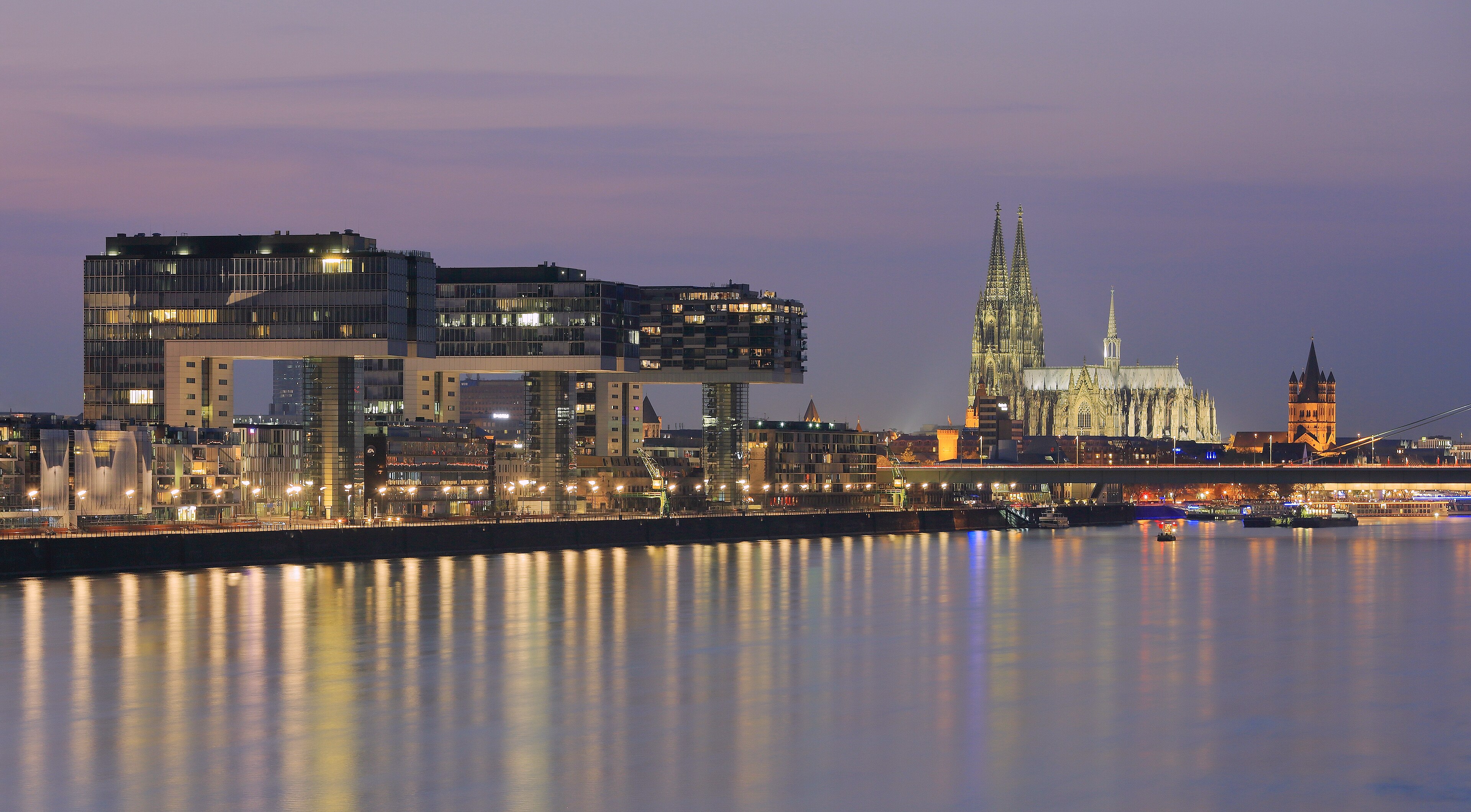
Why Cologne is Perfect for Your Celebration
- Iconic Cologne Cathedral provides an unmatched Gothic backdrop for ceremonies and photography
- Rhine riverfront venues offer dramatic waterside settings for receptions and corporate dinners
- Cologne Bonn Airport and Hauptbahnhof give guests seamless access from across Europe and beyond
- A mature hospitality ecosystem with international hotel brands, experienced caterers, and specialist event planners
- Summer festivals and open-air culture create a vibrant city atmosphere during peak event season (May–Sep)
- Diverse venue typology — historic halls, modern congress centres, boutique hotels — suits intimate and large-scale events alike
Compare Cologne with Other Top Destinations
Frequently Asked Questions
Is Cologne a good destination for a wedding celebration?
Yes. Cologne suits couples who want a culturally rich, well-connected European city as their backdrop. The Cathedral Quarter and Rhine riverfront provide genuinely iconic settings, and the city's mature hospitality industry means experienced wedding planners, caterers, and photographers are readily available. It works particularly well for destination weddings where guests are travelling from across Europe.
What guest group sizes can Cologne venues realistically support?
Cologne's venue inventory is broad enough to support events from around 20 guests up to several hundred. Luxury hotel ballrooms typically accommodate 50–500 guests, while larger converted spaces and congress facilities can handle significantly bigger groups. The city's substantial hotel room stock also means large guest lists can be accommodated close to the event venue.
What is the nearest airport to Cologne, and how long does it take to reach the city?
Cologne Bonn Airport (CGN) is the primary airport, approximately 15 km from the city centre. A direct S-Bahn rail connection brings guests into the city in under 20 minutes, making arrivals smooth even for large groups. The airport handles a wide range of European and international routes.
Can guests reach Cologne easily by train?
Yes — Cologne Hauptbahnhof is one of Germany's most connected rail hubs, located directly beside the Cathedral in the city centre. High-speed ICE services reach Frankfurt in under an hour, and international services connect to Amsterdam, Brussels, and Paris within two to three hours, making rail a genuinely practical option for many European guests.
What is the best time of year to plan an event in Cologne?
May through September is the recommended window. This period offers warm temperatures, long daylight hours, and the most reliable conditions for outdoor and riverside events. July and August are the warmest months but require early venue booking due to peak demand. September offers a pleasant shoulder with slightly fewer crowds.
What kinds of venues are available for events in Cologne?
Cologne offers a genuinely diverse range: luxury hotel ballrooms and riverside terraces, converted industrial and heritage spaces in districts like Ehrenfeld and Rheinauhafen, dedicated congress and exhibition facilities, and outdoor riverside settings along the Rhine promenade. This variety suits everything from intimate dinners to large-scale corporate conferences and festival-style receptions.
How does local transport work for a guest group once they arrive in Cologne?
Cologne's KVB tram and U-Bahn network is reliable and covers all major hotel and venue areas. Taxis and ride-hailing services are widely available. For coordinated group transfers between venues, hotels, and transport hubs, local event transport companies with experience in large-group logistics are well-established in the city.
Is Cologne well-suited to corporate events and conferences?
Yes — arguably this is one of Cologne's strongest suits. The city regularly hosts major international trade fairs, which has built a deep ecosystem of experienced AV, staging, catering, and event management vendors. Hotel event suites, congress facilities, and creative blank-canvas spaces all cater well to corporate briefs of varying scale and format.
Are there things to be aware of when planning an event during the Cologne Carnival period?
Yes. The Cologne Carnival (Karneval) typically peaks in late February to early March and brings very large crowds, road closures, and significant pressure on accommodation availability across the city. Private events requiring smooth logistics and easy guest movement are generally not well-served during this window, and it is advisable to avoid it for event planning purposes.
What makes Cologne's local vendor ecosystem well-suited to events?
Cologne's decades of hosting major international trade fairs have created a mature, well-resourced vendor market. Catering companies, technical production specialists, florists, event stylists, and wedding planners with international experience are all well-represented. The city's hospitality workforce is broadly English-speaking, which reduces friction for international event groups.
Is Cologne a safe destination for international guests attending an event?
Yes. Cologne is generally considered a very safe city by European standards, with a well-functioning public safety infrastructure. International guests — including those unfamiliar with Germany — typically find the city easy to navigate, with clear signage, English widely spoken in hospitality settings, and reliable public transport.

Ready to explore venues in Cologne?
Cologne: Destination Wedding & Event Venues in Germany's Cathedral City
◆Cologne is a well-connected, culturally rich city in western Germany, best suited to weddings, corporate events, festivals, and milestone celebrations that benefit from a historic European backdrop and strong international accessibility. Its primary vibe is Cultural & Timeless, anchored by the UNESCO-listed Cologne Cathedral and the Rhine waterfront. The summer months — May through September — offer the most reliable conditions for outdoor and semi-outdoor events. The city's hospitality infrastructure is mature, with a broad range of international hotel brands, specialist event planners, and a well-developed catering scene. Guest travel is straightforward, with both a major international airport and one of Germany's busiest rail hubs serving the city directly.
Cologne at a Glance
| Category | Detail |
|---|---|
| Best For | Weddings, Corporate Events, Festivals & Cultural Celebrations, Milestone Gatherings |
| Primary Vibe | Cultural & Timeless |
| Other Vibes | Cosmopolitan, Riverside, Historic |
| Best Season | Summer (May, Jun, Jul, Aug, Sep) |
Why Choose Cologne?
- Unrivalled architectural backdrop: The Cologne Cathedral — a UNESCO World Heritage Site and one of Europe's finest Gothic structures — provides a genuinely iconic setting for ceremony photography and pre-event gatherings that few European cities can match.
- Rhine riverfront venue diversity: The city's Rhine embankment hosts a range of event spaces, from converted industrial halls to hotel terraces with panoramic river views, giving planners strong options for both intimate dinners and large receptions.
- Exceptional transport connectivity: Cologne Bonn Airport handles direct flights from across Europe and beyond, while Cologne's Hauptbahnhof is a major ICE rail hub with direct high-speed connections to Frankfurt, Amsterdam, Brussels, and Paris — making guest travel unusually straightforward for an event city.
- Mature event and hospitality ecosystem: Cologne regularly hosts major international trade fairs (including Anuga, Photokina, and gamescom), which means the city's event logistics, catering, and technical production industries are highly experienced and well-resourced.
- Vibrant summer cultural calendar: The summer season coincides with open-air concerts, Rhine festivals, and a lively street culture that adds natural energy to any celebration hosted in the city during this period.
- Cosmopolitan, multilingual hospitality: As a major international business and tourism destination, Cologne's hospitality workforce is broadly English-speaking and accustomed to serving international guests, reducing friction for non-German-speaking event groups.
Which Celebrations Work Best in Cologne?
Weddings: Cologne suits couples seeking a European cultural setting with genuine historic grandeur. The Cathedral Quarter, riverside venues, and elegant hotel ballrooms provide a range of ceremony and reception environments. The city works particularly well for destination weddings where guests are travelling from across Europe or internationally, given the ease of arrival by air and rail.
Corporate Events & Conferences: Cologne is arguably at its strongest for corporate gatherings. The city's long history of hosting major international trade fairs means its congress centres, hotel event suites, and technical production vendors are among the most experienced in Germany. Team dinners, product launches, and multi-day conferences all find strong support here.
Festivals & Cultural Celebrations: The city's own festival culture — from the Rhine in Flames events to its famous Carnival (held in winter) — makes it a natural host for large-scale cultural celebrations. Summer outdoor festivals benefit from the long daylight hours and the Rhine embankment's open spaces.
Milestone Gatherings & Anniversary Celebrations: For significant birthdays, anniversaries, or family reunions where the setting itself should feel meaningful, Cologne's combination of historic architecture, riverside scenery, and high-quality dining makes it a compelling choice for groups of 20 to several hundred guests.
Venues & Event Spaces
Cologne's venue landscape is genuinely diverse. At the upper end, the city's international luxury hotels offer fully equipped ballrooms, riverside terraces, and dedicated event coordination teams capable of managing multi-day programmes. Several of these properties sit within walking distance of the Cathedral or directly on the Rhine, giving them a scenic advantage that purpose-built conference centres often lack.
Beyond hotels, Cologne has a strong stock of converted industrial and heritage spaces — former warehouses, historic guild halls, and repurposed factory buildings in districts like Ehrenfeld and the Rheinauhafen harbour quarter — that suit creative, non-traditional event formats. These spaces are particularly popular for corporate launches, fashion events, and festival-style receptions where a blank-canvas environment is preferred over a traditional ballroom.
The city also has dedicated congress and exhibition infrastructure at Koelnmesse, one of the world's largest trade fair complexes, which can accommodate events at a scale that most hotel venues cannot. For very large gatherings — multi-hundred or multi-thousand delegate conferences — this infrastructure is a significant asset.
Outdoor and semi-outdoor options along the Rhine promenade and in the city's parks are well-suited to summer receptions, garden parties, and open-air ceremonies, though these require appropriate weather contingency planning given Cologne's temperate and occasionally unpredictable climate.
Best Time to Celebrate
The curated best season for events in Cologne is Summer: May through September. This recommendation reflects several converging factors:
- May and June are generally the most pleasant months — temperatures are warm but not oppressive (typically 15°C–22°C), daylight extends well into the evening, and the city's parks and riverside areas are at their most attractive. These months are particularly well-suited to outdoor ceremonies and garden receptions.
- July and August bring the warmest temperatures and the longest days, making them ideal for evening riverside events and open-air festivals. Occasional heat spikes are possible but rarely extreme by European standards. This is also peak tourist season, so accommodation should be booked well in advance.
- September offers a useful shoulder within the best season — temperatures remain comfortable, crowds begin to thin slightly, and the city retains its summer energy without the peak-August pressure on accommodation and venues.
Outside this window, the picture changes considerably:
- October sees temperatures drop noticeably and daylight shorten, making outdoor elements increasingly impractical. It remains usable for fully indoor events but is not recommended for celebrations with significant outdoor components.
- November through February is Cologne's least favourable period for events — cold, frequently grey, with limited daylight and a higher probability of rain or frost. The famous Cologne Carnival (Karneval) peaks in February/March and brings enormous crowds and city-wide disruption, which can complicate logistics for private events during that window.
- March and April are transitional — spring arrives gradually, but unpredictable showers and cool temperatures make outdoor planning unreliable. Indoor events are feasible, but the city lacks the warmth and energy that makes summer celebrations here distinctive.
Getting There & Local Connectivity
Cologne is among the most accessible event destinations in continental Europe. Cologne Bonn Airport (CGN) sits approximately 15 km from the city centre and handles a broad range of European and international routes, with direct connections to major hubs across the UK, Ireland, Southern Europe, the Middle East, and beyond. Transfer to the city centre by rail (S-Bahn) takes under 20 minutes, making airport arrivals unusually smooth for large guest groups.
Cologne Hauptbahnhof — the city's central railway station, located directly adjacent to the Cathedral — is one of Germany's busiest and best-connected rail hubs. High-speed ICE services reach Frankfurt in under an hour, and international Thalys and Eurostar-connected services link Cologne to Amsterdam, Brussels, and Paris within two to three hours. For guests travelling from within Germany or neighbouring countries, rail is often the most convenient option.
Within the city, Cologne's public transport network (KVB trams and U-Bahn) is reliable and covers all major hotel and venue districts. Taxis and ride-hailing services are readily available. For groups requiring coordinated transfers between venues, hotels, and the airport or station, local transport companies experienced in event logistics are well-established in the city.
Local Vendor & Hospitality Ecosystem
Cologne's event vendor ecosystem is one of the most developed in Germany, shaped by decades of hosting major international trade fairs and corporate events. This has practical benefits for event planners:
- Catering and F&B: The city has a strong restaurant and catering culture, with vendors experienced in serving large groups across a range of cuisines and service styles. Rhine-region cuisine — including local specialities — can be incorporated meaningfully into event menus, and international catering is equally well-supported.
- Technical production: AV, lighting, staging, and event technology vendors in Cologne are accustomed to large-scale, complex briefs. The trade fair ecosystem has created a deep pool of technical talent that private event planners can draw on.
- Florists, décor, and styling: The city's creative industries are well-developed, with a range of florists, event stylists, and décor specialists serving both the wedding and corporate markets.
- Wedding-specific vendors: While Cologne is not exclusively a wedding destination, its size and cosmopolitan character mean that specialist wedding photographers, officiants (including English-language civil ceremony options), and wedding planners with international experience are available.
- Accommodation capacity: The city has substantial hotel room stock across all tiers, meaning even large guest groups (100+ rooms) can typically be accommodated within a short distance of the event venue, which is not always the case in smaller European cities.
Pros & Things to Consider
Why Cologne Works Well
- Genuinely iconic architectural setting — the Cathedral and Rhine waterfront are among Europe's most recognisable backdrops
- Exceptional transport connectivity by both air and high-speed rail, reducing guest travel friction significantly
- Mature, experienced event and hospitality industry capable of handling complex, large-scale briefs
- Strong accommodation capacity across multiple tiers, keeping large guest groups close to the event
- Long summer days (May–September) create naturally extended event windows for outdoor and riverside celebrations
- Cosmopolitan, multilingual city — international guests are well-catered for without language barriers
Things to Consider
- Weather unpredictability: Even within the best season, Cologne's temperate climate means rain is always possible. Outdoor events require solid contingency planning and ideally a covered backup option.
- Peak season demand: July and August are busy for both tourism and trade fairs, which can put pressure on accommodation availability and venue pricing. Early booking — ideally 12+ months ahead for summer dates — is strongly advisable.
- Carnival period disruption: If an event falls near the Cologne Carnival (typically late February to early March), the city experiences significant crowd volumes, road closures, and accommodation scarcity. This period is generally unsuitable for private events requiring smooth logistics.
- Urban setting limitations: Cologne is a large, working city — it does not offer the seclusion or resort-style privacy that some couples or corporate groups seek. Events here are inherently urban in character.
- Vendor costs: As a major European city with a mature hospitality market, vendor and venue costs generally reflect that positioning. This is not a destination where significant savings are typically found compared to smaller or less-connected alternatives.
When Cologne May Not Be the Right Fit
- Guests primarily travelling from outside Europe: While Cologne Bonn Airport is well-connected within Europe, guests flying intercontinentally may find that routing through a larger hub (Frankfurt, Amsterdam) adds a connecting leg. For groups where the majority of guests are travelling from Asia, the Americas, or Africa, a destination with more direct long-haul connectivity may reduce travel fatigue.
- Couples seeking a secluded, resort-style setting: Cologne is an urban destination. If the priority is privacy, natural landscape immersion, or a resort environment away from city life, a different type of destination would be a better fit.
- Events planned for November through February (excluding Carnival-adjacent dates): The winter months bring cold, grey conditions and very limited daylight. Celebrations that depend on outdoor elements, natural light photography, or a warm ambient atmosphere are likely to be better served by a different season or destination entirely.
- Very small, intimate gatherings (under 20 guests) seeking a quiet, village-scale setting: Cologne's strengths are most apparent at medium to large scale. For a very small, quiet celebration where the city's energy and scale would feel overwhelming rather than enhancing, a smaller German town or rural Rhine Valley setting might be more appropriate.