
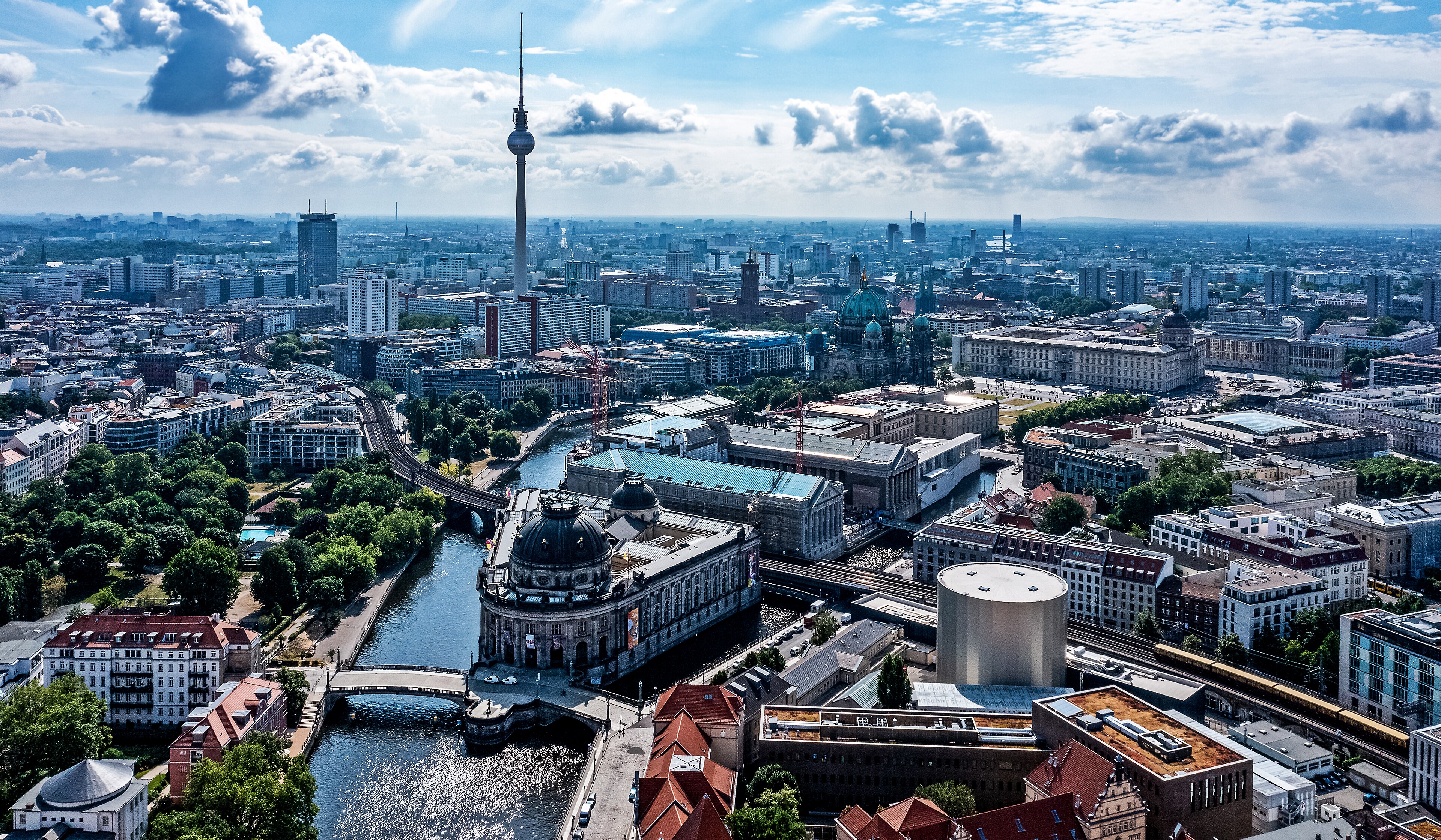
Why Berlin is Perfect for Your Celebration
- Extraordinary venue diversity — Prussian palaces, lakeside villas, industrial lofts, and five-star hotel ballrooms all within the city
- Excellent international air connectivity via Berlin Brandenburg Airport (BER) with direct routes from major global cities
- Long summer days (May–September) with up to 17 hours of daylight, perfect for outdoor ceremonies and evening receptions
- World-class catering, floral, AV, and event production vendors with deep experience in large-scale international events
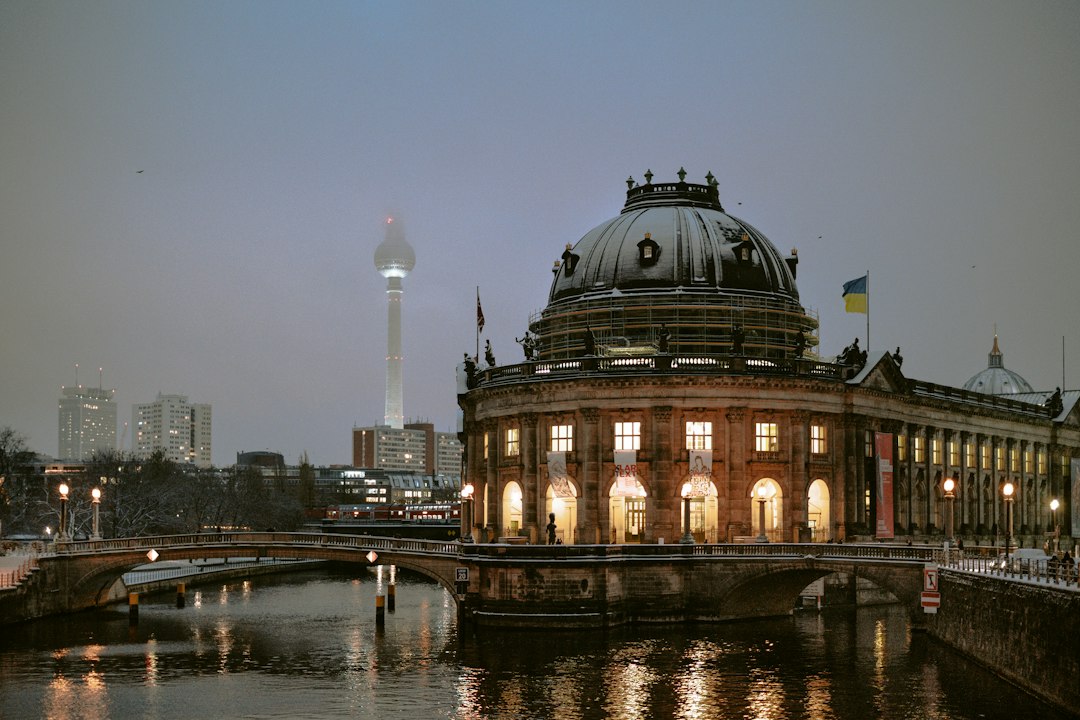
- Rich cultural backdrop — UNESCO-listed Museumsinsel, the Brandenburg Gate, and Sanssouci Palace nearby in Potsdam add iconic scenery
- Robust accommodation inventory across all tiers, capable of hosting large guest groups within the city itself
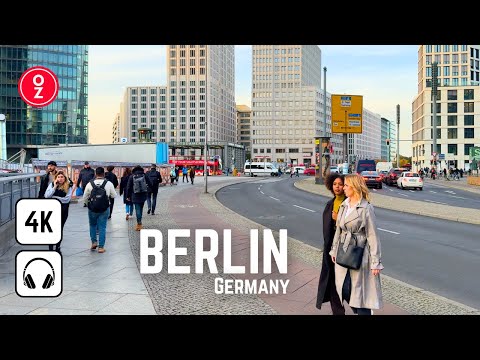
Top Venues in Berlin
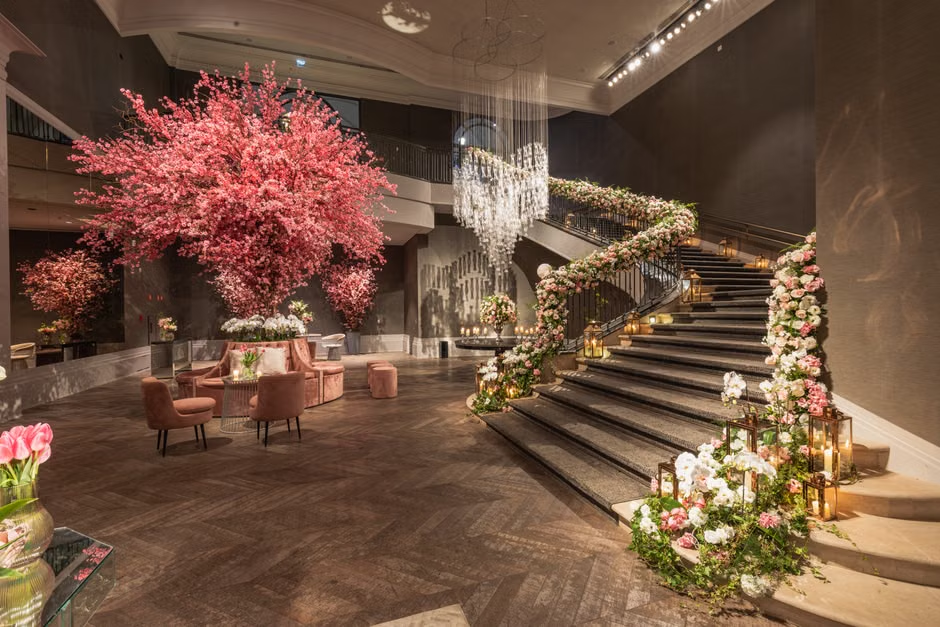
Das Stue
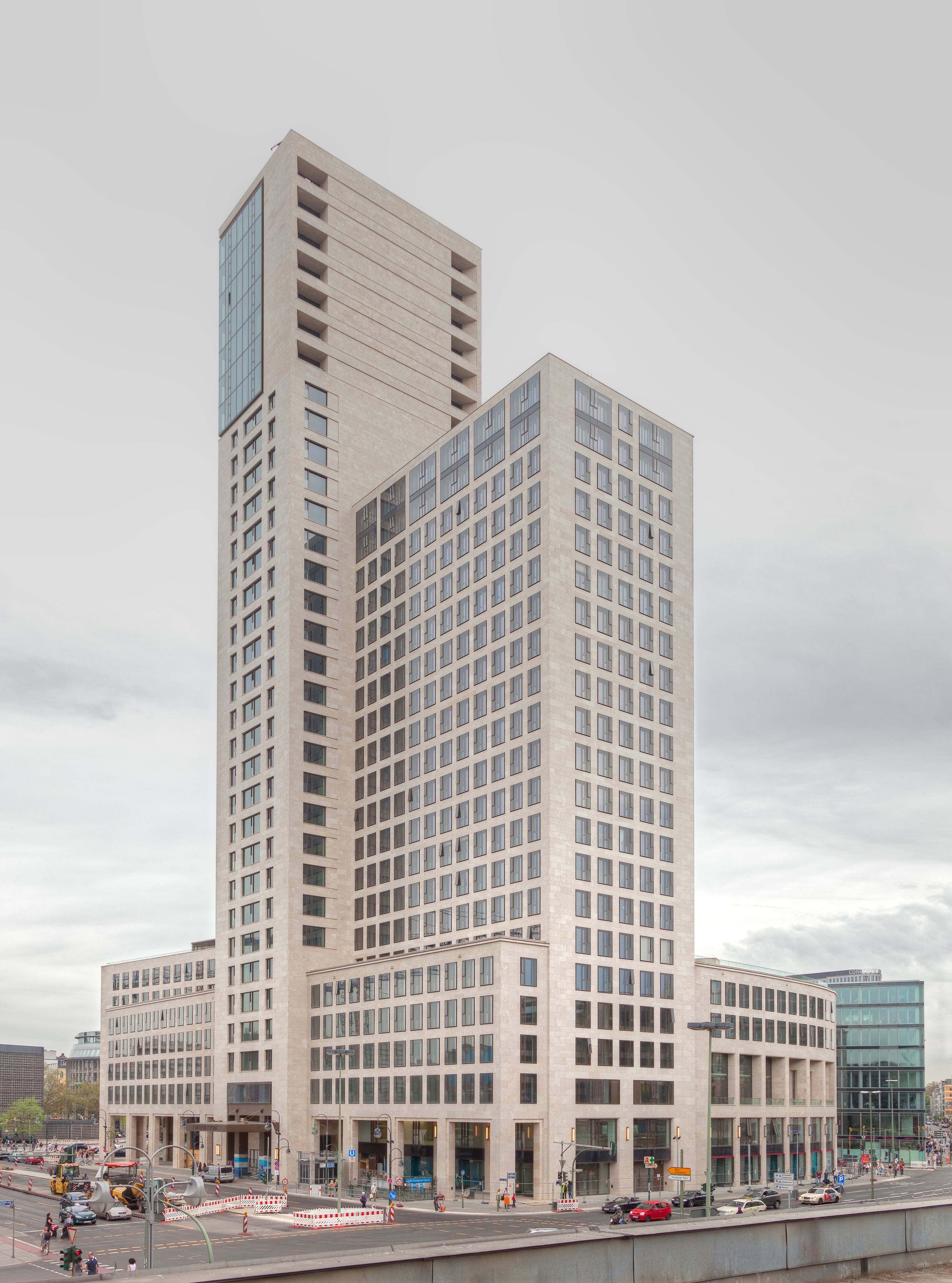
Waldorf Astoria Berlin
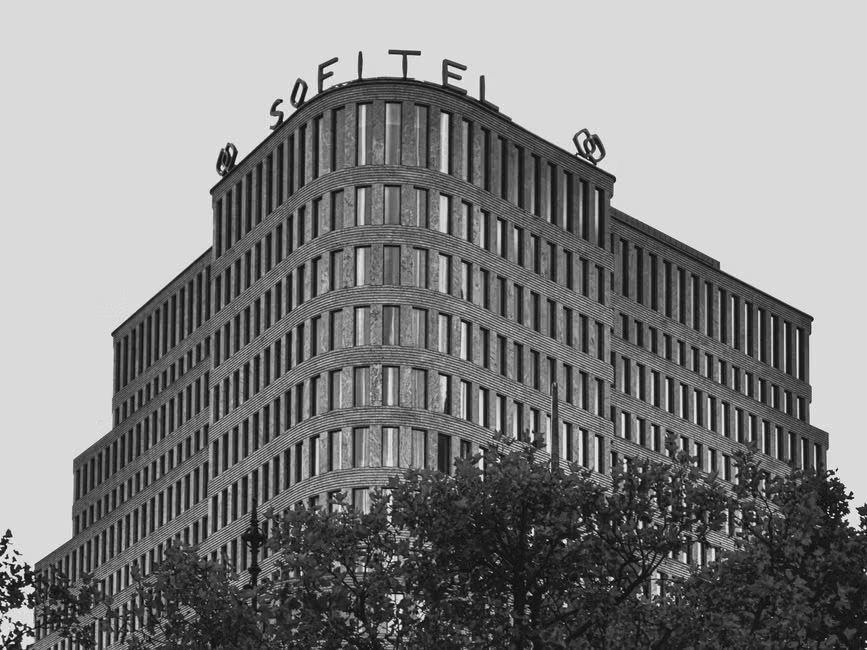
Sofitel Berlin Kurfürstendamm
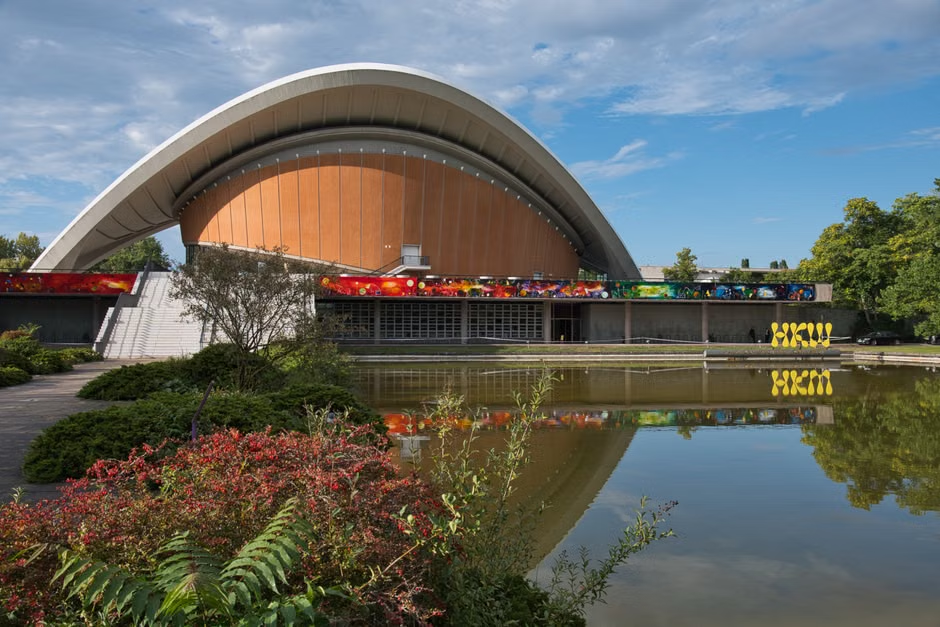
InterContinental Berlin
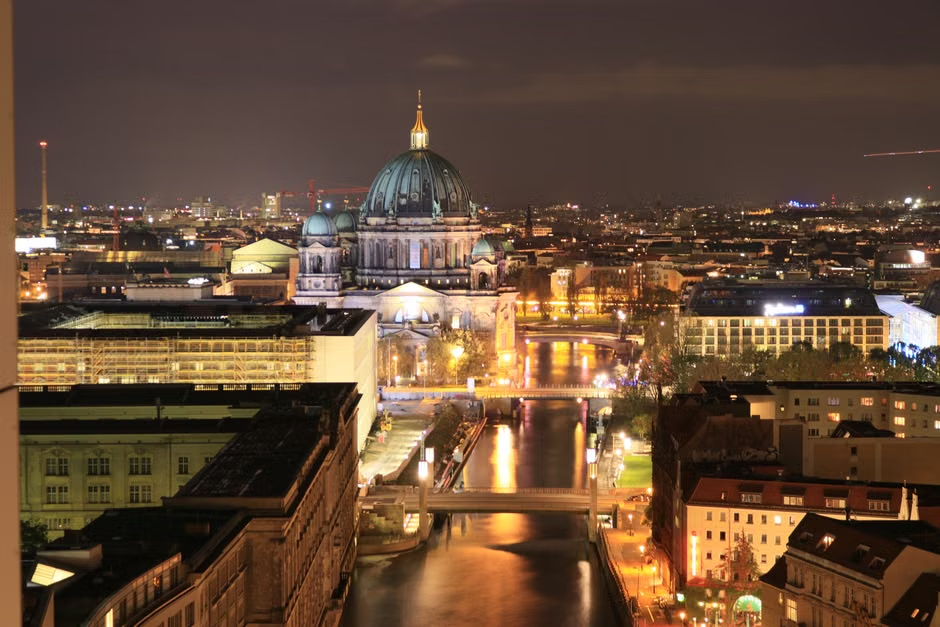
Hilton Berlin
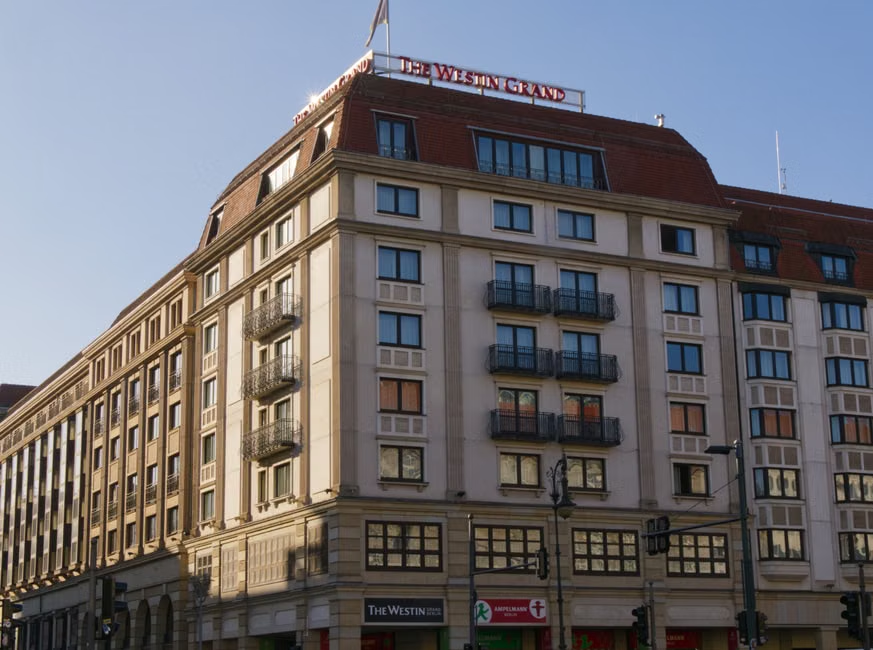
Grand Hyatt Berlin
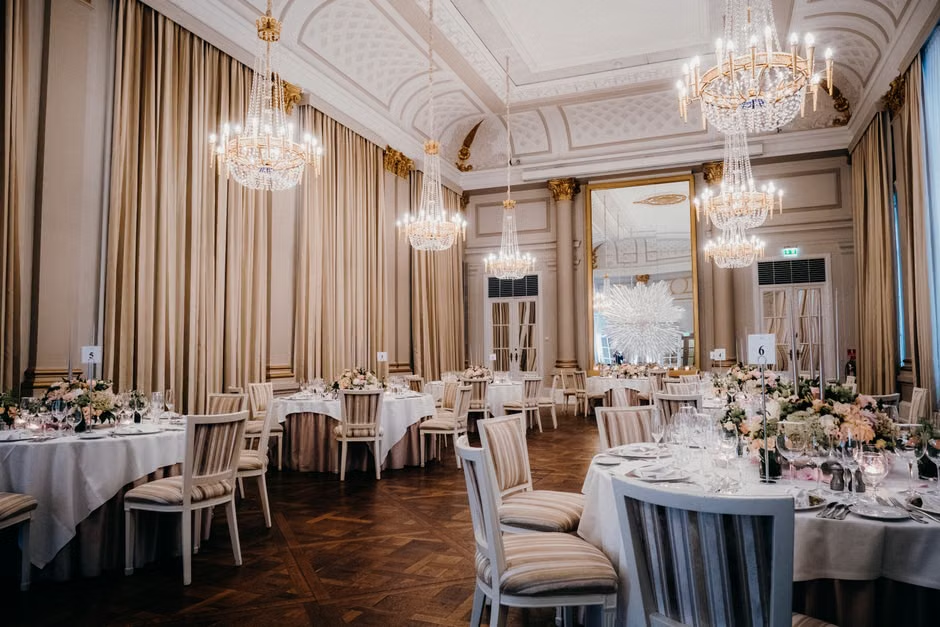
Ritz-Carlton Berlin
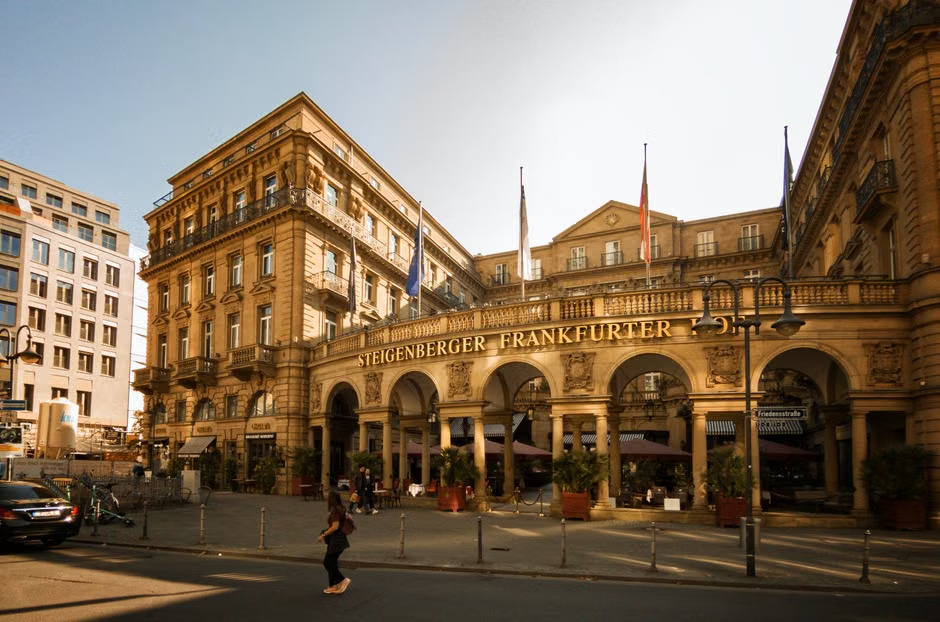
Steigenberger Hotel am Kanzleramt
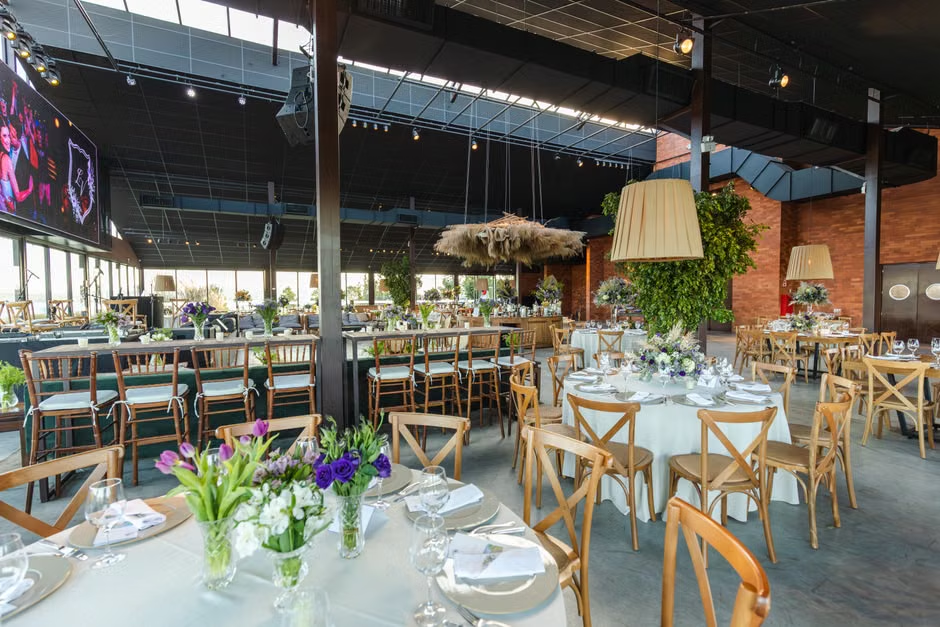
Titanic Chaussee Berlin
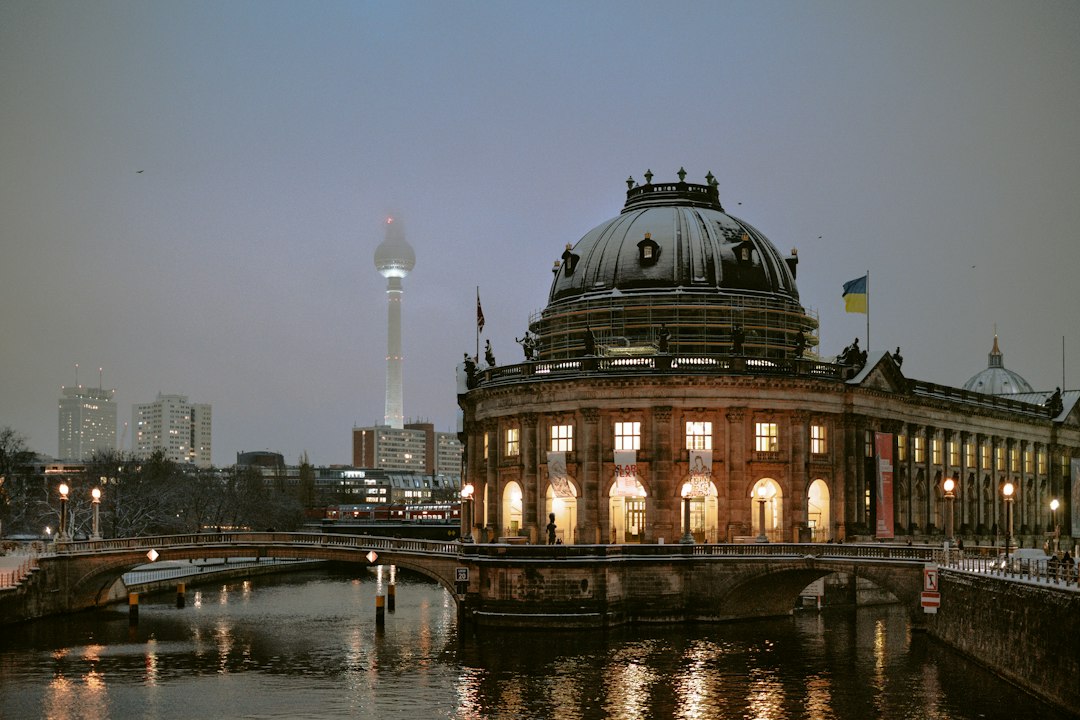
Pullman Berlin Schweizerhof
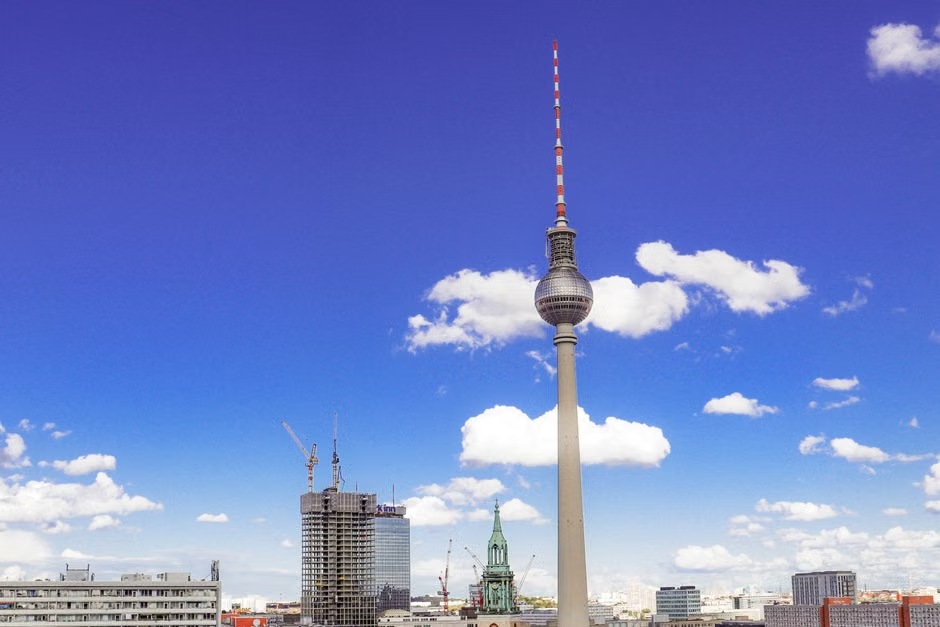
Leonardo Royal Hotel Berlin Alexanderplatz
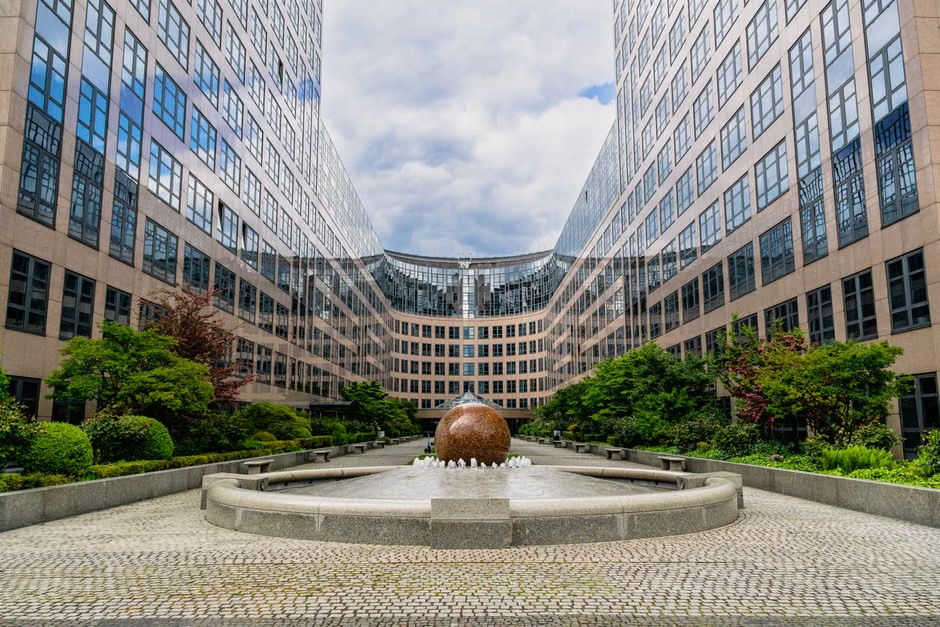
Courtyard by Marriott Berlin City Center
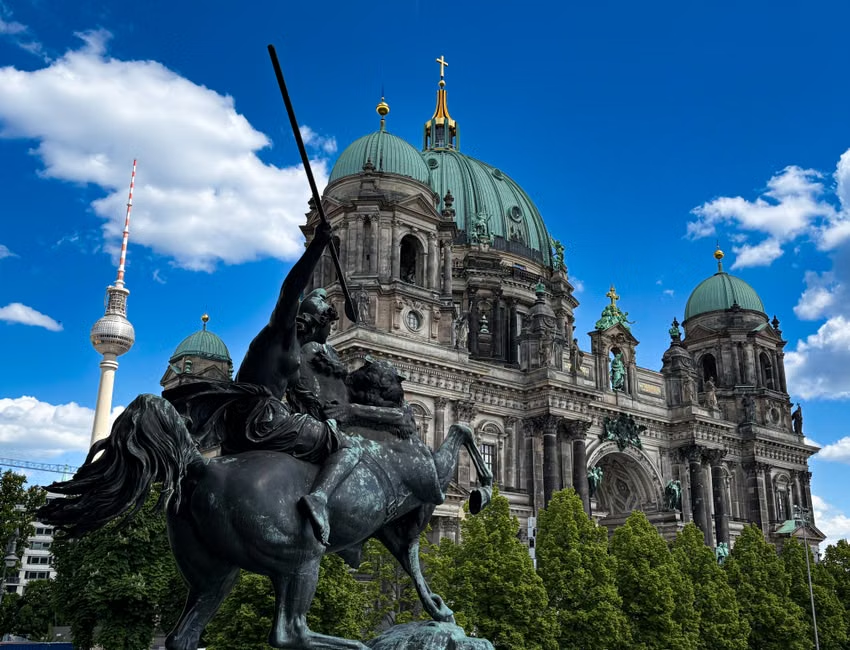
NH Collection Berlin Mitte Checkpoint Charlie
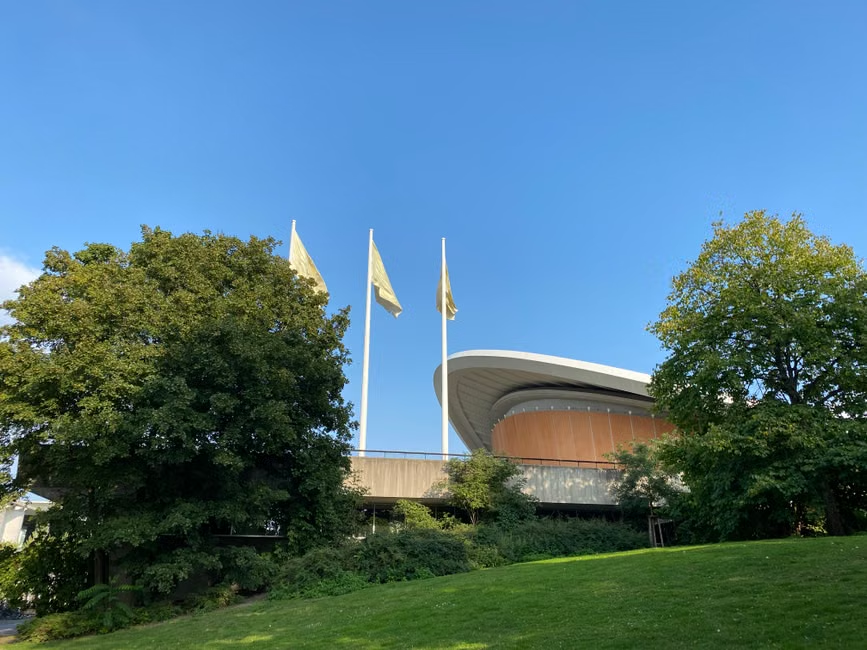
Meliá Berlin
Wyndham Berlin Excelsior
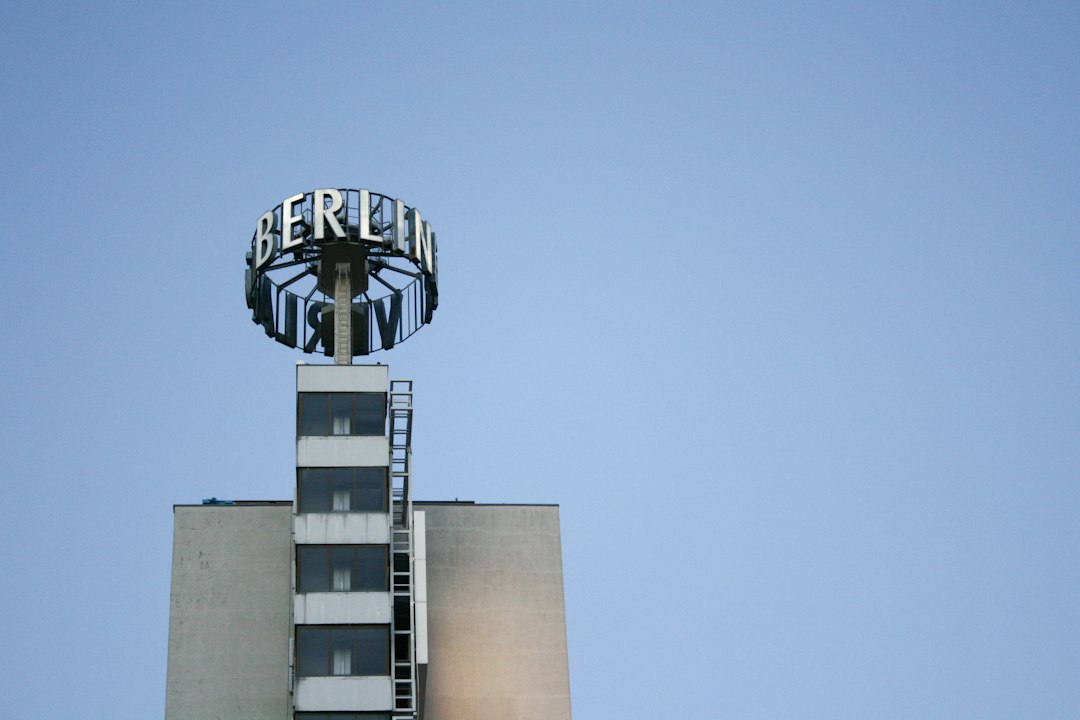
Estrel Berlin
Compare Berlin with Other Top Destinations
Frequently Asked Questions
Is Berlin a good destination for an international wedding?
Yes. Berlin is a strong choice for an international destination wedding, particularly for couples seeking a cosmopolitan European setting with genuine venue diversity. The city offers everything from Prussian-era palace estates and lakeside villas to grand five-star hotel ballrooms, and its excellent international air connectivity via Berlin Brandenburg Airport makes it accessible for guests travelling from across Europe, North America, and beyond.
What is the best time of year to hold a wedding or event in Berlin?
May through September is the recommended window. During these months, Berlin enjoys warm temperatures (typically 18°C–28°C), up to 17 hours of daylight in midsummer, and a meaningfully lower risk of weather disruption to outdoor plans. June and July are particularly popular for outdoor ceremonies. Outside this window, cold temperatures and short days make outdoor events impractical.
How easy is it for international guests to reach Berlin?
Very easy. Berlin Brandenburg Airport (BER) operates direct flights to major cities across Europe, North America, the Middle East, and Asia. For guests within Europe, direct flights are the norm. Berlin Hauptbahnhof also connects the city to the wider European high-speed rail network, giving guests from Germany and neighbouring countries a practical rail alternative.
What kinds of event venues are available in Berlin?
Berlin offers an unusually broad range: grand five-star hotel ballrooms in Mitte and Charlottenburg, historic Prussian-era palace and villa estates in Grunewald and Wannsee, lakeside manor houses, large-capacity convention-style hotel spaces, and creative industrial venues in Friedrichshain and Kreuzberg. This diversity means the city can accommodate intimate gatherings and large-scale events alike.
Can Berlin venues accommodate large guest groups?
Yes. Several of Berlin's major hotel venues can host receptions of several hundred to over a thousand guests under one roof, and the city's overall hotel accommodation inventory is large enough to house substantial guest groups without dispersing them across distant parts of the city. For very large events, the Estrel Berlin in Neukölln is among Europe's largest hotel and event complexes.
How developed is Berlin's event vendor and catering ecosystem?
Highly developed. Berlin hosts major international trade fairs, film festivals, and political summits year-round, which has produced a deep and experienced pool of event caterers, AV and production companies, floral designers, and event managers. Vendors here are accustomed to working at international standards and across a wide range of event formats and cultural requirements.
What is local transport like for event guests once they arrive in Berlin?
Excellent. Berlin's U-Bahn, S-Bahn, tram, and bus network covers the entire city reliably. For event groups, private coach transfers between hotels, venues, and the airport are straightforward to arrange. The airport is connected to the city centre by S-Bahn and regional express trains, making arrival logistics manageable even for large groups.
Are there scenic outdoor venues in Berlin, or is it purely urban?
Both. While Berlin is a major European capital, the Grunewald forest and the Wannsee and Havel lake systems sit within the city's own boundaries, offering genuinely scenic lakeside and garden venues that feel removed from the urban environment. During the summer season, these settings are particularly well-suited to outdoor ceremonies and al fresco receptions.
Do international guests need a visa to attend an event in Berlin?
It depends on the guest's nationality. Germany is part of the Schengen Area, so guests from non-Schengen countries — including India, many South Asian nations, and several African and Middle Eastern countries — will typically need a Schengen visa. This requires advance planning, and event organisers should factor in sufficient lead time for guests who need to apply.
How far in advance should we book venues and vendors for a Berlin event?
For events during the peak May–September season, a lead time of 12–18 months is strongly advisable for the most sought-after venues — particularly lakeside estates, palace properties, and the top five-star hotel event spaces. Berlin's summer calendar is busy with tourism, conferences, and festivals, and the best venues commit early. Corporate events tied to specific trade fair dates should plan even further ahead.
Is Berlin suitable for corporate events and conferences, not just weddings?
Yes, and arguably more so than almost any other European city. Berlin's convention and corporate event infrastructure is world-class, with large hotel ballrooms, flexible industrial spaces, and dedicated congress facilities capable of hosting everything from intimate board dinners to multi-day international conferences of several thousand delegates. The city's identity as a hub of politics, technology, and creative industries adds natural prestige to corporate gatherings.

Ready to explore venues in Berlin?
Berlin: Destination Wedding & Event Venues in Germany
◆Berlin is one of Europe's premier event destinations, combining Prussian-era palaces, lakeside estates, sleek contemporary ballrooms, and world-class five-star hotels into one of the most diverse venue inventories on the continent. Its primary vibe is Chic & Cosmopolitan, making it particularly well-suited to corporate events, festivals, large-scale destination weddings, and milestone celebrations. The best season runs from May through September, when long daylight hours and warm temperatures make outdoor ceremonies and evening receptions genuinely practical. Berlin Brandenburg Airport (BER) provides excellent international connectivity, and the city's hospitality and vendor ecosystem is mature, experienced, and capable of handling events at virtually any scale.
Berlin at a Glance
| Category | Detail |
|---|---|
| Best For | Corporate Events, Destination Weddings, Festivals & Gala Celebrations |
| Primary Vibe | Chic & Cosmopolitan |
| Other Vibes | Historic & Cultural, Urban & Creative, Lakeside & Scenic |
| Best Season | Summer (May, Jun, Jul, Aug, Sep) |
Why Choose Berlin?
- Unmatched venue diversity: Berlin offers an extraordinary range of event spaces — from Prussian royal palaces and Wilhelmine-era villas to industrial loft conversions, lakeside manor houses in the Grunewald forest, and grand hotel ballrooms capable of hosting thousands of guests. Few European cities can match this breadth within a single metropolitan area.
- Iconic cultural and architectural backdrop: The Brandenburg Gate, the UNESCO-listed Museumsinsel, the Reichstag, and the nearby Sanssouci Palace complex in Potsdam (approximately 30 km from the city centre) provide a historically resonant and visually spectacular setting that elevates any event's prestige.
- Exceptional international connectivity: Berlin Brandenburg Airport (BER) operates direct routes to major cities across Europe, North America, the Middle East, and Asia, making it straightforward for international guests to reach the city without complex onward connections.
- Mature, professional event vendor ecosystem: Berlin hosts some of Europe's largest trade fairs, music festivals, and international summits year-round, which means the local catering, AV production, floral design, event management, and hospitality staffing industries are highly experienced and well-resourced.
- Long summer days ideal for celebrations: During the peak season of May through September, Berlin enjoys up to 17 hours of daylight, allowing outdoor ceremonies in the late afternoon and extended golden-hour receptions that are genuinely difficult to replicate in shorter-day destinations.
- Lakeside and forest settings within the city: The Grunewald forest and the Havel and Wannsee lake systems sit within Berlin's own city boundaries, offering genuinely scenic, nature-immersed venues that feel far removed from an urban environment while remaining easily accessible for guests.
Which Celebrations Work Best in Berlin?
- Corporate Events & Conferences: Berlin is arguably Germany's leading corporate event city. Its convention infrastructure is world-class, with large hotel ballrooms, dedicated congress centres, and flexible industrial spaces all capable of hosting everything from intimate board dinners to multi-day international conferences of several thousand delegates. The city's reputation as a hub of politics, technology, and creative industries adds natural prestige to any corporate gathering held here.
- Destination Weddings: Couples seeking a European destination wedding with genuine grandeur and cosmopolitan character find Berlin particularly compelling. The combination of palace venues, lakeside estates, and five-star hotel settings — paired with a sophisticated dining and entertainment scene — creates a multi-day wedding experience that guests typically find memorable and distinctive.
- Festivals & Large-Scale Gala Events: Berlin's deep cultural identity as a festival city — rooted in its music, art, and film scenes — makes it a natural fit for large-scale gala dinners, awards ceremonies, product launches, and brand activation events. The city's creative community and production talent pool are particularly strong in this area.
- Milestone Celebrations & Private Parties: Significant anniversaries, landmark birthdays, and family reunion events benefit from Berlin's range of private villa and manor house venues, which offer exclusivity and a sense of occasion without requiring the full infrastructure of a large hotel event.
Venues & Event Spaces
Berlin's event venue landscape is genuinely one of the most varied in Europe. At the top end, the city's grand five-star hotels — concentrated around Mitte, Potsdamer Platz, Charlottenburg, and the Tiergarten district — offer formal ballrooms, rooftop terraces, and private dining rooms suited to ceremonies and receptions of all sizes. Several of these properties have dedicated event wings capable of hosting several hundred guests under one roof.
Beyond the hotel sector, Berlin offers a category of venue that is relatively rare in other European capitals: the historic palace and villa. Properties in the Grunewald and Wannsee areas — some dating to the Wilhelmine and Prussian eras — provide a setting of genuine historical grandeur, often with private gardens, lakeside terraces, and the kind of architectural detail that creates a naturally photogenic backdrop without additional decoration.
The city also has a well-developed industrial and creative venue sector — converted warehouses, former power stations, and repurposed factory spaces in districts like Friedrichshain and Kreuzberg — which suit festival-format events, brand activations, and large-scale gala productions where a blank-canvas, high-ceiling space is preferable to a traditional ballroom.
For outdoor celebrations, the Tiergarten park, the Wannsee lakefront, and the gardens of several historic estates provide genuinely beautiful settings during the summer months, with the long daylight hours allowing ceremonies to run well into the evening in natural light.
Best Time to Celebrate
The curated best season for Berlin events is Summer: May, June, July, August, and September. This window is recommended for several concrete reasons beyond simply "pleasant weather."
From May through September, Berlin typically experiences temperatures between approximately 18°C and 28°C, with July and August being the warmest months. Crucially, daylight extends to 9–10 pm in June and July, which means outdoor ceremonies can begin in the late afternoon and transition naturally into illuminated evening receptions without the abrupt shift to darkness that characterises autumn and winter events. Rain is possible throughout the summer but tends to fall in short, manageable showers rather than sustained downpours, and the overall risk of weather disruption to outdoor plans is meaningfully lower than in other seasons.
October represents a genuine shoulder period: temperatures drop noticeably (often to 8–14°C by late October), daylight shortens rapidly, and the risk of cold, grey, and wet conditions increases substantially. While some indoor events work well in October, it is not reliably suitable for outdoor ceremonies.
November through February should generally be avoided for events with any outdoor component. Temperatures regularly fall below freezing, daylight is limited to 8–9 hours, and the city's characteristic grey winter skies make outdoor photography and al fresco receptions impractical. Indoor-only events in this period are feasible from a venue perspective, but the guest experience of arriving and departing in cold, dark conditions is a genuine consideration for destination events where atmosphere matters.
March and April are transitional months with unpredictable weather — cold snaps and rain are common, and while late April can occasionally be pleasant, it is not reliably warm enough to plan outdoor elements with confidence.
Getting There & Local Connectivity
By air: Berlin Brandenburg Airport (BER) is the city's single international airport, located approximately 25 km south-east of the city centre. It handles a large volume of international traffic with direct connections to major European hubs, as well as long-haul routes to North America, the Middle East, and select Asian cities. For most international guests, Berlin is reachable with at most one connection, and for guests travelling from within Europe, direct flights are the norm. The airport is connected to the city centre by the S-Bahn (suburban rail) and regional express trains, making the transfer straightforward for arriving groups.
By rail: Berlin Hauptbahnhof (Berlin Central Station) is one of Europe's largest and most modern railway stations, serving as a hub for high-speed ICE trains connecting Berlin to Frankfurt, Munich, Hamburg, Cologne, and other major German cities, as well as international services to Amsterdam, Warsaw, Vienna, and beyond. For guests travelling from within Germany or neighbouring countries, rail is often a genuinely competitive option in terms of both journey time and convenience.
Local transport: Berlin's public transport network — comprising the U-Bahn (metro), S-Bahn, trams, and buses — is extensive and reliable, covering virtually every part of the city. For event groups, private coach transfers between hotels, venues, and the airport are widely available and straightforward to arrange. The city's road network is generally manageable, though central areas can experience congestion during peak hours, which is worth factoring into transfer timing for large groups.
Local Vendor & Hospitality Ecosystem
Berlin's event vendor ecosystem is among the most developed in Europe, shaped by the city's role as a year-round host of major international trade fairs (including IFA and ITB), film festivals, music events, and political summits. This sustained demand has produced a deep pool of experienced professionals across every discipline relevant to destination events.
Catering and gastronomy: Berlin has a sophisticated and internationally diverse restaurant and catering scene. High-end event caterers with experience in multi-course formal dinners, cocktail receptions, and large-scale buffet formats are well-represented, and the city's culinary culture — which blends German tradition with strong influences from Turkish, Middle Eastern, Asian, and contemporary European cuisines — gives event planners genuine flexibility in menu design.
AV and production: The city's festival and conference heritage means that professional AV, lighting, staging, and live entertainment production companies are plentiful and experienced at working in both traditional ballroom and non-traditional venue formats.
Floral and décor: Berlin's creative design community is strong, and specialist event florists and décor companies with experience in high-end destination weddings and corporate galas are readily available.
Accommodation capacity: The city's hotel inventory is large enough to accommodate substantial guest groups — including groups of several hundred — without requiring guests to stay in multiple disconnected areas of the city, which simplifies logistics considerably.
Pros & Things to Consider
Why Berlin Works Well
- One of Europe's most diverse venue inventories, spanning palaces, lakeside estates, five-star hotel ballrooms, and creative industrial spaces
- Excellent international air connectivity via BER, with direct routes from a wide range of global cities
- Long summer days (May–September) with up to 17 hours of daylight, genuinely extending the usable window for outdoor events
- Mature, experienced, and well-resourced local vendor ecosystem across catering, AV, floral, and event management
- Large hotel accommodation inventory capable of housing substantial guest groups within the city
- Iconic cultural and architectural backdrop — the Brandenburg Gate, Museumsinsel, and Prussian-era architecture — that adds prestige and visual distinction to any event
- Excellent internal transport infrastructure, making group logistics between hotels, venues, and the airport manageable
Things to Consider
- Seasonal window is real: Berlin's best event season is genuinely limited to May–September. Outside this window, cold temperatures, short days, and grey skies make outdoor elements impractical and can dampen the overall guest experience for a destination event.
- Summer demand is high: The May–September window is also peak tourist and conference season in Berlin, which means popular venues, hotels, and vendors book up well in advance. Planning lead times of 12–18 months are advisable for larger events.
- Urban character: Berlin is a large, busy European capital. Guests seeking a secluded, intimate, or purely nature-immersed setting may find the city's urban energy less suited to their vision, even though lakeside and forest venues exist within the city boundaries.
- Visa requirements: For guests travelling from outside the Schengen Area, Germany's visa requirements apply. This is a practical consideration for events with a significant proportion of guests from South Asia, Africa, or other regions where Schengen visas require advance planning.
- Language: While English is widely spoken in Berlin's hospitality and event industry, some vendor and administrative communication may require German-language navigation, particularly for smaller or more specialist suppliers.
When Berlin May Not Be the Right Fit
- Events planned for November through March: If the event date is fixed in the winter months and includes any outdoor component — outdoor ceremony, garden reception, rooftop dinner — Berlin's climate makes this genuinely difficult to execute well. A destination with a warmer winter climate would serve these plans better.
- Guests facing complex Schengen visa processes: For a guest list where a significant proportion of attendees would face lengthy or uncertain Schengen visa applications, the logistical and emotional burden on guests may outweigh the destination's appeal. A destination with simpler entry requirements for the specific guest demographic may be more practical.
- Couples or planners seeking a purely intimate, secluded retreat: Berlin is a major world city with all the energy and scale that implies. Those seeking a very small, private, and deeply rural or nature-immersed celebration — where the absence of urban surroundings is central to the vision — may find a smaller European destination or a countryside estate setting more aligned with their goals.
- Events requiring very large outdoor venue capacity at short notice: While Berlin has excellent outdoor venue options, the most desirable lakeside and palace garden spaces are in high demand during summer and typically require significant advance booking. Events with a late-stage decision to use Berlin as a destination may find the best outdoor options already committed.