
Why Kutaisi is Perfect for Your Celebration
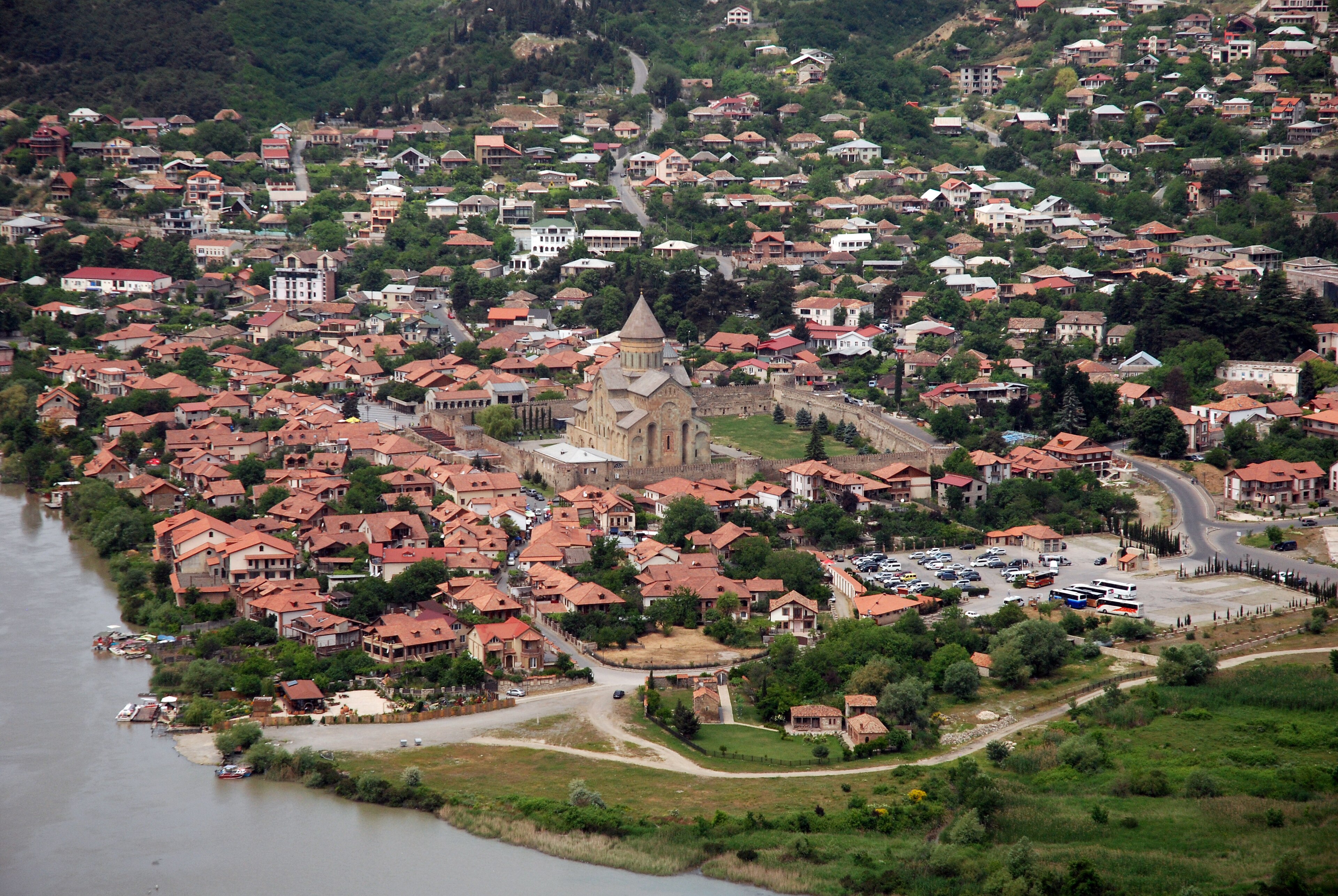
- UNESCO World Heritage Site setting with iconic medieval churches like Svetitskhoveli Cathedral as a ceremonial backdrop
- Intimate scale suits small-to-medium weddings and private celebrations with a deeply personal atmosphere
- Only 20–30 km from Tbilisi, giving guests easy access to a major international airport and full city amenities
- Surrounded by Georgian wine country — Kartli vineyards — offering authentic local wine experiences for events
- Dramatic riverside scenery at the Mtkvari–Aragvi confluence creates naturally photogenic ceremony and reception settings
- Rich Georgian culinary tradition and local hospitality culture make for memorable, authentic event catering experiences

Compare Kutaisi with Other Top Destinations
Frequently Asked Questions
Is Mtskheta a good destination for a wedding?
Yes, particularly for intimate weddings. Mtskheta is a UNESCO World Heritage Site with ancient churches, riverside scenery, and deep Georgian hospitality traditions that create a genuinely distinctive ceremonial atmosphere. It works best for smaller guest lists — typically under 100 — where the couple wants a culturally immersive, historically resonant setting rather than a large resort-style event.
How many guests can Mtskheta realistically accommodate for a wedding or event?
Comfortably, Mtskheta suits events in the 20–120 guest range. The local boutique properties and courtyard venues are well-suited to intimate gatherings. For larger guest lists, accommodation will need to be arranged in nearby Tbilisi with transfers organised — the 20–30 km distance makes this manageable, but it does add logistical coordination.
What is the nearest airport to Mtskheta for wedding guests?
Tbilisi International Airport (TBS) is the primary gateway, approximately 30 km from Mtskheta. It offers direct connections to many European, Middle Eastern, and Central Asian cities. The transfer from the airport to Mtskheta takes roughly 30–40 minutes by road, making it a straightforward arrival for international guests.
What is the best time of year to hold a wedding or celebration in Mtskheta?
April, May, June, September, and October are the strongest months. Spring brings mild temperatures and fresh landscapes; early autumn offers golden light and the Kartli wine harvest season. July and August can be hot and crowded, while November through March brings cold temperatures and frost that make outdoor events difficult without significant infrastructure.
What kinds of venues are available for events in Mtskheta?
Mtskheta's venues are primarily boutique heritage properties, guesthouse-style hotels, and outdoor courtyard or garden spaces. The character is rustic-elegant and historically atmospheric rather than large-scale resort. For bigger receptions requiring substantial banquet infrastructure, event planners typically combine a Mtskheta ceremony with reception facilities in nearby Tbilisi.
Can guests stay in Mtskheta itself, or do they need to be based in Tbilisi?
Both options work. Mtskheta has a small selection of boutique hotels and guesthouses that suit intimate groups staying on-site. For larger guest lists, Tbilisi — just 20–30 km away — offers a much wider range of accommodation across all tiers, with easy daily transfers to Mtskheta for events. Most planners use a hybrid approach for groups over 50.
How do guests get around Mtskheta once they arrive?
The old town is compact and largely walkable, which is an asset for guests moving between ceremony and reception locations within the historic core. For guests staying at hillside or outlying properties, private minibus transfers are the standard solution. For groups, coordinating a dedicated shuttle between Tbilisi accommodation and Mtskheta event venues is common practice and straightforward to arrange.
Are local wedding vendors and caterers available in Mtskheta?
Local caterers are well-equipped for traditional Georgian cuisine and the supra feast format, which is a genuine highlight. For specialist services — florists, stylists, photographers, AV technicians — most experienced planners draw on Tbilisi-based vendors who regularly travel to Mtskheta for events. Georgian musicians specialising in polyphonic traditions or traditional instruments are also available and add a distinctive cultural element.
Is Mtskheta safe for international wedding guests?
Yes. Georgia is generally considered very safe for international travellers, and Mtskheta specifically is a well-managed, heavily visited heritage tourism destination with a strong local hospitality culture. It is a popular day-trip from Tbilisi and accustomed to hosting international visitors throughout the year.
Can Mtskheta work as a venue for non-wedding celebrations like anniversaries or private gatherings?
Yes. The destination suits milestone anniversaries, family reunions with a cultural travel dimension, and small private social gatherings particularly well. Its intimate scale, distinctive historical character, and Georgian hospitality traditions make it a compelling choice for any celebration where authenticity and a sense of place matter more than large-scale event infrastructure.
What makes a Mtskheta celebration genuinely different from a standard hotel-based event?
The setting itself is the differentiator. Ancient stone churches, a dramatic river confluence, vineyard-covered hills, and a living Georgian culinary tradition give events here a depth of character that purpose-built resort venues cannot replicate. Guests consistently describe the experience as feeling historically significant and personally meaningful rather than generically luxurious.

Ready to explore venues in Kutaisi?
Mtskheta: Destination Wedding & Cultural Event Venues in Georgia
◆Mtskheta is Georgia's ancient spiritual capital and a UNESCO World Heritage Site, best suited to intimate, culturally immersive weddings, private celebrations, and small social gatherings. Its primary vibe is Cultural & Timeless — defined by medieval stone churches, a dramatic river confluence, and deep Georgian hospitality traditions. The destination works most strongly in spring (April–June) and early autumn (September–October), when temperatures are mild and the landscape is at its most photogenic. Accessibility is straightforward for guests travelling through Tbilisi, which is only 20–30 km away and served by a major international airport. The local accommodation inventory is modest in scale, making Mtskheta most appropriate for smaller guest lists rather than large-format weddings.
Mtskheta at a Glance
| Attribute | Detail |
|---|---|
| Best For | Intimate Weddings, Cultural Celebrations, Private Social Events, Elopements |
| Primary Vibe | Cultural & Timeless |
| Other Vibes | Romantic, Spiritual, Rustic-Elegant |
| Best Season | Spring (Apr, May, Jun, Sep, Oct) |
Why Choose Mtskheta?
- UNESCO World Heritage backdrop: Mtskheta's ancient churches — including Svetitskhoveli Cathedral and Jvari Monastery — provide a ceremonial and photographic setting that is genuinely rare and historically significant, not merely decorative.
- Proximity to Tbilisi: Sitting just 20–30 km from Georgia's capital, Mtskheta benefits from Tbilisi's full infrastructure — international airport, luxury hotels, experienced event vendors — while offering a quieter, more intimate atmosphere for the celebration itself.
- Georgian wine country integration: The surrounding Kartli wine region allows event planners to incorporate authentic local wine tastings, vineyard visits, and Georgian table traditions (the supra) as genuine, place-specific experiences rather than generic add-ons.
- Intimate scale and privacy: The compact old town and limited but characterful accommodation options naturally suit smaller, more personal celebrations where guests feel genuinely immersed in the destination rather than processed through a large resort complex.
- Rich culinary and hospitality culture: Georgian cuisine — khinkali, churchkhela, slow-roasted meats, and an extraordinary bread tradition — gives event catering a distinctive, memorable character that guests from outside Georgia consistently find remarkable.
- Year-round accessibility with a clear best window: The spring and early autumn seasons offer reliably mild weather without the extremes of summer heat or winter cold, making outdoor riverside or courtyard ceremonies genuinely comfortable for guests.
Which Celebrations Work Best in Mtskheta?
- Intimate Weddings & Elopements: Mtskheta is particularly well-suited to small weddings — typically under 100 guests — where the couple wants a deeply meaningful, historically resonant setting. The ancient churches and riverside scenery create a ceremony atmosphere that larger, more commercial destinations cannot replicate.
- Cultural & Heritage Celebrations: Milestone anniversaries, family reunions with a cultural travel dimension, or celebrations tied to Georgian heritage make natural use of the destination's monasteries, old town streets, and traditional hospitality customs.
- Private Social Gatherings: Small corporate retreats, private dinners, and social events that benefit from an exclusive, off-the-beaten-path character find Mtskheta's boutique properties and courtyard spaces well-suited to their needs.
- Pre- or Post-Wedding Events: Given its proximity to Tbilisi, Mtskheta works exceptionally well as a day-event or evening-event location within a broader Tbilisi-based wedding programme — a rehearsal dinner, a morning-after brunch, or a cultural excursion for the wedding party.
Venues & Event Spaces
Mtskheta's venue landscape is characterised by boutique heritage properties, guesthouse-style hotels, and outdoor courtyard spaces rather than large resort complexes or purpose-built banquet halls. The most distinctive event settings tend to be intimate stone-walled courtyards, terraced gardens with river or monastery views, and restored historic buildings that reflect the city's architectural character. Outdoor lawn and garden settings are available at several properties and are particularly well-used during the spring and early autumn seasons. For larger receptions requiring significant banquet infrastructure, event planners typically combine a Mtskheta ceremony location with reception facilities in nearby Tbilisi, which has a much broader range of larger event spaces. The general character of available venues here leans toward rustic-elegant and heritage rather than contemporary luxury — which is precisely the draw for couples and planners seeking authenticity over scale.
Best Time to Celebrate
The curated best season for Mtskheta is Spring (April, May, June) and early Autumn (September, October), and this reflects genuine climatic and experiential advantages:
- April & May bring mild temperatures (typically 14°C–22°C), fresh greenery along the riverbanks, and blooming landscapes that photograph beautifully. Rainfall is moderate but manageable, and the tourist crowds have not yet peaked.
- June sits at the edge of the comfortable window — temperatures begin climbing toward the upper 20s°C, but evenings remain pleasant and the long daylight hours are an asset for outdoor ceremonies.
- September & October are arguably the most atmospheric months: the Kartli vineyards are in harvest, the light is golden and warm, temperatures ease back to the 16°C–24°C range, and the summer tourist peak has subsided, giving events a more private feel.
The months July and August are less ideal — temperatures can reach 32°C–35°C in the Mtkvari valley, outdoor ceremonies become uncomfortable in the midday heat, and the site is at its most crowded with day-trippers from Tbilisi. November through March brings genuine winter conditions: frost is common, some months see snow, and outdoor event viability drops significantly. January and February in particular are cold enough (regularly below 0°C at night) to make outdoor celebrations impractical without substantial infrastructure investment.
Getting There & Local Connectivity
Mtskheta is served primarily through Tbilisi International Airport (TBS), which is approximately 30 km from the city center and offers direct connections to a wide range of European, Middle Eastern, and Central Asian cities. For guests travelling from South Asia, the Middle East, or Europe, Tbilisi is a well-connected hub with multiple daily international flights. The transfer from the airport to Mtskheta takes roughly 30–40 minutes by road under normal traffic conditions, making it a comfortable arrival experience.
By rail, Mtskheta has its own station on the Tbilisi–Gori line, though train frequency is limited and most guests find private transfers or shared taxis (marshrutkas) from Tbilisi more practical. The road connection via the Georgian Military Highway approach and the main S1 highway is straightforward and well-maintained. For groups, private minibus or coach transfers from Tbilisi are the standard and most comfortable solution — the journey is short enough that guests do not find it burdensome. Within Mtskheta itself, the old town is compact and largely walkable, though guests staying at properties on the outskirts or on elevated hillside sites may need local vehicle support for movement between ceremony and reception locations.
Local Vendor & Hospitality Ecosystem
Mtskheta's own vendor ecosystem is modest but genuine. Local caterers and restaurants are well-versed in traditional Georgian cuisine and the supra feast format, which can be a highlight of any celebration here. Floral, decoration, and event styling vendors are more limited locally, and most experienced event planners working in Mtskheta draw on Tbilisi-based suppliers who are accustomed to travelling the short distance for events. Tbilisi has a growing and increasingly sophisticated events industry — photographers, videographers, florists, musicians, and wedding coordinators with international experience are available and regularly work in Mtskheta for destination events. Georgian musicians specialising in polyphonic choral traditions or traditional instruments (panduri, duduk) can add a genuinely distinctive cultural layer to celebrations. The hospitality culture in Mtskheta is warm and personal — smaller properties tend to offer attentive, host-style service rather than the standardised service of large hotel chains, which suits intimate celebrations well.
Pros & Things to Consider
Why Mtskheta Works Well
- Genuinely unique, UNESCO-listed historical setting that no other destination can replicate
- Short, easy transfer from a well-connected international airport in Tbilisi
- Authentic Georgian culinary and wine traditions create memorable, place-specific event experiences
- Intimate scale and boutique accommodation give small celebrations a private, exclusive feel
- Spring and autumn seasons offer reliably comfortable outdoor conditions
- Georgia is generally considered very safe for international travellers, and Mtskheta specifically is a well-managed heritage tourism destination
Things to Consider
- The local accommodation inventory is limited — guests for larger events will need to be housed in Tbilisi and transferred in, which adds logistical complexity
- Specialist event vendors (florists, stylists, AV technicians) are mostly Tbilisi-based and need to be coordinated accordingly
- The destination's strong religious and heritage character means certain types of very large, high-energy celebrations may feel tonally mismatched with the surroundings
- Summer months (July–August) bring heat and tourist crowds that can affect the exclusivity and comfort of outdoor events
- Winter celebrations (November–March) require significant indoor infrastructure planning due to cold temperatures and frost risk
When Mtskheta May Not Be the Right Fit
- Large guest lists (200+): The local venue and accommodation inventory does not comfortably support very large events without extensive logistical reliance on Tbilisi — couples expecting a large-format wedding with all guests on-site may find the destination constraining.
- Guests with limited travel flexibility: While Tbilisi is well-connected, guests travelling from destinations without direct routes to Georgia may face multi-leg journeys; for a guest list with many elderly or mobility-limited attendees, the travel complexity warrants careful consideration.
- Outdoor-focused winter celebrations: Anyone planning an outdoor ceremony or reception between November and March should be aware that cold temperatures and frost are genuinely common — this is not a destination where winter outdoor events are reliably comfortable without substantial heating and shelter infrastructure.
- Couples seeking large-scale luxury resort infrastructure: Mtskheta's accommodation and venue character is boutique and heritage-oriented; those requiring the full-service infrastructure of a large luxury resort — multiple ballrooms, on-site spa, large pool areas — will find the local inventory does not match that expectation and should consider Tbilisi itself as the primary base.