

Why Kakheti / Telavi is Perfect for Your Celebration
- Vineyard and wine estate venues offer a uniquely romantic, photogenic setting found nowhere else in the region
- Ancient Georgian monasteries and fortress ruins (Alaverdi, Gremi) provide extraordinary heritage backdrops
- Caucasus Mountain panoramas frame outdoor ceremonies with dramatic natural scenery
- Exceptional local Georgian cuisine and world-class qvevri wines elevate every celebration feast
- Intimate scale of the region suits private, exclusive events with a close-knit guest list
- Spring and autumn harvest seasons bring lush greenery or golden vineyard colours ideal for photography

Top Venues in Kakheti / Telavi
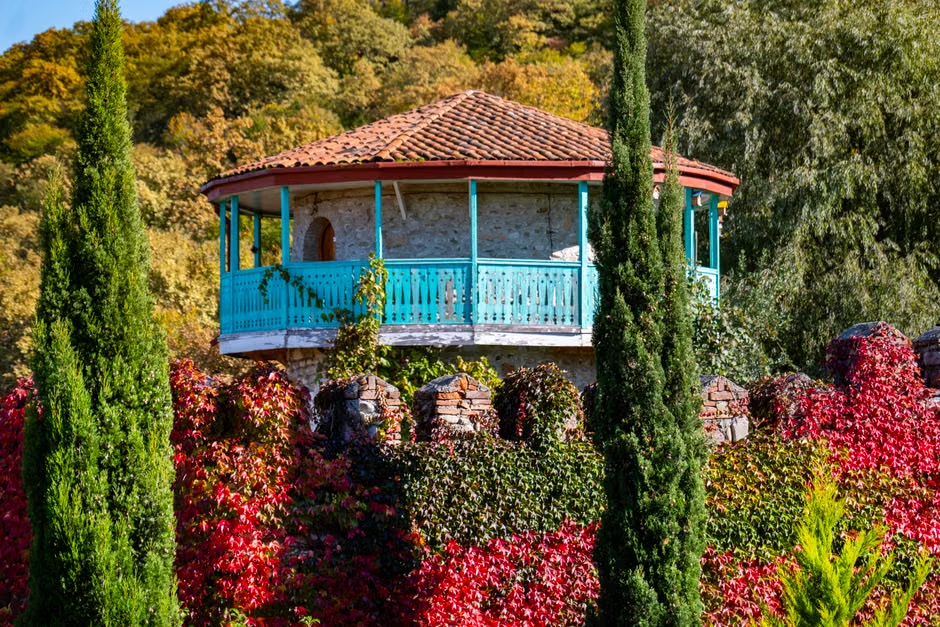
Lopota Lake Resort & Spa
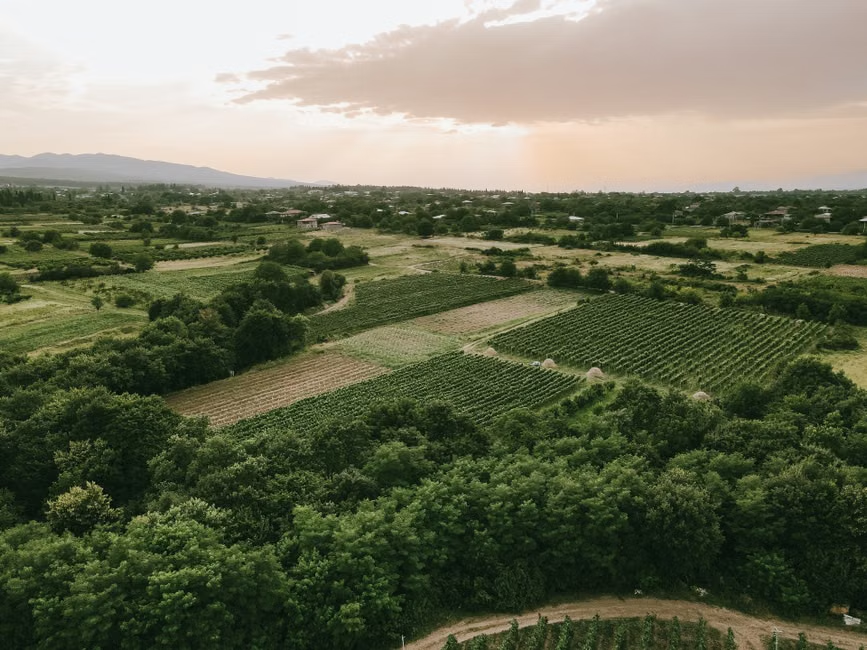
Twins Wine House
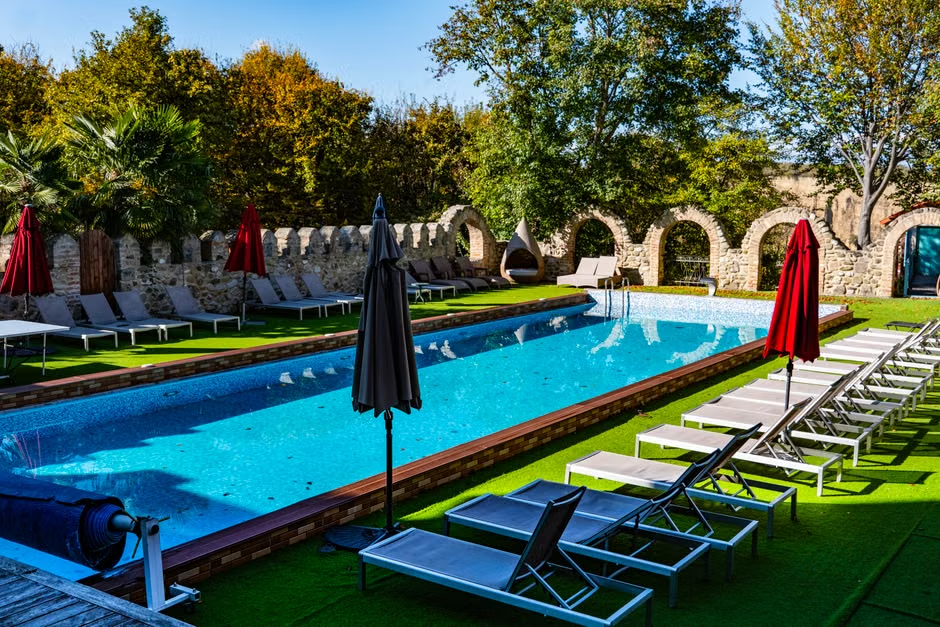
Schuchmann Wines Chateau & Spa
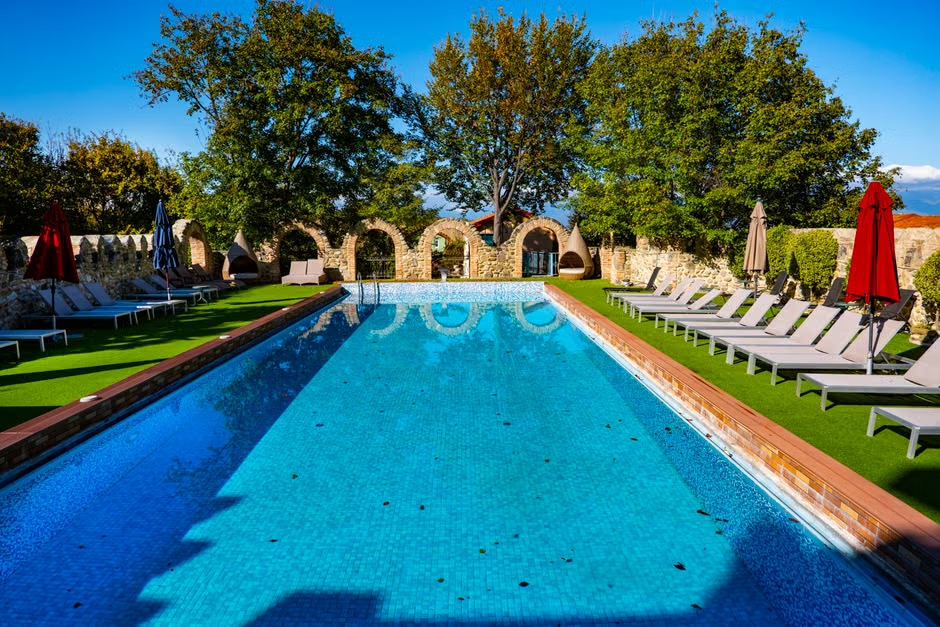
Chateau Mere
Compare Kakheti / Telavi with Other Top Destinations
Frequently Asked Questions
Is Kakheti / Telavi a good destination for an intimate destination wedding?
Yes, particularly for intimate celebrations. Kakheti is well-suited to weddings of roughly 50–200 guests who want a genuinely scenic, culturally rich setting. The combination of vineyard estates, Caucasus mountain backdrops, and exceptional Georgian hospitality creates a celebration that feels personal and distinctive. It is less suited to very large-scale events where ballroom capacity and standardised hotel infrastructure are priorities.
What is the best time of year to hold a wedding or event in Kakheti?
April through June and September through October are the strongest windows. Spring brings lush green vineyards and mild temperatures ideal for outdoor ceremonies. September and October coincide with the grape harvest season, adding a culturally rich, golden-landscape character. July and August can be uncomfortably hot for outdoor events, and November through March brings cold winters that make outdoor celebrations impractical.
How do international guests get to Telavi for a destination wedding?
The primary gateway is Tbilisi International Airport, which has direct connections from many European, Middle Eastern, and Central Asian cities. From Tbilisi, guests travel to Telavi by road — approximately 1.5 to 2 hours by private transfer. There is no practical direct rail connection to Telavi, so coordinating a fleet of private vehicles or coaches from Tbilisi is the standard approach for wedding guest groups.
What kinds of venues are available for events in Kakheti?
The most distinctive venues are wine estate chateaux and vineyard properties, which typically offer outdoor ceremony lawns, barrel-cellar dining spaces, and on-site accommodation. Lakeside resort complexes provide a different character with waterfront settings and larger banquet capacity. Boutique heritage guesthouses in Telavi and surrounding villages suit smaller gatherings and pre-wedding events. The overall scale is boutique to mid-size rather than large urban ballroom.
How many guests can venues in Kakheti realistically accommodate?
Most Kakheti venues are best suited to guest lists of 50–250 people. Wine estate properties tend toward the more intimate end of that range, while lakeside resort complexes can handle closer to 250–300 guests. Events requiring a single venue for 400 or more guests will find the local inventory stretched, and planners should verify specific property capacities early in the planning process.
Do I need a visa to get married or hold an event in Georgia?
Georgia operates a broadly open visa policy — citizens of the European Union, United Kingdom, United States, India, and many other countries can enter visa-free or obtain a visa on arrival for stays of up to one year. This makes guest travel logistics relatively straightforward compared to many other international destinations. Couples should verify the current entry requirements for their specific guest nationalities, as policies can change.
Is local catering in Kakheti suitable for a large celebration?
Yes. Georgian cuisine is a genuine strength of the region. Local caterers and estate chefs are experienced in producing large-format Georgian feasts — known as supras — that are both authentic and impressive for guests. Local wine from Kakheti estates pairs naturally with the food. For very specific international menu requirements, early coordination with a local event planner is advisable to confirm what can be sourced locally versus brought in from Tbilisi.
Do I need a local event coordinator to plan a wedding in Kakheti?
Strongly advisable, yes. While Kakheti's hospitality ecosystem is growing, it is less standardised than mature destination wedding markets. A coordinator with genuine regional experience will have established relationships with local vendors, knowledge of permit processes, and the logistical expertise to manage guest transfers across a spread-out region. Engaging one early — ideally 12–18 months before the event — is one of the most important planning decisions for a Kakheti celebration.
What makes Kakheti's harvest season particularly special for a wedding?
The Georgian grape harvest, known as rtveli, typically runs from late August through October. During this period, vineyards are heavy with fruit, the landscape takes on golden tones, and there is a genuine celebratory atmosphere across the region. Couples can incorporate harvest experiences — grape-picking, qvevri wine-making demonstrations, traditional supra feasts — into their wedding programme, giving guests an immersive cultural experience that is unique to this time and place.
How is local transport managed for guests once they arrive in Kakheti?
Private vehicle coordination is the practical standard. Public transport within Kakheti is limited and not suited to moving large guest groups on a schedule. Most event planners working in the region arrange a fleet of minibuses or coaches to transfer guests between accommodation, ceremony venues, and reception sites. Because properties are spread across multiple villages and estates, mapping out all guest movements in advance is an important part of the planning process.
Is Kakheti / Telavi safe for international wedding guests?
Yes. Georgia is generally considered very safe for international visitors, and Kakheti in particular is a peaceful, rural region with a strong tradition of hospitality toward guests. Standard travel precautions apply, but the region does not present unusual safety concerns. Georgia consistently ranks well in regional safety assessments, and the local culture places significant value on the respectful treatment of visitors.

Ready to explore venues in Kakheti / Telavi?
Kakheti / Telavi: Destination Wedding & Event Venues in Georgia's Wine Country
◆Kakheti and its regional capital Telavi are best suited to intimate, romantic destination weddings and private celebrations where scenery, authenticity, and Georgian wine culture matter more than large-scale infrastructure. The primary vibe is romantic and dreamy — vineyard estates, ancient monasteries, and Caucasus mountain panoramas define the setting. Spring (April–June) and early autumn (September–October) are the strongest seasons, offering mild temperatures and either lush green or golden harvest landscapes. Accessibility is moderate: international guests fly into Tbilisi and transfer by road, making this a destination that rewards guests willing to travel for something genuinely distinctive rather than those prioritising convenience above all.
Kakheti / Telavi at a Glance
| Category | Detail |
|---|---|
| Best For | Intimate Destination Weddings, Private Celebrations, Pre-Wedding Gatherings, Corporate Retreats |
| Primary Vibe | Romantic & Dreamy |
| Other Vibes | Rustic, Heritage, Adventurous, Cultural |
| Best Season | Spring (Apr, May, Jun, Sep, Oct) |
Why Choose Kakheti / Telavi?
- Vineyard and wine estate venues: Kakheti produces the vast majority of Georgia's wine, and several wine estates have developed genuine event infrastructure — outdoor ceremony lawns, barrel-cellar dining spaces, and chateau-style accommodation — making them among the most distinctive celebration venues in the South Caucasus.
- Extraordinary heritage backdrops: The region is home to UNESCO-listed and nationally significant sites including the Alaverdi Cathedral, Gremi Fortress, and Bodbe Monastery. These landmarks provide photographic and ceremonial backdrops that are genuinely rare on a global scale.
- Caucasus Mountain scenery: The Greater Caucasus range frames the northern horizon from almost every point in Kakheti, providing dramatic mountain panoramas that elevate outdoor ceremonies and photography without requiring guests to travel to a remote mountain location.
- Exceptional local food and wine culture: Georgian cuisine — khinkali, mtsvadi, churchkhela, and the ancient qvevri wine tradition — is a genuine event asset. Local catering rooted in this tradition gives celebrations a flavour and authenticity that imported hospitality cannot replicate.
- Intimate, private scale: Kakheti's venue inventory is well-matched to guest lists of 50–250 people. The region's relative quietness compared to Tbilisi means events feel genuinely exclusive, with little risk of a celebration being overshadowed by adjacent tourist activity.
- Emerging but capable hospitality ecosystem: While not yet a mature international wedding destination, Kakheti has a growing network of local event coordinators, Georgian catering specialists, and wine estate managers experienced in hosting private celebrations, particularly for European and Middle Eastern guests.
Which Celebrations Work Best in Kakheti / Telavi?
- Intimate destination weddings: Kakheti is particularly well-suited to weddings of 50–200 guests who want a genuinely immersive, scenic setting. The combination of vineyard estates, mountain views, and Georgian hospitality creates a celebration that feels personal and memorable rather than generic.
- Pre-wedding gatherings and mehendi/sangeet equivalents: The region's wine estates and outdoor lawns are naturally suited to multi-day celebration programmes. Guests can be accommodated on-estate or in nearby guesthouses, and the vineyard setting lends itself to relaxed, convivial pre-wedding events.
- Private milestone celebrations: Significant birthdays, anniversaries, and family reunions benefit from Kakheti's combination of privacy, scenery, and the novelty of a Georgian wine country setting — particularly for guests from Europe or the Middle East for whom Georgia is an accessible but genuinely different destination.
- Corporate retreats and incentive events: The region's wine estates and resort properties offer a compelling alternative to conventional conference venues. Wine-tasting experiences, cooking workshops, and outdoor activities in the Caucasus foothills make Kakheti a strong choice for smaller corporate groups seeking an experiential programme.
Venues & Event Spaces
Kakheti's event venue landscape is defined primarily by wine estate properties and lakeside resorts rather than large urban hotel ballrooms. The most characteristic spaces include:
- Wine estate chateaux and cellars: Several estates have converted historic or purpose-built chateau structures into event venues, with barrel-cellar dining rooms, outdoor vineyard ceremony lawns, and on-site accommodation. These are the most distinctive and sought-after spaces in the region.
- Lakeside resort complexes: Properties set around natural lakes in the region offer a different character — waterfront ceremony settings, resort-style accommodation blocks, and banquet halls capable of handling larger guest counts than the more intimate wine estates.
- Heritage guesthouses and boutique hotels: Telavi and surrounding villages have a growing number of boutique guesthouses in restored traditional Georgian homes, suitable for accommodating smaller wedding parties or hosting intimate dinners and pre-wedding events.
- Outdoor lawns and garden terraces: Given the region's mild spring and autumn climate, outdoor ceremony and reception spaces are a genuine option across most of the best season. Many properties have invested in covered or semi-covered outdoor structures to extend usability.
The overall venue scale in Kakheti is best described as boutique to mid-size. Very large-scale events requiring ballrooms for 500+ guests are not well-served by the current inventory, and planners should factor this into guest list decisions early.
Best Time to Celebrate
The curated best season for Kakheti / Telavi is Spring (April, May, June) and early Autumn (September, October), and both windows have distinct character worth understanding:
- April and May bring the most lush, green version of Kakheti — vineyards are budding, wildflowers are visible across the foothills, and temperatures are comfortably mild (typically 15–22°C). This is arguably the most photogenic window for outdoor ceremonies.
- June is still within the best season but temperatures begin to climb toward the upper 20s°C. Events planned for June should account for afternoon heat and consider morning or evening ceremony timing.
- September and October coincide with the Georgian grape harvest (rtveli), which typically runs from late August through October. This is a culturally rich time to be in Kakheti — vineyards are heavy with fruit, the light is golden, and the harvest atmosphere adds a genuine celebratory energy to any event. October in particular offers cooler, more comfortable temperatures than June.
- July and August are the least ideal months for outdoor celebrations. Temperatures regularly exceed 30°C, the landscape can appear dry and bleached, and the region sees its highest tourist traffic, reducing the sense of exclusivity that makes Kakheti appealing.
- November through March brings cold winters to Kakheti, with frost common from December onward and occasional snow in the foothills. Outdoor events are not viable, and the limited indoor venue capacity in the region makes large winter celebrations logistically challenging. Some properties reduce operations or close entirely in the deepest winter months.
Getting There & Local Connectivity
The primary gateway for international guests is Tbilisi International Airport (TBS), which receives direct flights from a wide range of European, Middle Eastern, and Central Asian cities. From Tbilisi, Telavi is reached by road — a journey of approximately 1.5 to 2 hours depending on the specific property destination within Kakheti. The Georgian Military Highway and the main Kakheti highway are well-maintained, and private transfers are the standard and most practical option for wedding guest groups.
There is no direct railway connection to Telavi. While Georgia has a functional rail network connecting Tbilisi to other major cities, Kakheti's rail infrastructure does not extend to Telavi in a way that is practical for event guests. Road transfer from Tbilisi is effectively the only realistic option for most guests.
For groups, coordinating a fleet of minibuses or coaches from Tbilisi is both common and practical. Many event planners working in Kakheti have established relationships with Tbilisi-based transfer companies. Local movement within Kakheti — between a hotel, a ceremony venue, and a reception site — is also best handled by private vehicle, as public transport within the region is limited and not suited to coordinating large guest groups on a schedule.
Guests arriving from India, Southeast Asia, or the Americas will typically connect through Tbilisi via Istanbul, Dubai, or other major hubs, making the overall journey manageable but multi-leg. This is worth communicating clearly to guests during the invitation and logistics planning phase.
Local Vendor & Hospitality Ecosystem
Kakheti's hospitality ecosystem is genuinely warm and increasingly capable, though it remains smaller and less internationally standardised than a mature wedding destination like Tuscany or Rajasthan. Key characteristics include:
- Georgian catering is a genuine strength: Local caterers and estate chefs are experienced in producing large-format Georgian feasts (supras) that are both authentic and impressive. Wine pairing from local estates is a natural extension of this, and the combination is a real differentiator for celebrations here.
- Event coordination is available but requires early engagement: A small but growing number of local and Tbilisi-based event planners specialise in Kakheti destination weddings. Engaging a coordinator with genuine regional experience is strongly advisable, as vendor networks, permit processes, and logistics knowledge are not yet as standardised as in more established destinations.
- Floral and décor supply: Local floral supply is available and can be supplemented from Tbilisi. For very specific or elaborate décor requirements, planners should factor in lead time and the possibility of sourcing some elements from Tbilisi rather than locally.
- Photography and videography: Georgia has a strong and growing creative photography community, and several Tbilisi-based photographers have built portfolios specifically around Kakheti vineyard and monastery settings. This is one area where the ecosystem is genuinely well-developed relative to the destination's overall maturity.
- Accommodation spread: Kakheti's accommodation inventory is spread across multiple villages and estates rather than concentrated in a single hotel district. This can be an asset for privacy but requires careful coordination to ensure all guests are housed within a manageable distance of the main event venue.
Pros & Things to Consider
Why Kakheti / Telavi Works Well
- Genuinely distinctive, photogenic setting — vineyards, mountains, and ancient monasteries in a single region
- Exceptional local food and wine culture that elevates every celebration meal
- Intimate scale suits close-knit guest lists and creates a sense of exclusivity
- Spring and autumn seasons offer reliably pleasant outdoor conditions
- Georgia is visa-free or visa-on-arrival for a wide range of nationalities, reducing guest travel friction
- Growing but genuine local event planning ecosystem with real regional expertise
- Harvest season (September–October) adds a unique cultural dimension unavailable in most other destinations
Things to Consider
- No direct railway access to Telavi — all guests require road transfers from Tbilisi, which adds a logistical coordination layer
- Venue capacity is limited for very large guest lists; events above 250–300 guests may find the local inventory stretched
- The vendor ecosystem, while capable, is less standardised than in mature destination wedding markets — early planning and a local coordinator are essential
- Winter months (November–March) are genuinely unsuitable for outdoor events, and indoor options are limited
- Internet connectivity and mobile coverage can be patchy in more remote vineyard and mountain areas — worth checking for specific properties
- Guests from South Asia or the Americas face a multi-leg journey, which may deter some attendees despite Georgia's general accessibility from Europe and the Middle East
When Kakheti / Telavi May Not Be the Right Fit
- Very large guest lists (300+): If the celebration requires a single venue capable of hosting 400 or 500 guests under one roof with full banquet infrastructure, Kakheti's current venue inventory is unlikely to meet that need comfortably. A destination with larger urban hotel ballrooms would serve better.
- Guests with limited travel flexibility: If a significant portion of the guest list is elderly, has mobility considerations, or is unlikely to manage a multi-leg international journey followed by a 2-hour road transfer, the logistics of Kakheti may create unnecessary stress. A destination with direct flight access and on-site accommodation at scale would be more appropriate.
- Winter celebrations (November–March): Couples set on an outdoor ceremony or reception should not plan for Kakheti in winter. The cold, frost risk, and reduced property operations make this a genuinely poor fit for the season, regardless of how appealing the destination is at other times of year.
- Highly standardised, internationally-branded event expectations: If the priority is a large international hotel brand's full-service wedding package with a dedicated in-house wedding team, standardised menus, and a familiar luxury hotel infrastructure, Kakheti's more independent, boutique-oriented venue landscape may feel under-resourced by comparison.