
Why Paris is Perfect for Your Celebration
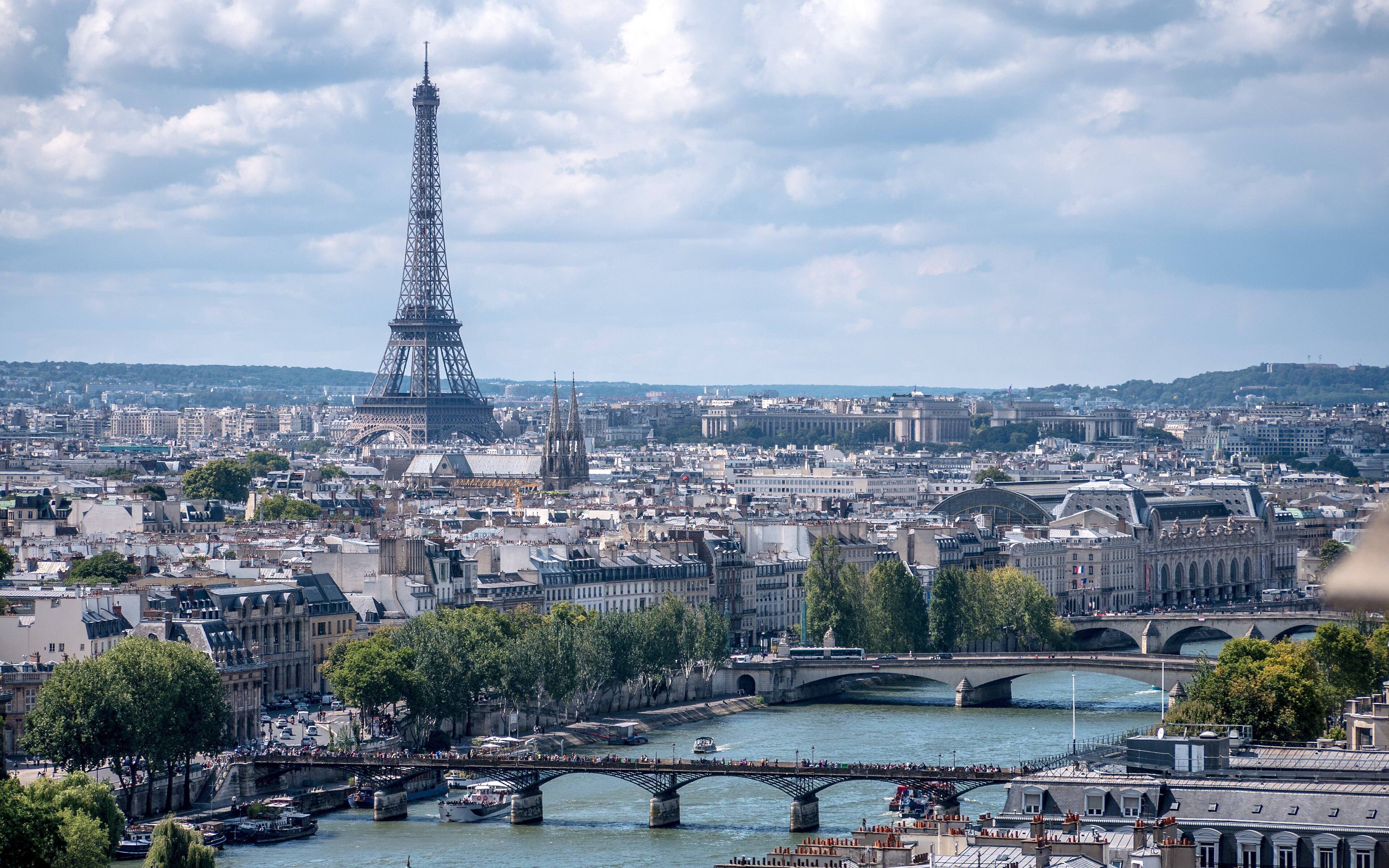
- Iconic landmarks — the Eiffel Tower, Seine riverbanks, and Haussmann boulevards — create unrivalled photographic backdrops
- World-class luxury hotels and historic châteaux offer grand ballrooms and private event spaces for all scales
- Exceptional French culinary tradition ensures outstanding catering and wine for every celebration
- Outstanding international air connectivity via CDG makes guest travel straightforward from virtually any country
- A mature, professional events and wedding industry with experienced planners, florists, and vendors
- Long summer days (May–September) provide extended golden-hour light ideal for outdoor ceremonies and receptions
Compare Paris with Other Top Destinations
Frequently Asked Questions
Is Paris a good destination for a wedding celebration?
Yes. Paris is widely regarded as one of the world's most romantic and prestigious wedding destinations. Its combination of iconic scenery, world-class luxury hotels, an experienced destination wedding industry, and exceptional international connectivity makes it genuinely well-suited to couples seeking a memorable, internationally significant celebration. The curated best season runs from May through September, when long daylight hours and warm weather support both outdoor and indoor events.
What is the best time of year to hold a wedding or event in Paris?
May through September is the recommended window. This period offers warm temperatures (typically 18°C–25°C), long daylight hours extending to 9–10 pm in midsummer, and generally settled weather that makes outdoor ceremonies and garden receptions viable. May and September are particularly attractive as slightly less crowded shoulder months. November through February is cold, grey, and has very short days — outdoor events are impractical during this period.
How easy is it for international guests to travel to Paris?
Very easy. Charles de Gaulle Airport is one of Europe's principal long-haul hubs, with direct flights from major cities across North America, Asia, the Middle East, Africa, and throughout Europe. Guests from almost any country can reach Paris with a single flight or at most one connection. Rail connections via Eurostar and TGV also make Paris accessible from London and other European cities without flying.
What kinds of venues are available for events in Paris?
Paris offers a wide range of venue types: grand palace hotels with historic ballrooms and private gardens, boutique luxury properties in characterful neighbourhoods for more intimate gatherings, rooftop terraces with landmark views, private dining rooms within renowned restaurants, and — within roughly 30–60 minutes of the city — historic châteaux and manor estates in the Île-de-France countryside that can be hired exclusively for a private-estate experience.
How large a guest group can Paris realistically accommodate for a wedding or event?
Paris comfortably accommodates events ranging from intimate gatherings of 20–30 guests up to celebrations of several hundred. The city's major palace hotels and larger event spaces can typically host 200–500 guests in a single venue. For very large events of 600 or more guests in a single space, the options become more limited, and a purpose-built convention destination may be more practical at that scale.
What is the local transport situation for a guest group once they arrive in Paris?
Paris has one of Europe's most comprehensive public transport networks — the Métro, RER, and bus system cover virtually the entire city. For event groups, private coach and minibus hire is widely available and is the standard approach for transferring guests between accommodation, ceremony venues, and reception spaces. This is particularly important when venues are spread across different arrondissements or when a countryside château is involved.
Do I need to complete any French legal requirements to get married in Paris?
Yes, if you want the marriage to be legally recognised in France, it must be conducted at a French mairie (town hall), which involves specific residency and documentation requirements. Many international couples choose to complete their legal ceremony at home and hold a symbolic or blessing ceremony in Paris instead — this approach is well-understood and well-supported by local wedding planners, and avoids the administrative complexity of French civil registration.
How developed is the wedding and events vendor ecosystem in Paris?
Highly developed. Paris has a mature ecosystem of wedding planners experienced with international couples, specialist florists with a strong tradition in large-scale floral installation, photographers familiar with landmark locations and permit requirements, and caterers operating at a very high standard reflecting French culinary culture. Having a bilingual planner is strongly advisable, as French remains the primary working language for contracts and administrative processes.
Is Paris suitable for corporate events and incentive travel, or mainly for weddings?
Paris works well for both. Its world-class hotel infrastructure, excellent meeting facilities, and rich cultural programme options — including museum visits, culinary experiences, and guided city tours — make it a strong choice for high-end corporate incentive travel and executive retreats. The destination itself functions as a significant part of the reward for attendees, which is a genuine advantage for incentive event design.
Are outdoor ceremonies and receptions genuinely feasible in Paris?
Yes, during the curated best season (May–September). Many of the city's major event hotels have private gardens or terraces suitable for outdoor ceremonies and receptions. Ceremonies near or adjacent to Paris's public landmark spaces are also possible but require permits applied for well in advance. Sensible contingency indoor plans are advisable regardless, as summer rainfall, while generally moderate, can occur as short showers.
How far in advance should I book a Paris wedding or event?
For summer dates — particularly June, July, and August — a planning timeline of 12–18 months is strongly advisable. Paris's most sought-after venues and vendors book up well in advance during peak season, and popular landmark areas are heavily visited during July and August. May and September offer slightly more flexibility as shoulder months, but early booking remains important for the best venue and vendor availability.

Ready to explore venues in Paris?
Paris: Destination Wedding & Event Venues in the City of Light
◆Paris is one of the world's premier destinations for romantic weddings, milestone celebrations, and high-end corporate events. Its primary vibe is unmistakably romantic and dreamy — shaped by iconic boulevards, historic architecture, and a deeply embedded culture of elegance. The city suits intimate ceremonies and grand receptions equally well, with a mature events industry capable of handling both. The curated best season runs from May through September, when long daylight hours and warm, settled weather make outdoor and indoor events alike genuinely comfortable. Paris is exceptionally well-connected internationally, with direct flights from virtually every major city, making guest logistics straightforward even for large, globally dispersed groups.
Paris at a Glance
| Category | Detail |
|---|---|
| Best For | Destination Weddings, Romantic Anniversaries, Corporate Retreats, Milestone Celebrations |
| Primary Vibe | Romantic & Dreamy |
| Other Vibes | Cosmopolitan, Heritage, Luxurious, Culturally Rich |
| Best Season | Summer (May, Jun, Jul, Aug, Sep) |
Why Choose Paris?
- Unrivalled iconic backdrops: The Eiffel Tower, the Seine riverbanks, Haussmann-era boulevards, and centuries-old monuments provide photographic settings that no purpose-built venue can replicate — every ceremony and reception photograph carries an immediate sense of place.
- Exceptional venue diversity: Paris offers a genuinely wide spectrum of event spaces — from grand palace hotels with historic ballrooms and private gardens, to intimate boutique properties in characterful arrondissements, to nearby châteaux in the Île-de-France countryside that provide a more secluded, estate-style experience.
- World-class culinary culture: French gastronomy is globally recognised, and Paris's catering ecosystem — from Michelin-starred chefs to specialist wedding caterers — ensures that food and wine are a genuine highlight of any celebration rather than an afterthought.
- Outstanding international connectivity: Charles de Gaulle Airport is one of Europe's busiest hubs, with direct long-haul routes from North America, Asia, the Middle East, Africa, and across Europe. Guests from almost any country can reach Paris with a single flight or at most one connection.
- Mature, professional events industry: Paris has a deep ecosystem of experienced wedding planners, florists, photographers, entertainment providers, and logistics specialists who are accustomed to working with international couples and multilingual guest groups.
- Extended summer daylight: During the curated best season (May–September), Paris enjoys daylight until 9–10 pm, giving outdoor ceremonies and garden receptions a long, golden-hour window that is genuinely difficult to replicate in destinations with shorter days.
Which Celebrations Work Best in Paris?
- Destination Weddings: Paris is particularly well-suited to couples seeking a romantic, internationally recognised setting. The combination of iconic scenery, luxury accommodation, and a sophisticated hospitality industry means that even a complex multi-day wedding programme — welcome dinner, ceremony, reception, farewell brunch — can be executed smoothly within the city or across a small cluster of nearby venues.
- Romantic Anniversaries & Vow Renewals: The city's inherent romantic character makes it a natural fit for milestone anniversaries and vow renewals. Intimate dinners, private river cruises, and exclusive use of boutique hotel spaces are all genuinely available and well-practised here.
- Corporate Retreats & Incentive Events: Paris's world-class hotel infrastructure, excellent meeting facilities, and cultural programme options (museum visits, culinary experiences, guided city tours) make it a strong choice for high-end corporate incentive travel and executive retreats where the destination itself is part of the reward.
- Milestone Celebrations (30th, 40th, 50th birthdays; graduations): For guests who want a celebration that feels genuinely special and internationally significant, Paris provides a setting that elevates any milestone event beyond what a domestic venue can typically offer.
Venues & Event Spaces
Paris and its immediate surroundings offer a broad range of event venue types suited to different scales and styles of celebration. At the grandest end, the city's historic palace hotels provide large, ornate ballrooms, private dining salons, and manicured courtyard gardens — spaces that have hosted state events and high-profile celebrations for well over a century. These properties typically combine accommodation, catering, and event management under one roof, which simplifies logistics considerably for destination groups.
Beyond the palace hotels, Paris has a strong supply of boutique luxury properties in characterful neighbourhoods — smaller in scale but often offering a more intimate, personalised atmosphere suited to guest lists of 30–100. For couples or planners seeking a more secluded, countryside feel without travelling far from the city, the Île-de-France region immediately surrounding Paris contains a number of historic châteaux and manor estates that can be hired exclusively, providing a private-estate experience within roughly 30–60 minutes of central Paris.
The city also has dedicated event spaces — converted historic buildings, private dining rooms within renowned restaurants, and rooftop terraces with landmark views — that work particularly well for cocktail receptions, rehearsal dinners, and corporate evening events. Outdoor ceremony spaces, including private gardens attached to hotels and licensed public spaces near iconic landmarks, are available during the summer season, though they typically require advance planning and appropriate permits.
Best Time to Celebrate
The curated best season for Paris is Summer: May, June, July, August, and September. This window is recommended for several concrete reasons beyond simply "good weather."
From May onwards, average daytime temperatures in Paris typically range from around 18°C to 25°C — warm enough for outdoor ceremonies and garden receptions without the extreme heat that can make outdoor events uncomfortable in some other destinations. Rainfall during this period is moderate and generally falls as short showers rather than sustained downpours, meaning outdoor plans are viable with sensible contingency arrangements. Crucially, daylight extends until 9–10 pm in June and July, giving outdoor events a genuinely long usable window and producing exceptional late-evening light for photography.
May and September are particularly attractive shoulder months within this window: they tend to be slightly less crowded than the peak July–August tourist season, which can make venue bookings, restaurant reservations, and local transport marginally easier to manage for a group. June is popular for weddings specifically because of the combination of long days and reliably warm temperatures.
The months outside this window present genuine challenges for event planning. November through February brings cold temperatures (regularly below 5°C), short days (darkness by 5 pm in December), and a grey, overcast character that makes outdoor elements impractical and reduces the visual impact of the city's scenery. March and April are transitional months with unpredictable spring showers and cool temperatures — not impossible for indoor-only events, but not reliably comfortable for the outdoor components that make Paris celebrations distinctive.
Getting There & Local Connectivity
Paris is served by Charles de Gaulle Airport (CDG), located approximately 25 km northeast of the city centre, which is one of Europe's principal long-haul hubs. Direct flights operate from major cities across North America, Asia, the Middle East, Africa, and throughout Europe, making it genuinely accessible for internationally dispersed guest groups. A second airport, Orly (ORY), serves primarily European and domestic routes and is located to the south of the city, offering an additional option for guests travelling within Europe.
Rail connectivity is exceptional. Paris's central stations — particularly Gare du Nord and Gare de Lyon — connect the city to London via Eurostar (approximately 2.5 hours), to Brussels, Amsterdam, and Cologne via Thalys/Eurostar, and to major French cities via the TGV high-speed network. For guests travelling from within Europe, the train is often a genuinely competitive option in terms of both journey time and convenience.
Within the city, Paris has one of Europe's most comprehensive public transport networks — the Métro, RER suburban rail, and bus network together cover virtually every part of the city and its inner suburbs. For event groups, private coach and minibus hire is widely available and is the standard approach for transferring guests between accommodation, ceremony venues, and reception spaces, particularly when venues are spread across different arrondissements or when a château outside the city is involved.
Local Vendor & Hospitality Ecosystem
Paris has one of the most developed wedding and events vendor ecosystems of any city in the world. Wedding planners who specialise in international destination weddings — including those with experience coordinating multilingual guest groups and navigating French administrative requirements for civil or symbolic ceremonies — are well-established and relatively straightforward to identify through professional networks.
Floral design in Paris benefits from the city's strong tradition in haute fleuriste work; florists here are accustomed to large-scale installation work for events and can source an exceptionally wide range of flowers year-round. Photography and videography vendors with specific experience in Paris's iconic locations are numerous, and many have established working relationships with the city's major venues and an understanding of permit requirements for shooting at landmark sites.
Catering quality is generally high across the board, reflecting France's culinary culture. Most of the city's major event hotels operate their own in-house catering at a very high standard, while independent catering companies can be engaged for external venues. Wine and champagne sourcing — including direct relationships with Champagne houses — is a genuine differentiator for Paris-based events that is difficult to replicate elsewhere.
One practical consideration: French administrative processes, including requirements for legal marriage ceremonies (which must be conducted at a French mairie for the marriage to be legally recognised in France), can be more involved than in some other destinations. Many international couples choose to complete their legal ceremony at home and hold a symbolic or blessing ceremony in Paris — an approach that is well-understood and well-supported by local planners.
Pros & Things to Consider
Why Paris Works Well
- Globally iconic setting that requires no explanation to guests — the destination itself carries prestige and excitement
- Exceptional international air connectivity makes guest travel straightforward from virtually any country
- Long summer days (May–September) provide extended outdoor event windows and outstanding photography light
- World-class culinary culture ensures food and wine are a genuine highlight rather than a logistical checkbox
- Mature, experienced events industry with specialists in international destination weddings and multilingual groups
- Wide range of venue types — from grand palace ballrooms to intimate boutique hotels to countryside châteaux — suits different scales and styles
- Strong public transport and private transfer infrastructure makes moving large guest groups around the city manageable
Things to Consider
- French administrative requirements: Legal marriage in France involves specific residency and documentation requirements at a local mairie; many international couples opt for a symbolic ceremony in Paris and complete legal registration in their home country — this requires advance planning and clear communication with guests about what the ceremony represents.
- Peak-season crowds: July and August are Paris's busiest tourist months; popular landmark areas can be crowded, and some venues and restaurants are heavily booked well in advance. Planning timelines of 12–18 months are advisable for summer dates.
- Language: While English is widely spoken in the hospitality industry, French remains the primary working language for administrative processes, supplier contracts, and some vendor communications — having a bilingual planner or coordinator is strongly advisable.
- Outdoor event permits: Ceremonies or receptions in or adjacent to Paris's public landmark spaces typically require permits that must be applied for well in advance and are not guaranteed; contingency indoor plans are advisable.
- Scale limitations for very large groups: While Paris has venues capable of hosting several hundred guests, truly very large celebrations (500+ guests in a single space) may find the options more limited compared to purpose-built convention destinations.
When Paris May Not Be the Right Fit
- Guests with very limited international travel experience or visa access: While Paris is highly connected, Schengen visa requirements apply to guests from many countries. If a significant portion of the guest list faces complex visa processes, a destination with simpler entry requirements may reduce logistical stress.
- Outdoor-focused celebrations planned outside May–September: If the vision centres on outdoor ceremonies, garden receptions, or alfresco dining, the Paris winter and early spring months are genuinely unsuitable — a destination with a longer outdoor-friendly season would serve that vision better.
- Very large-scale celebrations requiring a single venue for 600+ guests: Paris's historic venue inventory is exceptional in quality but not always in raw capacity for very large single-space events; destinations with purpose-built large-scale event infrastructure may be more practical at that scale.
- Couples seeking a highly private, secluded destination: Central Paris is a major global city and inherently public; while exclusive-use venues and private spaces exist, the city itself is never truly secluded. Couples prioritising complete privacy and remoteness may find a countryside château or a different destination more aligned with that goal.