
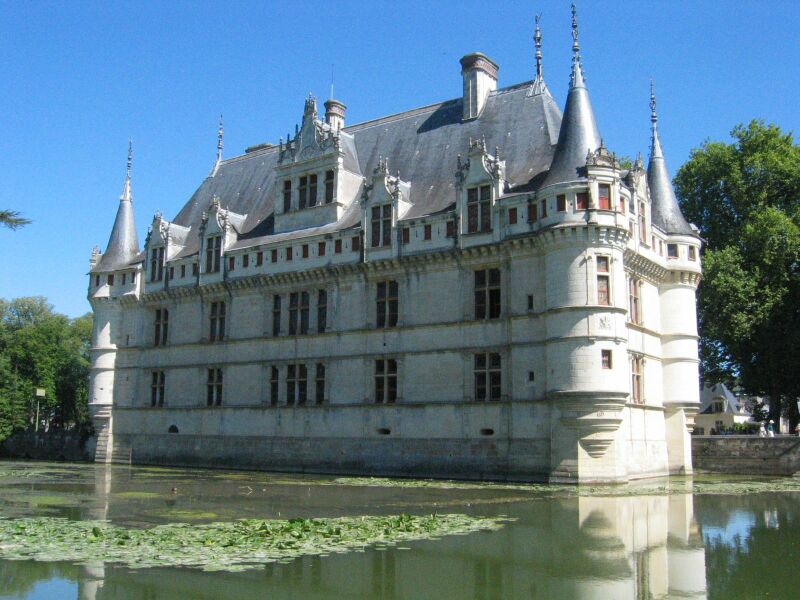
Why Loire Valley is Perfect for Your Celebration
- Extraordinary density of UNESCO-listed Renaissance châteaux available as private event venues
- Vineyard estates offer exclusive buy-out options with on-site wine production and cellars
- Formal French gardens provide naturally theatrical ceremony and reception backdrops
- TGV high-speed rail connects Paris to Tours in approximately one hour, simplifying guest logistics
- Spring and early autumn seasons deliver ideal outdoor conditions with lush or golden scenery
- Internationally recognised cultural prestige lends inherent distinction to any celebration held here
Compare Loire Valley with Other Top Destinations
Frequently Asked Questions
Is the Loire Valley a good destination for a wedding?
Yes, particularly for couples seeking a historic European setting. The Loire Valley is one of France's strongest destination wedding locations, offering exclusive-use château and vineyard estate venues, outstanding local gastronomy, and a well-developed local wedding vendor ecosystem. It is best suited to intimate-to-medium-scale celebrations rather than very large guest lists, and the spring and early autumn seasons deliver the most reliable outdoor conditions.
What guest group sizes can Loire Valley venues realistically accommodate?
Most château and manor properties in the Loire Valley are well-suited to groups of roughly 30 to 150 guests. Some larger estate venues can accommodate up to 200 guests for a seated dinner. Groups requiring capacity for several hundred guests under one roof will find the local inventory more limited, and a combination of multiple nearby properties is often the practical solution for larger parties.
What is the best time of year to plan a celebration in the Loire Valley?
April, May, June, September, and October are the curated best months. Spring brings blooming gardens and long daylight hours; early autumn coincides with the grape harvest and golden vineyard landscapes. July and August are warm but bring heavy tourist traffic that can compromise exclusivity. November through March is generally unsuitable for outdoor events, with cold temperatures and reduced services at many château properties.
How do international guests typically get to the Loire Valley?
Most international guests route through Paris Charles de Gaulle Airport, then take the TGV high-speed train from Paris Montparnasse to Tours — a journey of approximately one hour. Tours is the region's main rail hub. Tours Val de Loire Airport handles some European routes but has limited international connectivity, so Paris remains the practical entry point for guests arriving from outside Europe.
What kinds of venues are available for events in the Loire Valley?
The Loire Valley offers château estates with formal gardens, vineyard domaines with cellar dining spaces, converted abbey and priory properties, and boutique manor houses — most available on an exclusive-use basis. Town-centre hotels in Tours, Blois, and Amboise provide more conventional banqueting infrastructure. Outdoor ceremony spaces in formal gardens or among vineyard rows are a particular strength of the region during the spring and autumn seasons.
How do guests move around the Loire Valley once they arrive?
Private coach or minibus transfers are the standard arrangement for event groups, particularly where guests are distributed across multiple rural properties. The region's road network is well-maintained and self-drive is straightforward, with car hire available at Tours station and airport. Public transport connections to rural château estates are limited, so organised transfers are strongly advisable for any event with guests staying at dispersed locations.
Is the Loire Valley's local vendor and hospitality ecosystem well-suited to destination events?
Yes. The region has a well-established ecosystem of wedding planners, caterers, florists, and photographers with specific Loire Valley château-event experience, built over decades of hosting international couples. English-speaking coordinators are available. Local catering is a genuine strength, drawing on outstanding regional produce and wine. For very large or technically complex productions, some specialist suppliers may need to be sourced from Paris.
Can guests be accommodated on-site at Loire Valley event venues?
Many château and manor properties offer on-site guest rooms as part of an exclusive-use arrangement, which is one of the region's distinctive advantages. However, on-site room counts at most properties are modest — typically 10 to 30 rooms — so larger guest lists will require accommodation distributed across nearby boutique hotels and town-centre properties in Tours, Amboise, or Blois, coordinated with private transfers.
What makes the Loire Valley distinctive compared to other European event destinations?
The Loire Valley's UNESCO World Heritage status and its unrivalled concentration of Renaissance châteaux available for private hire set it apart. The combination of historic architecture, formal French gardens, world-class local wine and cuisine, and genuine exclusivity at estate venues creates an event experience that is difficult to replicate elsewhere. Its one-hour TGV connection to Paris also makes it more accessible than many comparable rural European destinations.
How far in advance should we book a Loire Valley château venue?
For the most sought-after château and vineyard estate properties, particularly for spring (May–June) and September dates, booking 12 to 18 months in advance is strongly advisable. These venues have limited availability by nature of their exclusive-use model and small room counts, and the most experienced local wedding coordinators also fill their calendars early for peak season dates.
Is the Loire Valley suitable for corporate retreats and incentive events?
Yes. The region is well-suited to senior leadership retreats, incentive travel programmes, and prestige corporate events. Exclusive château buy-outs, private wine tastings, and curated gastronomic experiences translate naturally into high-quality corporate programming. The TGV connection from Paris makes logistics manageable for European-based teams, and the setting communicates distinction without requiring a long-haul journey.

Ready to explore venues in Loire Valley?
Loire Valley: Destination Wedding & Event Venues in France's Château Country
◆The Loire Valley is one of Europe's most distinguished destinations for weddings, private celebrations, and cultural events, anchored by its UNESCO World Heritage status and an exceptional concentration of Renaissance châteaux, vineyard estates, and formal French gardens. Its primary character is cultural and timeless — suited to couples and planners seeking historic grandeur rather than beach-resort informality. The region is particularly well-matched to intimate-to-medium-scale weddings, anniversary celebrations, and corporate retreats with a prestige brief. The best season runs from April through June and again in September and October. Accessibility from Paris by TGV high-speed rail is straightforward; international guests typically route through Paris Charles de Gaulle.
Loire Valley at a Glance
| Attribute | Detail |
|---|---|
| Best For | Destination Weddings, Anniversary Celebrations, Cultural Events, Exclusive Corporate Retreats |
| Primary Vibe | Cultural & Timeless |
| Other Vibes | Romantic, Heritage, Pastoral Elegance |
| Best Season | Spring (Apr, May, Jun, Sep, Oct) |
Why Choose Loire Valley?
- Unrivalled château density: The Loire Valley contains more Renaissance châteaux per square kilometre than virtually any other region in Europe, many of which are available for private hire as exclusive wedding and event venues — a genuinely rare combination of historic architecture and functional event infrastructure.
- UNESCO World Heritage recognition: The entire central Loire Valley corridor holds UNESCO status, lending an internationally recognised cultural prestige to any celebration held here that few destinations can match.
- Vineyard estate buy-outs: The region is one of France's most celebrated wine-producing areas, and a number of domaines offer full estate buy-outs, combining accommodation, event spaces, and on-site wine production for a fully immersive guest experience.
- Formal garden settings: The region's tradition of French formal garden design — exemplified at properties across the valley — provides naturally theatrical, photogenic backdrops for outdoor ceremonies and receptions without requiring additional décor investment.
- Paris proximity via TGV: Tours, the region's main hub, is approximately one hour from Paris Montparnasse by TGV high-speed rail, making the Loire Valley genuinely accessible for international guests arriving into Paris Charles de Gaulle without requiring a domestic flight.
- Intimate scale with genuine exclusivity: Most château and manor venues are sized for groups of 30 to 200 guests, making the Loire Valley particularly well-suited to celebrations where intimacy, privacy, and a sense of exclusive possession of a historic property are priorities.
Which Celebrations Work Best in Loire Valley?
Destination Weddings: The Loire Valley is among the strongest European choices for destination weddings seeking a château or vineyard setting. The combination of historic architecture, formal gardens, on-site accommodation at many properties, and a well-developed local wedding vendor ecosystem makes end-to-end planning realistic for international couples.
Anniversary & Milestone Celebrations: The region's intimate venue scale and inherently romantic character make it particularly well-suited to significant anniversary dinners, vow renewals, and milestone birthday celebrations where a sense of occasion and exclusivity matters more than large-scale capacity.
Cultural & Heritage Events: The Loire Valley's UNESCO status and its living tradition of art, architecture, and gastronomy make it a natural fit for cultural gatherings, literary or artistic retreats, and events where the destination itself is part of the programme rather than merely a backdrop.
Exclusive Corporate Retreats: Senior leadership retreats, incentive travel programmes, and prestige corporate events benefit from the region's combination of private château buy-outs, world-class wine and cuisine, and a setting that communicates distinction without ostentation.
Venues & Event Spaces
The Loire Valley's event venue landscape is dominated by privately owned or boutique-managed château properties, ranging from compact manor houses with a handful of guest rooms to larger castle estates capable of accommodating full wedding parties with on-site overnight accommodation. Many of these properties offer exclusive-use arrangements, meaning the entire estate — its grounds, reception rooms, gardens, and accommodation — is reserved solely for the event group.
Beyond the châteaux themselves, the region offers vineyard domaines with barrel-cellar dining spaces and outdoor terrace settings, converted abbey and priory properties with cloistered courtyards, and a smaller number of contemporary hotel venues in the main towns of Tours, Blois, and Amboise that provide more conventional banqueting infrastructure for larger or more logistically complex events.
Outdoor ceremony spaces — whether in formal parterre gardens, on riverside terraces, or among vineyard rows — are a genuine strength of the region, particularly during the spring and early autumn seasons when conditions are reliably pleasant. Indoor reception rooms in historic properties typically feature original stone architecture, period fireplaces, and painted or tapestried interiors that require minimal additional decoration.
It is worth noting that the Loire Valley's venue inventory skews toward intimate-to-medium scale. Groups requiring banqueting capacity for several hundred guests will find the options more limited than in a major city convention destination, and early booking of preferred properties is strongly advisable, particularly for peak spring and September dates.
Best Time to Celebrate
The curated best season for Loire Valley events runs across two windows: April, May, and June in spring, and September and October in early autumn. These months share a set of conditions that make outdoor celebrations genuinely practical and visually compelling.
In spring (April–June), the Loire Valley's gardens reach their peak ornamental display — wisteria, roses, and formal parterres are in full colour by May — and temperatures are comfortably mild, typically ranging from around 12°C to 22°C. Daylight hours are long, supporting extended outdoor receptions into the evening. Vineyard landscapes are lush and green at this time of year.
In early autumn (September–October), the region transitions into harvest season, which adds a particular richness to vineyard-based events — grape harvests are underway in September, and the landscape takes on warm golden tones through October. Temperatures remain pleasant, crowds thin compared to the summer tourist peak, and many château properties offer a more relaxed, private atmosphere.
July and August are not included in the curated best season primarily because the Loire Valley becomes one of France's most visited tourist regions during these months. While the weather is warm and generally dry, the presence of large numbers of day-trippers and tourists at the major châteaux can compromise the sense of exclusivity that makes the region distinctive for private events. Venue availability at preferred properties also tightens considerably.
November through March presents the most significant challenges. Temperatures drop to between 3°C and 10°C, grey overcast conditions are common, and many château estates reduce their operational services or close seasonal facilities entirely. Outdoor ceremonies and garden receptions become impractical, and the landscape loses much of its visual appeal. While indoor events remain possible at some properties, the overall experience is considerably diminished compared to the spring and autumn windows.
Getting There & Local Connectivity
The Loire Valley's primary gateway for most guests is Tours Val de Loire Airport, which handles a limited number of European routes and is located very close to Tours city centre. For international guests — particularly those arriving from outside Europe — the practical entry point is Paris Charles de Gaulle Airport, from which the TGV high-speed rail service to Tours takes approximately one hour from Paris Montparnasse station. This Paris-to-Tours rail connection is genuinely one of the region's strongest logistical assets for destination events, as it allows guests to arrive into a major international hub and reach the Loire Valley quickly without a domestic flight.
Tours railway station is the region's main rail hub, served by TGV services and well-connected to other Loire Valley towns including Blois, Amboise, and Saumur by regional rail and road. For guests staying at château properties outside the main towns, private transfers or hired vehicles are typically the most practical arrangement, as public transport connections to rural estates are limited.
Within the region, private coach or minibus transfers are the standard solution for moving event groups between accommodation, ceremony venues, and reception sites — particularly where guests are distributed across multiple properties. Self-drive is straightforward on the region's well-maintained road network, and car hire is readily available at Tours station and airport. The Loire Valley's relatively compact geography means that most of the key event areas — from Amboise in the east to Chinon in the west — are within roughly an hour's drive of one another.
Local Vendor & Hospitality Ecosystem
The Loire Valley has a well-established local vendor ecosystem oriented around destination weddings and prestige private events, built over decades of hosting international couples drawn by the château landscape. English-speaking wedding planners and coordinators with specific Loire Valley expertise are available, and a number of specialist agencies operate exclusively within the region.
Catering at the higher end of the market is a genuine strength — the Loire Valley sits within one of France's most celebrated gastronomic regions, with access to exceptional local produce (river fish, game, charcuterie, fresh vegetables) and a wine culture that integrates naturally into event programming. Many château properties work with established catering partners or have in-house kitchen teams experienced in large-format private dining.
Floral design, photography, and audiovisual production vendors with château-event experience are available locally, though for very large or technically complex productions, some specialist suppliers may need to be sourced from Paris or other major French cities. It is advisable to confirm vendor availability well in advance for peak spring and September dates, as the most experienced local specialists book up quickly.
Accommodation for event guests is typically distributed across the host château (where on-site rooms exist), nearby manor houses and boutique hotels, and town-centre hotels in Tours, Amboise, or Blois. Coordinating accommodation across multiple properties is a standard feature of Loire Valley event planning and is something experienced local coordinators handle routinely.
Pros & Things to Consider
Why Loire Valley Works Well
- Exceptional historic venue stock — Renaissance châteaux and vineyard estates available for exclusive private hire
- UNESCO World Heritage status lends genuine international prestige to events held here
- Strong Paris TGV connection makes the region accessible for international guests without a domestic flight
- Outstanding local gastronomy and wine culture integrate naturally into event programming
- Spring and early autumn seasons deliver reliable, photogenic outdoor conditions
- Intimate venue scale suits groups where exclusivity and privacy are priorities
- Established local wedding and event vendor ecosystem with English-language capability
Things to Consider
- Venue capacity ceiling: Most château and manor properties are sized for intimate-to-medium groups; couples or planners requiring banqueting for several hundred guests will find the local inventory more constrained than in a major city.
- Rural transfer logistics: Many of the most desirable venues are set in the countryside, requiring organised private transfers for guests — this adds logistical complexity and cost that should be planned for from the outset.
- Summer tourist pressure: July and August bring significant tourist volumes to the region's major châteaux, which can compromise the sense of exclusivity at and around popular venues.
- Winter unsuitability: The November-to-March period is genuinely unsuitable for outdoor events, and some château properties reduce services or close seasonal facilities entirely during this period.
- Language: While English is spoken at most hospitality venues catering to international guests, French remains the working language of the region, and some vendor negotiations or local logistics may require a French-speaking coordinator.
- Early booking essential: The most sought-after château properties for spring and September dates book up well in advance — sometimes 12 to 18 months ahead — making early commitment important for preferred venues.
When Loire Valley May Not Be the Right Fit
- Large-scale events requiring 300+ guests: If the celebration requires banqueting or accommodation for a very large group under one roof, the Loire Valley's predominantly intimate château inventory may not comfortably support the scale, and a destination with larger convention or resort infrastructure would serve better.
- Winter or late-autumn celebrations: Groups committed to a November-through-March date will find the Loire Valley's outdoor appeal largely unavailable, its landscape at its least photogenic, and some preferred properties operating at reduced capacity.
- Guests with limited European connectivity: While Paris is an excellent international hub, guests travelling from regions with limited direct European connections may face complex multi-leg journeys; a destination closer to a major international hub might reduce travel burden for the majority of the guest list.
- Celebrations seeking a beach, coastal, or tropical setting: The Loire Valley's character is entirely inland, pastoral, and architectural — guests or couples whose vision centres on a coastal or warm-climate setting will find the region's offering a poor match for that brief.