
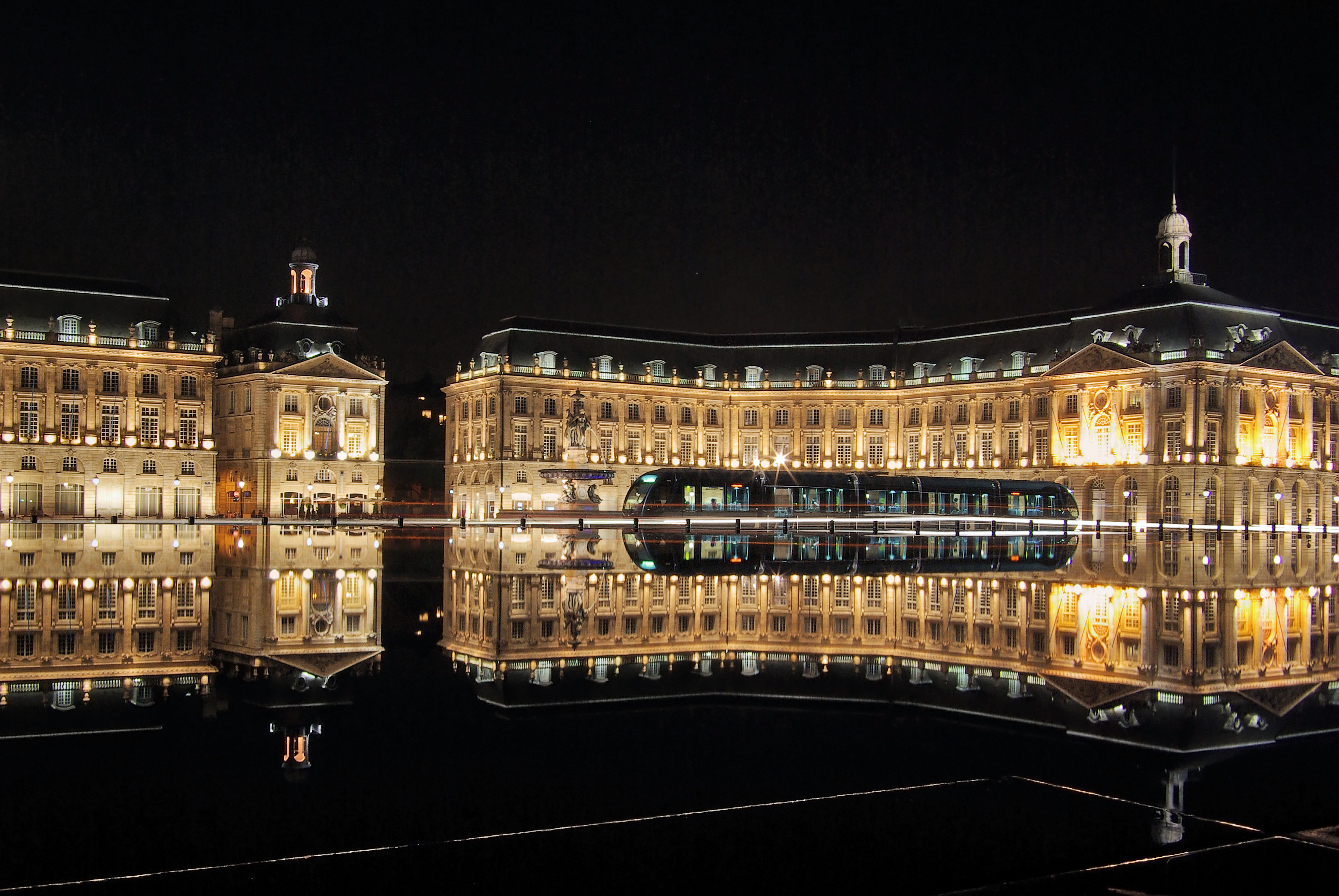
Why Bordeaux is Perfect for Your Celebration
- UNESCO World Heritage city centre with stunning 18th-century neoclassical architecture as a natural backdrop
- World-renowned wine châteaux and vineyard estates within 30–60 minutes of the city, ideal for exclusive private events
- Excellent international and domestic connectivity via Bordeaux–Mérignac Airport and high-speed TGV rail
- A mature, sophisticated hospitality and catering ecosystem with experienced event vendors
- Diverse venue portfolio spanning grand historic mansions, riverside terraces, luxury hotels, and working wine estates
- Spring and early autumn seasons offer ideal outdoor conditions with lush vineyard scenery and comfortable temperatures
Compare Bordeaux with Other Top Destinations
Frequently Asked Questions
Is Bordeaux a good destination for a wedding?
Yes. Bordeaux is particularly well-suited to destination weddings that prioritise setting, culture, and gastronomy. The combination of UNESCO-listed city architecture, exclusive vineyard château venues, and a mature local hospitality ecosystem makes it a strong choice for couples seeking a sophisticated European celebration. It works best for intimate-to-medium-scale events where the destination itself is a central part of the experience.
What size of guest group can Bordeaux realistically accommodate for an event?
Bordeaux comfortably supports events ranging from small, intimate gatherings of 20–30 guests up to celebrations of 300–400 guests across its hotel ballrooms and larger château estates. For very large events requiring 500+ guests to be housed and dined in a single venue, the local inventory has practical limits — distributing guests across multiple properties is often the realistic approach at that scale.
What is the best time of year to plan a celebration in Bordeaux?
April through June and September through October are the recommended windows. These months offer mild, comfortable temperatures, generous daylight, and — particularly in September — the added atmosphere of the grape harvest season. July and August are warm but bring peak tourist crowds and high accommodation demand. November through March is generally less suitable for outdoor events due to rain and short days.
How do guests typically get to Bordeaux for a destination event?
Most international guests arrive via Bordeaux–Mérignac Airport, which has direct connections from major European cities. Guests travelling from within France — including those connecting through Paris from long-haul flights — can use the TGV high-speed rail service, which reaches Bordeaux-Saint-Jean station from Paris in approximately two hours. Both options are straightforward, making guest logistics relatively manageable.
What kinds of venues are available for events in and around Bordeaux?
The venue landscape includes grand 18th-century heritage mansions in the city centre, luxury hotel ballrooms and terraces, riverside event spaces along the Garonne, and — most distinctively — working wine château estates in the surrounding appellations. Château venues range from intimate family domaines to large classified estates with formal gardens and barrel-cellar dining spaces. The city also has dedicated convention infrastructure for larger corporate formats.
How easy is it to move a large guest group around Bordeaux and the surrounding wine country?
Within the city, Bordeaux's tram network is efficient and covers most central areas. For group transfers to vineyard estates or château venues outside the city, private coach or minibus hire is the standard approach — local operators are experienced with event groups, and journey times to the main wine regions are typically 30–60 minutes. Planning group transport in advance is advisable, particularly during the spring and autumn peak seasons.
Is there a strong local vendor ecosystem for events in Bordeaux?
Yes. Bordeaux has a well-established network of caterers, florists, photographers, and event production companies experienced in handling international celebrations. The city's gastronomic tradition means food and beverage quality is generally high, and locally sourced wines and seasonal produce are readily available for event menus. English-language communication is available among established vendors, though a bilingual local coordinator is strongly advisable for complex events.
Can Bordeaux work well for a corporate retreat or incentive event?
Yes. Bordeaux is a strong corporate incentive destination. Its excellent connectivity, quality hotel meeting facilities, and genuinely memorable off-site experiences — wine estate tours, Michelin-starred dining, cultural visits — give corporate groups real substance beyond a standard conference format. The spring and early autumn seasons are particularly well-suited to combining indoor sessions with outdoor group activities.
What makes a September or October event in Bordeaux particularly special?
September and October coincide with the grape harvest (vendanges) in the surrounding wine regions, giving events a genuinely seasonal, local character that is unique to this time of year. Vineyard landscapes are at their most atmospheric, temperatures remain comfortable, and tourist crowds thin after the August peak. It is widely considered the most evocative window for vineyard-focused celebrations in the Bordeaux region.
Do I need a local event planner to organise a celebration in Bordeaux?
For most destination events — particularly those involving vineyard château venues or complex multi-day programmes — engaging a local event planner is strongly advisable. French is the primary working language for most vendors, and the level of in-house event support at château venues varies considerably. A specialist local coordinator significantly reduces planning risk and lead time, especially for international clients unfamiliar with the local supplier landscape.

Ready to explore venues in Bordeaux?
Bordeaux: Destination Wedding & Event Venues in Southwest France
◆Bordeaux is a culturally rich, architecturally distinguished city in southwest France, best suited to weddings, corporate retreats, and milestone social celebrations that benefit from a sophisticated European setting. Its primary vibe is Cultural & Timeless — defined by UNESCO-listed neoclassical streetscapes, world-famous wine estates, and a refined hospitality tradition. The best seasons to plan are spring (April–June) and early autumn (September–October), when temperatures are comfortable, daylight is generous, and the surrounding vineyards are at their most photogenic. Bordeaux is well-connected by direct international flights and high-speed TGV rail from Paris, making guest logistics straightforward for both European and international attendees.
Bordeaux at a Glance
| Attribute | Detail |
|---|---|
| Best For | Destination Weddings, Corporate Retreats, Social Celebrations, Milestone Events |
| Primary Vibe | Cultural & Timeless |
| Other Vibes | Romantic, Vineyard, Riverside, Heritage |
| Best Season | Spring (Apr, May, Jun, Sep, Oct) |
Why Choose Bordeaux?
- UNESCO World Heritage architecture: The city's 18th-century neoclassical core — including the Place de la Bourse and the Grand Théâtre — provides a naturally grand, photogenic setting that requires no additional decoration to impress guests.
- Vineyard estate access: The Médoc, Saint-Émilion, and Pomerol wine regions lie within 30–60 minutes of the city centre, offering exclusive private château venues that are genuinely unique to this part of the world.
- Exceptional connectivity: Bordeaux–Mérignac Airport (BOD) handles direct flights from across Europe and beyond, while the TGV high-speed rail line connects Paris in approximately two hours — making it one of the most accessible French cities for a dispersed guest list.
- Mature event vendor ecosystem: Bordeaux has a well-established network of caterers, florists, photographers, and event production companies experienced in handling international celebrations, reducing the logistical burden on planners.
- Diverse venue portfolio: From grand riverside terraces and historic mansions to contemporary hotel ballrooms and working wine estates, the city offers genuine variety across different event scales and styles.
- Gastronomic and wine culture: The local food and wine tradition is a genuine event asset — Bordeaux's cuisine and its world-renowned wines can be woven directly into the guest experience in a way that few other cities can match.
Which Celebrations Work Best in Bordeaux?
- Destination Weddings: Bordeaux is particularly well-suited to intimate-to-medium-scale destination weddings where the setting itself is a central part of the experience. Vineyard château ceremonies, riverside cocktail receptions, and dinners in heritage mansions all work naturally here. The city's romantic, unhurried character suits couples who want elegance over spectacle.
- Corporate Retreats & Incentive Travel: The combination of excellent connectivity, high-quality hotel meeting facilities, and genuinely memorable off-site experiences (wine tastings, château tours, Michelin-starred dining) makes Bordeaux a strong choice for corporate groups seeking a European incentive destination with real substance.
- Milestone Social Celebrations: Significant anniversaries, landmark birthdays, and family reunion events benefit from Bordeaux's ability to offer private, exclusive settings — a hired château or a private dining room in a heritage property — without the logistical complexity of more remote destinations.
- Cultural & Arts Events: The city's own cultural calendar — including its opera house, contemporary art museum (CAPC), and the Cité du Vin wine museum — provides a ready-made programme of enrichment activities that can be incorporated into multi-day event itineraries.
Venues & Event Spaces
Bordeaux offers a genuinely varied landscape of event spaces. In the city centre, grand 18th-century hôtels particuliers (private mansions) and heritage buildings can be hired exclusively for ceremonies and receptions, providing a sense of occasion that modern purpose-built venues rarely replicate. Luxury hotel properties in the city's Golden Triangle and along the Place de la Comédie offer professional ballrooms, terraces, and breakout spaces suited to both social and corporate formats.
Beyond the city, the surrounding wine country introduces a category of venue unique to this region: the working wine château. These estates range from intimate family-run domaines to grand classified growths with formal gardens, barrel cellars that double as atmospheric dining spaces, and private accommodation for small guest groups. Outdoor lawn and garden settings within château grounds are particularly popular for spring and early autumn ceremonies.
For larger-scale corporate events, the city also has dedicated convention and exhibition infrastructure, including the Bordeaux Events Centre (Palais des Congrès), which can accommodate conferences and gala dinners at a scale that the hotel inventory alone cannot always support. Riverside terraces along the Garonne are a popular choice for cocktail receptions and informal evening events during the warmer months.
Best Time to Celebrate
The curated best season for Bordeaux events is spring and early autumn: April, May, June, September, and October. Here is why each window works, and why the remaining months are generally less suitable:
- April & May: Temperatures are mild (typically 12°C–20°C), the city's parks and vineyard landscapes are in fresh bloom, and tourist crowds have not yet peaked. Outdoor ceremonies and garden receptions are comfortable, and daylight extends well into the evening.
- June: The warmest of the recommended months, with long days and reliable sunshine. Outdoor events on château lawns or riverside terraces are at their most appealing. Accommodation demand begins to rise toward the summer peak, so early booking is advisable.
- September & October: Arguably the most atmospheric window for vineyard-focused events. The grape harvest (vendanges) typically runs through September, giving events a genuinely local, seasonal character. Temperatures remain pleasant (15°C–24°C), crowds thin after the August peak, and the golden light of early autumn is particularly flattering for photography.
- July & August: While warm and sunny, these months bring peak tourist volumes, significantly higher accommodation rates, and intense competition for venue availability. Outdoor events can also be uncomfortably hot during afternoon hours. Generally less recommended for planned celebrations.
- November through March: Bordeaux winters are mild by northern European standards but are characterised by frequent rain, grey skies, and short days. Outdoor event viability is substantially reduced, and the vineyard landscapes lose much of their visual appeal. Indoor-only events are feasible, but the destination's strongest assets — its outdoor settings and scenic surroundings — are largely unavailable.
Getting There & Local Connectivity
Bordeaux is among the better-connected mid-sized European cities for event guests. Bordeaux–Mérignac Airport sits approximately 10 km from the city centre and is served by direct flights from major European hubs including London, Amsterdam, Madrid, Frankfurt, and several others, as well as long-haul connections via Paris Charles de Gaulle. A dedicated tram line connects the airport to the city centre, making arrival straightforward for guests without private transfers.
For guests travelling from within France, the TGV high-speed rail service from Paris Montparnasse to Bordeaux-Saint-Jean takes approximately two hours, making rail a genuinely competitive option for domestic guests and those connecting through Paris from international flights. The station is centrally located and well-served by local trams and taxis.
Within the city, Bordeaux operates an efficient tram network covering most of the central areas relevant to event guests. For groups travelling to vineyard estates or château venues outside the city, private coach or minibus hire is the standard approach — local operators are experienced in handling event group transfers, and the road network in the wine regions is generally good. Journey times to the main wine appellations (Médoc, Saint-Émilion) typically range from 30 to 60 minutes depending on the specific destination.
Local Vendor & Hospitality Ecosystem
Bordeaux has a well-developed event services industry, shaped by decades of hosting international wine trade events, corporate incentive groups, and an increasing volume of destination weddings from across Europe and beyond. Local caterers are generally experienced in handling both French-style formal dining and more flexible international formats. The city's gastronomic tradition means that food and beverage quality is typically high, and sourcing locally produced wines, cheeses, and seasonal produce for event menus is straightforward.
Florists, photographers, and event production companies in Bordeaux are accustomed to working with international clients and, in many cases, with multilingual briefs. English-language communication is generally available among established vendors, though French remains the primary working language and having a local coordinator or planner who is fluent in both is strongly advisable for complex events.
The city's hotel properties — particularly those in the luxury and upper-midscale tiers — have dedicated events and banqueting teams with experience in managing multi-day celebrations. For château-based events in the wine country, the level of in-house event support varies considerably between properties; some estates have full event management infrastructure, while others operate more as venue-only hires requiring external coordination. Engaging a specialist local event planner is particularly valuable for vineyard estate events.
Pros & Things to Consider
Why Bordeaux Works Well
- UNESCO-listed city centre provides a naturally grand, photogenic backdrop with no equivalent in most other European cities
- Vineyard château venues are genuinely unique to this region and offer a level of exclusivity and atmosphere that is difficult to replicate elsewhere
- Excellent connectivity by both air and high-speed rail makes guest logistics manageable for dispersed European and international groups
- A mature, experienced local vendor ecosystem reduces planning risk for international event organisers
- The spring and early autumn seasons offer reliable, comfortable outdoor conditions with long daylight hours
- Bordeaux's gastronomic and wine culture is a genuine event asset that can be woven into the guest experience at every level
Things to Consider
- Language barrier: While English is widely spoken in hospitality contexts, French is the working language for most vendors and local services — events requiring complex coordination benefit significantly from a bilingual local planner.
- Seasonal limitations: The destination's strongest assets (outdoor settings, vineyard scenery) are substantially less available from November through March, limiting the viable event calendar to roughly seven months of the year.
- Summer peak pressure: July and August bring high tourist volumes and elevated accommodation demand, making those months less practical for planned celebrations despite the warm weather.
- Château venue variability: The quality of in-house event support at vineyard estate venues varies considerably — some require full external coordination, which adds planning complexity and lead time.
- Scale ceiling: For very large events (several hundred guests requiring accommodation on-site), the city's hotel inventory and most château properties have practical capacity limits that may require guests to be distributed across multiple properties.
When Bordeaux May Not Be the Right Fit
- Very large guest lists requiring single-site accommodation: If the event requires 400+ guests to be housed in one property, Bordeaux's hotel and château inventory may not comfortably support that without distributing guests across multiple venues — a logistical consideration worth assessing early.
- Winter or late-autumn events with outdoor requirements: If the event concept depends on outdoor ceremonies, garden receptions, or vineyard scenery, planning for November through March is likely to result in disappointment — the climate and landscape are genuinely less suited to outdoor celebrations in those months.
- Guests with very limited European travel experience or complex visa situations: While Bordeaux is accessible for most European nationals, guests from countries requiring Schengen visas face the standard French/EU visa process — for a guest list with significant non-EU representation, the administrative burden is worth factoring into planning timelines.
- Events requiring a very large-scale, purpose-built convention format: While Bordeaux has convention infrastructure, it is not primarily a mass-market conference city — events requiring very large exhibition halls or arena-scale capacities may find the local infrastructure limiting compared to purpose-built convention destinations.