
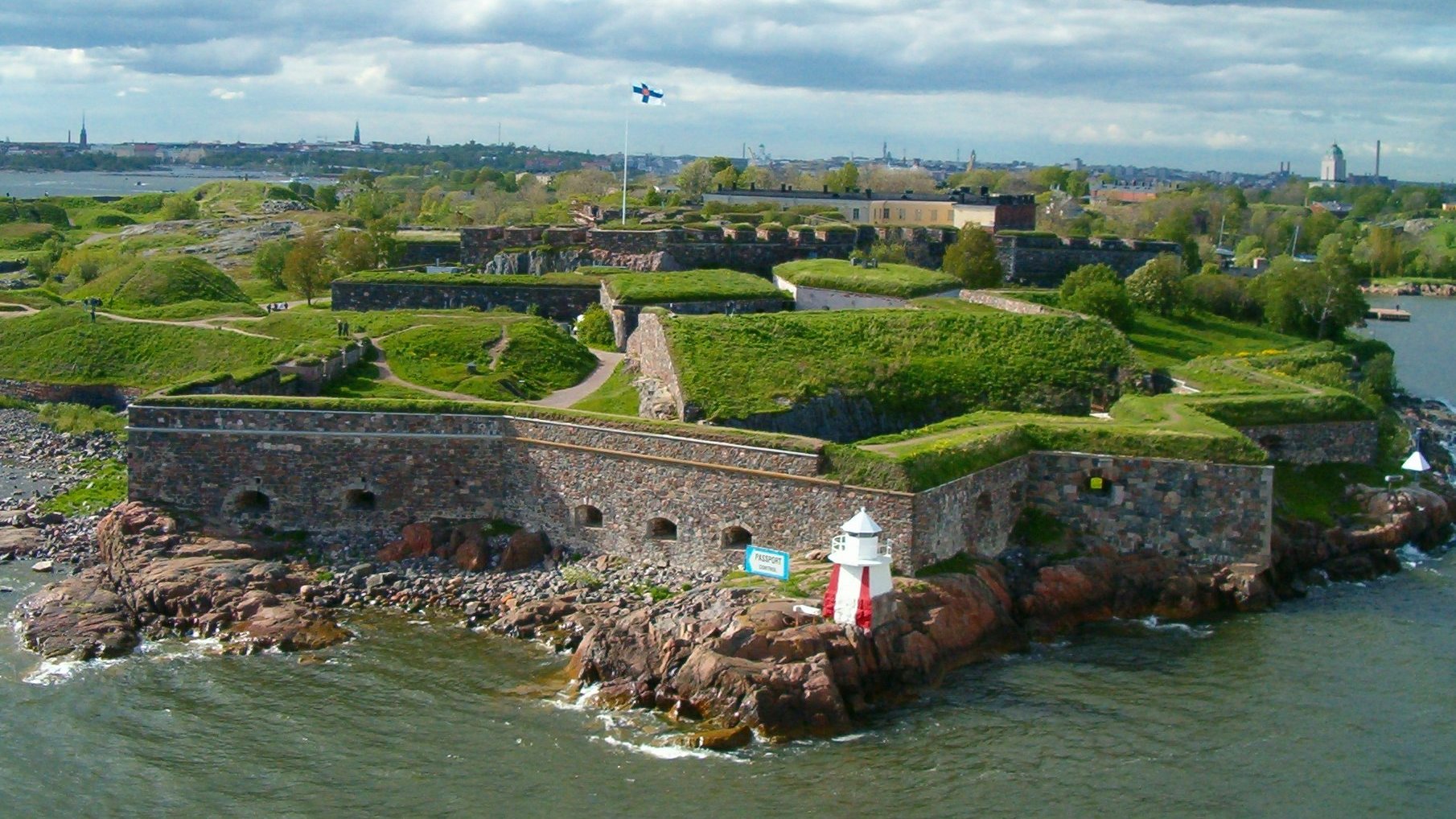
Why Helsinki is Perfect for Your Celebration
- Unique island and waterfront venues accessible by private boat in the Helsinki archipelago
- Exceptional summer daylight — up to 19 hours of light in June for extended outdoor celebrations
- World-class Scandinavian design aesthetic naturally elevates event décor and styling
- Highly efficient, English-speaking hospitality and vendor ecosystem with strong event management culture
- Helsinki-Vantaa Airport offers direct connections to over 150 destinations, easing international guest travel
- Compact city centre means guests can walk or take short transfers between accommodation, venues, and attractions

Top Venues in Helsinki
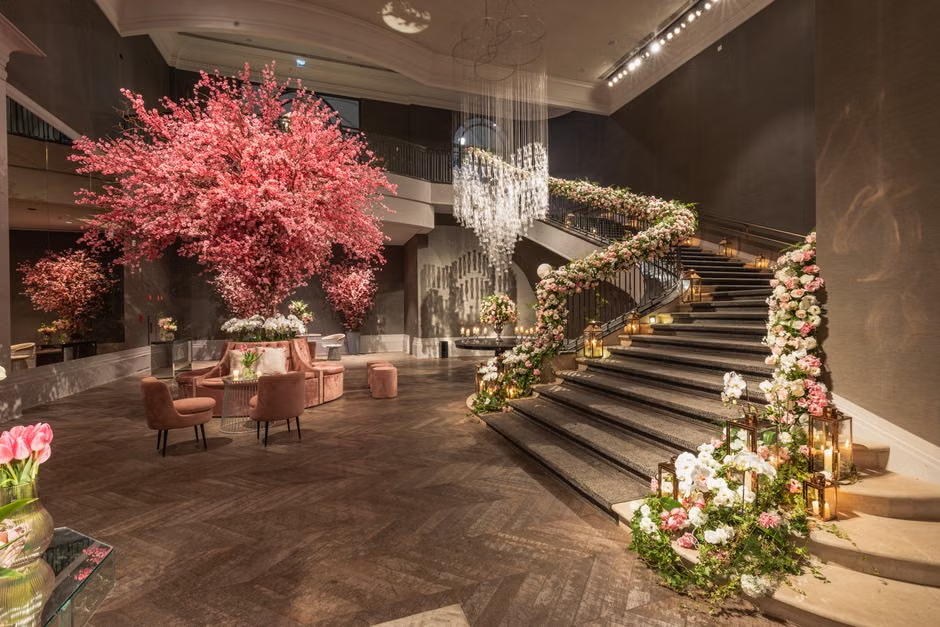
Hotel Kämp
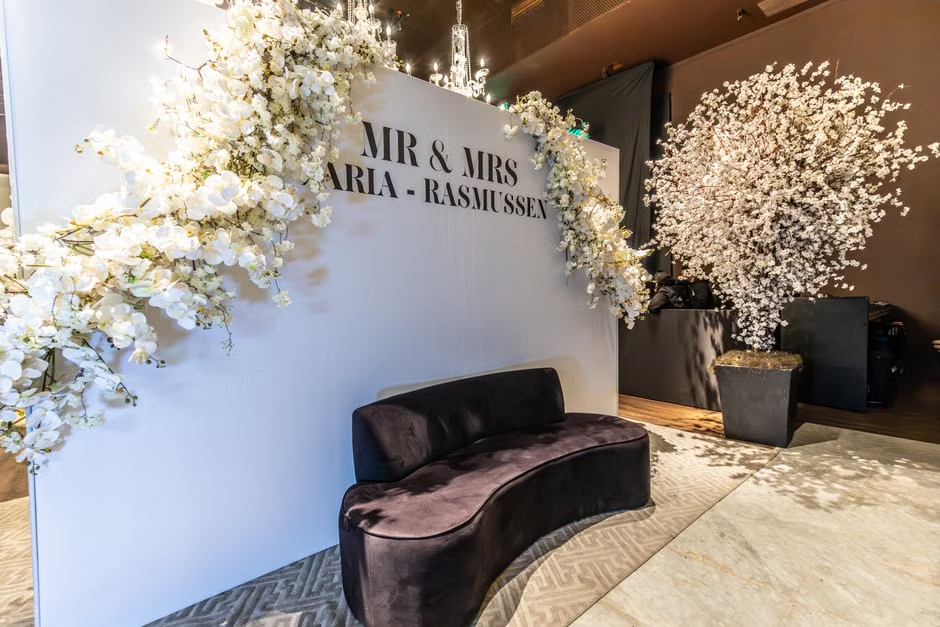
Hilton Helsinki Airport
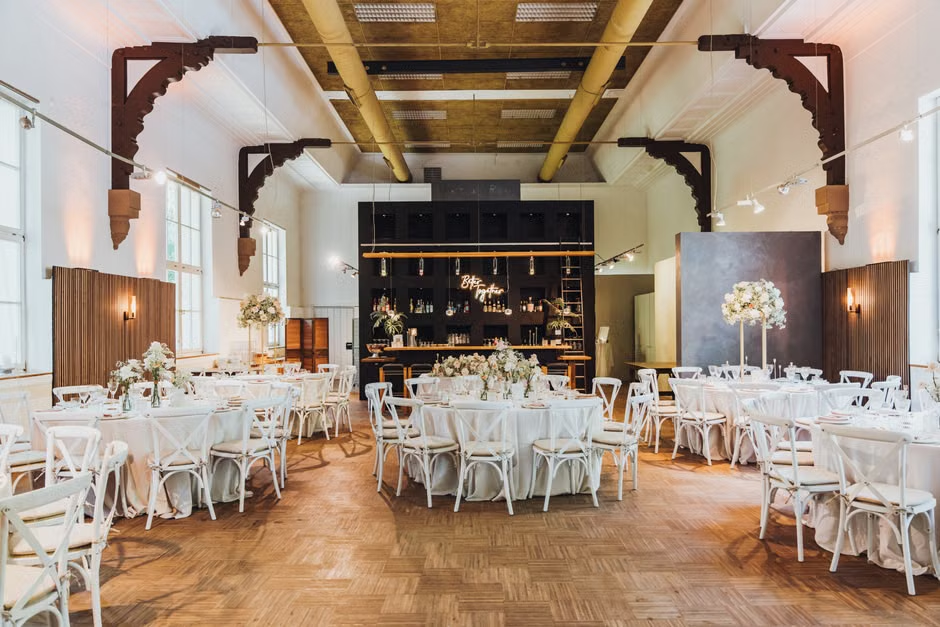
Marski by Scandic
Radisson Blu Royal Hotel Helsinki
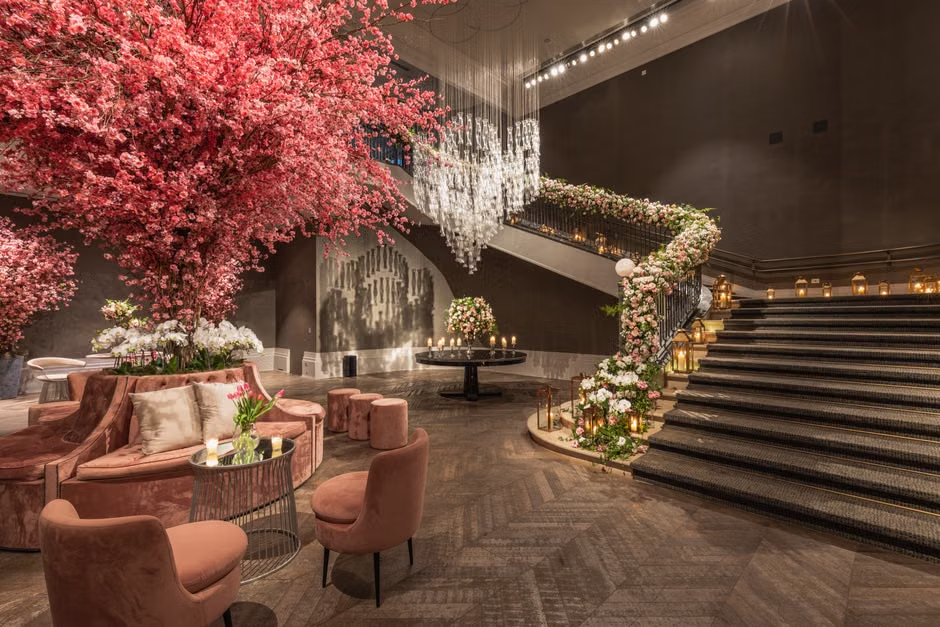
Scandic Grand Central Helsinki
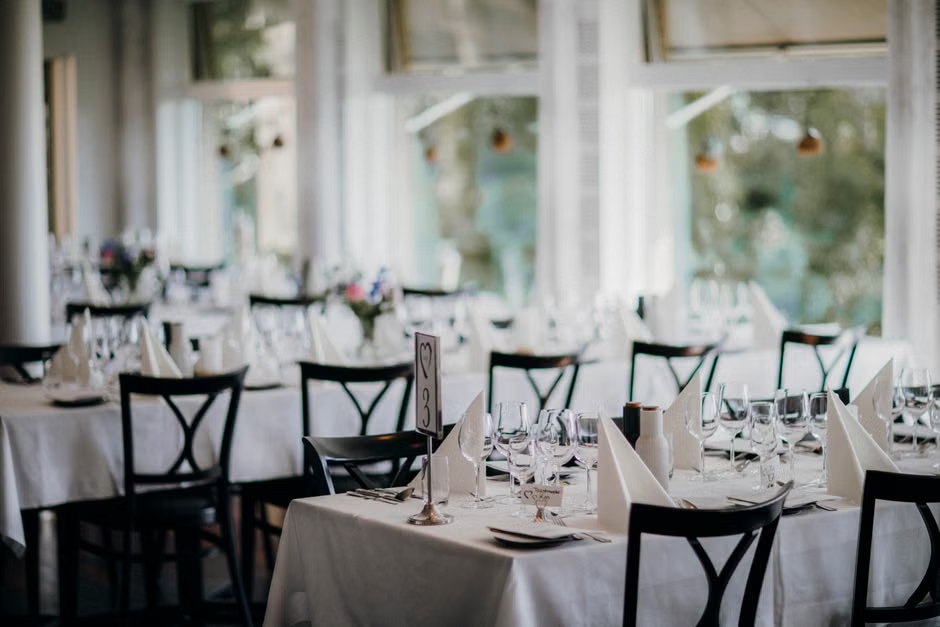
Scandic Paasi
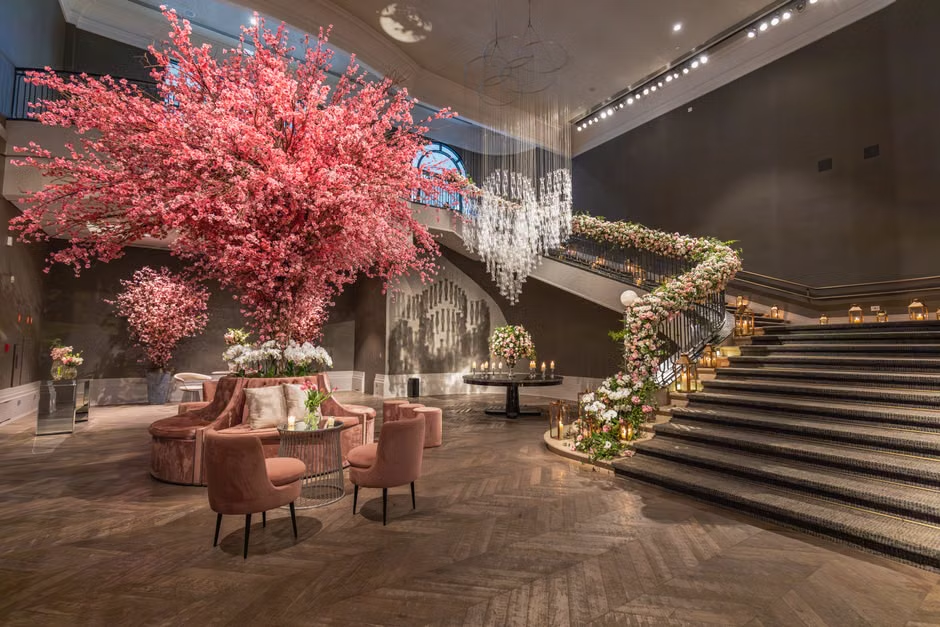
Original Sokos Hotel Presidentti
Scandic Simonkenttä
Compare Helsinki with Other Top Destinations
Frequently Asked Questions
Is Helsinki a good destination for a wedding?
Yes, particularly for intimate-to-mid-scale weddings where a distinctive Nordic aesthetic is the priority. Helsinki's combination of island venues, waterfront settings, neoclassical architecture, and exceptional summer daylight creates a genuinely memorable backdrop. The city's organised, English-speaking vendor ecosystem makes coordination straightforward for international couples. It suits couples prioritising design, exclusivity, and a non-traditional European setting over large-scale traditional formats.
What is the best time of year to hold an event in Helsinki?
June, July, and August are strongly preferred. This window offers mild temperatures (typically 15–25°C), up to 19 hours of natural daylight in midsummer, and full access to outdoor and island venues. The rest of the year brings rapidly dropping temperatures, limited daylight, and winter conditions that make outdoor events impractical and add significant logistical complexity for guest groups.
How easy is it for international guests to reach Helsinki?
Generally straightforward. Helsinki-Vantaa Airport is a well-connected Northern European hub with direct flights from major European capitals, the Middle East, and several Asian cities. Most European guests arrive in under three hours on a direct flight. A direct rail link from the airport to the city centre takes approximately 30 minutes, making the arrival experience smooth for individual guests and groups alike.
What kinds of venues are available for events in Helsinki?
Helsinki offers a genuinely diverse range: full-service hotel ballrooms and banquet halls, private island and sea fortress venues accessible by boat, converted maritime warehouses along the waterfront, cultural and civic spaces such as concert halls and museum buildings, and outdoor rooftop terraces and harbour-side lawns usable during summer. The island venue category is particularly distinctive and rarely available in other European capitals.
What guest group sizes can Helsinki venues realistically support?
Helsinki comfortably supports intimate gatherings of 20–50 guests through to mid-scale events of 300–500 guests across its hotel and standalone venue inventory. Very large events requiring 600 or more guests in a single integrated venue may find the local supply more constrained. For groups in the 100–400 range, the city's venue options are generally well-matched.
Is Helsinki suitable for corporate events and retreats?
Yes, it is particularly well-suited. Finland's culture of efficiency, reliability, and transparency translates directly into corporate event planning. The city offers well-equipped conference facilities within full-service hotels, strong AV and production vendor support, and a range of distinctive team-experience options — archipelago sailing, Nordic sauna culture, design-led workshops — that make corporate retreats here genuinely memorable rather than generic.
How does local transport work for event guest groups once they arrive?
Helsinki's compact city centre means many guests can walk between accommodation, venues, and restaurants. The public tram and metro network is reliable and easy to navigate in English. For coordinated group transfers, private coaches and minibuses are readily available. Island venue events are served by private boat charters and scheduled ferry services from the South Harbour, which local event operators manage routinely.
Do I need to worry about visa requirements for guests travelling to Helsinki?
Yes, for some guest groups. Finland is part of the Schengen Area, meaning guests from many South Asian, African, and certain other countries require a Schengen visa. For international events with guests from multiple countries, it is advisable to assess visa requirements early in the planning process and build sufficient lead time for applications, particularly for guests from countries where Schengen approval timelines can be longer.
What makes Helsinki's vendor and hospitality ecosystem suited to destination events?
Helsinki's event vendors — caterers, florists, AV suppliers, stylists, and photographers — are experienced, professional, and routinely work with international clients in English. The city's design culture produces a high baseline aesthetic standard. Local caterers offer distinctive Nordic cuisine using seasonal, locally sourced ingredients, alongside international menu options. Supplier reliability is generally high, reflecting Finland's broader culture of precision and accountability.
Are there unique experiences in Helsinki that can be incorporated into a wedding or event programme?
Yes, several are genuinely distinctive. Private archipelago island hire for ceremonies or dinners, traditional Finnish sauna experiences for guest groups, midnight sun boat cruises during midsummer, and design-led cultural tours through the Design District are all well-established event add-ons. These experiences are difficult to replicate in other European destinations and add strong memorability to a multi-day event programme.
How far in advance should I book venues and accommodation for a summer event in Helsinki?
Earlier than many planners expect. July in particular sees high tourist volumes alongside the event season, which tightens accommodation availability across the city centre. For events during peak summer, booking key venues and accommodation blocks 12–18 months in advance is advisable. Island venues and distinctive standalone spaces tend to have limited availability and are typically secured well ahead of the season.

Ready to explore venues in Helsinki?
Helsinki: Destination Wedding & Event Venues in Finland
◆Helsinki is best suited to intimate-to-mid-scale weddings, corporate retreats, brand events, and cultural festivals where a chic, design-forward Nordic aesthetic is the priority. The city's primary strength lies in its combination of waterfront and island venues, exceptional summer daylight, and a highly organised, English-speaking hospitality ecosystem. The viable event season is tightly concentrated in summer (June–August), when temperatures are mild and daylight extends well into the evening. Helsinki-Vantaa Airport provides strong international connectivity, making it accessible for European and international guests, though the destination sits at a premium cost tier relative to many Asian or Eastern European alternatives.
Helsinki at a Glance
| Category | Detail |
|---|---|
| Best For | Destination Weddings, Corporate Events, Brand Activations, Cultural Festivals |
| Primary Vibe | Chic & Cosmopolitan |
| Other Vibes | Nordic Minimalist, Waterfront, Design-Led |
| Best Season | Summer (Jun, Jul, Aug) |
Why Choose Helsinki?
- Archipelago and island venues: Helsinki's unique geography gives event planners access to private island settings reachable by short boat transfers — a genuinely rare venue category that creates memorable, exclusive celebrations.
- Extraordinary summer daylight: In June and July, Helsinki experiences up to 19 hours of natural light per day. Outdoor ceremonies, garden receptions, and rooftop events can run well into the evening without artificial lighting, creating a naturally luminous atmosphere.
- World-class design culture: As a global capital of Scandinavian design, Helsinki's venues, caterers, and event stylists operate at a high aesthetic standard. The city's Design District alone concentrates a dense cluster of creative professionals suited to bespoke event production.
- Efficient, English-speaking vendor ecosystem: Finland consistently ranks among the world's most organised and transparent business environments. Event vendors, caterers, AV suppliers, and venue managers routinely work in English, reducing coordination friction for international planners.
- Strong international air connectivity: Helsinki-Vantaa Airport serves as a significant hub for routes between Europe and Asia, with direct connections to over 150 destinations. Guests from most major European cities can reach Helsinki in under three hours.
- Compact, walkable city centre: Helsinki's central districts are navigable on foot or by short taxi/tram ride, meaning guests can move between accommodation, ceremony venues, and dinner locations without complex logistics or long transfers.
Which Celebrations Work Best in Helsinki?
- Destination Weddings: Helsinki suits couples seeking an intimate-to-mid-scale wedding with a strong visual identity — the combination of neoclassical architecture, waterfront settings, and Nordic design sensibility produces a distinctive aesthetic that photographs exceptionally well. Island venues in the archipelago are particularly suited to exclusive, private ceremonies.
- Corporate Retreats and Incentive Travel: Helsinki's reputation for efficiency, safety, and high-quality hospitality makes it a natural fit for corporate groups. The city offers well-equipped conference facilities within full-service hotels, alongside unique team-experience options such as archipelago sailing, sauna culture, and Nordic outdoor activities.
- Brand Activations and Product Launches: The city's design-forward culture and concentration of creative professionals make it a credible backdrop for brand events targeting European or global audiences. Venues in the Design District and along the waterfront offer strong visual contexts for branded content.
- Cultural Festivals and Private Celebrations: Helsinki's summer festival calendar is well-established, and the city's infrastructure comfortably supports mid-scale private festivals, milestone celebrations, and cultural gatherings during the summer months when outdoor spaces are fully usable.
Venues & Event Spaces
Helsinki's event venue landscape is diverse across several distinct categories. The city's full-service luxury and upper-upscale hotels provide integrated ballroom and banquet facilities capable of hosting seated dinners and receptions for groups ranging from small and intimate to several hundred guests. These properties typically offer in-house catering, AV infrastructure, and dedicated event coordination teams.
Beyond hotel ballrooms, Helsinki offers a genuinely distinctive category of island and waterfront venues — historic sea fortresses, converted maritime warehouses, and private island estates accessible by short ferry or private boat transfer from the city's South Harbour. These spaces are particularly sought after for exclusive weddings and private celebrations where a unique, non-hotel setting is the priority.
The city also has a strong supply of cultural and civic venues — concert halls, museum spaces, and historic public buildings that can be privately hired for gala dinners, award ceremonies, and large receptions. These spaces carry significant architectural character and are well-suited to events where the venue itself is part of the experience.
For outdoor events, rooftop terraces, harbour-side lawns, and park settings become viable during the summer months, with the long daylight hours extending the usable window for outdoor programming well beyond what most other European cities can offer at the same latitude.
Best Time to Celebrate
The curated best season for Helsinki events is Summer: June, July, and August. This window is strongly preferred for several concrete reasons beyond simply "pleasant weather."
June and July offer the longest daylight hours — Helsinki sits at roughly 60° North latitude, meaning midsummer days see sunrise before 4am and sunset after 10pm. This creates an extended natural-light window that is genuinely transformative for outdoor ceremonies, garden receptions, and waterfront dinners. Temperatures in this period typically range from 15°C to 25°C, occasionally reaching the high 20s — warm enough for outdoor events without the heat stress common in southern European summer destinations.
August remains a strong month, with slightly shorter days but generally stable weather and the added advantage of lower visitor volumes compared to peak July, which can ease accommodation availability and venue booking.
Why other seasons are less suitable: September and October see temperatures drop rapidly (often below 10°C by October), frequent rain, and diminishing daylight — outdoor events become unreliable and the atmospheric quality of the summer setting is largely lost. November through March brings genuine Nordic winter conditions: temperatures regularly below freezing, heavy snowfall, and daylight windows as short as six hours in December. While Helsinki does have a certain dramatic winter aesthetic, the logistical challenges for large guest groups — icy conditions, limited outdoor usability, heating requirements — make it a poor fit for most event types. April and May are transitional months with unpredictable cold snaps and limited outdoor viability, though indoor events remain feasible.
Getting There & Local Connectivity
Helsinki-Vantaa Airport is the primary international gateway, located approximately 18 km north of the city centre. It is one of Northern Europe's better-connected hub airports, with direct services from major European capitals, the Middle East, and several Asian cities. For most European guests, Helsinki is reachable in a single direct flight of under three hours. Guests travelling from South or Southeast Asia typically have one-stop options via major Middle Eastern or European hubs.
A direct rail link connects the airport to Helsinki Central Railway Station in approximately 30 minutes, making the transfer straightforward and cost-effective for individual guests. For larger groups, private coach transfers from the airport to city-centre hotels are readily available and efficiently organised.
Within the city, Helsinki's public transport network — trams, metro, buses, and the city's ferry services — is reliable, punctual, and easy to navigate in English. For event groups, private minibuses and coaches are widely available for coordinated transfers between accommodation, venues, and activities. The compact geography of the city centre means that many guests can walk between key locations, reducing dependence on organised transport for day-to-day movement.
For island venue events, private boat charters and scheduled ferry services from the South Harbour provide access to archipelago locations. These transfers are well-established and routinely managed by local event operators.
Local Vendor & Hospitality Ecosystem
Helsinki's event vendor ecosystem is mature, professional, and well-accustomed to international clients. Finland's broader culture of precision and reliability translates directly into event planning: timelines are generally adhered to, supplier commitments are honoured, and communication with international planners is conducted smoothly in English.
The city has a well-developed supply of specialist event caterers, many of whom work with Nordic and Scandinavian cuisine as a distinctive offering — locally sourced ingredients, clean presentation, and a strong emphasis on seasonal produce. International cuisine options are also readily available through experienced catering companies familiar with diverse dietary requirements.
Floral design, AV production, lighting, and event styling are all available at a high standard, with a concentration of creative professionals in the Design District who bring a distinctly Nordic aesthetic sensibility to event production. Wedding photography and videography professionals in Helsinki are generally experienced with the specific challenges and opportunities of long summer daylight, including the soft golden-hour light that persists for extended periods around midsummer.
Accommodation capacity across the city centre is sufficient for mid-scale groups, with a range of full-service hotels within walking distance of major event venues. For very large groups (several hundred guests requiring accommodation), a degree of advance planning is advisable, particularly during peak summer months when the city also hosts its own festival and tourism season.
Pros & Things to Consider
Why Helsinki Works Well
- Genuinely unique island and waterfront venue options unavailable in most other European capitals
- Up to 19 hours of natural daylight in midsummer — a transformative advantage for outdoor events
- Highly organised, English-speaking vendor and hospitality ecosystem with low coordination friction
- Strong international air connectivity via Helsinki-Vantaa Airport, with direct routes from across Europe and beyond
- Very safe destination with consistently high rankings for personal safety and low crime
- Compact city centre makes guest logistics straightforward and reduces transfer complexity
- Distinctive Nordic design aesthetic elevates event styling without requiring heavy external decoration
Things to Consider
- Narrow viable season: The event-suitable window is genuinely limited to three months (June–August). Planning outside this window introduces significant weather risk and logistical challenges that are difficult to mitigate.
- Premium cost tier: Helsinki operates at a higher general cost level than many competing European or Asian destination event cities. Accommodation, catering, and venue hire reflect Scandinavian pricing norms.
- Limited scale for very large events: Helsinki's venue inventory comfortably supports intimate-to-mid-scale events, but very large celebrations (500+ guests requiring a single integrated venue) may find the local supply more constrained than in larger metropolitan event destinations.
- Peak summer accommodation pressure: July in particular sees high tourist volumes alongside the event season, which can tighten accommodation availability and require earlier booking lead times than planners accustomed to other destinations might expect.
- Visa requirements: Finland is part of the Schengen Area. Guests from many South Asian, African, and some Asian countries require a Schengen visa, which adds a planning and logistics layer for international guest groups.
When Helsinki May Not Be the Right Fit
- Large-scale outdoor events outside summer: If your event requires outdoor spaces for a significant portion of the programme and cannot be scheduled in June–August, Helsinki's climate makes this genuinely impractical for most of the year.
- Very large guest lists requiring a single integrated venue: Groups of 600 or more guests expecting a single property to accommodate both the event and all guest accommodation may find Helsinki's venue inventory less suited than larger-scale event destinations with purpose-built convention resort complexes.
- Guest groups with complex Schengen visa requirements: If a significant proportion of your guest list faces Schengen visa applications — particularly on short planning timelines — the administrative burden may make a non-Schengen destination more practical.
- Planners seeking a warm-weather winter escape: Helsinki offers no viable warm-weather alternative during the winter months. If the brief includes a sun-and-warmth experience for guests escaping cold home climates, this destination cannot deliver that outside its narrow summer window.