
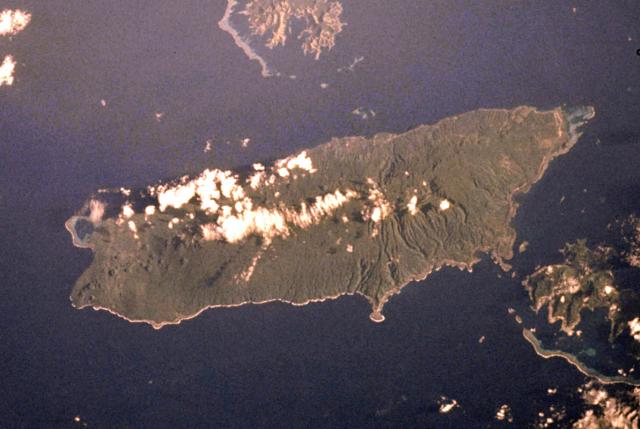
Why Taveuni is Perfect for Your Celebration
- Extraordinary natural scenery — waterfalls, rainforest canopy, and world-class dive sites as a living backdrop
- Genuine seclusion and privacy; the island's small scale means your group effectively has the destination to itself
- Warm, deeply personal Fijian hospitality rooted in traditional village culture
- Dry season (May–Oct) delivers reliably clear skies and calm seas for outdoor ceremonies and water activities
- Boutique eco-resorts offer all-inclusive, fully managed event packages suited to intimate gatherings
- Unique post-celebration experiences — diving the Rainbow Reef, hiking to Bouma Falls — built naturally into the itinerary

Top Venues in Taveuni
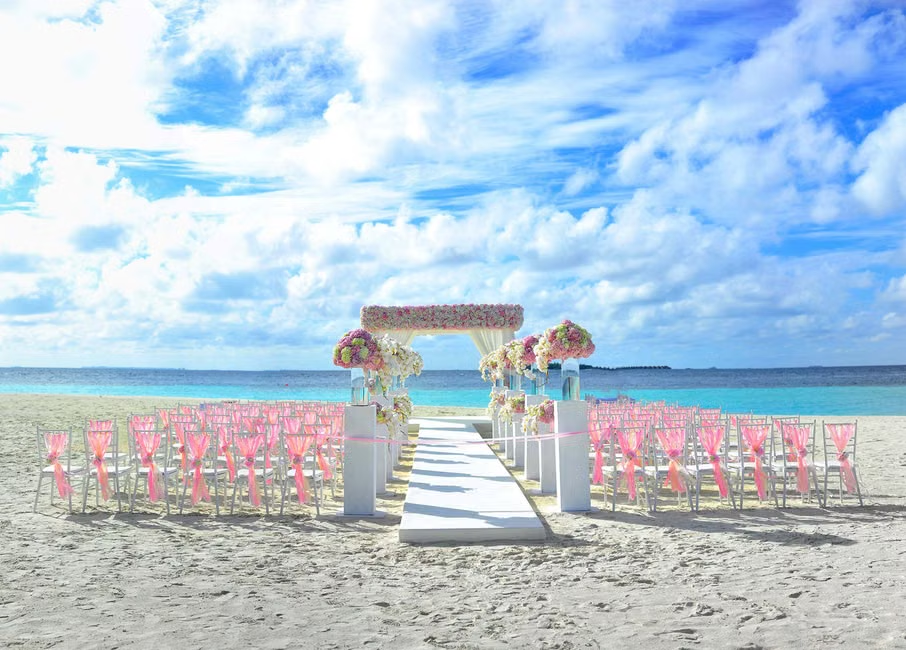
Taveuni Island Resort & Spa
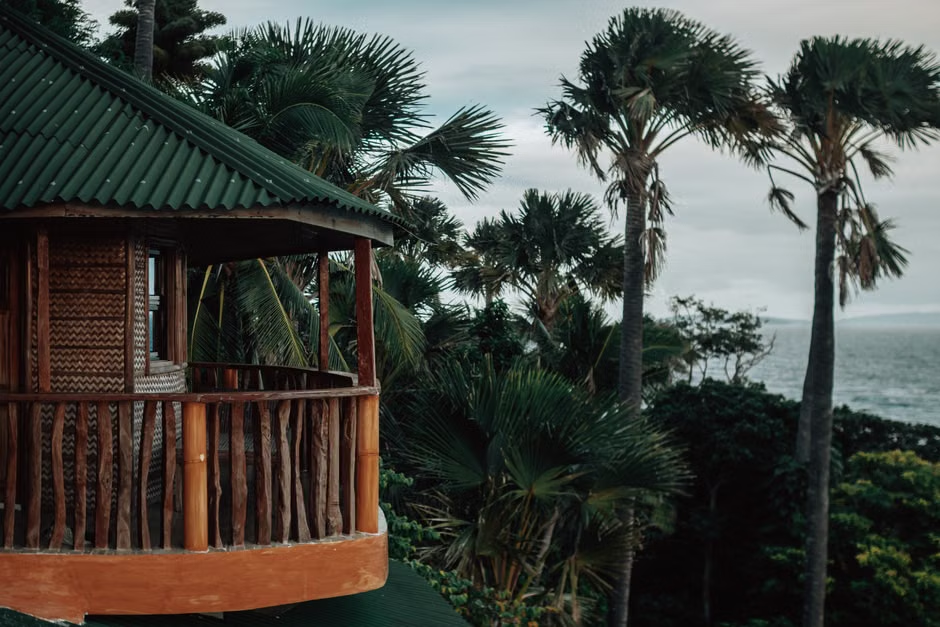
Maravu Taveuni Lodge
Compare Taveuni with Other Top Destinations
Frequently Asked Questions
Is Taveuni a good destination for a small wedding?
Yes. Taveuni is particularly well-suited to intimate weddings, typically for groups under 40–60 guests. Its boutique eco-resorts can accommodate the full guest group within a single property, and the island's rainforest, waterfall, and beachfront settings provide a genuinely extraordinary natural ceremony backdrop. The all-inclusive nature of island resort event packages also simplifies planning considerably.
How many guests can Taveuni realistically accommodate for a celebration?
Practically, Taveuni works best for celebrations of up to around 40–60 guests. The island's boutique resorts have limited total room inventory, and no single property has large ballroom or banquet hall capacity. Groups larger than this will find it difficult to keep guests cohesively accommodated and may exceed the comfortable capacity of available event spaces.
How do guests get to Taveuni?
Guests fly into Nadi International Airport — Fiji's main international gateway — and then take a domestic connecting flight to Matei Airport (TVU) on Taveuni, operated by Fiji Link. The domestic leg takes roughly 45–60 minutes. An alternative is a ferry crossing from Buca Bay on Vanua Levu, though this takes several hours and is weather-dependent. Building buffer days around the event is strongly advisable.
What is the best time of year to hold an event on Taveuni?
The dry season — May through October — is the strongly recommended window. Rainfall is significantly reduced, sea conditions are calmer for guest arrivals and boat excursions, and underwater visibility on the Rainbow Reef is at its best. July and August are the most reliably clear months. The wet season (November–April) brings sustained rainfall and cyclone risk that makes outdoor events genuinely unreliable.
What kinds of venues are available for events on Taveuni?
Taveuni's event spaces are defined by boutique eco-resorts rather than large hotels or dedicated banquet halls. Typical options include tropical garden lawns, beachfront and clifftop ceremony platforms, open-air bure (traditional Fijian thatched) dining pavilions, and private villa compounds. The island does not have large-scale ballrooms or convention facilities — its venue character is inherently intimate and nature-integrated.
Can guests move around easily once they arrive on Taveuni?
For groups staying at a single boutique resort, movement is straightforward — resorts handle transfers and most activities are on-property or nearby. The island has one main coastal road. However, taxi and hire-car availability is limited, and there is no formal public transport network suited to coordinating large groups across multiple locations. Advance planning with resort management is essential for any off-property group movement.
What makes Taveuni's hospitality ecosystem well-suited to destination celebrations?
Taveuni's established resorts have developed integrated event capabilities — ceremony coordination, locally sourced tropical florals (including the island's unique tagimoucia flower), fresh seafood catering, and connections to Fijian cultural performers for kava ceremonies and meke. For small events, this resort-integrated model is efficient and produces a genuinely personal result. The limitation is that large-scale external vendor coordination is logistically complex on the island.
Is Taveuni suitable for a honeymoon or post-wedding retreat?
Yes, strongly so. Taveuni's luxury eco-resort tier is specifically designed around romantic seclusion — private villas, personal service, and direct access to rainforest and reef. The island's unhurried pace, extraordinary natural environment, and warm Fijian hospitality make it one of the South Pacific's most compelling honeymoon destinations, particularly for couples who value nature and privacy over large-resort amenities.
What unique cultural experiences can be incorporated into a Taveuni celebration?
Traditional Fijian cultural elements are genuinely accessible on Taveuni — kava (yaqona) ceremonies, meke performances (traditional Fijian song and dance), and visits to local villages can all be arranged through island resorts. These are not staged tourist productions but authentic community engagements, and they add a cultural depth to celebrations that distinguishes Taveuni from more commercialised Fijian resort destinations.
What should planners know about internet and communication connectivity on Taveuni?
Connectivity on Taveuni is limited compared to Fiji's main islands. Mobile coverage exists but is patchy, and internet speeds at resorts, while generally functional, are not comparable to urban or large-resort standards. Planners coordinating an event from the island should not rely on consistent high-speed connectivity and should complete as much remote coordination as possible before arrival.
Is Taveuni a safe destination for international guests?
Yes. Taveuni is generally considered very safe. Fiji as a whole has a strong reputation for welcoming international visitors, and Taveuni's small, community-oriented island character reinforces this. The primary safety considerations are environmental — sea conditions during the wet season and the remote nature of the island's terrain — rather than personal security concerns.

Ready to explore venues in Taveuni?
Taveuni: Destination Wedding & Celebration Venues in Fiji's Garden Island
◆Taveuni is Fiji's third-largest island and one of the South Pacific's most biodiverse destinations, best suited to small, intimate weddings, elopements, honeymoons, and milestone birthday celebrations for groups typically under 60 guests. Its primary character is nature and wilderness — dense rainforest, dramatic waterfalls, and the world-renowned Rainbow Reef — rather than large-scale resort infrastructure. The dry season (May through October) is the reliable window for events, offering calmer seas and lower rainfall. Reaching Taveuni requires connecting flights through Nadi or Suva, making it a committed journey; guests who make the trip, however, find an exceptionally private and genuinely unspoiled island experience.
Taveuni at a Glance
| Category | Detail |
|---|---|
| Best For | Intimate Weddings, Elopements, Honeymoons, Milestone Birthdays |
| Primary Vibe | Nature & Wilderness |
| Other Vibes | Romantic, Secluded, Eco-Conscious, Cultural |
| Best Season | Dry Season (May, Jun, Jul, Aug, Sep, Oct) |
Why Choose Taveuni?
- Extraordinary natural scenery as a living venue: Taveuni's Bouma National Heritage Park, with its tiered Tavoro Waterfalls and ancient rainforest canopy, provides a ceremony backdrop that no constructed venue can replicate. The island sits on the 180th meridian — the International Date Line — adding a genuinely unique geographic distinction to any celebration held here.
- World-class marine environment: The Somosomo Strait, separating Taveuni from Vanua Levu, contains the Rainbow Reef — consistently rated among the top soft-coral dive sites on the planet. Post-celebration snorkelling, diving, and boat excursions are built naturally into any event itinerary.
- Genuine seclusion and privacy: Taveuni receives a fraction of the visitor numbers that Viti Levu's main resort belt does. A small group booking into one of the island's boutique resorts can realistically have the property — and much of the surrounding landscape — largely to themselves.
- Authentic Fijian cultural immersion: Traditional village visits, kava ceremonies, and meke (Fijian dance and song) performances are accessible directly from island resorts, giving celebrations a cultural depth that larger, more commercialised Fijian destinations sometimes lack.
- Boutique, all-inclusive event management: Taveuni's resorts are small by design and experienced in managing the full arc of a destination celebration — from ceremony setup on a garden lawn or beachfront to catering, florals, and local vendor coordination — within a single property.
- Dry season reliability: May through October brings measurably lower rainfall, calmer Coral Sea conditions, and excellent underwater visibility, making outdoor ceremonies and water-based activities genuinely plannable rather than weather-dependent gambles.
Which Celebrations Work Best in Taveuni?
- Intimate destination weddings: Taveuni is particularly well-suited to couples who want a small, deeply personal ceremony — typically under 40 guests — in a setting of genuine natural grandeur. The island's boutique resorts can accommodate the full guest group, keeping the celebration cohesive and private across multiple days.
- Elopements and micro-weddings: For couples travelling with just a handful of witnesses, Taveuni offers an unmatched combination of dramatic scenery, warm local support, and the kind of solitude that larger Fijian resort islands simply cannot provide.
- Honeymoons and post-wedding retreats: The island's luxury eco-resort tier is specifically designed around romantic seclusion — private villas, personal butler service, and direct access to reef and rainforest make it a natural honeymoon destination.
- Milestone birthday celebrations: A significant birthday — 30th, 40th, 50th — celebrated on Taveuni becomes a genuine adventure for a close-knit group, combining the formality of a celebration dinner with days of diving, hiking, and cultural experiences that a city venue simply cannot offer.
- Wellness and yoga retreats with a celebratory element: Taveuni's eco-resort infrastructure, rainforest setting, and unhurried pace make it a natural fit for wellness-focused group retreats that incorporate a birthday, anniversary, or personal milestone as their centrepiece.
Venues & Event Spaces
Taveuni's event venue landscape is defined by boutique eco-resorts and small island lodges rather than large convention-style hotels or dedicated banquet halls. Typical event spaces include:
- Garden and lawn ceremony spaces: Most island resorts maintain manicured tropical gardens — often framed by coconut palms, flowering hibiscus, and ocean views — that serve as natural outdoor ceremony settings requiring minimal decoration.
- Beachfront and clifftop platforms: Several properties offer direct beach access or elevated clifftop terraces overlooking the Somosomo Strait, providing dramatic sunset ceremony locations.
- Open-air dining pavilions: Taveuni's resorts typically feature open-sided bure (traditional Fijian thatched structures) or pavilion dining areas that transition naturally from ceremony to reception, accommodating small to medium intimate groups.
- Private villa compounds: The island's top-tier properties include self-contained villa compounds with private pools, outdoor living areas, and dedicated staff — effectively functioning as a private event venue for the group occupying them.
- Natural landscape venues: With appropriate planning and local permissions, celebrations can be staged at natural sites — waterfall clearings, forest edges, or secluded coves — for couples seeking a truly unconventional setting.
It is important to note that Taveuni does not have large-scale ballrooms, convention centres, or banquet halls capable of hosting events above approximately 80–100 guests. The island's venue character is inherently intimate and nature-integrated.
Best Time to Celebrate
The dry season — May through October — is the strongly preferred window for events on Taveuni, and for concrete reasons beyond simply "better weather."
- Rainfall patterns: Taveuni is one of Fiji's wettest islands year-round due to its mountainous interior and position relative to the trade winds. During the dry season, rainfall is significantly reduced and tends to fall in short, overnight bursts rather than sustained daytime downpours — making outdoor ceremonies genuinely plannable.
- Sea conditions: The Somosomo Strait can be rough during the wet season, affecting ferry crossings from Vanua Levu and boat excursions to dive sites. Dry season brings calmer, more predictable sea states, which matters both for guest arrival logistics and for water-based celebration activities.
- Underwater visibility: The Rainbow Reef's famous soft corals are best experienced during the dry season, when reduced river runoff keeps the water clear — a meaningful consideration if reef snorkelling or diving is part of the celebration programme.
- Cyclone risk: Fiji's cyclone season runs roughly November through April. While Taveuni is not the most cyclone-exposed part of Fiji, the risk of a severe weather event disrupting travel and outdoor events during this period is real and should not be discounted for event planning purposes.
- July and August represent the peak of the dry season — the most reliable months for clear skies — though they also attract the highest visitor interest across Fiji generally, so early booking of island resort accommodation is advisable.
Getting There & Local Connectivity
Taveuni is served by Matei Airport (TVU), a small domestic airstrip located in the island's northern area, approximately 8 km from the main settlement of Waiyevo. Domestic flights connect Matei to Nadi International Airport (the main international gateway for Fiji) and to Suva's Nausori Airport, with flight times of roughly 45–60 minutes. International guests will therefore typically face a two-leg journey: an international flight into Nadi, followed by a domestic connection to Matei.
- Flight frequency: Domestic services to Matei are operated by Fiji Link (Fiji Airways' domestic arm) and are not high-frequency — typically a small number of services per day, with schedules that can be affected by weather. Groups should build buffer time into arrival and departure plans.
- Ferry alternative: A passenger and vehicle ferry operates between Buca Bay on Vanua Levu and Taveuni, offering a slower but scenic alternative for guests already on Vanua Levu. Journey times are several hours and sea conditions vary seasonally.
- Local transport on the island: Taveuni has a single main road running along its western and northern coast. Local transport options include resort transfers, hired vehicles, and local minibuses. For a group staying at a single boutique resort, the resort's own transfer service typically handles all movement needs. There is no public bus network suited to coordinating large group logistics.
- Inter-resort movement: If a guest group is spread across multiple properties, coordinating movement for a shared event requires advance planning with each resort's management, as taxi and hire-car availability is limited compared to larger Fijian islands.
Local Vendor & Hospitality Ecosystem
Taveuni's vendor ecosystem is small, specialist, and closely tied to its boutique resort community. This has both strengths and genuine limitations worth understanding before planning an event here.
- Resort-integrated event services: The island's established resorts have developed in-house or closely partnered event capabilities — ceremony coordination, tropical florals sourced from the island's own extraordinary plant life, local catering using fresh seafood and garden produce, and connections to Fijian cultural performers. For small events, this integrated model works well.
- Local florals and natural décor: Taveuni's biodiversity — it is home to the tagimoucia flower, Fiji's national flower, found only on the island — means that natural, locally sourced floral decoration is genuinely exceptional and distinctive.
- Catering: Fresh seafood, tropical fruit, and root vegetables are abundant and of high quality. Resorts typically manage catering in-house; importing specialist external caterers from Viti Levu is logistically complex and adds cost and coordination burden.
- Photography and videography: Destination wedding photographers familiar with Fiji's island environments do travel to Taveuni, but advance booking is essential — local resident photographers with professional event experience are limited in number.
- Limitations: Large-scale event production — elaborate lighting rigs, large sound systems, extensive imported décor — is difficult to execute on Taveuni due to logistics, import complexity, and the island's infrastructure. Events that require this level of production are better suited to larger Fijian resort destinations.
Pros & Things to Consider
Why Taveuni Works Well
- Unmatched natural scenery — rainforest, waterfalls, and coral reef — as a genuine event backdrop
- Exceptional privacy and seclusion; small guest groups can feel they have the island to themselves
- Authentic Fijian cultural experiences (kava ceremonies, meke performances, village visits) integrated naturally into the celebration
- Boutique resorts with experienced, personally attentive staff who manage the full event arc
- Dry season (May–Oct) delivers reliable outdoor event conditions
- Locally sourced florals, seafood, and produce of genuinely high quality
- The island's small scale means minimal logistical complexity once guests have arrived
Things to Consider
- Getting to Taveuni requires multiple flight connections; this is a significant commitment for guests travelling internationally or from distant parts of Fiji
- Domestic flight schedules to Matei Airport are limited and weather-sensitive — buffer days around the event are strongly advisable
- Total accommodation capacity on the island is small; events above approximately 40–60 guests will struggle to find cohesive accommodation within a single property or even across the island's full inventory
- Large-scale event production (elaborate AV, imported décor, external specialist vendors) is logistically difficult and expensive to execute here
- Internet and mobile connectivity on the island is limited — guests and planners should not rely on consistent high-speed connectivity for event coordination during the stay
- The wet season (November–April) brings genuine cyclone risk and sustained rainfall that makes outdoor events unreliable
When Taveuni May Not Be the Right Fit
- Large guest lists: If your celebration involves more than 60–80 guests, Taveuni's boutique accommodation and venue inventory will struggle to accommodate the group cohesively. A larger Fijian resort island or a destination with greater hotel density would serve the scale better.
- Guests with limited travel flexibility: The multi-leg journey to Taveuni — international flight to Nadi, then a domestic connection — is a meaningful commitment. If a significant portion of your guest list has limited travel flexibility, mobility considerations, or tight schedules, the logistics of reaching Taveuni may create friction that a more accessible destination would avoid.
- Wet season event dates: Planning an outdoor celebration between November and April carries real risk of sustained rainfall, rough sea crossings, and potential cyclone disruption. If your dates fall in this window, a destination with a more forgiving wet season would be a more reliable choice.
- Events requiring large-scale production: Celebrations that depend on elaborate staging, large sound and lighting rigs, or a wide roster of specialist external vendors will find Taveuni's infrastructure limiting. The island is optimised for intimate, nature-integrated events, not high-production-value large-format celebrations.