
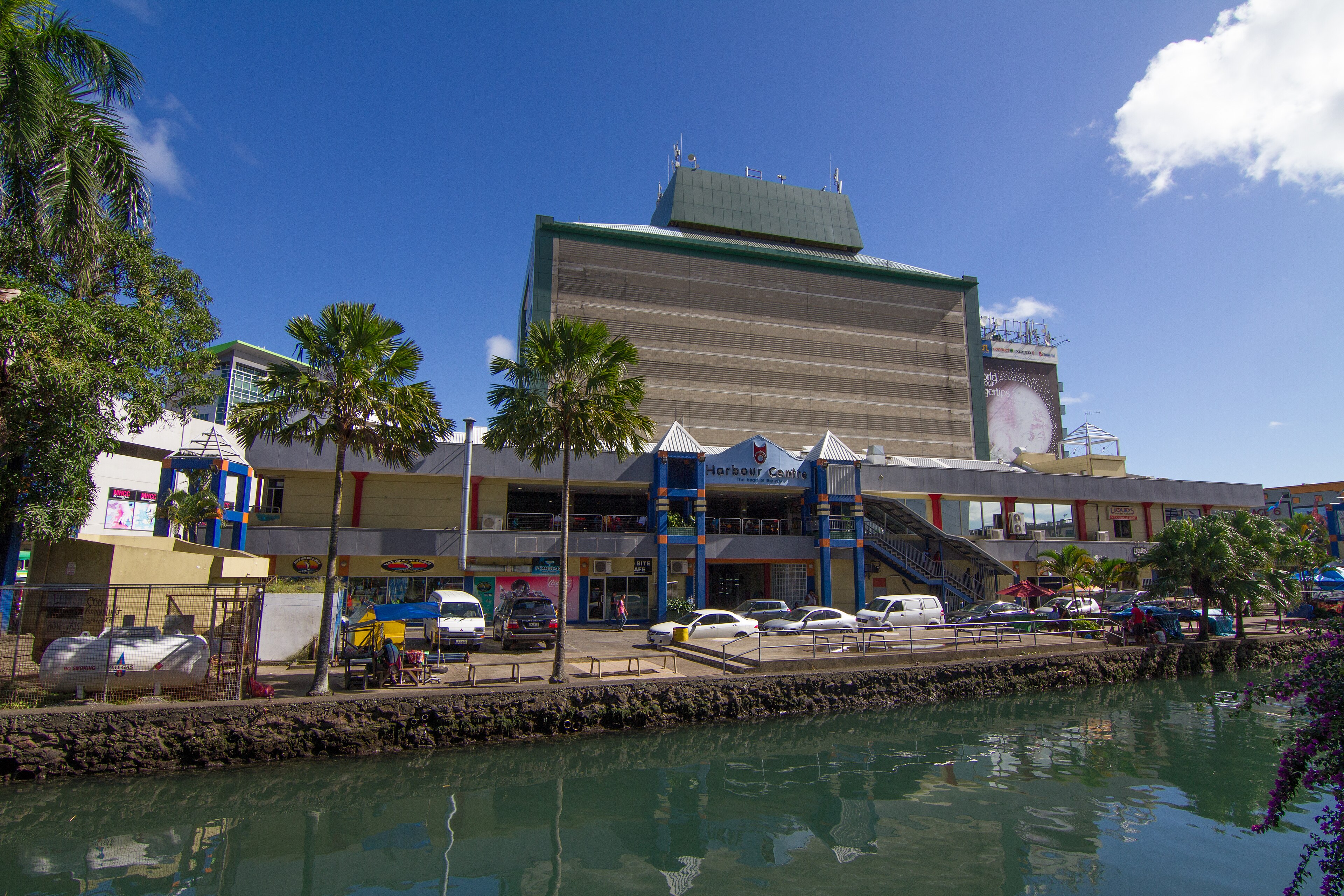
Why Suva is Perfect for Your Celebration
- Genuine South Pacific island capital atmosphere with cosmopolitan hospitality infrastructure
- Waterfront and tropical garden settings unique to Fiji's main city
- Dry season (May–Oct) offers reliably lower rainfall for outdoor celebrations
- Cultural diversity — Fijian, Indo-Fijian, and international influences — enriches event catering and entertainment
- Nausori International Airport provides direct regional access from Australia, New Zealand, and Pacific hubs
- Established local vendor ecosystem for catering, florals, and event production suited to mid-to-large events
Compare Suva with Other Top Destinations
Frequently Asked Questions
Is Suva a good destination for a wedding?
Yes, particularly for couples who want a genuine Pacific island capital setting rather than a purely resort-based experience. Suva suits intimate-to-medium-scale weddings (roughly 50–300 guests) where cultural authenticity, heritage venues, and a cosmopolitan tropical atmosphere matter. It is less suited to very large weddings requiring multiple high-capacity outdoor spaces simultaneously.
What is the best time of year to hold an event in Suva?
The dry season — May through October — is the strongly recommended window. Rainfall is significantly lower, humidity is more manageable, and cyclone risk is minimal. June, July, and August are the most reliably dry months. The wet season (November–April) brings heavy rainfall and cyclone-season disruption that makes outdoor events genuinely risky.
How do international guests get to Suva?
Suva is served by Nausori International Airport, approximately 23 km from the city centre, with regional international connections from Auckland, Sydney, Brisbane, and other Pacific hubs. Guests from further afield — Europe, North America, Asia — will typically need a connecting flight through one of these hub cities, so travel coordination should account for multi-leg journeys.
What kinds of venues are available for events in Suva?
Suva offers heritage hotel ballrooms, colonial-era dining rooms, tropical garden lawns, waterfront terraces, and purpose-built banquet and conference facilities. The venue mix is well-suited to events in the 50–300 guest range. Very large events requiring multiple high-capacity spaces simultaneously may find the local inventory more limited than in purpose-built resort destinations.
How large a guest group can Suva realistically accommodate for a celebration?
Suva's venue inventory comfortably supports events in the 50–300 guest range across its established hotel and function properties. For events significantly above 300 guests — particularly those requiring large outdoor lawns or multiple simultaneous spaces — the local supply becomes more constrained, and planners should assess specific venue capacities carefully.
Is there good local transport for guests once they arrive in Suva?
Yes, within the city. Taxis are widely available and practical for smaller groups. For coordinated group movements — airport transfers, venue shuttles — minibus and coach hire through local operators is the most reliable approach. There is no rail service in Fiji; all ground transport is road-based, and city-centre traffic can affect transfer timing during peak hours.
What makes Suva's local vendor ecosystem suited to events?
As Fiji's capital, Suva has a more developed event vendor base than other Fijian cities, including experienced caterers spanning Fijian, Indian, and international cuisines, local floral and décor suppliers, traditional cultural performers, and event coordination professionals. For highly bespoke or very large productions, some specialist elements may need to be sourced from Australia or New Zealand.
Is Suva suitable for corporate retreats and conferences?
Yes. As Fiji's business and administrative capital, Suva has dedicated conference facilities, professional AV infrastructure, and experienced corporate catering within its established hotel properties. Its regional air connectivity and range of accommodation options make it practical for multi-day corporate programmes drawing attendees from across the Asia-Pacific region.
Does Suva's location in Fiji make it rainier than other Fijian destinations?
Yes. Suva sits on Fiji's windward (south-eastern) coast and receives considerably more rainfall than the western Coral Coast and Mamanuca resort areas — even during the dry season. The dry season (May–October) is still the best window for events, with meaningfully lower rainfall, but planners should be aware that Suva is inherently wetter than Fiji's western resort zones year-round.
What cultural experiences can be incorporated into a celebration in Suva?
Suva's multicultural character — Fijian, Indo-Fijian, Chinese, and international communities — offers genuine options for cultural programming. Traditional Fijian meke dance and kava ceremonies are available through local performers, Indo-Fijian music and cuisine can be authentically incorporated into event catering and entertainment, and the city's heritage architecture provides a distinctive visual backdrop.
Are there accommodation options for a large guest group attending an event in Suva?
Suva has a range of accommodation properties across multiple tiers, sufficient for guest groups in the 50–200 range staying within the city. For very large guest lists (300+), accommodation may need to be spread across multiple properties, which requires coordinated logistics. Planners should book accommodation well in advance, particularly during the dry-season peak months of June–August.

Ready to explore venues in Suva?
Suva: Destination Wedding & Corporate Event Venues in Fiji's Pacific Capital
◆Suva is Fiji's capital city and its most cosmopolitan event destination, best suited to weddings, corporate retreats, milestone celebrations, and cultural events that benefit from a genuine South Pacific island-city setting. Its primary vibe is chic and cosmopolitan — a blend of colonial heritage, Pacific island warmth, and modern hospitality infrastructure. The dry season (May through October) is the clear window for outdoor and semi-outdoor events, offering lower rainfall and more manageable humidity. International guests typically arrive via Nausori International Airport, with connections through Auckland, Sydney, Brisbane, or Nadi. Suva sits at a mid-range accessibility level for international guests and offers a modest but genuine selection of event-ready properties across multiple tiers.
Suva at a Glance
| Category | Detail |
|---|---|
| Best For | Weddings, Corporate Events, Milestone Celebrations, Cultural Gatherings |
| Primary Vibe | Chic & Cosmopolitan |
| Other Vibes | Tropical, Waterfront, Heritage, Culturally Diverse |
| Best Season | Dry Season (May, Jun, Jul, Aug, Sep, Oct) |
Why Choose Suva?
- Authentic Pacific capital character: Suva is not a resort enclave — it is a functioning, culturally layered city with genuine Fijian, Indo-Fijian, and international influences, giving events here a distinctive atmosphere that purpose-built resort destinations cannot replicate.
- Heritage waterfront setting: The Suva waterfront, anchored by colonial-era architecture and tropical gardens, provides a visually striking backdrop for ceremonies and receptions that is specific to this city and not easily found elsewhere in the Pacific.
- Established hospitality infrastructure: As Fiji's administrative and commercial capital, Suva has a more developed hospitality and event-services ecosystem than most other Fijian cities, including experienced caterers, event production companies, and floral suppliers familiar with multi-day celebrations.
- Cultural diversity in food and entertainment: The city's multicultural character means event catering can authentically span Fijian, Indian, Chinese, and international cuisines, and entertainment options range from traditional meke performances to contemporary Pacific music.
- Dry-season reliability: The May–October dry season delivers meaningfully lower rainfall and reduced cyclone risk compared to the wet season, making outdoor ceremonies and garden receptions genuinely viable during this window.
- Regional air access: Nausori International Airport connects Suva to major Australian, New Zealand, and Pacific hub cities, making it accessible for guest groups travelling from across the Asia-Pacific region without requiring an additional domestic transfer from Nadi for most itineraries.
Which Celebrations Work Best in Suva?
- Weddings: Suva suits couples seeking a genuine Pacific island capital setting rather than a purely resort-based experience. The combination of heritage venues, tropical gardens, and waterfront backdrops makes it particularly well-suited to intimate-to-medium-scale weddings where atmosphere and cultural authenticity matter as much as scale.
- Corporate retreats and conferences: As Fiji's business capital, Suva has the meeting rooms, AV infrastructure, and professional catering capacity to support corporate events, team retreats, and regional conferences. The city's connectivity and range of accommodation options make it practical for multi-day corporate programmes.
- Milestone celebrations (anniversaries, significant birthdays): The city's combination of distinctive venues, quality dining, and Pacific island scenery makes it a strong choice for milestone events where guests are travelling specifically for the occasion and want an experience that feels genuinely special and place-specific.
- Cultural and community gatherings: Suva's multicultural population and established community infrastructure make it a natural host for cultural festivals, diaspora gatherings, and events that draw on Fijian or Indo-Fijian heritage and tradition.
Venues & Event Spaces
Suva's event venue landscape is anchored by its heritage hotel properties, which offer grand ballrooms, colonial-era dining rooms, and tropical garden lawns suited to ceremonies and receptions. The city also has purpose-built banquet halls and function centres that can accommodate larger guest lists for receptions and corporate dinners. Waterfront terraces and open-air garden spaces are available at several properties, particularly well-suited to evening events during the dry season when rainfall is less likely to disrupt outdoor settings. For corporate events, dedicated conference facilities with modern AV equipment are available within the city's established hotel properties. Suva does not have the large-scale resort complexes found on Fiji's western coast, so events requiring very large outdoor lawns or multiple simultaneous large-capacity spaces may find the local inventory more limited than in purpose-built resort destinations. However, for events in the 50–300 guest range, the city's venue mix is generally adequate and, in terms of character and setting, genuinely distinctive.
Best Time to Celebrate
The dry season — May through October — is the strongly preferred window for events in Suva. During these months, rainfall is significantly lower than the wet season average, humidity is more manageable (though still tropical by temperate standards), and the risk of cyclone disruption is minimal. Temperatures remain warm and pleasant, typically in the mid-to-upper twenties Celsius, making outdoor ceremonies and garden receptions comfortable for guests. June, July, and August are generally the most reliably dry months and are considered the peak of the event season.
The wet season (November through April) brings substantially higher rainfall, with heavy downpours that can be unpredictable in timing and intensity. Humidity rises considerably, making outdoor events uncomfortable and logistically risky. Cyclone season runs from November to April, and while direct cyclone strikes on Suva are not guaranteed, the associated weather disruption — including flight cancellations and heavy rain — poses a genuine risk to event logistics. Events planned during the wet season should have robust indoor contingency arrangements and should not rely on outdoor settings as a primary option.
Getting There & Local Connectivity
Suva is served by Nausori International Airport, located approximately 23 kilometres from the city centre. The airport handles regional international flights connecting Suva to Auckland, Sydney, Brisbane, and other Pacific hub cities, as well as domestic Fijian routes. For guests arriving from further afield — Europe, North America, or Asia — a connection through Auckland, Sydney, or Nadi is typically required, which adds travel time and a transfer leg to the journey. Event planners should factor this into guest travel coordination, particularly for guests with tight schedules.
Within Suva, road transport is the primary means of getting around. Taxis are widely available and relatively straightforward to arrange for group transfers between the airport, hotels, and event venues. For larger guest groups, minibus and coach hire is available through local operators and is the most practical solution for coordinated group movements. The city's road network is generally functional, though traffic congestion in the city centre during peak hours can affect transfer timing. There is no rail service in Fiji, and inter-island travel is handled by domestic flights or ferry services. For events drawing guests from other Fijian islands or from the Nadi/Denarau resort area, domestic flight or ferry coordination should be planned well in advance.
Local Vendor & Hospitality Ecosystem
As Fiji's capital and largest city, Suva has a more developed event vendor ecosystem than other Fijian destinations. Local catering companies are experienced in handling multi-course event menus spanning Fijian, Indian, and international cuisines, and several hotel properties have in-house catering teams with established event menus. Floral suppliers, event decorators, and entertainment providers — including traditional Fijian cultural performers — are available locally and have experience working with both local and international event clients.
Photography and videography professionals with event experience are present in the city, though for very large or high-production-value events, some couples and planners choose to bring specialist photographers from Australia or New Zealand. Event planning and coordination services are available locally, and several properties have dedicated events teams. The overall vendor ecosystem is competent and genuine, though it is smaller in scale and variety than what would be found in a major metropolitan event hub — for highly bespoke or very large-scale productions, some elements may need to be sourced or supplemented from outside Fiji.
Pros & Things to Consider
Why Suva Works Well
- Genuinely distinctive Pacific island capital setting that resort-only destinations cannot replicate
- Heritage waterfront venues with strong visual character for ceremonies and receptions
- Multicultural food, entertainment, and cultural experience options
- Reliable dry season (May–October) with meaningfully lower rainfall for outdoor events
- Established hospitality infrastructure with experienced local vendors
- Direct regional air access from Australia, New Zealand, and Pacific hubs via Nausori Airport
Things to Consider
- International guests from outside the Asia-Pacific region will typically require at least one connecting flight, adding travel complexity and time
- The venue inventory is modest in scale — very large events (400+ guests) may find the local supply of large-capacity spaces limited
- Suva is notably wetter and more overcast than Fiji's western (Coral Coast and Mamanuca) resort areas, even in the dry season, due to its windward location
- No rail connectivity; all ground transport is road-based, and city-centre traffic can affect group transfer timing
- The wet season (November–April) carries genuine cyclone-season risk that can disrupt flights and outdoor event logistics
- Some specialist event production elements (high-end AV, bespoke décor) may need to be sourced from outside Fiji
When Suva May Not Be the Right Fit
- Very large-scale events (400+ guests): If your celebration requires multiple large-capacity outdoor lawns or a single venue accommodating several hundred guests simultaneously, Suva's current venue inventory may not comfortably support the scale — a purpose-built resort destination would be better suited.
- Guests with limited travel flexibility: If a significant portion of your guest list is travelling from Europe, North America, or non-Pacific Asia and has limited time or travel tolerance, the multi-leg journey to Suva (typically requiring a connection through Auckland, Sydney, or Nadi) may make attendance difficult for some guests.
- Wet-season outdoor events: If your preferred dates fall between November and April and outdoor settings are central to your vision, Suva's wet season rainfall and cyclone-season risk make this a genuinely poor fit — the weather cannot be reliably planned around during this period.
- Couples seeking a classic Fijian beach-resort experience: Suva is a city destination, not a beach resort. If the primary draw is white-sand beaches, overwater bungalows, or the classic Fijian resort aesthetic, the western Fijian resort areas would be a more natural fit than Suva.