
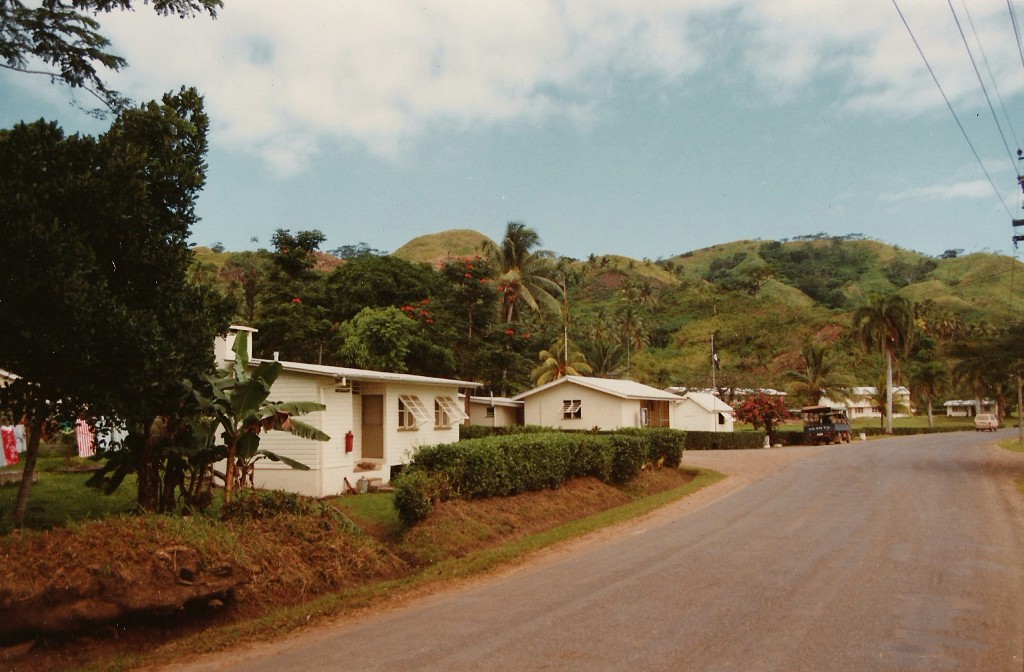
Why Savusavu is Perfect for Your Celebration
- Sheltered Savusavu Bay provides a stunning natural backdrop for beachfront and waterfront ceremonies
- Boutique resort culture ensures intimate, personalised service for small wedding groups
- Dry season (May–October) offers reliably sunny days with lower humidity — ideal for outdoor celebrations
- Warm, genuine Fijian hospitality ('Bula spirit') creates a naturally festive and welcoming atmosphere for guests
- Surrounding tropical rainforest and hot springs offer unique pre- and post-event experiences for guests
- Relative seclusion means privacy that larger, more commercialised island destinations cannot easily offer

Top Venues in Savusavu
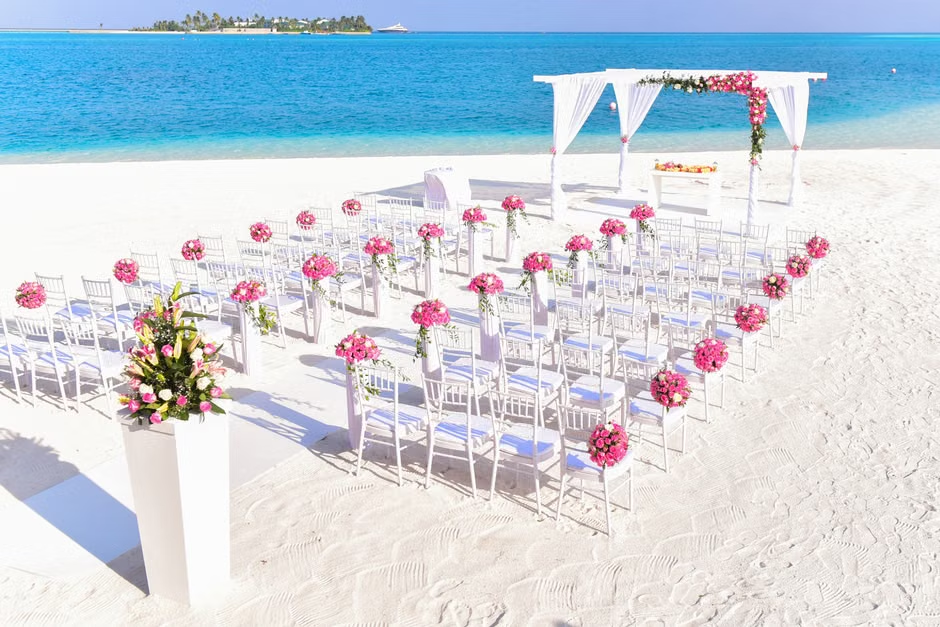
Jean-Michel Cousteau Resort
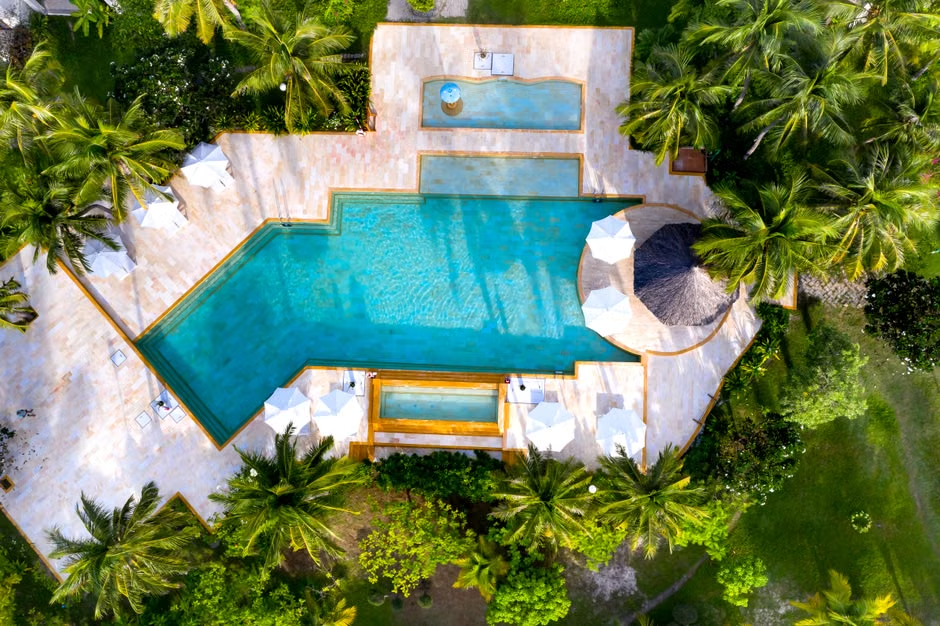
Koro Sun Resort & Rainforest Spa
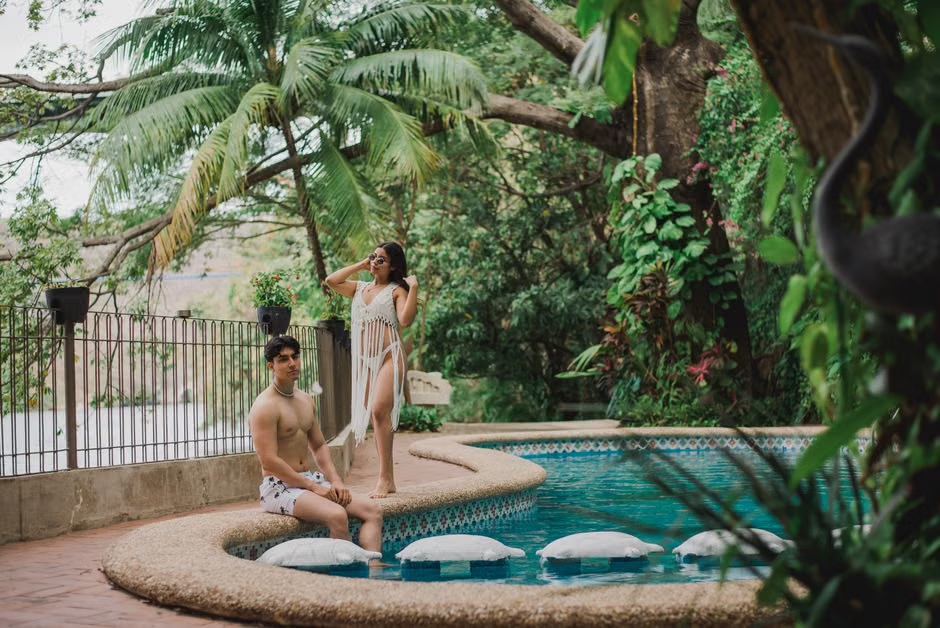
Hot Springs Hotel
Compare Savusavu with Other Top Destinations
Frequently Asked Questions
Is Savusavu a good destination for a small intimate wedding?
Yes. Savusavu is particularly well-suited to small, intimate weddings — typically under 100 guests. Its boutique resorts offer personalised service, stunning natural settings along Savusavu Bay, and the option of whole-property buyouts that give a wedding group an exclusive, private experience. The warm Fijian hospitality culture adds a genuinely memorable character to celebrations held here.
What is the best time of year to hold a wedding or event in Savusavu?
The dry season, from May through October, is strongly recommended. This period brings lower rainfall, reduced humidity, calmer seas, and minimal cyclone risk — all critical for outdoor events. July and August are the most settled months. The wet season (November–April) carries genuine cyclone risk and heavy rainfall that can disrupt both outdoor events and inter-island travel for guests.
How do guests get to Savusavu from overseas?
Most international guests fly into Nadi International Airport — Fiji's main gateway — and then take a domestic flight to Savusavu Airport (SVU), approximately 45–55 minutes away. Ferry connections from near Suva are also available but take considerably longer. Clear travel coordination for your guest group is advisable, as the multi-leg journey requires planning, particularly for larger parties.
How large a guest group can Savusavu realistically accommodate for an event?
Savusavu's boutique resort venues are generally best suited to groups of up to roughly 80–100 guests. The destination is not designed for large-scale events — its strength lies in intimate, private celebrations. Whole-property buyouts at smaller resorts are a practical and popular arrangement for wedding groups, ensuring exclusive use of facilities and staff.
What kinds of event spaces are available in Savusavu?
Event spaces in Savusavu are primarily within boutique resort properties — open-air beachfront lawns, garden terraces, covered pavilions, and traditional Fijian bure structures. Standalone banquet halls or convention centres do not define this destination. The setting is overwhelmingly outdoor and nature-focused, which is why dry season planning is so important for reliable event conditions.
Can guests find accommodation easily in Savusavu for a destination wedding?
Yes, though early booking is essential. Savusavu has a small number of boutique resorts that can accommodate wedding groups, and whole-property buyouts are common for events. Because the inventory of suitable properties is limited, particularly during peak dry season months (July–August), securing accommodation well in advance — ideally 9–12 months ahead — is strongly advisable.
What local experiences can guests enjoy around a Savusavu event?
Savusavu offers a genuinely rich guest experience beyond the event itself. Natural hot springs in and around the town, world-class diving and snorkelling in the Koro Sea, tropical rainforest walks, and boat excursions on Savusavu Bay are among the most popular activities. These make multi-day celebration itineraries — common for destination weddings — particularly rewarding for guests.
How mature is the local wedding and events vendor ecosystem in Savusavu?
The ecosystem is well-established for boutique-scale events, with resort in-house teams, local celebrants, florists, and musicians regularly working on destination weddings. For highly elaborate production requirements — specialist lighting, large audio-visual setups, or very large catering operations — some vendors may need to be sourced from Suva or Nadi, adding logistical lead time. Engaging a local coordinator early is recommended.
Is Savusavu safe for international wedding guests?
Yes, Savusavu is generally considered safe for international visitors. Fiji as a whole has a welcoming reputation for tourists, and Savusavu's small-town character and resort-focused environment mean guests typically feel comfortable and well-looked-after. Standard travel precautions apply, and guests should ensure appropriate travel insurance, particularly given the wet season cyclone risk if travelling outside the recommended dry season window.
What makes Savusavu different from other Fijian wedding destinations?
Savusavu's defining difference is its genuine seclusion and boutique character. Unlike Fiji's more commercialised resort corridors, Savusavu has retained a quieter, less-developed atmosphere where natural beauty and authentic Fijian community life are still very present. For couples who want a tropical Fijian wedding that feels private and personal rather than resort-packaged, Savusavu offers a distinctly different experience.
How should we handle local transport for guests once they arrive in Savusavu?
Pre-arranging group transfers is strongly advisable. Savusavu has limited public transport, and most guests will rely on resort shuttles, taxis, or vehicles coordinated through their accommodation. For a wedding group, organising airport-to-resort transfers and any off-property excursions in advance — ideally through the resort's events team — ensures a smooth experience and avoids guests navigating independently in an unfamiliar small town.

Ready to explore venues in Savusavu?
Savusavu: Destination Wedding & Intimate Event Venues in Fiji
◆Savusavu is a small, genuinely secluded town on Fiji's second-largest island, Vanua Levu, best suited to intimate weddings, private celebrations, and milestone events for small guest groups. Its primary vibe is peaceful and secluded — this is not a large-scale event hub but a boutique destination where natural beauty, warm Fijian hospitality, and a relaxed pace define the experience. The dry season (May through October) is the clear window for outdoor events, offering reliable sunshine and lower humidity. Accessibility requires a connecting domestic flight or ferry from Nadi, making it most practical for guests willing to embrace a multi-leg journey in exchange for genuine tropical seclusion.
Savusavu at a Glance
| Category | Detail |
|---|---|
| Best For | Intimate Weddings, Honeymoon Celebrations, Private Milestone Events, Vow Renewals |
| Primary Vibe | Peaceful & Secluded |
| Other Vibes | Tropical, Romantic, Nature-Immersed, Boutique |
| Best Season | Dry Season (May, Jun, Jul, Aug, Sep, Oct) |
Why Choose Savusavu?
- Sheltered natural bay: Savusavu Bay provides a calm, visually dramatic waterfront setting that few Pacific destinations can match at this scale of intimacy — ideal for open-air ceremonies and sunset receptions.
- Boutique resort culture: The local accommodation and event landscape is defined by small, independently operated resorts that prioritise personalised service, making it genuinely easier to have a celebration feel curated rather than generic.
- Authentic Fijian hospitality: The 'Bula spirit' — Fiji's culture of warmth and welcome — is particularly tangible in Savusavu, where resort staff and local communities engage with guests in a way that larger, more commercialised destinations often cannot replicate.
- Unique natural experiences for guests: Natural hot springs, surrounding tropical rainforest, world-class diving in the Koro Sea, and lush hillside scenery give guests a rich programme of activities beyond the event itself — a meaningful advantage for multi-day celebrations.
- Privacy and seclusion: Savusavu's relative remoteness, which can be a logistical consideration, is simultaneously its strongest asset for couples or hosts who want a celebration that feels genuinely private and away from tourist crowds.
- Reliable dry season window: A clearly defined six-month dry season (May–October) gives event planners a long, predictable planning window with consistently favourable outdoor conditions.
Which Celebrations Work Best in Savusavu?
- Intimate Destination Weddings: Savusavu is particularly well-suited to small weddings — typically under 100 guests — where the couple prioritises atmosphere, privacy, and a meaningful tropical setting over large-scale production. Boutique resorts can accommodate the full event arc from ceremony to reception within a single property.
- Vow Renewals: The combination of natural beauty, seclusion, and warm local culture makes Savusavu an especially resonant setting for couples returning to mark a milestone anniversary with a renewal ceremony and a small gathering of close family and friends.
- Private Milestone Birthdays and Anniversaries: For a significant birthday or anniversary celebration with a small, close-knit group, Savusavu's boutique resorts offer the kind of whole-property buyout or dedicated event space that creates a genuinely exclusive experience.
- Honeymoon Extensions and Post-Wedding Retreats: Many couples who marry elsewhere in Fiji — or internationally — choose Savusavu as a post-wedding retreat precisely because its pace and seclusion contrast with the more social energy of the wedding itself. It is a natural fit for a honeymoon or a small post-wedding gathering.
Venues & Event Spaces
Savusavu's event venue landscape is defined almost entirely by boutique resort properties rather than dedicated standalone banquet halls or convention facilities. The typical event space here is an open-air beachfront or garden lawn within a resort, often with direct views of Savusavu Bay or the surrounding tropical hillsides. Some properties offer covered pavilions or bures (traditional Fijian thatched structures) that can be configured for ceremonies, dinners, and receptions, providing both shade and an authentically local aesthetic.
Capacity at individual venues is generally suited to groups of up to roughly 80–100 guests, making Savusavu most practical for intimate celebrations rather than large-scale events. Whole-property buyouts are a common and practical arrangement at the smaller boutique resorts, giving a wedding or celebration group exclusive use of the facilities, accommodation, and staff — an arrangement that is both logistically simpler and experientially more immersive than sharing a property with unrelated guests.
Outdoor settings — lawns, jetties, beachfronts, and hillside terraces — are the defining character of Savusavu event spaces, which is why the dry season is so strongly recommended. Indoor backup options exist at most properties but are limited in scale, so event planning should account for weather contingency during shoulder months.
Best Time to Celebrate
The dry season, running from May through October, is the clear and strongly recommended window for events in Savusavu. During these months, rainfall is significantly reduced, humidity is more comfortable, and the risk of tropical cyclones — which can affect Fiji between November and April — is at its lowest. Skies are typically clearer, making outdoor ceremonies and sunset receptions far more reliable. Temperatures remain warm and tropical throughout (generally in the mid-to-high 20s Celsius), but the dry season air feels noticeably more comfortable for guests dressed for a formal celebration.
July and August represent the heart of the dry season and are generally the most popular months for destination weddings in Savusavu, offering the most settled conditions. May, June, September, and October are also excellent and may offer slightly more flexibility in resort availability.
The wet season (November through April) brings substantially higher rainfall, elevated humidity, and the genuine risk of tropical cyclones — a serious consideration for any outdoor event. While cyclones do not affect Fiji every year, the risk is real enough that event insurance and contingency planning become significantly more complex during this period. Heavy rain can also affect inter-island transport, which is particularly relevant for guests travelling to Savusavu via domestic flights or ferries from Nadi. For these reasons, the wet season is not recommended for destination events, and the November–April period should be avoided when possible.
Getting There & Local Connectivity
Savusavu is served by its own small domestic airport (Savusavu Airport, SVU), located close to the town center, with regular scheduled flights operated by Fiji's domestic carriers from Nadi International Airport — the main international gateway to Fiji. The domestic flight takes approximately 45–55 minutes and is the most practical option for most international guests. Ferry services from Natovi (near Suva) also connect to Savusavu, though the journey is considerably longer and more suited to guests with time to spare or a preference for a scenic sea crossing.
For international guests, the journey to Savusavu therefore typically involves an international flight to Nadi, an overnight stay or transit in Nadi, and then a domestic connection — a multi-leg itinerary that requires clear communication and coordination for a wedding or event group. Guests arriving from Australia, New Zealand, and other Pacific-connected cities will generally find the routing most straightforward. Guests travelling from Europe, North America, or South Asia should factor in longer total travel times.
Once in Savusavu, local transport is limited. There is no large-scale public transport network, and most guests will rely on resort transfers, taxis, or vehicles arranged through their accommodation. For a wedding or event group, pre-arranging group transfers between the airport and the resort — and between any off-property activities — is strongly advisable. The town of Savusavu itself is small and walkable, but inter-resort or resort-to-activity transfers require planning.
Local Vendor & Hospitality Ecosystem
Savusavu's vendor ecosystem is smaller and more specialised than what you would find in Fiji's main tourism hub of Nadi or the Coral Coast. The boutique resorts that anchor the local event scene typically have strong in-house catering, décor, and coordination capabilities, and many have established relationships with local florists, musicians, and celebrants who regularly work on destination weddings. For couples willing to work within the resort's own vendor network, the experience is generally smooth and well-managed.
For highly specific or elaborate production requirements — large floral installations, specialist lighting rigs, international-standard audio-visual setups, or very large catering operations — some elements may need to be sourced from Suva or Nadi and transported to Savusavu, which adds logistical complexity and lead time. Event planners working in Savusavu for the first time are advised to engage a local coordinator or the resort's own events team early in the planning process, as local supplier availability can be more limited than in larger destinations.
Fijian hospitality is a genuine strength of the local ecosystem. Staff at Savusavu's resorts are widely noted for warmth, attentiveness, and a genuine investment in making guests feel welcomed — qualities that translate well into the event context, where the human element of service is as important as the physical setting.
Pros & Things to Consider
Why Savusavu Works Well
- Genuinely secluded and private — far from the crowds of more commercialised Fijian destinations
- Boutique resorts offer personalised, attentive service well-suited to intimate celebrations
- Stunning natural setting — sheltered bay, tropical hillsides, and lush rainforest provide a visually rich backdrop
- Authentic Fijian cultural warmth adds a distinctive and memorable character to any event
- Long, reliable dry season (six months) gives planners a wide and predictable booking window
- Unique guest experiences (hot springs, diving, rainforest) enrich multi-day celebration itineraries
Things to Consider
- Multi-leg travel is required for most international guests — a domestic connection from Nadi adds time and coordination complexity
- Venue capacity is limited; Savusavu is not suited to large weddings or events exceeding roughly 100 guests
- The local vendor ecosystem is smaller than in Fiji's main tourism centres — elaborate production requirements may need to be sourced externally
- Internet and mobile connectivity in Savusavu is limited compared to urban destinations, which can affect real-time coordination during event planning and on the day
- The wet season cyclone risk (November–April) makes off-season event planning genuinely inadvisable without robust contingency arrangements
- Whole-property buyouts, while experientially excellent, require early booking — the small number of boutique properties means availability can be constrained, particularly in peak dry season months
When Savusavu May Not Be the Right Fit
- Large guest lists: If your event requires more than roughly 80–100 guests in a single venue, Savusavu's boutique resort inventory is unlikely to comfortably accommodate the scale — a larger Fijian destination or a different region would be more practical.
- Guests with limited travel flexibility: The multi-leg journey (international flight to Nadi, then domestic connection or ferry) can be a significant barrier for elderly guests, guests with young children, or those with very limited travel time. If guest travel ease is a top priority, a more directly accessible destination may serve the group better.
- Wet season event dates: If your preferred dates fall between November and April, Savusavu's cyclone risk and heavy rainfall make it a genuinely poor choice for outdoor events — the dry season window is not negotiable for reliable outdoor celebrations here.
- High-production events requiring specialist vendors: If your event vision involves elaborate staging, large-scale audio-visual production, or a wide range of specialist vendors, Savusavu's limited local vendor ecosystem means significant additional logistics and lead time — a destination with a more mature event industry infrastructure would be a more straightforward choice.