
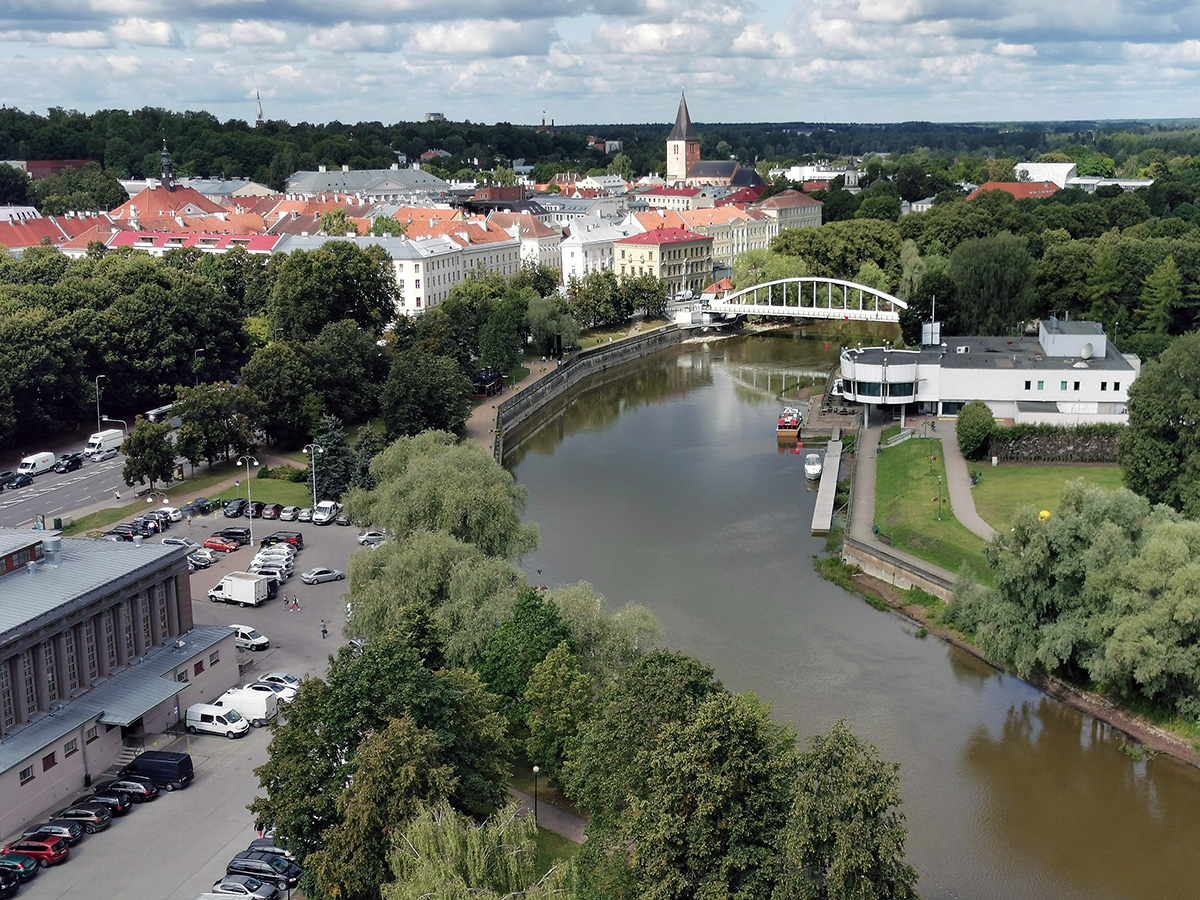
Why Tartu is Perfect for Your Celebration
- UNESCO-recognised historic old town with neoclassical architecture ideal for elegant event photography
- Tartu University's 17th-century campus and Town Hall Square offer unique, non-generic ceremony backdrops
- Emajõgi riverside venues provide scenic outdoor settings during long Nordic summer evenings
- Compact, walkable city centre makes guest logistics simple — no shuttle convoys needed
- Strong local cultural and culinary scene supports distinctive, locally-flavoured event catering
- Summer solstice proximity means near-24-hour daylight in June and July, extending event hours naturally
Compare Tartu with Other Top Destinations
Frequently Asked Questions
Is Tartu a good destination for a wedding?
Yes, particularly for intimate weddings of up to 100–150 guests. Tartu's historic old town, riverside settings, and boutique heritage venues create a genuinely distinctive atmosphere. It suits couples who want a culturally rich, characterful setting rather than a conventional resort backdrop. The summer months offer long daylight hours that extend outdoor celebrations well into the evening.
What is the best time of year to hold an event in Tartu?
June, July, and August are the optimal months. Summer brings mild temperatures (typically 18–24°C), minimal rain, and daylight extending past 10 pm — a rare quality that makes outdoor ceremonies and evening receptions genuinely atmospheric. May and September can work for indoor events, but outdoor elements become less reliable. October through February is generally unsuitable for outdoor celebrations.
How do international guests get to Tartu?
Most international guests fly into Tallinn Airport — Estonia's main international hub — and then travel to Tartu by direct train (approximately 2.5 hours) or by road. Tartu has its own airport with limited European routes, which can be useful for guests travelling from certain cities. Event planners should brief guests on the Tallinn connection well in advance.
What size of guest group can Tartu realistically accommodate for an event?
Tartu works best for events of up to 150–200 guests. Its boutique hotel and venue inventory is well-suited to this scale, with several properties offering dedicated event spaces in that range. Very large events of 300 or more guests will find the local venue capacity stretched, and a larger city would typically serve those needs better.
What kinds of venues are available for events in Tartu?
Tartu offers boutique hotel event rooms, historic halls within university and civic buildings, riverside terraces, and garden spaces. The University of Tartu's own estate — including its botanical garden and historic main building — is available for private hire. Outdoor riverside and hilltop settings are particularly usable during summer. The overall character is intimate and heritage-rich rather than large-scale resort.
Is Tartu suitable for corporate events and conferences?
Yes. Tartu's strong academic and business infrastructure, multilingual hospitality staff, and well-equipped hotel meeting facilities make it a credible choice for mid-sized corporate gatherings, team retreats, and professional seminars. Its reputation as Estonia's intellectual capital adds a certain prestige to professional events, and the city's digital infrastructure is among the best in Europe.
What is the local food and catering scene like for events?
Tartu has a well-developed catering ecosystem shaped by its large academic and international visitor base. Local caterers can source high-quality Estonian produce — game, fish, dairy, and seasonal vegetables — giving event menus a genuine sense of place. The city's restaurant scene is diverse and experienced with group dining. For very large or highly elaborate productions, some specialist suppliers may need to be sourced from Tallinn.
Is Tartu safe for international guests attending an event?
Yes. Tartu is consistently rated among the safer cities in Northern Europe, with low crime rates and a welcoming attitude toward international visitors. Guest welfare is rarely a concern. The city is also compact and walkable, which reduces the logistical risks associated with guests navigating an unfamiliar city independently.
How easy is it for guests to get around Tartu once they arrive?
Very straightforward. Tartu's city centre is compact and walkable — most hotels, venues, and points of interest are within comfortable walking distance of each other. For events of up to 150–200 guests, organised shuttle transport is often unnecessary. Taxis and ride-hailing services are reliable for guests staying slightly outside the centre.
Are there experienced local wedding and event planners in Tartu?
Yes. Tartu has a community of event coordinators and wedding planners with local knowledge, shaped by the city's long history of hosting international academic conferences and cultural festivals. The University of Tartu's own events office also has experience managing complex multi-day programmes. For highly specialist production needs, Tallinn-based suppliers are within practical reach.
Can outdoor ceremonies realistically take place in Tartu?
Yes, during June, July, and August. The combination of mild temperatures, low rainfall, and daylight extending past 10 pm makes outdoor ceremonies and evening receptions genuinely practical and atmospheric during these months. Toome Hill, riverside terraces along the Emajõgi, and the University Botanical Garden are among the outdoor settings available. Outside this summer window, outdoor elements become significantly less reliable.

Ready to explore venues in Tartu?
Tartu: Destination Wedding & Cultural Event Venues in Estonia
◆Tartu is Estonia's second city and its intellectual and cultural capital, best suited to intimate weddings, corporate gatherings, academic celebrations, and cultural festivals. Its primary vibe is Cultural & Timeless — defined by a 17th-century university, neoclassical old town architecture, and a compact riverside setting that feels genuinely distinctive without being ostentatious. The best season is Summer (June, July, August), when long Nordic daylight hours and mild temperatures make outdoor events practical and atmospheric. International guests typically route through Tallinn, making Tartu most accessible for European travellers. The city's hospitality offering is boutique and characterful rather than large-scale luxury, which suits smaller, curated celebrations particularly well.
Tartu at a Glance
| Category | Detail |
|---|---|
| Best For | Intimate Weddings, Corporate Events, Cultural Festivals, Academic Celebrations |
| Primary Vibe | Cultural & Timeless |
| Other Vibes | Romantic, Intellectual, Riverside |
| Best Season | Summer (Jun, Jul, Aug) |
Why Choose Tartu?
- Genuinely historic architecture: Tartu's old town, anchored by the neoclassical Town Hall Square and the ruins of Tartu Cathedral on Toome Hill, provides a backdrop that is both photogenic and historically resonant — rare for a city of its size.
- University of Tartu heritage: Founded in 1632, the university's campus buildings, botanical garden, and ceremonial halls are available for private events, offering a setting with genuine intellectual and cultural weight that few European cities of comparable scale can match.
- Emajõgi riverside settings: The river running through the city centre creates natural outdoor event spaces — terraces, garden venues, and waterfront areas — that come into their own during the long summer evenings when daylight extends well past 10 pm.
- Compact, walkable city: Tartu's centre is small enough that guests can walk between ceremony, reception, and accommodation without organised transport, significantly simplifying group logistics for events of up to 150–200 people.
- Strong digital and hospitality infrastructure: Estonia is one of Europe's most digitally advanced countries, and Tartu reflects this — reliable high-speed connectivity, efficient local services, and a hospitality sector accustomed to hosting international academic and corporate visitors year-round.
- Distinctive local food and culture scene: Tartu has a well-developed restaurant and catering ecosystem shaped by its large student and academic population, offering locally-sourced Estonian cuisine alongside international options — a genuine asset for event catering that wants to feel local rather than generic.
Which Celebrations Work Best in Tartu?
- Intimate Weddings: Tartu is particularly well-suited to smaller weddings — typically up to 100–150 guests — where the couple wants a setting with genuine character rather than a resort backdrop. The old town's boutique hotels, historic halls, and riverside terraces create a naturally romantic atmosphere without requiring elaborate decoration.
- Corporate Events & Conferences: The city's strong academic and business infrastructure, combined with its university conference facilities and well-equipped hotel meeting spaces, makes it a credible choice for mid-sized corporate gatherings, team retreats, and professional seminars. Its reputation as Estonia's intellectual capital lends a certain prestige to professional events held here.
- Cultural Festivals & Themed Celebrations: Tartu hosts several established cultural events of its own — including music, theatre, and arts festivals — and the city's general cultural openness makes it receptive to privately organised festivals, milestone celebrations, and themed events that want to engage with local arts and heritage.
- Academic & Alumni Celebrations: Given the University of Tartu's prominence and its large international alumni network, the city is a natural fit for academic milestone events, graduation celebrations, and institutional anniversaries that want a setting with genuine scholarly resonance.
Venues & Event Spaces
Tartu's event venue landscape is characterised by boutique hotels with private event rooms, historic halls within university and civic buildings, and riverside terraces and garden spaces that are particularly usable in summer. The old town contains several heritage properties — converted merchant houses and neoclassical civic buildings — that offer intimate indoor spaces with original architectural features. For larger gatherings, the city has dedicated conference and banquet facilities within its main hotels, though these are generally better suited to events of up to 200–250 guests rather than large-scale weddings of 400 or more. Outdoor lawn and terrace settings along the Emajõgi river and on Toome Hill provide scenic ceremony and cocktail-hour options during the summer months. The University of Tartu's own estate — including its botanical garden and historic main building — is available for private hire for qualifying events, representing one of the most distinctive venue options in the Baltic region.
Best Time to Celebrate
The summer months of June, July, and August are the clear optimal window for events in Tartu, and for concrete reasons beyond simply "pleasant weather." Daylight in June and early July extends to approximately 10:30–11 pm, meaning outdoor ceremonies and evening receptions can take place in natural light well into what would normally be considered night — a genuinely unusual and atmospheric quality that is difficult to replicate at other times of year or in other climates. Temperatures typically range from 18°C to 24°C during this period, warm enough for outdoor events without the heat stress common in southern European summer destinations. The city is also at its most animated in summer, with local festivals, outdoor markets, and riverside activity creating a lively ambient backdrop for celebrations.
The shoulder months of May and September can work for indoor-focused events — temperatures are mild enough and the city is less crowded — but outdoor elements become less reliable, particularly in September when rain and wind increase noticeably. October through February presents genuine challenges: temperatures regularly fall below zero, daylight in December is limited to around six hours, and snow and ice make outdoor elements impractical. March and April see lingering cold and unpredictable conditions. These months are not impossible for fully indoor corporate events with controlled environments, but they are genuinely unsuitable for the outdoor and semi-outdoor celebrations that define Tartu's strongest event proposition.
Getting There & Local Connectivity
Tartu is served by Tartu Airport, located approximately 8 km from the city centre, with scheduled services to a small number of European destinations. For most international guests, the practical entry point is Tallinn Airport — Estonia's main international hub — from which Tartu is reachable by direct train in approximately 2.5 hours or by road in a similar time. This two-leg journey is manageable for European guests but adds meaningful travel time for guests arriving from outside Europe, and event planners should factor this into guest travel briefings.
Within Tartu itself, the city's compact scale is a genuine logistical advantage. The old town, main hotels, and primary event venues are all within comfortable walking distance of each other, meaning that for events of up to 150–200 guests, organised shuttle transport between venues and accommodation is often unnecessary. For guests staying slightly outside the centre, the city's taxi and ride-hailing services are reliable and affordable. Local public transport is functional but less relevant for event groups. Car hire is available at both Tartu Airport and Tallinn Airport for guests who prefer independent travel.
Local Vendor & Hospitality Ecosystem
Tartu's vendor ecosystem is well-developed relative to its size, shaped by decades of hosting international academic conferences, cultural festivals, and university events. Local catering companies are experienced with group dining and can source high-quality Estonian produce — game, fish, dairy, and seasonal vegetables — that gives event menus a genuine sense of place. Floral and décor suppliers in the city are competent for boutique-scale events, though for very large or highly elaborate productions, some specialist suppliers may need to be sourced from Tallinn.
The city's hotel and hospitality staff are generally multilingual (Estonian, English, and often Russian or Finnish), which is a practical asset for international guest groups. Event coordination services — including dedicated wedding planners and corporate event managers with local knowledge — are available, and the University of Tartu's own events office has experience managing complex multi-day programmes. The overall ecosystem is best characterised as reliable and characterful for mid-sized events, rather than the deep, highly competitive vendor market found in major capital cities.
Pros & Things to Consider
Why Tartu Works Well
- Genuinely distinctive historic setting — old town architecture and university heritage create a backdrop that feels earned rather than manufactured
- Long summer daylight hours extend outdoor event windows in a way that is unusual and memorable for guests
- Compact city centre simplifies guest logistics significantly compared to sprawling resort destinations
- Strong digital infrastructure and reliable local services reduce operational friction for event planners
- Locally-sourced Estonian cuisine gives event catering a genuine sense of place and culinary identity
- Very safe city with low crime rates — guest welfare is rarely a concern
Things to Consider
- Venue capacity is limited — the city's boutique character means very large events (300+ guests) will find the local hotel and venue inventory stretched
- International connectivity requires a Tallinn connection for most guests, adding travel time and a potential logistical pinch point
- The hospitality offering is predominantly 3-star and 4-star boutique; guests expecting large-scale 5-star resort amenities will not find them here
- Seasonal window is narrow — the strong outdoor event proposition is genuinely limited to June, July, and August; other months require a fully indoor event plan
- Specialist décor and production suppliers for large or elaborate events may need to be brought in from Tallinn, adding coordination complexity
When Tartu May Not Be the Right Fit
- Large guest lists (300+): If your event requires a single venue accommodating several hundred guests under one roof with full banqueting facilities, Tartu's boutique inventory is unlikely to meet that need comfortably — a larger city would serve better.
- Guests travelling from outside Europe: The two-leg journey via Tallinn adds meaningful travel time for guests arriving from Asia, the Americas, or the Middle East. If a significant portion of your guest list is travelling intercontinentally, the access friction is a genuine consideration.
- Outdoor events outside June–August: If your preferred dates fall between October and April and outdoor elements are important to your event concept, Tartu's climate makes this genuinely impractical rather than merely suboptimal.
- Events requiring large-scale luxury resort infrastructure: Tartu does not have the large resort complexes with multiple ballrooms, spa facilities, and extensive grounds that some destination wedding formats require. Couples or planners whose vision depends on that kind of infrastructure should look elsewhere.