
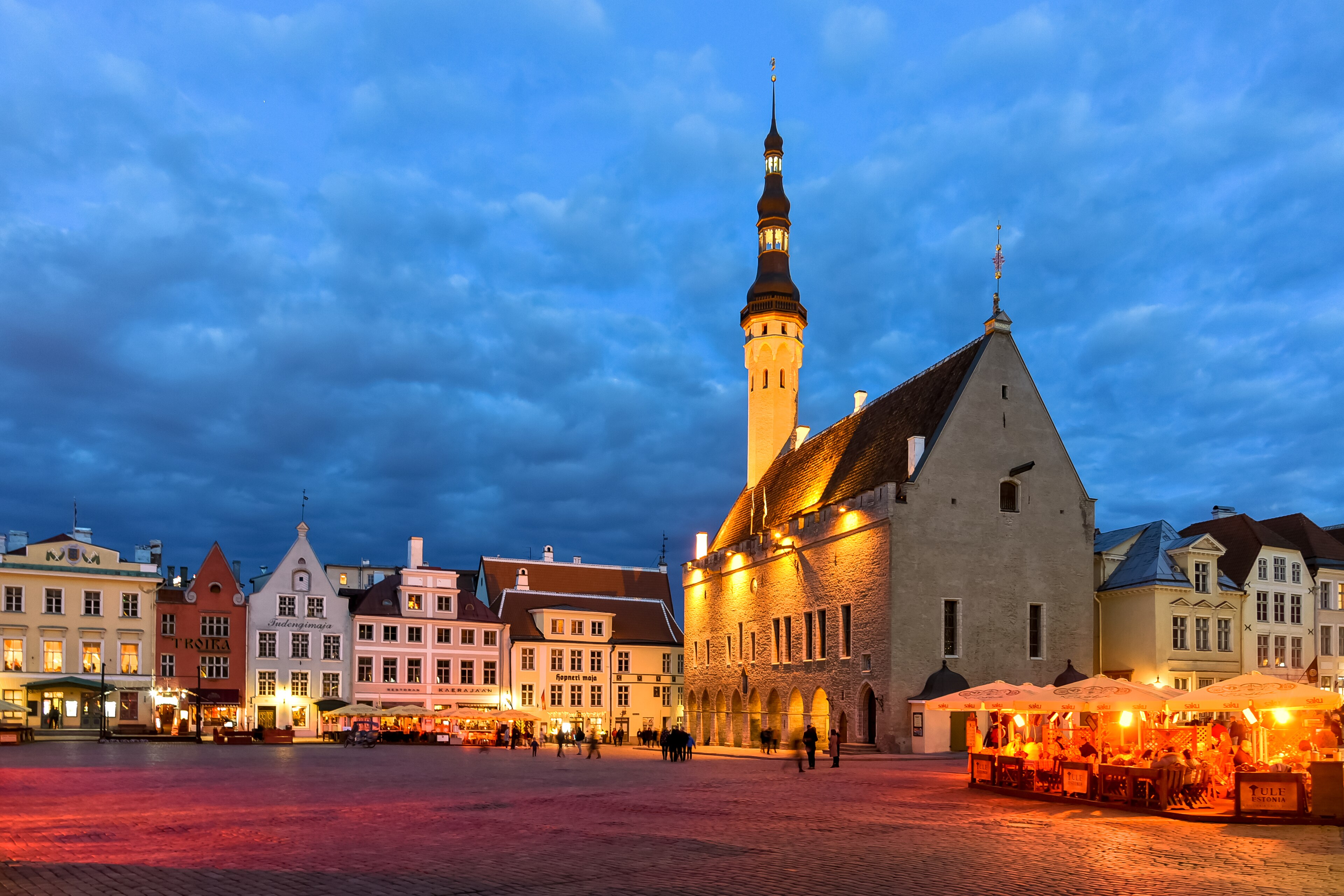
Why Tallinn is Perfect for Your Celebration
- UNESCO-listed Old Town provides a uniquely atmospheric medieval backdrop unavailable in most European capitals
- Long summer days (up to 18+ hours of daylight in June–July) allow extended outdoor celebrations
- Compact city center means guests can walk between ceremony, reception, and accommodation
- Growing portfolio of boutique heritage hotels and modern event venues within the Old Town and surrounding districts
- Efficient, well-organized hospitality infrastructure with strong Scandinavian service standards
- Accessible from most major European cities via direct flights, making it practical for European guest lists
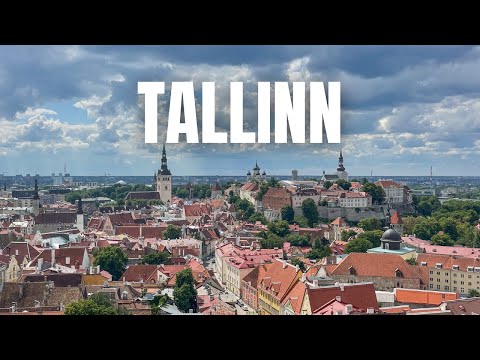
Top Venues in Tallinn
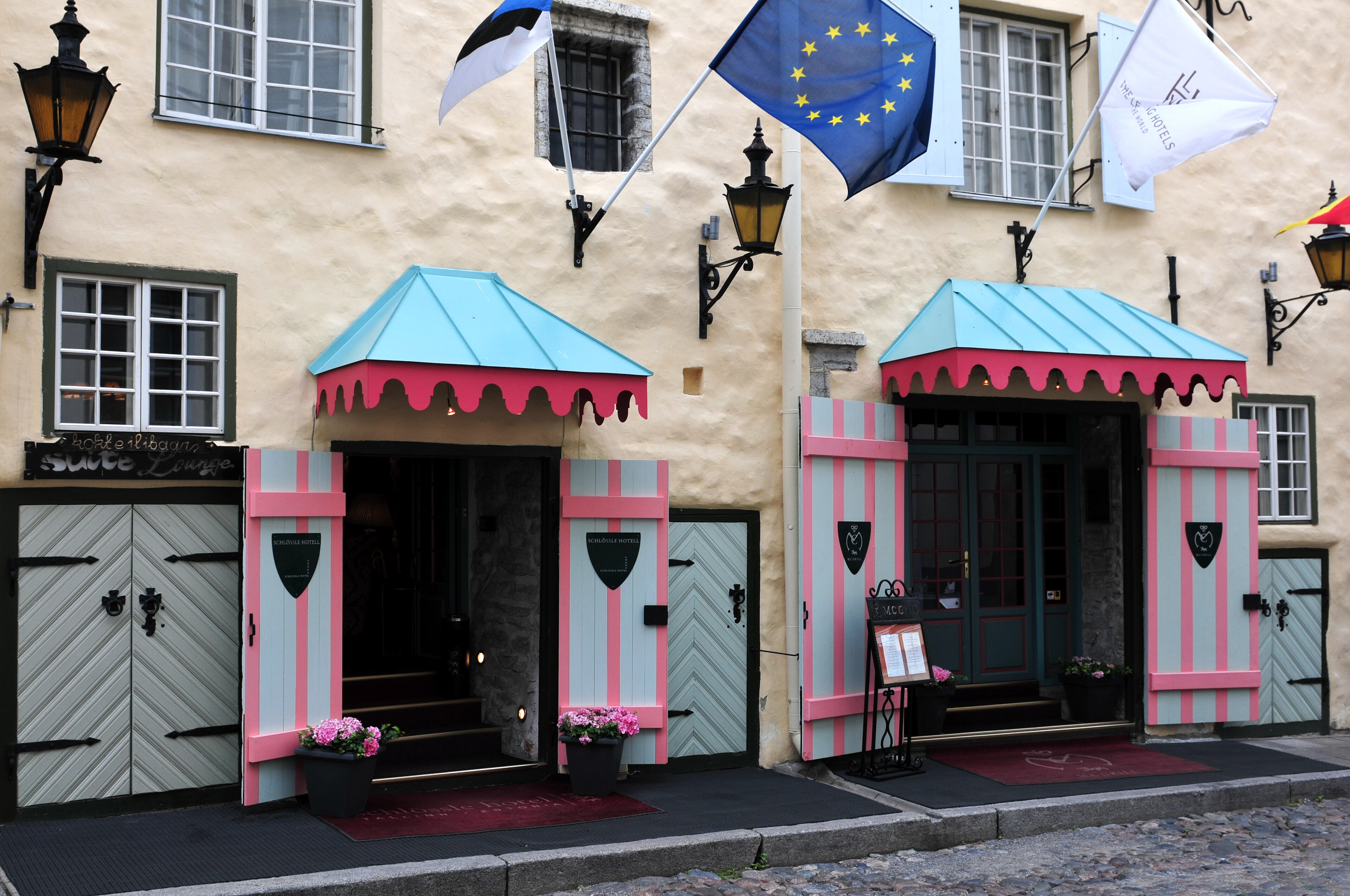
Schlössle Hotel
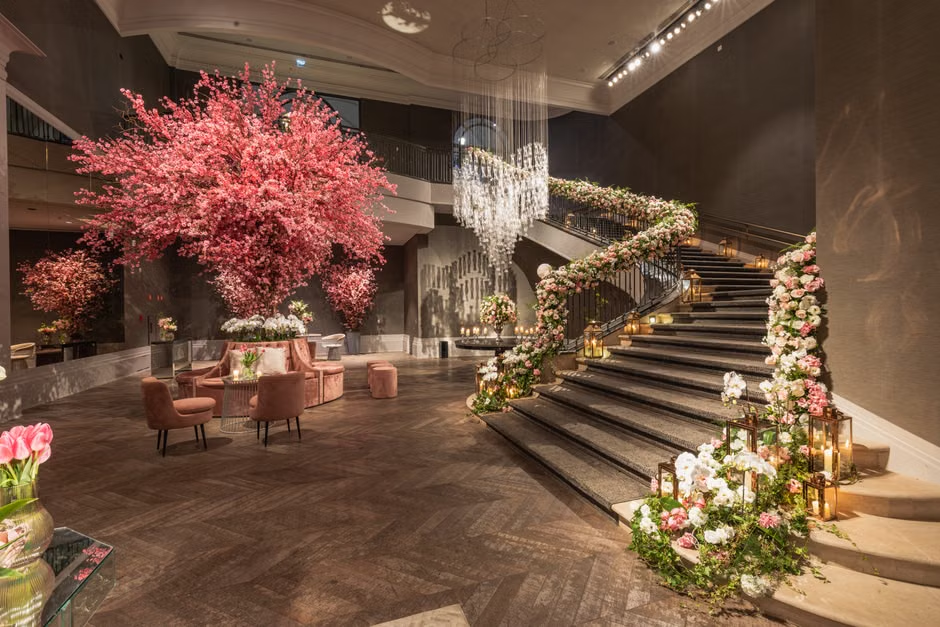
Hotel Telegraaf
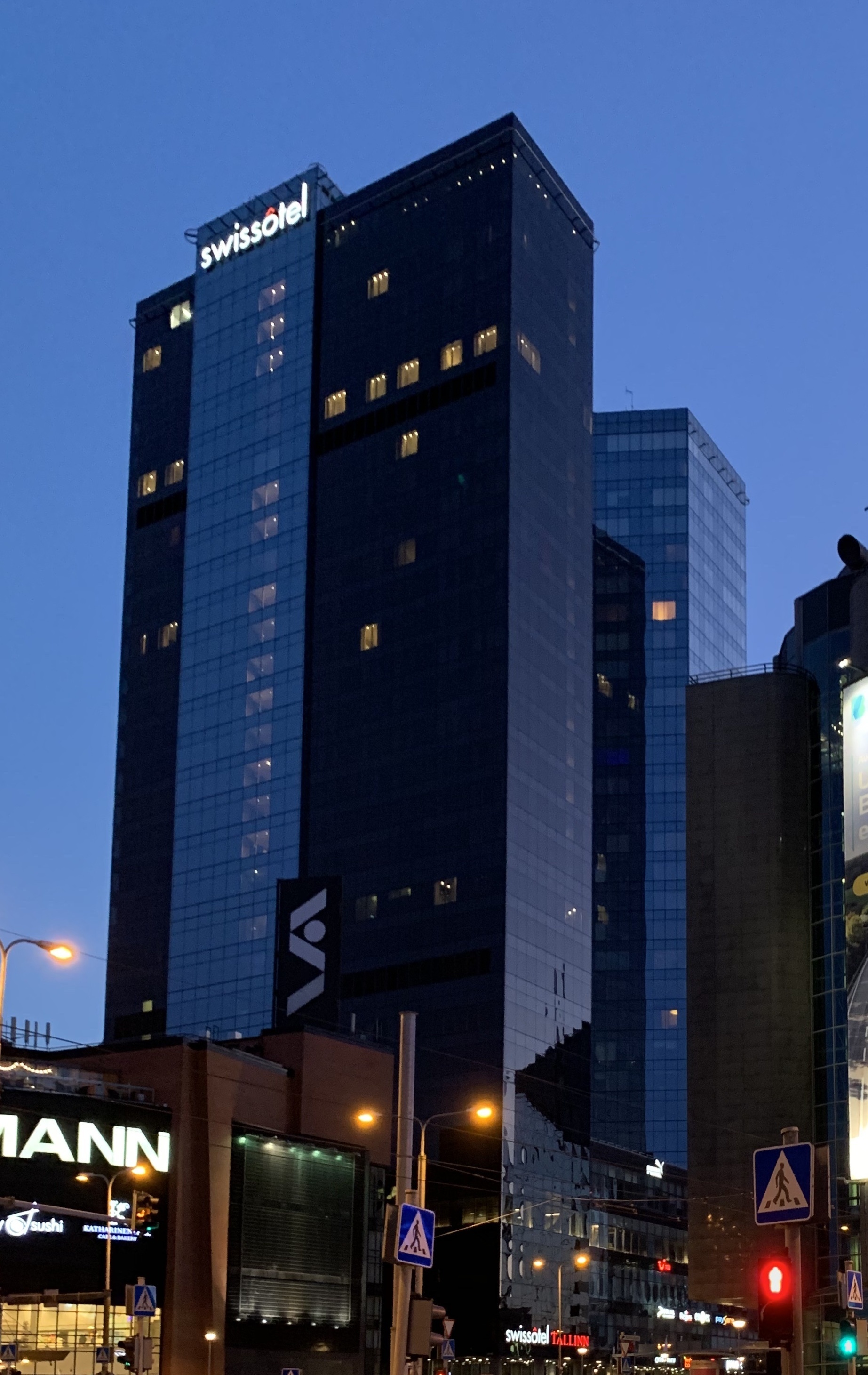
Swissôtel Tallinn
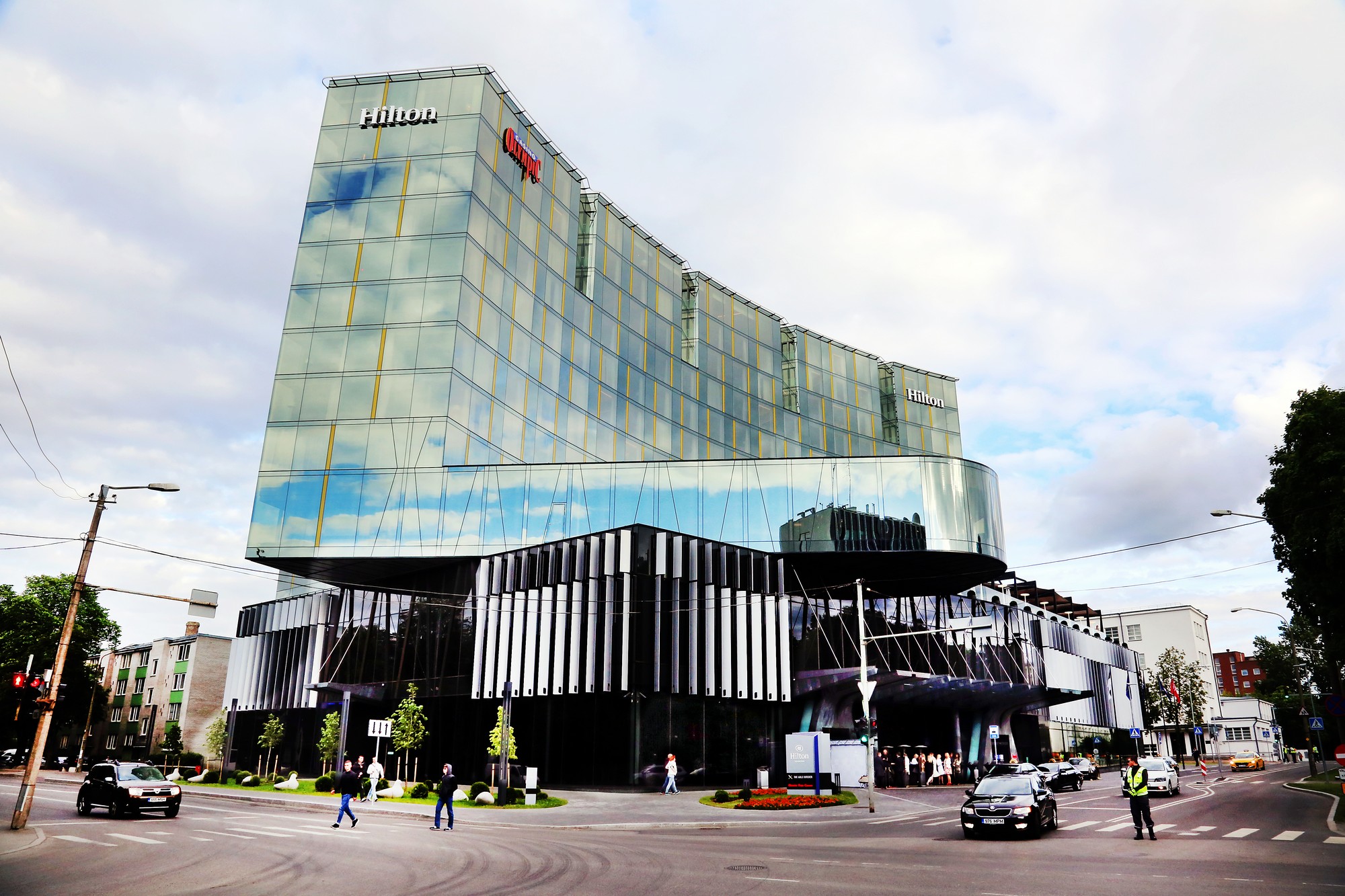
Hilton Tallinn Park
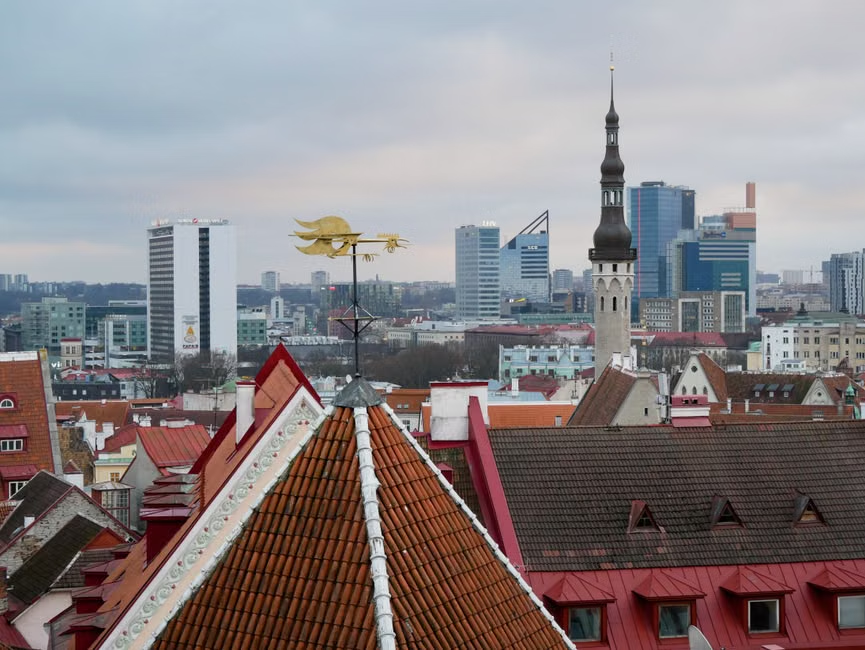
Radisson Blu Hotel Olümpia, Tallinn
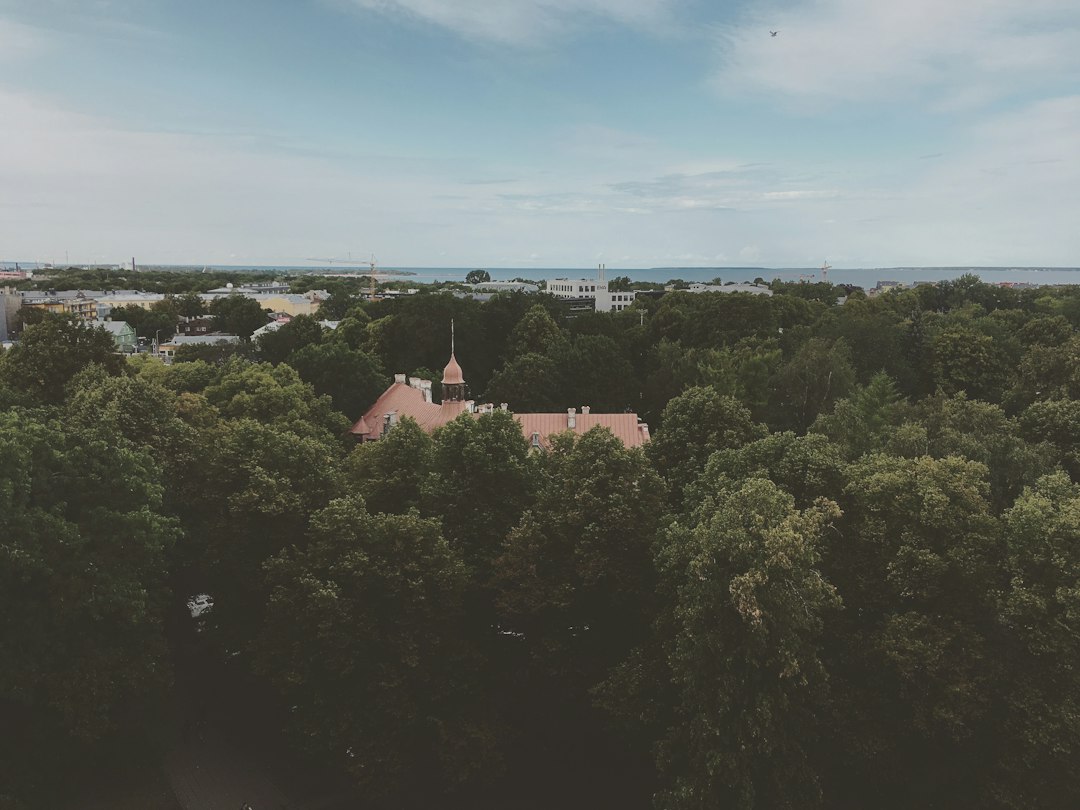
Original Sokos Hotel Viru
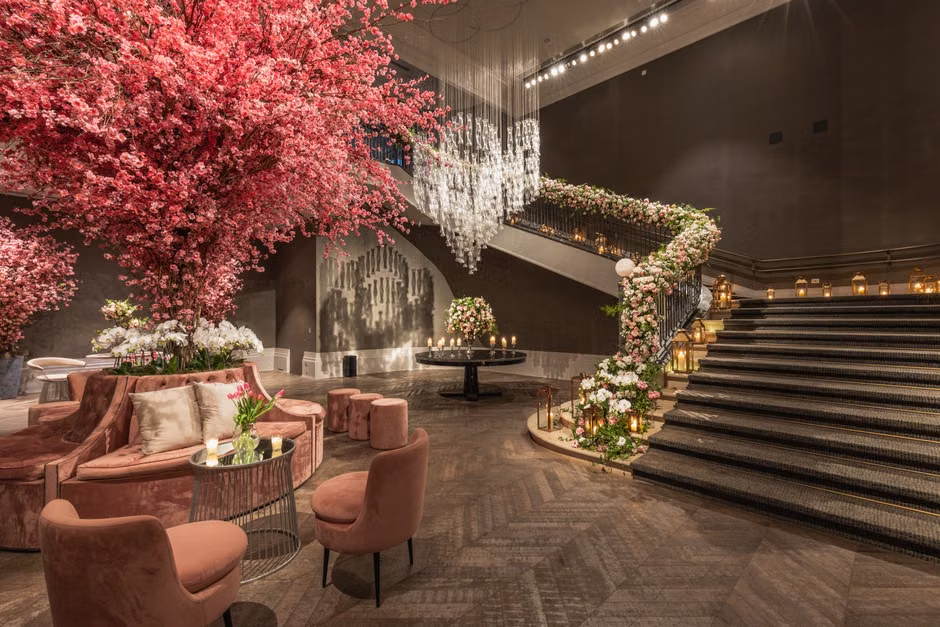
Nordic Hotel Forum
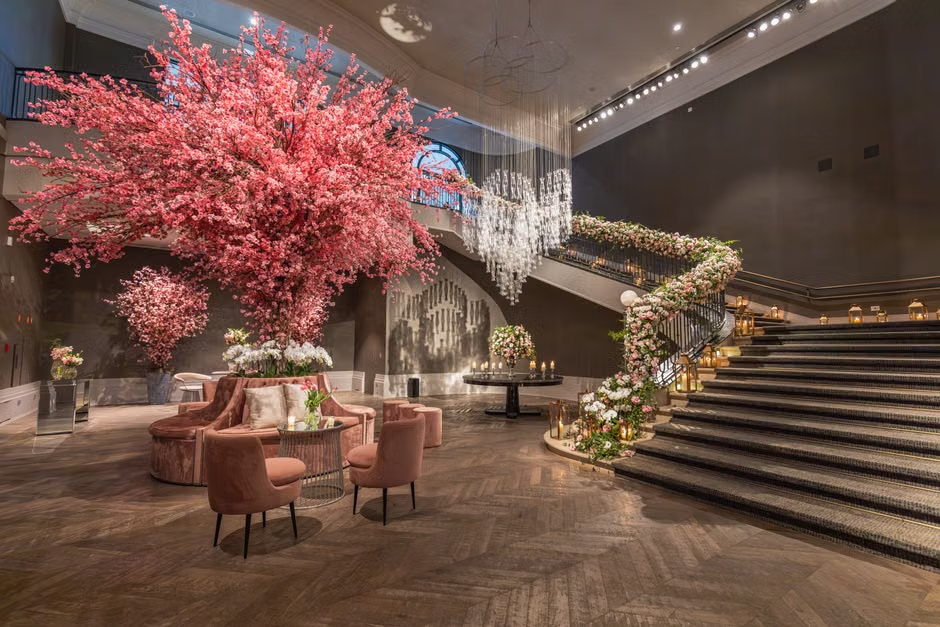
Hotel Palace by TallinnHotels
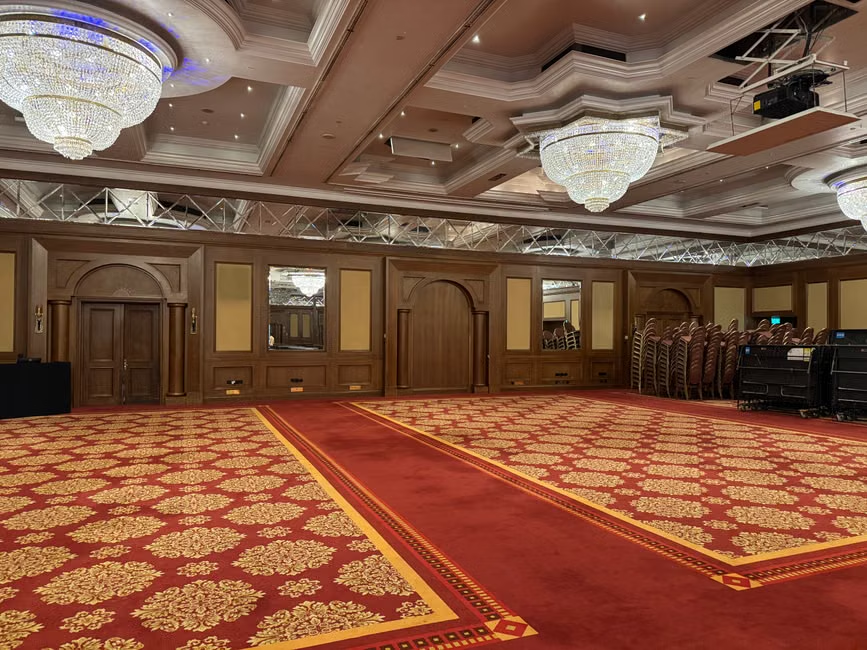
Meriton Grand Conference & Spa Hotel
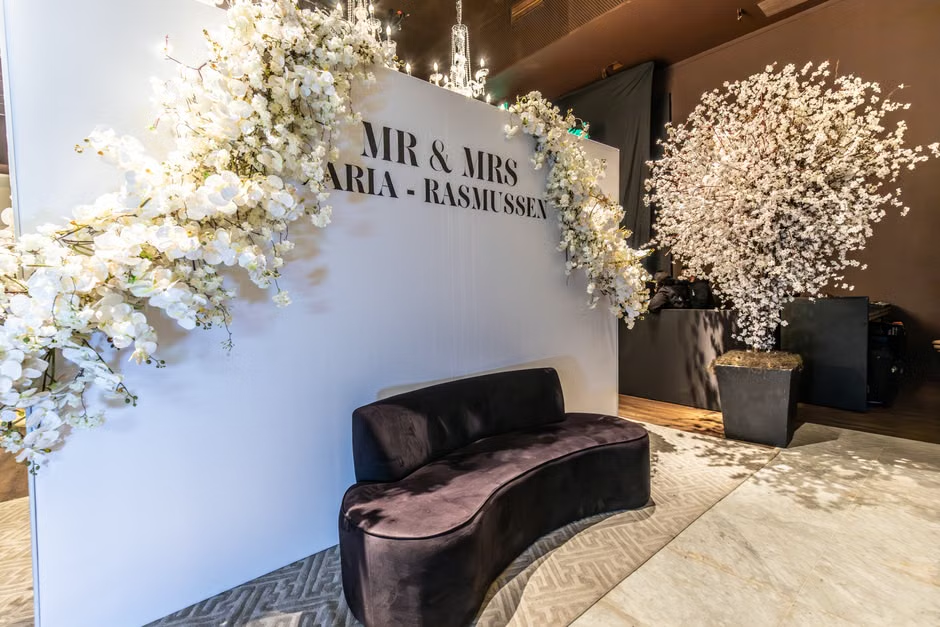
Hestia Hotel Seaport
Compare Tallinn with Other Top Destinations
Frequently Asked Questions
Is Tallinn a good destination for a wedding?
Yes, particularly for intimate to mid-scale weddings. Tallinn's UNESCO-listed Old Town offers a genuinely rare medieval backdrop — cobblestone streets, Gothic architecture, and candlelit heritage interiors — that suits curated, atmosphere-focused celebrations. It works best for guest lists typically under 150, where the setting itself is the centrepiece. Larger weddings are possible in the city's modern conference hotels but lose some of the Old Town's distinctive character.
What is the best time of year to hold an event in Tallinn?
Summer — June, July, and August — is the only reliably suitable period for events with outdoor components. Tallinn enjoys up to 18–19 hours of daylight in June and July, mild temperatures, and the lowest rainfall probability of the year. Outside this window, temperatures drop quickly, daylight shortens significantly, and outdoor venues become impractical. September can work for fully indoor events but carries weather risk for anything outdoors.
How easy is it for international guests to reach Tallinn?
Straightforward for European guests. Lennart Meri Tallinn Airport has direct connections to most major European hubs, and the airport is only about 4 km from the city center, making transfers quick. Guests from outside Europe will typically need a connection, most commonly through Helsinki, Amsterdam, Frankfurt, or another major gateway. The Helsinki–Tallinn ferry crossing is also a popular and scenic option for guests arriving via Finland.
What kinds of venues are available for events in Tallinn?
Tallinn offers a genuine range. Within and around the Old Town, there are boutique heritage hotels with vaulted stone interiors, private courtyards, and intimate dining rooms — ideal for smaller ceremonies and dinners. The city center and harbour districts have larger modern hotels with dedicated ballrooms and conference suites for mid-to-large events. Standalone spaces — converted industrial buildings, historic guild halls, and coastal outdoor venues — are also available for more creative or festival-style events.
How many guests can Tallinn realistically accommodate for a destination event?
Comfortably up to around 300–400 guests for events using the city's larger modern hotels. For events centred on the Old Town's heritage spaces, the most atmospheric venues typically suit groups of 20–150 more naturally. Very large events of 500+ guests are possible but may require combining multiple venues or accepting a more conventional hotel ballroom setting rather than a heritage one.
Is Tallinn suitable for corporate events and retreats?
Yes. Tallinn is a strong choice for European corporate groups. The city has modern conference infrastructure, excellent digital connectivity — Estonia is one of Europe's most digitally advanced countries — and a culturally rich environment that makes it more memorable than a standard business hotel destination. It is particularly well-suited to incentive travel, leadership retreats, and mid-scale conferences where the destination experience is part of the value proposition.
What is it like to move around Tallinn with a large guest group?
Generally straightforward. The Old Town and city center are compact and walkable, which significantly reduces transport coordination for multi-day events. For guests staying slightly further out, trams, buses, and taxis are readily available. Vehicle access within the Old Town is restricted, so supplier deliveries and group coach transfers require advance planning with the venue. Dedicated minibuses or coaches are easy to arrange for airport transfers and inter-venue movements.
How developed is Tallinn's local event vendor ecosystem?
Well-developed for events up to around 300–400 guests. Tallinn has an established community of wedding planners, photographers, florists, and caterers experienced with international clients. English is the working language of the hospitality industry, removing a common friction point for international planners. For very large events, some specialist suppliers may need to be sourced from Helsinki or Riga, but for the scales Tallinn's venues most naturally support, the local ecosystem is generally sufficient.
Can outdoor celebrations be held in Tallinn, and when?
Yes, but only reliably during June, July, and early August. Tallinn's Old Town courtyards, hotel terraces, and coastal outdoor spaces are genuinely beautiful in summer and benefit from the city's extended daylight hours. Outside this window, the Baltic climate makes outdoor events risky — temperatures drop quickly from September onward, and rain becomes increasingly frequent. Even in summer, contingency planning for unexpected weather is advisable.
Is Tallinn safe for international guests attending a celebration?
Yes. Tallinn consistently ranks among Europe's safest capital cities. Petty crime in tourist areas exists, as in any city, but serious safety concerns are rare. The city is well-lit, walkable, and has a visible and responsive local infrastructure. English is widely spoken, which further reduces disorientation for international guests navigating the city independently between event activities.
What makes Tallinn distinctive compared to other European event destinations?
Its medieval Old Town is the defining differentiator — a UNESCO World Heritage Site with Gothic towers, limestone fortifications, and historic guild buildings that remain in active use as event spaces. Very few European capitals have preserved their medieval core to this degree. Combined with the near-continuous summer daylight unique to high-latitude destinations, Tallinn offers an atmosphere that is genuinely difficult to replicate elsewhere in Europe.
Are there cultural festivals or public events in Tallinn that could affect a private celebration?
Yes, and this is worth factoring into planning. Tallinn hosts several major summer festivals — including the Tallinn Song and Dance Celebration and various music and cultural events — that draw large crowds and can affect hotel availability, Old Town access, and general city capacity. Planners should check the local events calendar when setting dates, particularly for July, and book accommodation and venues well in advance if the event coincides with a major public festival.

Ready to explore venues in Tallinn?
Tallinn: Destination Wedding & Event Venues in Estonia's Medieval Capital
◆Tallinn is Estonia's capital and one of Northern Europe's most distinctive event destinations, best suited to intimate weddings, corporate retreats, cultural festivals, and milestone celebrations. Its primary strength is a UNESCO-listed medieval Old Town that provides a genuinely rare architectural backdrop — Gothic spires, limestone towers, and cobblestone squares — within a compact, walkable city. The best season is summer (June, July, August), when long daylight hours and mild temperatures make outdoor events fully viable. Connectivity is good for European guests via Lennart Meri Tallinn Airport, though long-haul guests will typically require a connection. The hospitality ecosystem is efficient and internationally oriented, with a range of heritage boutique hotels and larger modern conference properties.
Tallinn at a Glance
| Category | Detail |
|---|---|
| Best For | Intimate Weddings, Corporate Events, Cultural Festivals, Milestone Celebrations |
| Primary Vibe | Cultural & Timeless |
| Other Vibes | Historic, Romantic, Scandinavian-Efficient, Coastal |
| Best Season | Summer (Jun, Jul, Aug) |
Why Choose Tallinn?
- Genuinely rare medieval setting: Tallinn's Old Town is among the best-preserved in all of Europe, offering ceremony and reception backdrops — fortified towers, Gothic town halls, intimate courtyards — that simply cannot be replicated in newer cities.
- Extended summer daylight: In June and July, Tallinn enjoys up to 18–19 hours of daylight, allowing outdoor celebrations, garden receptions, and evening photography sessions that stretch well into what would normally be nighttime hours elsewhere.
- Compact, walkable geography: The Old Town, city center hotels, and the harbour district are all within easy walking distance of each other, significantly reducing guest logistics and transport coordination for multi-day events.
- Strong digital and hospitality infrastructure: Estonia is one of Europe's most digitally advanced nations, and Tallinn's event infrastructure reflects this — reliable connectivity, modern AV capabilities, and professionally run venues are the norm rather than the exception.
- Diverse venue typology: From intimate heritage manor houses and boutique Old Town hotels to large modern conference hotels with dedicated ballrooms, Tallinn can accommodate events ranging from 20 to several hundred guests without stretching its inventory.
- Safe, English-friendly environment: Tallinn consistently ranks among Europe's safest cities, and English is widely spoken in hospitality, making it straightforward for international guests and planners to navigate without a local language barrier.
Which Celebrations Work Best in Tallinn?
- Intimate destination weddings: Tallinn is particularly well-suited to smaller, curated weddings — typically under 150 guests — where the setting itself is the centrepiece. The Old Town's courtyards, heritage hotel gardens, and candlelit interiors create an atmosphere that larger, more generic venues cannot match.
- Corporate retreats and incentive events: The city's combination of modern conference infrastructure, reliable connectivity, and a culturally rich environment makes it a strong choice for European corporate groups seeking something more memorable than a standard business hotel setting.
- Cultural festivals and themed celebrations: Tallinn's medieval character lends itself naturally to historically themed events, cultural festivals, and creative productions. The city already hosts several major international festivals, and the local event production ecosystem is experienced in large-scale cultural programming.
- Milestone celebrations and anniversary events: For groups seeking a European city break combined with a private celebration — a significant birthday, anniversary, or family reunion — Tallinn's compact scale, safety, and distinctive character make it a practical and memorable choice.
Venues & Event Spaces
Tallinn's event venue landscape divides broadly into three categories. The first is heritage boutique properties within or immediately adjacent to the Old Town — typically smaller in capacity but exceptionally atmospheric, with stone interiors, vaulted ceilings, and courtyard spaces that are genuinely difficult to find elsewhere in Europe. These suit intimate ceremonies and private dinners particularly well.
The second category is larger modern hotels in the city center and harbour-adjacent districts, which offer dedicated ballrooms, flexible conference suites, and the capacity to accommodate several hundred guests under one roof. These properties typically combine event space with substantial in-house accommodation, simplifying logistics for groups.
Beyond hotels, Tallinn also has a growing inventory of standalone event spaces — converted industrial buildings in the creative Telliskivi district, historic guild halls within the Old Town, and open-air venues along the Pirita coastal area — that are increasingly used for corporate events, festivals, and non-traditional celebrations. Outdoor lawns and terraces are viable and popular during the summer months, though they require contingency planning given the Baltic climate's unpredictability even in peak season.
Best Time to Celebrate
The curated best season for Tallinn events is Summer: June, July, and August. This is the only period when all of the city's venue typologies — including outdoor courtyards, garden terraces, and coastal spaces — are reliably usable. Temperatures typically range from around 17°C to 23°C during the day, occasionally reaching higher, and the near-continuous daylight creates an atmosphere that is genuinely unique to high-latitude summer destinations.
June is particularly prized for the proximity to the summer solstice, when daylight can extend past 10 pm. July is statistically the warmest month and the most reliably dry. August remains warm but begins to see slightly shorter days and a modest uptick in rainfall probability toward the end of the month.
Outside this window, the picture changes significantly. September and October can still be pleasant in early September, but temperatures drop quickly, rain becomes more frequent, and outdoor event viability diminishes rapidly — these months are shoulder season at best, and outdoor-dependent events carry meaningful weather risk. November through March brings sub-zero temperatures, snowfall, and very short daylight hours (as few as 6–7 hours in December), making outdoor events essentially non-viable and placing significant logistical demands on guests traveling from warmer climates. April and May see gradual warming but remain unpredictable, with cold snaps possible into late May — outdoor events in this period require robust contingency planning.
Getting There & Local Connectivity
Tallinn is served by Lennart Meri Tallinn Airport (TLL), located approximately 4 km from the city center — one of the shortest airport-to-center distances of any European capital. This makes arrival logistics straightforward for guests, with taxi, rideshare, and public transport options all readily available for the short transfer.
Direct flights connect Tallinn to most major European hubs, including London, Amsterdam, Frankfurt, Helsinki, Stockholm, Copenhagen, and others. For guests traveling from outside Europe, a connection through one of these hubs is typically required — most commonly Helsinki or a major Western European gateway. Helsinki is particularly convenient given the additional option of a high-speed ferry crossing the Gulf of Finland, which takes approximately two hours and is a popular and scenic alternative for guests based in Finland or arriving via Helsinki.
Tallinn Balti jaam (Baltic Station) is the city's central railway hub, connecting to other Estonian cities and, via international services, to Riga and beyond. Rail is less commonly used by international event guests than air travel, but it is a practical option for guests arriving from Latvia or other Baltic cities.
Within the city, Tallinn's compact geography is its greatest logistical asset for event groups. The Old Town, city center hotels, and most major event venues are within comfortable walking distance of each other. For guests staying slightly further out, the city has a reliable tram, bus, and trolleybus network, and taxis and rideshare services are widely available. Dedicated group transport — minibuses or coaches — is straightforward to arrange for transfers between venues, hotels, and the airport.
Local Vendor & Hospitality Ecosystem
Tallinn's event vendor ecosystem is well-developed by Northern European standards, particularly for events in the small-to-mid scale range (up to approximately 300–400 guests). The city has an established community of wedding planners, event coordinators, florists, photographers, and catering specialists who are experienced in working with international clients and multilingual guest groups.
Catering quality is generally high, with strong local produce — particularly seafood, game, and seasonal ingredients — available through both hotel in-house catering and independent caterers. The city's restaurant scene has grown significantly in recent years, and several high-quality standalone restaurants can be privately hired for smaller celebration dinners.
For very large events (500+ guests), the local vendor pool is somewhat shallower than in major Western European capitals, and planners may need to supplement with suppliers from Helsinki, Riga, or further afield. However, for the event scales that Tallinn's venue inventory most naturally supports, the local ecosystem is generally sufficient and professionally oriented.
English is the working language of Tallinn's hospitality industry, which significantly reduces friction for international planners. Most senior hotel event coordinators and independent vendors are comfortable conducting the entire planning process in English.
Pros & Things to Consider
Why Tallinn Works Well
- UNESCO-listed Old Town provides a genuinely rare and atmospheric event backdrop
- Long summer daylight hours extend outdoor event windows significantly
- Compact, walkable city center simplifies guest logistics across multi-day events
- Very safe, English-friendly environment reduces friction for international guests
- Strong digital infrastructure and reliable connectivity throughout the city
- Diverse venue range from intimate heritage spaces to large modern conference hotels
- Short airport-to-center transfer (approx. 4 km) makes arrival and departure smooth
Things to Consider
- The viable event season is genuinely narrow — outside June, July, and August, outdoor events carry significant weather risk, and winter months are largely unsuitable for outdoor celebrations
- Long-haul guests (from Asia, the Americas, or Oceania) will typically require at least one connection, adding travel time and complexity compared to more centrally located European destinations
- Venue capacity for very large events (400+ guests under one roof in a heritage setting) is limited — the Old Town's most atmospheric spaces are generally better suited to smaller, more intimate gatherings
- The city's popularity as a tourist destination in summer means the Old Town can be crowded during peak daytime hours, which may affect the exclusivity feel of outdoor public-space events
- Parking and vehicle access within the Old Town is restricted, which requires careful planning for guest transport, supplier deliveries, and equipment logistics
When Tallinn May Not Be the Right Fit
- Large-scale events requiring 500+ guests in a single heritage venue: Tallinn's most distinctive spaces are generally intimate in scale. If the brief requires a grand ballroom or outdoor lawn accommodating several hundred guests within a heritage setting, the local inventory may not comfortably deliver this without compromise.
- Events planned outside the June–August window with significant outdoor components: If the event date is fixed in autumn, winter, or spring and outdoor spaces are central to the concept, Tallinn's climate makes this a genuinely risky choice — the weather is unpredictable and often cold outside the summer months.
- Guest lists dominated by long-haul travelers: If the majority of guests are traveling from outside Europe, the connection requirements and relatively limited long-haul flight options into Tallinn may make a more centrally connected European city a more practical choice for guest comfort and attendance rates.
- Events requiring a very large, co-located accommodation block: While Tallinn has a solid hotel inventory, the total number of rooms within walking distance of the Old Town's most atmospheric venues is finite. Very large groups requiring 300+ rooms in close proximity may find the local supply stretched, particularly during peak summer when leisure tourism also competes for inventory.