
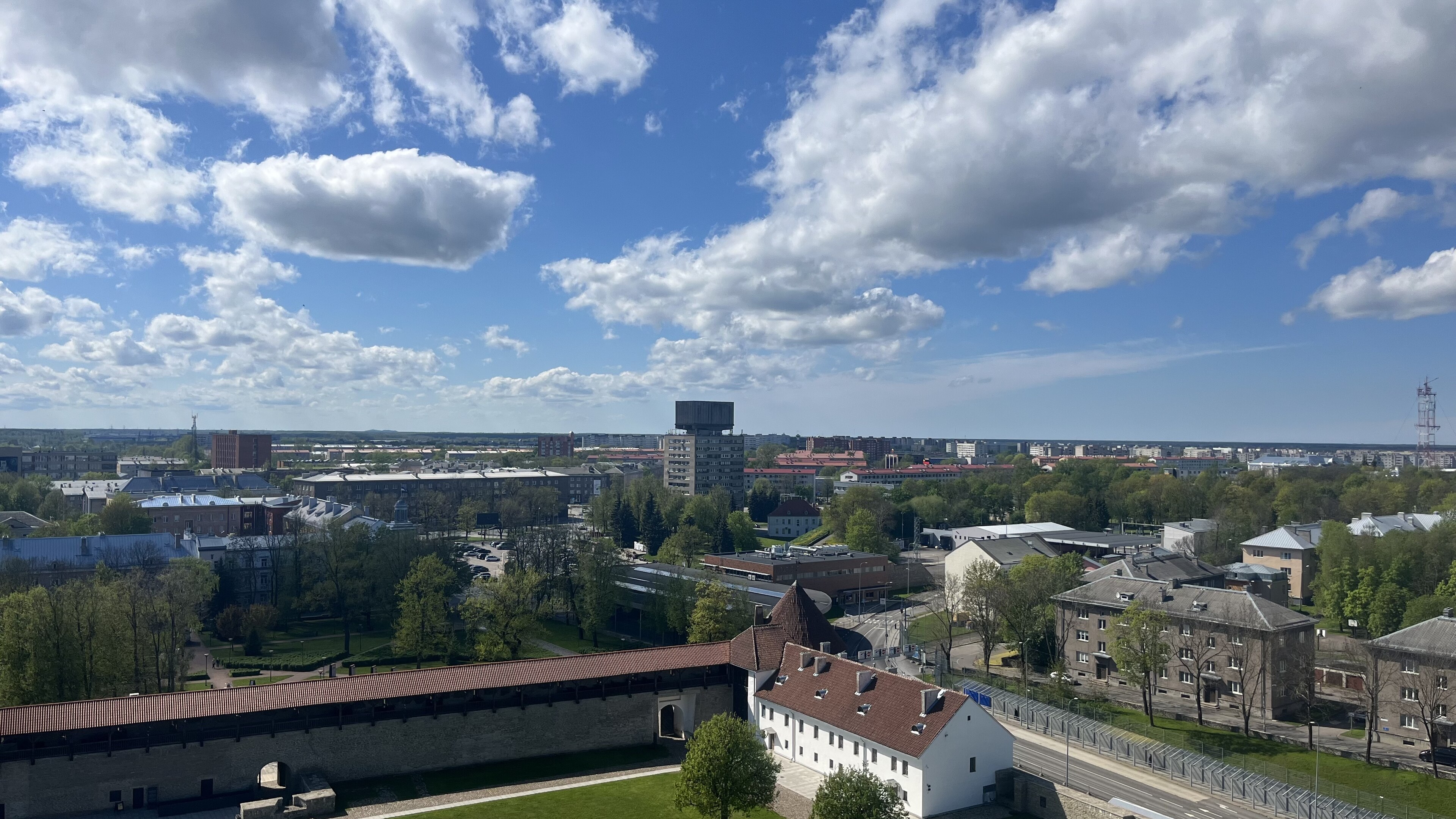
Why Narva is Perfect for Your Celebration
- Hermann Castle provides a genuinely rare medieval fortress backdrop for ceremonies and receptions
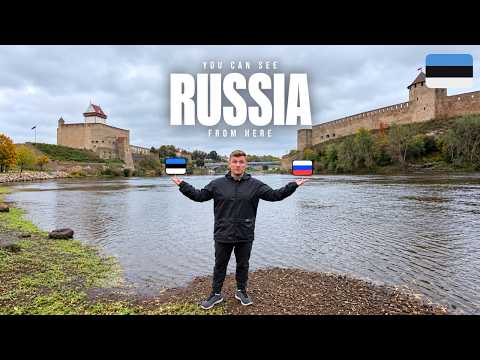
- The Narva River setting — with Ivangorod Castle directly opposite — creates a dramatic, one-of-a-kind visual for events
- Summer brings long Nordic daylight hours (up to 18+ hours), extending outdoor event possibilities well into the evening
- Narva's cultural renaissance, including the Narva Opera Days festival, signals a growing local events infrastructure
- Relatively affordable event hosting compared to Tallinn or other Western European destinations
- Intimate city scale suits smaller, curated guest lists seeking an authentic, non-touristy experience
Compare Narva with Other Top Destinations
Frequently Asked Questions
Is Narva a good destination for a wedding?
Yes, for the right kind of wedding. Narva suits intimate, smaller celebrations — typically under 150 guests — where atmosphere and authenticity matter more than scale. The medieval castle setting and riverside panorama provide a genuinely distinctive backdrop. It is not well-suited to large, logistically complex weddings requiring extensive luxury infrastructure, but for couples seeking something genuinely different, it is a compelling choice.
What is the best time of year to hold an event in Narva?
Summer — June, July, and August — is the only reliably practical window. Temperatures are mild (typically 17–24°C), daylight extends up to 18 hours near the solstice, and outdoor spaces are fully usable. The rest of the year brings cold, rain, snow, or short daylight hours that make outdoor events impractical and reduce the city's overall atmosphere significantly.
How do guests travel to Narva for an event?
Most guests arrive via Tallinn Airport, approximately 210 km away, then continue by direct train or road — a journey of roughly 2.5 to 3 hours. The Narva Railway Station has regular direct services from Tallinn, making rail the most straightforward group travel option. There is no commercial airport in Narva itself, so international guests should plan for the Tallinn transfer.
How large a guest list can Narva realistically accommodate?
Narva comfortably suits events up to around 100–150 guests. The city's hotel accommodation stock is limited, and very large groups will find it difficult to house everyone within the city. For events above 150 guests, planners should consider whether supplementary accommodation in nearby towns or a different destination altogether would be more practical.
What kinds of event spaces are available in Narva?
The most distinctive option is the Hermann Castle complex, which offers courtyard and grounds settings for ceremonies and receptions. City-centre hotels provide banquet and function rooms for smaller indoor receptions. Riverside outdoor spaces along the Narva promenade suit informal gatherings and photography. Cultural centres and community halls can also be adapted for private events with appropriate supplier coordination.
Are there local wedding and event vendors in Narva?
Yes, though the ecosystem is developing rather than mature. Local caterers, photographers, and basic event suppliers are available and draw on both Estonian and Russian culinary and creative traditions. For more specialist requirements — bespoke décor, large-scale AV, luxury catering — planners typically supplement with vendors brought in from Tallinn, which is workable with advance planning.
What languages are spoken in Narva, and will my guests be understood?
Narva is bilingual — Estonian and Russian are both widely spoken, reflecting the city's unique cultural character. English is spoken in most hospitality settings, though less universally than in Tallinn. For events with international guests, it is worth confirming English proficiency with specific venues and vendors in advance, and considering a bilingual event coordinator if needed.
What makes Narva's setting genuinely distinctive for events?
The combination of Hermann Castle — a functioning medieval fortress — and the view across the Narva River to Ivangorod Castle on the opposite bank creates a visual and historical backdrop found nowhere else in the Baltic region. This border-river panorama, combined with the city's bilingual Estonian-Russian character, gives events in Narva an atmosphere that is genuinely impossible to replicate elsewhere.
Is Narva safe for international guests attending an event?
Generally yes. Narva is part of Estonia, a European Union and NATO member state, and is considered safe for visitors. The city's position on the Estonian-Russian border is geographically notable but does not present safety concerns for event guests. Standard travel awareness applies, as it would in any city, and most international guests find the experience straightforward and welcoming.
What is local transport like for a group once they arrive in Narva?
Narva's city centre is compact and largely walkable — the castle, riverside promenade, and main accommodation cluster are all within easy reach of each other on foot or by short taxi ride. For coordinated group transfers between venues or from the train station, local minibus or coach hire is available, though advance booking is advisable given the limited local fleet size.
Does Narva suit cultural or non-traditional celebrations beyond weddings?
Yes. Narva's bilingual character, historic architecture, and growing arts scene make it well-suited to cultural gatherings, milestone anniversary events, family reunions, and creative social celebrations. The city hosts established summer cultural events — including the Narva Opera Days festival — which can add atmosphere and programming context around a private celebration held during the same period.

Ready to explore venues in Narva?
Narva: Destination Wedding & Cultural Event Venues in Estonia
◆Narva is Estonia's easternmost city, best suited to intimate weddings, cultural celebrations, and creative social gatherings that benefit from a genuinely historic, riverside setting. Its primary vibe is cultural and timeless — anchored by a medieval castle, a dramatic river border, and a bilingual Estonian-Russian character unlike anywhere else in the Baltic region. Summer (June through August) is the only practical season for outdoor events, offering long daylight hours and mild temperatures. Accessibility requires planning — guests typically arrive via Tallinn by train or road — but the city's authenticity, affordability relative to Western Europe, and emerging events infrastructure make it a compelling choice for smaller, curated celebrations.
Narva at a Glance
| Category | Detail |
|---|---|
| Best For | Intimate weddings, cultural gatherings, social celebrations, creative events |
| Primary Vibe | Cultural & Timeless |
| Other Vibes | Historic, Riverside, Intimate, Authentic |
| Best Season | Summer (Jun, Jul, Aug) |
Why Choose Narva?
- Hermann Castle as a ceremony backdrop: Few destinations in Northern Europe offer a functioning medieval fortress as an event setting. The castle's courtyard and surrounding grounds provide a dramatic, historically resonant space for ceremonies and receptions that simply cannot be replicated elsewhere.
- The Narva River border panorama: The view across the river to Ivangorod Castle on the Russian side creates a visual spectacle that is genuinely unique — a natural conversation piece and photographic backdrop that guests remember long after the event.
- Extended summer daylight: At this northern latitude, June and July bring up to 18 hours of usable daylight, meaning outdoor receptions, garden dinners, and riverside gatherings can run well into the evening without artificial lighting becoming a necessity.
- Bilingual cultural character: Narva's Estonian-Russian cultural duality gives events a distinctive, cross-cultural atmosphere — particularly appealing for couples or families with ties to both communities, or those seeking an event that feels genuinely rooted in place rather than generic.
- Relative affordability: Compared to Tallinn, Riga, or most Western European event destinations, Narva offers a meaningfully lower cost base for venue hire, local catering, and accommodation — making it accessible for celebrations that prioritise experience over scale.
- Emerging cultural scene: Events such as the Narva Opera Days festival signal that the city is actively developing its cultural and hospitality infrastructure, with growing local expertise in hosting public and private celebrations.
Which Celebrations Work Best in Narva?
- Intimate weddings: Narva is particularly well-suited to smaller weddings — typically under 100–150 guests — where the emphasis is on atmosphere, authenticity, and a memorable setting rather than large-scale logistics. The castle grounds and riverside locations provide ceremony and reception spaces that feel genuinely special without requiring a large venue footprint.
- Cultural and arts gatherings: The city's growing arts scene, its bilingual character, and its historic architecture make it a natural fit for cultural celebrations, anniversary events, and gatherings that want to engage with a place's identity rather than simply use it as a backdrop.
- Social celebrations and milestone events: Significant birthdays, family reunions, and anniversary dinners work well here — the intimate city scale means a group can feel like they genuinely have the place to themselves, and the summer season provides reliable conditions for outdoor dining and evening events.
- Creative and non-traditional events: Couples or planners looking for something deliberately different from mainstream wedding destinations — avoiding the well-worn circuits of Tuscany, Santorini, or the Algarve — will find Narva's industrial-heritage aesthetic, Soviet-era architecture, and medieval core genuinely distinctive raw material for creative event design.
Venues & Event Spaces
Narva's venue landscape is modest in scale but distinctive in character. The most significant event space is the Hermann Castle complex, which offers courtyard and grounds settings for ceremonies and receptions — subject to availability and local authority permissions. The city's hotels, primarily in the three-star tier, provide banquet and function rooms suitable for smaller receptions and dinners. Riverside outdoor spaces along the Narva promenade offer informal settings for pre-event gatherings and photography. The city also has cultural centres and community halls that can be adapted for private events, though these typically require more coordination with local suppliers to bring up to a polished event standard. Overall, Narva suits groups comfortable with a more curated, hands-on approach to venue selection rather than a plug-and-play resort experience.
Best Time to Celebrate
Summer — specifically June, July, and August — is the only genuinely practical window for events in Narva, and particularly for anything with an outdoor component. During these months, temperatures typically range from around 17°C to 24°C, conditions are generally dry and settled, and the extended daylight hours (peaking near the summer solstice in late June) allow outdoor receptions and riverside gatherings to continue well into the evening in natural light. The atmosphere during summer is also when Narva is most animated — cultural festivals, outdoor markets, and public events bring the city to life in a way that enhances the experience for visiting guests.
The rest of the year presents significant challenges. Autumn (September–October) sees temperatures drop quickly, rainfall increases, and the daylight window shortens rapidly — outdoor events become unreliable from September onward. Winter (November through March) brings harsh cold, frequent snow, and very short daylight hours, making outdoor celebrations essentially impractical and placing heavy demands on indoor heating and logistics. Spring (April–May) can be appealing in theory but is frequently disrupted by cold snaps, lingering frost, and unpredictable weather — not a reliable window for events that depend on outdoor spaces. Planners should treat summer as the firm, non-negotiable season for Narva events.
Getting There & Local Connectivity
Narva does not have its own commercial airport. The nearest practical international gateway is Tallinn Airport, located approximately 210 km to the west — a journey of roughly 2.5 to 3 hours by road or direct train. For guests arriving from within Estonia or from neighbouring Finland (via Tallinn), this is a manageable connection. For international guests flying in from further afield, the Tallinn leg adds a meaningful transfer, and event planners should factor in overnight accommodation in Tallinn for guests with early or late flights.
The Narva Railway Station is served by direct trains from Tallinn, making rail the most straightforward group travel option for guests already in Estonia. The train journey is comfortable and scenic, passing through the Estonian countryside, and is generally reliable. Within Narva itself, the city is compact and walkable for a group — the castle, riverside promenade, and main hotel cluster are all within easy reach of each other on foot or by short taxi ride. For larger groups requiring coordinated transfers, local minibus or coach hire is available, though advance booking is advisable given the limited local fleet size.
Local Vendor & Hospitality Ecosystem
Narva's vendor ecosystem is developing but remains limited compared to established event destinations. Local catering options draw on both Estonian and Russian culinary traditions, which can be a genuine asset for events that want to reflect the city's cultural duality — expect hearty, flavourful food with strong local character. Florists, photographers, and basic event production suppliers are present in the city, though the range and depth of specialist wedding vendors (bespoke décor, luxury catering, large-scale AV production) is narrower than in Tallinn or other major Baltic cities.
For larger or more complex events, planners typically supplement local suppliers with vendors brought in from Tallinn, which adds logistical coordination but is entirely workable. The local hospitality sector — hotels, restaurants, and cultural venues — is generally welcoming and accustomed to hosting both Estonian and Russian-speaking guests, which is a practical advantage for bilingual or cross-cultural celebrations. English is spoken in most hospitality settings, though less universally than in Tallinn. Overall, Narva rewards planners who engage early, build relationships with local contacts, and are comfortable with a more hands-on approach to vendor coordination.
Pros & Things to Consider
Why Narva Works Well
- Genuinely unique setting — medieval castle, river border, and bilingual cultural character are found nowhere else in the Baltic region
- Extended summer daylight hours create exceptional conditions for outdoor ceremonies and evening receptions
- Intimate city scale suits smaller guest lists and creates a sense of exclusivity without requiring a private venue buyout
- Relatively affordable compared to Western European and even Tallinn-based event destinations
- Growing cultural infrastructure, including established summer festivals, adds atmosphere and programming options around an event
- Compact, walkable city centre makes group logistics straightforward once guests have arrived
Things to Consider
- No nearby international airport — guests must travel via Tallinn, adding time and complexity for international attendees
- Hotel accommodation capacity is limited; large guest lists (150+) will find it difficult to house everyone within the city itself
- Specialist wedding vendor depth is narrower than in major event cities — complex productions may require importing suppliers from Tallinn
- The city's geopolitical position on the Estonian-Russian border means some guests may have questions or concerns about proximity to the border; planners should be prepared to address this proactively
- Outdoor events are strictly seasonal — the viable window is genuinely limited to three months, with little flexibility on either side
- English proficiency among local vendors and hospitality staff, while generally adequate, is less consistent than in Tallinn
When Narva May Not Be the Right Fit
- Large guest lists: If your celebration involves more than 150–200 guests, Narva's hotel and venue inventory will struggle to accommodate everyone comfortably in one place — a larger city with more diverse accommodation stock would serve better.
- International guests with complex travel itineraries: For events where a significant proportion of guests are flying in from outside Estonia or the Baltic region, the absence of a nearby international airport and the required Tallinn transfer adds meaningful friction — destinations with direct international airport access will be considerably easier to coordinate.
- Autumn, winter, or spring events: If your preferred dates fall outside June–August, Narva's climate makes outdoor events unreliable to impractical, and the city's atmosphere is considerably quieter — a destination with a longer viable event season would be a more dependable choice.
- Couples seeking a full-service luxury resort experience: Narva's accommodation and venue landscape is characterised by independent, mid-range properties rather than large luxury resorts with in-house wedding coordination teams — those seeking a seamless, all-inclusive luxury event package will find the local offering limited.