
Why Luxor is Perfect for Your Celebration
- Iconic ancient temples and monuments provide a genuinely unmatched ceremonial backdrop found nowhere else on earth
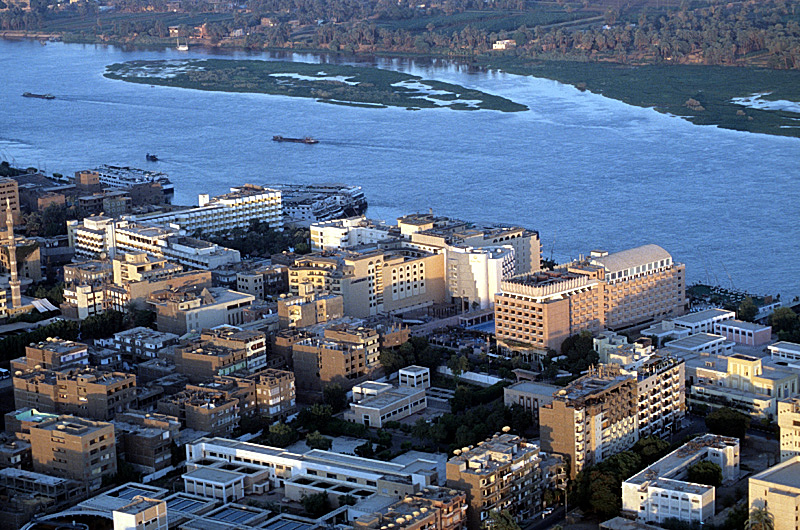
- The Nile River offers dramatic sunset views and floating venue options for pre-wedding events and sundowners
- Cool, dry winters (Oct–Apr) deliver near-perfect outdoor event weather with clear skies and low humidity
- A growing portfolio of Nile-view luxury and heritage-style resorts caters to international wedding and event groups
- Luxor's compact geography means guests can easily move between accommodation, ceremony, and sightseeing within short distances
- Rich local culture — horse-drawn carriages, felucca rides, traditional music — adds authentic experiential layers to any celebration

Compare Luxor with Other Top Destinations
Frequently Asked Questions
Is Luxor a good destination for a wedding?
Yes. Luxor is particularly well-suited to destination weddings for couples seeking a setting that is visually extraordinary and culturally resonant. Ancient temples, Nile-view hotel gardens, and warm winter evenings create a ceremony atmosphere that is genuinely unique. The destination works best for intimate to mid-size groups of roughly 50–300 guests, and the cool season from October through April provides reliable outdoor event weather.
What is the best time of year to hold a wedding or event in Luxor?
The best season is October through April — Luxor's Cool / Mild Season. During this window, temperatures are comfortable for outdoor events, skies are reliably clear, and humidity is very low. May through September should be avoided: Luxor is one of the hottest cities on earth in summer, with temperatures regularly exceeding 40°C, making outdoor celebrations impractical and significantly affecting guest comfort even indoors.
How do international guests get to Luxor?
Luxor has its own international airport (LXR), approximately 7 km from the city center, with direct flights from several European cities during the winter tourism season. Guests from further afield typically connect through Cairo International Airport, which has broad global connectivity. The Luxor Railway Station also connects the city to Cairo via an overnight sleeper train service, which is a practical option for guests travelling domestically within Egypt.
What kinds of venues are available for events in Luxor?
Luxor's event spaces range from grand heritage hotels with colonial-era ballrooms and Nile-view garden lawns along the Corniche, to boutique properties on the quieter West Bank. Floating venues — private Nile cruisers and traditional dahabiyas — are available for smaller dinners or cocktail events. Outdoor Nile-side lawns and hotel terraces are the most commonly used ceremony and reception spaces during the cool season.
How many guests can Luxor venues realistically accommodate?
Most of Luxor's established event venues comfortably accommodate groups of 50–300 guests for a seated reception or ceremony. The larger Nile Corniche hotels can stretch toward 400–500 guests for standing receptions or multi-space events. Very large-scale events of 500 or more guests under a single roof may find the local venue inventory limiting, and planners should verify specific capacities directly with properties.
Is it possible to hold a ceremony near Luxor's ancient temples?
Events at or immediately adjacent to protected archaeological sites — such as Karnak or Luxor Temple — require coordination with Egyptian antiquities authorities and are subject to specific access, conduct, and permit regulations. This is achievable but adds a regulatory layer to planning timelines. Most couples opt for hotel gardens or Nile-view terraces that offer temple silhouettes as a backdrop rather than events within the sites themselves.
What experiential activities can be incorporated into a multi-day celebration in Luxor?
Luxor's experiential programming is genuinely rich for a city of its size. Hot-air balloon flights over the West Bank at sunrise, private Egyptologist-led temple tours, felucca and Nile cruiser sundowners, horse-drawn carriage rides along the Corniche, and traditional Nubian music performances can all be woven into a multi-day wedding or celebration itinerary. These experiences are well-established and regularly arranged for international event groups.
How developed is the local wedding vendor ecosystem in Luxor?
The major hotels have experienced in-house event coordination teams and full banquet catering capabilities suited to international groups. English is widely spoken across the hospitality sector. The pool of independent specialist vendors — florists, photographers, stylists — is smaller than in major metropolitan markets, so planners may need to bring certain specialists from outside Egypt. Working with a local destination management company (DMC) is strongly advisable for events of meaningful scale.
Is alcohol available at events in Luxor?
Alcohol is available at licensed hotels and resorts in Luxor, which covers most of the major event venues along the Nile Corniche. However, alcohol service is subject to Egyptian regulations and is not universally available at all venues or in all contexts. Couples and planners for whom this is relevant should confirm licensing and service arrangements with their chosen venue well in advance of the event date.
What is local transport like for a guest group once they arrive in Luxor?
Luxor's East Bank — where most hotels and the main temples are located — is compact and well-suited to group minibus transfers. The West Bank requires a short Nile crossing by ferry or private boat, which is routine and can be incorporated as part of the guest experience. Most hotels can arrange dedicated group transport for event days. Taxis and minibuses are readily available for individual guest movement between the airport, hotels, and venues.
Is Luxor safe for international wedding guests?
Luxor is generally considered safe for international visitors, particularly within the main tourist and hospitality areas along the East Bank Corniche and around the major temples. The city has a long history of hosting international tourism and its hospitality zones are well-monitored. As with any international destination, guests should follow standard travel awareness practices and check current government travel advisories for Egypt before finalising plans.

Ready to explore venues in Luxor?
Luxor: Destination Wedding & Celebration Venues on the Nile
◆Luxor is one of the world's most historically significant cities and a genuinely distinctive destination for weddings, milestone celebrations, and cultural events. Its primary vibe is Cultural & Timeless — anchored by pharaonic temples, the Nile River, and a desert landscape that exists nowhere else on earth. The destination suits intimate to mid-size weddings, anniversary galas, corporate retreats with cultural programming, and pre-wedding events such as sundowners on the Nile. The best season runs from October through April, when temperatures are cool and dry. Accessibility is moderate — Luxor has its own international airport and a central railway station, though international guests typically connect via Cairo. The hospitality tier spans 3-star to 5-star, with a clear luxury cluster along the Nile Corniche.
Luxor at a Glance
| Attribute | Detail |
|---|---|
| Best For | Destination Weddings, Anniversary Galas, Cultural Retreats, Pre-Wedding Celebrations |
| Primary Vibe | Cultural & Timeless |
| Other Vibes | Ancient & Atmospheric, Romantic, Heritage-Rich |
| Best Season | Cool / Mild Season (Jan, Feb, Mar, Apr, Oct, Nov, Dec) |
Why Choose Luxor?
- Unrivalled ceremonial backdrops: No other destination on earth offers the visual drama of Karnak Temple, Luxor Temple, or the Valley of the Kings as a setting for a wedding ceremony or gala dinner — these are genuinely unique, not merely scenic.
- The Nile as a living venue: Felucca sailboats, private Nile cruisers, and Corniche-side terraces allow event planners to incorporate the river itself into the celebration programme — from sunset cocktail cruises to floating dinners.
- Exceptional cool-season weather: Between October and April, Luxor enjoys clear blue skies, very low humidity, and temperatures that make outdoor evening events genuinely comfortable — a rarity for a destination this far south.
- Compact, navigable city: Luxor's main event venues, temples, and accommodation are concentrated along a relatively short stretch of the East Bank Corniche, making group logistics straightforward compared to sprawling metropolitan destinations.
- Mature international hospitality infrastructure: Decades of high-volume international tourism have produced a hospitality ecosystem — hotels, guides, catering operators, and event coordinators — that is experienced in managing international guest groups with specific requirements.
- Authentic cultural programming: Horse-drawn carriage rides, traditional Nubian music, hot-air balloon flights over the West Bank, and private temple access after hours can all be woven into a multi-day celebration itinerary in ways that feel genuinely immersive rather than staged.
Which Celebrations Work Best in Luxor?
Destination Weddings: Luxor is particularly well-suited to couples seeking a ceremony setting that is visually extraordinary and culturally resonant. The combination of Nile-view hotel gardens, ancient temple silhouettes at dusk, and warm winter evenings creates a ceremony atmosphere that is difficult to replicate elsewhere. Guest groups of 50–300 are comfortably accommodated across the available venue inventory.
Anniversary & Milestone Galas: The grandeur of Luxor's heritage hotels — particularly those with colonial-era architecture along the Corniche — lends itself naturally to formal gala dinners and milestone celebrations where atmosphere and prestige matter as much as logistics.
Pre-Wedding Celebrations (Mehendi, Sundowners, Welcome Dinners): The Nile at sunset is one of the most reliably spectacular natural settings for an informal pre-wedding gathering. Felucca cruises, rooftop terraces, and riverside lawns all work well for these smaller, more relaxed events within a larger wedding programme.
Cultural & Heritage Retreats: Corporate groups or private travel parties seeking a retreat with genuine intellectual and cultural depth — private Egyptologist-led temple tours, hot-air balloon experiences, West Bank excursions — will find Luxor's programming options unusually rich for a city of its size.
Venues & Event Spaces
Luxor's event venue landscape is anchored by a cluster of full-service hotels and resorts along the East Bank Nile Corniche, most of which offer dedicated banquet halls, outdoor garden lawns, and Nile-view terraces suitable for ceremonies and receptions. The most atmospheric properties occupy historic colonial-era buildings that have been maintained as heritage hotels, offering ballrooms and colonnaded gardens with a grandeur that purpose-built modern venues rarely match.
Beyond the Corniche hotels, the city has a smaller number of boutique and mid-range properties on both the East and West Banks, some of which offer more intimate garden or rooftop settings suited to smaller gatherings. The West Bank — quieter and less developed — provides a more private, desert-adjacent atmosphere for couples who want seclusion over spectacle.
For outdoor events, Nile-side lawns and hotel gardens are the most commonly used spaces, and the dry winter climate makes open-air evening receptions reliably feasible from October through April. Floating venues — private Nile cruisers or traditional dahabiyas — are available for smaller groups seeking a genuinely unique setting for a dinner or cocktail event. Planners should note that events at or immediately adjacent to protected archaeological sites require coordination with Egyptian antiquities authorities and are subject to specific access and conduct regulations.
Best Time to Celebrate
The curated best season for Luxor events is the Cool / Mild Season: January, February, March, April, October, November, and December. This window is the right choice for the following concrete reasons:
- January and February are the coolest months, with daytime temperatures typically in the mid-to-upper teens Celsius and evenings that can be genuinely cool — ideal for outdoor ceremonies and receptions without heat management concerns. These months also see the highest volume of international visitors, meaning hospitality services are at their most practiced and responsive.
- March and April are transitional months with warming temperatures — daytime highs can reach the high 20s to low 30s Celsius by April — but evenings remain comfortable and outdoor events are still very manageable. April is the last reliable month before summer heat becomes a serious planning constraint.
- October and November mark the return of comfortable conditions after the brutal summer. October can still see occasional warm afternoons, but evenings are pleasant and the city is less crowded than the peak January–February window, which can be an advantage for groups seeking more exclusive access to venues and experiences.
- December sits firmly in the comfortable cool season and is a popular month for international destination weddings in Luxor, benefiting from the holiday travel window and reliably mild evenings.
The months to avoid are May through September. Luxor is one of the hottest inhabited cities on earth during this period — daytime temperatures regularly exceed 40°C and can approach 45°C in June and July. Outdoor events are not feasible, indoor venues require heavy air conditioning, and the overall guest experience is significantly compromised. Even indoor-only events during this period face challenges around guest comfort during transfers and outdoor movement. There is no meaningful shoulder season between April and October — the transition from comfortable to extreme is relatively abrupt.
Getting There & Local Connectivity
Luxor is served by Luxor International Airport (LXR), located approximately 7 km from the city center — a short transfer that is one of the most convenient airport-to-city ratios of any Egyptian destination. The airport receives direct international flights from several European cities (particularly during the winter tourism season) as well as regular domestic connections from Cairo. International guests from outside Europe or the Middle East will typically connect through Cairo International Airport, which has broad global connectivity.
The Luxor Railway Station sits centrally on the East Bank and connects the city to Cairo (approximately 10–12 hours by overnight sleeper train) and Aswan to the south. The sleeper train between Cairo and Luxor is a well-established route used by both tourists and locals, and can be a practical option for guests travelling from Cairo who prefer not to fly. Train travel within Egypt is generally reliable on the main Upper Egypt corridor, though journey times are long.
Within Luxor itself, group movement is manageable. The East Bank — where most hotels and the main temples are located — is compact enough that minibus transfers between venues, hotels, and the Corniche are straightforward. The West Bank requires a short Nile crossing (by ferry or private boat), which adds a logistical step but is entirely routine and can itself become part of the guest experience. Taxis, minibuses, and horse-drawn carriages (calèches) are all available for local movement, and most hotels can arrange dedicated group transport for event days.
Local Vendor & Hospitality Ecosystem
Luxor's hospitality ecosystem has been shaped by decades of high-volume international tourism, which means the city's hotels and service providers are generally experienced in managing international guest groups with varied requirements. English is widely spoken across the hospitality sector, and most of the larger hotels have in-house event coordination teams familiar with destination wedding logistics.
Local catering capabilities are solid within the hotel ecosystem — the major Nile Corniche properties have full banquet kitchens capable of producing both international and regional menus at scale. Independent catering operators outside the hotels are available but less standardised in quality, so most event planners working in Luxor tend to anchor catering within the host hotel rather than sourcing externally.
Specialist wedding vendors — florists, photographers, entertainment coordinators — are available locally, though the pool is smaller than in Cairo or major European destination wedding markets. Planners bringing specialist vendors from outside Egypt should factor in logistics for equipment and materials. Egyptologist guides, hot-air balloon operators, and Nile cruise companies are well-established and experienced in working with event groups, and these experiential vendors are generally among the strongest in the local ecosystem.
It is worth noting that event planning in Egypt involves navigating local regulatory requirements — particularly around permits for events near archaeological sites, alcohol licensing (relevant for international wedding receptions), and coordination with tourism authorities. Working with a local destination management company (DMC) that has established relationships with these bodies is strongly advisable for any event of meaningful scale.
Pros & Things to Consider
Why Luxor Works Well
- Genuinely unique ceremonial settings — ancient temples and the Nile offer visual drama that no purpose-built venue can replicate
- Excellent cool-season weather from October through April, with clear skies and low humidity ideal for outdoor events
- Compact city geography makes group logistics and transfers straightforward on event days
- Its own international airport with direct European connections reduces the complexity of guest arrival
- A mature, internationally-experienced hospitality sector with English-speaking staff across major properties
- Rich experiential programming — balloon flights, temple tours, Nile cruises — gives multi-day celebrations genuine depth
Things to Consider
- The summer months (May–September) are genuinely extreme and effectively rule out outdoor events — the planning window is seasonal, not year-round
- Alcohol service is available at licensed hotels but is subject to Egyptian regulations and is not universally available at all venues or in all contexts — this requires advance confirmation for any event where it is relevant
- Events near or at archaeological sites require permits and coordination with Egyptian antiquities authorities, which adds a regulatory layer that planners must account for in timelines
- The local specialist wedding vendor pool (florists, photographers, stylists) is smaller than in major metropolitan destination wedding markets — importing specialist vendors from outside Egypt may be necessary for some requirements
- International guests from Asia, the Americas, or Australasia face long-haul journeys with Cairo connections, which can affect guest attendance rates for larger groups
When Luxor May Not Be the Right Fit
- Summer events (May–September): If your event date falls in the summer months, Luxor's extreme heat makes outdoor celebrations impractical and significantly compromises the overall guest experience — a different destination or a date change would serve the group better.
- Very large guest lists (500+): Luxor's venue inventory, while solid for mid-size groups, does not comfortably support very large-scale events of 500 or more guests under a single roof — planners with guest lists at this scale may find the local capacity limiting.
- Guests with limited international travel experience or mobility constraints: The journey to Luxor — typically involving an international flight, a Cairo connection, and a domestic leg — can be demanding for guests who are not frequent travellers or who have significant mobility requirements. A more accessible destination may be a better fit for such groups.
- Couples seeking a lush, green, or tropical aesthetic: Luxor's landscape is desert and ancient stone — beautiful in its own right, but fundamentally arid. Couples whose vision centres on tropical greenery, lush gardens, or coastal scenery will find the local environment works against rather than for that aesthetic.