
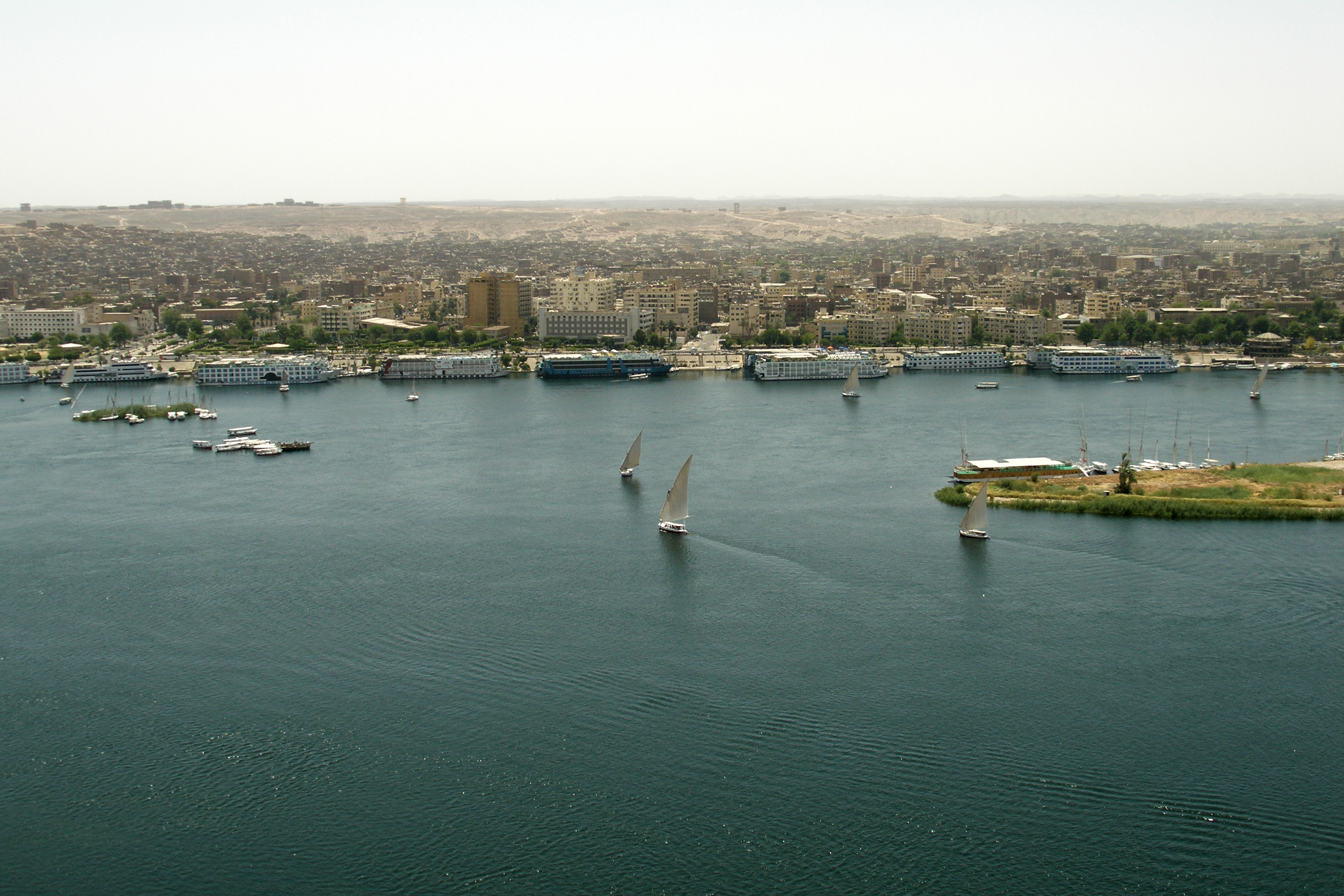
Why Aswan is Perfect for Your Celebration
- Iconic Nile River setting with felucca-dotted waters and golden desert cliffs as a natural backdrop
- Proximity to UNESCO World Heritage sites including Philae Temple and Abu Simbel for unique event experiences
- Vibrant Nubian cultural heritage offering distinctive décor, music, and hospitality traditions
- Cool, dry winters (Oct–Apr) provide near-perfect outdoor event conditions with clear skies
- Intimate city scale means personalised service and exclusive venue buyouts are genuinely achievable
- Nile cruise options allow multi-day celebration itineraries combining events with cultural excursions

Compare Aswan with Other Top Destinations
Frequently Asked Questions
Is Aswan a good destination for a wedding?
Yes, particularly for intimate destination weddings of under 200 guests. Aswan offers a genuinely distinctive setting — Nile river scenery, ancient temples, and Nubian cultural heritage — that suits couples prioritising atmosphere and cultural depth. Its Nile-facing heritage hotels and island resorts provide ceremony and reception spaces that are difficult to replicate elsewhere. It is less suited to very large-scale weddings requiring high-capacity indoor ballrooms.
What is the best time of year to hold an event in Aswan?
The best period is October through April — Aswan's cool, dry season. During these months, temperatures are comfortable for outdoor events, skies are reliably clear, and humidity is very low. May through September should be avoided: temperatures regularly exceed 40°C, making outdoor event components impractical and placing significant strain on guests.
How do guests typically travel to Aswan for a destination event?
Guests can reach Aswan by air via Aswan International Airport, with domestic connections from Cairo and Luxor, or by the scenic overnight sleeper train from Cairo. International guests typically route through Cairo International Airport. The train journey along the Nile valley is itself a memorable experience that many event hosts incorporate into the guest itinerary.
What kinds of venues are available for events in Aswan?
Aswan's event spaces are primarily Nile-facing hotel terraces, garden lawns, and island resort grounds — formats that make the river and desert scenery central to the event. Chartered felucca sailboats and Nile cruise vessels are also available for cocktail receptions or sunset dinners. Large indoor ballroom capacity is more limited than in Egypt's major cities, so outdoor or semi-outdoor formats work best.
How large a guest group can Aswan realistically accommodate?
Aswan works comfortably for events up to roughly 200–350 guests, depending on the venue. The city's leading island resorts and heritage hotels can handle mid-sized celebrations well. For very large gatherings requiring a single indoor space for 500 or more guests, the local venue inventory may be constraining, and a larger Egyptian city would be more appropriate.
Do international guests need a visa to attend an event in Aswan?
Yes. Most international nationalities require a visa to enter Egypt. Egypt offers an e-visa system that simplifies the process for many passport holders, but event planners should communicate visa requirements clearly to guests well in advance and build sufficient lead time into the planning timeline to avoid last-minute complications.
What makes Aswan's local hospitality and vendor ecosystem suited to events?
The city's leading international-brand hotels have experienced in-house events teams and strong catering capabilities, including distinctive Egyptian and Nubian cuisine. Nubian musicians, dancers, and cultural performers are readily available locally and add authentic value. Specialist wedding vendors — florists, lighting designers, high-end photographers — are a smaller local pool and may need to be sourced from Cairo, requiring earlier planning.
Can guests move around Aswan easily once they arrive?
Generally yes, though with some nuance. The Corniche road connects most major hotels efficiently, and private coaches or minibuses can be arranged for group transfers. Some of the most scenic resort properties sit on Nile islands and require short boat transfers — memorable but worth factoring into logistics, particularly for guests with mobility considerations.
Are there cultural experiences that can be incorporated into a multi-day event itinerary?
Yes — this is one of Aswan's strongest assets. Philae Temple, the Unfinished Obelisk, Nubian village visits, felucca sailing, and the short flight or road trip to Abu Simbel all provide world-class cultural programming for guests. Multi-day event itineraries that blend celebration with guided cultural experiences are particularly well-suited to Aswan's character.
Is Aswan safe for international event guests?
Aswan is generally considered safe for tourists and event guests. It is a well-established tourism destination with a long history of welcoming international visitors. Standard travel precautions apply, and event planners should monitor current travel advisories from their guests' home countries, as conditions across Egypt can vary. The city itself has a calm, unhurried atmosphere relative to larger Egyptian cities.
What is the connectivity like for guests staying in Aswan during an event?
Mobile data and Wi-Fi connectivity in Aswan is generally good at the major hotels and resorts, which maintain reliable internet infrastructure for business and leisure guests. Coverage in more remote areas — Nubian villages, desert excursion sites — may be limited, but for the purposes of event communication and guest coordination within the city, connectivity is adequate.

Ready to explore venues in Aswan?
Aswan: Destination Wedding & Event Venues on the Nile
◆Aswan is best suited to intimate, culturally immersive weddings, private celebrations, and social events where atmosphere and heritage matter as much as scale. Its primary vibe is Cultural & Timeless — shaped by ancient Egyptian and Nubian traditions, Nile river scenery, and desert landscapes. The destination works particularly well for couples and hosts seeking something genuinely distinctive rather than a conventional ballroom setting. The optimal season runs from October through April, when temperatures are comfortable for outdoor events. Aswan is accessible by air and rail from Cairo and Luxor, though international guests will typically require a connecting journey; it suits small-to-medium guest groups rather than very large gatherings.
Aswan at a Glance
| Category | Detail |
|---|---|
| Best For | Intimate weddings, cultural celebrations, private social events, honeymoon-adjacent gatherings |
| Primary Vibe | Cultural & Timeless |
| Other Vibes | Romantic, Serene, Heritage-rich, Nubian |
| Best Season | Cool / Mild Season (Jan, Feb, Mar, Apr, Oct, Nov, Dec) |
Why Choose Aswan?
- Unmatched Nile scenery: The upper Nile at Aswan — with its granite boulders, felucca sailboats, and desert cliffs — provides a natural event backdrop that is genuinely difficult to replicate anywhere else in the world.
- Living Nubian heritage: Aswan's Nubian communities bring a distinctive cultural identity to events — from traditional music and dance to vibrant colour palettes and artisan craftsmanship — giving celebrations a character that is specific to this place.
- Proximity to iconic ancient sites: Philae Temple, the Unfinished Obelisk, and the nearby Abu Simbel temples (reachable by short flight or road) allow event itineraries to incorporate genuinely world-class cultural experiences for guests.
- Intimate city scale enabling exclusivity: Aswan is not a sprawling metropolis. Its manageable size means that venue buyouts, private Nile cruises, and personalised hospitality arrangements are realistic and relatively straightforward to organise.
- Reliable winter climate: From October through April, Aswan enjoys clear skies, low humidity, and comfortable temperatures — conditions that are consistently well-suited to outdoor ceremonies, riverside dinners, and daytime excursions.
- Dual transport access: Aswan International Airport and a well-connected railway station mean guests can arrive by air or by the scenic overnight train from Cairo, giving event planners flexibility in how they route different guest groups.
Which Celebrations Work Best in Aswan?
- Intimate destination weddings: Aswan is particularly well-suited to smaller weddings — typically under 200 guests — where the couple prioritises atmosphere, cultural depth, and a memorable setting over sheer scale. Nile-facing lawns, heritage hotel terraces, and island resort gardens all lend themselves to ceremony and reception formats.
- Cultural and heritage celebrations: Events that deliberately incorporate local Nubian traditions — music, cuisine, décor, storytelling — find Aswan an especially receptive environment. The city's artisan community and cultural organisations can contribute meaningfully to event programming.
- Private social gatherings and milestone events: Anniversaries, significant birthdays, and family reunion-style gatherings benefit from Aswan's combination of luxury accommodation, scenic excursion options, and the sense of occasion that comes with a genuinely historic setting.
- Honeymoon extensions and post-wedding retreats: Many couples use Aswan as the romantic conclusion to a broader Egypt itinerary, combining a Nile cruise with a stay in the city. The destination's serene pace and scenic richness make it naturally suited to this format.
- Corporate retreats with a cultural dimension: Smaller executive retreats or incentive groups that want to combine structured sessions with meaningful cultural experiences — temple visits, felucca excursions, Nubian village tours — find Aswan a compelling alternative to more conventional conference destinations.
Venues & Event Spaces
Aswan's event venue landscape is defined primarily by its Nile-facing heritage hotels and island resorts. The most distinctive properties sit directly on or overlooking the river, offering outdoor terraces, garden lawns, and in some cases private island settings that make the Nile itself a central feature of any event. Several of the city's leading hotels occupy historic buildings with genuine architectural character — colonial-era stonework, Moorish arches, and Nubian design elements — that reduce the need for heavy external decoration.
Beyond the major hotels, Aswan offers felucca and Nile cruise vessels that can be chartered for cocktail receptions, sunset dinners, or informal celebration segments — a format that is genuinely unique to this destination. For daytime events or cultural programming, the grounds of nearby archaeological sites and Nubian cultural centres can sometimes be incorporated into event itineraries with appropriate permissions, adding a layer of spectacle that no conventional banquet hall can match.
Indoor ballroom capacity in Aswan is more limited than in Egypt's larger cities. The destination is best approached with a preference for outdoor or semi-outdoor formats — riverside lawns, rooftop terraces, and garden settings — which align naturally with the cool-season climate and the destination's scenic strengths. Groups requiring very large indoor banquet capacity (500+ guests under one roof) may find the local inventory constraining.
Best Time to Celebrate
The curated best season for Aswan events is the Cool / Mild Season: January, February, March, April, October, November, and December. This period is strongly preferred for several concrete reasons beyond simply "pleasant weather."
During these months, daytime temperatures typically range from the mid-teens to the high twenties Celsius, making outdoor ceremonies, riverside dinners, and daytime excursions genuinely comfortable. Crucially, humidity remains very low throughout — Aswan is one of the driest cities on earth — so even warmer days within this window feel manageable. Clear skies are the norm, meaning outdoor event planning carries very little weather risk. Sunset over the Nile during these months is particularly dramatic, with the low winter sun casting warm light across the granite boulders and desert cliffs.
April sits at the warmer edge of the acceptable window — daytime temperatures can reach the low-to-mid thirties — but evenings remain comfortable and the dry air keeps conditions tolerable for well-timed events.
May through September should be firmly avoided for any outdoor event component. Temperatures regularly exceed 40°C and can approach 45°C in peak summer. Even indoor events during this period place significant logistical strain on guests travelling to and from venues, and the heat makes any outdoor element — ceremonies, cocktail hours, photography sessions — genuinely uncomfortable or unsafe. There is no monsoon in Aswan (rainfall is negligible year-round), but the summer heat alone is sufficient reason to treat this period as unsuitable for celebrations.
Getting There & Local Connectivity
Aswan is served by Aswan International Airport (ASW), located approximately 25 km from the city centre. The airport handles domestic flights from Cairo and Luxor, as well as some international charter and scheduled services, particularly from European markets during the winter tourism season. For international guests, Cairo International Airport is the primary hub, with onward connections to Aswan by air (roughly one hour) or by the overnight sleeper train.
Aswan Railway Station sits centrally within the city and is well-connected to Cairo (approximately 12–14 hours by express or sleeper train) and Luxor (approximately 3–4 hours). The scenic train journey along the Nile valley is itself a notable experience that many guests appreciate as part of the overall event itinerary.
Within Aswan, local transport for event groups typically relies on private minibuses and coaches arranged through hotels or local operators — the city's road network is manageable for group movement, though the island resort locations (Elephantine Island, Isis Island) require short ferry or boat transfers, which add a logistical step but also a memorable arrival experience. Taxis and tuk-tuks are widely available for individual guest movement. The Corniche road running along the Nile is the city's main artery and connects most major hotels and event venues efficiently.
Local Vendor & Hospitality Ecosystem
Aswan's hospitality ecosystem is well-established for tourism but more specialised for large-scale private events than Cairo or Luxor. The city's leading hotels have experienced events teams accustomed to handling weddings, corporate groups, and private celebrations — particularly the major international-brand properties, which maintain in-house catering, décor, and coordination capabilities.
Local catering draws on a strong tradition of Egyptian and Nubian cuisine, and several operators specialise in incorporating traditional food and beverage elements into event menus — grilled Nile fish, slow-cooked Nubian stews, fresh date preparations, and hibiscus-based drinks among them. This culinary distinctiveness is a genuine asset for hosts who want their event to feel rooted in place.
For specialist wedding vendors — florists, photographers, lighting designers, entertainment acts — Aswan's local pool is smaller than in Cairo or Luxor, and event planners should expect to source some specialist suppliers from Cairo or from international vendors willing to travel. This is a manageable consideration rather than a barrier, but it does require earlier planning lead times and clear logistics coordination. Nubian musicians, dancers, and cultural performers are, by contrast, readily available locally and add authentic value to event programming.
Pros & Things to Consider
Why Aswan Works Well
- Genuinely iconic and irreplaceable Nile and desert scenery as a natural event backdrop
- Rich Nubian cultural heritage that can be meaningfully woven into event programming
- Reliable, dry cool-season climate with very low weather risk for outdoor events
- Intimate city scale enabling personalised service and exclusive venue arrangements
- Dual access by air and rail, with scenic journey options that enhance the guest experience
- Proximity to world-class archaeological sites that enrich multi-day event itineraries
Things to Consider
- Large indoor banquet capacity is limited — the destination is not well-suited to very large single-venue gatherings of 500+ guests
- Specialist wedding vendors (florists, lighting designers, international-style photographers) may need to be sourced from Cairo, requiring additional logistics and lead time
- International guests face a multi-leg journey — typically via Cairo — which adds travel complexity and cost compared to more directly connected destinations
- Egypt visa requirements apply to most international nationalities and must be factored into guest communication and planning timelines
- Island resort locations, while scenic, require boat transfers that add a logistical layer for guests with mobility considerations
- Alcohol availability follows Egyptian licensing norms — generally available at international hotels but not universally so across all venue types, which may affect event beverage planning
When Aswan May Not Be the Right Fit
- Very large guest lists: If your event requires a single indoor venue accommodating 500 or more guests, Aswan's current hotel and venue inventory is unlikely to meet that need comfortably — a larger Egyptian city would be more appropriate.
- Summer event dates: Any celebration planned between May and September will face extreme heat that makes outdoor elements genuinely impractical and places significant strain on guests. If your dates are fixed in this window, Aswan is not the right choice.
- Guests with very limited international travel experience: The multi-leg journey, visa requirements, and Arabic-language environment may present challenges for guest groups who are not accustomed to international travel — a more straightforwardly accessible destination would reduce friction.
- Events requiring a very large specialist vendor ecosystem on-site: If your event concept depends on a wide pool of locally available specialist suppliers — bespoke florists, international DJs, high-end production companies — Aswan's smaller local vendor market means you will need to import most of these from Cairo or abroad, which adds complexity and requires longer planning horizons.