
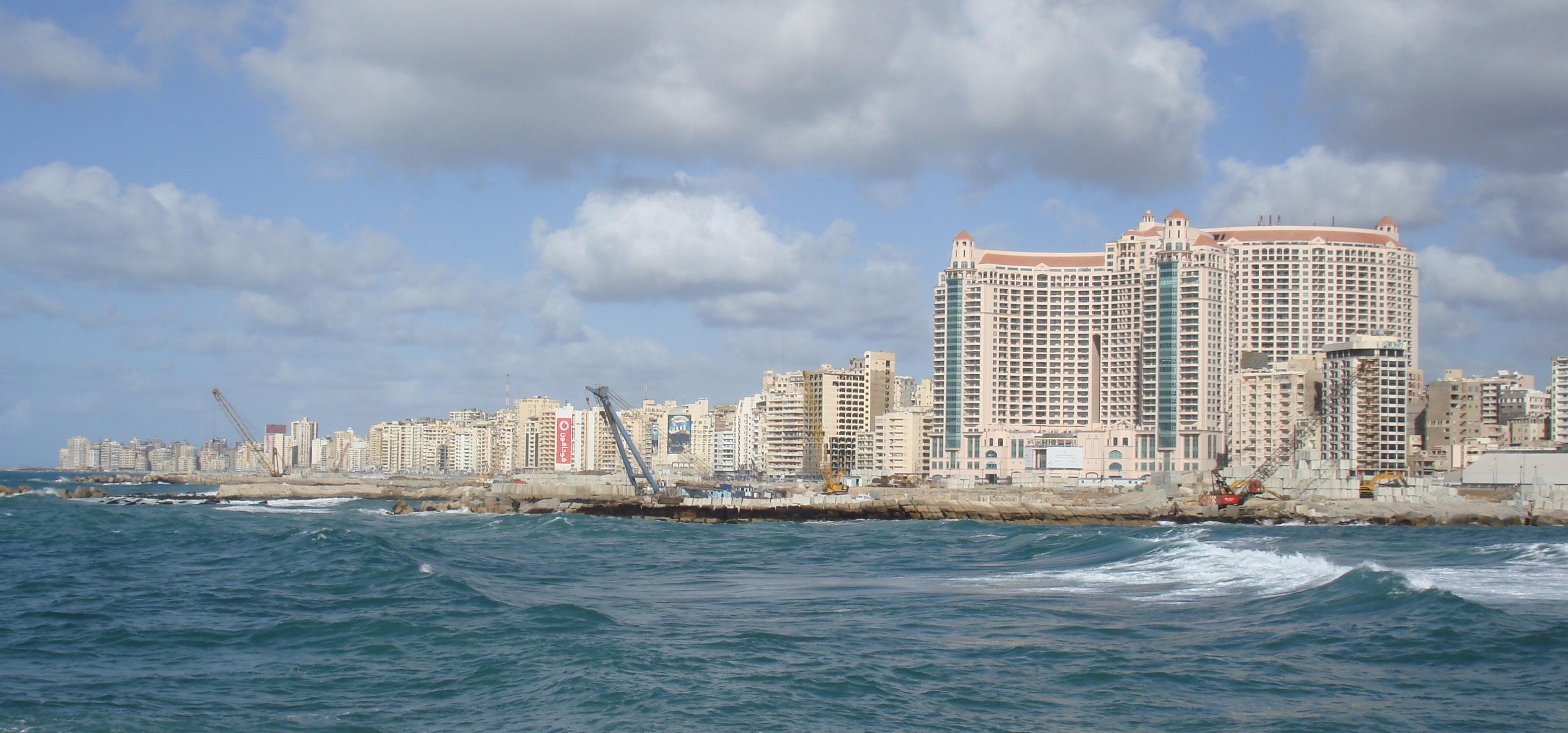
Why Alexandria is Perfect for Your Celebration
- Stunning Mediterranean corniche and seafront venues for open-air celebrations
- Rich Greco-Roman and colonial heritage providing dramatic, photogenic backdrops
- Warm, sunny summers (May–Sep) with long daylight hours perfect for outdoor events
- Well-developed 4-star and 5-star hotel inventory with large ballroom capacities
- Strong local catering and hospitality ecosystem with experience hosting large gatherings
- Accessible via direct flights to Borg El Arab Airport and high-speed rail from Cairo

Compare Alexandria with Other Top Destinations
Frequently Asked Questions
Is Alexandria a good destination for a wedding celebration?
Yes. Alexandria is particularly well-suited to weddings that want a combination of coastal scenery, heritage grandeur, and cosmopolitan hospitality. The Mediterranean corniche, Montazah Palace gardens, and the ballrooms of internationally branded hotels provide a range of settings from intimate to large-scale. The summer season (May–September) offers reliable, sunny conditions for outdoor ceremonies and evening receptions.
What guest group sizes can Alexandria venues realistically accommodate?
Alexandria's major hotel properties can comfortably accommodate weddings and events ranging from around 100 guests up to 600–800 guests across their ballroom and garden spaces. For very large gatherings exceeding 1,000 guests in a single contiguous space, planners may need to consider multi-space or marquee solutions, as the city's venue inventory is strong but not purpose-built for mega-scale single-room events.
What is the nearest airport to Alexandria, and how do guests typically get there?
Borg El Arab International Airport (HBE) is the primary airport serving Alexandria, located approximately 45 km west of the city centre. It handles domestic Egyptian routes and some regional connections. International guests typically fly into Cairo International Airport and then connect to Alexandria either by a short domestic flight to HBE or by intercity rail — a journey of roughly two to two-and-a-half hours from Cairo by express train.
How easy is it for guests to travel from Cairo to Alexandria for an event?
Very practical. Egyptian National Railways operates frequent express services between Cairo and Alexandria, with journey times of approximately two to two-and-a-half hours. This is one of Egypt's most reliable and well-used rail corridors, making it a genuinely comfortable option for guests based in Cairo. Road travel is also possible but subject to traffic, particularly during summer peak periods.
What is the best time of year to hold an event in Alexandria?
May through September is the curated best season. This period delivers warm, dry Mediterranean weather with very low rainfall and long daylight hours — ideal for outdoor ceremonies, rooftop receptions, and seafront dinners. June through August is the warmest and most reliably sunny stretch, while May and September offer slightly cooler conditions with the same low rainfall dependability.
Are there months to avoid when planning an event in Alexandria?
Yes. November through February brings Alexandria's wet season — Mediterranean storms, strong coastal winds, and cool temperatures that make outdoor events unreliable. March and April are affected by Khamsin dust winds, which create unpredictable conditions and can disrupt outdoor settings significantly. October is a transitional month with increasing rainfall risk and is generally less dependable than the May–September window.
What kinds of venues are available for events in Alexandria?
Alexandria offers a range of venue types: large ballrooms and seafront terraces within internationally branded luxury hotels along the corniche, heritage properties in colonial-era buildings, palace-adjacent garden spaces in the Montazah district, and standalone banquet halls used for large Egyptian family celebrations. The city's venue landscape suits everything from intimate heritage dinners to large multi-hundred-guest receptions.
How should a large guest group move around Alexandria once they arrive?
Pre-arranged coach or minibus transfers are strongly recommended for event groups. Alexandria is a large city spread along the coast, and guests staying in different districts — such as Montazah in the east versus the central corniche area — will need organised transport between venues and accommodation. Traffic can be heavy during summer, so building buffer time into transfer schedules is advisable.
Is the local vendor and catering ecosystem in Alexandria well-developed for events?
Yes, reasonably so. Alexandria has an established hospitality and events industry shaped by its history as a cosmopolitan city. Major hotel properties bring experienced in-house event teams and catering operations. Local vendors covering floral, décor, photography, and entertainment are active in the city, particularly for large Egyptian wedding formats. For highly specialised international requirements, some sourcing from Cairo may be needed.
What makes Alexandria distinctive as an event destination compared to a generic city venue?
Alexandria's distinctiveness comes from its layered identity: a Mediterranean coastal city with Greco-Roman archaeological heritage, colonial-era palace architecture, and a cosmopolitan cultural history. Events here carry a genuine sense of place — the corniche seafront, Montazah Palace gardens, and heritage hotel buildings all contribute visual and atmospheric qualities that a generic urban ballroom cannot replicate.
Is Alexandria suitable for corporate conferences and large professional events?
Yes. The city's internationally branded hotels offer well-equipped conference facilities with plenary halls, breakout rooms, and full AV infrastructure. Alexandria's position as Egypt's second city means it has the supporting vendor ecosystem — transport fleets, catering companies, technical suppliers — to handle multi-day corporate programmes. Rail connectivity from Cairo makes it accessible for large delegations without requiring everyone to fly.
What should planners know about accommodation for a large guest list in Alexandria?
Alexandria has a solid inventory of internationally branded hotels across multiple districts, meaning a large guest list can typically be accommodated across two or three nearby properties. Planners should note that the city is geographically elongated along the coast, so choosing accommodation clustered in the same district as the event venue — whether the central corniche area or Montazah — will significantly simplify guest logistics and transfer arrangements.

Ready to explore venues in Alexandria?
Alexandria: Destination Wedding & Event Venues on the Mediterranean
◆Alexandria is Egypt's Mediterranean coastal city and a genuinely distinctive destination for weddings, corporate gatherings, cultural festivals, and milestone celebrations. Its primary vibe is Cultural & Timeless — shaped by Greco-Roman ruins, colonial-era palaces, and a sweeping seafront corniche. The city suits couples and planners seeking heritage grandeur combined with coastal scenery, and it performs particularly well for weddings, corporate conferences, and large social celebrations. The best season runs from May through September, when warm, sunny Mediterranean weather and long daylight hours make outdoor and seafront events highly practical. Alexandria is accessible via Borg El Arab International Airport and by rail from Cairo, making it a workable destination for both domestic Egyptian guests and international attendees routing through Cairo.
Alexandria at a Glance
| Category | Detail |
|---|---|
| Best For | Weddings, Corporate Events, Cultural Festivals, Milestone Celebrations |
| Primary Vibe | Cultural & Timeless |
| Other Vibes | Coastal, Heritage, Cosmopolitan |
| Best Season | Summer (May, Jun, Jul, Aug, Sep) |
Why Choose Alexandria?
- Mediterranean seafront grandeur: The Alexandria corniche stretches for kilometres along the sea, offering event venues with open water views that are genuinely rare in the broader Middle East and North Africa region.
- Heritage venue diversity: From Montazah Palace gardens and colonial-era hotels to Greco-Roman archaeological backdrops, Alexandria offers a range of historically significant settings that give events a sense of place and occasion.
- Mature luxury hotel infrastructure: The city hosts multiple internationally branded 5-star properties with large ballroom capacities, experienced event teams, and full in-house catering — reducing the logistical complexity of sourcing vendors independently.
- Reliable summer season: May through September delivers consistently warm, dry, and sunny conditions with low rainfall probability, making outdoor ceremonies and evening receptions on seafront terraces highly dependable.
- Strong rail and air connectivity: High-speed and intercity rail links to Cairo mean guests from Egypt's capital — a major source of event attendees — can reach Alexandria in roughly two hours, while Borg El Arab Airport handles direct regional and some international routes.
- Cosmopolitan hospitality culture: Alexandria has a long history as a multicultural port city, and its hospitality industry reflects that — multilingual staff, familiarity with international event formats, and a catering scene that spans Mediterranean, Middle Eastern, and international cuisines.
Which Celebrations Work Best in Alexandria?
- Weddings: Alexandria's combination of seafront venues, palace gardens, and heritage hotel ballrooms makes it particularly well-suited to weddings that want visual drama and a sense of history. The Montazah Palace grounds and the corniche-facing terraces of major hotels are especially popular for ceremony and reception settings.
- Corporate Events & Conferences: The city's 4-star and 5-star hotels offer large, well-equipped conference and banquet facilities. Alexandria's position as Egypt's second city means it has the infrastructure — AV suppliers, catering companies, transport fleets — to support multi-day corporate programmes reliably.
- Cultural Festivals & Galas: Alexandria's identity as a city of libraries, arts, and Mediterranean cultural exchange makes it a natural fit for cultural galas, film-related events (the city has a long association with Egyptian cinema), literary gatherings, and heritage-themed celebrations.
- Milestone Celebrations (Anniversaries, Reunions, Landmark Birthdays): For families or groups seeking a meaningful, scenic backdrop for a significant occasion, Alexandria's blend of nostalgia, coastal beauty, and accessible luxury makes it a compelling choice — particularly for Egyptian diaspora groups returning for a celebration.
Venues & Event Spaces
Alexandria's event venue landscape is anchored by its internationally branded luxury hotels, most of which sit directly on or very close to the Mediterranean corniche. These properties typically offer large ballrooms capable of hosting several hundred guests, outdoor terraces with sea views, and landscaped garden spaces suitable for cocktail receptions and pre-ceremony gatherings.
Beyond the major hotels, the city has a number of heritage properties — some occupying colonial-era buildings or palace-adjacent grounds — that offer a more intimate, historically textured setting. These are particularly suited to smaller weddings or exclusive corporate dinners where atmosphere matters as much as capacity.
Montazah, the eastern district built around the former royal palace and its extensive gardens, is a distinct sub-destination within Alexandria for events. The gardens and palace-adjacent venues in this area offer a level of greenery and formal landscaping unusual for a coastal city, making them popular for outdoor ceremonies and garden receptions.
For corporate events, the city's conference-equipped hotels provide breakout rooms, plenary halls, and full AV infrastructure. Standalone banquet halls and social clubs also exist throughout the city and are commonly used for large Egyptian family celebrations, offering high-capacity options at a range of scales.
Best Time to Celebrate
The curated best season for Alexandria events is Summer: May, June, July, August, and September. During these months, the Mediterranean climate delivers warm to hot temperatures, very low rainfall, and long daylight hours — conditions that make outdoor ceremonies, rooftop receptions, and seafront dinners highly practical and visually spectacular at sunset.
June through August represents the peak of the season: temperatures are warm but moderated by Mediterranean sea breezes, making evenings particularly pleasant for outdoor events. May and September function as excellent shoulder months within the best season — slightly cooler, with the same low rainfall reliability but somewhat less intense heat at midday.
The months outside this window carry genuine trade-offs. November through February brings Alexandria's wet season — Mediterranean storms, strong winds off the sea, and cool temperatures that make outdoor events unreliable and can disrupt travel. While indoor ballroom events remain feasible, the corniche and garden settings that define Alexandria's visual appeal are at their least usable during this period. March and April are affected by the Khamsin — seasonal dust winds that blow in from the desert, reducing visibility, coating outdoor spaces in fine dust, and creating unpredictable conditions that are difficult to plan around for an outdoor celebration. October sits in a transitional zone: rainfall begins to increase and conditions become less reliable, though it can still produce good weather windows.
Getting There & Local Connectivity
By air: Borg El Arab International Airport (HBE) is the primary airport serving Alexandria, located approximately 45 km west of the city centre. It handles a range of domestic Egyptian routes and some regional international connections. Guests flying internationally will typically route through Cairo International Airport and then connect onward — either by a short domestic flight to HBE or by road or rail from Cairo directly to Alexandria.
By rail: Egyptian National Railways operates frequent intercity services between Cairo and Alexandria, with the journey taking roughly two to two-and-a-half hours on express services. Alexandria has multiple central stations, making rail a genuinely practical option for guests based in Cairo. This is one of the more reliable and comfortable rail corridors in Egypt and is commonly used by event guests.
Local movement: Within Alexandria, the city is large and spread along the coast, so guests staying at hotels in different districts (Montazah in the east versus the central corniche area, for example) will need organised transport between venues. For event groups, pre-arranged coach or minibus transfers are the standard approach. Ride-hailing apps operate in the city and provide a reasonable fallback for individual guests, though coordinating a large group across Alexandria's traffic — which can be heavy — requires advance planning.
Local Vendor & Hospitality Ecosystem
Alexandria has a well-established hospitality and events ecosystem, shaped by its long history as a cosmopolitan port city and its role as Egypt's second-largest urban centre. The major international hotel brands operating in the city bring with them experienced in-house event teams, established catering operations, and relationships with local suppliers — which meaningfully reduces the coordination burden for planners bringing an event from outside the city.
Local catering companies in Alexandria are experienced with large-scale Egyptian celebrations, which typically involve high guest counts, multi-course meals, and extended evening programmes. Mediterranean and Middle Eastern cuisine is the natural strength of local caterers, though international menus are readily available through the hotel properties.
Floral, décor, and entertainment vendors are present and active in the city, with a particular concentration of suppliers experienced in large Egyptian wedding formats. Photography and videography professionals familiar with the city's heritage and coastal settings are available locally. For highly specialised international vendors (certain niche entertainment acts, very specific imported décor elements), some sourcing from Cairo may be necessary, but the city's own vendor base is generally sufficient for most event types at standard to premium levels.
Pros & Things to Consider
Why Alexandria Works Well
- Genuinely distinctive Mediterranean coastal setting that is visually unlike most other Egyptian or regional event destinations
- Strong inventory of internationally branded luxury hotels with large event capacities and experienced in-house teams
- Reliable, dry summer season (May–Sep) that makes outdoor and seafront events highly dependable
- Good rail connectivity from Cairo means a large pool of domestic guests can reach the city without flying
- Rich heritage and cultural identity gives events a strong sense of place — Montazah gardens, corniche views, and colonial architecture all contribute
- Cosmopolitan hospitality culture with multilingual staff and familiarity with international event formats
Things to Consider
- International guests without a Cairo connection face limited direct flight options into Borg El Arab Airport — routing through Cairo adds travel time and complexity
- The city is geographically elongated along the coast, meaning guests spread across different hotel districts will need organised group transport between venues and accommodation
- Outside the May–September window, Mediterranean weather becomes genuinely unreliable for outdoor events — the wet season and Khamsin winds are real constraints, not minor inconveniences
- Alexandria is a large, busy city — traffic congestion, particularly during summer when domestic Egyptian tourism peaks, can affect transfer times and requires buffer planning
- For very large-scale events (1,000+ guests in a single space), the city's venue inventory, while solid, may require creative use of multiple spaces or outdoor marquee solutions rather than a single purpose-built mega-venue
When Alexandria May Not Be the Right Fit
- Outdoor events planned for November through March: If the event concept depends heavily on outdoor seafront or garden settings, the Mediterranean wet season and Khamsin wind period make Alexandria a genuinely risky choice during these months — a different season or a more sheltered destination would serve better.
- Guests with no Cairo routing option: For international guest groups that cannot easily connect through Cairo, the limited direct international capacity at Borg El Arab Airport can make Alexandria logistically difficult — a destination with a larger international hub airport may be more practical.
- Events requiring a single very large venue (1,000+ guests): While Alexandria has strong hotel ballroom capacity, planners needing a single contiguous space for extremely large guest counts may find the local inventory constraining compared to purpose-built convention or exhibition venues in Cairo.
- Groups seeking a quiet, remote, or exclusively private retreat setting: Alexandria is a major urban city with active street life and significant summer domestic tourism. Groups seeking seclusion, privacy, or a resort-island atmosphere will find the city's character does not match that brief — a more isolated coastal or desert resort destination would be a better fit.