
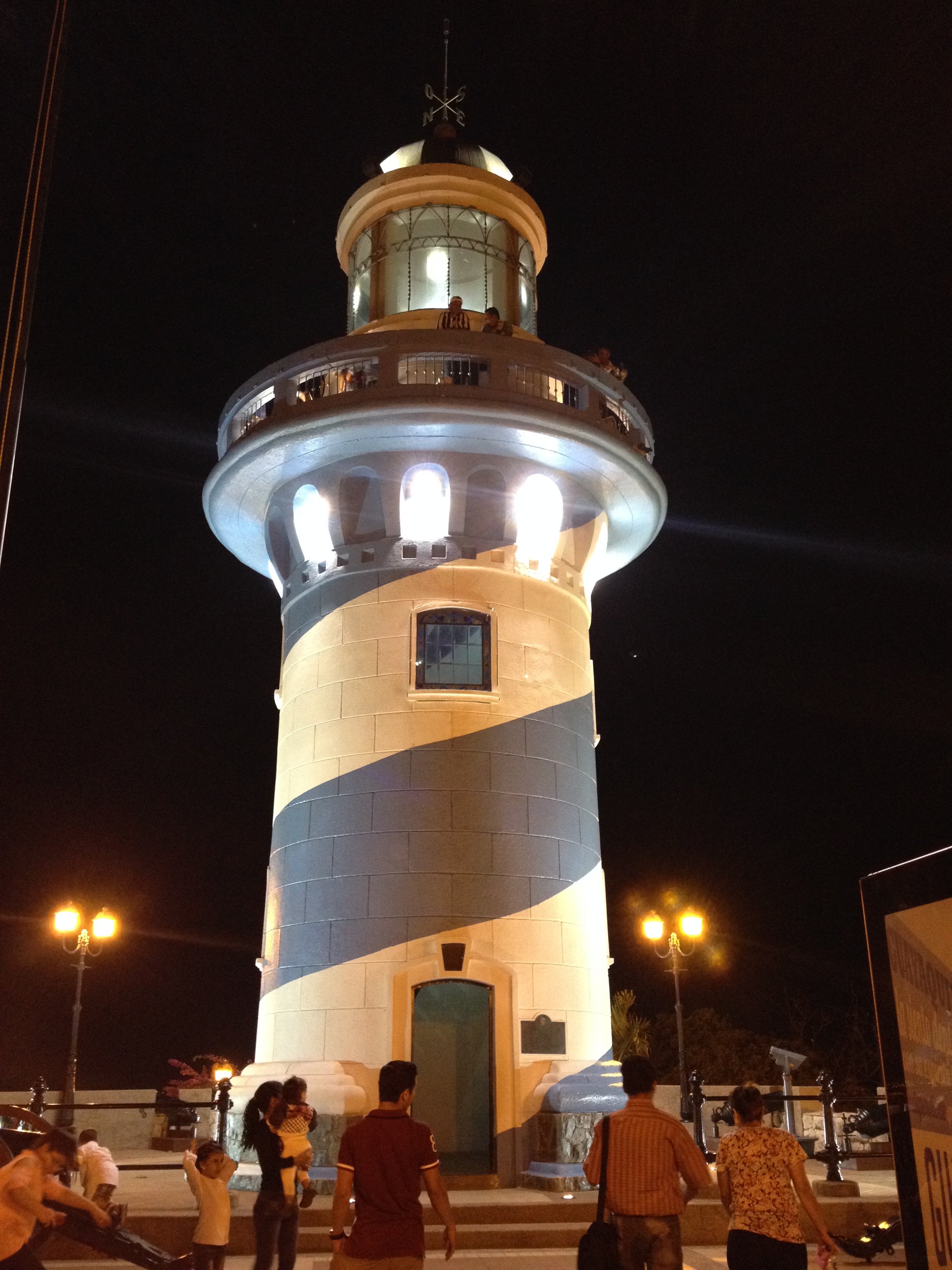
Why Guayaquil is Perfect for Your Celebration
- José Joaquín de Olmedo International Airport (GYE) sits just ~5 km from the city center, making guest arrivals seamless from across Latin America and beyond
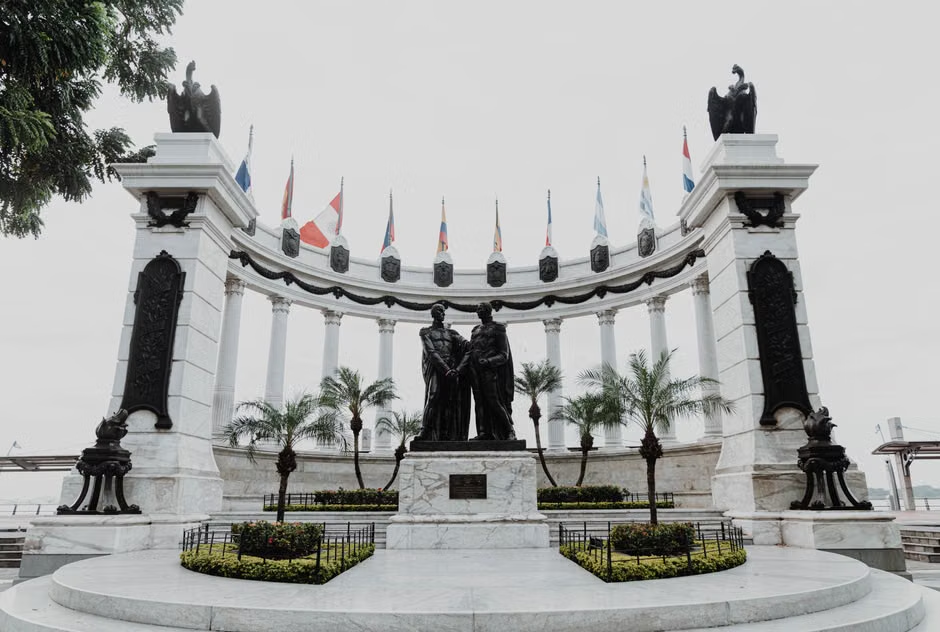
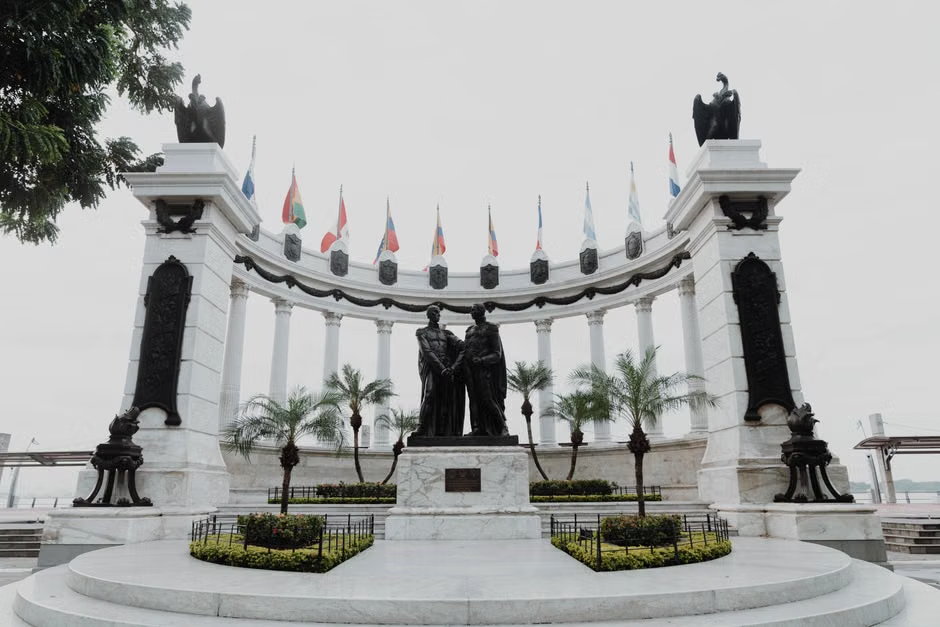
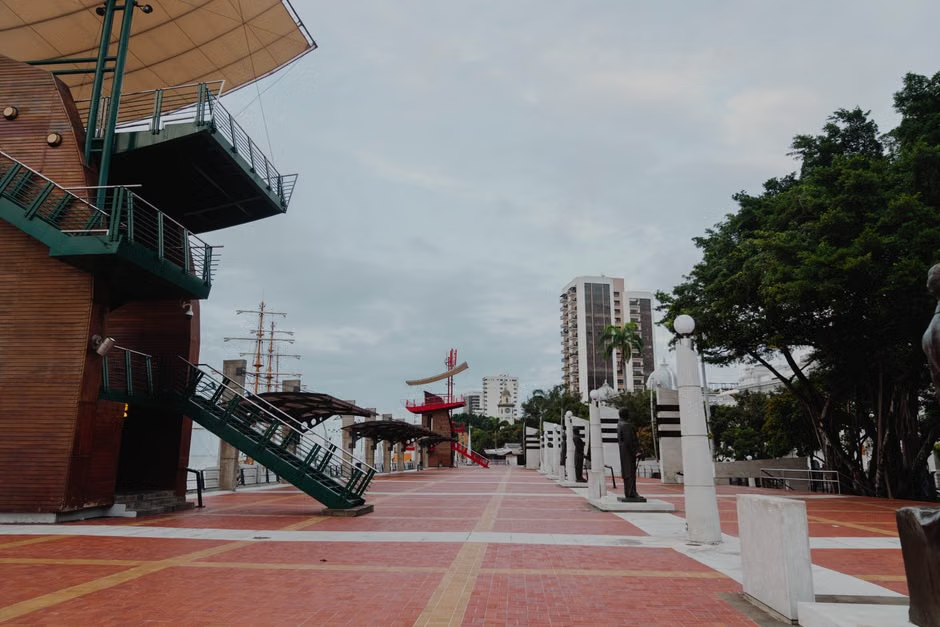
- The Malecón 2000 riverfront and Las Peñas hillside neighborhood provide genuinely photogenic, distinctive backdrops unavailable in landlocked cities
- A strong inventory of international-brand 5-star and 4-star hotels means large guest groups can be accommodated in quality properties within the city itself
- Dry season (Jun–Nov) delivers reliably low rainfall and manageable humidity — a long, predictable planning window for outdoor and semi-outdoor events
- Established local vendor ecosystem for catering, floral design, AV production, and event logistics, shaped by the city's active MICE and corporate events market
- Ecuador's dollarized economy simplifies budgeting for international guests, removing currency-exchange complexity

Top Venues in Guayaquil
Hotel del Parque Guayaquil
Hampton Inn by Hilton Guayaquil Downtown
Ramada by Wyndham Guayaquil
Compare Guayaquil with Other Top Destinations
Frequently Asked Questions
Is Guayaquil a good destination for a wedding celebration?
Yes, particularly for couples with a Latin American guest base or those drawn to a cosmopolitan, waterfront urban setting. Guayaquil offers internationally branded hotel venues, a distinctive riverfront backdrop, and strong air connectivity through GYE airport. It suits mid-to-large weddings best, and the dry season (June–November) provides a reliable planning window for outdoor or semi-outdoor ceremony formats.
What is the best time of year to hold an event in Guayaquil?
The dry season — June through November — is the strongly recommended window. Rainfall is minimal, humidity is more manageable, and evenings are warm and pleasant for outdoor events. July through October is generally the most consistently favorable stretch within that window. The wet season (December–April) brings heavy rainfall and elevated humidity that create real logistical risks for outdoor formats.
How easy is it for international guests to reach Guayaquil?
Very straightforward. José Joaquín de Olmedo International Airport (GYE) sits approximately 5 km from the city center and receives direct flights from major Latin American hubs as well as connections from North America and Europe. The short airport-to-city transfer is a genuine advantage for large groups. Domestic guests from Quito can reach Guayaquil by a short direct flight, making nationally distributed guest lists easy to consolidate.
What size guest group can Guayaquil's venues realistically accommodate?
The city's hotel ballrooms and event spaces comfortably handle gatherings from around 80–100 guests up to several hundred. The largest internationally branded hotel venues can support receptions of 500 or more. For very large events exceeding 800–1,000 guests, planners should confirm specific venue capacities early, as the city's inventory at that scale is more limited than in major convention cities.
Is Guayaquil well-suited for corporate events and MICE gatherings?
Yes — this is arguably Guayaquil's strongest event category. As Ecuador's commercial capital, the city has a mature MICE infrastructure: hotel convention facilities, professional AV and production vendors, and event coordination teams experienced with corporate clients. Its international airport connectivity and dollarized economy further simplify logistics for regionally distributed corporate guest lists.
What kinds of venues are available for events in Guayaquil?
The primary inventory consists of hotel ballrooms and function spaces within internationally branded properties in the city center and main residential districts. Beyond hotels, standalone banquet halls and social clubs are available, particularly in Urdesa and Kennedy Norte. Atmospheric heritage-style spaces exist near Las Peñas and the Parque Histórico area for smaller, more intimate events. Outdoor riverfront terraces and rooftop spaces are viable during the dry season.
How does local transport work for a large guest group once they arrive in Guayaquil?
Private coach or minibus transfers are the standard and recommended approach for organized event groups. Taxis are widely available and metered, and ride-hailing apps operate reliably in the main districts. The key hotel and event areas are relatively compact and road-connected, though urban congestion during peak hours should be factored into transfer scheduling. Guests should be advised to use reputable, pre-arranged transport rather than hailing vehicles informally.
What should I know about safety when planning an event in Guayaquil?
The main hotel districts, event venues, and tourist areas are generally considered safe for organized groups, but Guayaquil does have areas with elevated crime rates. Planners should arrange pre-vetted, reputable transport for all guest movements, brief attendees on staying within recommended areas, and coordinate with hotel security teams. This is a manageable consideration with proper planning, not a reason to avoid the destination, but it warrants active attention.
Can Guayaquil serve as a base for combining an event with a Galápagos Islands excursion?
Yes — this is one of Guayaquil's most distinctive advantages as an event destination. GYE airport is the primary departure point for flights to the Galápagos Islands, making it straightforward to add a pre- or post-event Galápagos extension for guests or as part of an incentive travel program. Few other event cities in the world offer this kind of high-value experiential add-on within the same travel itinerary.
How developed is the local wedding and event vendor ecosystem in Guayaquil?
More developed than in smaller Ecuadorian cities, but smaller than in major international destination-wedding hubs. Hotel in-house event teams are the most reliable anchor for large events. Independent caterers, floral designers, AV companies, and wedding planners are available locally, though early engagement and thorough vetting are advisable. Planners working remotely should budget extra lead time for vendor coordination compared with more established destination markets.
Does Guayaquil work for social celebrations like milestone birthdays or anniversary parties?
Yes. The city's hotel event spaces, rooftop venues, and restaurant private dining rooms are well-suited to mid-to-large social celebrations. The dry season evenings provide a warm, pleasant atmosphere for semi-outdoor formats. The cosmopolitan urban energy of the city — waterfront promenades, a lively dining scene, and distinctive neighborhoods — adds genuine experiential value for guests beyond the event itself.

Ready to explore venues in Guayaquil?
Guayaquil: Destination Wedding & Corporate Event Venues in Ecuador
◆Guayaquil is Ecuador's largest city and a genuinely cosmopolitan event destination, strongest for corporate gatherings, social celebrations, and destination weddings that benefit from strong international air connectivity, a well-developed hotel infrastructure, and a distinctive waterfront urban setting. Its primary vibe is chic and cosmopolitan — modern, energetic, and commercially sophisticated rather than heritage-rustic. The dry season (June through November) is the clear planning window, delivering reliably low rainfall and manageable humidity. Guests traveling internationally will find direct or one-stop connections through José Joaquín de Olmedo International Airport, which sits just minutes from the city center. The dollarized economy removes currency complexity for international attendees.
Guayaquil at a Glance
| Attribute | Detail |
|---|---|
| Best For | Corporate Events, Destination Weddings, Social Celebrations, MICE Gatherings |
| Primary Vibe | Chic & Cosmopolitan |
| Other Vibes | Waterfront, Tropical, Urban-Vibrant |
| Best Season | Dry Season (Jun, Jul, Aug, Sep, Oct, Nov) |
Why Choose Guayaquil?
- Exceptional air connectivity: José Joaquín de Olmedo International Airport (GYE) is one of Ecuador's two main international gateways, with direct flights from major Latin American hubs and connections to North America and Europe — making it genuinely accessible for a geographically dispersed guest list.
- Distinctive waterfront setting: The Malecón 2000 riverfront promenade and the colorful hillside neighborhood of Las Peñas offer photogenic, character-rich backdrops that are specific to Guayaquil and unavailable in generic convention-city alternatives.
- Strong international hotel inventory: The city hosts multiple internationally branded 4-star and 5-star properties within the urban core, meaning large guest groups can be accommodated in quality, event-capable hotels without dispersing across a wide area.
- Mature MICE and corporate events ecosystem: Guayaquil's role as Ecuador's commercial capital has produced a well-developed local vendor market — AV production, catering, floral design, event logistics — that is more sophisticated than in smaller Ecuadorian cities.
- Long, predictable dry season: A six-month dry window (June–November) gives planners an unusually wide scheduling range compared with destinations that have only a narrow two- or three-month optimal period.
- Dollarized economy: Ecuador uses the US dollar, which eliminates currency-exchange friction for guests arriving from the United States and simplifies budgeting for international event organizers.
Which Celebrations Work Best in Guayaquil?
- Corporate events and MICE gatherings: Guayaquil is Ecuador's business capital, and its hotel ballrooms, convention facilities, and professional vendor ecosystem are well-calibrated for conferences, product launches, incentive travel programs, and executive retreats. The city's commercial energy reinforces a professional atmosphere.
- Destination weddings: Couples seeking a cosmopolitan Latin American backdrop — waterfront ceremony settings, modern luxury hotel receptions, and a city with genuine character — will find Guayaquil a credible choice, particularly for guest lists with strong Latin American representation who can reach GYE directly.
- Social celebrations (milestone birthdays, anniversaries, reunions): The city's restaurant scene, rooftop venues, and hotel event spaces support mid-to-large social gatherings with a sophisticated urban feel. The dry season evenings are warm and pleasant for outdoor or semi-outdoor formats.
- Incentive travel programs: Guayaquil serves as a natural base for groups combining a city event with excursions to the Galápagos Islands or the Ecuadorian highlands — a combination that adds genuine experiential value to an incentive program and is difficult to replicate from most other cities.
Venues & Event Spaces
Guayaquil's event venue landscape is primarily anchored by the ballrooms and function spaces of its international-brand hotels, which range from mid-scale 4-star properties to full-service 5-star hotels with dedicated event wings. These spaces typically accommodate anywhere from intimate gatherings of under 100 guests to large receptions and conferences of several hundred. Beyond hotel ballrooms, the city offers standalone banquet halls and social clubs, particularly in the Urdesa and Kennedy Norte residential districts, which cater to local celebrations and can be adapted for destination events. Outdoor and semi-outdoor formats are viable during the dry season, with riverfront terraces and rooftop spaces providing the most visually distinctive settings. Heritage-style properties in and around the Las Peñas and Parque Histórico areas offer a more atmospheric, character-driven alternative to the modern hotel aesthetic, suitable for smaller, more intimate celebrations. The city does not have a significant inventory of rural resort or hacienda-style venues within the immediate urban radius, so couples or planners seeking a lush garden estate or countryside setting may need to look at properties slightly further afield in the Guayas region.
Best Time to Celebrate
The dry season — running from June through November — is the strongly preferred planning window for events in Guayaquil. During these months, rainfall is minimal, humidity drops to more comfortable levels, and the risk of weather disruption to outdoor or semi-outdoor event formats is significantly reduced. Temperatures remain warm (typically in the mid-to-upper 20s Celsius) but without the oppressive heat-and-humidity combination that characterizes the wet season. Evenings during the dry season are particularly pleasant for outdoor receptions and waterfront events.
The wet season (December through April) brings heavy, sometimes intense rainfall driven by the Inter-Tropical Convergence Zone, with January through March typically being the wettest months. Flooding can affect lower-lying parts of the city, and the combination of heat and high humidity makes outdoor events uncomfortable and logistically risky. May is a transitional month — rainfall begins to ease but remains unpredictable — and is generally treated as a shoulder period rather than a reliable planning window. Planners with flexibility should target July through October as the sweet spot within the dry season, when conditions are most consistently favorable and the city's event calendar is active.
Getting There & Local Connectivity
Guayaquil is served by José Joaquín de Olmedo International Airport (GYE), one of Ecuador's two principal international airports, located approximately 5 km from the city center — an unusually short transfer that makes arrivals and departures straightforward for large guest groups. Direct flights connect GYE to major Latin American cities including Bogotá, Lima, Panama City, Miami, and others, with onward connections to Europe and beyond. For guests arriving from within Ecuador, domestic flights from Quito are frequent and short (under an hour), making it practical for a nationally distributed guest list to converge on Guayaquil efficiently.
Ecuador does not have a functional intercity passenger rail network in the conventional sense, so road and air are the primary modes of intercity travel. Within the city, taxis are widely available and metered, and ride-hailing apps operate reliably in Guayaquil's main districts. For event groups, private coach or minibus transfers between the airport, hotels, and event venues are the standard and recommended approach — the city's road network, while subject to typical urban congestion during peak hours, is generally navigable for organized group logistics. The main hotel and event districts (city center, Urdesa, Kennedy Norte) are relatively compact and well-connected by road.
Local Vendor & Hospitality Ecosystem
As Ecuador's commercial capital and largest city, Guayaquil has a more developed event vendor ecosystem than most other Ecuadorian destinations. Local catering companies range from hotel in-house operations (which are typically the most reliable for large-scale events) to independent caterers experienced in both Ecuadorian cuisine and international menus. Floral design, event décor, and styling vendors are active in the city, with a style sensibility that leans toward contemporary Latin American elegance. AV and production companies capable of handling large ballroom setups, outdoor staging, and live entertainment logistics are available locally.
The city's international hotel brands bring their own trained event coordination teams, which is a meaningful advantage for destination clients who cannot be on-site frequently during the planning process — these teams are accustomed to working with remote clients and international event planners. Independent wedding planners and event management companies based in Guayaquil are also available, though the market is smaller than in major destination-wedding hubs, so early engagement and thorough vetting are advisable. Photography and videography professionals with experience in both indoor hotel settings and the city's outdoor landmarks are present in the local market.
Pros & Things to Consider
Why Guayaquil Works Well
- International airport just minutes from the city center — one of the most convenient arrival experiences of any Latin American event destination
- Strong inventory of internationally branded hotels with dedicated event spaces capable of handling mid-to-large guest groups
- Six-month dry season gives planners an unusually wide and flexible scheduling window
- Dollarized economy simplifies financial planning for international clients and guests
- Distinctive waterfront and heritage neighborhoods provide genuine visual character for event photography and guest experience
- Natural gateway to the Galápagos Islands — a powerful add-on for incentive travel or honeymoon extensions that few other cities can offer
Things to Consider
- Safety requires active management: while the hotel and event districts are generally secure, Guayaquil has areas with elevated crime rates, and guests should be briefed on using reputable transport and avoiding unfamiliar neighborhoods independently — this is a real logistical consideration for large groups
- The wet season (December–April) is a genuine planning risk, not just a minor inconvenience — heavy rainfall and flooding potential make outdoor formats inadvisable and can affect guest movement across the city
- The local independent vendor market, while functional, is smaller and less specialized than in major destination-wedding cities; planners should allow extra lead time for sourcing and vetting
- Guayaquil lacks the hacienda, jungle resort, or mountain retreat venue typology — the setting is urban and coastal, which suits some event visions but not others
- Humidity, even in the dry season, remains higher than in highland destinations like Quito — guests sensitive to tropical climates should be prepared
When Guayaquil May Not Be the Right Fit
- Outdoor-heavy events planned between December and April: The wet season brings heavy, unpredictable rainfall that makes open-air ceremonies and receptions genuinely risky — a destination with a more reliably dry climate would be a safer choice for events where outdoor format is non-negotiable and dates cannot shift to the dry season.
- Couples or planners seeking a heritage, hacienda, or nature-immersive setting: Guayaquil's venue landscape is predominantly urban and hotel-based. Those wanting a colonial hacienda, cloud-forest retreat, or rural estate backdrop will find the city's immediate inventory limited and should consider other Ecuadorian or Latin American destinations.
- Very small, intimate gatherings (under 30 guests) seeking a boutique or secluded atmosphere: The city's strongest venues are calibrated for mid-to-large events; the boutique, private-villa, or intimate-garden typology is not Guayaquil's strength, and a smaller destination may deliver a more tailored experience at this scale.
- Guest lists with no Latin American travel experience and limited Spanish language comfort: While international hotels operate in English and the airport is well-signposted, navigating the broader city independently requires some Spanish, and guests unfamiliar with Latin American urban environments may find the logistics more demanding than in a more internationally tourist-oriented destination.