
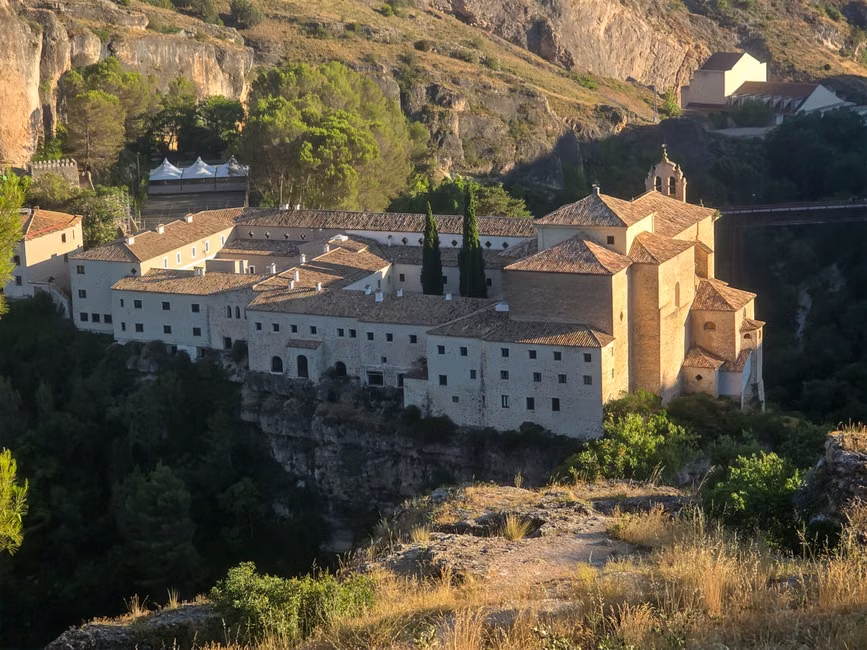
Why Cuenca is Perfect for Your Celebration
- UNESCO World Heritage historic center provides a genuinely unique, photogenic backdrop unavailable in most event destinations
- Dry season (Jun–Sep) delivers reliably clear Andean skies ideal for outdoor ceremonies and garden receptions
- Intimate scale of the city suits smaller, curated guest lists seeking exclusivity over mass-market venues
- Rich local artisan culture — flowers, textiles, ceramics — enables deeply personalised event décor sourced locally
- Mariscal Lamar Airport sits just minutes from the city center, simplifying arrival logistics for domestic guests
- Boutique haciendas and colonial mansion venues offer a warmth and character that large resort complexes rarely match

Compare Cuenca with Other Top Destinations
Frequently Asked Questions
Is Cuenca a good destination for an intimate destination wedding?
Yes. Cuenca is particularly well-suited to intimate destination weddings of 50–200 guests. Its UNESCO World Heritage historic center, colonial haciendas, and boutique heritage hotels provide a genuinely distinctive atmosphere. The city's scale keeps the experience cohesive, and the dry season (June–September) delivers reliable outdoor conditions for ceremonies and garden receptions.
What is the best time of year to hold a wedding or event in Cuenca?
June through September is the optimal window. This dry season brings clear Andean skies, minimal afternoon rainfall, and mild temperatures — typically 12°C to 22°C — making outdoor ceremonies and receptions comfortable and photogenic. The wet season (October–May), particularly February–April, brings frequent showers that can disrupt outdoor setups.
How do international guests typically get to Cuenca?
Most international guests fly into Quito or Guayaquil and connect to Cuenca via a short domestic flight (under an hour). Mariscal Lamar Airport is located just a few kilometres from the historic city center, making arrival logistics straightforward once guests land. Road transfer from Guayaquil (roughly 3–4 hours) is also an option.
What kinds of venues are available for events in Cuenca?
Cuenca's venue landscape is dominated by colonial heritage properties — restored mansions, haciendas, and boutique hotels with internal courtyards, garden terraces, and period-furnished salons. The surrounding Paute Valley adds hacienda estates with outdoor lawns and mountain views. Larger conventional banquet spaces exist but are less architecturally distinctive.
What guest group sizes can Cuenca realistically accommodate?
Cuenca is best suited to events of roughly 50–250 guests. The boutique, heritage character of the city's venue inventory means very large guest lists (300+) will find options limited. For smaller, curated celebrations, the local supply of intimate venues is genuinely strong and well-matched to the destination's character.
Is altitude a concern for guests attending an event in Cuenca?
It is worth considering. Cuenca sits at approximately 2,500 metres above sea level. Most healthy guests adapt within a day or two, but some — particularly older attendees or those with respiratory or cardiovascular sensitivities — may experience mild altitude adjustment. Building an arrival day before the main event into the programme is a sensible precaution.
How good is the local vendor ecosystem for destination events in Cuenca?
Solid for boutique events. Cuenca has experienced local florists with access to Ecuador's exceptional flower supply, capable catering operations, and event coordination services — several boutique hotels have dedicated in-house event teams. English-language service is generally available at established properties. Very large or technically complex productions may need to supplement with vendors from Quito.
Can guests move around easily between venues and accommodation in Cuenca?
Yes, within the historic center. The city is compact and largely walkable, which simplifies group movement between ceremony, reception, and accommodation venues. For guests staying at hacienda properties outside the city, private transfers are the standard arrangement and are readily available through local operators and hotels.
What makes Cuenca distinctive compared to a typical resort destination?
Cuenca's UNESCO World Heritage status means the city itself — its colonial plazas, cathedral facades, cobblestone streets, and Andean backdrop — is the setting, not just a backdrop hired for the day. Events here carry a genuine sense of place and cultural depth that purpose-built resort venues rarely replicate, particularly for couples who value authenticity and local character.
Are there outdoor ceremony options in Cuenca?
Yes. Garden terraces, colonial courtyards, and hacienda lawns in the surrounding Paute Valley all support outdoor ceremonies. These work best during the dry season (June–September), when afternoon rainfall is infrequent. Outside this window, outdoor setups carry meaningful weather risk and should always have a covered indoor contingency plan in place.
What local cultural elements can be incorporated into a Cuenca celebration?
Cuenca's artisan culture is a genuine asset for event personalisation. Local floristry draws on Ecuador's world-class flower supply; Panama hat weaving, ceramics, and textile traditions can inform décor and guest gifts; and Ecuadorian gastronomy — including local ingredients and regional dishes — can be woven into catering programmes in ways that feel authentically tied to the place.

Ready to explore venues in Cuenca?
Cuenca: Destination Wedding & Cultural Event Venues in Ecuador's Andean Heritage City
◆Cuenca is Ecuador's premier heritage destination for intimate weddings, cultural celebrations, and social events. Its UNESCO World Heritage historic center — defined by colonial churches, cobblestone plazas, and whitewashed mansions — provides a genuinely rare backdrop that few Latin American cities can match. The city suits smaller, curated guest lists rather than large-scale mass events, and its dry season (June through September) delivers the most reliable outdoor conditions. International guests typically connect through Quito or Guayaquil, making travel manageable but requiring some advance planning. The local hospitality ecosystem is well-developed for boutique events, with a strong artisan and floristry culture that supports distinctive, locally-rooted celebrations.
Cuenca at a Glance
| Category | Detail |
|---|---|
| Best For | Intimate Weddings, Cultural Celebrations, Social Gatherings, Heritage Events |
| Primary Vibe | Cultural & Timeless |
| Other Vibes | Romantic, Artisan, Andean, Colonial |
| Best Season | Dry Season (Jun, Jul, Aug, Sep) |
Why Choose Cuenca?
- UNESCO World Heritage status means the entire historic center functions as a living, photogenic backdrop — colonial facades, cathedral domes, and flower-lined plazas are simply part of the scenery, not a paid add-on.
- Genuine architectural diversity — from 16th-century haciendas in the surrounding Paute Valley to elegant colonial mansions within the city — gives event planners a range of venue characters within a compact area.
- A mature artisan culture in flowers, ceramics, Panama hat weaving, and textiles means locally-sourced, handcrafted décor is both accessible and authentically tied to the place.
- Intimate city scale keeps logistics manageable: the airport sits minutes from the historic center, most venues are walkable from one another, and the city does not overwhelm smaller guest groups the way a major metropolis might.
- Temperate Andean climate at roughly 2,500 metres elevation keeps temperatures mild and pleasant during the dry season, avoiding the extremes of heat or cold that affect many other highland destinations.
- A well-established expat and tourism community has raised the standard of English-language hospitality services, making coordination for international guests more straightforward than in many comparably-sized South American cities.
Which Celebrations Work Best in Cuenca?
- Intimate Destination Weddings: Cuenca's colonial venues, boutique hotels, and haciendas are naturally scaled for guest lists of 50–200. The city's romantic, unhurried character suits couples who want a meaningful sense of place rather than a generic resort setting.
- Cultural & Heritage Celebrations: Milestone anniversaries, family reunions, and cultural gatherings benefit enormously from the city's living heritage — ceremonies held in colonial courtyards or against cathedral backdrops carry a weight and atmosphere that purpose-built event spaces rarely replicate.
- Social Gatherings & Private Parties: The city's boutique hotel scene and private colonial mansions are well-suited to curated social events — cocktail evenings, rehearsal dinners, and multi-day celebration programmes that use the city itself as part of the experience.
- Photography & Creative Retreats: The visual richness of Cuenca's streets, markets, and surrounding Andean landscape makes it a natural fit for events where photography, film, or creative documentation is central to the occasion.
Venues & Event Spaces
Cuenca's event venue landscape is defined primarily by colonial heritage properties — restored mansions, haciendas, and historic hotels whose internal courtyards, garden terraces, and period-furnished salons provide a ready-made atmosphere. Within the historic center, several boutique hotels offer intimate ballrooms and courtyard spaces that work well for ceremonies and seated dinners. Beyond the city, the Paute Valley and surrounding countryside hold working haciendas with expansive grounds, outdoor lawns, and mountain views — particularly suited to daytime ceremonies and garden receptions during the dry season.
Larger, more conventional banquet-hall style venues do exist for groups requiring higher capacity, though these are less architecturally distinctive. Outdoor event setups — garden ceremonies, terrace receptions — are common and well-supported by local vendors during the June–September dry window. The city does not have a large-scale convention or exhibition centre, which naturally caps the upper end of guest capacity for events based here.
Best Time to Celebrate
The dry season from June through September is the clear optimal window for events in Cuenca. During these months, afternoon rainfall — which is the norm for much of the rest of the year — becomes infrequent, skies are typically clear by mid-morning, and the Andean light is at its most photogenic. Temperatures remain mild, generally ranging from around 12°C at night to 22°C during the day, making outdoor ceremonies and garden receptions genuinely comfortable without requiring heating or cooling infrastructure.
The wet season (roughly October through May) brings frequent afternoon and evening showers, with the heaviest rainfall typically concentrated between February and April. While indoor events can proceed year-round, outdoor setups during the wet season carry meaningful risk of disruption, and the overcast skies reduce the visual impact of the city's architecture for photography. January and December can see some drier spells but are not reliably stable enough to plan outdoor events around. Event planners should treat June–September as the firm planning window and build contingency cover for any shoulder-season dates.
Getting There & Local Connectivity
Mariscal Lamar Airport (CUE) is located just a few kilometres from the historic city center — one of the most conveniently positioned airports relative to a city center in South America. Domestic flights connect Cuenca to Quito and Guayaquil regularly, and most international guests will route through one of those two hubs. Flight times from Quito and Guayaquil are short (under an hour), making same-day arrival from international connections realistic for most guests.
There is no high-speed rail connection to Cuenca; the heritage Tren Ecuador service is a scenic tourist experience rather than a practical intercity transport option for event guests. Road access from Guayaquil (approximately 3–4 hours by road through the Andes) is an option for guests who prefer it or for freight and vendor logistics. Within the city, the historic center is compact and largely walkable, which simplifies group movement between accommodation, ceremony, and reception venues. For guests staying at hacienda properties outside the city, private transfers are the standard and most practical arrangement.
Local Vendor & Hospitality Ecosystem
Cuenca has a well-developed hospitality ecosystem relative to its size, shaped by decades of international tourism and a significant expat community. Floral design is a particular strength — Ecuador is one of the world's leading flower exporters, and Cuenca's local market has direct access to an exceptional variety of fresh blooms at quality that is difficult to match elsewhere. Local florists experienced in event work are genuinely available and skilled.
Catering and gastronomy have improved markedly in recent years, with a growing number of restaurants and catering operations capable of delivering multi-course event menus that blend Ecuadorian ingredients with international technique. Photography and videography vendors with experience in heritage and destination event work are present in the city, though for very large or highly specialised productions, some couples choose to bring additional crew from Quito or internationally.
Event coordination and planning services exist locally, and several boutique hotels have in-house event teams experienced in managing destination weddings for international couples. English-language service is generally available at the better-established properties. The overall ecosystem is well-suited to events of up to a few hundred guests; for very large-scale productions requiring extensive technical infrastructure, some elements may need to be sourced from Quito or Guayaquil.
Pros & Things to Consider
Why Cuenca Works Well
- UNESCO World Heritage setting provides an unmatched, authentic sense of place that purpose-built venues cannot replicate
- Dry season (Jun–Sep) delivers reliably stable outdoor conditions for ceremonies and receptions
- Airport is exceptionally close to the city center, minimising arrival logistics for guests
- Strong local floristry and artisan culture enables distinctive, locally-rooted event décor
- Intimate city scale keeps the event experience cohesive — guests are not scattered across a sprawling resort complex
- Temperate highland climate avoids the extremes of tropical heat or cold that affect many other destination wedding locations
- Well-established English-language hospitality services ease coordination for international couples and planners
Things to Consider
- International guests face a two-leg journey (international hub → Quito or Guayaquil → Cuenca), which adds travel time and complexity compared to destinations with direct long-haul access
- Venue capacity is naturally limited by the boutique, heritage character of the city — very large guest lists (300+) will find the local inventory stretched
- The wet season (Oct–May) brings genuine outdoor event risk; couples planning outside the Jun–Sep window should have robust indoor contingency plans
- Cuenca is a highland city at approximately 2,500 metres elevation — some guests, particularly older or less physically active attendees, may experience mild altitude adjustment in the first day or two
- While the local vendor ecosystem is solid for boutique events, very large or technically complex productions may require supplementing with vendors from Quito or Guayaquil
When Cuenca May Not Be the Right Fit
- Very large guest lists: If your event requires a single venue to seat 400 or more guests, Cuenca's boutique heritage inventory is unlikely to accommodate this comfortably without significant compromise on venue character.
- Guests with limited travel flexibility: For a guest list where many attendees have difficulty managing connecting flights or multi-leg journeys, a destination with direct international access may be more practical.
- Outdoor events outside the dry season: Couples committed to an outdoor ceremony or reception between October and May face meaningful weather risk; if outdoor settings are non-negotiable and dates are fixed in the wet season, a more reliably dry destination would be a safer choice.
- Altitude-sensitive guests: Events where a significant portion of the guest list includes elderly guests or individuals with respiratory or cardiovascular sensitivities may find Cuenca's 2,500-metre elevation a genuine logistical and welfare consideration worth weighing carefully.