
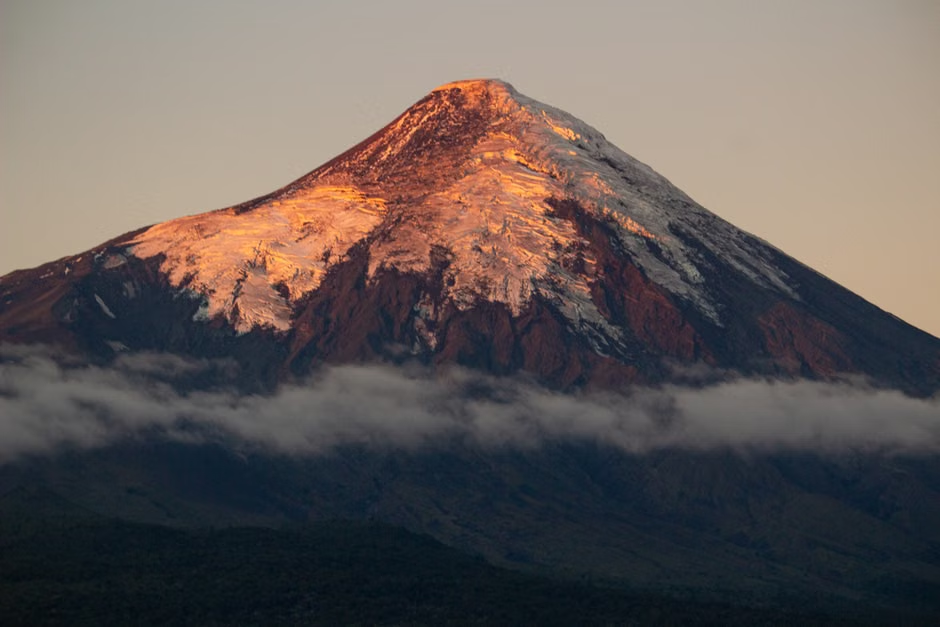
Why Cotopaxi Region is Perfect for Your Celebration
- Iconic backdrop of Cotopaxi volcano (5,897 m) visible from event spaces on clear dry-season days
- Historic Andean haciendas offer private, all-inclusive estate settings ideal for intimate celebrations
- Dry season (Jun–Sep) delivers reliably clearer skies and dramatic highland light for photography
- Low guest density and private estate venues create an exclusive, away-from-it-all atmosphere
- Strong adventure and nature programming (horseback riding, hiking, cycling) for multi-day guest experiences
- Proximity to Quito (roughly 1.5–2 hours) makes it accessible for international guests flying into Ecuador

Compare Cotopaxi Region with Other Top Destinations
Frequently Asked Questions
Is the Cotopaxi Region a good destination for a small destination wedding?
Yes, particularly for intimate celebrations. The region's historic hacienda estates are well-suited to weddings of roughly 30 to 120 guests, offering private, self-contained settings with on-site accommodation, catering, and dramatic volcanic scenery. The format rewards couples who prioritize exclusivity and natural beauty over large-scale infrastructure.
What is the best time of year to hold an event in the Cotopaxi Region?
June through September — the dry season — is strongly recommended. During these months, Cotopaxi volcano is most frequently visible, outdoor spaces are reliably usable, and access roads to haciendas are firm. The wet season (October to May) brings frequent afternoon rain and persistent mist that make outdoor event planning genuinely unpredictable.
How do international guests typically get to the Cotopaxi Region?
Most guests fly into Mariscal Sucre International Airport in Quito, which has direct connections from major North American, European, and Latin American cities. From Quito, the Cotopaxi Region is reached by private road transfer along the Pan-American Highway — typically around 1.5 to 2 hours. Most haciendas can coordinate group transfers.
What kinds of venues are available for events in the Cotopaxi Region?
The dominant venue type is the historic Andean hacienda — a private estate with stone-walled interiors, open fireplaces, landscaped gardens, and views toward the volcano. These function as self-contained event properties with accommodation, catering, and event space on a single site. There are no large convention halls or purpose-built banquet centers in the region.
How many guests can the Cotopaxi Region realistically accommodate for an event?
Individual hacienda properties typically seat between 30 and 120 guests comfortably. For larger groups, overflow accommodation in Latacunga (the provincial capital) can supplement on-site capacity, but the region is genuinely best suited to intimate celebrations rather than large-scale events requiring 200 or more guests.
Is altitude a concern for guests attending an event in the Cotopaxi Region?
Yes, and it should be planned for. Most haciendas and event venues in the region sit at 3,500 to 3,800 meters above sea level. Some guests — particularly those arriving directly from sea level — may experience mild altitude sickness. Building an acclimatization day into the event schedule and informing guests in advance is strongly advisable.
What activities are available for guests during a multi-day celebration in the Cotopaxi Region?
The region offers strong adventure and nature programming: horseback riding across the páramo, guided hikes toward Cotopaxi volcano, mountain biking, wildlife spotting, and visits to local Kichwa communities. These activities make the Cotopaxi Region particularly well-suited to multi-day celebrations where keeping guests engaged across the full itinerary is a priority.
Do I need to bring vendors from Quito, or is there a local event vendor ecosystem?
Hacienda properties typically have strong in-house teams for catering, coordination, and grounds management. However, specialist vendors — florists, photographers, entertainment, AV production — are generally sourced from Quito and transported to the region. This is a well-established practice, and most Quito-based event vendors are familiar with Cotopaxi hacienda events.
Is the Cotopaxi Region suitable for a birthday celebration or social gathering, not just a wedding?
Yes. Milestone birthday celebrations and social group retreats are a strong fit for the region. The private hacienda format, combined with adventure activities and dramatic scenery, creates a genuinely memorable experience for groups who want something beyond a conventional venue party. The self-contained estate model works particularly well for groups staying together over multiple days.
What is connectivity like for guests staying at haciendas in the Cotopaxi Region?
Connectivity is limited by urban standards. Mobile data coverage is patchy in rural areas, and Wi-Fi at haciendas varies considerably by property — some offer reasonable connectivity, others are intentionally off-grid. Guests should be informed in advance that the region's wilderness character includes limited digital connectivity, which many find a welcome feature rather than a drawback.

Ready to explore venues in Cotopaxi Region?
Cotopaxi Region: Destination Events & Celebrations in Ecuador's Andean Highlands
◆The Cotopaxi Region in Ecuador's central highlands is strongest for intimate, nature-immersed celebrations — particularly social gatherings, milestone birthdays, and small destination weddings — where dramatic volcanic scenery and private hacienda estates are the primary draw. The vibe is genuinely wild and remote: high-altitude páramo, open grasslands, and the near-constant presence of Cotopaxi volcano define the setting. The dry season (June through September) is the reliable window for outdoor events, with clearer skies and firmer access roads. Accessibility is moderate — international guests fly into Quito and travel roughly 1.5 to 2 hours by road. The local venue inventory is small but characterful, skewing toward heritage haciendas rather than large-scale hotel infrastructure.
Cotopaxi Region at a Glance
| Category | Detail |
|---|---|
| Best For | Intimate destination weddings, milestone birthday celebrations, social gatherings, nature retreats |
| Primary Vibe | Nature & Wilderness |
| Other Vibes | Heritage, Adventure, Seclusion |
| Best Season | Dry Season (Jun, Jul, Aug, Sep) |
Why Choose Cotopaxi Region?
- Unmatched volcanic backdrop: Cotopaxi volcano — one of the world's highest active volcanoes at 5,897 m — provides a genuinely rare and photogenic backdrop that no urban ballroom can replicate. On clear dry-season days, the cone is visible from hacienda lawns and event terraces.
- Private hacienda estates: The region's historic Andean haciendas function as self-contained event venues, typically offering accommodation, catering, and event space on a single property — giving celebrations a cohesive, exclusive character that is difficult to achieve in a city hotel setting.
- Low guest density and genuine seclusion: The Cotopaxi area sees far fewer visitors than Ecuador's major cities, meaning events here feel private and unhurried rather than competing with general tourism traffic.
- Multi-day adventure programming: Horseback riding across the páramo, guided hikes toward the volcano, mountain biking, and wildlife spotting give guests meaningful activities across a multi-day celebration itinerary — a strong differentiator for groups who want more than a single-night event.
- Reasonable road access from Quito: Despite its remote feel, the region sits on the Pan-American Highway corridor, making the drive from Quito's international airport straightforward for guests arriving by road transfer.
- Andean cultural authenticity: Local Kichwa culture, traditional textiles, and Ecuadorian highland cuisine add genuine cultural texture to events — particularly for couples or hosts who want a celebration rooted in a real sense of place.
Which Celebrations Work Best in Cotopaxi Region?
- Intimate destination weddings: The hacienda model — private estate, resident staff, on-site accommodation — suits small to medium wedding parties (typically under 120 guests) particularly well. The setting rewards couples who prioritize scenery and exclusivity over scale.
- Milestone birthday celebrations: A landmark birthday in a volcanic highland setting, with adventure activities woven through the itinerary, is a compelling proposition for guests who want something genuinely memorable rather than a conventional venue party.
- Social gatherings and group retreats: Corporate or social groups seeking a nature-immersed offsite — combining structured activities with shared meals in a historic hacienda — find the Cotopaxi Region a strong fit. The self-contained estate format keeps groups together and focused.
- Nature and wellness retreats: The high-altitude páramo environment, clean air, and relative quiet make the region well-suited to wellness-oriented gatherings, yoga retreats, or mindfulness events that benefit from a genuinely natural setting.
Venues & Event Spaces
The Cotopaxi Region's event venue landscape is defined almost entirely by historic Andean haciendas — large agricultural estates, many dating to the colonial period, that have been converted into boutique hotels and event properties. These typically feature stone-walled dining rooms, open fireplaces (essential at altitude), landscaped gardens, and sweeping views toward the volcano. Outdoor lawn ceremonies are common during the dry season, with covered or indoor alternatives available for the unpredictable highland afternoons.
Capacity at individual properties is generally modest by urban standards — most haciendas comfortably accommodate between 30 and 120 guests for a seated event, making the region best suited to intimate celebrations rather than large-scale gatherings. Eco-lodges within or adjacent to Cotopaxi National Park offer an even more immersive wilderness setting, though with correspondingly smaller capacity and more basic infrastructure. There are no large convention-style banquet halls or purpose-built event centers in the region — the hacienda estate is the dominant and defining format.
Best Time to Celebrate
The dry season — June through September — is the strongly preferred window for events in the Cotopaxi Region, and the reasoning goes beyond simply "better weather." During these months, the volcano is most frequently visible, which is central to the destination's appeal; cloud cover during the wet season can obscure Cotopaxi entirely for days at a time, removing the primary visual draw. Access roads to haciendas and the national park, which can become muddy and difficult during heavy rains, are generally firm and reliable in the dry season. Outdoor ceremonies and garden receptions are far more predictable, and the drier air at altitude (typically 3,500–3,800 m) makes the cold more manageable than the damp chill of the wet months.
October through May brings the wet season, characterized by frequent afternoon and evening rainfall, persistent mist, and occasional road closures after heavy downpours. While mornings can be clear, the unpredictability makes outdoor event planning genuinely risky. January and February can see some drier spells within the wet season, but these are not reliable enough to plan a major celebration around. For any event where outdoor spaces, volcano views, or adventure activities are part of the program, the June–September window is the only genuinely dependable choice.
Getting There & Local Connectivity
The primary gateway for international guests is Mariscal Sucre International Airport in Quito, which receives direct flights from major North American, European, and Latin American hubs. From the airport, the Cotopaxi Region is typically reached by private road transfer — a journey of roughly 1.5 to 2 hours along the Pan-American Highway heading south. This is a well-maintained route and the standard approach for event groups; most haciendas can coordinate group transfers directly.
Latacunga, the provincial capital, is the nearest urban center and serves as a practical logistics hub for supplies, additional accommodation overflow, and ground transport coordination. The Tren Ecuador scenic rail network includes a Latacunga stop, but rail is not a practical primary travel mode for event guests — it functions more as a tourist experience than a reliable group transport option.
Within the region, private vehicle or organized shuttle transfers are the norm. There is no meaningful public transport network connecting haciendas to each other or to Latacunga on a schedule useful for event groups. For multi-day celebrations, the self-contained hacienda model largely eliminates the need for daily guest movement — accommodation, dining, and event spaces are typically on the same property.
Local Vendor & Hospitality Ecosystem
The Cotopaxi Region's vendor ecosystem is smaller and more specialized than what a major city destination offers, which is both a strength and a constraint. The established hacienda properties have experienced in-house teams — chefs, event coordinators, and grounds staff — who are accustomed to managing self-contained celebrations and understand the logistical realities of high-altitude, rural event production. Ecuadorian highland cuisine, featuring ingredients like quinoa, potatoes, and locally raised meats, can be genuinely excellent when prepared by hacienda kitchens with strong local sourcing.
For specialist services — floral design, photography, entertainment, and décor — couples and planners typically source vendors from Quito and arrange transport to the region. This is a well-established practice and most Quito-based event vendors are familiar with Cotopaxi hacienda events. It does, however, add a logistical layer that a city-based event would not require. Accommodation capacity across the region is limited, so for larger guest lists, overflow accommodation in Latacunga or a phased guest arrival plan may be necessary.
Pros & Things to Consider
Why Cotopaxi Region Works Well
- Genuinely rare and dramatic natural setting — volcanic highland scenery is a strong differentiator
- Private hacienda estates create an exclusive, cohesive event environment
- Multi-day adventure programming keeps guests engaged across a full celebration itinerary
- Dry season (Jun–Sep) delivers reliable outdoor conditions and clear volcano views
- Andean cultural authenticity adds real depth to the guest experience
- Relatively straightforward road access from a major international airport (Quito)
Things to Consider
- High altitude (typically 3,500–3,800 m) can cause altitude sickness in some guests, particularly those arriving directly from sea level — acclimatization time should be built into the event schedule
- Venue capacity is modest; the region is not suited to large-scale events of 200+ guests without significant logistical complexity
- Specialist vendors (floristry, entertainment, AV) generally need to be sourced from Quito and transported in, adding coordination overhead
- Weather outside the dry season is genuinely unreliable — outdoor plans carry real risk from October through May
- Connectivity within the region is limited; guests should not expect reliable mobile data or high-speed internet at rural haciendas
- Accommodation inventory is small — large guest lists will require overflow lodging in Latacunga or careful phasing
When Cotopaxi Region May Not Be the Right Fit
- Large guest lists: If your celebration requires seated capacity for 150 or more guests under one roof, the existing hacienda inventory in the region will not comfortably support it without significant compromise on venue quality or guest comfort.
- Guests with altitude sensitivity: Elderly guests, young children, or anyone with cardiovascular or respiratory conditions may find the 3,500+ m elevation genuinely uncomfortable. If your guest profile includes a significant number of people in these categories, a lower-altitude destination would be a more considerate choice.
- Wet season events: Any celebration planned between October and May that relies on outdoor spaces, volcano views, or adventure activities carries a high risk of disruption from rain and mist. If your dates are fixed in the wet season, a more weather-resilient destination is likely a better fit.
- Guests requiring urban amenities: If your guest group expects easy access to city restaurants, nightlife, shopping, or medical facilities, the rural hacienda setting will feel isolating. The region works best for guests who actively embrace the wilderness character rather than tolerate it.