
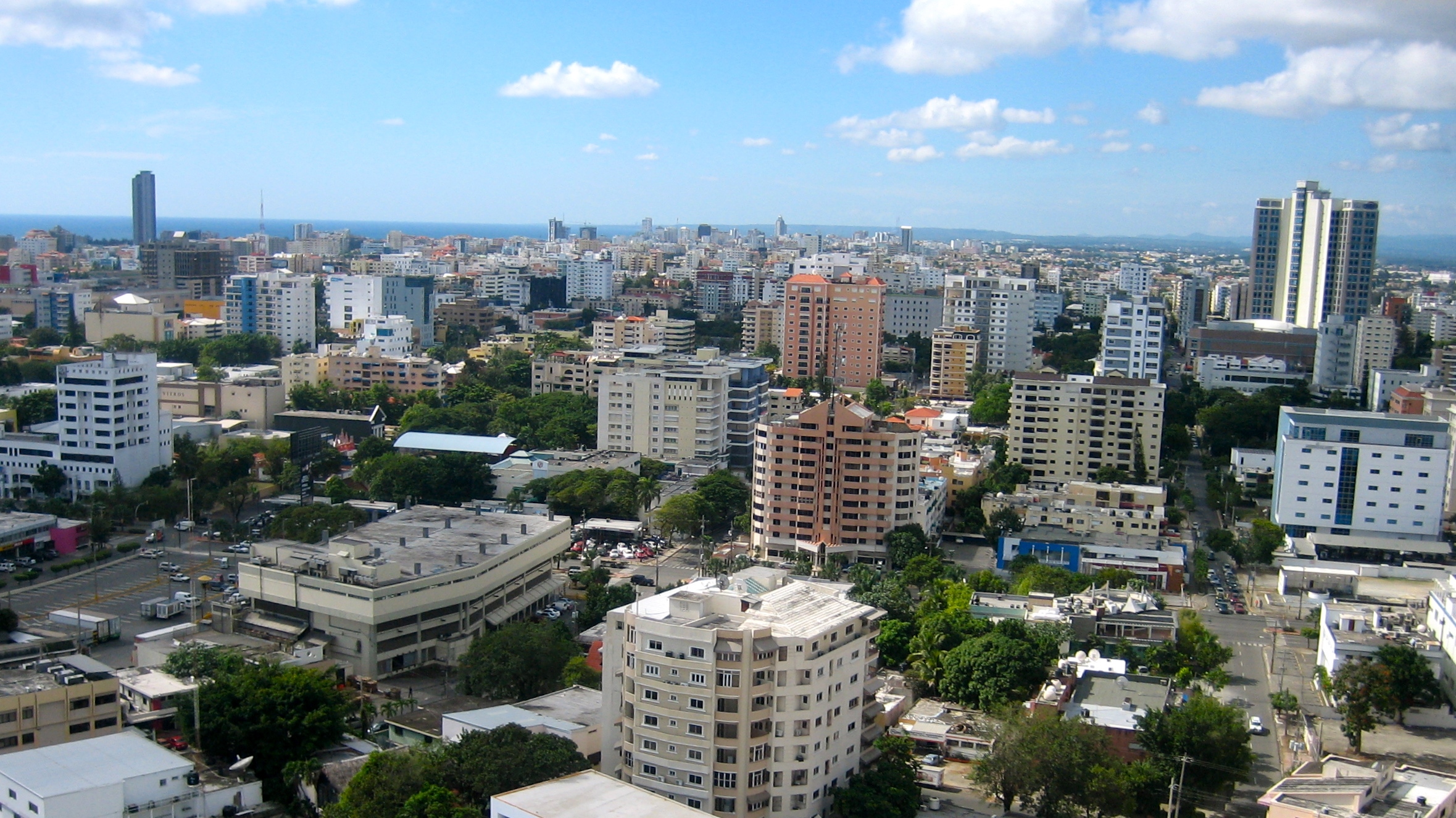
Why Santo Domingo is Perfect for Your Celebration
- UNESCO World Heritage Zona Colonial provides unmatched historic backdrops for ceremonies and receptions
- Strong international air connectivity via Las Américas International Airport (SDQ) with direct routes from the US, Europe, and Latin America
- Dry season (Jan–Apr, Dec) offers reliably clear skies and comfortable temperatures for outdoor events
- Diverse venue landscape spanning colonial courtyards, seafront hotel ballrooms, and modern event centers
- Rich local culture — merengue, Dominican cuisine, and vibrant hospitality — creates a memorable guest experience
- Established luxury and upper-midscale hotel inventory capable of accommodating large guest groups

Compare Santo Domingo with Other Top Destinations
Frequently Asked Questions
Is Santo Domingo a good destination for a wedding?
Yes. Santo Domingo is particularly well-suited to destination weddings that prioritize cultural depth and historic atmosphere over a standard beach resort setting. The UNESCO-listed Zona Colonial offers colonial courtyards, cathedral forecourts, and heritage mansion venues that create genuinely distinctive ceremony backdrops. The city's established hotel sector and mature local vendor ecosystem support multi-day wedding programming effectively.
What is the best time of year to hold an event in Santo Domingo?
The dry season — January, February, March, April, and December — is the strongly recommended window. These months bring minimal rainfall, lower humidity, and comfortable temperatures that make outdoor ceremonies and receptions reliably practical. June through November is the Atlantic hurricane season, with August–October carrying the highest storm risk, and is generally best avoided for outdoor-dependent events.
How do international guests typically get to Santo Domingo?
Most international guests arrive via Las Américas International Airport (SDQ), located approximately 25 km east of the city center. The airport receives direct flights from major US cities, Canada, Spain, and several Latin American capitals, making it one of the better-connected gateways in the Caribbean. Transfer time to the main hotel districts is typically 30–45 minutes.
What kinds of venues are available for events in Santo Domingo?
The city offers three broad venue types: heritage colonial properties and courtyards in the Zona Colonial, suited to intimate-to-medium gatherings; large hotel ballrooms and seafront terraces along the Malecón, capable of hosting several hundred guests; and modern event centers in the Piantini and Naco business districts. Standalone private estates and restaurant-venues are also available for smaller celebrations or ancillary event programming.
How large a guest group can Santo Domingo realistically accommodate?
The city's larger internationally branded hotels along the Malecón can accommodate events of several hundred guests in a single ballroom or combined event space. For very large celebrations of 500 or more, multi-venue or multi-hotel arrangements are typically required. Intimate events of 50–150 guests are particularly well served by the Zona Colonial's heritage properties.
Is Santo Domingo suitable for corporate events and conferences?
Yes. As the Dominican Republic's commercial capital, Santo Domingo has the hotel ballrooms, convention-capable spaces, and business district infrastructure to support regional corporate gatherings, product launches, and incentive travel programs. Strong international air connectivity is a practical advantage for multi-country attendee groups, and the city's cultural offerings provide meaningful off-site programming options.
What is local transport like for a guest group once they arrive in Santo Domingo?
Private transfers and dedicated minibuses are the practical standard for event guest groups. The city has an urban metro system, but its coverage does not align well with the main event and hotel zones. Traffic congestion — particularly during peak hours — is a genuine consideration, and coordinating dedicated group transport for time-sensitive movements like airport arrivals and inter-venue transfers is strongly advisable.
How developed is the local event vendor ecosystem in Santo Domingo?
Quite developed, relative to most Caribbean destinations. As the country's capital, Santo Domingo has established wedding planners, event production companies, catering specialists, floral designers, and entertainment providers with experience in international-standard events. The local music scene — home of merengue and bachata — is a particular strength for live entertainment. First-time international planners typically benefit from partnering with a locally based coordinator.
Can guests experience authentic Dominican culture as part of an event in Santo Domingo?
Yes, and this is one of the city's genuine strengths. Santo Domingo is the cultural capital of the Dominican Republic — the birthplace of merengue and bachata, with a rich culinary tradition and a living heritage of colonial history. Events here can authentically incorporate local music, cuisine, and cultural programming in ways that feel genuinely rooted rather than staged, which is a meaningful differentiator from resort-based destinations.
Are there accommodation options near the main event venues for a large guest group?
Yes. The Malecón corridor and the Piantini district both have clusters of internationally branded hotels within close proximity of each other, making it practical to accommodate a large guest group across two or three properties while keeping everyone within a short transfer of the main event venue. The Zona Colonial has more limited accommodation capacity but suits smaller, boutique-style guest groups well.
What makes Santo Domingo different from other Caribbean event destinations?
Its primary differentiator is cultural and historical depth. Santo Domingo is the oldest continuously inhabited European-founded city in the Americas, with a UNESCO World Heritage colonial core that no other Caribbean destination can replicate. Events here carry a sense of genuine historical place rather than a purpose-built resort atmosphere — a distinction that resonates strongly with couples and planners seeking something beyond a standard beach wedding.

Ready to explore venues in Santo Domingo?
Santo Domingo: Destination Wedding & Event Venues in the Dominican Republic
◆Santo Domingo is the Dominican Republic's capital and the oldest continuously inhabited European-founded city in the Americas, making it a genuinely distinctive choice for destination weddings, corporate events, and cultural festivals. Its primary strength lies in its Cultural & Timeless character — UNESCO-listed colonial architecture, vibrant Caribbean hospitality, and a well-developed hotel sector combine to serve mid-to-large celebrations. The dry season (January through April, and December) is the clear window for outdoor events. International air access via Las Américas International Airport is strong, particularly from North America and Europe, making guest logistics more manageable than many Caribbean capitals.
Santo Domingo at a Glance
| Category | Detail |
|---|---|
| Best For | Destination Weddings, Corporate Events, Cultural Festivals, Social Celebrations |
| Primary Vibe | Cultural & Timeless |
| Other Vibes | Caribbean, Coastal, Heritage, Vibrant |
| Best Season | Dry Season (Jan, Feb, Mar, Apr, Dec) |
Why Choose Santo Domingo?
- UNESCO World Heritage backdrop: The Zona Colonial — the first planned European city in the New World — offers cobblestone streets, 16th-century cathedrals, and colonial courtyards that serve as naturally dramatic ceremony and reception settings unavailable in most other Caribbean destinations.
- Genuine cultural depth: Santo Domingo is the birthplace of merengue and bachata, and its living cultural identity — music, cuisine, art — gives events a distinctive local character rather than a generic resort feel.
- Strong international air connectivity: Las Américas International Airport (SDQ) receives direct flights from major North American hubs, several European cities, and across Latin America, reducing the travel burden for international guest groups significantly.
- Diverse venue landscape: From grand seafront hotel ballrooms along the Malecón to intimate colonial courtyards in the Zona Colonial and modern event centers in the Piantini financial district, the city offers genuine variety across event scales and styles.
- Established luxury hospitality: Several internationally branded 5-star properties operate in the city, providing the professional event management infrastructure, catering capacity, and accommodation blocks that large celebrations require.
- Dry season reliability: The January–April and December window delivers consistently low humidity, minimal rainfall, and comfortable evening temperatures — conditions that make outdoor ceremonies and receptions genuinely practical rather than a weather gamble.
Which Celebrations Work Best in Santo Domingo?
- Destination Weddings: The Zona Colonial's historic plazas, cathedral forecourts, and colonial mansion courtyards create ceremony backdrops with genuine historical weight. Couples seeking something beyond a standard beach resort wedding find Santo Domingo's urban heritage setting particularly compelling. The city's hotel infrastructure supports multi-day wedding weekends with accommodation, rehearsal dinners, and post-wedding brunches all within a compact area.
- Corporate Events & Conferences: Santo Domingo is the Dominican Republic's commercial capital, and its large hotel ballrooms, convention-capable spaces, and business district infrastructure make it well-suited to regional corporate gatherings, product launches, and incentive travel programs. International flight access is a practical advantage for multi-country attendee groups.
- Cultural Festivals & Themed Celebrations: The city's own rich cultural calendar — carnival traditions, music festivals, and heritage events — provides a natural context for celebrations that want to incorporate local Dominican culture authentically. Themed events drawing on colonial history or Caribbean vibrancy find genuine local material to work with here.
- Social Milestone Celebrations: Milestone birthdays, anniversaries, and family reunions benefit from the city's combination of distinctive venues, strong restaurant and catering culture, and the novelty of a Caribbean capital setting that feels genuinely different from a standard resort destination.
Venues & Event Spaces
Santo Domingo's venue landscape divides broadly into three distinct zones, each with its own character. The Zona Colonial offers heritage properties — boutique hotels occupying restored colonial mansions, open-air courtyards, and historic plazas — best suited to intimate-to-medium gatherings where atmosphere and authenticity are the priority. The Malecón (George Washington Avenue) corridor hosts the city's larger internationally branded hotels, with seafront ballrooms and terraces capable of accommodating several hundred guests, making this the natural home for large-format weddings and corporate events. The Piantini and Naco districts — the modern financial and residential heart of the city — offer contemporary event centers and hotel meeting facilities suited to corporate formats and more modern aesthetic preferences.
Beyond hotels, the city has a number of standalone event venues, private colonial estates available for exclusive hire, and restaurant-venues with private dining rooms that work well for smaller celebrations or pre/post-event programming. Outdoor lawns and garden spaces are available within several hotel properties, though the urban density of the city means that truly expansive outdoor grounds are more limited than at purpose-built resort destinations.
Best Time to Celebrate
The dry season — January, February, March, April, and December — is the strongly preferred window for events in Santo Domingo. During these months, rainfall is minimal, humidity drops to its most comfortable levels, and daytime temperatures typically sit in the high 20s Celsius with pleasant evenings. Outdoor ceremonies, garden receptions, and rooftop events are all reliably practical. December in particular benefits from a festive atmosphere across the city, with cultural events and a lively social calendar that adds to the celebratory mood.
The months of June through November fall within the Atlantic hurricane season, with August, September, and October representing the peak risk period. Even in years without a direct hurricane impact, this period brings significantly higher rainfall, elevated humidity, and the genuine possibility of storm disruption to travel and outdoor programming. Event planners should treat this window as high-risk for outdoor-dependent celebrations. May is a transitional month — rainfall begins to increase noticeably, and while it does not carry the same storm risk as peak hurricane season, it is less reliable than the dry season months and is generally better avoided for outdoor-heavy events.
Getting There & Local Connectivity
Las Américas International Airport (SDQ) is the primary gateway, located approximately 25 km east of the city center. It handles a substantial volume of international traffic, with direct services from major US cities, Canada, Spain, and several Latin American capitals — making it one of the better-connected airports in the Caribbean for international guest groups. Transfer time from the airport to the main hotel districts is typically 30–45 minutes depending on traffic, which can be heavier during peak hours on the main highway corridor.
Within the city, Santo Domingo has an urban metro system with two lines, though its coverage is primarily useful for residents rather than event guests moving between the main hotel zones and the Zona Colonial. For event groups, private transfers, minibuses, and car hire are the practical norm. The city's road network is functional but traffic congestion — particularly during morning and evening peaks — is a genuine logistical consideration for groups moving between venues, hotels, and the airport on event days. Coordinating dedicated transport for guest groups is strongly advisable rather than relying on ad-hoc taxis or ride-share services for time-sensitive movements.
There is no intercity passenger rail network in the Dominican Republic, so guests arriving from other parts of the country will do so by road or domestic air. The city's compact main event zones — Zona Colonial, Malecón, Piantini — are close enough to each other that guests staying in any of the main hotel districts can reach most venues within a short transfer.
Local Vendor & Hospitality Ecosystem
As the Dominican Republic's capital and largest city, Santo Domingo has a genuinely developed event vendor ecosystem. Wedding planners, event production companies, floral designers, catering specialists, and entertainment providers with experience in international-standard events are available locally — a meaningful advantage over smaller Dominican towns where planners often need to import most vendor services from the capital anyway.
Dominican cuisine is a genuine asset: local catering can draw on a rich culinary tradition — fresh seafood, tropical produce, and a distinctive Creole-influenced cooking style — that gives events a sense of place rather than generic international banquet food. The city's restaurant scene is sophisticated enough to support multi-day event programming with varied dining experiences.
Music and entertainment vendors are particularly strong: Santo Domingo is the cultural home of merengue and bachata, and live bands, DJs, and cultural performers of genuine quality are readily available. For events that want to incorporate authentic Dominican cultural elements, the local talent pool is among the best in the Caribbean.
That said, planners should note that vendor coordination in a busy capital city requires clear communication and advance booking, particularly during the peak dry season when demand from both local and destination events is highest. International planners working here for the first time typically benefit from partnering with a locally based coordinator who understands the city's vendor landscape and logistical rhythms.
Pros & Things to Consider
Why Santo Domingo Works Well
- UNESCO colonial heritage provides ceremony and reception backdrops with genuine historical and architectural distinction
- Strong international air connectivity reduces guest travel friction, particularly for North American and European attendees
- Dry season (Jan–Apr, Dec) delivers reliable outdoor event conditions with comfortable temperatures and low rainfall
- Mature local vendor ecosystem — planners, caterers, entertainment, florals — with experience in international-standard events
- Diverse venue options across heritage, luxury hotel, and modern event center categories suit a range of event styles and scales
- Rich cultural identity — music, cuisine, local traditions — gives events a distinctive Dominican character that guests remember
Things to Consider
- Hurricane season (June–November) creates genuine weather risk for outdoor events; this window is best avoided for outdoor-dependent celebrations
- Urban traffic congestion can complicate group logistics on event days, particularly airport transfers and inter-venue movements — dedicated transport coordination is essential
- The Zona Colonial's charm comes with practical constraints: narrow cobblestone streets and historic building access can limit large vehicle access and require careful logistics planning for décor, catering, and guest movement
- As a working capital city rather than a purpose-built resort destination, Santo Domingo lacks the seamless, all-inclusive event bubble that some resort destinations offer — guests are in a real urban environment, which requires more active management
- Spanish is the primary language; while hospitality staff at major hotels are generally English-proficient, vendor communication and local logistics outside the main hotel sector may require Spanish-language support
When Santo Domingo May Not Be the Right Fit
- Outdoor-heavy events planned between June and November: The Atlantic hurricane season brings genuine weather risk during this period. Couples or planners with outdoor ceremonies or receptions as a non-negotiable element should strongly consider the dry season window or a different destination entirely if their dates fall in peak hurricane months.
- Guests seeking a secluded beach-resort experience: Santo Domingo is a vibrant, dense capital city. Guests expecting the quiet, all-inclusive beach resort atmosphere typical of Punta Cana or other Dominican resort zones will find the city's urban energy a different proposition — not inferior, but genuinely different in character.
- Very large events requiring expansive outdoor grounds: The city's urban density means that truly large outdoor lawn or garden venues are more limited than at purpose-built resort destinations. Events requiring very large contiguous outdoor spaces for hundreds of guests may find the local inventory constraining.
- Groups with limited international travel experience or complex visa situations: While the Dominican Republic is generally accessible, guests from certain regions may face more complex travel logistics than for a destination with simpler entry requirements or more direct routing options. This is worth assessing early in the planning process for guest groups with diverse nationalities.