
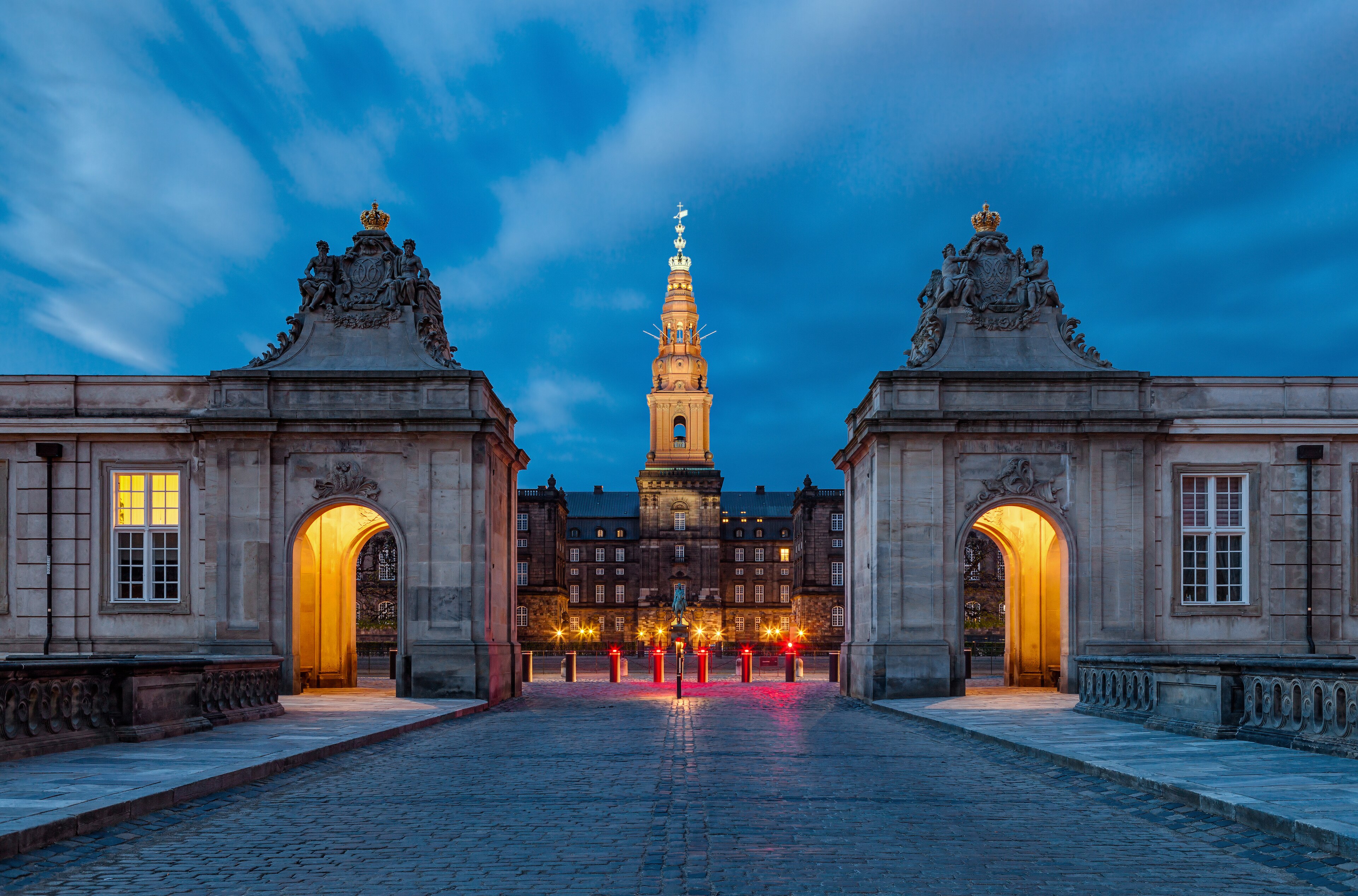
Why Copenhagen is Perfect for Your Celebration
- Iconic waterfront canal settings at Nyhavn and Christianshavn for stunning event photography
- Royal palaces and historic manor houses available as exclusive event backdrops
- World-leading Michelin-starred and New Nordic cuisine elevates every celebration
- Compact, walkable city centre makes guest logistics simple and stress-free
- Long summer daylight (up to 17+ hours in June) extends outdoor celebrations naturally
- Mature international event and wedding vendor ecosystem with multilingual professionals
Top Venues in Copenhagen
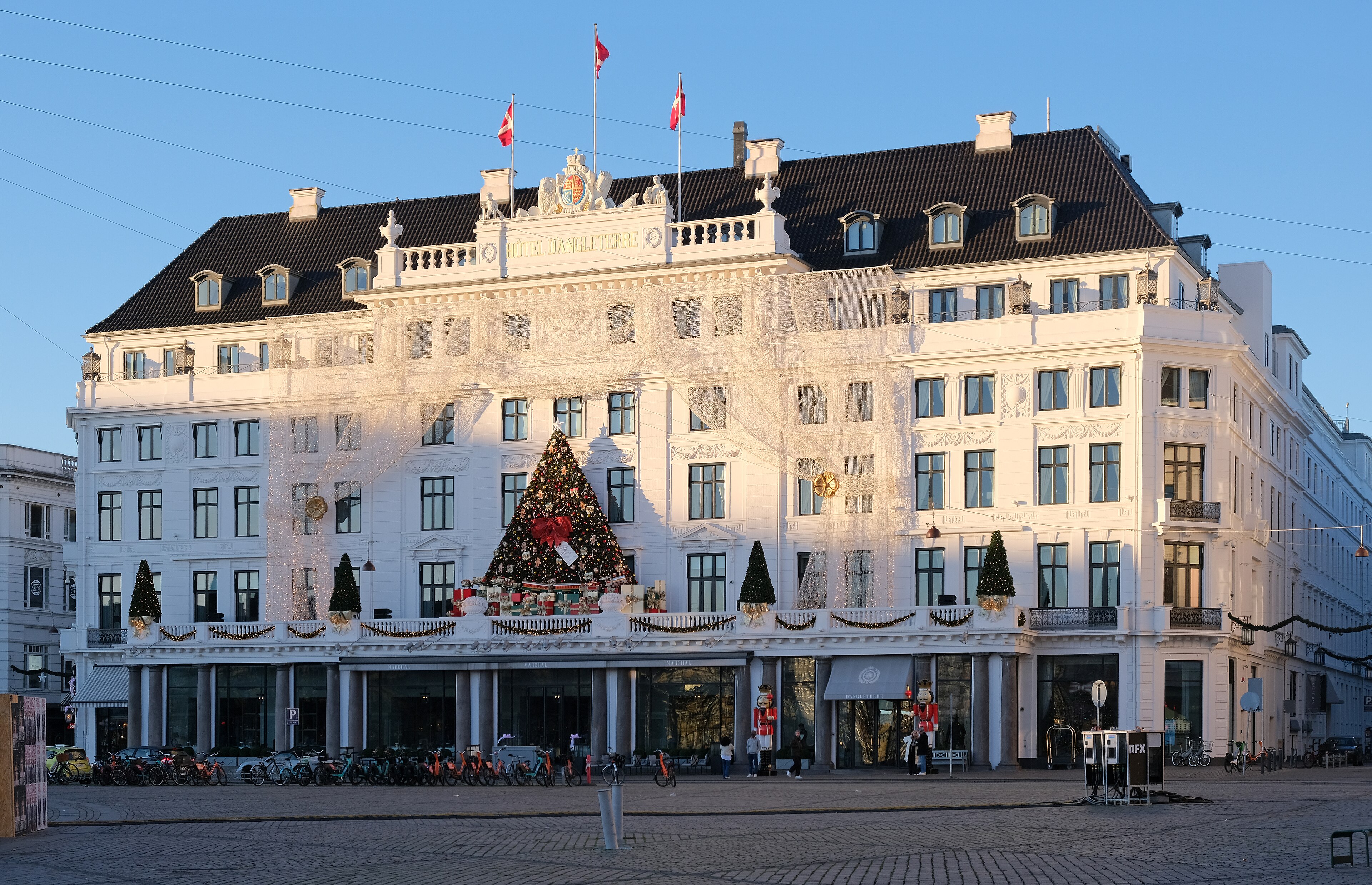
Hotel d'Angleterre
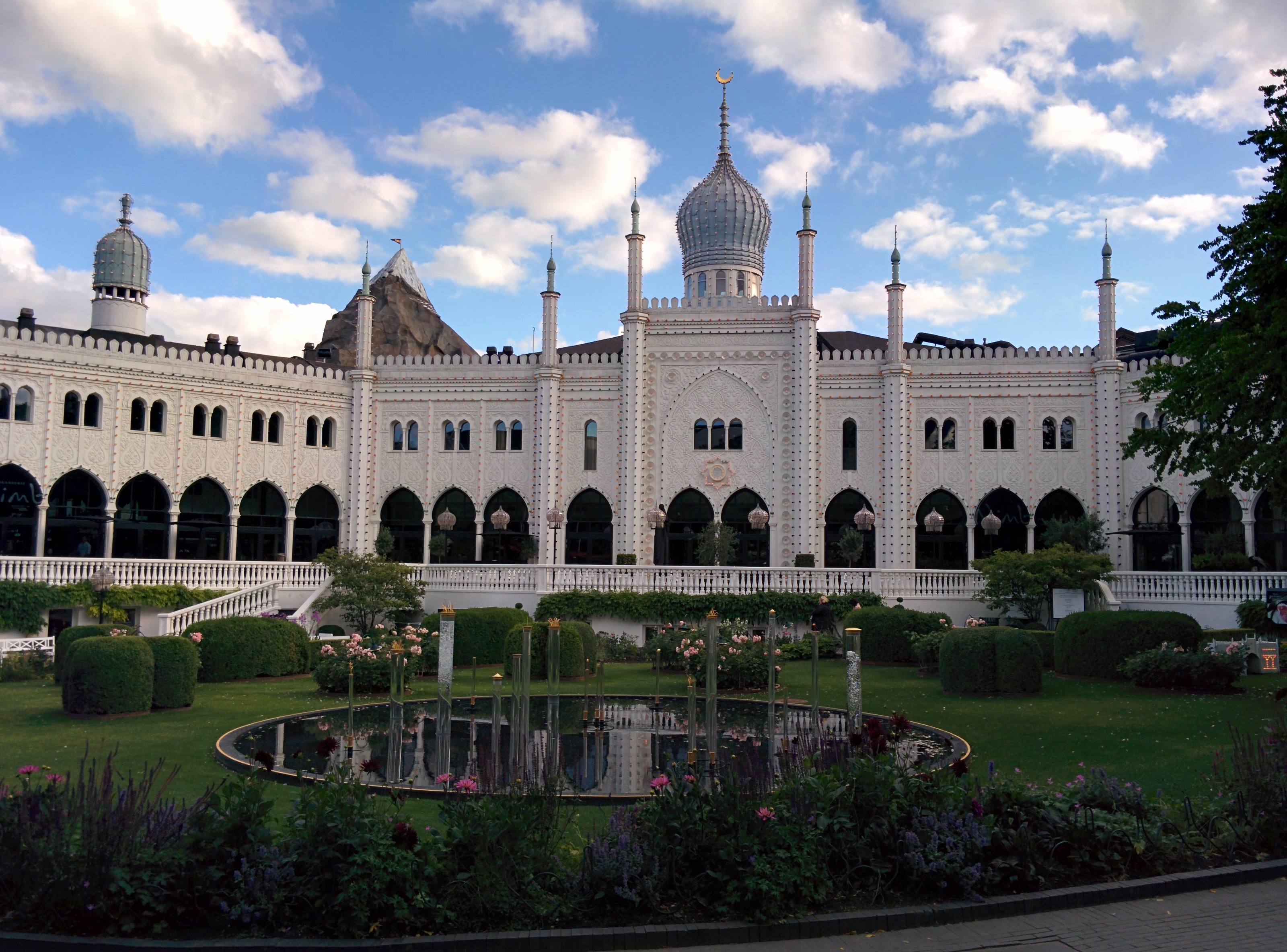
Nimb Hotel
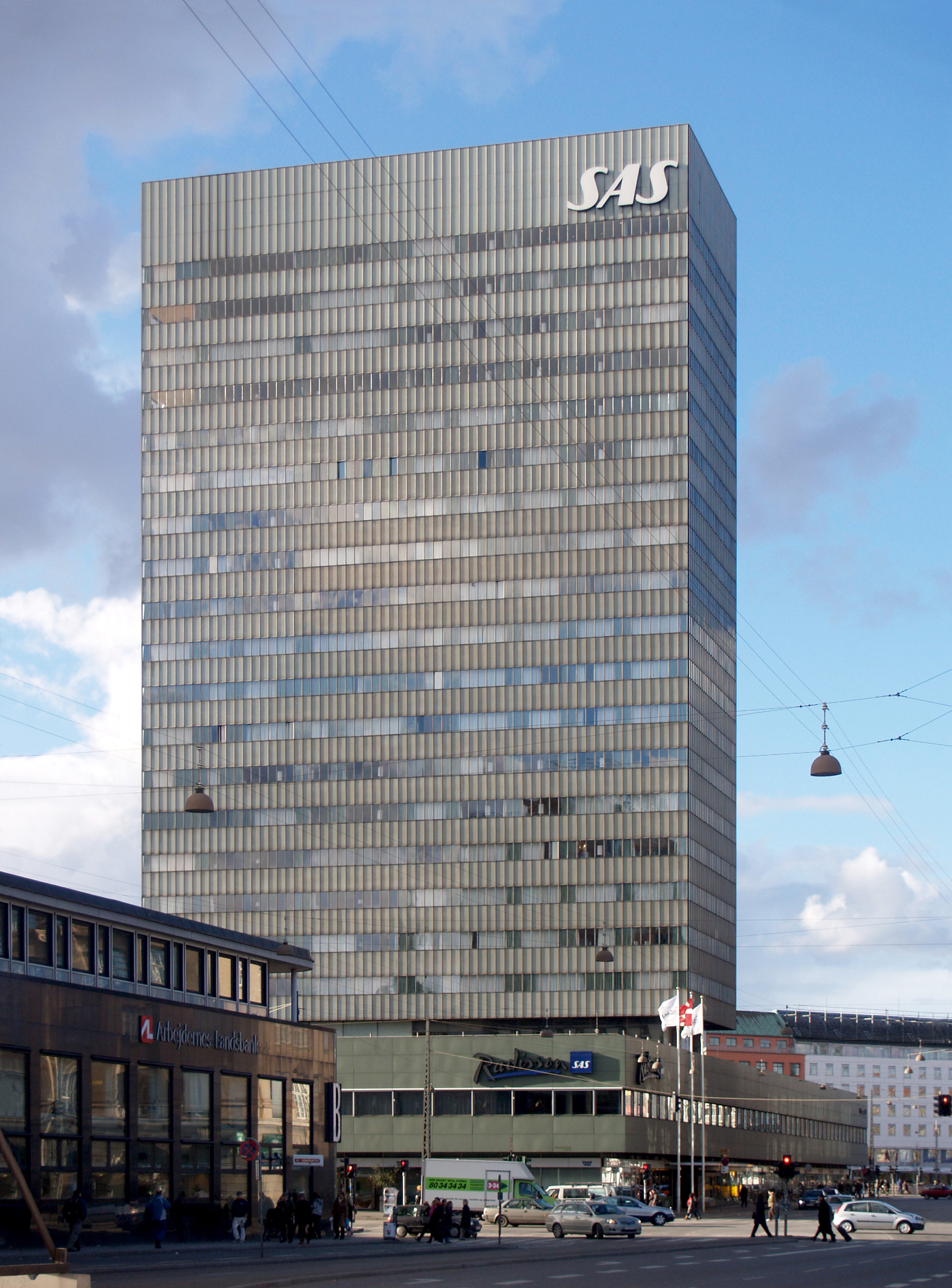
Radisson Collection Royal Hotel Copenhagen
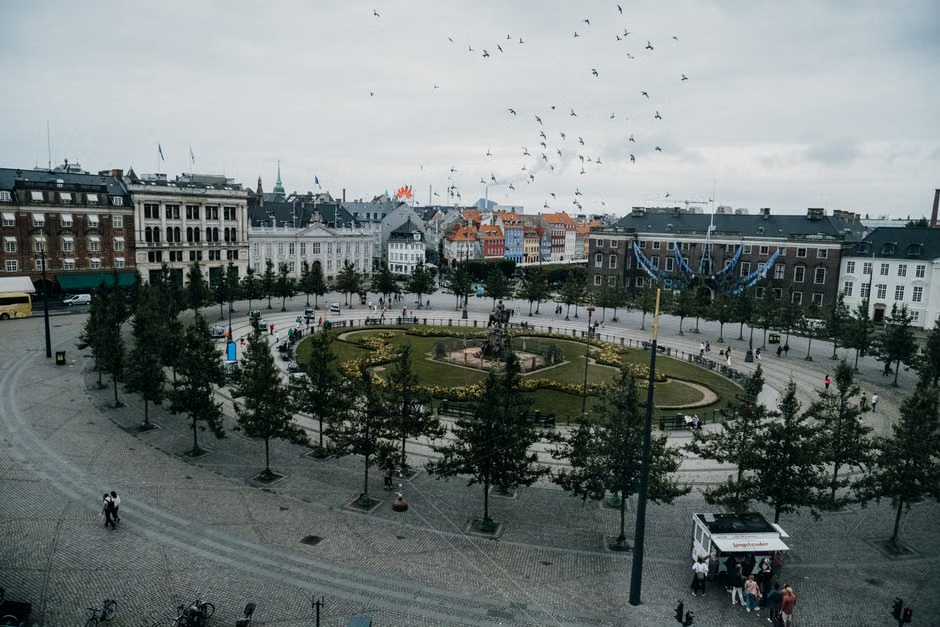
The Square Copenhagen
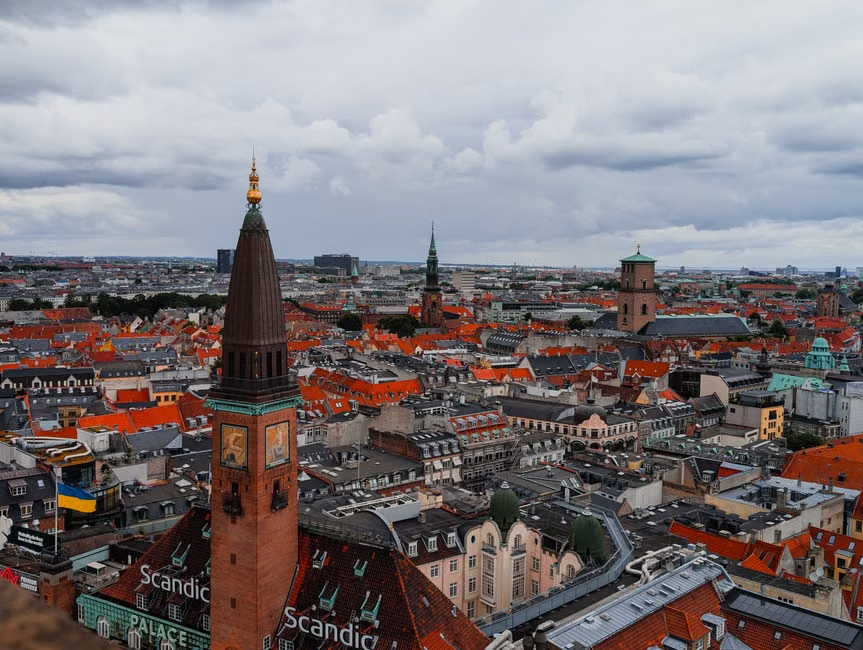
Scandic Palace Hotel
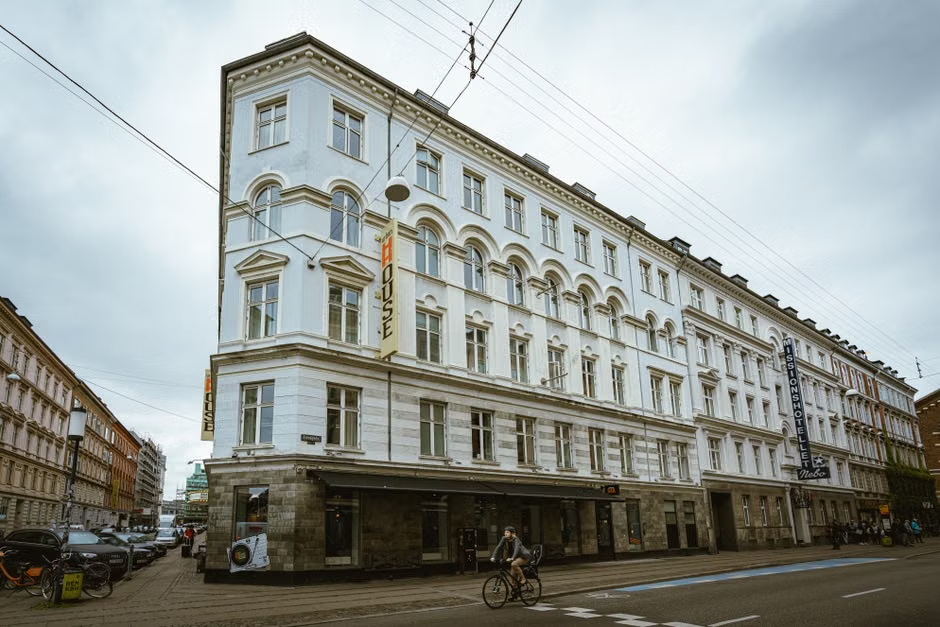
Hotel Kong Arthur
Wakeup Copenhagen Carsten Niebuhrs Gade
Ibsens Hotel
Compare Copenhagen with Other Top Destinations
Frequently Asked Questions
Is Copenhagen a good destination for a wedding?
Yes. Copenhagen is particularly well-suited to intimate and mid-scale destination weddings. The city's waterfront canal settings, historic architecture, and world-class culinary scene create a naturally elegant backdrop. It works best for couples seeking a chic, design-forward European celebration rather than a large traditional banquet. Summer (June–August) is the strongly recommended season for outdoor ceremonies and receptions.
What is the best time of year to hold an event in Copenhagen?
June, July, and August are the best months. Summer brings temperatures of 18–22°C, up to 17 hours of daylight, and the most reliable conditions for outdoor events. July is the warmest and driest month. Outside this window, autumn and winter bring cold temperatures, very short days, and frequent rain, making outdoor celebrations impractical and indoor events logistically harder for arriving guests.
How easy is it for international guests to reach Copenhagen?
Very easy. Copenhagen Airport (Kastrup) is one of Northern Europe's busiest hubs, with direct flights from major cities across Europe, North America, the Middle East, and Asia. The airport is approximately 8 km from the city centre and connected by a direct metro line that reaches the centre in under 15 minutes — making arrival logistics unusually smooth for a large guest group.
What size of guest list can Copenhagen venues realistically accommodate?
Copenhagen venues are generally best suited to guest lists of 30 to 300 people. The city has a strong inventory of intimate and mid-scale event spaces — hotel ballrooms, waterfront venues, historic manor houses, and design spaces. Very large events requiring 500 or more guests under a single roof will find the local venue inventory more limited, and early booking is essential for any summer date.
What kinds of venues are available for events in Copenhagen?
Copenhagen offers a diverse range of event spaces: luxury hotel ballrooms and rooftop terraces, historic palace and manor properties, converted waterfront warehouses with harbour views, design galleries and cultural institutions, and outdoor garden and park settings. The city's Scandinavian design culture means even standard hotel event spaces tend to be visually distinctive and well-appointed.
Is Copenhagen suitable for corporate events and retreats?
Yes, strongly so. Copenhagen is a well-established European corporate event destination with a mature conference and incentive travel infrastructure. The city's reputation for innovation, sustainability, and design resonates with forward-thinking brands. Its culinary scene, compact layout, and excellent international connectivity make it a practical and genuinely impressive choice for corporate retreats, leadership offsites, and brand activations.
How do guests get around Copenhagen once they arrive?
Very easily. Copenhagen has a world-class public transport network — metro, S-train, harbour bus, and extensive cycling infrastructure. The city centre is compact and largely walkable, meaning most hotels, venues, and attractions are within a short journey of each other. For coordinated group transfers between venues, private coach hire is readily available and straightforward to arrange through local event operators.
What is the local vendor and hospitality ecosystem like for events?
Copenhagen has a mature, internationally experienced events industry. English is spoken to a very high standard across all vendor sectors. The culinary ecosystem is exceptional — event caterers here routinely deliver fine-dining and New Nordic menus at scale. Local florists, photographers, and event designers bring a distinctive Scandinavian aesthetic. Several agencies specialise specifically in destination weddings and corporate events for international clients.
Do I need to plan far in advance for a summer event in Copenhagen?
Yes. Summer — particularly July — is peak tourist season in Copenhagen, and popular venues and hotels book up well in advance. For any event in June, July, or August, planning 12 to 18 months ahead is strongly advisable to secure preferred venues and accommodation blocks. Corporate events tied to specific conference dates should begin venue discussions even earlier.
Is outdoor event space reliably available in Copenhagen?
In summer (June–August), yes — outdoor ceremonies, garden receptions, and waterfront settings are genuinely viable and at their best. However, even in summer, Copenhagen can experience cool days and occasional rain. Any outdoor event plan should include a credible indoor contingency. Outside the summer window, outdoor events are weather-dependent at best and generally impractical from October through April.
What makes Copenhagen distinctive compared to other European event destinations?
Copenhagen offers a combination that is genuinely rare: royal and historic architecture alongside world-leading contemporary design, a globally recognised culinary scene, iconic waterfront canal settings, and a city that is exceptionally safe, clean, and easy to navigate. Its Scandinavian character gives events a visual identity that is markedly different from Mediterranean or Central European destination wedding markets.

Ready to explore venues in Copenhagen?
Copenhagen: Destination Wedding & Event Venues in Scandinavia
◆Copenhagen is one of Europe's most refined event destinations, best suited to intimate-to-mid-scale weddings, corporate retreats, brand activations, and cultural festivals. Its primary character is chic and cosmopolitan — defined by waterfront canals, royal architecture, world-leading Nordic cuisine, and a design culture that permeates every aspect of hospitality. The city performs strongest in summer (June through August), when long daylight hours and mild temperatures make outdoor celebrations genuinely viable. International accessibility is excellent via Copenhagen Airport (Kastrup), and the city's compact layout makes guest logistics straightforward. It is not a low-cost destination by European standards, and very large-scale events (500+ guests) may find the local venue inventory limiting.
Copenhagen at a Glance
| Attribute | Detail |
|---|---|
| Best For | Destination Weddings, Corporate Events, Brand Activations, Cultural Festivals |
| Primary Vibe | Chic & Cosmopolitan |
| Other Vibes | Royal & Historic, Design-Forward, Waterfront & Scenic |
| Best Season | Summer (Jun, Jul, Aug) |
Why Choose Copenhagen?
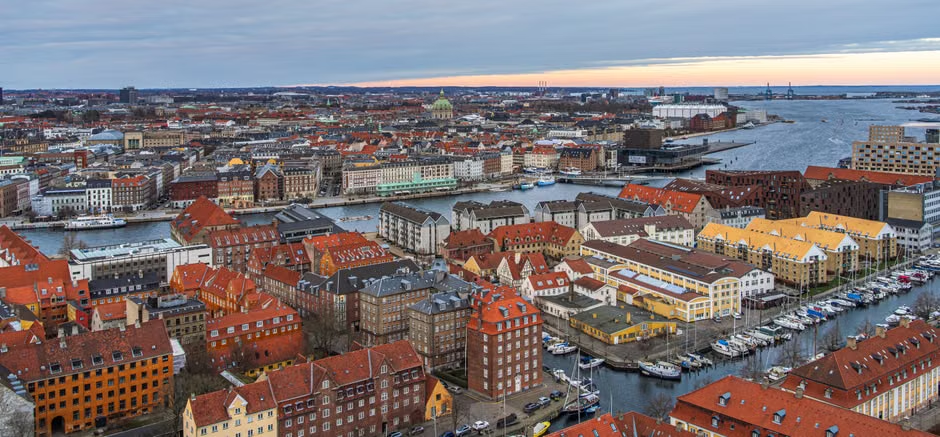
- Iconic waterfront settings: The Nyhavn canal district and Copenhagen Harbour provide a naturally photogenic, instantly recognisable backdrop that few European cities can match for visual impact at events.
- Royal and historic architecture: The city's palaces, manor estates, and centuries-old buildings offer a genuine sense of grandeur and heritage without requiring guests to travel to a remote location.
- World-class culinary ecosystem: Copenhagen's reputation as a global gastronomy capital — home to multiple Michelin-starred restaurants and the birthplace of New Nordic cuisine — means event catering here is genuinely exceptional and a talking point in itself.
- Exceptional summer daylight: June and July bring up to 17 hours of usable daylight, allowing outdoor ceremonies, garden receptions, and evening events to run naturally late without artificial lighting constraints.
- Mature, multilingual vendor ecosystem: Copenhagen has a well-developed professional events industry with experienced wedding planners, florists, photographers, and AV specialists accustomed to working with international clients.
- Compact and highly navigable city: The city centre is walkable, and the metro, S-train, and harbour bus networks make moving a guest group between venues, hotels, and attractions genuinely easy without requiring a private coach fleet.
Which Celebrations Work Best in Copenhagen?
- Destination Weddings: Copenhagen suits intimate-to-medium-scale weddings particularly well. The combination of canal-side ceremony settings, historic chapels, and design-led reception spaces creates a naturally elegant event without heavy decoration investment. The city's safety, cleanliness, and English-language fluency make it comfortable for international guest groups.
- Corporate Events & Retreats: Copenhagen is a natural fit for corporate gatherings — it hosts major international conferences regularly, has a strong convention infrastructure, and the city's innovation and sustainability credentials resonate well with forward-thinking brands. Incentive travel groups respond strongly to the city's design culture and culinary scene.
- Brand Activations & Product Launches: The city's design-forward aesthetic and cosmopolitan media landscape make it a credible and visually compelling location for brand events targeting European or global audiences.
- Cultural Festivals & Private Celebrations: Copenhagen's summer festival culture, outdoor public spaces, and strong arts scene make it a natural host for cultural programming, milestone birthday celebrations, and anniversary events that want a European city backdrop with genuine character.
Venues & Event Spaces
Copenhagen's event venue landscape is diverse but generally suited to small-to-medium guest counts. The city offers a range of property types that serve different event styles:
- Historic palace and manor venues: Several royal and aristocratic properties in and around the city can be hired for private events, offering genuine heritage grandeur with formal gardens and period interiors.
- Luxury hotel ballrooms and event suites: The city's leading hotels provide well-equipped ballrooms, rooftop terraces, and private dining rooms that handle everything from intimate dinners to mid-scale receptions with professional in-house event teams.
- Waterfront and harbour spaces: Converted warehouses, harbour-side pavilions, and canal-adjacent event spaces are a distinctive Copenhagen offering — combining industrial-chic aesthetics with iconic water views.
- Design studios and cultural institutions: Copenhagen's strong design and arts culture means that galleries, design museums, and creative studios are frequently used as non-traditional event spaces, particularly for corporate and brand events.
- Outdoor garden and park settings: In summer, the city's royal gardens, Tivoli Gardens (for ticketed events), and private estate grounds provide genuinely beautiful outdoor ceremony and reception settings.
Most Copenhagen venues are best suited to guest lists in the range of 30 to 300 people. Very large-scale events requiring 500+ guests under one roof will find the local inventory more limited than in larger European convention cities.
Best Time to Celebrate
The curated best season for Copenhagen events is Summer: June, July, and August — and this recommendation is well-grounded in the city's actual climate and event conditions.
- June is arguably the peak month: temperatures typically reach 18–22°C, daylight extends past 10pm, and the city is at its most vibrant with outdoor markets, festivals, and harbour activity creating a natural celebratory atmosphere.
- July is the warmest month on average and the most reliably dry, making it the strongest choice for outdoor ceremonies and garden receptions. The city is busy with tourists, so early venue and accommodation booking is essential.
- August remains warm and long-daylit, with slightly lower visitor pressure than July. It is an excellent month for events that want summer conditions with marginally more venue availability.
Outside this window, conditions become progressively less suitable for the outdoor and semi-outdoor event formats that make Copenhagen distinctive:
- September–October: Temperatures drop noticeably (10–15°C by October), daylight shortens rapidly, and outdoor events become weather-dependent. Indoor-only events can still work well in September, but October marks the beginning of a genuinely difficult period.
- November–February: Copenhagen winters are cold (often near or below freezing), very dark (as few as 7 hours of daylight in December), and frequently wet or sleety. Outdoor events are not viable, and even indoor events face the challenge of guests arriving in difficult weather conditions. This period is generally not recommended for destination celebrations.
- March–May: Spring arrives gradually and unpredictably. March and April can still be cold and windy, with temperatures often below 10°C. May improves meaningfully and can work for indoor events, but it remains a shoulder season with variable outdoor viability — not reliably warm enough to plan outdoor ceremonies with confidence.
Getting There & Local Connectivity
Copenhagen is among the best-connected cities in Northern Europe for international guests. Copenhagen Airport (Kastrup) sits approximately 8 km from the city centre and is served by direct flights from major hubs across Europe, North America, the Middle East, and Asia. The airport's own metro line connects directly to the city centre in under 15 minutes, making arrival logistics unusually smooth for a large guest group.
For guests travelling overland, Copenhagen Central Station (København H) is a major European rail hub with direct services to Malmö and Stockholm (via the Øresund Bridge), Hamburg, and connections across the Danish rail network. Eurostar and other high-speed rail connections make the city reachable from London, Paris, and Amsterdam without flying.
Within the city, Copenhagen's public transport network — metro, S-train, harbour bus, and extensive cycling infrastructure — is world-class. For event groups, the compact city centre means that most hotels, venues, and attractions are within a short taxi or metro ride of each other. Private coach hire is available for larger groups requiring coordinated transfers between venues and accommodation.
Local Vendor & Hospitality Ecosystem
Copenhagen has a genuinely mature and internationally experienced events and hospitality industry. Key strengths include:
- Multilingual professionals: English is spoken to a very high standard across the hospitality, events, and vendor sectors — international couples and corporate planners rarely face language barriers when working with local suppliers.
- Culinary excellence: The city's catering and restaurant ecosystem is exceptional by any global standard. Event caterers here are accustomed to delivering New Nordic menus, dietary-inclusive menus, and high-volume fine dining with equal competence.
- Design and floral artistry: Copenhagen's design culture extends to event styling — local florists, decorators, and set designers bring a distinctively Scandinavian aesthetic (clean lines, natural materials, considered minimalism) that suits the city's venues naturally.
- Photography and film: The city's photogenic canal districts, royal architecture, and long summer light attract a strong community of event and wedding photographers with international portfolios.
- Event planning specialists: Several Copenhagen-based agencies specialise in destination weddings and corporate events for international clients, with established vendor networks and venue relationships that simplify planning from abroad.
One genuine consideration: Copenhagen's vendor ecosystem, while high-quality, is not as large in absolute terms as major European capitals like London or Paris. For very large or highly complex events, some specialist suppliers may need to be sourced from elsewhere in Scandinavia or Europe, which can add lead time and logistics complexity.
Pros & Things to Consider
Why Copenhagen Works Well
- Exceptional international air connectivity with a city-centre airport and fast metro link
- Long summer daylight hours create naturally extended outdoor event windows
- World-class culinary scene elevates every catered event
- Very safe, clean, and well-organised city — low logistical stress for guests
- Compact city centre keeps guest groups together and reduces transfer complexity
- Distinctive Scandinavian aesthetic provides a genuinely different visual identity from Mediterranean or South Asian destination wedding markets
- Multilingual, experienced vendor and hospitality ecosystem comfortable with international clients
Things to Consider
- Seasonal window is narrow: The genuinely strong event season is only three months (June–August). Outside this window, outdoor events are weather-dependent at best and impractical at worst.
- Venue capacity ceiling: Copenhagen's venue inventory is well-suited to intimate and mid-scale events but can feel limiting for very large guest lists (400+). Planners should verify capacity early.
- High general cost of living: Denmark is among the more expensive countries in Europe. While this page does not address specific pricing, planners should factor in that accommodation, catering, and services here reflect a high-cost market.
- Summer demand is high: July in particular is peak tourist season, meaning hotels and popular venues book up well in advance. Early planning (12–18 months ahead for summer dates) is strongly advisable.
- Weather is never guaranteed: Even in summer, Copenhagen can experience cool days and rain. Outdoor event plans should always include a credible indoor contingency.
When Copenhagen May Not Be the Right Fit
- Large-scale events (400+ guests): If your celebration requires a single venue accommodating a very large guest count under one roof, Copenhagen's venue inventory may not comfortably support it. A larger European convention city may be more practical.
- Autumn or winter celebrations: If your preferred dates fall between October and April and outdoor settings are important to your vision, Copenhagen's climate makes this genuinely difficult. A Mediterranean or warmer-climate destination would serve those plans better.
- Guests with limited European travel access: While Copenhagen Airport is excellent, guests travelling from regions with limited direct European connections may face complex routing. If the majority of your guest list is based in a region with stronger direct connections to another European hub, that may be a more practical base.
- Events requiring very large vendor teams or niche specialists: For highly complex productions requiring very large specialist vendor teams (large-scale pyrotechnics, elaborate stage builds, niche cultural performers), Copenhagen's relatively smaller vendor market may require significant sourcing from outside Denmark, adding planning complexity.