
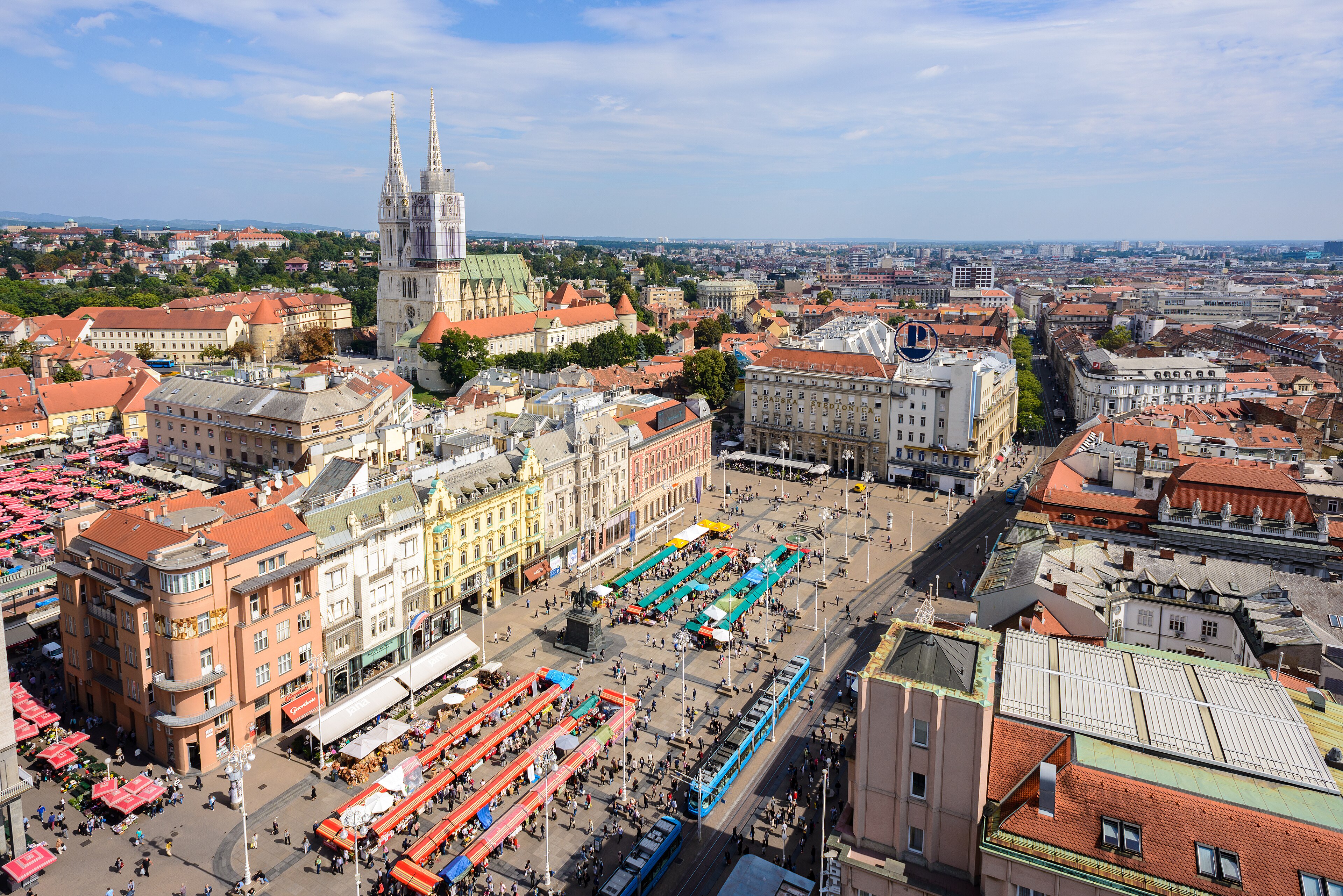
Why Zagreb is Perfect for Your Celebration
- Stunning Austro-Hungarian architecture provides a naturally photogenic backdrop for ceremonies and receptions
- Excellent air links from across Europe make guest travel straightforward for international attendees
- Long summer days (May–September) allow extended outdoor celebrations in parks, courtyards, and terraces
- A mature hospitality sector with experienced event planners, caterers, and AV vendors familiar with large-scale events
- Historic Upper Town venues and countryside estates within 30 km offer genuine variety of settings
- Croatia's growing reputation as a European event destination means strong vendor competition and quality

Top Venues in Zagreb
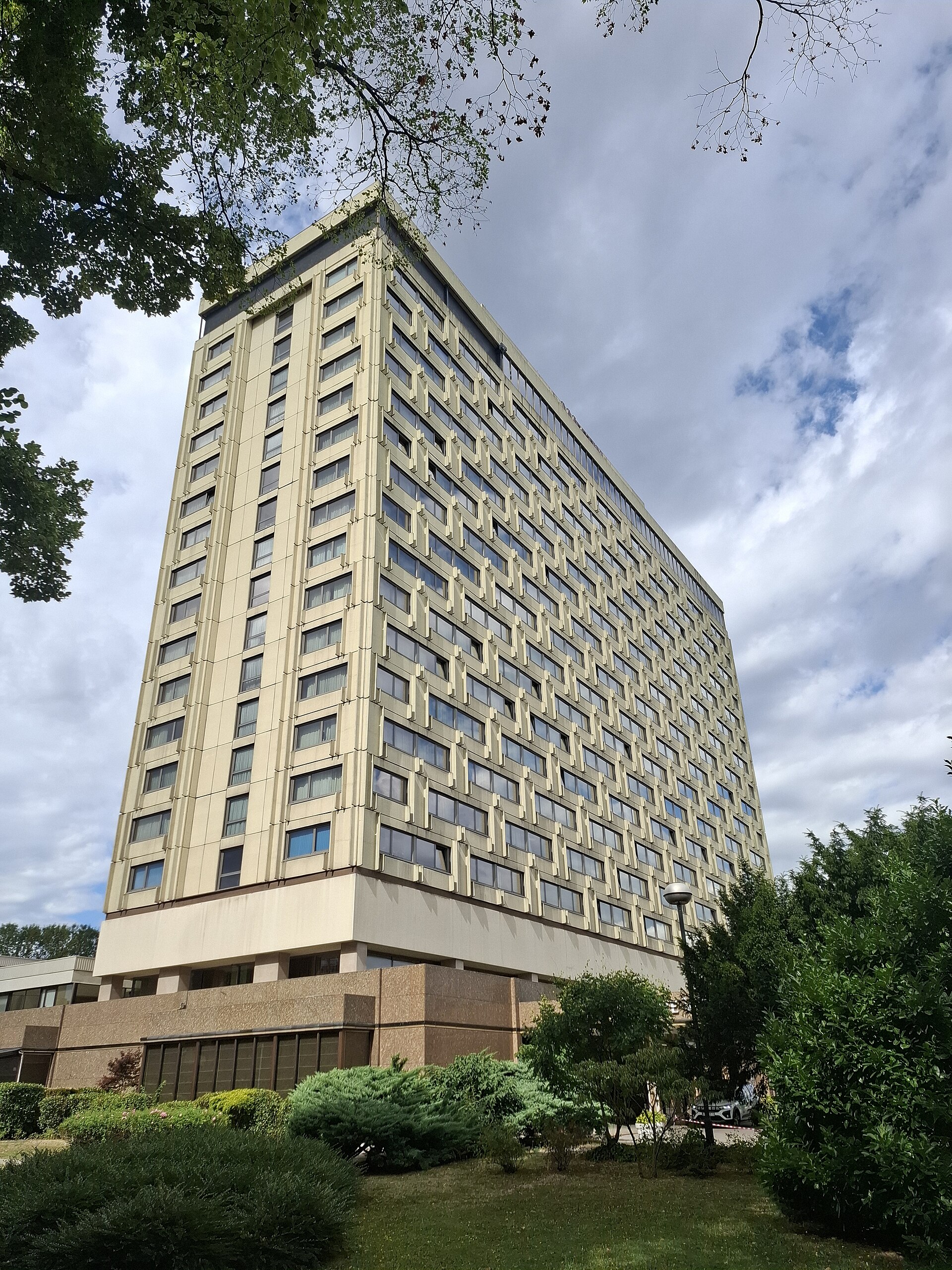
Westin Zagreb
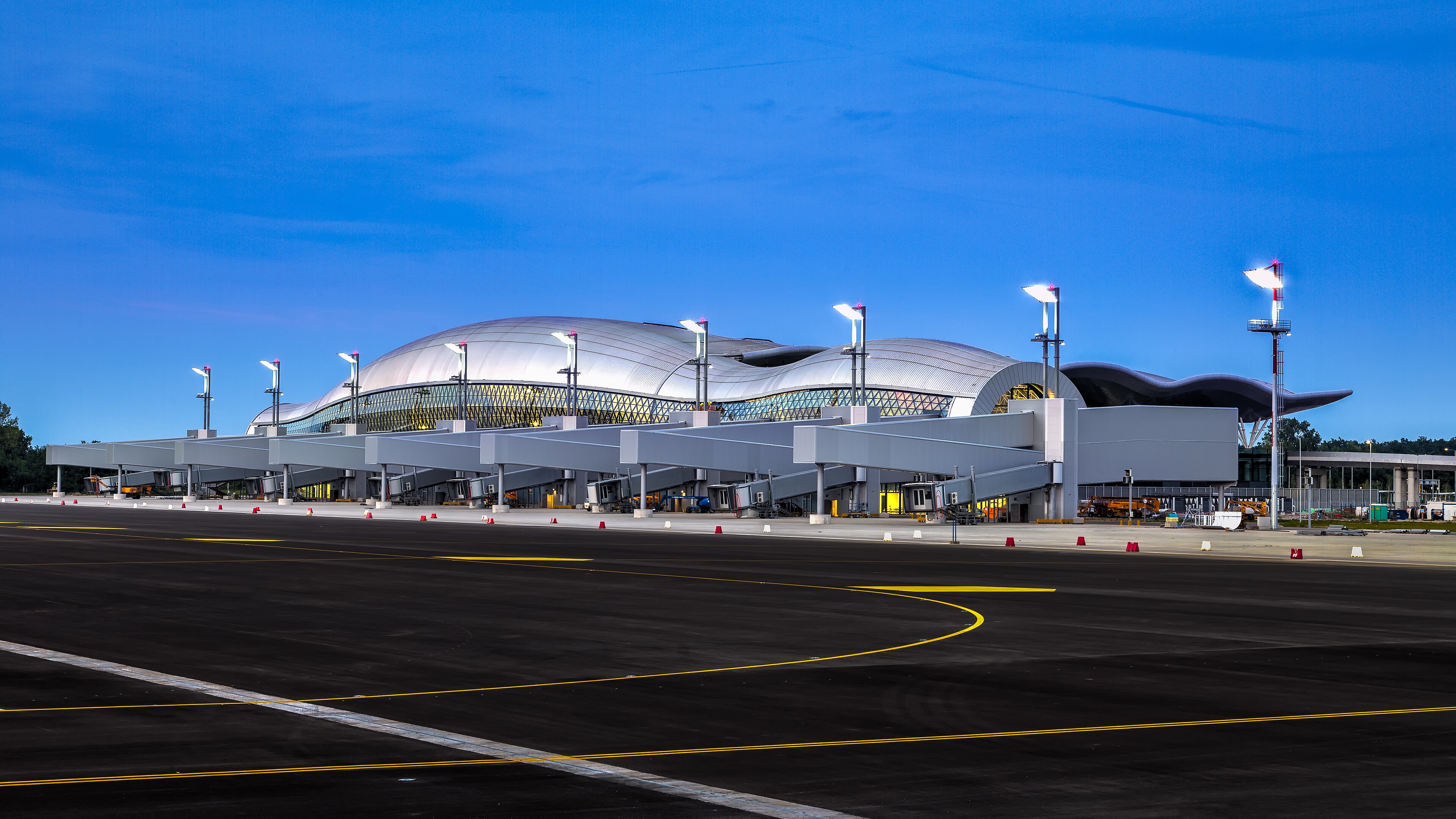
Hotel International Zagreb
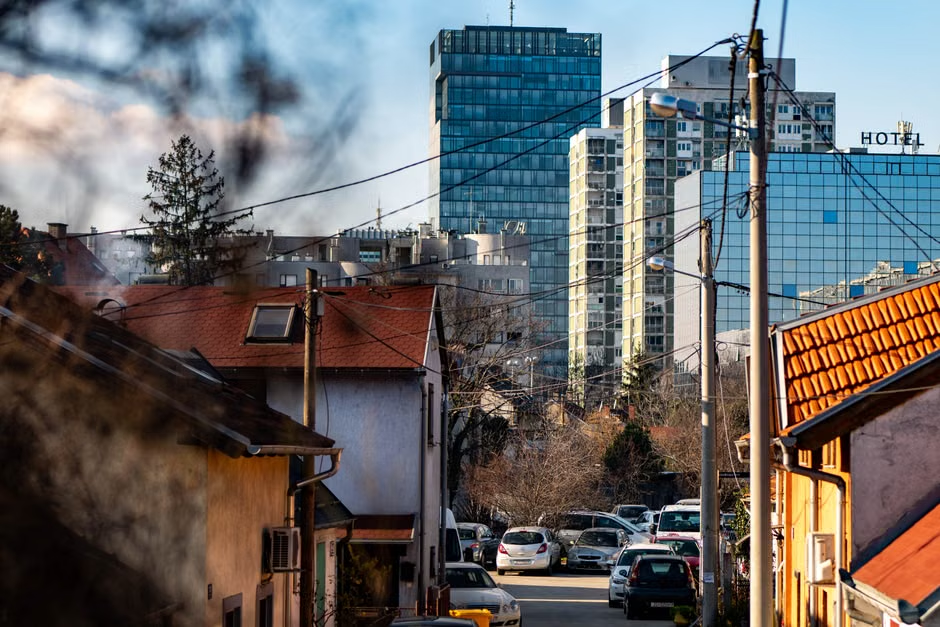
DoubleTree by Hilton Zagreb
Compare Zagreb with Other Top Destinations
Frequently Asked Questions
Is Zagreb a good destination for a wedding celebration?
Yes. Zagreb is particularly well-suited to cultural and heritage-style weddings where architectural character, European atmosphere, and a refined hospitality experience are priorities. The city's historic Upper Town, hotel ballrooms, and nearby countryside estates provide genuine variety. It works best for intimate to mid-scale weddings rather than very large gatherings, and the summer season (May–September) is the most reliable window for outdoor ceremonies.
What is the best time of year to hold an event in Zagreb?
May through September is the curated best season. This window offers warm temperatures, long evenings, and fully operational outdoor venues. September is particularly favoured for its pleasant temperatures and reduced tourist density. November through March should generally be avoided for events with outdoor components due to cold continental winter conditions.
How easy is it for international guests to travel to Zagreb?
Straightforward by European standards. Zagreb Franjo Tuđman Airport receives direct flights from dozens of European cities, and the city's central railway station connects to Vienna, Budapest, and Ljubljana. The airport is approximately 17 km from the city centre with reliable transfer options. English is widely spoken in the hospitality sector, reducing coordination friction for international groups.
What kinds of event spaces are available in Zagreb?
Zagreb offers a genuine mix: grand hotel ballrooms in historic early 20th-century buildings, boutique heritage venues in the Upper Town with courtyards and vaulted interiors, licensed outdoor spaces in city parks, and countryside estates within 20–30 km of the centre. Corporate events are also well-served by purpose-built congress facilities within major hotels.
How large a guest group can Zagreb realistically accommodate for a single event?
Zagreb comfortably supports events in the 50–500 guest range across its established hotel and heritage venues. For groups above 500 requiring a single contiguous space, the local inventory becomes more limited and early planning is essential. Multi-venue formats or distributed accommodation across several central hotels work well for larger groups.
Is the local vendor and catering ecosystem in Zagreb capable of handling international-standard events?
Yes. Zagreb has a mature events industry with experienced caterers, florists, AV companies, and coordinators who regularly work on international-standard briefs. Croatian cuisine — drawing on Mediterranean and Central European traditions — is a genuine asset for event menus, and local wines from Istria and Dalmatia add regional character. Most senior vendor contacts work comfortably in English.
What makes Zagreb suitable for corporate conferences and incentive events?
Zagreb is a well-established MICE destination with dedicated conference facilities in several major hotels, strong European air connectivity, and a central European location that suits pan-European delegate groups. The city's cultural programme — museums, galleries, historic sites — supports incentive travel itineraries, and the local hospitality sector is experienced with large corporate group logistics.
How do guests get around Zagreb once they arrive?
Zagreb's central areas are largely walkable, and the city's historic tram network covers most key zones efficiently. Ride-hailing services operate reliably. For event groups moving between venues, hotels, and the airport, private coach and minibus hire is well-established and straightforward to arrange locally. Parking is available near most major venues for guests arriving by car from neighbouring countries.
Is Zagreb suitable for outdoor celebrations, and what should planners know about the weather?
Yes, during the summer season. From May through September, Zagreb's outdoor courtyards, park venues, and hotel terraces are fully operational and reliable. July and August can see temperatures in the high 20s Celsius, so late-afternoon or evening ceremony start times are generally preferred. September offers the most comfortable outdoor conditions. Outside this window, outdoor events carry meaningful weather risk.
Can Zagreb accommodate a multi-day celebration programme beyond the main event?
Yes. Zagreb's cultural infrastructure — museums, galleries, historic Upper Town, wine bars, and restaurant scene — supports genuinely varied multi-day programmes. Rehearsal dinners, cultural tours, cooking experiences, and day trips to nearby countryside or wine regions are all practical additions. The city's compact, walkable centre makes it easy for guests to explore independently between scheduled activities.

Ready to explore venues in Zagreb?
Zagreb: Destination Wedding & Event Venues in Croatia's Cultural Capital
◆Zagreb is Croatia's capital and a well-established European event destination, best suited to cultural celebrations, corporate conferences, festivals, and intimate to mid-scale weddings. Its primary vibe is Cultural & Timeless, shaped by Austro-Hungarian architecture, leafy boulevards, and a sophisticated café culture. The city performs strongest during the summer months (May through September), when long days and warm temperatures make both outdoor and indoor events highly practical. Zagreb is served by an international airport with strong European connections, a central railway station linking it to neighbouring capitals, and a mature hospitality sector capable of supporting events across a wide range of guest sizes.
Zagreb at a Glance
| Category | Detail |
|---|---|
| Best For | Cultural Weddings, Corporate Events, Festivals, Milestone Celebrations |
| Primary Vibe | Cultural & Timeless |
| Other Vibes | Romantic, Urban, Heritage |
| Best Season | Summer (May, Jun, Jul, Aug, Sep) |
Why Choose Zagreb?
- Architectural grandeur as a natural backdrop: Zagreb's Upper Town (Gornji Grad), with its medieval towers, cobblestone lanes, and Baroque churches, provides a genuinely photogenic setting that requires minimal additional decoration for ceremonies and receptions.
- Diverse venue typology: The city offers a genuine mix of grand hotel ballrooms, historic palaces, open-air courtyards, park pavilions, and countryside estates within a short drive — giving event planners real flexibility across guest sizes and formats.
- Strong European air connectivity: Zagreb Franjo Tuđman Airport (ZAG) receives direct flights from dozens of European cities, making it straightforward for international guests to attend without complex routing.
- Mature local vendor ecosystem: Zagreb has a well-developed events industry with experienced caterers, florists, AV and production companies, and wedding coordinators who regularly handle international-standard events.
- Extended summer daylight: From May through September, Zagreb enjoys long evenings with sunset often after 8 pm, allowing outdoor ceremonies and garden receptions to run well into the evening without artificial lighting.
- Cultural richness as an event asset: The city's museums, galleries, and performing arts venues can be incorporated into multi-day celebration programmes — rehearsal dinners, cultural tours, and post-event activities are genuinely available at a high standard.
Which Celebrations Work Best in Zagreb?
- Cultural and heritage weddings: Couples seeking a European, architecturally rich setting for their ceremony and reception will find Zagreb particularly well-suited. The combination of historic venues, romantic streetscapes, and a relaxed yet refined atmosphere makes it a strong choice for weddings that prioritise character over scale.
- Corporate conferences and incentive events: Zagreb has a well-established MICE (Meetings, Incentives, Conferences, Exhibitions) infrastructure. Several large hotels offer dedicated conference facilities, and the city's central European location makes it a practical choice for pan-European corporate gatherings.
- Festivals and cultural celebrations: The city's public squares, parks, and open-air venues have a long tradition of hosting festivals, making Zagreb a natural fit for large-scale cultural events, brand activations, and community celebrations during the summer season.
- Milestone celebrations (anniversaries, reunions, landmark birthdays): For groups seeking a European city break combined with a private celebration, Zagreb's compact, walkable centre and strong restaurant and hospitality scene make it an excellent host for multi-day milestone events.
Venues & Event Spaces
Zagreb's event venue landscape spans several distinct categories. At the upper end, the city's grand historic hotels — many housed in early 20th-century buildings — offer large ballrooms, ornate interiors, and full-service event coordination. These properties are well-suited to formal receptions and gala dinners for groups ranging from a few dozen to several hundred guests.
Beyond the major hotels, Zagreb has a growing number of boutique heritage properties in and around the Upper Town, offering more intimate settings with exposed stone walls, vaulted ceilings, and private courtyard access. These are particularly popular for smaller weddings and private dinners where atmosphere takes priority over capacity.
The city's parks — particularly Maksimir Park and the Botanical Garden — provide licensed outdoor event spaces during the summer months, suitable for garden ceremonies, outdoor receptions, and festival-format events. Several private estates and vineyard properties within roughly 20–30 km of the city centre also offer rural Croatian settings for those who want a countryside feel while keeping Zagreb as the guest accommodation hub.
For corporate and conference events, purpose-built congress centres and hotel conference wings provide modern AV infrastructure, breakout rooms, and catering facilities capable of handling large delegate numbers. The city's convention infrastructure has grown significantly in recent years and is generally considered reliable for international-standard events.
Best Time to Celebrate
The curated best season for Zagreb events is Summer: May through September. This window is recommended for several concrete reasons beyond simply "good weather."
From May onwards, temperatures are reliably warm (typically 18–26°C), rainfall is moderate and usually brief, and the city's outdoor spaces — courtyards, terraces, park venues — become fully operational. May and early June are particularly pleasant because the city is not yet at peak tourist density, meaning accommodation is more readily available for large guest groups and local vendors are more accessible.
June, July, and August represent the peak of the season. Days are long, evenings are warm, and the full range of outdoor venues is available. July and August can see temperatures occasionally reaching the high 20s to low 30s Celsius, which is comfortable for European summer events but worth factoring into outdoor ceremony timing (late afternoon and evening starts are generally preferred).
September is widely considered the most refined month for Zagreb events — temperatures ease slightly, the summer crowds thin, and the city takes on a golden-hour quality that is particularly flattering for photography. Outdoor events remain fully viable through most of September.
The months November through March are genuinely unsuitable for outdoor celebrations. Zagreb experiences cold continental winters with temperatures frequently below freezing, grey skies, and occasional snow. While indoor events are technically possible year-round, the logistical and atmospheric limitations of winter make it a poor choice for destination celebrations. April is an unpredictable shoulder month — temperatures are rising but spring rain is frequent and the risk of a cold snap remains real, making it a less reliable choice for events with outdoor components.
Getting There & Local Connectivity
Zagreb is well-connected by air, with its international airport receiving direct flights from major European hubs including London, Frankfurt, Amsterdam, Paris, Vienna, and many others. The airport sits approximately 17 km from the city centre, with regular bus and taxi connections making the transfer straightforward for arriving guests. For groups, private transfer arrangements are readily available and commonly used for wedding and corporate parties.
By rail, Zagreb Central Station is a genuine hub on the Central European rail network, with direct or single-change connections to Vienna, Budapest, Ljubljana, and Split. For guests travelling from neighbouring countries, the train is a practical and scenic option. Domestic rail connections within Croatia are more limited, but for a Zagreb-based event, this is rarely a constraint.
Within the city, Zagreb is compact and largely walkable in its central areas. The historic tram network covers most of the city efficiently, and ride-hailing services operate reliably. For groups moving between venues, hotels, and the airport, private coach and minibus hire is well-established and straightforward to arrange through local operators. Parking is available near most major venues for guests arriving by car, which is relevant for guests driving from neighbouring countries.
Local Vendor & Hospitality Ecosystem
Zagreb has a genuinely mature events and hospitality ecosystem by Central European standards. The city regularly hosts international conferences, film festivals, music events, and high-profile weddings, which means local vendors — caterers, florists, photographers, AV and lighting companies, event coordinators — have real experience with demanding, international-standard briefs.
Croatian cuisine is a genuine asset for event catering: the local food culture draws on Mediterranean and Central European traditions, producing menus that are both distinctive and broadly appealing to international guests. Local wine and spirits (particularly Croatian wines from Istria and Dalmatia) are of high quality and add an authentic regional dimension to event catering.
English is widely spoken in Zagreb's hospitality sector, which reduces the coordination friction that can arise in less internationally-oriented destinations. Most senior hotel event staff, independent coordinators, and vendor contacts are comfortable working in English with international clients and their planners.
The city's accommodation stock is sufficient to house mid-to-large guest groups across multiple properties within a short radius of central venues, and hotel room-block arrangements for events are a standard practice that local properties handle routinely.
Pros & Things to Consider
Why Zagreb Works Well
- Genuinely beautiful architectural setting that elevates event photography and guest experience without requiring elaborate decoration
- Strong European air connectivity makes international guest attendance practical and relatively straightforward
- Long summer days allow flexible event scheduling, including late outdoor ceremonies and extended evening receptions
- Experienced local vendor community familiar with international event standards and English-language coordination
- Diverse venue typology — from grand ballrooms to intimate courtyards to countryside estates — suits a wide range of event formats and guest sizes
- Croatian food and wine culture adds genuine regional character to event catering without requiring imported solutions
Things to Consider
- Zagreb is not a beach or coastal destination — guests expecting a Adriatic seaside setting will need to travel further (the coast is several hours away), so the city's appeal rests on its urban and cultural character rather than natural landscape drama
- The winter months (November through March) are genuinely cold and grey, making Zagreb a poor choice for outdoor celebrations outside the curated summer season
- For very large events (500+ guests requiring a single venue), the local inventory of appropriately-scaled spaces is more limited than in larger European capitals — early planning and flexibility on venue format are important
- Zagreb is not yet as internationally prominent as Paris, Rome, or Prague as a wedding destination, which means some international guests may need more orientation and logistical support than they would in a more familiar city
- Peak summer (July–August) sees the city at its busiest tourist period, which can affect accommodation availability and pricing for large group room blocks if not secured well in advance
When Zagreb May Not Be the Right Fit
- Guests requiring a coastal or beach setting: Zagreb is an inland city. If the celebration concept centres on a seafront ceremony, beach reception, or Adriatic views, a different Croatian destination (such as Dubrovnik or Split) would be more appropriate.
- Events planned for winter months: If the event date falls between November and March and includes significant outdoor components, Zagreb's cold continental winter makes it a genuinely poor fit — the outdoor venue options that define much of the city's appeal are not reliably usable in this period.
- Very large-scale events requiring a single mega-venue: Groups needing a single venue for 800 or more guests in a single space may find Zagreb's venue inventory limiting. The city is better suited to events that can be distributed across multiple spaces or that work within the capacity of its established hotel ballrooms and congress facilities.
- Guests with very limited European travel experience or complex visa situations: While Croatia is an EU and Schengen member state (as of 2023), guests from certain non-EU countries may face visa requirements that add planning complexity — this is worth factoring in for events with a predominantly non-European guest list.