
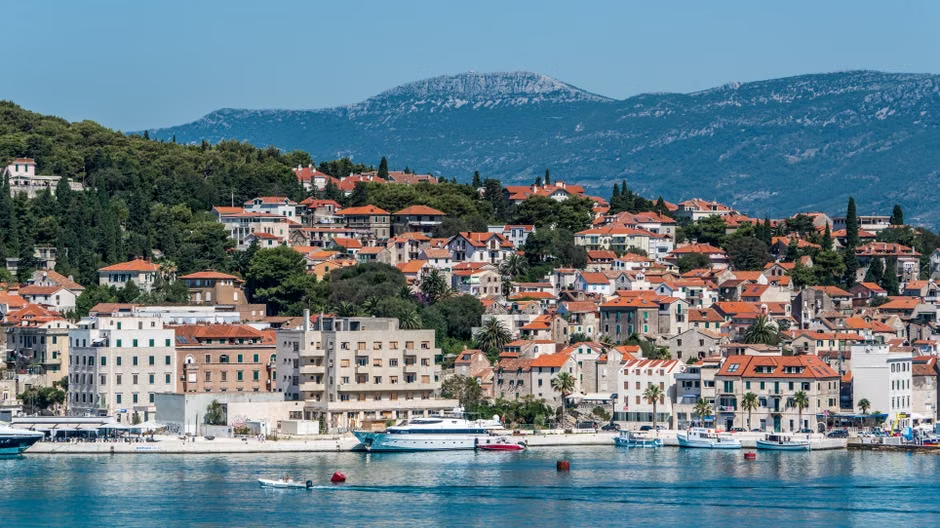
Why Split is Perfect for Your Celebration
- UNESCO-listed Diocletian's Palace provides a one-of-a-kind historic backdrop unavailable almost anywhere else in Europe
- Warm, reliably sunny summers (May–Sep) create ideal conditions for outdoor ceremonies and waterfront celebrations
- Excellent direct flight connections from across Europe make guest travel straightforward
- A mature hospitality scene with luxury waterfront hotels, boutique old-town properties, and island day-trip options
- Vibrant local dining, nightlife, and entertainment culture means guests are never short of things to do beyond the event itself
- Ferry access to nearby islands (Brač, Hvar, Šolta) opens up unique island venue and excursion possibilities for multi-day celebrations

Compare Split with Other Top Destinations
Frequently Asked Questions
Is Split a good destination for a wedding?
Yes. Split is particularly well-suited to destination weddings for couples seeking a European coastal setting with genuine historic character. The UNESCO-listed Diocletian's Palace, Adriatic waterfront, and a mature local wedding planning industry combine to make it a distinctive and logistically viable choice, especially for guest groups travelling from across Europe.
What size of guest group can Split realistically accommodate for an event?
Split works well for events ranging from intimate gatherings of 30–50 guests up to around 300 guests. Boutique old-town venues typically suit smaller, more intimate groups, while waterfront resort properties can handle larger receptions. For groups significantly above 300, accommodation may need to be spread across multiple properties, which adds coordination complexity.
What is the best time of year to hold a celebration in Split?
May through September is the curated best season. This window offers reliably warm, largely rain-free weather, long daylight hours, and the full range of local hospitality and event infrastructure operating at capacity. June and September are often preferred for slightly less crowded conditions while retaining excellent weather.
How do guests typically get to Split for a destination event?
Most international guests fly into Split Airport (SPU), which receives direct flights from across Europe throughout the summer season. Ground transfer to the city centre takes approximately 30–40 minutes. Private group transfers from the airport are readily available and recommended for coordinating multiple guest arrivals.
What kinds of venues are available for events in Split?
Split offers three broad venue types: boutique heritage properties within or adjacent to the old town walls (ideal for intimate, atmospheric events), larger waterfront resort hotels with dedicated event spaces and accommodation blocks, and private villa or exclusive-use rentals — including options on nearby islands — for groups prioritising privacy and a curated experience.
Can guests easily explore Split and the surrounding area during a multi-day celebration?
Yes. The old town and waterfront promenade are walkable and highly engaging. The nearby islands of Hvar, Brač, and Šolta are reachable by ferry or speedboat within 30–60 minutes, making island day trips or boat parties a natural addition to a multi-day event programme. The local dining and nightlife scene also keeps guests well occupied independently.
Is the local vendor and event planning ecosystem in Split experienced with international clients?
Generally, yes. Split has a well-established hospitality industry shaped by high-volume international tourism. Local event coordinators, caterers, photographers, and entertainment providers are accustomed to working with international groups, and English is widely spoken across the industry. For highly specialised production elements, some suppliers may need to be sourced from Zagreb or internationally.
Are there outdoor ceremony and reception options in Split?
Yes, and outdoor spaces are one of Split's genuine strengths during the summer season. Harbour-front terraces, rooftop venues, hotel pool decks, and boat charters are all commonly used for ceremonies and evening receptions. The reliable dry weather from May through September makes outdoor planning realistic rather than risky, though contingency arrangements are still advisable.
How safe is Split for international event guests?
Split is generally considered very safe for international visitors. Croatia has a low crime rate relative to most European destinations, and the city's tourism infrastructure is well-organised. Standard travel precautions apply in busy tourist areas during peak season, but Split does not present any significant safety concerns for event groups.
What makes Split distinctive compared to a generic European coastal event destination?
The UNESCO-listed Diocletian's Palace is the defining differentiator — it is a living, inhabited Roman monument that forms the heart of the city, not a roped-off attraction. Hosting an event in or around this structure gives celebrations a historic authenticity and visual drama that is genuinely rare. Combined with Adriatic island access and a cosmopolitan local culture, Split offers a layered experience most coastal cities cannot replicate.
What should event planners be aware of when planning in Split during peak summer?
July and August are extremely busy in Split. The old town can feel congested, which affects the exclusivity of outdoor public spaces. Accommodation books up well in advance, ferry services to the islands require pre-booking for groups, and some vendors have limited availability if approached late. Early planning — ideally 12–18 months ahead for summer dates — is strongly advisable.

Ready to explore venues in Split?
Split, Croatia: Destination Wedding & Event Venues on the Adriatic
◆Split is a cosmopolitan Adriatic city in Dalmatia, Croatia, built around the UNESCO-listed Diocletian's Palace — one of the best-preserved Roman monuments in the world. Its primary strengths for celebrations are its unique historic old-town setting, a well-developed luxury and boutique hotel scene, and reliable summer sunshine from May through September. It suits destination weddings, milestone birthday parties, corporate retreats, and festival-style celebrations particularly well. Guest travel is straightforward, with Split Airport (SPU) receiving direct flights from across Europe throughout the summer season. The local hospitality ecosystem is mature, English-speaking, and experienced with international event groups.
Split at a Glance
| Category | Detail |
|---|---|
| Best For | Destination Weddings, Milestone Celebrations, Corporate Retreats, Festival-Style Parties |
| Primary Vibe | Chic & Cosmopolitan |
| Other Vibes | Historic & Cultural, Coastal & Scenic, Vibrant & Festive |
| Best Season | Summer (May, Jun, Jul, Aug, Sep) |
Why Choose Split?
- Unrivalled historic setting: Diocletian's Palace is not a museum piece — it is a living neighbourhood of restaurants, bars, boutique hotels, and event spaces embedded within 1,700-year-old Roman walls. No other event destination in Europe offers quite this combination of antiquity and active city life.
- Reliable summer climate: From May through September, Split enjoys long, warm, largely rain-free days with sea temperatures that make outdoor ceremonies and waterfront dinners genuinely comfortable rather than aspirational.
- Strong international flight connectivity: Split Airport (SPU) operates direct routes from the UK, Germany, Scandinavia, the Netherlands, Ireland, and many other European markets during the summer season, making it one of the more accessible Adriatic destinations for a geographically dispersed guest list.
- Island access for multi-day programmes: The nearby islands of Hvar, Brač, and Šolta are reachable by ferry or speedboat within 30–60 minutes, giving event planners the option to build island excursions, boat parties, or even off-site ceremonies into a multi-day celebration itinerary.
- Mature, English-speaking hospitality industry: Split's tourism industry is well-established and internationally oriented. Local caterers, event coordinators, florists, photographers, and transport operators are accustomed to working with international clients and multi-day event programmes.
- Diverse venue typology: From intimate boutique heritage properties inside the old town walls to larger waterfront resort complexes on the city's outskirts, Split offers a genuine range of event spaces suited to groups of varying sizes and styles.
Which Celebrations Work Best in Split?
- Destination Weddings: Split is particularly well-suited to couples seeking a European coastal wedding with genuine historic character. The combination of Roman architecture, Adriatic sea views, and a cosmopolitan dining and nightlife scene creates a naturally cinematic backdrop. Intimate ceremonies within the old town and larger receptions at waterfront resort venues are both viable options.
- Milestone Birthday & Anniversary Parties: The city's vibrant restaurant scene, rooftop bars, and private villa options make it an excellent choice for milestone celebrations where the destination itself is part of the experience. Guests typically find plenty to do independently, which reduces the organisational burden on the host.
- Corporate Retreats & Incentive Travel: Split's combination of good hotel infrastructure, reliable connectivity, and a strong offering of team experiences — sailing, island excursions, food and wine tours — makes it a credible choice for corporate groups seeking something more memorable than a standard conference hotel.
- Festival-Style Parties & Group Celebrations: Split has a well-established summer festival culture, and the city's energy during peak season lends itself naturally to larger group celebrations that spill across multiple venues, evenings, and experiences over two or three days.
Venues & Event Spaces
Split's event venue landscape divides broadly into three distinct typologies, each with its own character and guest experience.
Within and immediately adjacent to the old town, boutique heritage properties occupy historic buildings — some within the actual walls of Diocletian's Palace — offering intimate, architecturally extraordinary settings for smaller ceremonies and dinners. These spaces typically suit groups of up to 100–150 guests and are particularly sought after for their atmosphere and photographic quality.
Along the city's broader waterfront and in the surrounding Riviera area, larger resort-style hotels offer more conventional event infrastructure: dedicated banquet halls, outdoor terraces with sea views, and the capacity to accommodate larger guest lists and multi-day programmes. These properties generally provide full in-house catering, accommodation blocks for guests, and on-site event coordination.
Beyond the city itself, private villa rentals — particularly on the nearby islands or in the hills above the city — are increasingly popular for exclusive-use celebrations where privacy and a curated guest experience are priorities. These typically require more independent event planning and external catering arrangements but offer a level of exclusivity that hotel venues cannot replicate.
Outdoor spaces — harbour-front terraces, rooftop venues, and boat charters — are also widely used during the summer season and are a genuine strength of Split as an event destination, particularly for cocktail receptions and evening parties.
Best Time to Celebrate
The curated best season for Split is Summer: May, June, July, August, and September. This is not simply a matter of warm weather — it reflects a convergence of several factors that make outdoor and waterfront events genuinely viable and enjoyable.
From May onwards, daytime temperatures climb into the mid-to-high twenties Celsius, sea temperatures become comfortable for swimming, and the risk of significant rainfall drops sharply. June through August represents peak season, with the longest days, the warmest evenings, and the most active local hospitality scene — restaurants, bars, and event suppliers are all operating at full capacity. September remains an excellent month, often preferred by planners who want the warmth of summer with slightly reduced tourist crowds and a marginally more relaxed atmosphere in the city.
Outside this window, the picture changes considerably. October sees temperatures cooling quickly and some outdoor venues beginning to wind down for the season. November through March brings genuinely cold, wet weather by Adriatic standards, with many seasonal businesses closed entirely and the city operating at a fraction of its summer hospitality capacity. This is not simply a matter of preference — the practical infrastructure for large outdoor events largely does not exist in Split during the winter months. April is a shoulder month with improving weather but still unpredictable conditions and limited venue availability compared to the summer peak.
Getting There & Local Connectivity
Split is served by Split Airport (SPU), located approximately 25 km from the city centre. During the summer season, the airport operates a substantial number of direct international routes, particularly from the UK, Germany, the Netherlands, Scandinavia, and other Western European markets. For guests travelling from outside Europe, connections are typically made through major European hubs. The airport is well-organised and manageable for group arrivals, though during peak July and August it can be busy.
Ground transfer from the airport to the city centre takes approximately 30–40 minutes by road, and private minibus or coach transfers are readily available for group bookings — a practical consideration for event planners coordinating multiple guest arrivals.
Within the city, Split is compact and walkable in its central areas, with the old town and waterfront promenade (Riva) easily navigable on foot. For guests staying at resort properties slightly outside the centre, taxis and ride-hailing services are available, though having a dedicated event transport arrangement is advisable for larger groups moving between venues in the evening.
Ferry connections from Split's central ferry terminal link the city to the nearby islands of Hvar, Brač, and Šolta, as well as to other Dalmatian destinations. These are a genuine logistical asset for event planners building island excursions into a multi-day programme, though ferry schedules and capacity should be factored into planning, particularly during peak season when services can be busy.
Rail connectivity is more limited — Split's railway station connects to Zagreb and some regional towns, but journey times are long and the network is not the primary mode of travel for international guests. Road access via the A1 motorway is good for guests arriving from elsewhere in Croatia.
Local Vendor & Hospitality Ecosystem
Split has a well-developed and internationally experienced hospitality ecosystem, shaped by decades of high-volume summer tourism and a growing reputation as a destination for weddings and premium events. Local wedding planners and event coordinators with experience managing international client expectations are available, and the city has a strong base of catering companies, florists, photographers, and entertainment providers who are accustomed to working within the context of multi-day destination celebrations.
English is widely spoken across the hospitality industry, which significantly reduces the communication friction that can complicate event planning in less internationally oriented destinations. Most vendors operating in the premium segment are familiar with the expectations of guests from the UK, Northern Europe, and North America.
The local food and beverage scene is a genuine asset — Dalmatian cuisine, with its emphasis on fresh seafood, local wines, and Mediterranean produce, is well-regarded and provides a distinctive culinary experience that guests typically find memorable rather than generic. Local wine producers and olive oil estates can also be incorporated into event programmes as tastings or excursions.
One consideration is that the vendor ecosystem, while mature, is smaller in absolute scale than that of major European capital cities. For very large events requiring highly specialised suppliers — bespoke floral installations at significant scale, large-format AV production, or niche entertainment acts — some elements may need to be sourced from Zagreb or internationally, which adds logistical complexity and lead time requirements.
Pros & Things to Consider
Why Split Works Well
- Genuinely unique historic setting — Diocletian's Palace is a world-class backdrop that most European cities cannot offer
- Reliable, warm, and largely rain-free summer season across five months
- Strong direct flight connectivity from across Europe during the event season
- Mature, English-speaking hospitality and vendor ecosystem experienced with international groups
- Island access (Hvar, Brač, Šolta) adds a distinctive multi-day programme dimension
- Vibrant local dining, nightlife, and cultural scene keeps guests engaged beyond the event itself
- Compact, walkable old town reduces in-city logistics complexity for smaller groups
Things to Consider
- Peak-season crowds: July and August are extremely busy in Split. The old town in particular can feel congested, which affects the exclusivity of outdoor public spaces and can complicate guest movement between venues in the evening.
- Seasonal dependency: The destination's event infrastructure is heavily concentrated in the May–September window. Planning outside this period significantly limits venue choice, vendor availability, and the overall guest experience.
- Vendor scale limitations: For very large events (300+ guests) requiring highly specialised production elements, the local supplier base may need to be supplemented from outside the region, adding cost and coordination complexity.
- Accommodation spread: Split does not have a single large resort complex that can house an entire large guest group under one roof. Guests may be distributed across multiple properties, which requires careful coordination of transport and event logistics.
- Ferry and island logistics: While island access is a strength, ferry schedules during peak season require advance planning — last-minute island excursions for large groups are not always straightforward to arrange.
When Split May Not Be the Right Fit
- Events planned outside May–September: If your preferred dates fall between October and April, Split's seasonal hospitality infrastructure means venue choice, vendor availability, and outdoor event viability are all significantly reduced. A year-round destination would serve you better.
- Very large guest lists (400+): Split's individual venue capacities and the distributed nature of its accommodation stock make it less naturally suited to very large single-event formats. Destinations with purpose-built large-scale event resorts would be a more practical fit.
- Guests with limited European travel access: While connectivity from Europe is excellent, guests travelling from South Asia, the Middle East, or the Americas typically require a European hub connection. If the majority of your guest list faces this journey, a destination with more direct long-haul connectivity may reduce travel friction.
- Those seeking complete seclusion from tourist activity: Split in peak summer is a busy, popular city. If the priority is a fully private, secluded celebration away from general tourist activity, a private island or rural estate setting would be a better match than Split's city-centre venues.