
Why Rovinj is Perfect for Your Celebration
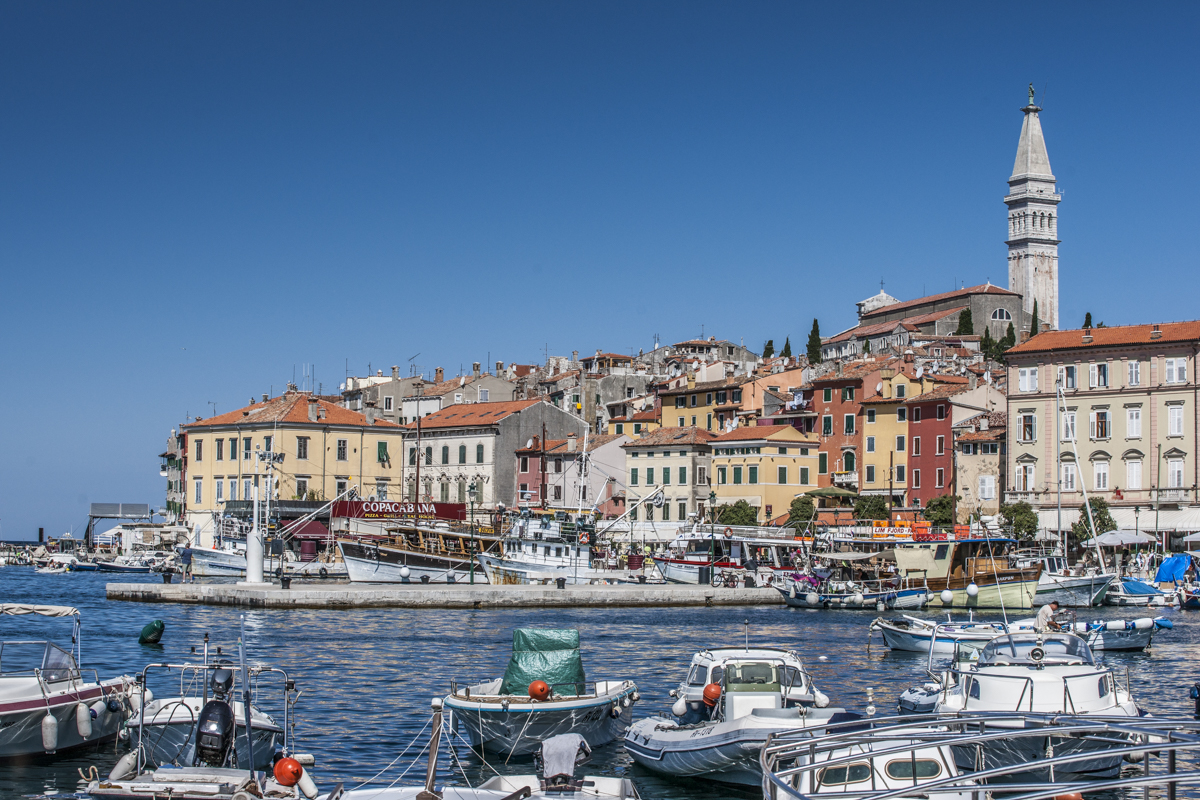
- Rovinj's UNESCO-worthy Venetian old town provides a naturally cinematic backdrop unavailable in purpose-built resort destinations
- Warm, reliably sunny summers (May–September) allow outdoor ceremonies on terraces, harbour-front lawns, and island venues
- Boutique luxury hotels and historic villas offer intimate, exclusive-hire settings ideal for private celebrations
- The surrounding Istrian countryside adds truffle-country gastronomy and wine culture, elevating event catering to a distinctive regional experience
- Rovinj's small scale means guests are naturally concentrated in one charming area, making group logistics and atmosphere creation easier
- Proximity to Pula Airport and the Italian border (Trieste ~90 km) makes it genuinely reachable for European guests

Top Venues in Rovinj
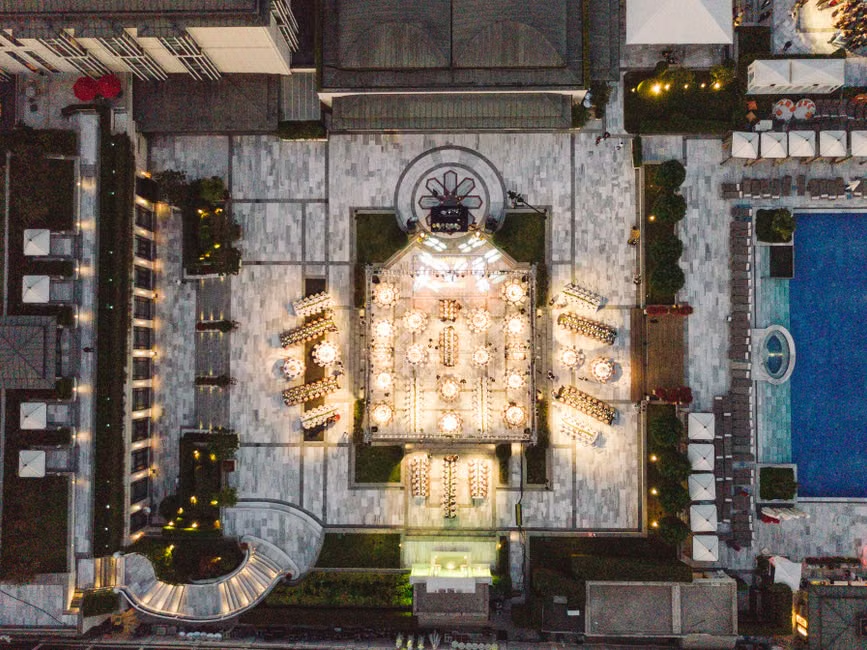
Hotel Monte Mulini
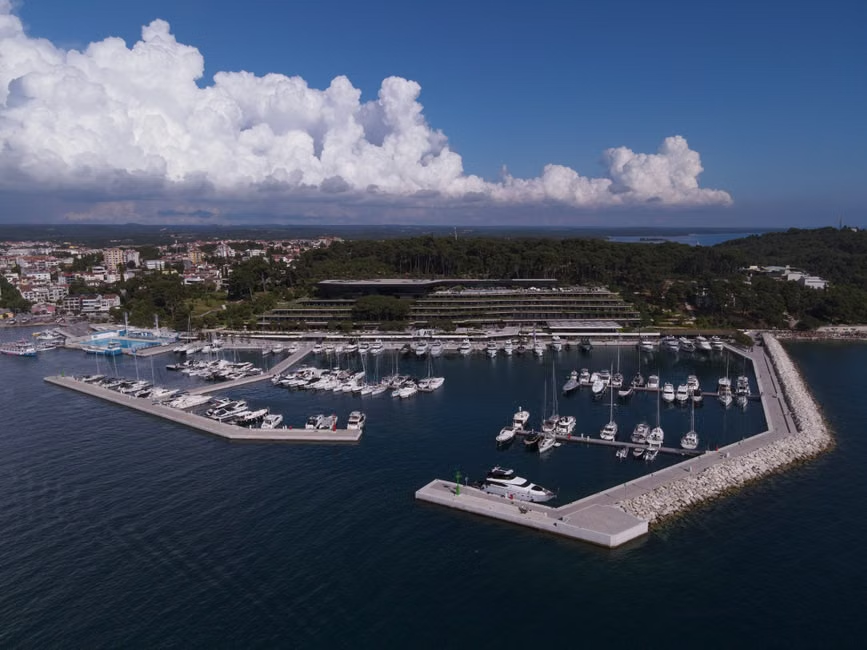
Grand Park Hotel Rovinj
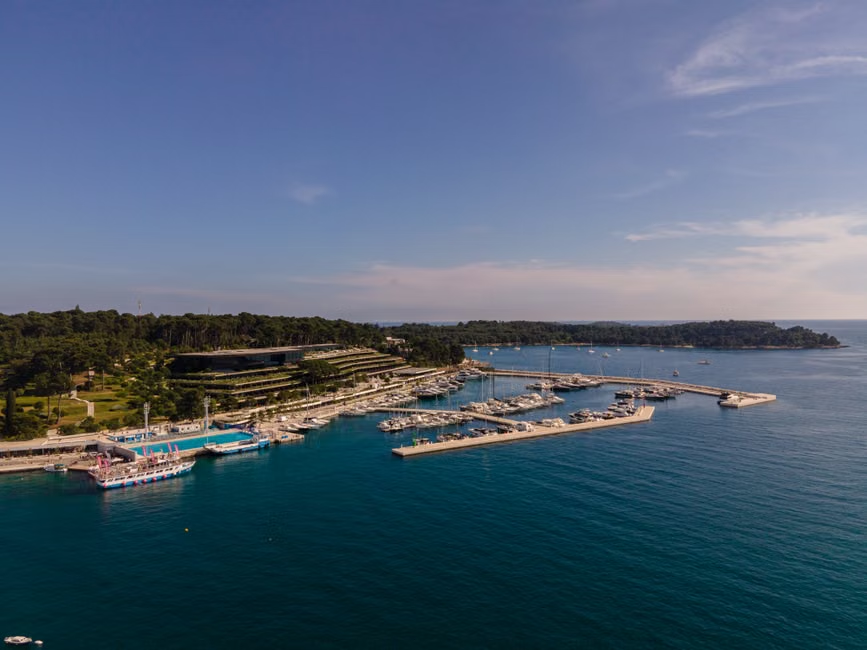
Hotel Lone
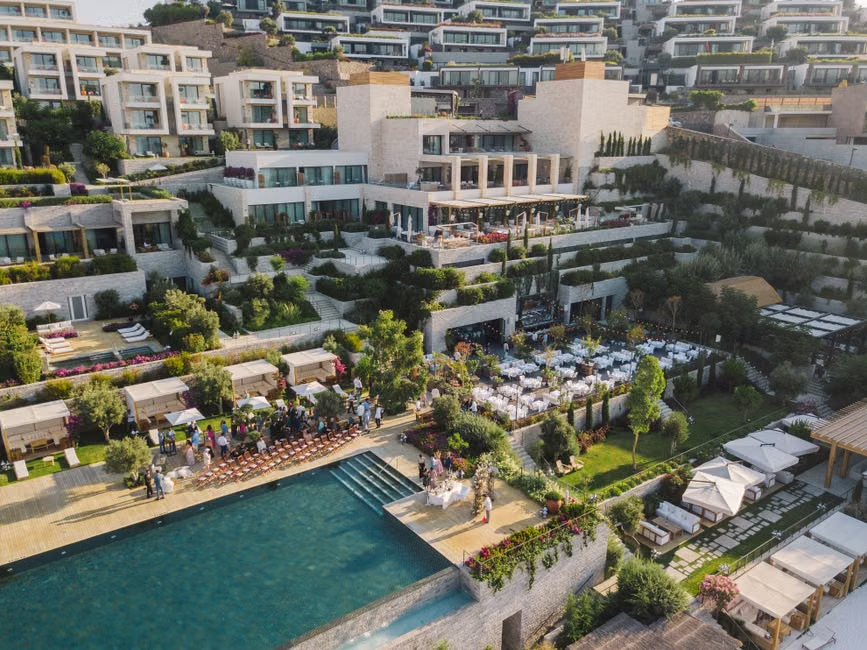
Hotel Eden
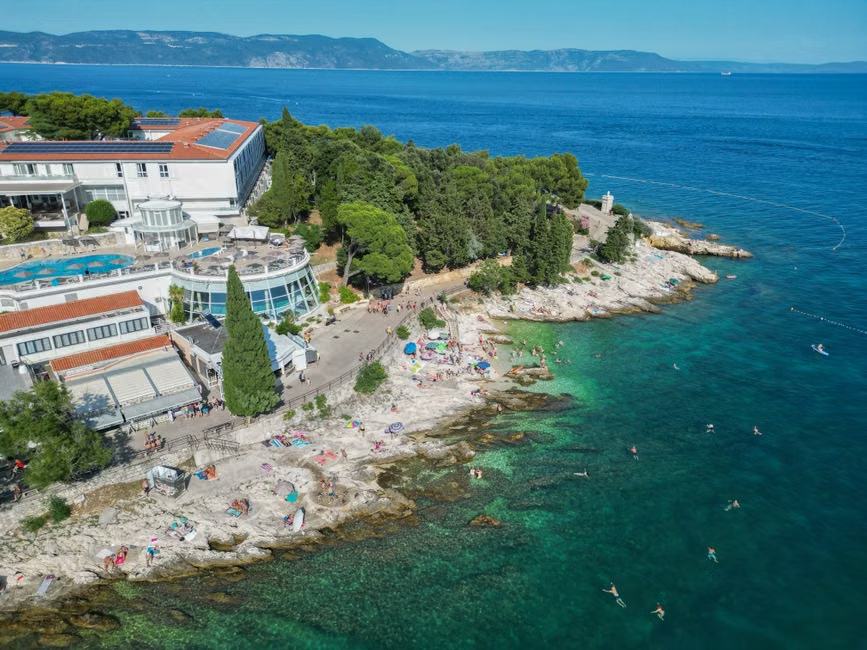
Hotel Istra
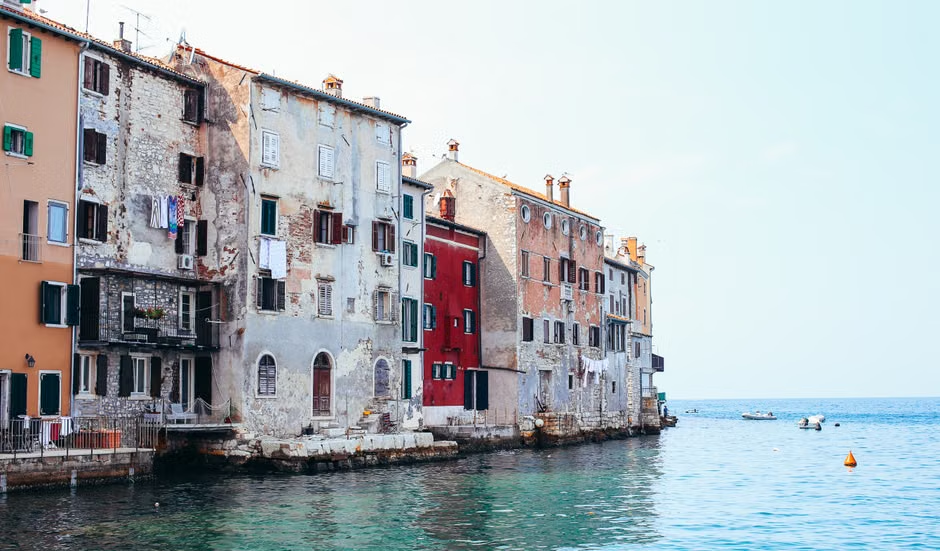
Hotel Katarina
Hotel Angelo d'Oro
Compare Rovinj with Other Top Destinations
Frequently Asked Questions
Is Rovinj a good destination for a wedding?
Yes. Rovinj is particularly well-suited to intimate and mid-size destination weddings — typically 30 to 150 guests — where atmosphere and setting are the priority. Its Venetian old town, Adriatic harbour, island venues, and high-quality Istrian catering create a genuinely distinctive celebration environment. It is less suited to very large weddings due to venue capacity constraints.
What is the best time of year to hold a wedding or event in Rovinj?
May through September is the curated best season. September is particularly popular with event planners — temperatures are warm but not peak-summer intense, crowds thin out, and the Istrian truffle season begins, adding a distinctive seasonal element to event menus. May and June offer long daylight hours and lower tourist density. July and August are peak season with maximum sunshine but busier town conditions.
How do guests get to Rovinj for a destination event?
The primary gateway is Pula Airport, approximately 35 km from Rovinj, with seasonal direct flights from multiple European cities during summer. Guests from Italy can also arrive via Trieste (roughly 90 km away). There is no direct railway connection to Rovinj, so road transfers — private coaches or minibuses — are the standard arrangement for moving guest groups from the airport to the town.
What kinds of venues are available for events in Rovinj?
Rovinj offers luxury resort properties with outdoor terraces and indoor event spaces, boutique heritage hotels in the old town suited to smaller gatherings, and uniquely, island hotel venues accessible by boat that can be privately hired. The surrounding Istrian countryside also offers private villa and agriturismo settings. There are no large-scale standalone banquet halls or convention-centre facilities.
Can a large guest group all be accommodated in Rovinj itself?
For groups up to roughly 150 guests, accommodation within Rovinj and its immediately surrounding area is generally manageable across the town's hotel properties. Larger groups may need to spread across multiple properties, which is common practice for destination weddings here. The town's compact scale actually helps — guests at different hotels are typically within easy walking distance of each other and of event venues.
How does local transport work for a guest group once they arrive in Rovinj?
Rovinj's old town is pedestrianised and compact, so guests staying centrally can walk between most points of interest and event venues. For island venues, boat transfers are arranged by the hotel properties and are a well-established part of the experience. For guests staying at resort properties slightly outside the old town, distances are short and typically covered by hotel shuttle or a short walk.
What makes Istrian food and drink a distinctive part of celebrating in Rovinj?
Istria is one of Central Europe's most respected food regions. Local truffles (particularly in autumn), Malvazija and Teran wines, fresh Adriatic seafood, and high-quality olive oil give event catering a genuine regional identity. Local chefs and catering teams work with these ingredients as a matter of course, meaning event menus in Rovinj have a sense of place that generic international hotel catering cannot replicate.
Are there specialist wedding vendors available locally in Rovinj?
Rovinj has a growing but relatively small local pool of specialist wedding vendors — photographers, florists, musicians, and planners. It is common and normal to supplement local vendors with specialists from Zagreb, Split, or Italy. Early booking is important. The major hotel properties have experienced in-house events teams who can coordinate vendor logistics and recommend trusted local suppliers.
Can international couples hold a legally binding civil ceremony in Rovinj?
Yes, but it involves administrative steps that require several months of advance planning and documentation. Many international couples choose a symbolic ceremony in Rovinj — which carries no legal requirements and can be designed freely — combined with a legal registration in their home country. Local wedding planners experienced in Croatian destination weddings can guide couples through whichever route they prefer.
Is Rovinj safe for international guests attending a celebration?
Yes. Rovinj is consistently regarded as a very safe destination. Croatia generally has low crime rates, and Rovinj as a well-established tourist town has a strong service culture oriented toward international visitors. The town is well-maintained, well-lit, and walkable, which is particularly relevant for guests moving between venues during evening events.
What outdoor activities can guests enjoy around a multi-day celebration in Rovinj?
Rovinj and the surrounding Istrian region offer a strong range of guest activities between events: sailing and boat charters on the Adriatic, cycling through the Istrian countryside, truffle hunting excursions in the Motovun forest area, wine and olive oil tastings at local producers, and simply exploring the old town's galleries, markets, and harbour. These activities make the multi-day destination wedding format work particularly well here.
How far in advance should planning begin for a Rovinj destination event?
For summer dates — particularly June, July, and September, which are the most sought-after — beginning planning 12 to 18 months in advance is strongly advisable. The town's limited venue inventory means popular properties and dates are secured early. For couples requiring a legally binding Croatian civil ceremony, the administrative process also requires significant lead time, making early engagement with a local planner especially important.

Ready to explore venues in Rovinj?
Rovinj: Destination Wedding & Event Venues on the Adriatic Coast
◆Rovinj is a compact, historically rich coastal town on Croatia's Istrian peninsula, best suited to intimate destination weddings, anniversary celebrations, and exclusive social gatherings. Its primary vibe is cultural and timeless — defined by Venetian-era stone architecture, a working harbour, and a Mediterranean pace that feels genuinely unhurried. The summer season (May through September) is the clear window for outdoor events, offering reliable sunshine and warm Adriatic conditions. Accessibility is moderate: Pula Airport serves the town with seasonal European connections, and road transfers from Trieste or Zagreb are practical. The destination skews toward boutique and luxury experiences rather than large-scale banquet events.
Rovinj at a Glance
| Category | Detail |
|---|---|
| Best For | Destination Weddings, Anniversary Celebrations, Intimate Social Gatherings, Corporate Retreats |
| Primary Vibe | Cultural & Timeless |
| Other Vibes | Romantic, Coastal, Boutique, Mediterranean |
| Best Season | Summer (May, Jun, Jul, Aug, Sep) |
Why Choose Rovinj?
- Authentically cinematic setting: Rovinj's old town — a tightly packed peninsula of Venetian-era buildings crowned by the Church of St. Euphemia — provides a backdrop that no purpose-built resort can replicate. Cobblestone lanes, terracotta rooftops, and harbour reflections create an atmosphere that photographs and feels extraordinary without any additional decoration.
- Island venue options: Rovinj's offshore islands, including St. Catherine's Island and the Red Island (Crveni Otok), host established hotel properties that can be partially or fully hired for private events, offering a genuine sense of exclusivity and separation from the mainland that is rare in European coastal destinations.
- Istrian gastronomy as a genuine event asset: The Istrian peninsula is one of Central Europe's most respected food and wine regions — truffles, olive oil, Malvazija and Teran wines, and fresh Adriatic seafood give event catering a distinctive regional identity that guests consistently find memorable and distinctive.
- Intimate scale that works in favour of group cohesion: Rovinj is a small town. That means a wedding or celebration group naturally occupies the same harbour-front promenade, the same cluster of restaurants, and the same scenic viewpoints — creating an organic shared experience across the full event period rather than guests dispersing across a large city.
- Established luxury hospitality infrastructure: Despite its small size, Rovinj hosts multiple internationally recognised luxury properties, primarily under the Maistra Collection, alongside independent boutique hotels in the old town. The hospitality standard is consistently high and event-experienced.
- European accessibility for international guests: Rovinj sits within easy reach of major European hubs — roughly 90 km from Trieste (Italy), with Pula Airport offering seasonal direct connections from the UK, Germany, Austria, and other European markets. For a destination wedding drawing guests from across Europe, the logistics are genuinely manageable.
Which Celebrations Work Best in Rovinj?
- Destination Weddings: Rovinj is particularly well-suited to intimate to mid-size destination weddings — typically in the range of 30 to 150 guests — where the emphasis is on atmosphere, setting, and a curated guest experience rather than sheer scale. The combination of outdoor ceremony spaces, harbour views, and high-quality local catering makes the full wedding weekend format (welcome dinner, ceremony, reception, farewell brunch) very achievable here.
- Anniversary & Milestone Celebrations: The town's romantic, unhurried character makes it an excellent choice for significant anniversaries or milestone birthday celebrations. Private villa dinners, sunset boat charters on the Adriatic, and exclusive terrace events are all well-supported by local operators.
- Intimate Social Gatherings: Small group celebrations — engagement parties, pre-wedding gatherings, family reunions — benefit from Rovinj's walkable old town, where a group can move naturally between a harbour-front aperitivo, a private dining room, and an evening stroll without any transport coordination.
- Corporate Retreats & Incentive Events: Rovinj's luxury hotel properties have dedicated meeting and event facilities, and the destination's combination of cultural richness, outdoor activities (sailing, cycling, truffle hunting in the Motovun forest), and excellent dining makes it a strong choice for high-end corporate incentive groups seeking something beyond a standard conference hotel.
Venues & Event Spaces
Rovinj's event venue landscape is defined by a small number of high-quality property types rather than a large, varied inventory. The dominant format is the luxury resort with dedicated event terraces and indoor banquet spaces — several properties in and around the Golden Cape Forest Park area offer this, with outdoor spaces that look directly onto the Adriatic and indoor alternatives for larger or weather-sensitive gatherings.
A distinctive and genuinely special category is the island hotel: properties situated on Rovinj's offshore islands that can be accessed only by boat, offering a level of privacy and exclusivity that is difficult to achieve on the mainland. These are particularly popular for wedding receptions and private dinners where the host wants a fully contained, self-sufficient venue environment.
Within the old town itself, boutique heritage hotels occupy historic stone buildings and offer intimate spaces — typically suited to smaller gatherings of up to 60–80 guests — where the architecture itself is the primary decorative element. Rooftop terraces and courtyard spaces within these properties are especially sought after for ceremony settings.
Beyond hotels, Rovinj and the surrounding Istrian countryside offer private villa and agriturismo hire, where restored stone farmhouses with vineyards or olive groves provide a rural counterpoint to the coastal town setting. These are particularly well-suited to multi-day celebration formats where guests stay on-site.
It is worth noting that Rovinj does not have large-scale standalone banquet halls or convention-centre-style event spaces. The destination's strength is in character-rich, naturally scenic settings rather than high-capacity, purpose-built event infrastructure.
Best Time to Celebrate
The curated best season for events in Rovinj is summer: May through September. This window is the clear choice for several concrete reasons beyond simply "good weather."
May and June offer warm but not oppressive temperatures, lower tourist density than peak July–August, and the full bloom of Istrian spring — making them particularly attractive for couples who want the summer aesthetic without the peak-season crowds. Daylight hours are long, which extends the usable window for outdoor ceremonies and golden-hour photography.
July and August are peak season in every sense: maximum sunshine, warmest Adriatic water temperatures (ideal for post-ceremony swimming or boat excursions), and the most vibrant town atmosphere. The trade-off is that accommodation is at its most in-demand and the old town can feel busy during the day — though private event spaces within hotels and on the islands remain controlled environments regardless.
September is widely regarded by event planners as the optimal month: temperatures remain warm (typically 22–26°C), the summer crowds begin to thin, and the Istrian truffle season begins — adding a genuinely special seasonal ingredient to event menus that is not available earlier in the summer.
Outside this window, the picture changes significantly. October can still offer pleasant days but brings increasing rainfall and the first cold fronts; outdoor ceremonies become weather-dependent in a way they are not in summer. November through March sees many of Rovinj's restaurants, boutique hotels, and tourist-facing businesses reduce hours or close entirely — the town is genuinely quiet, and the infrastructure for hosting a multi-day celebration group is substantially reduced. April is a transitional month: the town begins to reopen, but temperatures and weather reliability are not yet consistent enough to plan outdoor events with confidence.
Getting There & Local Connectivity
The primary air gateway for Rovinj is Pula Airport, located approximately 35 km from the town centre. During the summer season, Pula receives direct flights from a range of European cities — including London, Frankfurt, Amsterdam, Vienna, and several others — making it genuinely practical for a European destination wedding guest list. Outside the summer season, scheduled connections reduce significantly, which is one further reason the May–September window is the natural event season.
An alternative entry point for guests travelling from Italy is Trieste Airport (approximately 90 km away) or arriving overland via the Italian border at Trieste itself. For guests from Zagreb or other Croatian cities, road travel is the standard option — Rovinj is approximately 280 km from Zagreb, a journey of roughly three hours by car or coach.
Rovinj has no direct railway connection. The nearest rail hub is Pula, and even that connection is limited in terms of international reach. Road transfers — private coaches, minibuses, or car hire — are the standard and practical solution for moving guests between the airport and the town, and between accommodation and event venues during the celebration itself.
Within Rovinj, the old town is pedestrianised and compact, which is both a strength and a logistical consideration. Guests staying in old-town boutique hotels can walk to harbour-front venues easily, but luggage handling and vehicle access require coordination. For guests staying at the larger resort properties outside the old town, the distances are short and walkable or easily covered by hotel shuttle. For island venues, boat transfers are arranged by the properties themselves and are a well-established part of the guest experience.
Local Vendor & Hospitality Ecosystem
Rovinj has developed a mature, event-experienced hospitality ecosystem relative to its size, driven by decades of high-end tourism and a growing reputation as a European destination wedding location. The major hotel properties — particularly those within the Maistra Collection — have dedicated events teams with experience coordinating multi-day celebrations, international guest groups, and the logistical complexity of island venue transfers.
The local catering and food-and-beverage offer is a genuine strength. Istrian cuisine is regionally distinctive and of high quality — local chefs and catering teams work with ingredients (truffles, local wines, fresh seafood, Istrian olive oil) that give event menus a sense of place that generic international hotel catering cannot replicate. Several Rovinj restaurants have experience with private dining buyouts and bespoke event menus.
For specialist wedding vendors — photographers, florists, musicians, officiants for civil or symbolic ceremonies — Rovinj has a growing but still relatively small local pool. Couples planning events here typically work with a mix of established local vendors and specialists brought in from Zagreb, Split, or occasionally from Italy. This is a normal and well-managed aspect of planning a destination event here, but it does mean that vendor coordination requires more advance planning than in a larger city with a deep local vendor market.
Legal ceremony requirements for international couples wishing to hold a legally binding civil ceremony in Croatia involve administrative steps that require advance planning — typically several months ahead. Many couples opt for a symbolic ceremony in Rovinj combined with a legal registration in their home country, which simplifies the local logistics considerably. Local wedding planners with experience in this process are available and recommended.
Pros & Things to Consider
Why Rovinj Works Well
- Genuinely exceptional natural and architectural setting that requires minimal additional decoration to create a memorable atmosphere
- High hospitality standards across the luxury and boutique property tiers, with event-experienced teams at the major hotels
- Distinctive Istrian gastronomy that elevates event catering beyond generic hotel food
- Island venue options provide a level of exclusivity and privacy that is rare in European coastal destinations
- Compact, walkable town centre makes the multi-day celebration format (where guests explore together between events) work naturally
- Reliably excellent summer weather across a five-month window gives good flexibility on exact event dates
- Very safe, well-maintained destination with a strong service culture oriented toward international visitors
Things to Consider
- Venue capacity is limited — Rovinj is not suited to very large celebrations (200+ guests) without significant logistical complexity, and the largest single-venue capacities are modest by comparison with major city destinations
- No direct railway access means all guests arrive by road or air, and private transfer coordination for a large group requires careful planning and cost
- Peak July–August sees the old town become genuinely busy with general tourists, which can affect the feel of the destination for guests moving around between events
- The local specialist wedding vendor pool (florists, photographers, entertainment) is smaller than in larger Croatian cities, requiring earlier booking and potentially importing vendors
- Legal civil ceremony requirements for international couples involve administrative complexity — symbolic ceremonies are the more common and practical route for destination weddings here
- The destination is strongly seasonal — planning an event outside May–September means accepting significantly reduced venue and vendor availability
When Rovinj May Not Be the Right Fit
- Very large guest lists: If your celebration requires a single venue to accommodate 300 or more guests comfortably, Rovinj's existing venue inventory will be a limiting factor. The destination is genuinely better suited to intimate to mid-size events.
- Off-season events: If your preferred dates fall between November and April, Rovinj is a difficult choice — reduced hotel and restaurant availability, unpredictable weather, and a quieter town atmosphere mean the destination does not deliver the same experience outside its summer season.
- Guests with very limited European travel experience or complex long-haul connections: While Rovinj is accessible for European guests, those travelling from outside Europe face a multi-leg journey (typically via a major European hub to Pula or Trieste) that adds complexity. For a guest list that is predominantly non-European, a destination with a major international hub airport may be more practical.
- Events requiring a large, purpose-built convention or banquet hall: Rovinj's event spaces are characterful and scenic but not large-scale or convention-style. If the event format requires a 500-seat ballroom, a large exhibition space, or purpose-built conference infrastructure, this destination is not the right fit.