
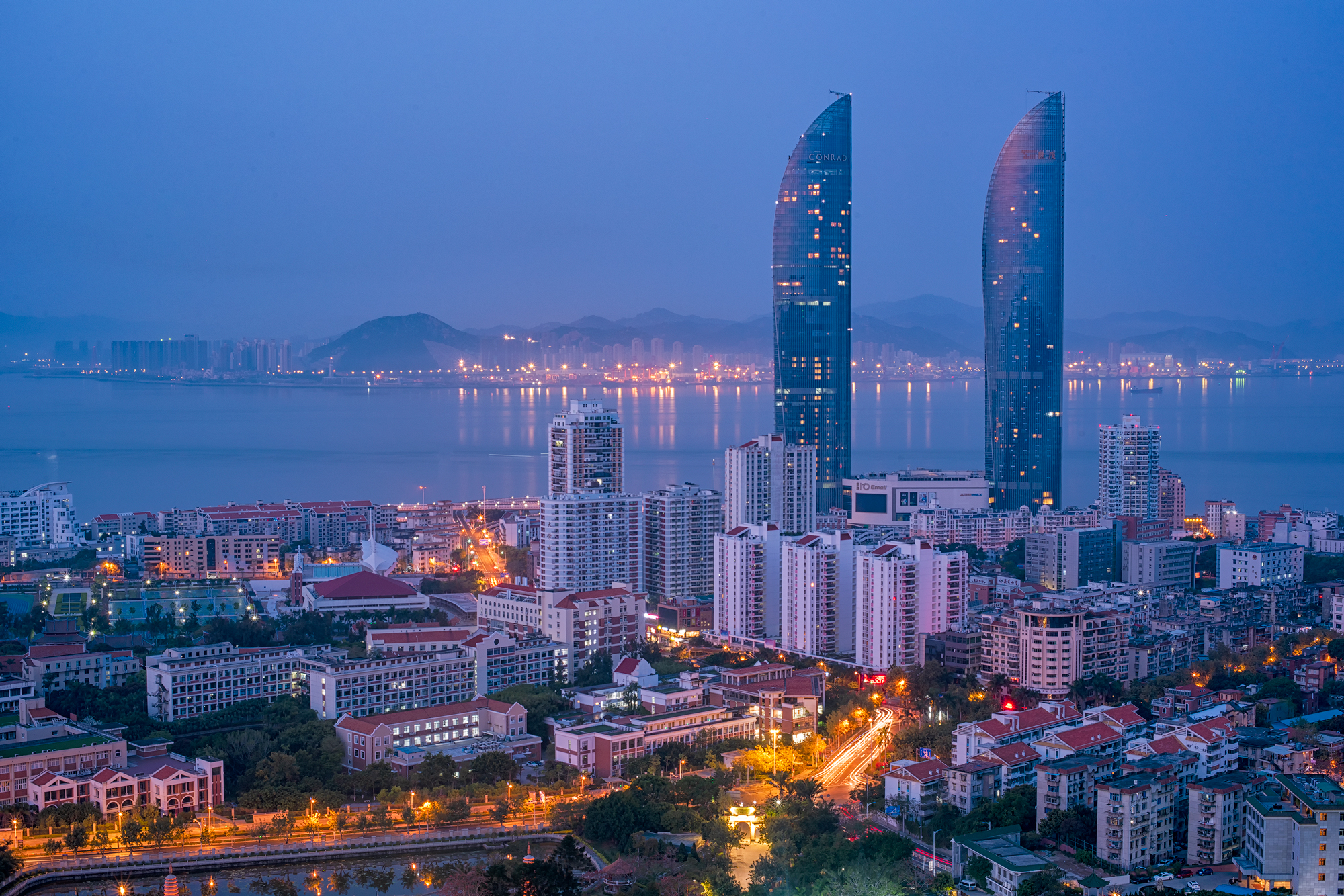
Why Xiamen is Perfect for Your Celebration
- Gulangyu Island provides a UNESCO-listed, car-free colonial backdrop unlike any other Chinese wedding destination
- Waterfront and beachside venues along Huandao Road offer dramatic coastal scenery for ceremonies and receptions
- Excellent air connectivity via Xiamen Gaoqi International Airport with direct flights from major Chinese and international cities
- High-speed rail links make the city easily reachable for domestic guests from Shanghai, Guangzhou, and Fuzhou
- Mild autumn and winter climate (Oct–Mar) ensures comfortable outdoor celebrations with minimal weather disruption
- A mature luxury hospitality sector with internationally branded five-star hotels capable of hosting large-scale events

Top Venues in Xiamen
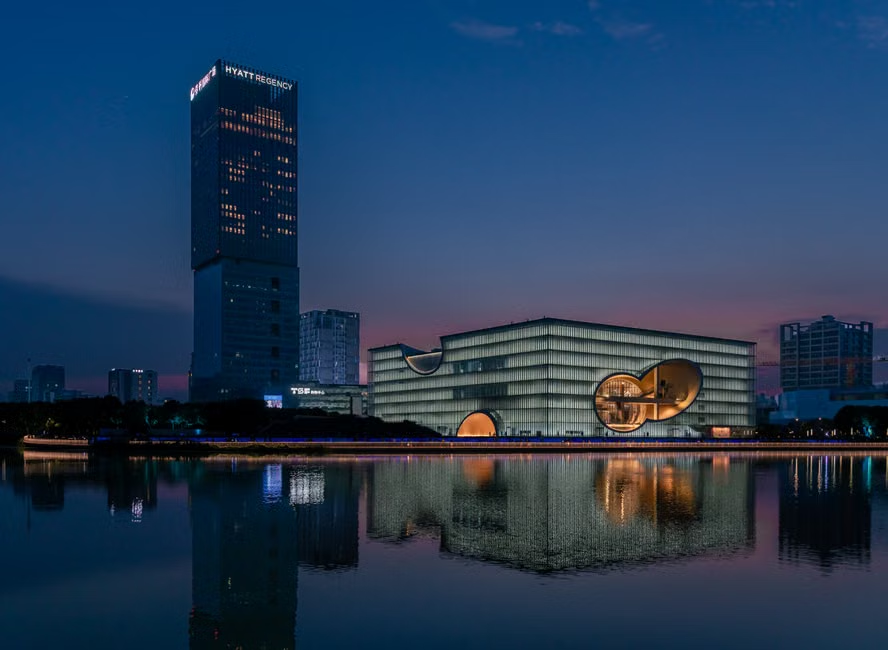
Hyatt Regency Xiamen Wuyuanwan
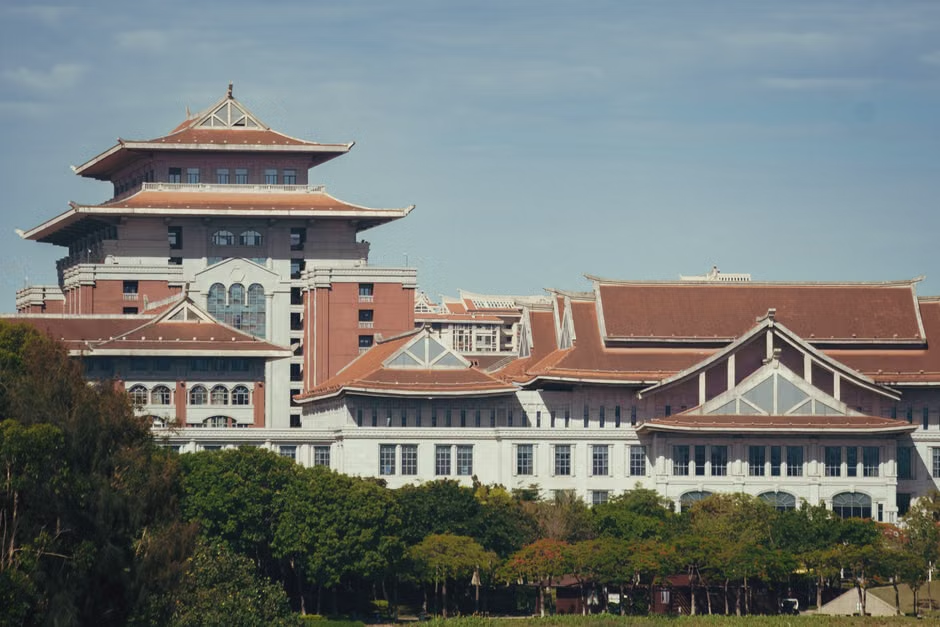
Sheraton Xiamen Hotel
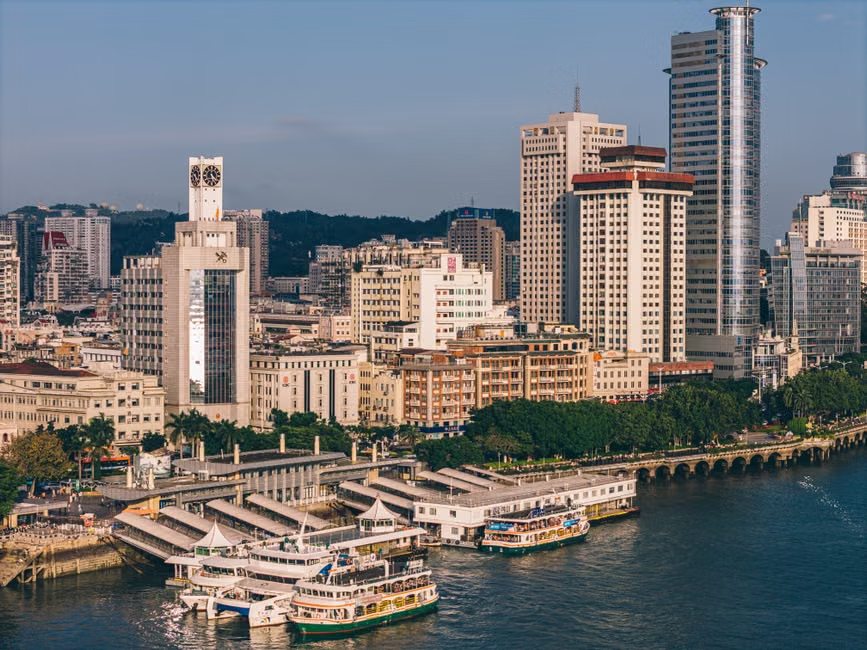
Crowne Plaza Xiamen
Wyndham Grand Xiamen Haicang
Hilton Xiamen
Holiday Inn Xiamen City Centre
Novotel Xiamen
Ramada Xiamen
Ibis Styles Xiamen Gulangyu
Compare Xiamen with Other Top Destinations
Frequently Asked Questions
Is Xiamen a good destination for a wedding?
Yes. Xiamen is particularly well-suited to destination weddings, offering a combination of coastal scenery, the UNESCO-listed Gulangyu Island backdrop, and a mature luxury hotel sector with experienced banqueting teams. It works especially well for couples seeking a visually distinctive setting that is still practically accessible for domestic Chinese guests via air and high-speed rail.
What is the best time of year to hold a wedding or event in Xiamen?
October through March is the recommended window. This period covers both the autumn months — when temperatures are warm, humidity is low, and skies are clear — and the cooler winter and early spring months. The typhoon season (June–September) brings heavy rain and storm risk that makes outdoor events unreliable, so that period is best avoided for outdoor-format celebrations.
How do guests typically travel to Xiamen for a destination event?
Most domestic guests arrive via Xiamen Gaoqi International Airport, which has direct connections from Beijing, Shanghai, Guangzhou, Chengdu, and other major Chinese cities. High-speed rail is a strong alternative for guests from eastern China, with Xiamen North Station connecting to Shanghai in under five hours and Fuzhou in under one hour. International guests typically connect through a major Asian hub.
What kinds of venues are available for events in Xiamen?
Xiamen offers luxury hotel ballrooms, waterfront and beachside outdoor lawns, rooftop terraces with sea views, and boutique heritage spaces on Gulangyu Island. The hotel sector provides full-service banqueting for large groups, while the island's colonial villas and garden courtyards suit smaller, more intimate ceremonies. Coastal outdoor setups along Huandao Road are popular for sunset ceremonies and receptions.
How large a guest group can Xiamen venues realistically accommodate?
Most of Xiamen's luxury hotel venues comfortably handle events in the 150–500 guest range. Smaller boutique and island venues are better suited to gatherings of 50–150 guests. Very large events above 800 guests may find the local inventory more constrained than in China's largest tier-one cities, so early venue confirmation is advisable for groups at the upper end of that scale.
Is Xiamen suitable for corporate retreats and incentive events?
Yes. Xiamen is a strong choice for corporate retreats and incentive travel. Its internationally operated hotels offer conference facilities, breakout rooms, and AV-equipped event spaces alongside leisure amenities. The city's coastal setting and Gulangyu Island excursion options provide genuine delegate engagement value beyond the meeting room, which is a practical advantage for incentive programmes.
What is the local food and catering culture like for events in Xiamen?
Xiamen's catering scene benefits from Fujian cuisine, one of China's eight recognised culinary traditions, known for its seafood, light broths, and refined flavours. Hotel banquet menus can incorporate distinctive regional dishes alongside international options. This gives event catering in Xiamen a genuine local character rather than generic hotel fare, which is a meaningful differentiator for guests.
What are the logistics of using Gulangyu Island as a wedding venue?
Gulangyu Island is car-free, so all guests, décor, and equipment must arrive by ferry. The crossing is short and ferries run frequently, but groups should build boarding and transit time into their event schedule. Early coordination with venue and logistics teams is essential, particularly for large groups or events involving significant décor setup. The island's atmosphere and colonial architecture make the extra planning effort worthwhile for many couples.
How easy is it to find experienced local wedding and event planners in Xiamen?
Xiamen has a well-developed local events industry. Wedding planners and coordinators in the city are generally experienced with both Chinese banquet formats and Western-style ceremonies. The presence of multiple internationally operated luxury hotels has raised the overall standard of event services. For international couples, working with a bilingual local coordinator is advisable to bridge language and logistical requirements effectively.
Are there any periods during the year when planning an event in Xiamen is particularly complicated?
The Lunar New Year period (typically late January to February) brings increased domestic travel demand and tighter vendor availability — events planned around this window need longer booking lead times. The typhoon season (June–September) is the other key period to plan around, as weather unpredictability during those months makes outdoor event formats genuinely risky rather than merely inconvenient.
What makes Xiamen distinctive compared to other coastal Chinese event destinations?
Xiamen's most distinctive asset is Gulangyu Island — a UNESCO World Heritage Site with a car-free colonial streetscape that provides a backdrop unavailable in virtually any other Chinese city. Combined with a mature luxury hotel sector, reliable event-season climate, and strong transport connectivity, the city offers a combination of visual distinctiveness and practical accessibility that is relatively rare among Chinese coastal destinations.

Ready to explore venues in Xiamen?
Xiamen: Destination Wedding & Corporate Event Venues on China's Coast
◆Xiamen is a coastal city in Fujian Province, southeastern China, best suited to luxury weddings, corporate retreats, and social celebrations that benefit from a scenic waterfront and heritage island setting. Its primary vibe is Luxury & Glamour, anchored by internationally branded five-star hotels, a UNESCO-listed colonial island (Gulangyu), and clean beachside event spaces. The best season runs across autumn, winter, and early spring (October through March), when the climate is mild and typhoon risk is absent. Xiamen is well-connected by both air and high-speed rail, making it genuinely accessible for domestic Chinese guests and reasonably accessible for international attendees.
Xiamen at a Glance
| Category | Detail |
|---|---|
| Best For | Destination Weddings, Corporate Retreats, Social Celebrations, Honeymoon Packages |
| Primary Vibe | Luxury & Glamour |
| Other Vibes | Coastal & Scenic, Heritage & Cultural, Romantic & Intimate |
| Best Season | Autumn / Fall (Jan, Feb, Mar, Oct, Nov, Dec) |
Why Choose Xiamen?
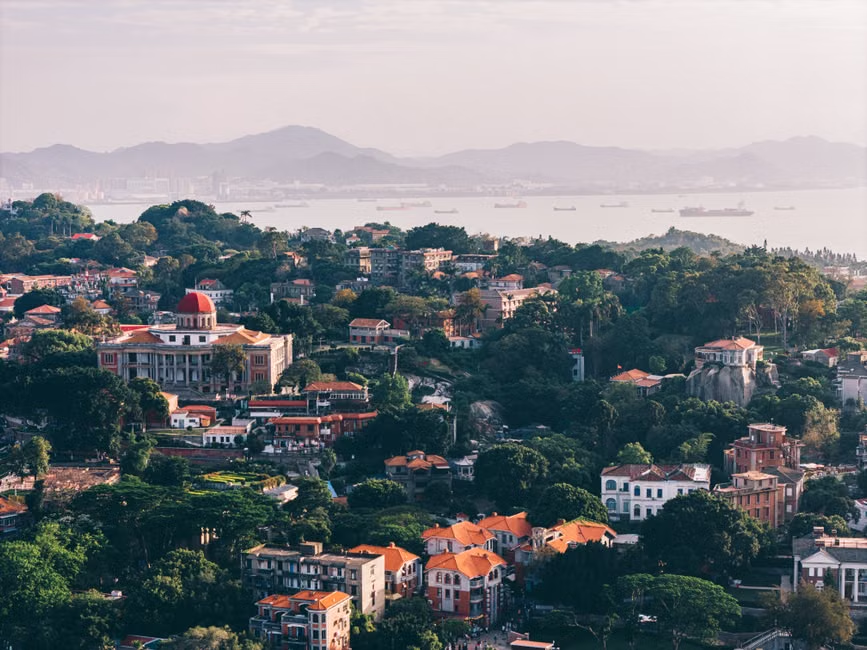
- Gulangyu Island as a living backdrop: The UNESCO World Heritage-listed island, just a short ferry ride from the city, offers car-free colonial streetscapes, European-style architecture, and intimate garden spaces that create a genuinely distinctive visual setting for ceremonies and pre-wedding shoots.
- Mature luxury hotel infrastructure: Xiamen hosts multiple internationally operated five-star properties with dedicated event wings, professional banqueting teams, and the capacity to accommodate large guest groups under one roof — a practical advantage for destination event planning.
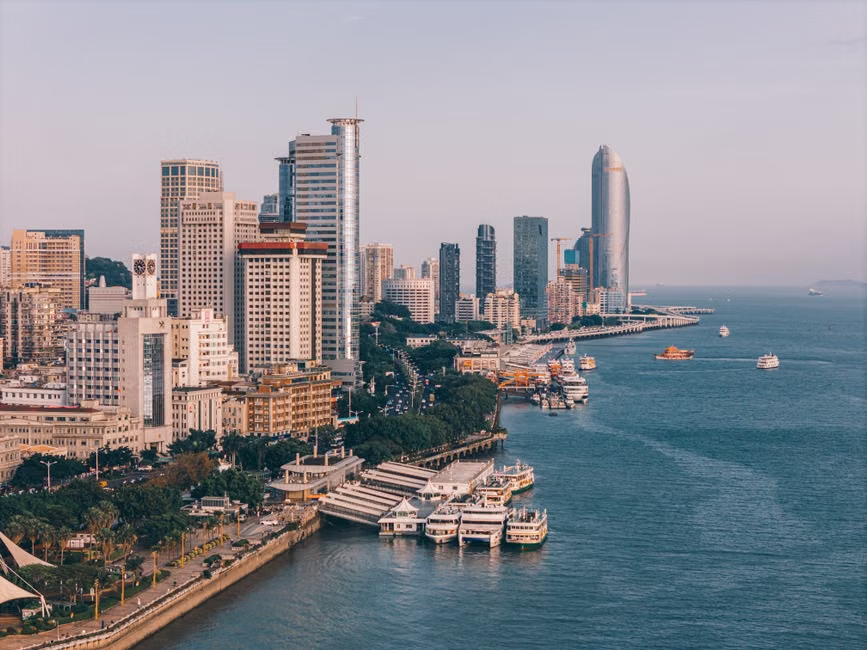
- Coastal and waterfront venue diversity: From beachside lawns along Huandao Road to rooftop terraces overlooking the Taiwan Strait, the city offers a range of outdoor and semi-outdoor event formats that few inland Chinese cities can replicate.
- Excellent multi-modal connectivity: Xiamen Gaoqi International Airport handles direct flights from major Chinese cities and several international hubs, while the high-speed rail network connects the city to Shanghai, Guangzhou, Fuzhou, and beyond — making guest travel straightforward from most of China.
- Mild and reliable event-season climate: The October–March window delivers consistently comfortable temperatures, low humidity, and minimal rainfall, allowing outdoor ceremonies and receptions to proceed with confidence.
- Sophisticated local vendor ecosystem: As one of China's more internationally oriented coastal cities, Xiamen has a well-developed network of event planners, florists, photographers, and catering specialists experienced in both Chinese-style banquets and Western-format celebrations.
Which Celebrations Work Best in Xiamen?
- Destination Weddings: Xiamen's combination of scenic coastal backdrops, heritage island settings, and luxury hotel ballrooms makes it particularly well-suited to couples seeking a visually distinctive wedding that doesn't require travelling to a remote or hard-to-reach location. The city's hospitality infrastructure handles multi-day wedding programmes — from welcome dinners to post-ceremony brunches — with relative ease.
- Corporate Retreats and Incentive Events: The city's five-star hotels offer conference facilities, team-building spaces, and leisure amenities that make it a strong choice for corporate groups. The combination of a professional event environment and a genuinely attractive leisure destination helps with delegate engagement and attendance.
- Social Celebrations and Milestone Events: Anniversary parties, significant birthday celebrations, and family reunion gatherings benefit from Xiamen's range of private dining rooms, rooftop venues, and boutique island settings that can be tailored to smaller, more intimate group sizes.
- Honeymoon Packages and Post-Wedding Stays: Couples who marry elsewhere in China frequently choose Xiamen as a honeymoon destination, drawn by the island atmosphere, coastal scenery, and the relatively relaxed pace of the city compared to major metropolitan centres.
Venues & Event Spaces
Xiamen's event venue landscape is anchored by the ballrooms and banqueting facilities of its internationally branded luxury hotels, which typically offer multiple indoor hall configurations, pre-function foyer spaces, and outdoor terrace or garden areas. These properties are capable of hosting events ranging from intimate gatherings of fifty guests to large-scale banquets and corporate conferences of several hundred.
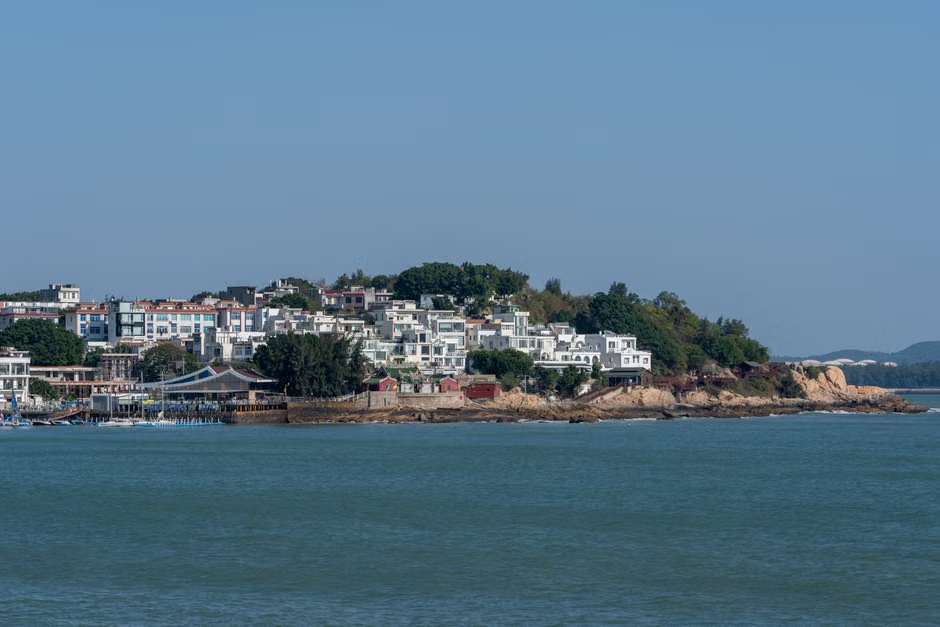
Beyond the hotel sector, the city offers a growing number of standalone event spaces and boutique venues, particularly in the Gulangyu Island area and along the Huandao coastal road. Gulangyu's heritage villas and garden courtyards are especially popular for smaller, more intimate ceremonies and pre-wedding photography sessions, given the island's car-free environment and colonial architectural character.
Waterfront and beachside event setups are available along Xiamen's southern and eastern coastline, where open-air lawns and terraces can be configured for sunset ceremonies, cocktail receptions, and outdoor dining. Rooftop venues in the city's newer hotel towers offer panoramic views of the strait and the island skyline, providing a dramatic setting for evening events.
For corporate events specifically, the city's convention-capable hotels provide breakout rooms, AV-equipped conference halls, and dedicated event coordination teams familiar with both domestic and international client requirements.
Best Time to Celebrate
The curated best season for Xiamen events is Autumn / Fall, covering January, February, March, October, November, and December. This grouping reflects the city's genuinely comfortable event window, which spans both the cooler winter months and the mild shoulder seasons on either side of summer.
October and November are widely considered the peak of Xiamen's event calendar. Temperatures are warm but not oppressive, humidity drops noticeably after the summer typhoon season, and the city's parks, coastal paths, and outdoor venues are at their most photogenic. Rainfall is low and skies are typically clear — conditions that make outdoor ceremonies and receptions reliably plannable.
December, January, and February bring cooler temperatures, generally ranging from the mid-teens to the low twenties Celsius. While outdoor evening events may require light wraps or heating provisions, daytime ceremonies remain comfortable and the reduced tourist footfall during this period can make venue access and logistics smoother. The Lunar New Year period (typically falling in late January or February) is a notable exception — the city becomes busy with domestic travel and some vendor availability tightens, so events planned around that window require earlier booking lead times.
March marks the transition back toward spring, with temperatures rising pleasantly and the risk of significant rainfall still low. It is a strong month for outdoor events before the humidity begins to build toward summer.
The months June through September are the least suitable for outdoor or semi-outdoor events. Xiamen sits within the western Pacific typhoon belt, and this period brings the highest risk of tropical storms, heavy rainfall, and sustained high humidity. Even in years without a direct typhoon impact, the heat and humidity during July and August make outdoor celebrations uncomfortable and logistically unpredictable. April and May represent a transitional shoulder period — temperatures are rising and occasional rain becomes more frequent, making them acceptable for indoor-focused events but less reliable for outdoor formats.
Getting There & Local Connectivity
Xiamen is served by Xiamen Gaoqi International Airport, located approximately ten kilometres from the city centre. The airport handles a substantial volume of domestic routes connecting Xiamen to Beijing, Shanghai, Guangzhou, Chengdu, and other major Chinese cities, as well as a range of international routes to Southeast Asia, East Asia, and select long-haul destinations. For most domestic guests, direct flights are available, making arrival straightforward.
The city is also well-integrated into China's high-speed rail network. Xiamen North Railway Station connects the city to the coastal high-speed corridor running between Fuzhou, Wenzhou, Hangzhou, and Shanghai to the north, and to Shenzhen and Guangzhou to the south. Journey times to Fuzhou are under an hour, and to Shanghai under five hours, making rail a genuinely competitive option for guests travelling from eastern China.
Within the city, Xiamen has a functioning metro system, an extensive bus network, and readily available ride-hailing services, all of which make group movement between hotels, venues, and the ferry terminal for Gulangyu Island manageable. For event groups, private coach or minibus transfers are commonly arranged by hotels and event coordinators, and the city's relatively compact geography — particularly the Siming and Huli districts where most luxury hotels are concentrated — keeps transfer times short.
The ferry crossing to Gulangyu Island is a short journey and runs frequently, though groups should factor in boarding logistics when planning event timings that involve the island.
Local Vendor & Hospitality Ecosystem
Xiamen has developed a notably mature hospitality and events ecosystem relative to its size. As one of China's original Special Economic Zones and a city with a long history of international trade and cultural exchange, it has attracted experienced hotel operators, internationally trained event professionals, and a competitive local vendor market.
Wedding planners and event coordinators operating in Xiamen are generally experienced with both traditional Chinese banquet formats and Western-style ceremony and reception structures, making the city accessible to couples with varied cultural backgrounds or mixed-heritage celebrations. Floral design, photography, and catering vendors in the city are well-established, and the presence of multiple five-star hotel properties has raised the baseline standard of service across the broader vendor ecosystem.
Catering quality in Xiamen benefits from the city's strong local food culture — Fujian cuisine is regarded as one of China's eight great culinary traditions, and local banquet menus can incorporate genuinely distinctive regional dishes alongside more internationally familiar options. This gives event catering in Xiamen a character that goes beyond generic hotel banquet fare.
For international guests or couples planning from abroad, the city's familiarity with overseas clients — through its business and tourism sectors — means that English-language communication with major hotel event teams is generally feasible, though working with a local coordinator who can bridge language and logistical gaps is advisable for complex multi-day programmes.
Pros & Things to Consider
Why Xiamen Works Well
- Genuinely distinctive coastal and heritage setting that stands apart from generic urban hotel venues
- Strong multi-modal transport connectivity makes guest travel manageable from most of China
- Reliable, comfortable event climate across a six-month best season window
- Mature luxury hotel sector with experienced event teams and full-service banqueting capability
- Gulangyu Island provides a unique, photogenic backdrop unavailable in most other Chinese cities
- Well-developed local vendor ecosystem covering catering, florals, photography, and event production
- Relatively compact city geography keeps inter-venue logistics simple for guest groups
Things to Consider
- The typhoon season (June–September) makes outdoor events during those months genuinely risky, not merely inconvenient — contingency planning or indoor-only formats are essential if dates fall in this window
- Gulangyu Island's car-free status, while atmospherically appealing, adds a logistical layer for groups: all equipment, décor, and guests must arrive by ferry, which requires careful advance coordination
- Lunar New Year proximity (late January to February) can tighten vendor availability and increase domestic travel congestion — events planned in this window need longer lead times and earlier confirmations
- International guests travelling from outside Asia may face limited direct flight options and will typically require a connection through a major hub, adding travel time
- While the city is well-connected within China, it is not among the country's largest convention destinations, so very large-scale events (above 800–1000 guests) may find the local venue inventory more constrained than in tier-one cities
When Xiamen May Not Be the Right Fit
- Outdoor-focused events planned for June through September: The typhoon season introduces genuine weather unpredictability that makes outdoor ceremony formats difficult to insure against — couples or planners committed to an outdoor-first format should strongly consider the October–March window instead, or choose a destination with a more forgiving summer climate.
- Very large-scale events requiring 800+ guests under one roof: Xiamen's luxury hotel inventory, while strong in quality, is more limited in sheer scale than tier-one Chinese cities. Groups requiring very large single-venue capacities may find the options narrower than expected.
- Guests travelling primarily from Europe, the Americas, or the Middle East: International guests without a convenient hub connection to Xiamen will face longer total travel times. If the majority of the guest list is international rather than domestic Chinese, a destination with stronger long-haul connectivity may reduce travel friction significantly.
- Events requiring a purely traditional Chinese cultural setting: While Xiamen has deep Fujian cultural roots, its colonial heritage and cosmopolitan character give it a distinctly hybrid identity. Couples or planners seeking an event environment steeped exclusively in classical Chinese aesthetics — imperial architecture, traditional garden settings — may find cities with a different heritage profile more aligned with that vision.