
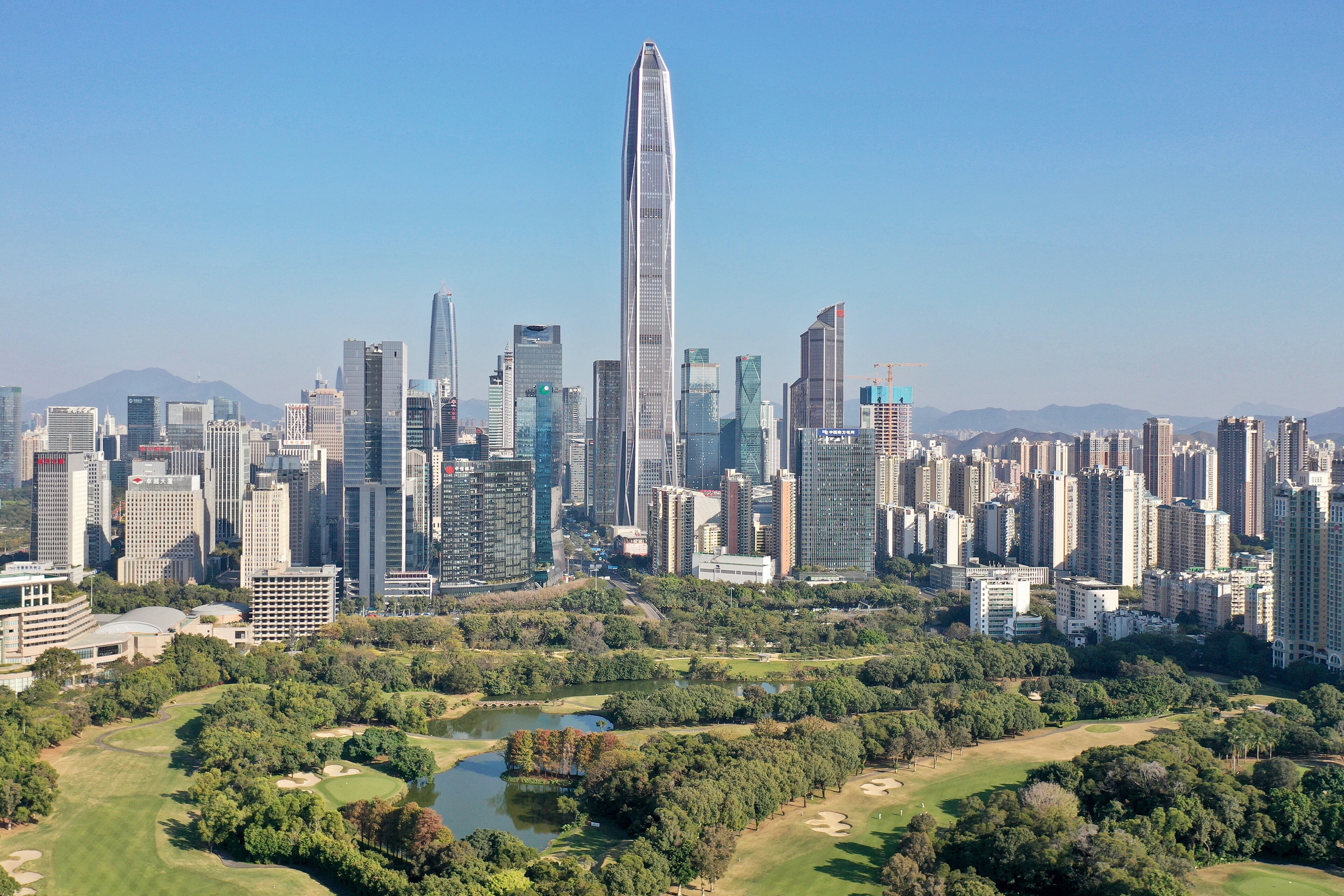
Why Shenzhen is Perfect for Your Celebration
- World-class luxury hotel inventory with large-scale ballrooms and event spaces
- Exceptional transport links — international airport, high-speed rail, and proximity to Hong Kong
- Cooler, dry autumn/winter season (Oct–Mar) perfectly suited to outdoor and indoor celebrations
- Mature, professional event vendor ecosystem with international-standard AV, catering, and décor
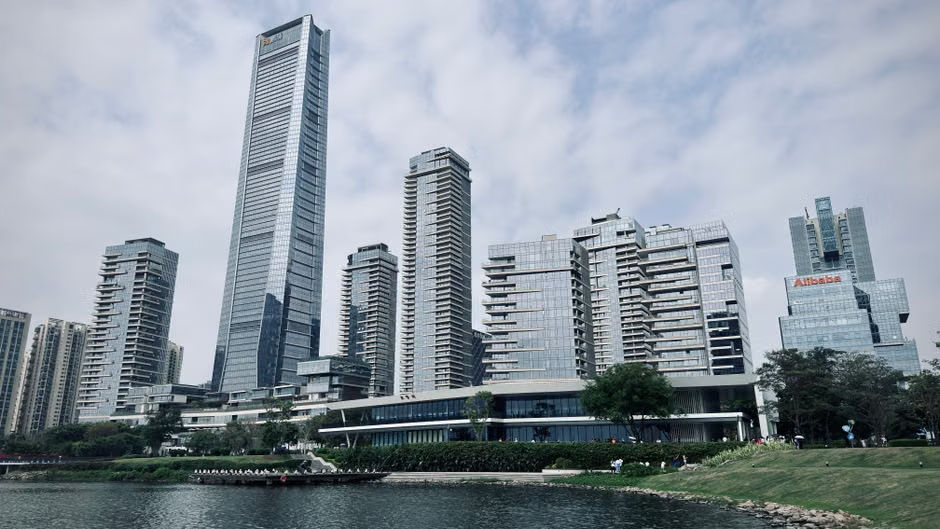
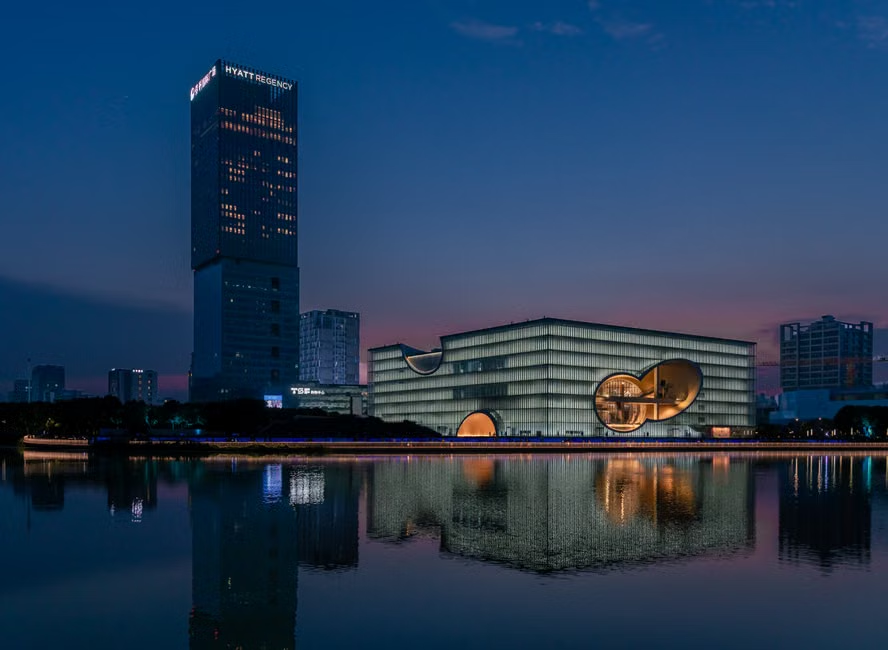
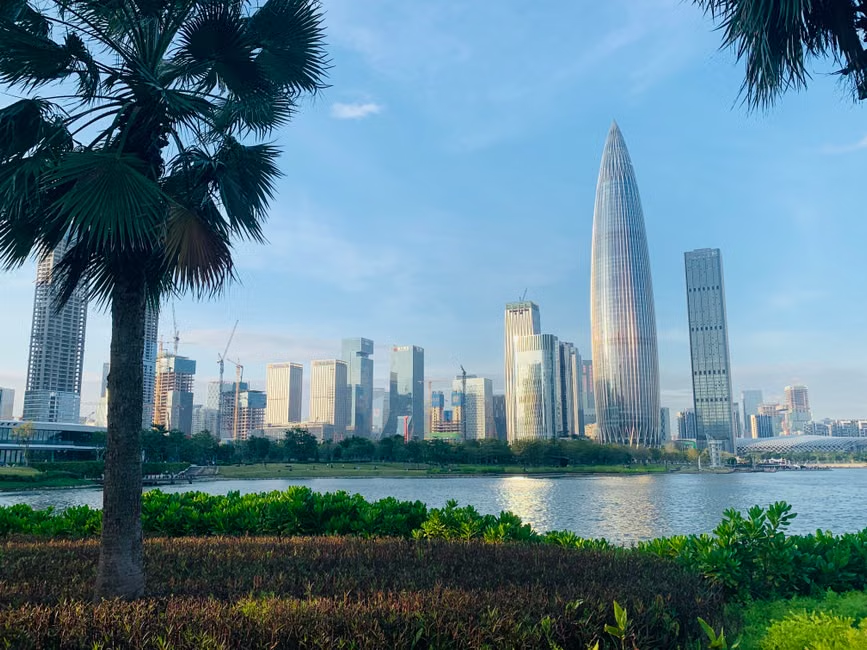
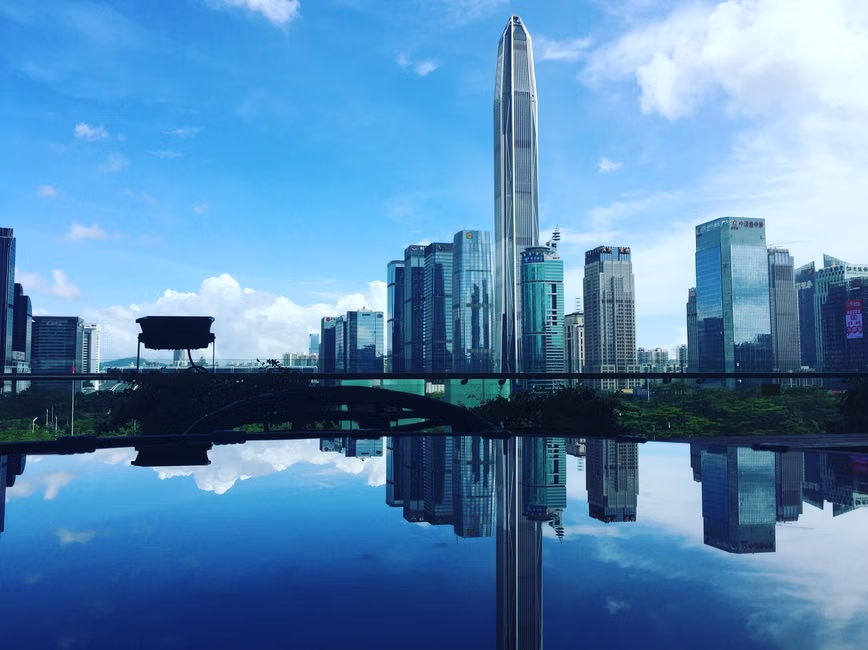
- Stunning urban skyline and waterfront settings for contemporary wedding photography and events
- Cosmopolitan city culture with diverse cuisine, entertainment, and guest experience options

Top Venues in Shenzhen
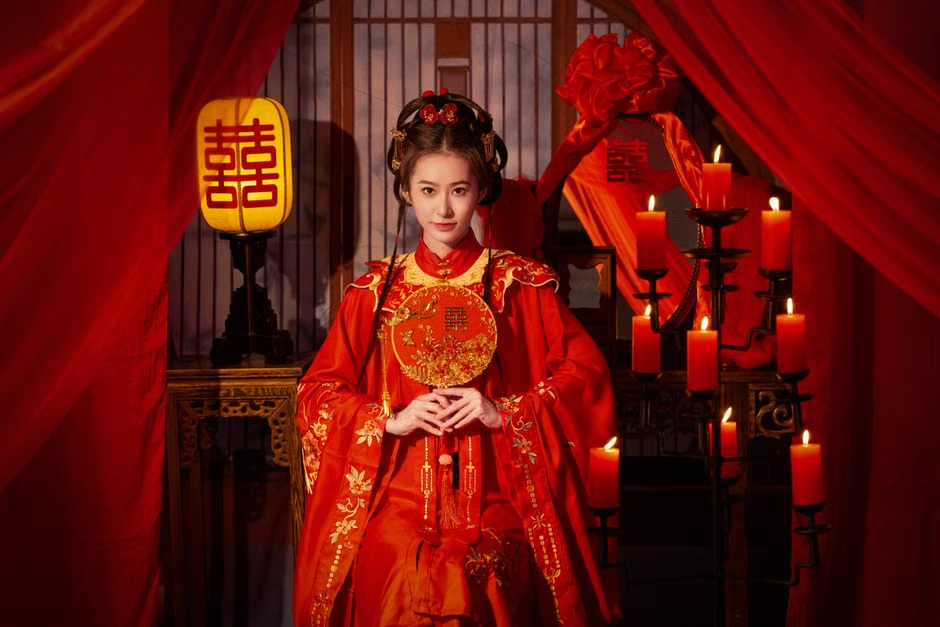
Renaissance Shenzhen Longhua Hotel
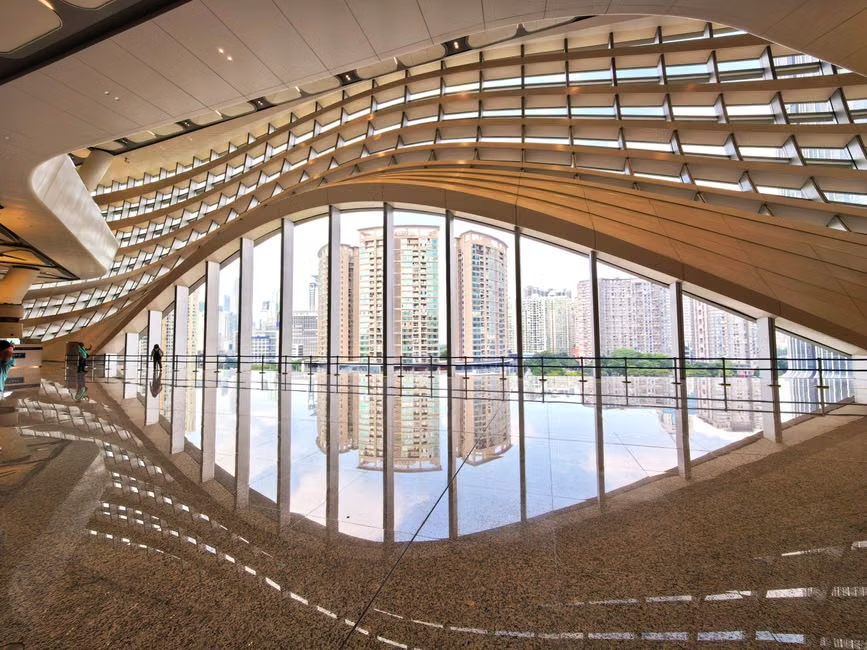
The St. Regis Shenzhen
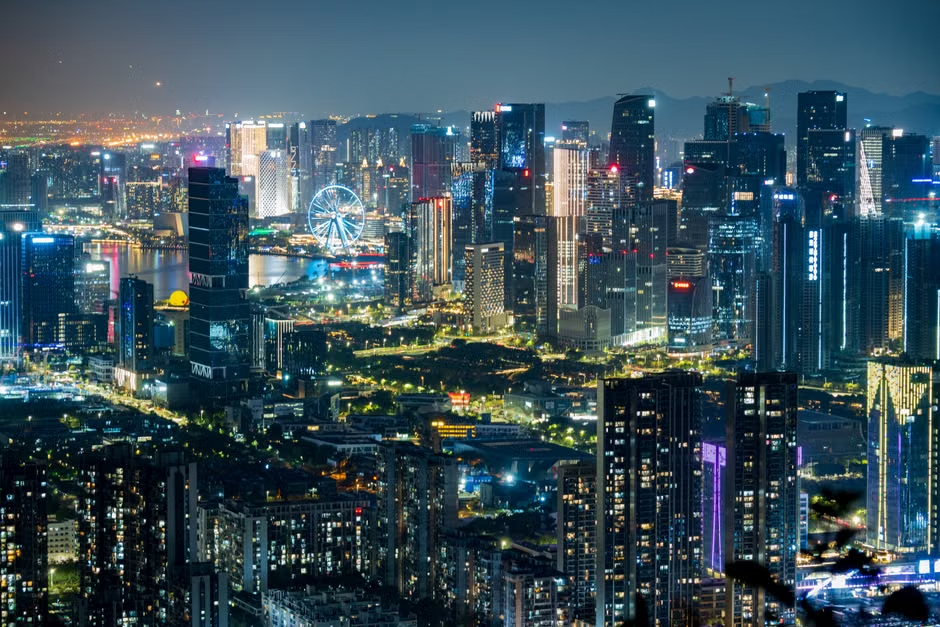
InterContinental Shenzhen
Shangri-La Shenzhen
Hyatt Regency Shenzhen Airport
Hilton Shenzhen Shekou Nanhai
Westin Shenzhen Nanshan
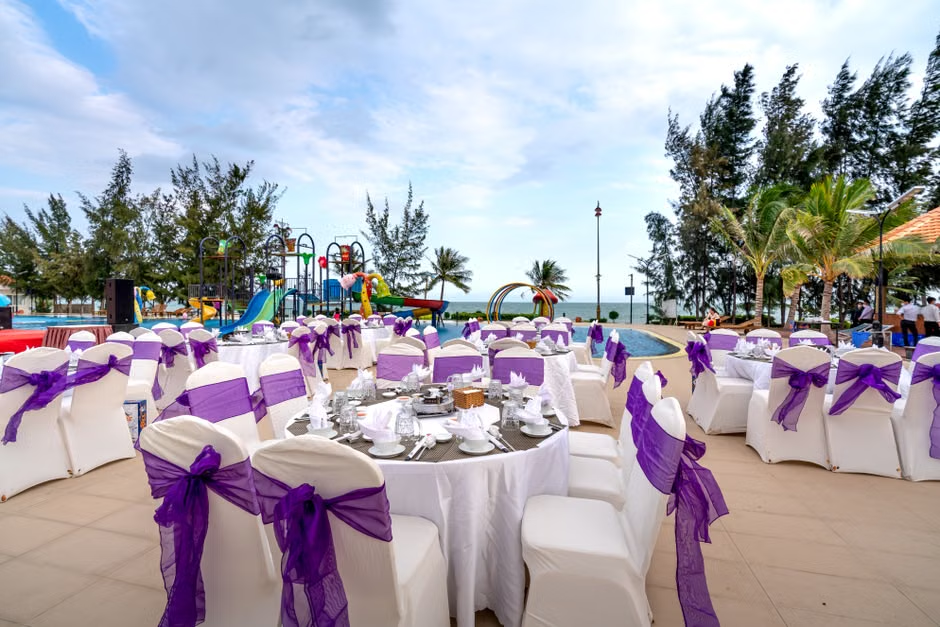
Holiday Inn Shenzhen Donghua
Crowne Plaza Shenzhen Longgang City Centre
Novotel Shenzhen Watergate
Compare Shenzhen with Other Top Destinations
Frequently Asked Questions
Is Shenzhen a good destination for a corporate event or conference?
Yes — Shenzhen is among the strongest corporate event destinations in mainland China. Its identity as China's technology and innovation hub gives corporate gatherings genuine contextual relevance, and the city's luxury hotel properties offer large ballrooms, breakout spaces, and professional AV infrastructure purpose-built for conferences, product launches, and corporate galas.
What is the best time of year to hold an event in Shenzhen?
October through March is the recommended window. These months bring cooler, drier conditions — typically 15°C to 26°C — with minimal rainfall and no typhoon risk. July through September should generally be avoided due to typhoon season, heavy rainfall, and extreme humidity. The Chinese New Year period (late January to mid-February) also requires careful advance planning due to reduced vendor availability.
How easy is it for international guests to reach Shenzhen?
Very easy by mainland China standards. Shenzhen Bao'an International Airport handles direct flights from across Asia and beyond. Guests can also fly into Hong Kong and cross into Shenzhen in under an hour via multiple border points, effectively doubling the available international gateway options. High-speed rail connects the city to Guangzhou, Hong Kong, Shanghai, and Beijing.
What kinds of venues are available for events in Shenzhen?
The primary venue type is the large-format hotel ballroom within internationally branded luxury and upscale properties, concentrated in Futian CBD, Nanshan, and Luohu. The city also offers dedicated convention centres, waterfront settings along Shenzhen Bay, and rooftop venues. Heritage, garden, or nature-based venues are limited — Shenzhen's character is fundamentally modern and urban.
How large a guest group can Shenzhen venues realistically accommodate?
Shenzhen's luxury hotel ballrooms can comfortably accommodate events ranging from around 100 to 800 guests, with some larger convention spaces supporting even bigger formats. The city is particularly well-suited to medium-to-large events. Very small gatherings of under 30 guests are possible but the city's infrastructure is optimised for larger-scale celebrations.
Is Shenzhen suitable for a contemporary wedding?
Yes, for couples who want a modern, design-forward wedding rather than a heritage or nature-based setting. Shenzhen's luxury hotel venues, dramatic skyline backdrops, and cosmopolitan hospitality ecosystem suit weddings with an urban aesthetic and an international or mixed guest list. It is less suited to couples seeking traditional palace, garden, or rustic settings.
What is local transport like for a group of guests once they arrive in Shenzhen?
Shenzhen has an extensive modern metro network covering all major districts, making group movement between hotels, venues, and the airport straightforward. For larger groups, a well-developed local ground transport market offers professional coach and minibus operators experienced in event logistics. Moving groups around the city is generally efficient compared to many other large Chinese cities.
Are there English-speaking event coordinators and vendors in Shenzhen?
Generally yes. Shenzhen's international business character means English-speaking hotel event coordinators, catering managers, and independent event production companies are more readily available here than in many other mainland Chinese cities — a practical advantage for international couples or planners working with a mixed-language team.
Do international guests need a visa to attend an event in Shenzhen?
Most international guests require a Chinese visa to enter Shenzhen, though a 144-hour transit visa exemption applies in certain circumstances. Planners should brief international guests early and allow sufficient lead time for visa applications. This is a genuine logistical consideration that adds complexity compared to destinations with simpler entry requirements.
What should planners know about internet access for international guests in Shenzhen?
China's internet environment restricts access to many commonly used international platforms — including Google services, WhatsApp, and Instagram. This can affect guest communication and some event logistics. Planners should brief international guests in advance and ensure VPN access is arranged where needed, particularly for guests who rely on these platforms for coordination.
How mature is Shenzhen's event vendor ecosystem for weddings and social events?
Shenzhen has a well-developed vendor market for corporate and large-scale social events — including AV and production companies, international-standard catering, and floral designers with access to Guangzhou's wholesale flower supply chain. For highly specialised cultural wedding traditions outside the Chinese context, some niche vendors may need to be sourced from Guangzhou, Hong Kong, or further afield.
Is Shenzhen safe for international guests attending an event?
Yes. Shenzhen is generally considered very safe for visitors, with low rates of street crime and a well-maintained public environment. The city's large international business community means it is accustomed to hosting foreign visitors, and standard urban safety precautions are sufficient for most guest groups.

Ready to explore venues in Shenzhen?
Shenzhen: Destination Wedding & Corporate Event Venues in China
◆Shenzhen is one of mainland China's premier event destinations, best suited to corporate gatherings, milestone parties, and contemporary weddings that favour a sleek, cosmopolitan aesthetic over heritage or nature-based settings. Its primary vibe is chic and urban — defined by a dramatic modern skyline, world-class luxury hotel infrastructure, and a highly professional hospitality ecosystem. The city is most comfortable for events during the cooler, drier months of October through March, when subtropical heat and typhoon risk are absent. Accessibility is genuinely excellent: an international airport, a major high-speed rail hub, and direct border crossings with Hong Kong make Shenzhen one of the most reachable cities in southern China for both domestic and international guests.
Shenzhen at a Glance
| Attribute | Detail |
|---|---|
| Best For | Corporate Events, Milestone Parties, Contemporary Weddings, Social Galas |
| Primary Vibe | Chic & Cosmopolitan |
| Other Vibes | Futuristic, Urban, Tech-Forward |
| Best Season | Autumn / Fall (Jan, Feb, Mar, Oct, Nov, Dec) |
Why Choose Shenzhen?
- Exceptional luxury hotel inventory: Shenzhen hosts a dense concentration of internationally branded five-star properties, each with large-format ballrooms, dedicated event floors, and professional in-house event teams — giving planners genuine choice at the top tier.
- Outstanding multi-modal connectivity: Shenzhen Bao'an International Airport handles direct flights from across Asia and beyond, while Shenzhen North Station connects the city to Guangzhou, Hong Kong, Beijing, and Shanghai via high-speed rail — making guest travel logistics unusually straightforward.
- Proximity to Hong Kong: International guests can fly into Hong Kong and cross into Shenzhen within an hour, effectively doubling the city's international gateway options and making it accessible to guests from virtually any origin.
- Mature, professional vendor ecosystem: Decades of rapid urban growth have produced a deep local market of event production companies, international-standard catering operators, AV specialists, floral designers, and entertainment providers — all experienced with large-scale, high-expectation events.
- Dramatic urban backdrops: The Futian CBD skyline, the Shenzhen Bay waterfront, and the illuminated cityscape at night provide genuinely striking settings for event photography and videography that are difficult to replicate in smaller or less developed cities.
- Favourable autumn-to-winter season: From October through March, Shenzhen enjoys reliably mild, dry weather — typically between 15°C and 25°C — that is comfortable for both indoor and outdoor event elements without the humidity or typhoon risk of the summer months.
Which Celebrations Work Best in Shenzhen?
Corporate Events & Conferences: Shenzhen is arguably the strongest fit of all event types. The city's identity as China's technology and innovation capital means corporate gatherings here carry genuine contextual weight, and the hotel infrastructure — with large ballrooms, breakout rooms, and AV-ready spaces — is purpose-built for this format.
Milestone Parties & Social Galas: Landmark birthdays, anniversaries, and gala dinners translate exceptionally well to Shenzhen's luxury hotel settings. The city's cosmopolitan dining and entertainment scene also gives guests a rich programme of activities beyond the event itself.
Contemporary Weddings: Couples who want a modern, design-forward wedding — rather than a heritage palace or nature-immersed setting — will find Shenzhen's luxury hotel ballrooms and waterfront venues genuinely compelling. The city suits weddings with a cosmopolitan guest list comfortable navigating an international urban environment.
Product Launches & Brand Activations: Shenzhen's tech-forward identity and its concentration of media, business, and creative professionals make it a natural fit for brand events that want to signal innovation and modernity.
Venues & Event Spaces
Shenzhen's event venue landscape is dominated by large-format hotel ballrooms within internationally branded luxury and upscale properties, concentrated primarily in the Futian CBD, Nanshan, and Luohu districts. These spaces typically offer flexible configurations, professional in-house catering, and integrated AV infrastructure capable of supporting events from intimate gatherings of 100 guests to large-scale galas and conferences of several hundred.
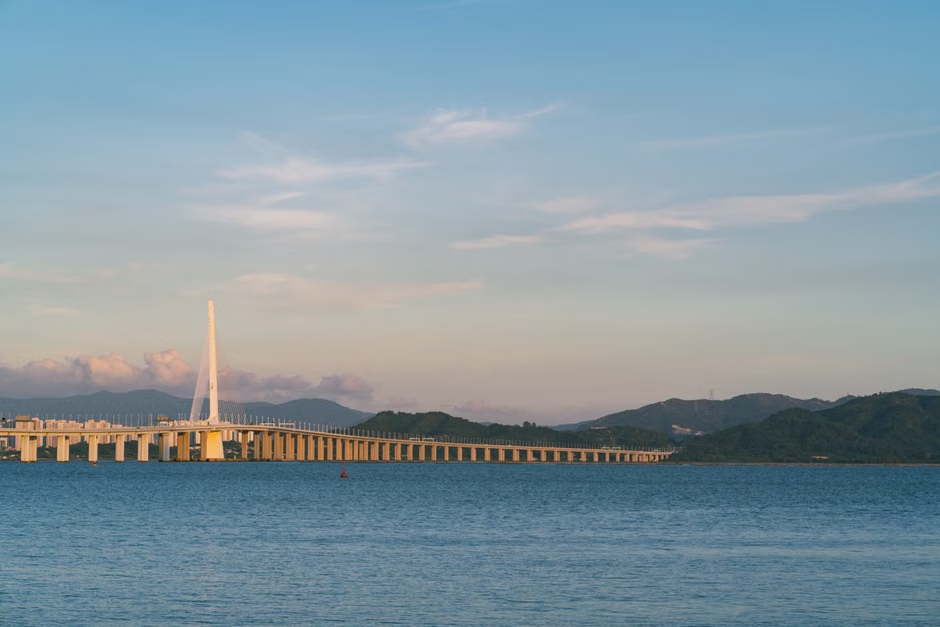
Beyond hotel ballrooms, the city offers dedicated convention and exhibition centres — most notably the Shenzhen Convention & Exhibition Center in Futian — that can accommodate very large-scale events. Waterfront settings along Shenzhen Bay and the Shekou area provide outdoor and semi-outdoor options with dramatic harbour views, particularly suited to cocktail receptions and evening events during the cooler season. Rooftop venues within luxury towers are increasingly popular for smaller, design-conscious celebrations that prioritise the city's skyline as a backdrop.
Heritage or nature-based venues are not a primary strength of Shenzhen's event landscape — the city is young by Chinese standards and its character is fundamentally urban and modern. Planners seeking garden estates, historic courtyards, or rural resort settings will find the inventory thinner here than in older Chinese cities or more rural destinations.
Best Time to Celebrate
The curated best season for Shenzhen events is Autumn / Fall: October, November, December, January, February, and March. This six-month window is the clear practical choice for several concrete reasons:
- October–December brings the most reliably pleasant conditions — temperatures typically range from around 18°C to 26°C, humidity drops significantly after the summer monsoon, and rainfall is minimal. Outdoor event elements (garden cocktails, rooftop receptions, waterfront dinners) are genuinely comfortable.
- January–March is cooler still — occasionally dipping to 12°C–15°C in January and February — but remains dry and clear. These months are well-suited to indoor-focused events, and the post-Chinese New Year period (mid-February onward) sees the city return to full operational capacity after the holiday.
- April–June sees rising humidity and the onset of the pre-monsoon rainy season. Outdoor events become increasingly unreliable, and the heat-humidity combination makes guest comfort a genuine concern.
- July–September is the least suitable period: Shenzhen sits within the South China Sea typhoon belt, and direct or indirect typhoon impacts — bringing heavy rain, strong winds, and disrupted transport — are a real operational risk. Temperatures regularly exceed 32°C with very high humidity, making outdoor events impractical and placing significant strain on guest comfort even for indoor events.
Planners should also note that the Chinese New Year period (typically late January to mid-February) brings significant domestic travel disruption and reduced vendor/staff availability — events scheduled in this window require earlier-than-usual confirmation of all suppliers.
Getting There & Local Connectivity
Shenzhen is among the most accessible cities in mainland China for event guests arriving from diverse origins. Shenzhen Bao'an International Airport (SZX) handles direct international routes across Asia — including connections from Southeast Asia, Japan, South Korea, and the Middle East — as well as an extensive domestic network covering virtually every major Chinese city. The airport sits approximately 30 km from the Futian CBD, with express rail and road connections making the transfer manageable for arriving groups.
For guests travelling from Hong Kong, the city is reachable in under an hour via multiple border crossing points, including the Lok Ma Chau/Futian crossing (with direct MTR connection) and the Shenzhen Bay crossing. This effectively gives Shenzhen access to Hong Kong International Airport's global route network as a secondary gateway — a significant practical advantage for international guests.
Shenzhen North Railway Station is a major node on China's high-speed rail network, with frequent services to Guangzhou (under 30 minutes), Hong Kong West Kowloon (under 20 minutes on the Guangzhou-Shenzhen-Hong Kong Express Rail Link), and longer-distance services to Shanghai, Beijing, and other major cities. This makes Shenzhen genuinely convenient for domestic guests travelling from across China.
Within the city, Shenzhen operates an extensive and modern metro network covering all major districts — Futian, Nanshan, Luohu, Longhua, and Bao'an — making group movement between hotels, venues, and the airport straightforward without relying entirely on private coaches. For larger groups, the local ground transport market is well-developed, with professional coach and minibus operators experienced in event logistics.
Local Vendor & Hospitality Ecosystem
Shenzhen's hospitality and event vendor ecosystem is one of the most developed in southern China, shaped by decades of hosting large-scale corporate events, international trade fairs, and high-profile social functions. Key strengths include:
- International-standard catering: The city's luxury hotel properties operate in-house catering teams capable of delivering multi-course banquets, cocktail receptions, and themed dining experiences at scale. A wide range of cuisines — Cantonese, international, fusion — is readily available at event-appropriate quality levels.
- Professional event production: Shenzhen has a mature market of independent event production companies specialising in AV, lighting, staging, and live entertainment — many with experience on large corporate and social events for multinational clients.
- Floral and décor: The proximity to Guangzhou's wholesale flower markets (accessible within two hours) means floral designers in Shenzhen have access to a wide and competitively priced supply chain, supporting elaborate décor schemes.
- Multilingual service capability: Given the city's international business character, English-speaking event coordinators, hotel staff, and vendor representatives are more readily available here than in many other mainland Chinese cities — a practical advantage for international couples or planners.
The primary limitation of the local ecosystem is that it skews heavily toward corporate and large-scale social formats. Planners seeking highly specialised wedding traditions — particularly those rooted in South Asian, Middle Eastern, or other non-Chinese cultural contexts — may need to source some specialist vendors from Guangzhou, Hong Kong, or further afield, as the local market for these niches is less developed.
Pros & Things to Consider
Why Shenzhen Works Well
- Dense concentration of internationally branded luxury hotel venues with large ballroom capacity
- Exceptional multi-modal connectivity — airport, high-speed rail, and Hong Kong border crossings
- Reliable, dry, and comfortable weather from October through March
- Mature professional event vendor and production ecosystem
- Cosmopolitan city infrastructure — diverse dining, entertainment, and guest experience options
- Strong multilingual hospitality capability for international guest groups
- Dramatic urban skyline and waterfront settings for event photography
Things to Consider
- Limited heritage or nature-based venue options: Shenzhen is a young, purpose-built city — couples or planners seeking palace settings, historic courtyards, or lush garden estates will find the inventory genuinely limited compared to older Chinese cities or more rural destinations.
- Typhoon season risk (July–September): Events planned in the summer months carry a real risk of weather disruption, including transport cancellations and venue access issues — this is not a theoretical concern but a documented annual pattern.
- Chinese New Year disruption: The late January to mid-February holiday period significantly reduces vendor availability and increases domestic travel complexity — events in this window require careful advance planning.
- Visa requirements: International guests from many countries require a Chinese visa to enter Shenzhen (though a 144-hour transit visa exemption applies in some cases). This adds a logistical layer for international guest groups that does not apply in some other regional destinations.
- Internet restrictions: China's internet environment — including restrictions on commonly used international platforms — can affect guest communication and some event logistics. Planners should brief international guests and ensure VPN access is arranged where needed.
When Shenzhen May Not Be the Right Fit
- You want a heritage, palace, or nature-immersed setting: Shenzhen's venue landscape is fundamentally modern and urban. If the aesthetic vision centres on historic architecture, lush gardens, or a scenic natural environment, a different destination will serve the brief more naturally.
- Your event is planned for July, August, or September: Typhoon season brings genuine operational risk — disrupted flights, heavy rainfall, and extreme humidity — that makes outdoor elements unreliable and creates real contingency planning challenges for any event format.
- Your guest group has significant visa or travel complexity: For groups where a large proportion of guests face difficult visa processes for mainland China, the logistical overhead can be substantial. Destinations with simpler entry requirements may reduce friction for guests.
- You are planning a very small, intimate gathering (under 30 guests): Shenzhen's venue infrastructure is optimised for medium-to-large events. While smaller gatherings are certainly possible, the city's scale and character are less naturally suited to an intimate, private celebration than a boutique resort destination would be.