
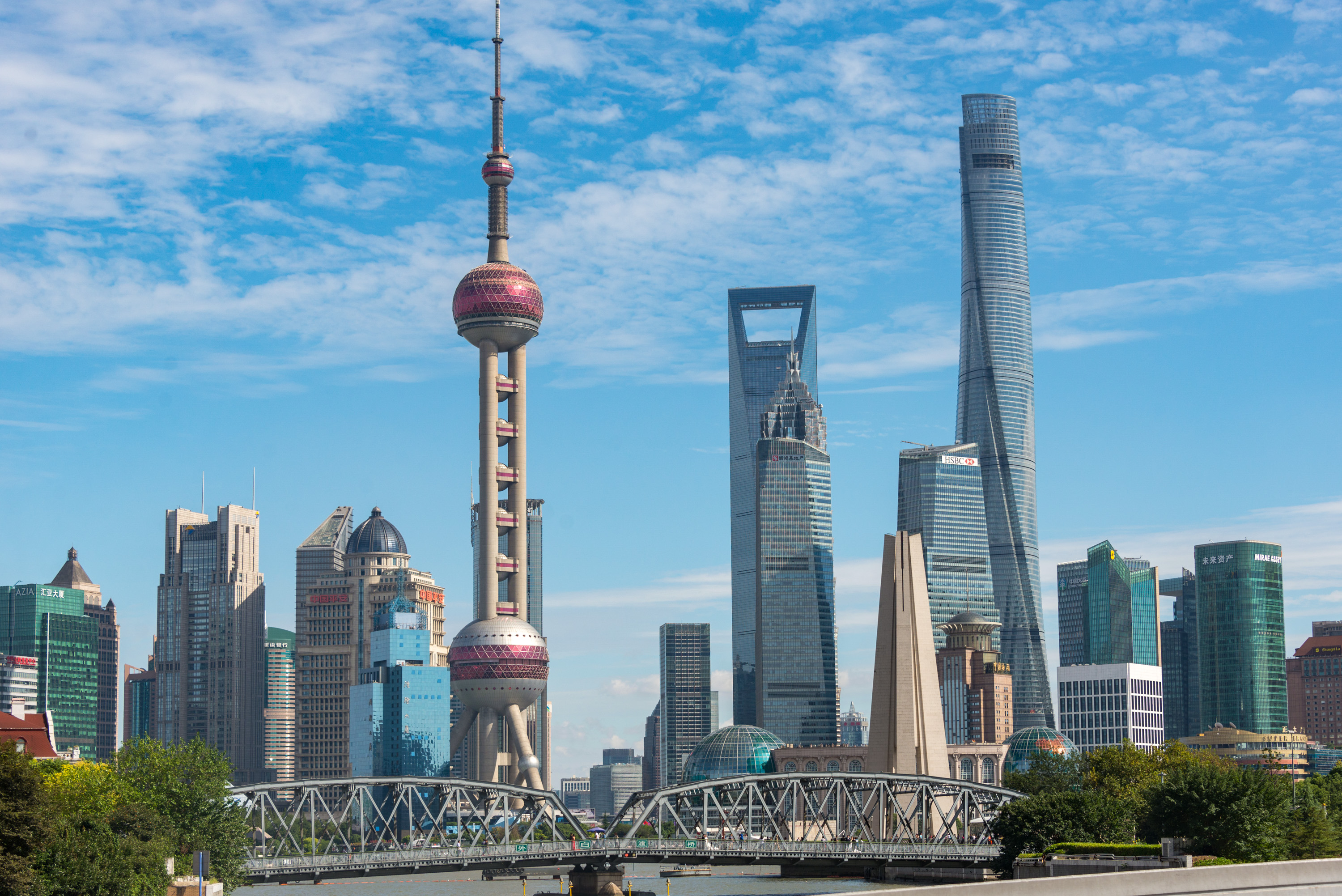
Why Shanghai is Perfect for Your Celebration
- Iconic Bund waterfront and Pudong skyline create unmatched cinematic event backdrops
- World-class luxury hotel inventory with dedicated grand ballrooms and event wings
- Exceptional international flight connectivity — guests arrive from virtually any global city
- Mature, professional event vendor ecosystem covering florals, AV, catering, and entertainment
- French Concession garden villas and heritage Art Deco buildings offer intimate, distinctive settings
- Best season (spring and autumn) delivers reliably mild, photogenic weather for outdoor celebrations

Compare Shanghai with Other Top Destinations
Frequently Asked Questions
Is Shanghai a good destination for a wedding?
Yes. Shanghai is particularly well-suited to destination weddings that prioritise sophistication, strong visual impact, and seamless logistics. The city offers a wide range of venue formats — from grand hotel ballrooms along the Bund to intimate French Concession garden villas — and its international connectivity makes it accessible for guests travelling from across Asia, Europe, and beyond. Spring and autumn are the recommended seasons for outdoor or mixed-format ceremonies.
What is the best time of year to hold an event in Shanghai?
Spring (March, April, May) and autumn (September, October, November) are the best windows. Both seasons offer mild temperatures, lower humidity, and relatively manageable rainfall. October and November are generally considered the most reliable months — clear skies, comfortable conditions, and the French Concession's plane trees in autumn colour. Summer (June–August) should be avoided for outdoor events due to heat, humidity, and typhoon risk.
How easy is it for international guests to reach Shanghai?
Very easy. Shanghai Pudong International Airport is one of Asia's major long-haul hubs, with direct flights from cities across Europe, North America, the Middle East, Southeast Asia, and Oceania. Domestic guests can also arrive via Shanghai Hongqiao Airport or the city's high-speed rail connections from Beijing, Hangzhou, Nanjing, and dozens of other cities. Guest travel logistics are among the strongest of any Asian event destination.
What kinds of venues are available for events in Shanghai?
Shanghai offers genuine venue diversity. Options include grand hotel ballrooms in Pudong and along the Bund (suitable for large guest lists), restored Art Deco heritage properties with period architectural character, French Concession garden villas and lane-house spaces for smaller intimate gatherings, and sky-level rooftop venues with panoramic city views. The city's venue inventory covers both large-scale corporate events and smaller, design-forward social celebrations.
How large a guest list can Shanghai venues realistically accommodate?
Shanghai's major hotel ballrooms can comfortably accommodate guest lists ranging from around 50 to over 800 guests for seated banquets, with some properties offering capacity beyond that for cocktail-format events. Smaller French Concession garden and villa spaces typically suit groups of up to 150–200 guests. The city's venue inventory is broad enough to match most event scales, from intimate gatherings to large-scale galas.
Is Shanghai suitable for corporate events and galas?
Yes, and it is arguably one of Asia's strongest cities for corporate event production. Shanghai's convention-grade hotel ballrooms, professional AV and staging vendors, proximity to China's business community, and international profile make it a natural choice for product launches, leadership summits, annual galas, and incentive travel programmes. The city regularly hosts major international corporate events and the supporting infrastructure is well-established.
What should international event planners know about internet access in Shanghai?
China's internet environment restricts access to many commonly used international apps and platforms — including certain messaging, mapping, and social media tools — without a VPN. This is a practical consideration for events with international guests who rely on these tools for communication and navigation. Event planners should address VPN access and local app alternatives in guest communications well before the event date.
Do guests need a visa to attend an event in Shanghai?
Many international nationalities require a visa to enter China. Shanghai does offer a transit visa exemption for eligible nationalities under certain conditions, but this does not cover all international guests. Event planners should build visa lead times — which can be several weeks — into the guest communication and RSVP timeline, and advise guests to check their specific nationality's requirements early.
How easy is it to move guests around Shanghai during a multi-day event?
Generally straightforward. Shanghai has an extensive and reliable metro network covering most major hotel and venue districts. For event groups, private coach transfers and fleet car services are widely available and routinely used by hotels and event planners. The main logistical consideration is the city's size — guests staying in different districts can face meaningful travel times, so centralising accommodation near the primary venue district is advisable.
Is the local vendor and hospitality ecosystem in Shanghai suited to high-production events?
Yes. Shanghai has one of Asia's most developed event vendor ecosystems, with experienced planners, production companies, florists, AV specialists, and international catering teams routinely delivering large-scale, high-complexity events. English-language communication is generally available at the senior level within major hotels and established event companies, though a bilingual local coordinator is strongly recommended for managing operational-level logistics.
What makes the French Concession a distinctive event setting in Shanghai?
The French Concession offers a quieter, more intimate counterpoint to Shanghai's grand hotel ballrooms. Its restored villa gardens, tree-lined lanes, and lane-house spaces suit smaller gatherings — typically up to 150–200 guests — where design, atmosphere, and a sense of place take precedence over scale. The area is particularly popular for cocktail receptions, pre-wedding dinners, and brand events seeking a curated, editorial aesthetic distinct from the city's larger venues.
What are the main things to plan carefully when hosting an event in Shanghai?
Key planning considerations include: choosing a spring or autumn date to avoid summer weather risk; addressing visa requirements and internet access for international guests early; appointing a bilingual local coordinator for operational logistics; and centralising guest accommodation near the primary venue district to minimise intra-city travel time. Working with an experienced Shanghai-based event planner significantly reduces the complexity of managing these elements simultaneously.

Ready to explore venues in Shanghai?
Shanghai: Destination Wedding & Corporate Event Venues
◆Shanghai is one of Asia's premier event destinations, best suited to corporate galas, milestone celebrations, destination weddings, and large-scale festivals. Its primary vibe is chic and cosmopolitan — defined by the Bund waterfront, Pudong's futuristic towers, and the intimate garden lanes of the French Concession. The best seasons to plan are spring (March–May) and autumn (September–November), when temperatures are mild and rainfall is low. Shanghai is exceptionally well-connected internationally, with two major airports and a high-speed rail network, making guest logistics straightforward for both domestic and overseas attendees. The hospitality and vendor ecosystem is fully mature and operates at a global standard.
Shanghai at a Glance
| Category | Detail |
|---|---|
| Best For | Corporate Events, Destination Weddings, Milestone Celebrations, Festivals & Galas |
| Primary Vibe | Chic & Cosmopolitan |
| Other Vibes | Heritage & Art Deco, Urban Glamour, Garden Intimate |
| Best Season | Spring (Mar, Apr, May, Sep, Oct, Nov) |
Why Choose Shanghai?
- Unmatched venue diversity: From grand Pudong ballrooms accommodating hundreds of guests to intimate French Concession garden villas and heritage Art Deco properties along the Bund, Shanghai offers a genuinely wide spectrum of event settings within a single city.
- Iconic visual backdrops: The Bund's colonial-era skyline facing Pudong's futuristic towers is among the most recognisable urban panoramas in the world — a backdrop that elevates event photography and guest experience without additional staging.
- Exceptional international connectivity: Shanghai Pudong International Airport is one of Asia's busiest hubs, with direct flights from major cities across Europe, North America, Southeast Asia, the Middle East, and Australia. Domestic guests can reach the city via an extensive high-speed rail network.
- Mature, professional event vendor ecosystem: Shanghai hosts a deep pool of experienced event planners, florists, AV specialists, international catering teams, and entertainment providers who routinely deliver large-scale, high-production events to global standards.
- French Concession charm: The tree-lined lanes and restored villa gardens of the French Concession offer a quieter, more intimate counterpoint to the city's grand hotel ballrooms — particularly well-suited to smaller, design-forward celebrations.
- Reliable spring and autumn seasons: The curated best months deliver consistently mild temperatures, manageable humidity, and relatively low rainfall — conditions that support both outdoor garden ceremonies and indoor receptions with confidence.
Which Celebrations Work Best in Shanghai?
Destination Weddings: Shanghai suits couples seeking a sophisticated, cosmopolitan wedding with strong visual impact. The combination of Bund waterfront settings, luxury hotel ballrooms, and French Concession garden venues means the city can accommodate both grand-scale ceremonies and intimate, design-led celebrations. International guests benefit from direct flight access, and the city's hospitality infrastructure handles multi-day wedding programmes with ease.
Corporate Events & Galas: Shanghai is arguably China's strongest city for corporate event production. Its convention-grade hotel ballrooms, professional AV and staging vendors, and proximity to China's business community make it a natural choice for product launches, annual galas, leadership summits, and incentive travel programmes. The city's international profile also makes it credible for events with a global guest list.
Milestone Celebrations (Anniversaries, Birthdays, Reunions): The city's range of private dining rooms, rooftop terraces, and boutique heritage spaces makes it well-suited to milestone events where atmosphere and exclusivity matter. Groups can move between the Bund, Pudong, and the French Concession across a multi-day programme without the experience feeling repetitive.
Festivals & Brand Activations: Shanghai's cosmopolitan audience, strong media presence, and world-class production vendors make it a compelling location for brand festivals, cultural events, and large-scale activations. The city regularly hosts international fashion weeks, art fairs, and music events, and the supporting infrastructure — logistics, crowd management, technical production — is well-established.
Venues & Event Spaces
Shanghai's event venue landscape is genuinely diverse and operates at a high standard across multiple formats. The most prominent category is the grand hotel ballroom — several of the city's major luxury hotels in Pudong and along the Bund offer large, pillar-free ballrooms with professional lighting rigs, in-house catering, and dedicated event coordination teams capable of handling guest lists from fifty to over a thousand.
A second, distinctly Shanghainese category is the heritage Art Deco property. Several buildings along the Bund and in the former International Settlement have been restored and repurposed as event venues, offering high ceilings, period architectural detail, and a sense of historical gravitas that is difficult to replicate elsewhere in Asia.
The French Concession contributes a third format: restored villa gardens and lane-house spaces that suit smaller, more intimate gatherings — typically up to 150–200 guests — where design and atmosphere take precedence over scale. These spaces are particularly popular for cocktail receptions, pre-wedding dinners, and brand events seeking a curated, editorial aesthetic.
Pudong's rooftop and sky-level venues — several of which sit above the 50th floor — offer panoramic views of the city's skyline and are well-suited to evening receptions and cocktail events where the visual impact of the setting is central to the experience.
For larger-scale corporate events and festivals, Shanghai also has purpose-built convention and exhibition centres with the technical infrastructure to support high-production conferences, trade shows, and multi-stage festivals, though these fall outside the hotel-based venue category most relevant to weddings and social celebrations.
Best Time to Celebrate
The curated best season for Shanghai events covers spring (March, April, May) and autumn (September, October, November). These two windows share similar characteristics: temperatures are generally mild (roughly 10°C–25°C across the combined range), humidity is lower than the summer months, and rainfall is relatively manageable — conditions that support both outdoor ceremonies and comfortable guest movement around the city.
Spring brings cherry blossoms and fresh greenery to the French Concession and the city's parks, which adds a natural decorative quality to outdoor events and photography. April and May are particularly reliable, with May offering warmer temperatures before the summer humidity begins to build.
Autumn is widely considered the stronger of the two windows. September can still carry residual summer warmth and occasional typhoon-related rainfall, but October and November are typically the most consistently pleasant months of the year — clear skies, comfortable temperatures, and the city's plane trees turning golden along the French Concession lanes.
Summer (June–August) is the least suitable period for events. Temperatures regularly exceed 35°C, humidity is high, and the city sits within the typhoon belt — meaning outdoor events carry meaningful weather risk, and even indoor events are affected by the logistical disruption that severe weather can cause. This period is best avoided for events where outdoor elements are planned.
Winter (December–February) brings cold, damp, and frequently grey conditions. Temperatures can drop to near or below freezing in January and February. While indoor events remain entirely feasible, the season lacks the visual appeal of spring and autumn, and outdoor elements become impractical. It is not a recommended window for destination events unless the indoor venue experience is the primary draw.
Getting There & Local Connectivity
Shanghai is among the most accessible cities in Asia for international guests. Shanghai Pudong International Airport serves as the primary long-haul gateway, with direct connections from major hubs across Europe, North America, the Middle East, Southeast Asia, and Oceania. Shanghai Hongqiao International Airport, closer to the city centre, handles the majority of domestic routes and some regional international services — making it the more convenient arrival point for guests travelling from within China.
For domestic guests, Shanghai's position on China's high-speed rail network is a significant advantage. Direct high-speed services connect the city to Beijing (approximately 4.5 hours), Hangzhou (under 1 hour), Nanjing (around 1 hour), and dozens of other major cities — making train travel a practical and comfortable option for a large proportion of domestic attendees.
Within the city, guest movement is straightforward. Shanghai's metro network is extensive, clean, and reliable, covering most major hotel and venue districts including Pudong, the Bund, Jing'an, and Hongqiao. For event groups, private coach transfers and fleet car services are widely available and routinely used by hotels and event planners to move guests between venues, airports, and accommodation. Taxi and ride-hailing services are plentiful, though international visitors should note that some familiar ride-hailing apps may require a VPN or local alternative.
One practical consideration for international guests is China's internet environment: many commonly used international apps and platforms (including certain messaging, mapping, and social media tools) are restricted without a VPN. Event planners working with international guests should factor this into communication and logistics planning well in advance.
Local Vendor & Hospitality Ecosystem
Shanghai's event vendor ecosystem is one of the most developed in Asia. The city has a long-established community of professional event planners and production companies with experience delivering high-complexity, multi-day events for both domestic and international clients. This includes specialists in wedding styling, corporate event production, large-scale AV and staging, floral design, and entertainment booking.
The catering landscape is particularly strong. Shanghai's hospitality industry supports a wide range of culinary styles — from traditional Chinese banquet formats to contemporary European, Japanese, and fusion menus — and the city's major hotels maintain in-house culinary teams capable of executing large-scale banquets to a consistently high standard. External catering specialists and private chef services are also well-established for villa and garden events.
International event planners and couples will generally find that English-language communication is available at the senior level within major hotels and established event companies, though working with a local coordinator or bilingual planner is strongly recommended for managing vendor relationships, logistics, and on-the-day operations — particularly for events involving a mix of international and domestic guests.
The city's luxury retail and gifting ecosystem is also mature, which is relevant for events requiring bespoke favours, branded merchandise, or high-end guest amenity packages. Shanghai's position as China's fashion and design capital means access to creative suppliers and artisan producers is generally strong.
Pros & Things to Consider
Why Shanghai Works Well
- Genuinely world-class venue inventory across multiple formats — grand ballrooms, heritage Art Deco properties, French Concession garden villas, and sky-level rooftop spaces
- Exceptional international and domestic guest connectivity via two major airports and a high-speed rail hub
- A fully mature, professional event vendor and hospitality ecosystem operating at global standards
- Two reliable event seasons (spring and autumn) with mild, photogenic weather and manageable logistics
- Strong culinary diversity — from traditional Chinese banquet formats to contemporary international menus
- The city's cosmopolitan identity and iconic visual backdrops add inherent prestige and memorability to any event
Things to Consider
- Internet restrictions: International guests will encounter restrictions on commonly used apps and platforms. VPN planning and communication alternatives need to be addressed well before the event.
- Summer weather risk: June through August brings heat, high humidity, and typhoon exposure — outdoor event elements carry real weather risk during this period, and it is generally not recommended for destination events.
- Visa requirements: Many international nationalities require a visa to enter China, though Shanghai does offer a transit visa exemption for eligible nationalities. Event planners should build visa lead times into the guest communication timeline.
- Language barrier at operational level: While senior hotel and event staff typically speak English, operational-level communication (with drivers, setup crews, local suppliers) often requires Mandarin. A bilingual on-the-ground coordinator is strongly advisable.
- Scale of the city: Shanghai is a very large city, and guests staying in different districts can face meaningful travel times between accommodation and venues. Centralising guest accommodation near the primary venue district is worth planning carefully.
When Shanghai May Not Be the Right Fit
- Outdoor-focused events planned in summer: If the event concept relies heavily on outdoor ceremonies, garden receptions, or open-air dining, the June–August window carries significant weather risk from heat, humidity, and typhoons. A spring or autumn date is strongly preferable, and if summer is the only option, a different destination with a more stable summer climate may serve the brief better.
- Guests with limited international travel experience or visa complexity: For guest groups where a significant proportion hold nationalities with complex China visa requirements, or who are unfamiliar with navigating China's internet environment, the logistical friction can meaningfully affect the guest experience. A destination with simpler entry requirements may be more appropriate.
- Very small, ultra-intimate gatherings seeking seclusion: Shanghai is a dense, fast-paced metropolis. Couples or hosts seeking a genuinely secluded, nature-immersed, or resort-island experience will find the city's urban energy works against that brief — a coastal or mountain destination would be a better fit.
- Events requiring very large single-venue outdoor capacity: While Shanghai has excellent indoor ballroom capacity, truly large-scale outdoor event formats (think open-field festivals or beach ceremonies for 1,000+ guests) are constrained by the urban setting. Destinations with dedicated outdoor resort or beachfront infrastructure may offer more flexibility for that specific format.