
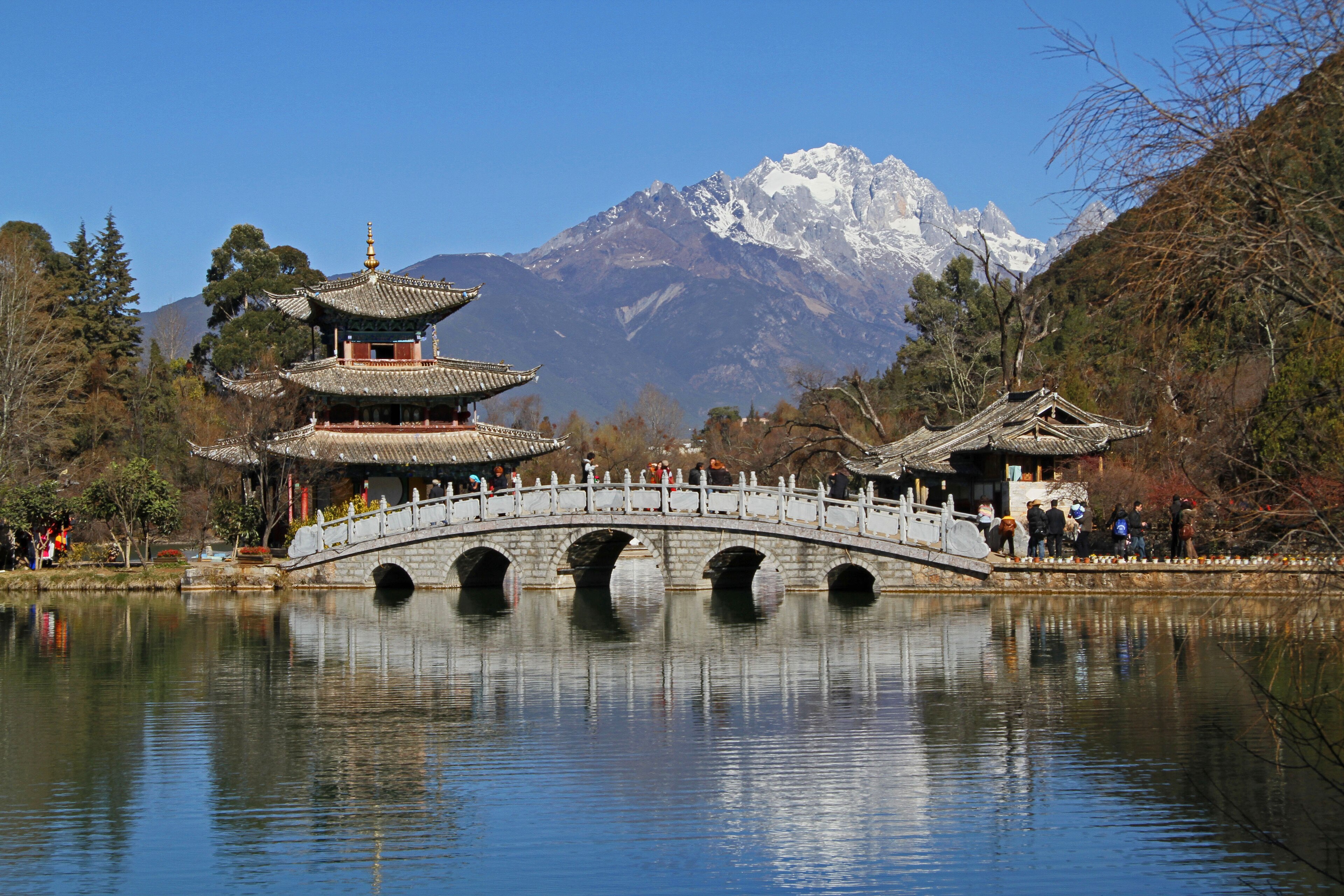
Why Lijiang is Perfect for Your Celebration
- UNESCO World Heritage Old Town provides a one-of-a-kind, photogenic backdrop for ceremonies and celebrations
- Traditional Naxi courtyard guesthouses and boutique heritage hotels offer intimate, character-rich event spaces
- Jade Dragon Snow Mountain creates a dramatic, snow-capped scenic backdrop visible from most venues
- Mild spring and autumn seasons deliver clear skies and comfortable temperatures ideal for outdoor events
- Rich Naxi cultural performances, local cuisine, and artisan crafts add authentic experiential layers for guests
- Relatively lower tourist density in shoulder seasons allows for more private, exclusive event experiences

Top Venues in Lijiang
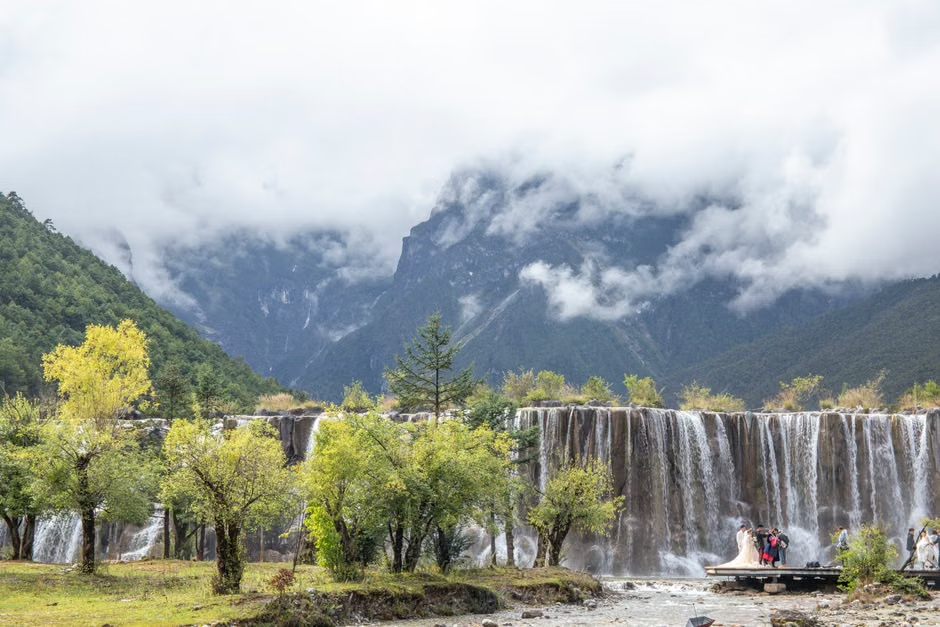
Banyan Tree Lijiang
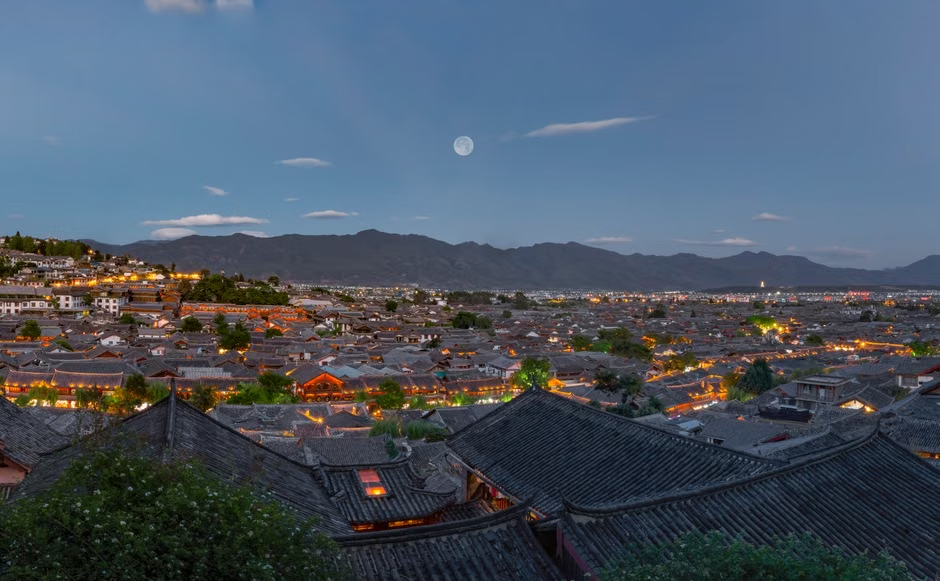
Intercontinental Lijiang Ancient Town Resort
Compare Lijiang with Other Top Destinations
Frequently Asked Questions
Is Lijiang a good destination for an intimate destination wedding?
Yes. Lijiang is particularly well-suited to intimate destination weddings, typically for groups of up to around 150–200 guests. Its UNESCO World Heritage ancient town, Naxi courtyard venues, and Jade Dragon Snow Mountain backdrop create a genuinely distinctive atmosphere. The destination's strength lies in character and cultural depth rather than large-scale banquet capacity, making it ideal for couples prioritising experience over scale.
What is the best time of year to hold a wedding or event in Lijiang?
Spring (March, April, May) and autumn (September, October, November) are the best periods. Both offer clear skies, mild temperatures, low humidity, and good visibility of Jade Dragon Snow Mountain. April, May, and October are generally the most reliable months. Summer (June–August) brings monsoon rains and is not recommended for outdoor events; winter (December–February) is cold and limits outdoor viability.
How do guests typically get to Lijiang for a destination event?
Most guests fly into Lijiang Sanyi International Airport, which connects to major Chinese cities including Kunming, Chengdu, Beijing, and Shanghai. International guests typically connect through Kunming or another major hub. High-speed rail from Kunming is also a practical option, taking roughly 3–4 hours. The airport is approximately 28 km from the Old Town, with taxis and shuttles available.
Do international guests need a visa to attend an event in Lijiang?
Yes. Most international visitors require a Chinese visa to enter mainland China, including Lijiang. Visa processing times and requirements vary by nationality. Event planners coordinating international guest lists should communicate visa requirements well in advance — typically at least 4–6 weeks before travel — and advise guests to check current requirements with their local Chinese embassy or consulate.
What kinds of event venues are available in Lijiang?
Lijiang offers two broad venue types: internationally branded resort properties on the city's outskirts, with dedicated ballrooms, outdoor lawns, and full catering infrastructure; and boutique heritage courtyard properties within the ancient town, offering intimate Naxi-architecture settings for smaller ceremonies and dinners. Outdoor lawn venues with mountain backdrops are a particular strength during the spring and autumn seasons.
Can Lijiang accommodate a large guest group's accommodation needs?
Lijiang can comfortably accommodate small-to-medium event groups. Branded resort properties can house a substantial number of guests under one roof, while the old town offers a wide range of boutique guesthouses for overflow accommodation. For very large groups (300+ guests), accommodation may need to be spread across multiple properties, which adds coordination complexity but is generally manageable with advance planning.
What makes Lijiang's local vendor ecosystem suited to events?
Lijiang has a well-developed local vendor base for weddings and celebrations, shaped by years of domestic tourism and growing destination wedding interest. Local florists, photographers, and decorators are experienced with celebration formats. Naxi cultural performers — traditional musicians and ceremony practitioners — are genuinely available and add authentic value. International-standard production is most reliably sourced through the branded resort properties.
Is altitude a concern for guests attending an event in Lijiang?
It can be. Lijiang sits at approximately 2,400 metres above sea level, and some guests — particularly those arriving from low-altitude cities — may experience mild altitude sickness symptoms such as headaches or fatigue in the first day or two. This is worth flagging in guest communications so attendees can arrive a day early to acclimatise and consult their doctor if they have relevant health conditions.
What is local transport like for a guest group once they arrive in Lijiang?
Within Lijiang, the ancient town core is pedestrianised, so guests staying inside the old town will navigate on foot over cobblestone lanes. Resort areas outside the old town are accessible by road. For group transfers between venues, scenic sites, and accommodation, private coaches or minibuses are the standard approach and are generally straightforward to arrange through local operators or the event venue.
Are there cultural experiences that can be incorporated into an event programme in Lijiang?
Yes, and this is one of Lijiang's genuine strengths. Naxi cultural elements — including traditional Dongba ceremony components, live Naxi orchestra performances, local craft workshops, and guided old town walks — can be meaningfully woven into multi-day event programmes. These are authentic, locally rooted experiences rather than generic tourist performances, and they add real distinctiveness to a Lijiang celebration.
What should event planners know about internet access in Lijiang?
China's internet restrictions mean many commonly used international apps — including Google Maps, WhatsApp, Instagram, and others — are inaccessible without a VPN. This affects both planners coordinating remotely and guests on the ground. It is important to brief international guests in advance, establish communication channels that function within China's network environment, and ensure any event coordination tools used are accessible from within China.

Ready to explore venues in Lijiang?
Lijiang: Destination Wedding & Cultural Event Venues in Yunnan
◆Lijiang is a UNESCO World Heritage ancient town in Yunnan Province, China, best suited to intimate weddings, cultural celebrations, and small-to-medium social events. Its primary vibe is Cultural & Timeless — defined by Naxi heritage architecture, cobblestone lanes, and the ever-present backdrop of Jade Dragon Snow Mountain. The best seasons to plan are spring (March–May) and autumn (September–November), when skies are clear and temperatures are comfortable. Accessibility is moderate: Lijiang Sanyi International Airport connects to major Chinese cities, and high-speed rail links to Kunming. International guests will need to factor in China visa requirements and limited direct international flight options.
Lijiang at a Glance
| Category | Detail |
|---|---|
| Best For | Intimate Weddings, Cultural Celebrations, Social Gatherings, Pre-Wedding Shoots |
| Primary Vibe | Cultural & Timeless |
| Other Vibes | Scenic & Mountain, Heritage & Boutique, Romantic & Intimate |
| Best Season | Spring (Mar, Apr, May, Sep, Oct, Nov) |
Why Choose Lijiang?
- UNESCO World Heritage setting: The Dayan Ancient Town is one of the best-preserved historic settlements in China, offering a genuinely rare and visually distinctive backdrop that no purpose-built event venue can replicate.
- Jade Dragon Snow Mountain as a natural centrepiece: The snow-capped peak is visible from much of the city and surrounding resort areas, providing a dramatic, photogenic horizon for outdoor ceremonies and pre-wedding photography.
- Naxi cultural depth: Lijiang is the heartland of the Naxi people, whose music, architecture, cuisine, and craft traditions can be woven meaningfully into event programmes — from traditional Dongba ceremony elements to live Naxi orchestra performances.
- Boutique and luxury resort diversity: The destination supports a range of event-capable properties, from internationally branded luxury resorts with dedicated event facilities to intimate heritage courtyard guesthouses suited to smaller, more private gatherings.
- Relatively manageable scale: Unlike China's mega-cities, Lijiang's compact geography means guests can move between the old town, resort areas, and scenic sites without long transfers — a practical advantage for multi-day event programmes.
- Mild, high-altitude climate in season: At roughly 2,400 metres above sea level, Lijiang's spring and autumn seasons offer genuinely comfortable daytime temperatures and low humidity — a meaningful contrast to the heat and monsoon conditions that affect many other event destinations during the same months.
Which Celebrations Work Best in Lijiang?
- Intimate Destination Weddings: Lijiang is particularly well-suited to smaller wedding parties — typically under 200 guests — where the emphasis is on atmosphere, cultural authenticity, and scenic beauty rather than large-scale banquet logistics. Courtyard venues and resort lawns with mountain views create ceremony settings that are genuinely hard to find elsewhere.
- Pre-Wedding Photography & Shoots: The combination of ancient town architecture, alpine meadows, and Jade Dragon Snow Mountain makes Lijiang one of China's most popular pre-wedding photography destinations. Couples planning a destination event here often extend their stay specifically for this purpose.
- Cultural & Heritage Celebrations: Milestone anniversaries, family reunions, and cultural ceremonies that benefit from a historically rich, non-generic setting find Lijiang a natural fit. The Naxi cultural ecosystem adds layers of authentic local experience that generic resort destinations cannot offer.
- Corporate Retreats & Social Gatherings: Small-to-medium corporate groups seeking an offsite retreat with genuine experiential programming — local craft workshops, guided old town walks, mountain excursions — will find Lijiang's hospitality infrastructure capable of supporting well-organised group programmes.
Venues & Event Spaces
Lijiang's event venue landscape divides broadly into two categories: internationally branded resort properties on the city's outskirts, and boutique heritage properties within or immediately adjacent to the ancient town itself.
The resort properties typically offer the most conventional event infrastructure — dedicated ballrooms, outdoor lawns, catering teams experienced with larger groups, and accommodation blocks that can house a substantial guest list under one roof. These venues are generally better suited to weddings and corporate events where logistical coordination and capacity are priorities.
Heritage courtyard properties within the old town offer a fundamentally different experience: smaller, more atmospheric spaces with traditional Naxi wooden architecture, stone courtyards, and an intimate scale that suits ceremonies and dinners of up to roughly 80–120 guests. These properties trade scale for character, and for many couples planning a destination wedding in Lijiang, that trade-off is precisely the point.
Outdoor event spaces — including resort lawns with mountain backdrops and terraced garden areas — are a genuine strength of the destination during the spring and autumn seasons, when weather conditions are reliably suitable for al fresco ceremonies and receptions. The high-altitude setting means evenings can turn cool even in the best months, so event planners should factor in heating or transitional indoor options for later-evening programmes.
Best Time to Celebrate
The curated best seasons for Lijiang events are spring (March, April, May) and autumn (September, October, November). Both windows share similar advantages: clear skies, low humidity, comfortable daytime temperatures typically ranging from around 12°C to 22°C, and good visibility of Jade Dragon Snow Mountain — which can be obscured by cloud and rain during the monsoon months.
Spring additionally brings wildflower blooms across the surrounding alpine meadows and a general freshness to the landscape after winter. March can still carry some overnight chill, but April and May are widely considered the most reliably pleasant months for outdoor events.
Autumn (September–November) offers similarly stable conditions, with the added visual appeal of changing foliage in the surrounding hills. October is generally the most popular month for events, with November remaining viable though temperatures begin to drop noticeably toward month's end.
Summer (June–August) is Lijiang's monsoon season. Rainfall is frequent, trails become muddy, and the old town can feel crowded with domestic tourists. Outdoor ceremonies carry meaningful weather risk, and the mountain views that define much of Lijiang's visual appeal are frequently obscured. This period is generally not recommended for outdoor-focused events.
Winter (December–February) brings cold temperatures, occasional frost, and limited outdoor viability at Lijiang's altitude. Some indoor events are feasible, and the destination has a quieter, more private character in winter — but the scenic and outdoor elements that make Lijiang distinctive are significantly diminished.
Getting There & Local Connectivity
Lijiang is served by Lijiang Sanyi International Airport, which connects to major Chinese cities including Kunming, Chengdu, Beijing, Shanghai, and Guangzhou. Direct international flights are limited; most international guests will connect through Kunming or another major Chinese hub. The airport is approximately 28 km from the Old Town, with taxi and shuttle services available.
High-speed rail has significantly improved Lijiang's ground connectivity in recent years. The Lijiang Railway Station connects to Kunming via a relatively fast rail link, making it a practical option for guests travelling from elsewhere in Yunnan or from Kunming's international airport. The journey from Kunming to Lijiang by high-speed train takes roughly 3–4 hours.
Within Lijiang, the ancient town itself is largely pedestrianised — vehicles cannot enter the core old town area, which is both a charm and a logistical consideration for groups with luggage or mobility needs. Resort properties outside the old town are accessible by road. For multi-day event programmes involving transfers between the old town, resort areas, and scenic sites such as Jade Dragon Snow Mountain, coordinating private coaches or minibuses is standard practice and generally straightforward to arrange through local operators.
International guests should note that China's internet restrictions mean many commonly used apps (Google Maps, WhatsApp, Instagram, etc.) are inaccessible without a VPN. Event planners coordinating with international guests should brief them on this in advance and establish communication channels that function within China's network environment.
Local Vendor & Hospitality Ecosystem
Lijiang has a well-developed hospitality ecosystem by the standards of a smaller Chinese destination city, driven by decades of domestic tourism and a growing interest in destination weddings among Chinese couples. Local vendors — including florists, photographers, catering specialists, and event decorators — are generally experienced with wedding and celebration formats, particularly those drawing on Naxi cultural aesthetics.
International-standard event production (large AV rigs, international cuisine catering, multilingual coordination teams) is more readily available at the branded resort properties than through independent local vendors. Couples or planners expecting a fully international production standard should confirm vendor capabilities directly with their chosen venue, as the local independent vendor market is more oriented toward domestic event styles.
Naxi cultural performers — including traditional music ensembles and Dongba ceremony practitioners — are genuinely available and add authentic experiential value to event programmes. This is a meaningful differentiator for Lijiang compared to destinations where cultural elements are more superficial or staged for tourism.
Food and beverage offerings in Lijiang span local Yunnan cuisine (known for its diversity and freshness, including distinctive mushroom, herb, and cured meat traditions) through to more standard Chinese banquet formats at larger venues. International menu options are available at branded resort properties but are less a strength of the destination than its local culinary identity.
Pros & Things to Consider
Why Lijiang Works Well
- Genuinely unique UNESCO World Heritage setting that no purpose-built venue can replicate
- Jade Dragon Snow Mountain provides a dramatic, iconic scenic backdrop across the destination
- Rich Naxi cultural ecosystem enables authentic, meaningful event programming beyond standard décor
- Mild, comfortable climate during spring and autumn seasons with low humidity and clear skies
- Range of venue types — from luxury resort ballrooms to intimate heritage courtyards — suits different event scales and styles
- Compact geography makes multi-day event logistics manageable for guests
- Relatively quieter and more private than China's major metropolitan event destinations
Things to Consider
- International guest access requires China visas and typically involves connecting flights — this adds meaningful logistical complexity for events with a significant international guest list
- China's internet restrictions affect commonly used communication and navigation apps; guests and planners need to prepare accordingly
- The pedestrianised old town core creates luggage and mobility challenges for guests staying within the ancient town area
- High altitude (approximately 2,400 m) can cause mild altitude sickness in some guests, particularly those arriving from sea-level cities — worth flagging in guest communications
- Evening temperatures drop noticeably even in the best seasons; outdoor evening events require heating provisions
- Large-scale events (500+ guests) may find the local venue inventory limiting compared to major Chinese city destinations
- International-standard vendor production is primarily concentrated at branded resort properties; independent vendor quality varies
When Lijiang May Not Be the Right Fit
- Large guest lists (300+ guests): Lijiang's venue inventory is strongest for intimate to medium-scale events. Couples or planners needing very large banquet capacity across a single venue may find the local options limiting.
- Predominantly international guest lists: The China visa requirement, limited direct international flights, and internet restrictions create a meaningful friction layer for events where most guests are travelling from outside China. A destination with simpler international access may serve those groups better.
- Monsoon-season outdoor events: Planning an outdoor ceremony or reception between June and August carries genuine weather risk. If outdoor settings are central to the event vision and dates cannot be moved to spring or autumn, Lijiang is not the right choice for that period.
- Guests with significant mobility limitations: The cobblestone lanes of the ancient town, the pedestrianised core, and the high-altitude terrain can be genuinely challenging for elderly guests or those with mobility difficulties. A flatter, more accessible destination would serve such groups more comfortably.