
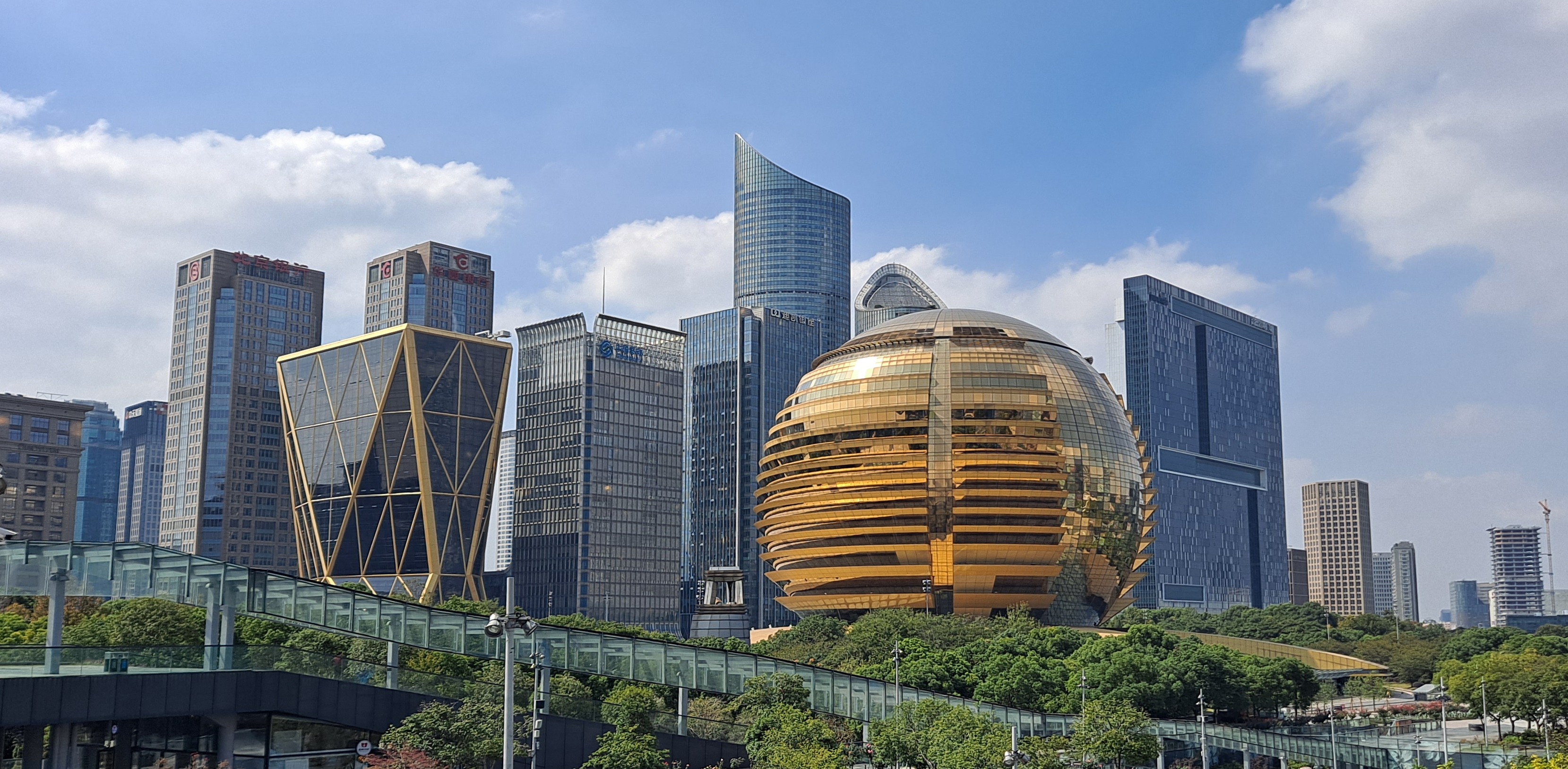
Why Hangzhou is Perfect for Your Celebration
- West Lake provides an unmatched natural backdrop for lakeside ceremonies and photography
- Rich silk and tea culture adds unique, authentic local flavour to wedding experiences
- Excellent high-speed rail connectivity from Shanghai makes guest travel seamless
- Mature luxury hospitality sector with international-brand hotels offering full event services
- Classical Chinese gardens and pavilions create naturally photogenic ceremony settings
- Spring cherry blossoms and autumn foliage offer spectacular seasonal event backdrops

Top Venues in Hangzhou
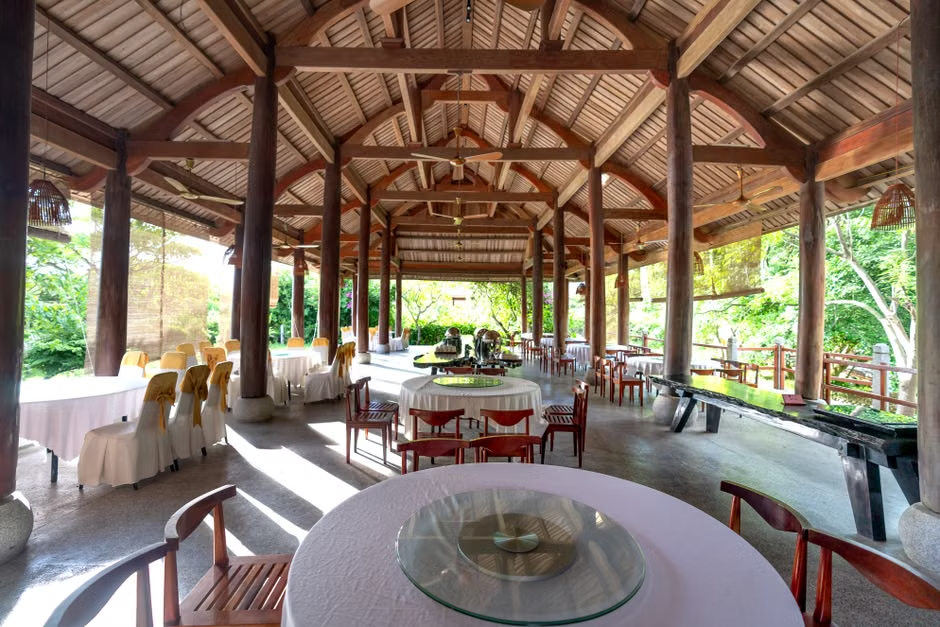
Amanfayun
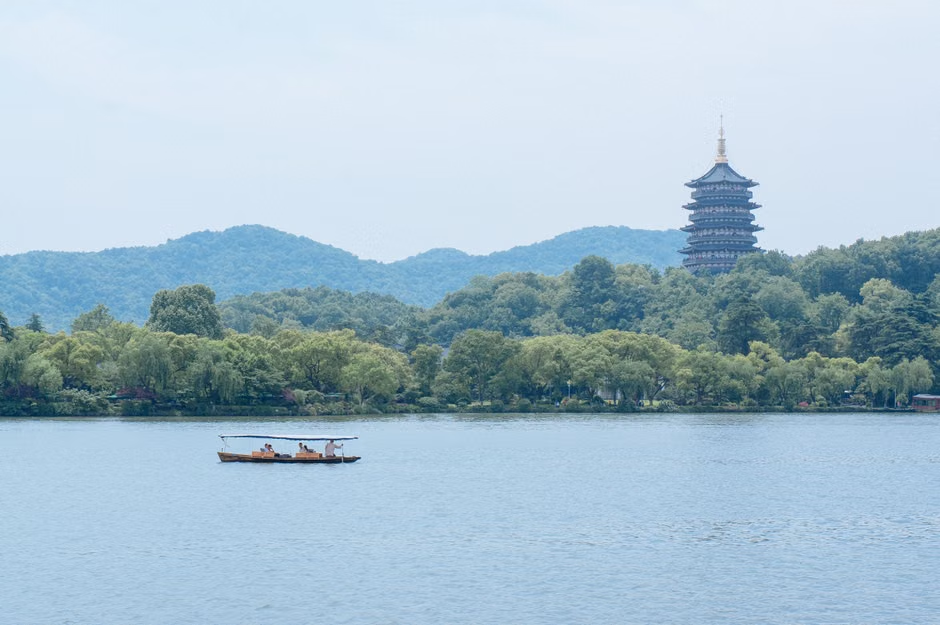
Four Seasons Hotel Hangzhou at West Lake
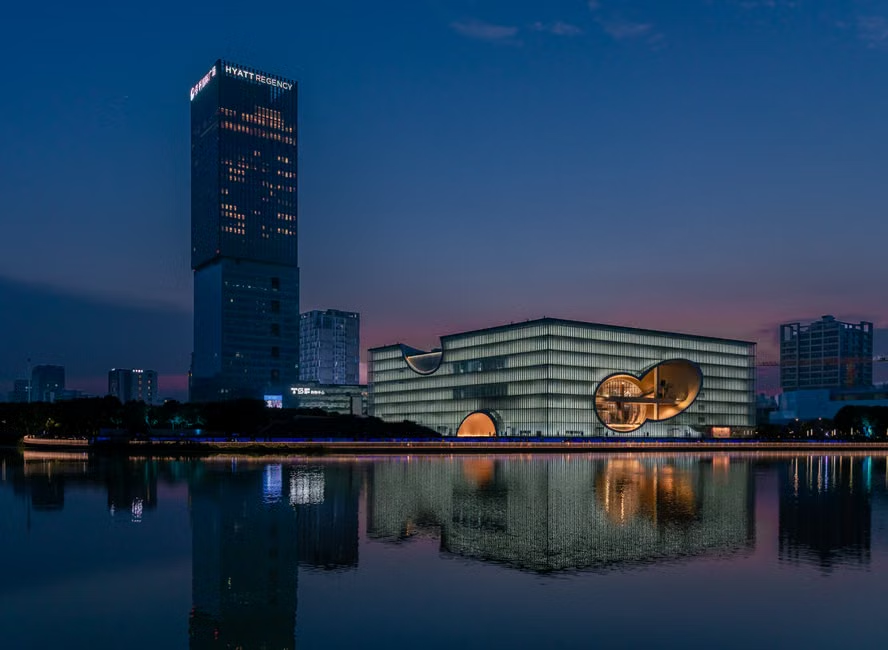
Hyatt Regency Hangzhou
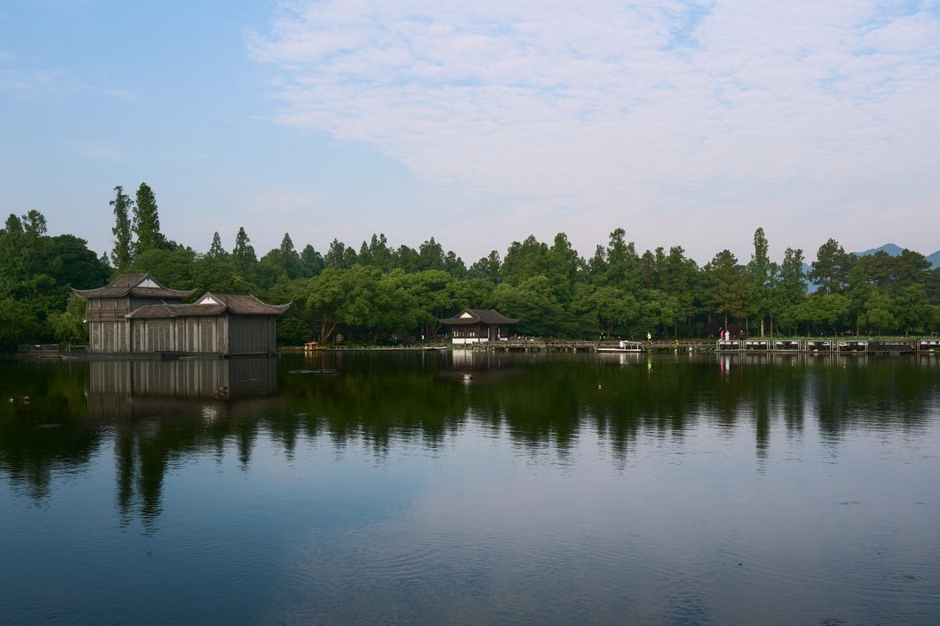
Sofitel Hangzhou Westlake
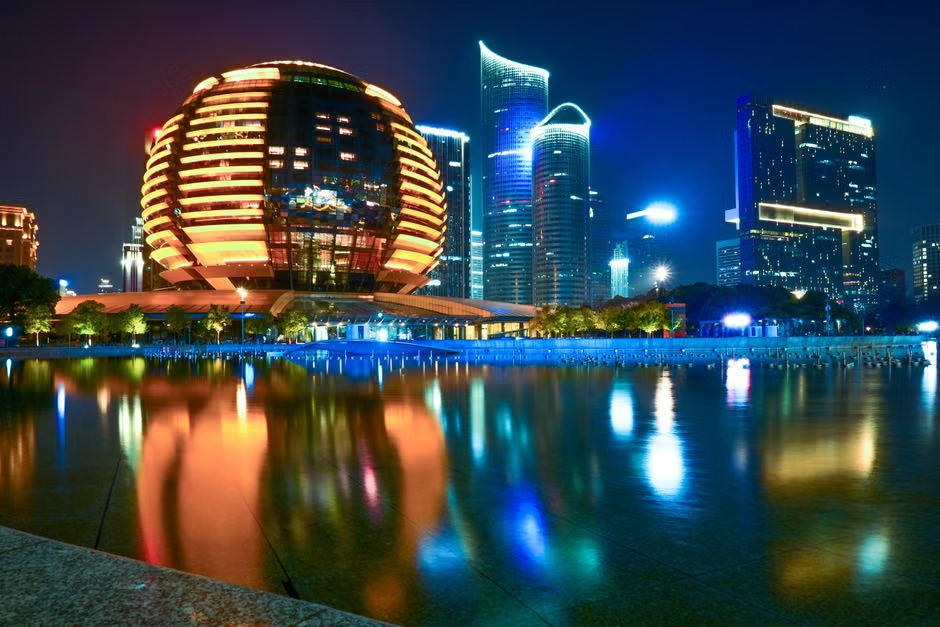
InterContinental Hangzhou
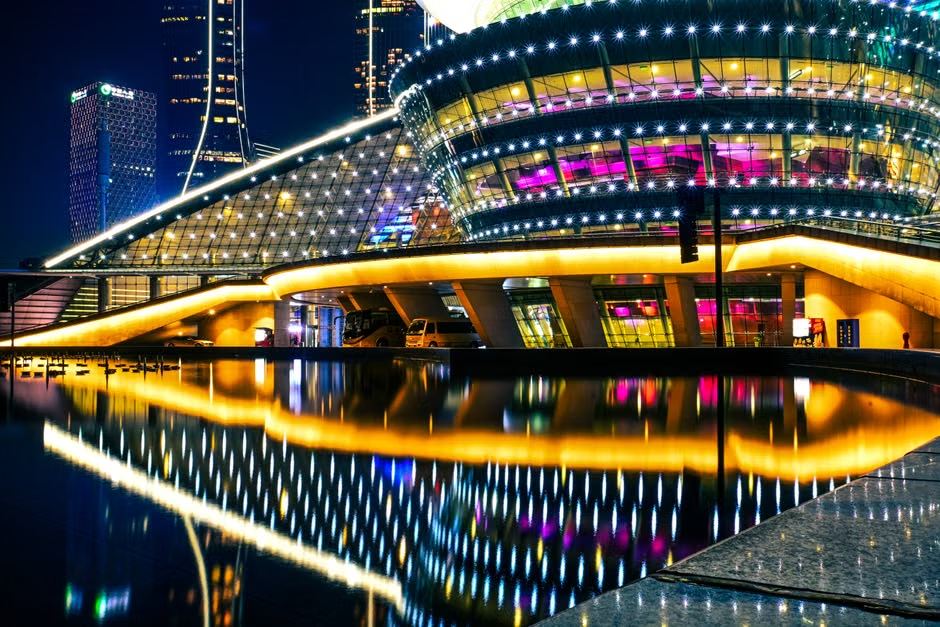
Wyndham Grand Hangzhou
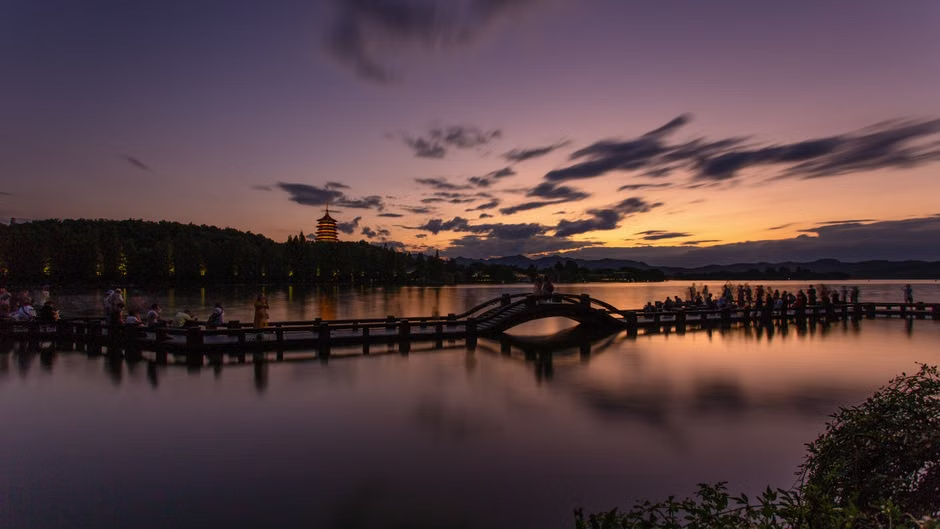
Novotel Hangzhou
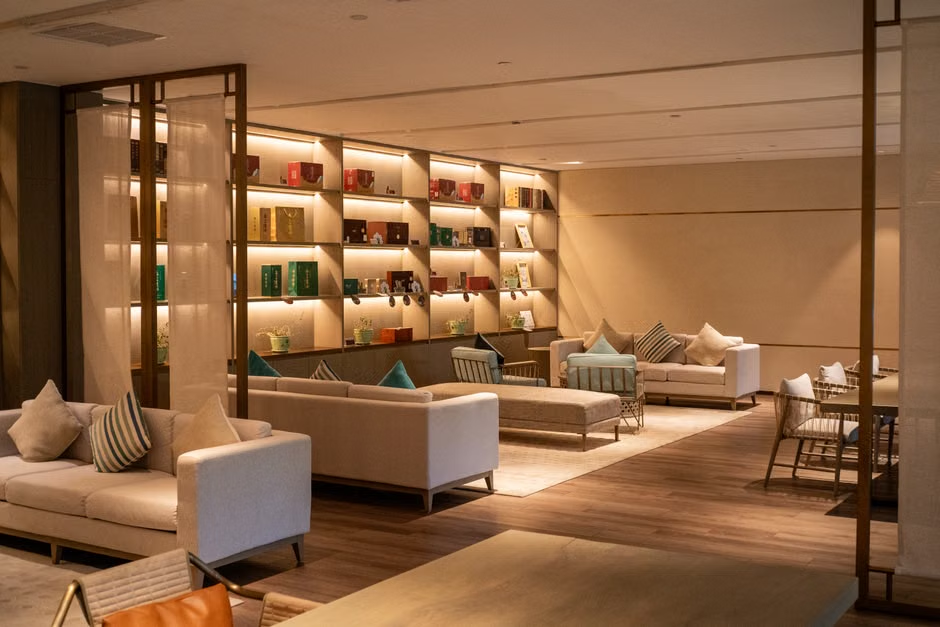
Holiday Inn Hangzhou Xiaoshan
Compare Hangzhou with Other Top Destinations
Frequently Asked Questions
Is Hangzhou a good destination for a wedding celebration?
Yes. Hangzhou is particularly well-suited to romantic, visually driven weddings. West Lake, classical gardens, and luxury lakeside resort properties create a genuinely distinctive setting. The city's hospitality sector has experience coordinating multi-day wedding programmes, and spring and autumn seasons offer ideal outdoor conditions. It works best for couples who want cultural depth and scenic beauty as central elements of their celebration.
What is the best time of year to hold an event in Hangzhou?
Spring (March to May) and autumn (September to November) are the best periods. Spring brings cherry blossoms and mild temperatures around West Lake; autumn offers comfortable weather and golden foliage. Both seasons are visually spectacular for outdoor events. Summer (June–August) should be avoided due to extreme heat, humidity, and typhoon-season rainfall, and winter (December–February) is cold and damp.
How do guests typically travel to Hangzhou for a destination event?
Most guests arrive via Hangzhou Xiaoshan International Airport, which handles domestic routes and some international connections. Guests from Shanghai — the most common transit point for international arrivals — typically take the high-speed rail, which takes approximately 45 minutes from Shanghai Hongqiao. The combination of air and high-speed rail access makes Hangzhou one of the more guest-friendly destination cities in eastern China.
What guest group sizes can Hangzhou venues realistically accommodate?
Hangzhou's venue inventory is strongest for groups of roughly 50 to 400 guests. Intimate celebrations of 50–150 guests are particularly well-served by the city's boutique lakeside and garden-style properties. Larger events up to 400–500 guests can be accommodated within the grand ballrooms of major international hotel properties. Events requiring a single venue for 600 or more guests may find the local inventory more constrained.
What kinds of event spaces are available in Hangzhou?
Hangzhou offers lakeside resort lawns and terraces with West Lake views, classical Chinese garden settings with pavilions and moon gates, grand hotel ballrooms within internationally operated properties, boutique heritage-style venues within the West Lake Cultural Landscape, and outdoor tea plantation settings in the surrounding hills. The range suits both intimate ceremonies and larger seated banquets, with the strongest inventory in the luxury resort category.
How far in advance should we book for a Hangzhou event?
For events during peak spring (April) or autumn (October, particularly around Golden Week), booking 12 months or more in advance is strongly advisable. Demand from domestic Chinese travellers and event groups is high during these periods, and preferred lakeside venues and accommodation blocks fill quickly. For events in shoulder months like March, May, September, or November, a 6–9 month lead time is generally more workable.
Is Hangzhou suitable for corporate retreats and incentive travel?
Yes. Hangzhou is a strong corporate retreat destination. Its luxury hotels offer well-equipped meeting and conference facilities, and the city's cultural programming — tea plantation visits, West Lake boat experiences, silk museum tours — provides genuine experiential value for incentive groups. Hangzhou's own identity as a major technology and commerce hub, home to Alibaba's headquarters, also gives it natural credibility as a corporate destination.
What local cultural elements can be incorporated into an event programme in Hangzhou?
Hangzhou's cultural identity offers several genuinely distinctive programming options: traditional Longjing tea ceremonies using locally harvested Dragon Well tea, silk-themed décor and gifts drawing on the city's centuries-old silk weaving heritage, classical Chinese garden banquets, West Lake evening boat cruises, and traditional music or dance performances. These elements feel authentic to the destination rather than generic, and local vendors and hotel event teams are experienced in incorporating them.
How easy is it for international guests to navigate Hangzhou?
Hangzhou is generally safe and well-organised, but international guests should be prepared for limited English signage and fewer English-speaking service staff outside major hotels compared to Shanghai or Beijing. China's digital ecosystem — payment apps, navigation tools, and internet restrictions affecting social media and communication apps — requires advance preparation, including VPN access. Working through a bilingual local event coordinator significantly smooths the experience for international guest groups.
What is local transport like for a group once guests arrive in Hangzhou?
The West Lake area is compact, and guests staying in the main hotel cluster can reach most venues on foot or by short taxi ride. Hangzhou has a metro system connecting the airport, railway stations, and key districts. For group transfers, private coach and minibus hire is readily available through hotels and local event coordinators. Ride-hailing apps (local Chinese equivalents) are widely used, though English-language interfaces may require some setup in advance.
Does Hangzhou work well for smaller, more intimate celebrations?
Yes, particularly well. Hangzhou's boutique lakeside properties, classical garden venues, and heritage-style accommodations are genuinely well-suited to intimate guest lists of 20–100 people. The city's romantic and serene character — quiet lake walks, private tea experiences, garden settings — makes it an excellent choice for anniversary dinners, vow renewals, milestone birthdays, or honeymoon-adjacent celebrations where atmosphere and exclusivity matter more than scale.

Ready to explore venues in Hangzhou?
Hangzhou: Destination Wedding & Event Venues in Zhejiang, China
◆Hangzhou is one of China's premier romantic event destinations, best known for West Lake, classical gardens, and a refined cultural atmosphere that suits intimate weddings, honeymoon-adjacent celebrations, and upscale corporate retreats. The city's primary vibe is romantic and dreamy, anchored by lakeside scenery, silk heritage, and tea culture. Spring (March–May) and autumn (September–November) are the clear best seasons, offering mild weather and spectacular natural colour. Hangzhou is highly accessible via high-speed rail from Shanghai and a well-connected international airport, making guest logistics straightforward for both domestic Chinese guests and international visitors transiting through major hubs.
Hangzhou at a Glance
| Category | Detail |
|---|---|
| Best For | Destination Weddings, Honeymoon Celebrations, Corporate Retreats, Intimate Milestone Events |
| Primary Vibe | Romantic & Dreamy |
| Other Vibes | Cultural, Serene, Garden-Inspired, Refined |
| Best Season | Spring (Mar, Apr, May, Sep, Oct, Nov) |
Why Choose Hangzhou?
- West Lake as a natural centrepiece: Few destinations in Asia offer a UNESCO-recognised scenic lake as an immediate backdrop for ceremonies, photography, and evening cruises — West Lake is genuinely distinctive and not replicable elsewhere.
- Mature luxury hospitality infrastructure: Hangzhou hosts internationally operated luxury properties with dedicated event and wedding planning teams, full catering capabilities, and multi-day accommodation blocks suited to destination celebrations.
- Exceptional transport connectivity: High-speed rail places Hangzhou roughly 45 minutes from Shanghai, and Hangzhou Xiaoshan International Airport handles direct international routes, making it one of the more accessible second-tier Chinese cities for a mixed domestic and international guest list.
- Authentic cultural depth: Silk weaving, Longjing (Dragon Well) tea culture, classical Chinese garden design, and traditional pavilion architecture give Hangzhou a genuinely distinctive cultural identity that can be woven into event programming — tea ceremonies, silk-themed décor, and garden banquets all feel natural here rather than contrived.
- Seasonal natural spectacle: Spring cherry blossoms around West Lake and autumn foliage across the surrounding hills create naturally photogenic conditions that require minimal additional décor investment to achieve a visually stunning event.
- Relatively manageable city scale: Unlike Beijing or Shanghai, Hangzhou's more compact tourist and hospitality zone means guests are not spread across a vast metropolitan area — the West Lake district concentrates most premium venues, restaurants, and attractions within a navigable radius.
Which Celebrations Work Best in Hangzhou?
- Destination Weddings: Hangzhou is particularly well-suited to romantic, visually driven weddings where scenery and cultural atmosphere are central to the experience. Lakeside ceremonies, garden receptions, and pavilion banquets are all genuinely achievable here, and the local hospitality sector has experience coordinating multi-day wedding programmes for both Chinese and international couples.
- Honeymoon Celebrations & Intimate Milestone Events: The city's romantic character — quiet lake walks, private tea experiences, classical garden settings — makes it an excellent choice for smaller, more intimate celebrations such as anniversary dinners, vow renewals, or milestone birthday gatherings where atmosphere matters more than scale.
- Corporate Retreats & Incentive Travel: Hangzhou's combination of luxury hotel meeting infrastructure, scenic surroundings, and cultural programming options (tea plantation visits, silk museum tours, West Lake boat experiences) makes it a strong choice for corporate groups seeking a retreat that balances business sessions with genuine experiential value. The city's own identity as a major technology and commerce hub (home to Alibaba's headquarters) also gives it credibility as a corporate destination.
- Cultural & Heritage Celebrations: Events that deliberately incorporate Chinese cultural elements — traditional tea ceremonies, silk-themed décor, classical music performances, or garden-style banquets — find Hangzhou a natural and authentic setting rather than a forced one.
Venues & Event Spaces
Hangzhou's event venue landscape is anchored by its luxury resort and hotel sector, which clusters most heavily around the West Lake area and extends into surrounding districts. Guests can expect a range of venue types including:
- Lakeside resort properties with private lawns, terraces, and pavilions offering direct or near-direct views of West Lake — these are among the most sought-after settings for outdoor ceremonies and cocktail receptions.
- Classical garden venues featuring traditional Chinese landscaping, moon gates, koi ponds, and covered walkways that create a naturally photogenic environment requiring minimal additional decoration.
- Grand hotel ballrooms within internationally operated properties, capable of accommodating larger seated banquets and receptions with full audio-visual, catering, and event coordination services.
- Boutique heritage-style properties set within or adjacent to the West Lake Cultural Landscape, offering a more intimate, immersive atmosphere suited to smaller guest lists seeking privacy and exclusivity.
- Outdoor tea plantation settings in the hills surrounding the city, particularly around the Longjing area, which can be used for daytime events, pre-wedding shoots, or informal group experiences as part of a multi-day celebration programme.
In general, Hangzhou's venue inventory is strongest for groups in the range of 50 to 400 guests. Very large-scale events requiring simultaneous accommodation of 800 or more guests in a single venue may find the local inventory somewhat more constrained than in a major metropolitan centre, though multi-venue programmes across adjacent properties are a practical solution.
Best Time to Celebrate
The curated best season for Hangzhou events is Spring (March, April, May) and Autumn (September, October, November), and this reflects genuine on-the-ground conditions rather than a generic recommendation.
- March and April bring cherry blossoms, plum blossoms, and fresh greenery around West Lake, with daytime temperatures typically in the comfortable 12°C–22°C range. This is widely considered the most visually spectacular time to hold an outdoor event in Hangzhou, though it is also a popular domestic tourism period, so advance planning is essential.
- May extends the pleasant spring conditions with slightly warmer temperatures before the summer humidity begins to build. Longjing tea harvest season peaks in April and early May, adding a culturally rich dimension to event programming.
- September and October are arguably the most reliably comfortable months for events. Summer heat and typhoon-season rainfall have typically subsided by mid-September, and autumn foliage begins to colour the surrounding hills through October, creating a warm, golden visual atmosphere. Temperatures in the 18°C–28°C range are common.
- November remains pleasant in the early part of the month but cools noticeably toward December. Late autumn foliage can still be striking, but evening events may require heating provisions as temperatures drop.
Seasons to avoid: June through August brings Hangzhou's hottest and most humid conditions, with temperatures regularly exceeding 35°C and significant rainfall associated with the plum rain season (Meiyu) in June and typhoon-adjacent weather in July and August. Outdoor events during this period are genuinely uncomfortable and logistically risky. December through February brings cold, damp winters with temperatures that can approach or dip below freezing — not impossible for indoor events, but the scenic outdoor character that defines Hangzhou's appeal is largely absent.
Getting There & Local Connectivity
Hangzhou is among the better-connected second-tier Chinese cities for event guests. Hangzhou Xiaoshan International Airport handles a meaningful volume of international routes, with connections to major Asian hubs and some direct long-haul services. Guests travelling from further afield typically transit through Shanghai Pudong or Beijing Capital, both of which have strong onward connections to Hangzhou by air or high-speed rail.
High-speed rail is the preferred and most practical option for guests travelling from Shanghai, with journey times of approximately 45 minutes on the fastest services from Shanghai Hongqiao. This makes Hangzhou genuinely day-trip accessible from Shanghai, and many international guests choose to fly into Shanghai and take the train onward — a smooth, well-signposted journey even for first-time visitors to China.
Within the city, the West Lake area is compact enough that guests staying in the main hotel cluster can reach most ceremony and reception venues on foot or by short taxi ride. Hangzhou has a functioning metro system that connects the airport, railway stations, and key districts, and ride-hailing apps (local equivalents) are widely available. For group transfers between venues or from the airport, private coach and minibus hire is readily available through hotels and local event coordinators. Navigation apps in Chinese are essential for drivers, and event planners should factor in that English signage and English-speaking taxi drivers are less common here than in Shanghai or Beijing.
Local Vendor & Hospitality Ecosystem
Hangzhou has a well-developed hospitality and event services ecosystem, particularly within the luxury hotel sector. International-brand properties typically offer in-house event coordination, preferred vendor lists, and established relationships with local florists, photographers, audio-visual suppliers, and catering teams. For couples or planners working with these properties, the vendor ecosystem is generally reliable and experienced with both Chinese-style and Western-influenced celebrations.
Outside the major hotel properties, the independent vendor market — specialist wedding planners, boutique florists, bespoke décor suppliers — is active and growing, reflecting Hangzhou's status as a prosperous, culturally sophisticated city with a domestic appetite for premium celebrations. Silk-based décor, traditional Chinese floral arrangements, and locally sourced Longjing tea as a guest gift or ceremony element are all genuinely available through local suppliers.
For international couples or planners, it is worth noting that English-language communication with independent vendors can be inconsistent, and working through a bilingual local event coordinator or the hotel's own events team is strongly advisable. Food and beverage quality at the luxury hotel level is generally high, with strong Chinese banquet cuisine as the natural anchor and Western menu options available at most international-brand properties.
Pros & Things to Consider
Why Hangzhou Works Well
- West Lake provides a genuinely world-class, UNESCO-recognised scenic backdrop that is difficult to replicate elsewhere
- Strong high-speed rail connectivity from Shanghai makes guest travel straightforward and relatively quick
- Mature luxury hotel sector with experienced in-house event teams reduces coordination complexity
- Spring and autumn seasons offer reliably pleasant weather with spectacular natural colour
- Rich local cultural programming options (tea, silk, classical gardens) add authentic depth to multi-day event programmes
- City is generally very safe and well-organised, with good infrastructure for group travel
Things to Consider
- Summer months (June–August) are genuinely unsuitable for outdoor events due to heat, humidity, and typhoon-season rainfall — seasonal planning is non-negotiable here
- English-language communication outside major hotels can be limited, making a bilingual local coordinator important for international planners
- West Lake area venues are in high demand during peak spring and autumn seasons, particularly around national holidays (Golden Week in early October) — early booking, often 12+ months in advance, is advisable
- Very large events (500+ guests requiring single-venue accommodation) may find the local inventory somewhat more constrained than in a major metropolitan centre
- International guests unfamiliar with China's digital ecosystem (payment apps, navigation tools, internet restrictions) may need additional orientation support — VPN access for social media and communication apps requires advance planning
- Airport transfer times of approximately 30–45 minutes from Xiaoshan Airport to the West Lake area should be factored into arrival and departure logistics for large groups
When Hangzhou May Not Be the Right Fit
- Outdoor-focused events planned for summer: If the event concept depends heavily on outdoor spaces and the dates fall between June and August, Hangzhou's heat, humidity, and rainfall risk make it a genuinely poor seasonal fit — a different season or a different destination with a more forgiving summer climate would serve better.
- Very large-scale events (600+ guests, single venue): Couples or planners requiring a single venue to accommodate a very large guest list under one roof may find Hangzhou's inventory less suited than a larger metropolitan destination with purpose-built convention and banquet facilities at that scale.
- Guests with limited China travel experience and no local support: International guest groups unfamiliar with navigating China's digital and logistical environment — payment systems, internet access, language barriers — may find the experience more demanding than a destination with broader English-language infrastructure, unless a strong local coordinator is in place.
- Events requiring a very short planning lead time during peak season: If the preferred dates fall in April, October, or around Chinese national holidays, and the planning window is less than six to nine months, securing preferred venues and accommodation blocks may be genuinely difficult given high domestic demand during these periods.