
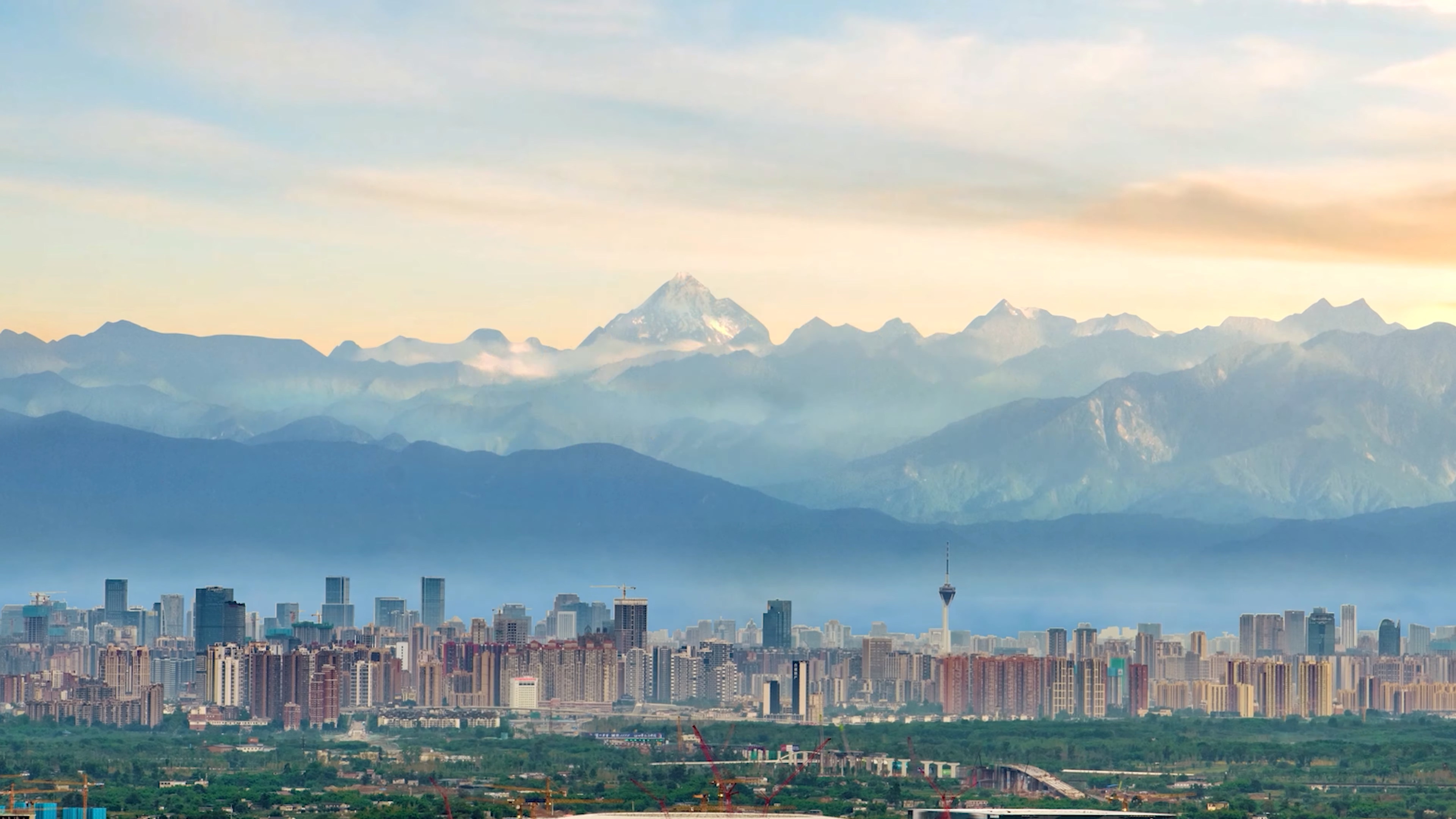
Why Chengdu is Perfect for Your Celebration
- Two international airports ensure seamless arrival for domestic and overseas guests
- World-class hotel ballrooms and convention centres accommodate events of all scales
- Sichuan's legendary cuisine and banqueting culture elevate every celebration
- Mild, comfortable weather during Oct–Mar makes outdoor and indoor events equally viable
- Rich cultural experiences — panda bases, ancient Jinli Street, Wuhou Shrine — create memorable guest programmes
- A mature, professional MICE and events industry with experienced local vendors and planners

Top Venues in Chengdu
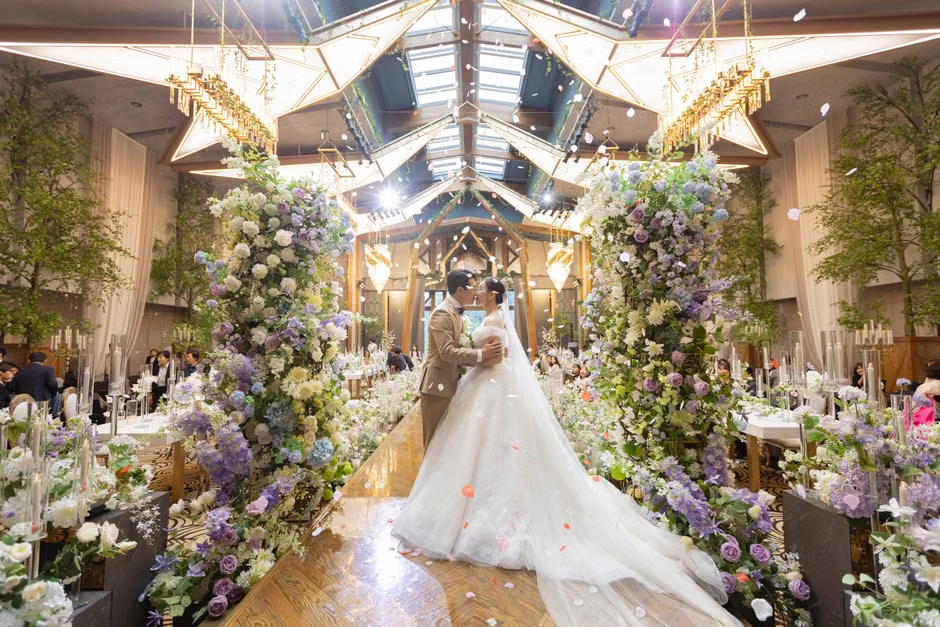
The Ritz-Carlton, Chengdu
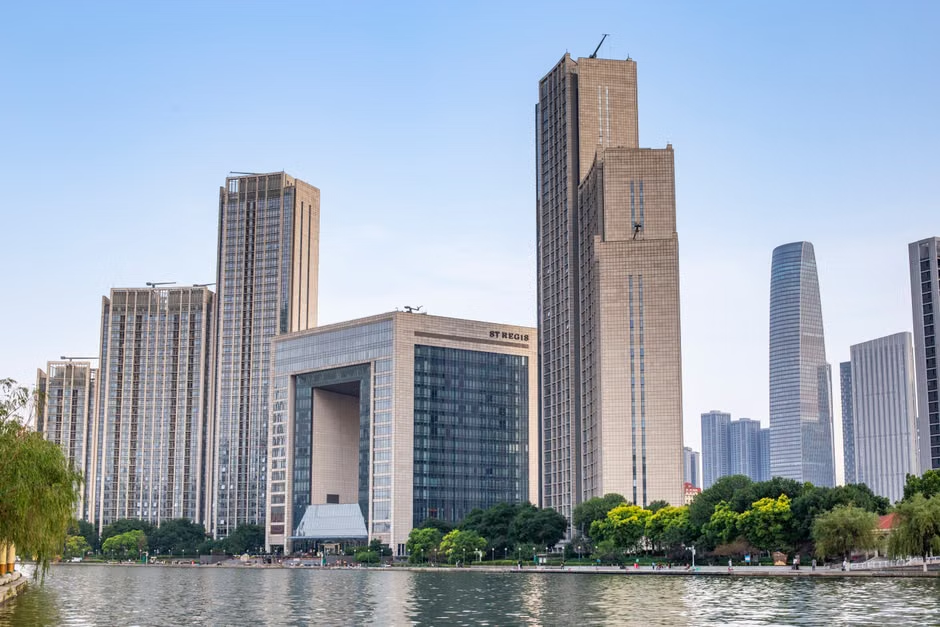
St. Regis Chengdu
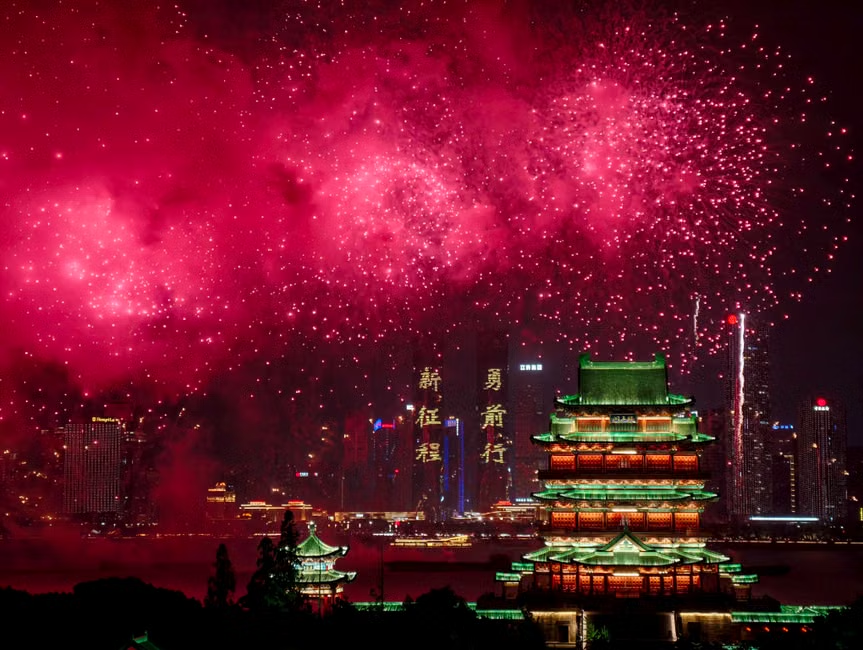
InterContinental Chengdu Global Centre
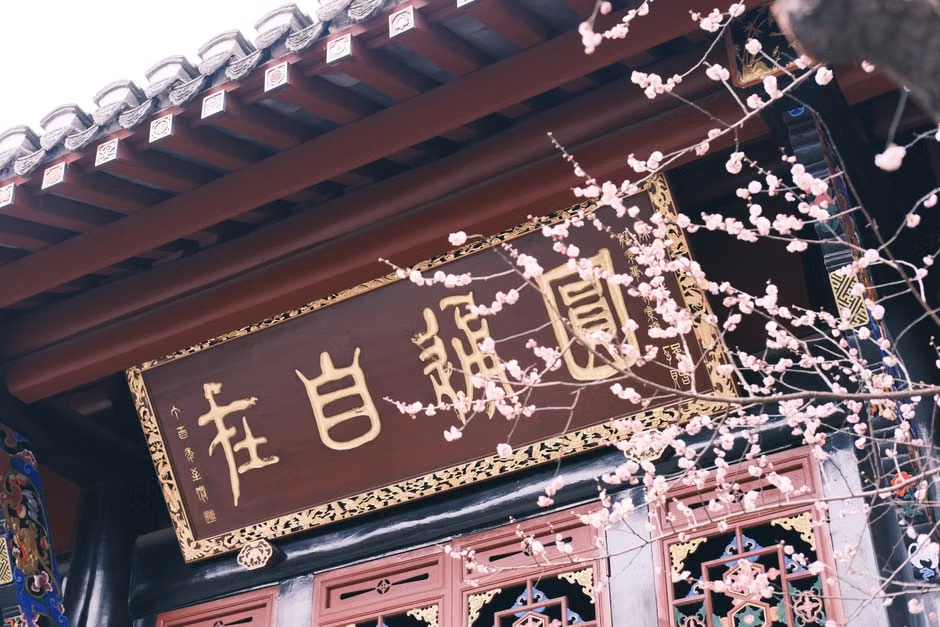
Waldorf Astoria Chengdu
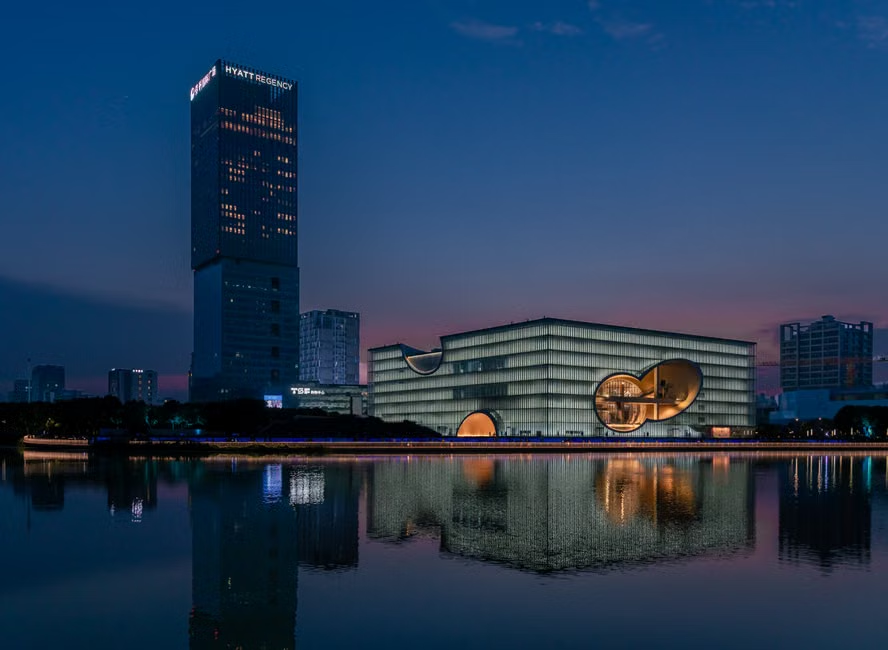
Hyatt Regency Chengdu
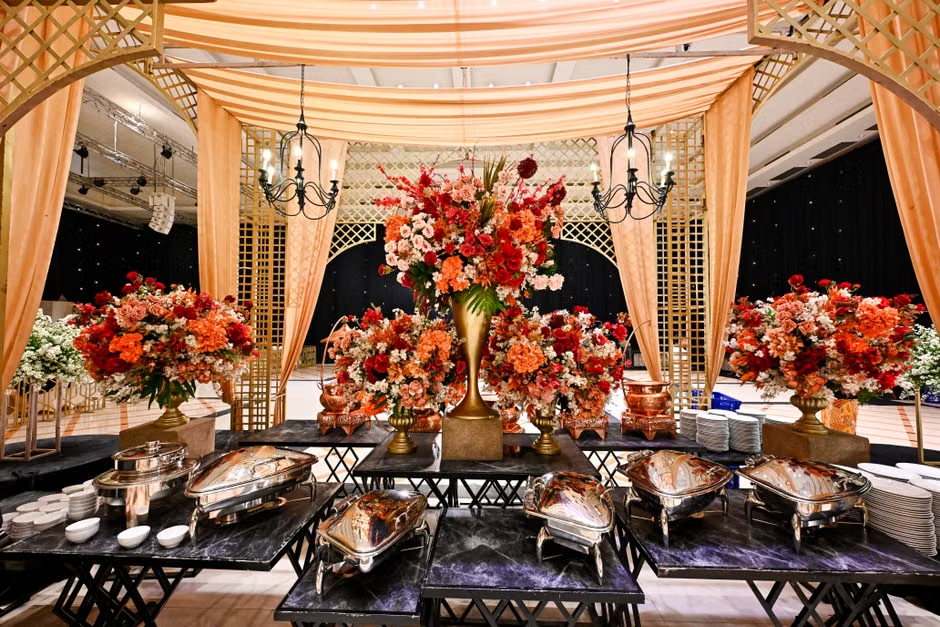
Wanda Reign Chengdu
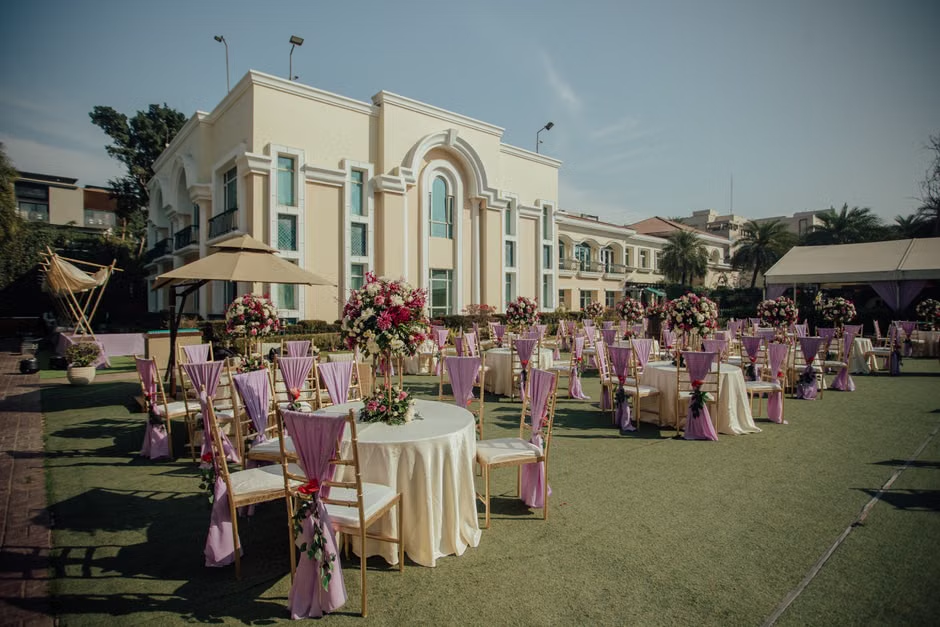
Sheraton Chengdu Lido Hotel
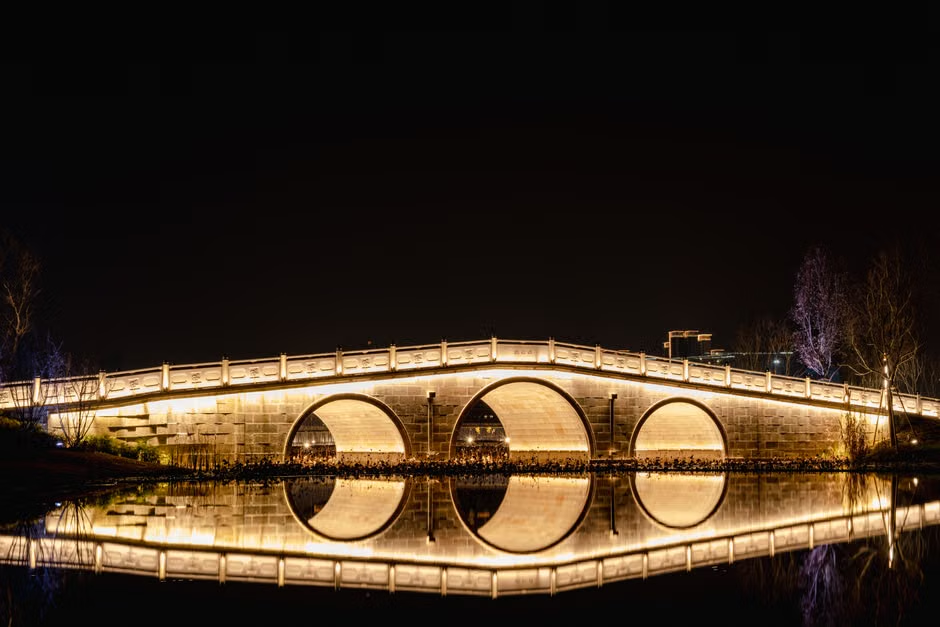
Courtyard by Marriott Chengdu South
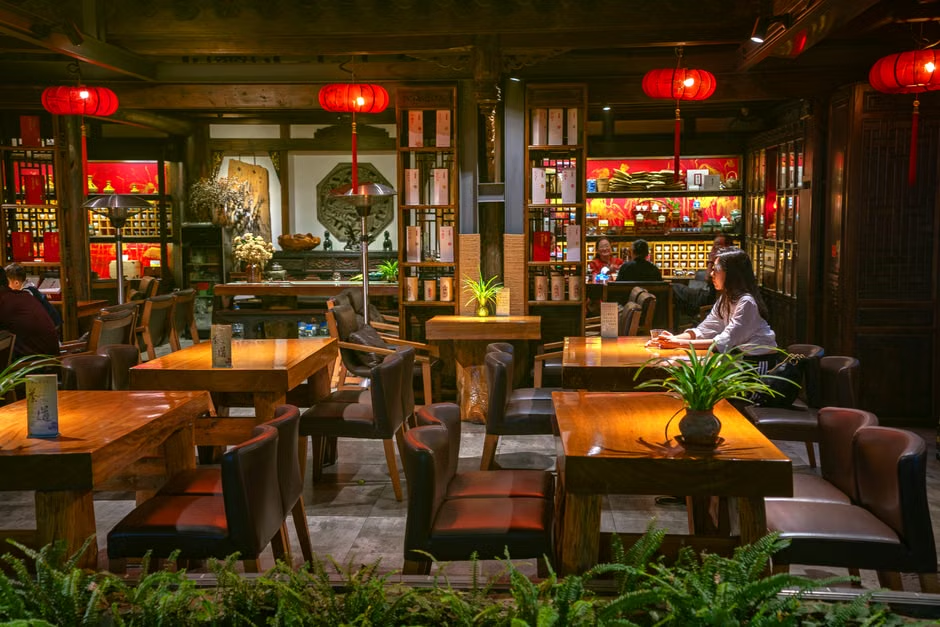
Hilton Chengdu
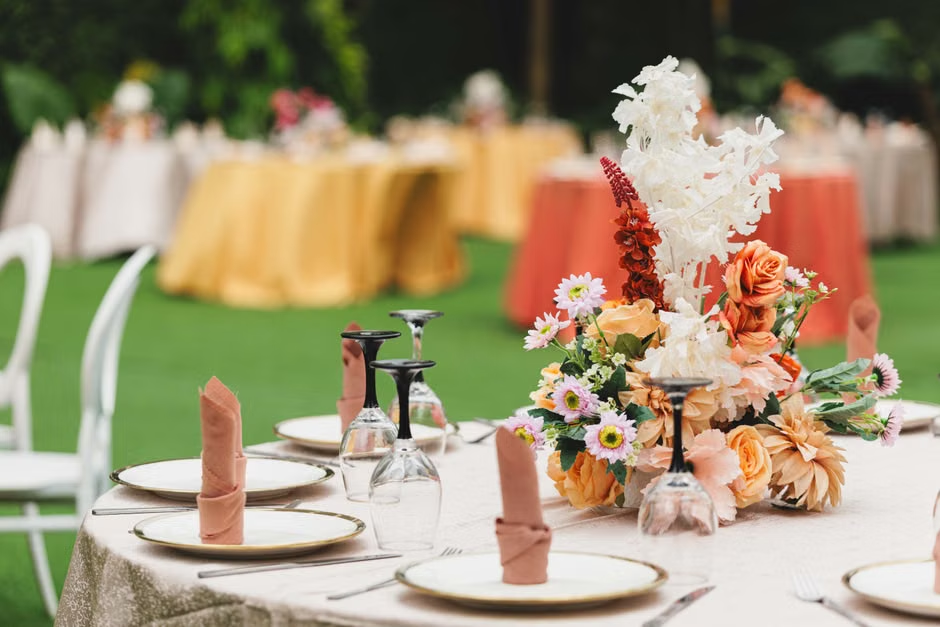
Holiday Inn Chengdu Xindu
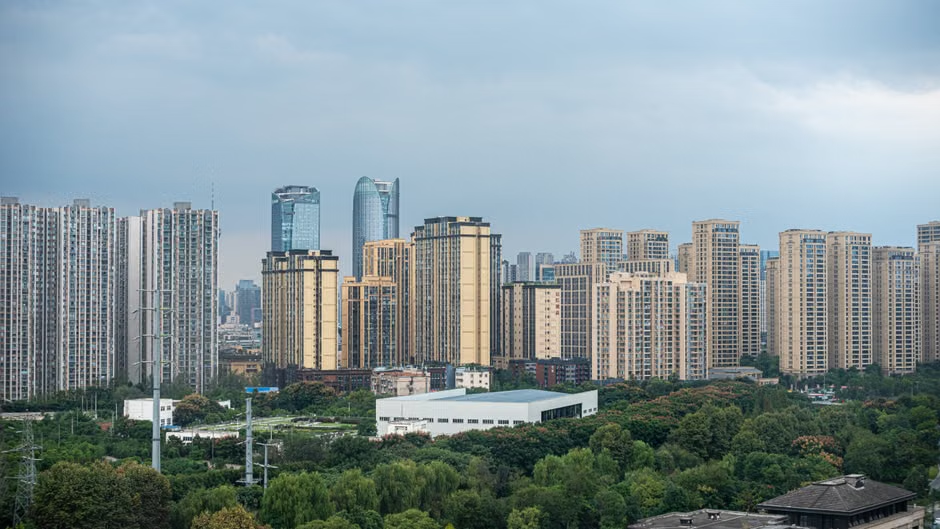
ibis Chengdu Tianfu Square
Compare Chengdu with Other Top Destinations
Frequently Asked Questions
Is Chengdu a good destination for large corporate events and conferences?
Yes. Chengdu is one of western China's premier MICE destinations. The city has a dense concentration of internationally branded hotel properties with convention-grade ballrooms and meeting facilities, a mature local events vendor ecosystem, and excellent transport connectivity via two international airports and high-speed rail. It is particularly well-suited to multi-day conferences, product launches, and large-scale gala dinners.
What is the best time of year to hold an event in Chengdu?
The best months are January, February, March, October, November, and December. During these months, temperatures are mild and humidity is at its lowest, making both indoor and outdoor event elements more comfortable and operationally reliable. July through September should generally be avoided for outdoor-heavy events due to summer heat, high humidity, and heavy rainfall.
How easy is it for guests to travel to Chengdu from other parts of China and internationally?
Very easy. Chengdu is served by two major airports — Chengdu Tianfu International Airport and Chengdu Shuangliu International Airport — with extensive domestic and international routes. High-speed rail connects the city to Beijing, Shanghai, Xi'an, and Chongqing, among others. For large guest groups, this dual-airport and rail infrastructure significantly reduces arrival logistics complexity.
What kinds of venues are available for events in Chengdu?
Chengdu offers a wide range of event spaces: grand hotel ballrooms in internationally branded properties capable of hosting several hundred to over a thousand guests, purpose-built convention centres for large conferences, boutique courtyard and teahouse-style spaces in historic districts for intimate gatherings, and outdoor terraces and garden areas within hotel properties for receptions and cocktail events.
How large a guest list can Chengdu realistically accommodate?
Chengdu can comfortably accommodate very large guest lists. The city's major hotel properties have ballrooms and banquet facilities that can seat several hundred guests for formal dinners, and the combined accommodation inventory across the city's luxury and upper-midscale hotels means that even groups of several hundred guests can be housed in close proximity without difficulty.
What makes Chengdu's food and banqueting culture distinctive for events?
Sichuan cuisine — one of China's most internationally recognised culinary traditions — is Chengdu's home ground. Banqueting here draws on a sophisticated local food culture with bold, complex flavours and a strong tradition of communal feasting. Major hotel properties can produce large-scale formal banquets showcasing this culinary identity, and it consistently stands out as a memorable element for guests.
What cultural guest experiences are available alongside an event in Chengdu?
Chengdu offers genuinely distinctive cultural programming: the Chengdu Research Base of Giant Panda Breeding, Jinli Ancient Street, Wuhou Shrine, Kuanzhai Alley, and traditional Sichuan opera performances featuring face-changing acts. These experiences are unique to this city and give event organisers strong options for pre/post-event excursions and group entertainment that guests are unlikely to have encountered elsewhere.
Are there practical considerations for international organisers planning an event in Chengdu?
Yes. China's internet environment means some standard international communication tools and cloud platforms require VPN access or local alternatives — this needs advance planning. Language can also be a practical barrier outside major hotel properties, so a bilingual local event coordinator is strongly advisable. International payment cards have limited acceptance beyond major hotels; local payment systems dominate in the broader city.
How does Chengdu's weather affect outdoor event planning?
Chengdu sits in a basin and is characteristically overcast for much of the year, with meaningful rainfall spread across spring and summer. Even during the best season months, fully open-air events benefit from covered or marquee backup arrangements. The city's grey-sky aesthetic is a genuine consideration for events where outdoor photography or scenic backdrops are a priority.
Is Chengdu suitable for destination weddings?
Yes, for the right brief. Chengdu suits couples seeking an urban, culturally immersive wedding with access to world-class hotel venues and exceptional banqueting — particularly for larger guest lists that benefit from the city's accommodation depth and transport connectivity. It is less suited to couples prioritising dramatic natural scenery, a secluded resort setting, or a traditional outdoor garden wedding aesthetic.
What is the local transport situation for guests once they arrive in Chengdu?
Chengdu has a well-developed metro system connecting major hotel districts, railway stations, and Shuangliu Airport. For event groups, private coach transfers are the standard approach for moving guests between venues, hotels, and excursion sites. Ride-hailing apps are widely available, though international guests should note that familiar international apps may not operate in China and local alternatives will be needed.
How mature is Chengdu's local events and hospitality vendor ecosystem?
Very mature. Chengdu has invested significantly in MICE infrastructure over two decades, producing an experienced pool of local suppliers across audio-visual production, event design, catering, entertainment, photography, and ground transport. The major international hotel brands operating in the city also bring in-house event planning teams and established local vendor networks, reducing coordination complexity for first-time organisers.

Ready to explore venues in Chengdu?
Chengdu: Destination Event & Corporate Celebration Venues
◆Chengdu is one of China's most capable and genuinely enjoyable event destinations — a major metropolitan city in Sichuan Province with a mature hospitality industry, two international airports, and a dense concentration of world-class hotel venues. Its primary strength lies in corporate events, large-scale festivals, milestone celebrations, and group incentive travel. The city's vibe is unmistakably Vibrant & Festive, shaped by its legendary food culture, lively teahouse traditions, and a population that takes celebration seriously. The best months to plan are January, February, March, October, November, and December, when temperatures are mild and humidity is manageable. Chengdu is generally accessible and well-served by infrastructure, making large guest groups logistically straightforward to manage.
Chengdu at a Glance
| Attribute | Detail |
|---|---|
| Best For | Corporate Events, Festivals & Galas, Milestone Celebrations, Incentive Travel |
| Primary Vibe | Vibrant & Festive |
| Other Vibes | Cultural & Heritage, Gastronomic, Urban & Contemporary |
| Best Season | Autumn / Fall (Jan, Feb, Mar, Oct, Nov, Dec) |
Why Choose Chengdu?
- Exceptional venue depth: Chengdu hosts a remarkable concentration of internationally branded luxury hotels, each with dedicated ballrooms, outdoor terraces, and convention-grade facilities capable of handling events from intimate gatherings to multi-day conferences of several thousand delegates.
- Dual international airport access: With both Chengdu Tianfu International Airport and Chengdu Shuangliu International Airport serving the city, guests arriving from across China and internationally face minimal connectivity friction — a genuine operational advantage for large guest lists.
- High-speed rail integration: Chengdu's railway network connects it to Beijing, Shanghai, Xi'an, Chongqing, and other major Chinese cities via high-speed services, giving domestic guests a comfortable, reliable alternative to flying.
- Sichuan's world-renowned food culture: Few cities in China — or the world — can match Chengdu's culinary identity. Banqueting here is a genuine experience in itself, with Sichuan cuisine's bold, complex flavours creating a memorable dimension to any celebration that guests consistently remark upon.
- Rich cultural guest programming: The Chengdu Research Base of Giant Panda Breeding, Jinli Ancient Street, Wuhou Shrine, and Kuanzhai Alley offer event organisers a strong menu of culturally distinctive excursions and pre/post-event experiences that are genuinely unique to this city.
- Mature MICE and events ecosystem: Chengdu has invested heavily in its meetings, incentives, conferences, and exhibitions (MICE) infrastructure over the past two decades. Local event management companies, AV suppliers, florists, catering specialists, and entertainment providers are experienced, professional, and accustomed to working with international standards.
Which Celebrations Work Best in Chengdu?
- Corporate Events & Conferences: Chengdu is arguably its strongest as a corporate destination. The city's convention-grade hotel infrastructure, reliable logistics, and professional vendor ecosystem make it one of western China's premier MICE cities. Multi-day conferences, product launches, and leadership summits are particularly well-served.
- Festivals & Galas: The city's inherently festive character — rooted in teahouse culture, street performance traditions, and a population that embraces communal celebration — makes it an excellent backdrop for large-scale gala dinners, cultural festivals, and themed evening events. Venues with outdoor terraces and garden spaces add a distinctive local atmosphere.
- Milestone Celebrations & Anniversary Events: For significant personal or corporate milestones, Chengdu's luxury hotel properties offer the scale, service quality, and culinary excellence to make an occasion genuinely memorable. The city's cultural richness adds a layer of meaning that a generic convention city cannot replicate.
- Incentive Travel Groups: Chengdu is a compelling incentive destination precisely because it offers experiences guests are unlikely to have had elsewhere — panda encounters, Sichuan cooking classes, traditional Sichuan opera performances with face-changing acts, and immersive old-town exploration. These experiences reward high-performing teams in a way that feels genuinely distinctive.
- Destination Weddings (select formats): While Chengdu is not primarily marketed as a wedding destination in the traditional scenic sense, couples seeking an urban, culturally immersive celebration with access to world-class hotel venues and exceptional banqueting will find it a capable and memorable choice — particularly for larger guest lists that benefit from the city's accommodation depth.
Venues & Event Spaces
Chengdu's event venue landscape is dominated by large, internationally branded hotel properties, most of which feature dedicated ballrooms ranging from mid-sized function rooms to grand halls capable of seating several hundred guests for a formal banquet. Many of these properties also offer outdoor terraces, rooftop spaces, and garden areas that can be configured for cocktail receptions, pre-dinner gatherings, or themed evening events.
Beyond hotel venues, Chengdu has purpose-built convention and exhibition centres that serve large-scale conferences and trade events. The city also has a growing number of boutique event spaces in its historic districts — converted courtyard properties and teahouse gardens that offer a more intimate, culturally textured setting for smaller gatherings or private dinners within a larger event programme.
For outdoor celebrations, riverside promenades and park-adjacent venues provide scenic settings during the cooler months, though Chengdu's characteristically overcast skies mean that fully open-air events carry some weather risk even in the best season and typically benefit from marquee or covered backup arrangements.
Best Time to Celebrate
The curated best season for Chengdu events is Autumn / Fall: January, February, March, October, November, and December. This grouping reflects the city's climate reality: Chengdu sits in a basin surrounded by mountains, which traps humidity and produces a famously overcast, mild climate year-round. The months outside the summer peak are the most comfortable for guests and the most operationally reliable for event organisers.
- October and November are generally considered the most pleasant months — temperatures are mild (typically ranging from the mid-teens to low twenties Celsius), humidity has dropped from its summer peak, and the city occasionally sees clearer skies than usual, making outdoor elements more viable.
- December, January, and February are cool and sometimes cold, but Chengdu rarely experiences severe winter conditions. Indoor venues are fully heated and comfortable, and the Chinese New Year period (typically falling in January or February) brings a particularly festive energy to the city — though event planners should account for the fact that this is also a major domestic travel period, which can affect accommodation availability and logistics.
- March marks the transition into spring and is generally still comfortable, though humidity begins to build toward the end of the month.
- April through June see rising humidity, increasing rainfall, and frequently hazy or overcast conditions. While not extreme, these months are less comfortable for guests and add complexity to outdoor event planning.
- July through September represent the least favourable period: summer heat combines with high humidity and the heaviest rainfall of the year. Outdoor events are significantly more challenging, and the general discomfort for guests travelling from drier or cooler climates is a genuine consideration.
Getting There & Local Connectivity
Chengdu is exceptionally well-connected by Chinese standards. The city is served by two major airports: Chengdu Tianfu International Airport, which opened in 2021 and handles a growing share of international and domestic traffic, and Chengdu Shuangliu International Airport, the older facility closer to the city centre that continues to operate alongside it. Together, they give Chengdu one of the highest combined passenger capacities of any city in western China, with direct international routes to destinations across Asia, Europe, and beyond.
For domestic guests, high-speed rail is a genuinely competitive option. Chengdu East Railway Station and Chengdu Railway Station connect the city to Beijing, Shanghai, Xi'an, Chongqing, and Kunming, among others, via China's extensive high-speed network. Journey times are competitive with flying once airport transit time is factored in for shorter routes.
Within the city, Chengdu has a well-developed metro system that connects major hotel districts, the railway stations, and Shuangliu Airport. For event groups, private coach transfers are the standard approach for moving guests between venues, hotels, and excursion sites — local transport companies experienced in group logistics are readily available. Ride-hailing apps are widely used and functional, though international guests should be aware that some familiar international apps may not operate in China and local alternatives will be needed.
Local Vendor & Hospitality Ecosystem
Chengdu's hospitality and events vendor ecosystem is one of the most developed in western China. The city's sustained investment in MICE infrastructure over the past two decades has produced a deep pool of experienced local suppliers across every category relevant to event planning: audio-visual production, event design and décor, professional catering and banqueting, entertainment (including traditional Sichuan opera performers, face-changing artists, and contemporary acts), photography and videography, and ground transportation.
The major international hotel brands operating in Chengdu bring their global service standards and in-house event planning teams, which significantly reduces the coordination burden for organisers working with a city for the first time. These properties typically have established relationships with trusted local vendors and can facilitate end-to-end event management within their own ecosystem.
Sichuan cuisine is a particular strength: Chengdu's banqueting culture is sophisticated, and the city's chefs are experienced in producing large-scale formal banquets that showcase the region's culinary identity without sacrificing quality at volume. For international guests, most major hotel properties also offer the flexibility to incorporate non-Sichuan menus where dietary preferences or guest profiles require it.
One practical consideration for international organisers: China's internet environment means that some standard international communication and collaboration tools (certain messaging apps, video conferencing platforms, and cloud services) may require VPN access or local alternatives. Experienced local event management partners will be familiar with navigating this and can advise on practical workarounds.
Pros & Things to Consider
Why Chengdu Works Well
- Exceptional concentration of internationally branded luxury hotel venues with large-scale ballroom and convention facilities
- Two international airports and a high-speed rail network make guest arrival genuinely straightforward
- Sichuan cuisine and banqueting culture add a distinctive, memorable dimension to any celebration
- Mature, professional local vendor ecosystem experienced in international-standard events
- Rich cultural guest programming options that are genuinely unique to this city
- Comfortable, mild weather during the curated best season months makes event planning more predictable
- Strong accommodation depth means large guest lists can be housed in close proximity without difficulty
Things to Consider
- Chengdu is characteristically overcast for much of the year — guests expecting bright, sunny skies as a backdrop may find the city's grey-sky aesthetic less photogenic than more southerly or coastal Chinese destinations
- Summer months (July–September) bring genuine heat, high humidity, and heavy rainfall that make outdoor event elements significantly more challenging and less comfortable
- China's internet environment requires advance planning for international organisers reliant on specific communication tools or cloud platforms — this is a logistical reality, not a dealbreaker, but it needs to be factored in
- Language can be a practical barrier: while major hotel properties have English-speaking staff, navigating the broader city and working with smaller local vendors may require a local interpreter or bilingual event coordinator
- Chinese New Year (January/February) brings a festive atmosphere but also peak domestic travel demand — accommodation availability tightens and some local businesses operate on reduced schedules during this period
When Chengdu May Not Be the Right Fit
- Guests prioritising scenic outdoor settings: Chengdu is an urban, basin-city destination. Couples or organisers seeking dramatic mountain backdrops, lakeside settings, or coastal scenery as the primary visual identity of their event will find the city's landscape less suited to that brief — nearby destinations in Sichuan Province offer more dramatic natural scenery but with significantly less venue and logistics infrastructure.
- Events planned during July–September: If dates are fixed in the summer months and outdoor elements are central to the event concept, Chengdu's heat, humidity, and rainfall during this period create genuine operational and guest comfort challenges that are difficult to fully mitigate.
- International guests with limited China travel experience: For guest groups with no prior experience navigating China's internet environment, payment systems (cash and local apps dominate; international cards have limited acceptance outside major hotels), and language barrier, the logistical learning curve can be steeper than in destinations with more internationally familiar infrastructure. This is manageable with good local support but should be planned for explicitly.
- Very small, intimate gatherings seeking a quiet, private retreat: Chengdu is a major city of over 20 million people. Its energy is vibrant and urban. Organisers seeking a secluded, private, resort-style setting away from city activity will find the destination's character a poor match for that brief — smaller, more remote venues in the surrounding Sichuan countryside would be a better fit, though with considerably less supporting infrastructure.