
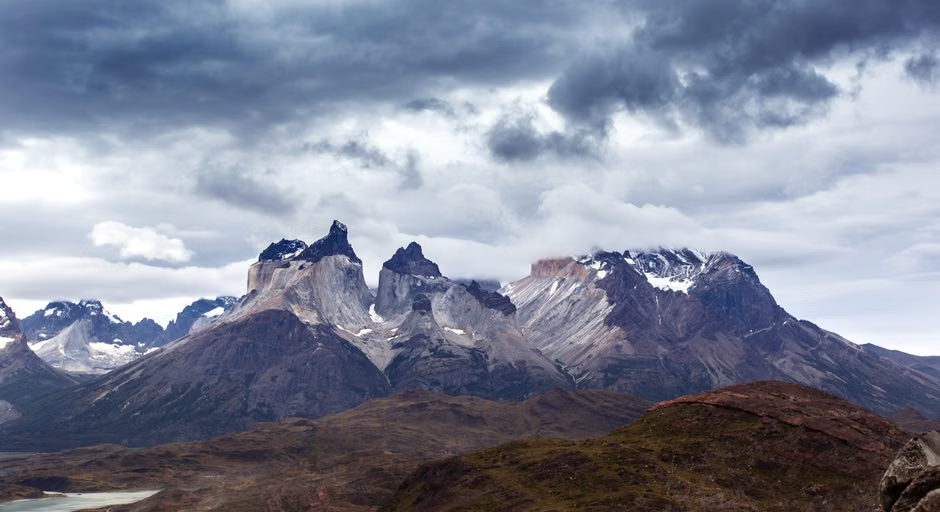
Why Torres del Paine / Patagonia is Perfect for Your Celebration
- Unmatched dramatic scenery — the Torres del Paine granite towers and Pehoé Lake create a genuinely once-in-a-lifetime visual backdrop
- Exclusive, private eco-lodges offer intimate all-inclusive celebration packages for small groups
- Summer (Dec–Mar) brings near-24-hour daylight, enabling flexible outdoor ceremony timing
- Patagonia's remoteness guarantees genuine privacy and exclusivity — ideal for elopements and VIP milestone events
- World-class adventure activities (trekking, kayaking, horseback riding) built into the celebration itinerary
- A small number of high-end properties deliver surprisingly refined hospitality in a wilderness setting
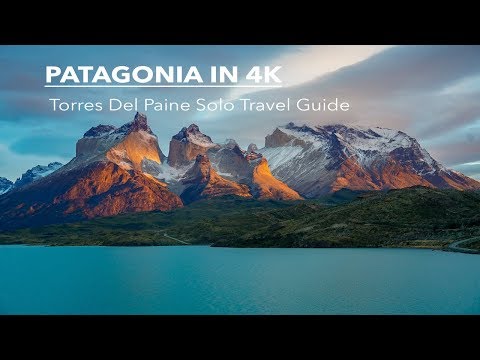
Top Venues in Torres del Paine / Patagonia
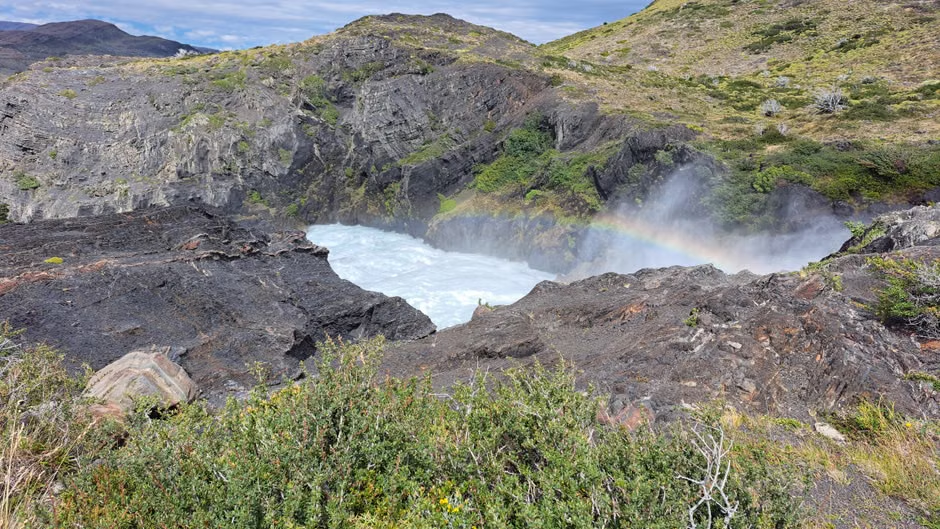
explora Patagonia
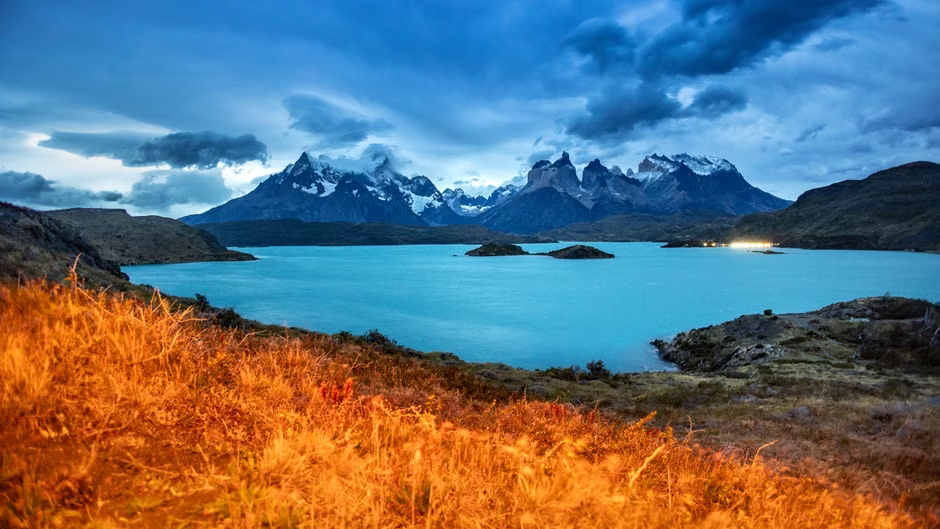
Tierra Patagonia Hotel & Spa
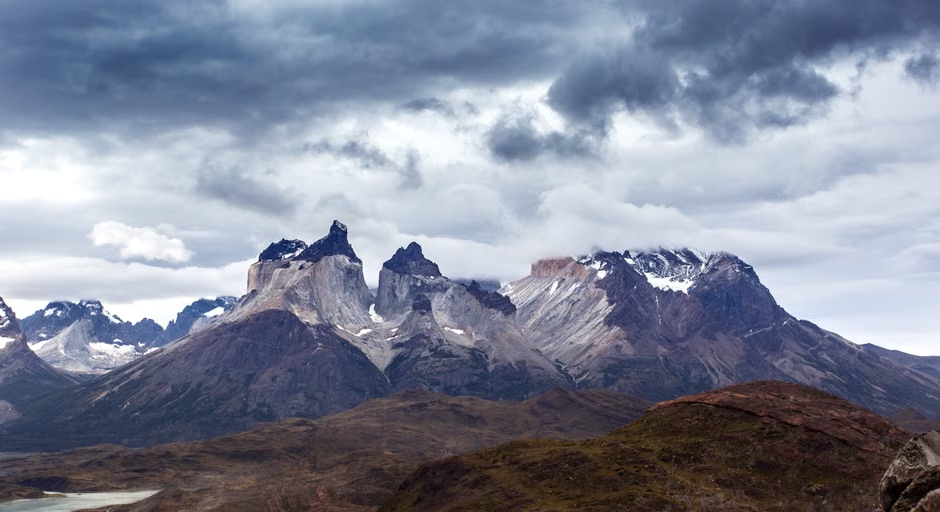
Awasi Patagonia
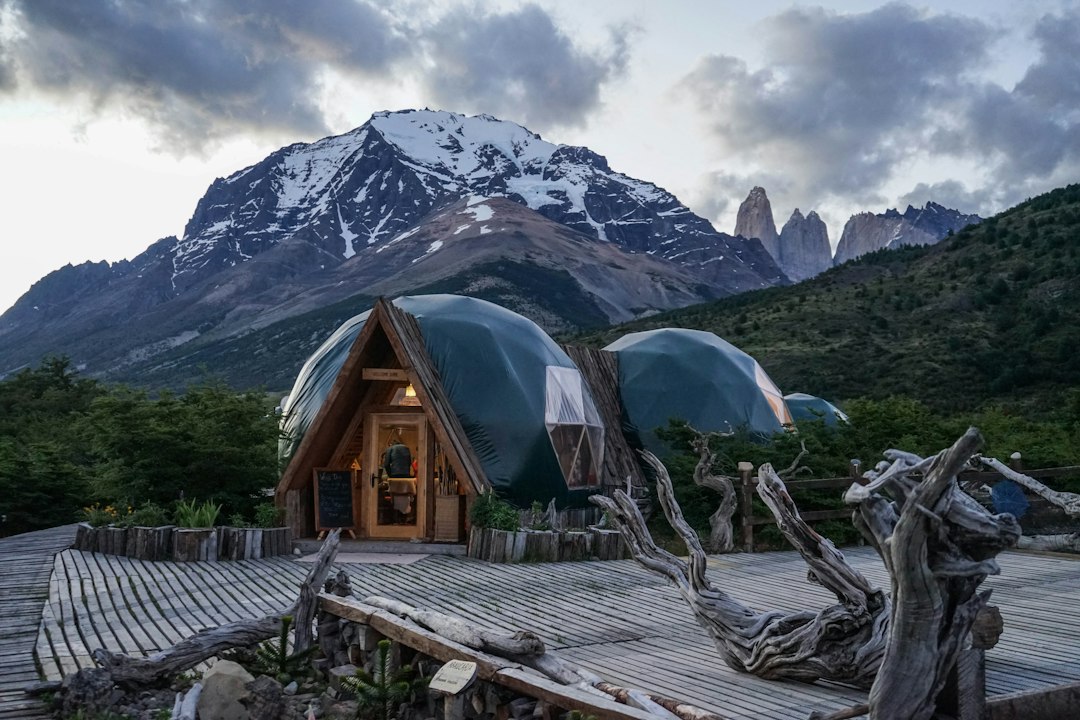
EcoCamp Patagonia
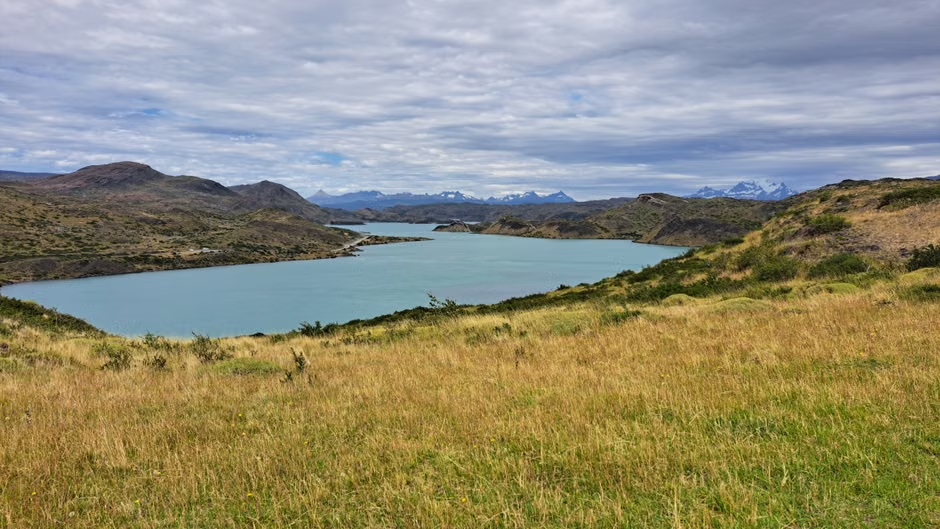
Hotel Lago Grey
Compare Torres del Paine / Patagonia with Other Top Destinations
Frequently Asked Questions
Is Torres del Paine / Patagonia a good destination for a wedding?
Yes, particularly for small and intimate weddings. Torres del Paine is exceptionally well-suited to elopements and destination weddings of up to around 50 guests, where the dramatic wilderness scenery — granite towers, glacial lakes, and open steppe — is the defining feature. The leading eco-lodges provide professional event coordination, refined dining, and ceremony spaces with extraordinary natural backdrops. It is not suited to large-scale weddings.
What is the best time of year to hold a celebration in Torres del Paine?
December through March — the Southern Hemisphere summer — is the only reliably viable window. This period offers the mildest temperatures, up to 17–18 hours of daylight, full lodge operations, and accessible park roads and trails. The rest of the year brings increasingly harsh conditions, with winter (June–August) seeing lodge closures and severe weather, and spring (September–November) notorious for extreme winds.
How do guests get to Torres del Paine for an event?
Most guests fly into Punta Arenas — the regional capital, connected to Santiago by frequent domestic flights — and then travel by road to Puerto Natales and into the park, a total road journey of roughly 4–5 hours. Alternatively, smaller regional flights serve Puerto Natales directly. International guests route through Santiago. The total journey from most international origins is typically 24–36 hours, so advance planning and buffer days are strongly recommended.
How many guests can realistically be accommodated for an event in Torres del Paine?
The local lodge inventory is designed for small, intimate groups. Most properties comfortably host between 20 and 60 guests for a celebration, with some offering full exclusive buyouts for private events. There are no large-scale banquet venues or convention facilities in or near the national park. This destination is structurally best suited to guest lists under 60 people.
What kinds of venues are available for events in Torres del Paine?
Venues are exclusively wilderness eco-lodges and boutique resorts — there are no urban ballrooms or conventional event centres. These properties offer panoramic dining rooms, outdoor terraces and decks with tower or glacier views, private lounge spaces, and dedicated outdoor ceremony sites. Several lodges offer semi-exclusive or fully exclusive buyout arrangements, effectively turning the entire property into a private event venue.
Is it possible to hold an outdoor ceremony in Torres del Paine?
Yes, and outdoor ceremonies are among the most sought-after experiences here — the natural scenery makes them genuinely spectacular. However, Patagonian weather is famously unpredictable even in summer, with strong winds and rapid changes being common. All outdoor ceremony plans should include a robust indoor or sheltered contingency. Experienced local event coordinators at the leading lodges are well-practised at managing this variability.
What adventure activities can be incorporated into a celebration itinerary?
Trekking to the base of the Torres, kayaking on glacial lakes, horseback riding across the Patagonian steppe, wildlife watching (guanacos, condors, foxes), and glacier walks are all commonly integrated into multi-day celebration programmes. Most lodges have dedicated guides and can build bespoke activity itineraries around the event schedule, making the entire trip — not just the ceremony — a memorable experience.
How far in advance should I book a celebration in Torres del Paine?
Significantly in advance — ideally 12 to 18 months ahead for peak summer dates (December through February). The number of high-quality lodges in and around the park is small, and demand from international travellers and event groups is high during the summer season. Popular properties and dates can book out well over a year ahead, particularly for exclusive buyout arrangements.
What is the local vendor ecosystem like for events in Torres del Paine?
The ecosystem is small but genuinely specialised. Leading lodges have in-house event coordinators experienced in wilderness celebrations. Puerto Natales, the nearest town, has a community of local photographers, florists, caterers, and musicians who regularly work in the park. The ecosystem is calibrated for small, high-value groups — it delivers excellent quality for intimate events but is not designed to scale to large guest lists.
Is Torres del Paine suitable for guests with mobility limitations?
Generally not well-suited. The terrain within and around the national park is rugged, road transfers are long, and there is no accessible public transport. Most lodge facilities are designed for active travellers. Guests with significant mobility limitations would face genuine challenges both in reaching the destination and moving around once there. A more accessible destination would typically serve such guests better.
What is internet and phone connectivity like during an event in Torres del Paine?
Limited. Most lodges provide satellite-based Wi-Fi, which is functional for basic communication but not reliable for high-bandwidth needs such as live streaming or video calls. Mobile phone coverage within the national park is minimal to non-existent. Guests and planners should treat this as a genuine digital detox environment and plan accordingly — many guests find this to be part of the destination's appeal.
Is Torres del Paine a safe destination for an event group?
Yes, in terms of personal safety. Chilean Patagonia has very low crime rates and the national park is well-managed. The primary safety considerations are environmental — weather changes rapidly, winds can be extreme, and wilderness terrain carries inherent risks for unprepared visitors. Staying within lodge-managed programmes and following guide advice mitigates these risks effectively for event groups.

Ready to explore venues in Torres del Paine / Patagonia?
Torres del Paine / Patagonia: Destination Wedding & Celebration Venues in Chilean Patagonia
◆Torres del Paine / Patagonia is best suited to small, exclusive, and deeply experiential celebrations — elopements, intimate destination weddings, milestone birthdays, and private social gatherings — where extraordinary natural scenery is the primary draw. The destination's primary vibe is Nature & Wilderness: granite towers, glacial lakes, and vast steppe define every setting. The viable event season runs from December through March (Southern Hemisphere summer), when daylight is long and access is reliable. Accessibility is genuinely challenging — guests typically fly into Punta Arenas or Puerto Natales and transfer by road — making this a destination for committed, adventure-minded groups rather than large or mixed-mobility guest lists. A small number of world-class eco-lodges and wilderness resorts provide refined hospitality within the park.
Torres del Paine / Patagonia at a Glance
| Category | Detail |
|---|---|
| Best For | Elopements, Intimate Destination Weddings, Milestone Birthdays, Private Social Gatherings |
| Primary Vibe | Nature & Wilderness |
| Other Vibes | Adventure, Exclusivity, Dramatic Scenery, Eco-Luxury |
| Best Season | Summer (Jan, Feb, Mar, Dec) |
Why Choose Torres del Paine / Patagonia?
- Unrivalled natural scenery: The iconic granite towers of the Paine Massif, turquoise Lake Pehoé, the Grey Glacier, and sweeping Patagonian steppe create a backdrop that is genuinely unlike anywhere else on Earth — no venue dressing can replicate it.
- Genuine exclusivity and privacy: The remote location and limited lodge capacity mean celebrations here are inherently private. Guest lists are small by necessity, which suits couples and hosts who want an intimate, curated experience rather than a large-scale event.
- Adventure-integrated itineraries: Trekking, kayaking on glacial lakes, horseback riding across the steppe, and wildlife encounters with guanacos and condors can be woven directly into a multi-day celebration programme — making the event itself an adventure, not just a ceremony.
- World-class eco-lodge hospitality: A handful of internationally recognised properties deliver genuinely high-end food, service, and comfort within the wilderness — guests do not sacrifice quality for remoteness.
- Extended summer daylight: December through February brings up to 17–18 hours of daylight in southern Patagonia, allowing outdoor ceremonies at almost any hour and dramatically extending the usable event day.
- Low environmental footprint: For hosts and guests who prioritise sustainability, Patagonia's leading lodges operate with strong ecological commitments, making this a destination that aligns with responsible celebration values.
Which Celebrations Work Best in Torres del Paine / Patagonia?
- Elopements: Torres del Paine is arguably one of the world's premier elopement destinations. The combination of extraordinary scenery, genuine remoteness, and intimate lodge settings makes it ideal for couples who want a deeply personal, visually spectacular ceremony without a large guest list.
- Intimate destination weddings (up to ~30–50 guests): Several lodges can accommodate small wedding groups on a semi-exclusive or fully exclusive basis, providing ceremony spaces with glacier or tower views, curated dining, and guided adventure activities across a multi-day celebration.
- Milestone birthday celebrations: A significant birthday — a 40th, 50th, or 60th — celebrated in Patagonia carries a sense of genuine achievement and adventure. Small groups of close friends or family can be hosted across a lodge for a multi-day experience that doubles as a bucket-list trip.
- Private social gatherings and corporate retreats: The exclusivity and remoteness of Patagonian lodges make them well-suited to small, high-value private gatherings — whether a family reunion, a creative retreat, or a leadership offsite — where the environment itself drives connection and reflection.
Venues & Event Spaces
The venue landscape in Torres del Paine is defined almost entirely by wilderness eco-lodges and boutique wilderness resorts — there are no conventional banquet halls, urban hotel ballrooms, or large-scale event centres within or near the national park. What exists instead is a small, carefully curated set of high-end properties that have been purpose-built to integrate with the landscape.
Typical event spaces within these properties include panoramic dining rooms with floor-to-ceiling views of the towers or glacial lakes, outdoor terraces and decks suitable for ceremonies and cocktail receptions, private lounge areas for intimate dinners, and in some cases dedicated outdoor ceremony sites positioned to frame specific landscape features. Some properties offer semi-exclusive or fully exclusive buyout options for groups, which effectively transforms the entire lodge into a private event venue.
Outdoor ceremonies on the steppe, beside glacial lakes, or with the Paine Massif as a backdrop are genuinely feasible during the summer season, though all outdoor events require contingency planning for Patagonia's famously unpredictable wind and weather conditions. Experienced local event coordinators — typically embedded within the lodges themselves — are well-versed in managing this variability.
Best Time to Celebrate
The Southern Hemisphere summer — December through March — is the only genuinely reliable window for celebrations in Torres del Paine, and it is the real, curated best season for this destination for well-founded reasons.
During these months, temperatures in the park typically range from around 8°C to 18°C at lower elevations, with long daylight hours (up to 17–18 hours in December and January) that allow flexible scheduling of outdoor ceremonies and activities. Trail and road access within the park is at its most reliable, and the full range of lodge facilities and adventure activities is operational. The landscape is at its most vivid — wildflowers on the steppe, full glacial melt revealing brilliant turquoise lake colours, and the towers free of heavy snow.
April and May mark the transition into autumn: temperatures drop noticeably, winds intensify, and some lodges begin to reduce services or close for the season. While the autumn foliage can be visually striking, the narrowing operational window and increasing weather unpredictability make event planning significantly more complex.
June through August (Patagonian winter) brings harsh conditions — heavy snowfall, sub-zero temperatures, severely limited park access, and the closure of most lodges. This period is not viable for celebrations.
September through November (spring) sees the park gradually reopen, but spring in Patagonia is notorious for extreme and sustained winds — often the strongest of the year — which make outdoor events particularly challenging. Some lodges are still reopening and staffing up during this period, and the full range of services may not yet be available.
Getting There & Local Connectivity
Reaching Torres del Paine requires a multi-leg journey for virtually all guests. The most common route involves flying into Punta Arenas (the regional capital, served by domestic flights from Santiago) and then travelling by road — approximately 3.5 to 4 hours — to Puerto Natales, the nearest town to the park, and then a further hour or more into the park itself. Alternatively, guests can fly into Puerto Natales directly on smaller regional aircraft, which reduces the road transfer time.
International guests will typically route through Santiago (SCL), which has strong connections to major international hubs. The Santiago–Punta Arenas leg is well-served by domestic Chilean carriers, with multiple daily flights. However, the total door-to-door journey from most international origins is substantial — commonly 24 to 36 hours including connections and road transfers.
Within the park and surrounding area, private road transfers are the standard mode of group movement. There is no public transport within the national park, and the distances between lodges and key sites are significant. Most lodges manage guest transfers as part of their service offering, which simplifies logistics for event groups. For multi-lodge or multi-site itineraries, dedicated vehicle hire with experienced local drivers is the practical solution.
Connectivity within the park is limited — most lodges offer satellite-based Wi-Fi, which is functional but not high-speed. Guests should be prepared for a genuine digital detox environment, which many find to be part of the appeal.
Local Vendor & Hospitality Ecosystem
The vendor ecosystem in Torres del Paine is small but genuinely specialised. Because the destination has attracted high-end international travellers for decades, the leading lodges have developed strong in-house event coordination capabilities — many have dedicated event or wedding coordinators who manage everything from ceremony logistics to catering and florals within the property.
For elements that go beyond what a lodge provides in-house, Puerto Natales serves as the primary supply hub. A small but experienced community of local event suppliers — photographers, florists, musicians, and caterers — has developed around the destination wedding and luxury travel market. Many of these suppliers have extensive experience working in remote wilderness conditions and understand the logistical realities of the park.
Food and beverage quality at the leading properties is genuinely high, with menus typically featuring Patagonian lamb, fresh seafood from the Strait of Magellan, and Chilean wines — all of which lend a strong sense of place to celebration dining. Sourcing highly specialised or imported items can require advance planning given the supply chain distances involved.
It is worth noting that the ecosystem is calibrated for small, high-value groups rather than large-scale events. Vendors and lodges are experienced at delivering exceptional quality for intimate gatherings; scaling up to large guest lists is not something the local infrastructure is designed to support.
Pros & Things to Consider
Why Torres del Paine / Patagonia Works Well
- Scenery that is genuinely world-class and impossible to replicate — the Paine Massif, Grey Glacier, and glacial lakes provide a backdrop of extraordinary drama
- Inherent exclusivity: the remote location and limited lodge capacity naturally create a private, curated atmosphere
- Extended summer daylight allows flexible outdoor ceremony timing and maximises usable event hours
- High-end lodges deliver refined hospitality, excellent Patagonian cuisine, and professional event coordination within a wilderness setting
- Adventure activities can be integrated into the celebration programme, making the entire trip a memorable experience rather than just a single event day
- Strong sustainability credentials at leading properties appeal to environmentally conscious hosts and guests
Things to Consider
- Accessibility is genuinely demanding: Multi-leg international travel, long road transfers, and limited flight frequency to the region make this a complex journey for guests — particularly those with mobility limitations or tight schedules
- Weather is unpredictable even in summer: Patagonian wind and rapid weather changes are a real factor; all outdoor event plans require robust contingency arrangements
- Venue capacity is inherently small: No property in or near the park can comfortably host large guest lists — this destination is structurally unsuited to weddings or events above approximately 50–60 guests
- Advance booking is essential: The limited number of high-quality lodges means peak summer dates book out many months — sometimes over a year — in advance
- Digital connectivity is limited: Satellite Wi-Fi is available but not reliable for high-bandwidth needs; guests and planners should not depend on strong internet access during the event
- Seasonal closure: Most lodges close or significantly reduce operations outside the summer season, narrowing the viable planning window considerably
When Torres del Paine / Patagonia May Not Be the Right Fit
- Large guest lists: If your celebration involves more than approximately 50–60 guests, the local lodge and venue inventory cannot comfortably accommodate the group — a destination with larger-scale event infrastructure would serve you better.
- Guests with significant mobility limitations: The terrain within and around the national park, combined with the long road transfers and absence of accessible public transport, makes this destination genuinely challenging for guests with limited mobility.
- Tight travel timelines: If guests are travelling from multiple international origins and have limited time available, the multi-leg journey to Patagonia — often 24–36 hours door-to-door — may be impractical. A more accessible destination would reduce travel burden significantly.
- Events planned outside the December–March window: Attempting to hold an outdoor or semi-outdoor celebration in Patagonia during the shoulder or winter months carries substantial risk of weather disruption, limited lodge availability, and restricted park access — a different season or destination would be more reliable.