
Why Rapa Nui / Easter Island is Perfect for Your Celebration
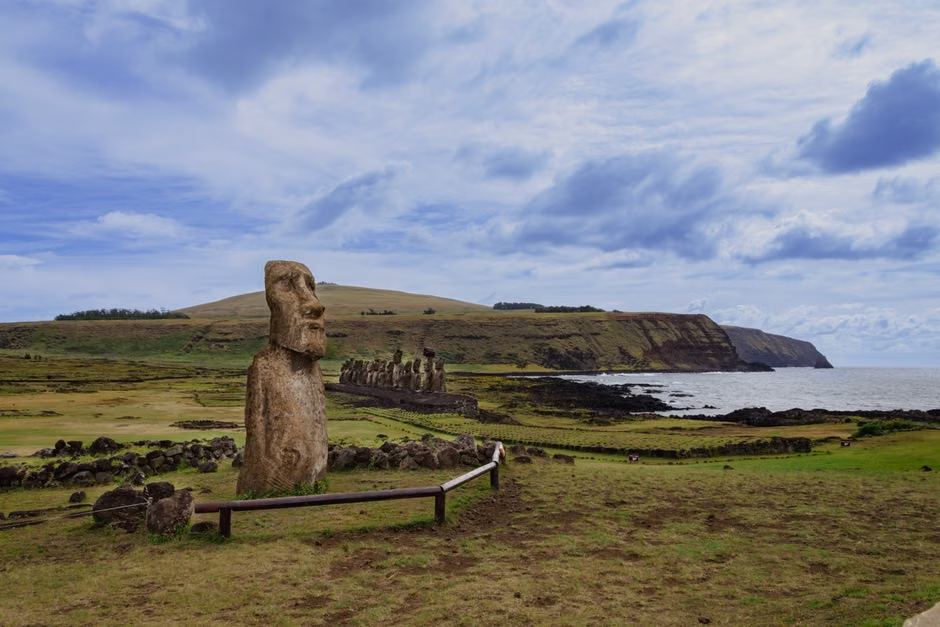
- Iconic moai statues and volcanic craters provide a genuinely one-of-a-kind ceremonial backdrop found nowhere else on Earth
- Extreme remoteness guarantees natural privacy and exclusivity — ideal for intimate elopements and small destination celebrations
- Tapati Rapa Nui festival (February) offers a rare opportunity to immerse guests in living Polynesian cultural traditions
- Warm, sunny summer months (Dec–Mar) align perfectly with outdoor ceremonies on clifftops, beaches, and ceremonial platforms
- The island's small, close-knit hospitality community delivers highly personalised service for event groups
- Unique Polynesian cultural experiences — traditional dance, tattooing, stone carving — create unforgettable guest programming
Compare Rapa Nui / Easter Island with Other Top Destinations
Frequently Asked Questions
Is Rapa Nui (Easter Island) a good destination for a wedding?
Yes, particularly for intimate weddings and elopements. Rapa Nui's ancient moai statues, volcanic craters, and Pacific Ocean setting create a genuinely extraordinary ceremonial backdrop. The island is best suited to small guest lists — typically under fifty — given its boutique accommodation capacity and remote location. Couples seeking a deeply personal, visually unforgettable celebration will find it among the world's most compelling choices.
How many guests can realistically attend an event on Easter Island?
Practically, events of up to fifty or sixty guests are most manageable given the island's total accommodation inventory and venue scale. Smaller groups of ten to thirty are genuinely ideal. Beyond sixty guests, coordinating accommodation across multiple properties and maintaining a cohesive event experience becomes significantly more complex, and planners should assess availability carefully well in advance.
What is the best time of year to hold a celebration on Rapa Nui?
December through March — the Southern Hemisphere summer — is the recommended season. Temperatures are warm and stable, rainfall is lower, and long daylight hours support outdoor ceremonies and evening receptions. February coincides with the Tapati Rapa Nui cultural festival, which can enrich a guest experience significantly, though accommodation books out early during that period.
How do guests get to Easter Island?
All guests fly into Mataveri International Airport (IPC), located just outside Hanga Roa. The only regular air service connects through Santiago, Chile, with flights taking approximately five hours. Guests travelling from Europe, North America, Asia, or Oceania will need to route through Santiago, making this a multi-leg journey. Early flight booking is strongly advised, as seat capacity on the route is limited.
What kinds of venues are available for events on Easter Island?
Rapa Nui's event spaces are boutique in character — outdoor terraces, garden lawns, oceanfront settings, and intimate resort dining areas rather than large ballrooms or convention facilities. Some properties have dedicated event spaces for small ceremonies and receptions. Open-air settings near archaeological sites may also be available with appropriate cultural permissions, offering extraordinary ceremonial backdrops.
Can guests get around the island easily during a multi-day event?
Yes, within the island's scale. Rapa Nui is small enough that most sites and properties are reachable within twenty to thirty minutes by vehicle. There is no public transport network, so event groups typically coordinate shared vehicle transfers through local operators. Rental cars and taxis are also available. Local operators are experienced in managing group logistics for visiting parties.
Is the local hospitality and vendor ecosystem equipped to handle destination events?
Yes, within its boutique scale. The island has experienced local event coordinators, quality catering drawing on fresh Pacific seafood and local produce, and cultural performers available for authentic guest programming. Specialist décor or supply items not available locally must be sourced from Santiago in advance. Working with a local coordinator from the earliest planning stages is strongly recommended.
Can we incorporate Rapa Nui's Polynesian culture into our celebration?
Yes, and this is one of the island's genuine strengths. Traditional Rapa Nui musicians, dancers, tattoo artists, and stone carvers can be engaged for authentic guest experiences. The Tapati Rapa Nui festival in February offers additional immersive cultural programming. All cultural engagement should be arranged respectfully through local cultural liaisons well in advance, rather than treated as a last-minute add-on.
What is internet and mobile connectivity like for guests staying on the island?
Limited. Rapa Nui's internet and mobile data infrastructure is significantly slower and less reliable than mainland destinations. Most properties offer Wi-Fi, but speeds and consistency vary. Event planners and guests who require reliable high-speed connectivity throughout their stay should plan accordingly — this is worth communicating clearly to guests before they travel.
How far in advance should we start planning an event on Easter Island?
At least six to nine months in advance is strongly advisable, and twelve months is preferable for events during peak summer months or around the February Tapati festival. Accommodation capacity is limited, flight seats on the Santiago route book out, cultural permissions for site use require lead time, and any specialist supplies sourced from the Chilean mainland need logistical planning well ahead of the event date.
Is Easter Island suitable for a social celebration like a milestone birthday?
Yes. A milestone birthday — a 40th, 50th, or 60th — celebrated on Rapa Nui carries a genuine sense of occasion that few destinations can match. Small groups of close friends or family can be accommodated comfortably across the island's boutique properties, with guided archaeological exploration, cultural experiences, and Pacific dining forming a natural multi-day programme around the celebration itself.

Ready to explore venues in Rapa Nui / Easter Island?
Rapa Nui / Easter Island: Destination Wedding & Celebration Venues in the South Pacific
◆Rapa Nui (Easter Island) is best suited to small, intimate celebrations — elopements, milestone birthdays, anniversary events, and micro-weddings — where the destination itself is the centrepiece. Its primary vibe is Cultural & Timeless, shaped by ancient Polynesian heritage, iconic moai statues, and volcanic Pacific scenery. The best season runs through the Southern Hemisphere summer (December through March), when warm, stable weather supports outdoor ceremonies. Accessibility is genuinely challenging — all guests must fly via Santiago, Chile — making this a destination for committed travellers rather than large guest lists. The island's hospitality infrastructure is boutique in scale, which naturally caps group sizes but delivers exceptional privacy and personalisation.
Rapa Nui / Easter Island at a Glance
| Category | Detail |
|---|---|
| Best For | Elopements, Intimate Weddings, Milestone Birthdays, Anniversary Celebrations |
| Primary Vibe | Cultural & Timeless |
| Other Vibes | Mystical, Remote, Oceanic, Volcanic |
| Best Season | Summer (Jan, Feb, Mar, Dec) |
Why Choose Rapa Nui / Easter Island?
- Unparalleled ceremonial backdrops: The moai platforms (ahu) and volcanic craters of Rano Kau and Rano Raraku are genuinely unlike anything available at any other destination on Earth — ceremonies here carry a visual and cultural weight that is impossible to replicate elsewhere.
- Absolute exclusivity and privacy: With a resident population of only a few thousand and a tightly managed tourism footprint, Rapa Nui offers a level of natural seclusion that purpose-built private resorts elsewhere can only approximate.
- Living Polynesian culture: The island's Rapa Nui people maintain active traditions in dance, tattooing, stone carving, and oral history — providing authentic cultural programming for guests that goes far beyond staged performances.
- Tapati Rapa Nui festival alignment: Celebrations planned around February can coincide with the island's major annual cultural festival, offering guests a rare immersive experience in traditional Polynesian competition and ceremony.
- Boutique, highly personalised hospitality: The small number of quality properties on the island means event groups receive focused, attentive service — coordinators, chefs, and guides who genuinely know the island and its rhythms.
- Extraordinary photography and film potential: The combination of ancient stone monuments, Pacific Ocean horizons, volcanic terrain, and clear summer skies produces imagery that is immediately distinctive and deeply memorable.
Which Celebrations Work Best in Rapa Nui / Easter Island?
- Elopements and micro-weddings: Rapa Nui is particularly well-suited to couples seeking a ceremony that is deeply personal and visually extraordinary, with a guest list of two to perhaps thirty. The island's scale, remoteness, and cultural gravitas make it one of the world's most compelling elopement destinations.
- Milestone birthday celebrations: A significant birthday — a 40th, 50th, or 60th — celebrated on Easter Island carries an inherent sense of occasion. Small groups of close friends or family can be accommodated comfortably across the island's boutique properties, with the destination itself serving as the gift.
- Anniversary trips and vow renewals: Couples marking a significant anniversary will find Rapa Nui's combination of remoteness, romance, and cultural depth genuinely moving. The effort required to reach the island adds to the sense that the occasion is being honoured seriously.
- Social gatherings and group cultural experiences: Small groups — typically under fifty — who share an interest in archaeology, Polynesian culture, or adventure travel can structure a multi-day social event around guided exploration of the island's archaeological sites, traditional craft workshops, and communal dining experiences.
Venues & Event Spaces
Rapa Nui's event infrastructure is intentionally small-scale and deeply integrated with the natural and cultural landscape. The island does not have large convention centres, grand ballrooms, or multi-thousand-guest banquet facilities — and this is by design, reflecting both the island's protected status and its community's approach to sustainable tourism.
What the island does offer is a range of boutique resort venues with outdoor terraces, garden lawns, and clifftop or oceanfront settings that are genuinely spectacular for small ceremonies and receptions. Several properties have dedicated event spaces that can be configured for intimate dinners, cocktail receptions, and ceremonial gatherings. Open-air settings near archaeological sites — subject to appropriate permissions from the island's cultural authorities — can provide extraordinary ceremonial backdrops for those willing to work with local coordinators and cultural liaisons.
Traditional Rapa Nui cultural spaces, including community halls and ceremonial grounds, may also be available for events that are planned respectfully and in genuine partnership with the local community. This kind of culturally embedded event planning is one of Rapa Nui's genuine strengths, but it requires lead time, local relationships, and sensitivity to the island's heritage protocols.
Best Time to Celebrate
The curated best season for events on Rapa Nui runs through the Southern Hemisphere summer: December, January, February, and March. During these months, average daytime temperatures sit comfortably in the mid-to-upper twenties Celsius, rainfall is relatively lower, and the long daylight hours allow for extended outdoor ceremonies and evening receptions under clear Pacific skies.
February is particularly notable because it coincides with Tapati Rapa Nui, the island's major annual cultural festival. Couples and event planners who time their celebration to overlap with Tapati can offer guests an extraordinary immersive experience — though accommodation books out well in advance during this period and logistics require careful planning.
The autumn and winter months (April through August) bring cooler temperatures, stronger trade winds, and higher rainfall. While the island remains visitable, outdoor ceremonies become less reliable, and the overall atmosphere is more rugged than celebratory. The spring transition months (September through November) are somewhat more moderate but still subject to unpredictable wind patterns and occasional heavy rain systems moving across the South Pacific. For event planning purposes, these months carry meaningful weather risk for outdoor-dependent celebrations.
Getting There & Local Connectivity
All guests arriving at Rapa Nui must fly into Mataveri International Airport (IPC), located just outside Hanga Roa — the island's only town. The airport is served by regular flights from Santiago, Chile, with the journey taking approximately five hours. There are no direct international connections from outside South America, meaning guests travelling from Europe, North America, Asia, or Oceania will need to route through Santiago. This is a significant logistical consideration for any event planner assembling a guest list from multiple countries.
Once on the island, all movement is by road. The island is small enough that most key sites and properties are reachable within twenty to thirty minutes by vehicle. Rental cars, taxis, and organised tour vehicles are the primary modes of transport. There is no public bus network in the conventional sense, and no railway infrastructure. For event groups, coordinating shared vehicle transfers is both practical and common — local operators are experienced in managing group logistics for visiting parties.
Internet and mobile connectivity on the island is limited compared to mainland destinations. Guests and planners should expect slower data speeds and occasional outages. This is worth communicating clearly to guests in advance, particularly those who may need reliable connectivity for work during a multi-day stay.
Local Vendor & Hospitality Ecosystem
Rapa Nui's vendor ecosystem is small, deeply local, and genuinely skilled within its own scale. The island has experienced event coordinators — typically working through or alongside the boutique resort properties — who understand the specific logistical and cultural requirements of planning celebrations here. Catering draws heavily on fresh Pacific seafood, local produce, and Chilean culinary traditions, with the best properties offering menus that genuinely reflect the island's identity rather than generic international hotel food.
Floral and décor options are more limited than on the mainland, and some specialist supplies must be brought in from Santiago, which adds lead time and planning complexity. Photography and videography professionals with genuine experience on the island are available, and their familiarity with the light, the sites, and the cultural protocols is a meaningful advantage over bringing an entirely external team.
The island's cultural community — musicians, dancers, tattoo artists, carvers — can be engaged for authentic guest experiences, but this requires respectful, advance coordination through local cultural liaisons rather than last-minute booking. Event planners new to Rapa Nui are strongly advised to work with a local coordinator from the earliest planning stages, both for logistical efficiency and for navigating the island's cultural sensitivities appropriately.
Pros & Things to Consider
Why Rapa Nui / Easter Island Works Well
- Genuinely one-of-a-kind visual and cultural setting — no other destination offers moai, volcanic craters, and Pacific Ocean horizons in combination
- Natural exclusivity and privacy — the island's remoteness and small scale make large crowds essentially impossible
- Highly personalised boutique hospitality — small properties mean attentive, tailored service for event groups
- Authentic Polynesian cultural programming available through genuine community engagement
- Warm, stable summer weather (Dec–Mar) reliably supports outdoor ceremonies and receptions
- Extraordinary photography conditions — the landscape, light, and monuments produce images that are immediately distinctive
Things to Consider
- Accessibility is genuinely demanding — all guests must fly via Santiago, making this a long and expensive journey from most parts of the world
- Total accommodation capacity on the island is limited; large guest lists (above fifty to sixty) will face real constraints in finding suitable rooms within a reasonable proximity
- Specialist décor, floral, and event supply items may need to be sourced from the Chilean mainland, adding cost, lead time, and logistical complexity
- Internet and mobile connectivity is limited — not suitable for guests or planners who need reliable high-speed access throughout their stay
- Cultural heritage protocols around archaeological sites require careful navigation — not all locations are available for private events, and permissions must be sought well in advance
- The island's protected status and community values mean that large-scale or commercially intensive events may face restrictions or community pushback if not planned sensitively
When Rapa Nui / Easter Island May Not Be the Right Fit
- Large guest lists: If your celebration involves more than fifty to sixty guests, the island's accommodation and venue capacity will be genuinely strained. Guests may need to stay in properties spread across the island, and a single cohesive venue experience becomes difficult to deliver.
- Guests with limited travel flexibility: The requirement to fly via Santiago — often involving long-haul connections from Europe, Asia, or North America — makes this destination impractical for guests who cannot commit to multi-day travel. Elderly guests or those with health constraints may find the journey prohibitive.
- Events requiring extensive specialist vendor support: If your event design depends on a large team of specialist vendors (elaborate floral installations, complex AV production, bespoke catering from a specific cuisine tradition), the island's limited local supply chain will create significant logistical challenges and additional cost.
- Tight planning timelines: Rapa Nui requires longer lead times than most destinations — for accommodation booking (especially around Tapati in February), cultural permissions, and mainland supply logistics. Events planned with less than six to nine months of lead time risk encountering availability and coordination problems.