
Why Colchagua Valley is Perfect for Your Celebration
- World-renowned vineyard estates double as exclusive, photogenic wedding venues
- Warm, dry summer season (Nov–Mar) perfectly suits outdoor ceremonies and receptions
- Intimate scale of the valley creates a private, immersive destination-wedding feel
- Rich wine and gastronomy culture elevates every celebration with local character
- Hacienda and boutique winery accommodations keep guests together on-property
- Stunning Andean foothills backdrop provides dramatic, naturally beautiful scenery

Top Venues in Colchagua Valley
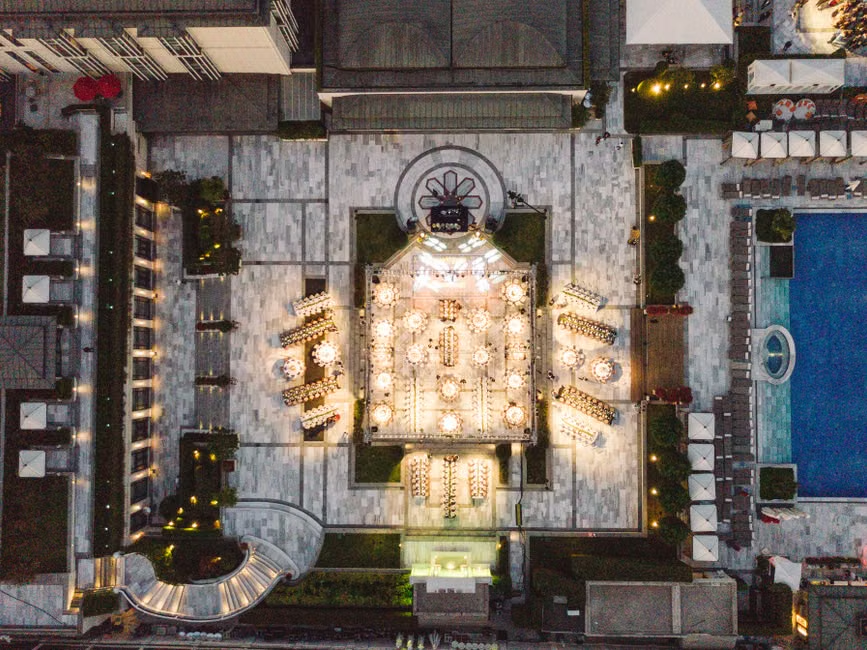
Casa Real at Santa Cruz Plaza Hotel
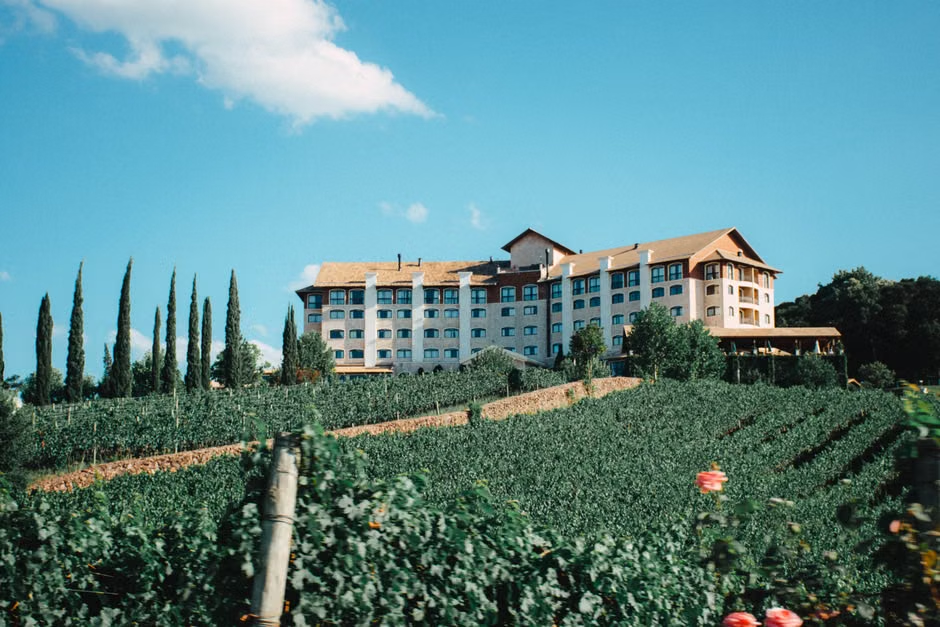
Viu Manent Wine Estate & Hotel
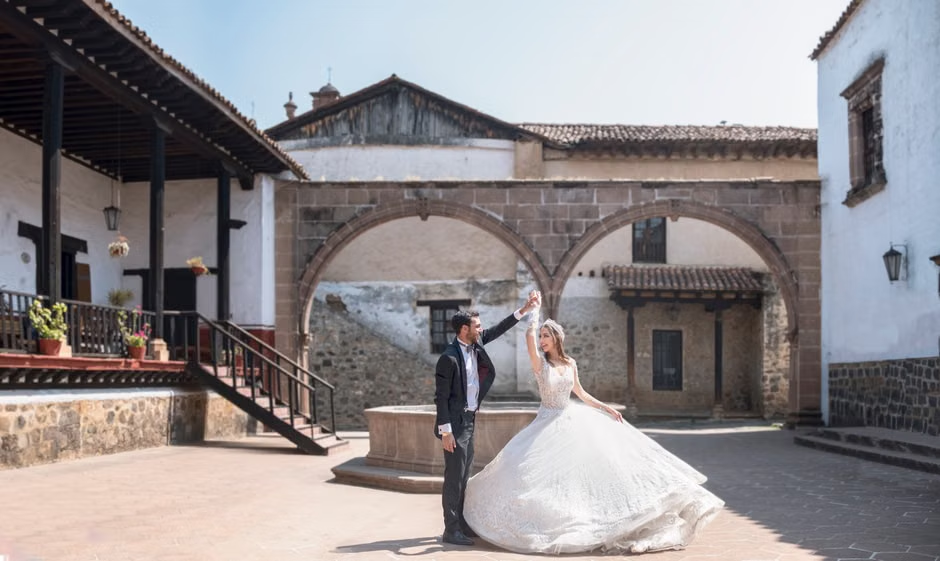
Hacienda Los Lingues
Compare Colchagua Valley with Other Top Destinations
Frequently Asked Questions
Is Colchagua Valley a good destination for a wedding?
Yes, particularly for intimate destination weddings. Colchagua Valley's vineyard estates and hacienda properties offer a genuinely romantic, exclusive setting that suits couples seeking something distinctive. The valley works best for guest lists in the range of 20 to 150 people, where the boutique scale of local venues becomes an asset rather than a limitation. The dry summer season from November through March provides reliably good conditions for outdoor ceremonies.
What is the best time of year to hold an event in Colchagua Valley?
The best season is the Southern Hemisphere summer: January, February, March, November, and December. During these months the climate is warm and dry, outdoor venues are fully operational, and the vineyard landscape is at its most visually striking. April through August brings cooler temperatures and increased rainfall that makes outdoor events significantly more challenging, and September–October carries unpredictable spring weather risk.
How do guests get to Colchagua Valley from abroad?
International guests fly into Santiago's Arturo Merino Benítez International Airport, which has direct connections from major cities across North America, Europe, and Latin America. From Santiago, the valley is approximately a two-hour drive south on well-maintained highways. There is no direct rail service or regional airport serving the valley, so road transfer — private vehicles, minibuses, or organized coaches — is the standard arrival method.
How large a guest group can Colchagua Valley venues realistically accommodate?
Most vineyard estates and hacienda properties in the valley are designed for intimate to mid-sized groups, typically between 20 and 200 guests for a seated event. Some larger properties can stretch to 300 guests with marquee or pavilion setups, but the valley's general character skews toward the exclusive and intimate. Very large events of 400 or more guests may find the local venue inventory limiting.
What kinds of venues are available for events in Colchagua Valley?
The valley offers primarily vineyard winery estates with integrated boutique hotels, historic haciendas restored as heritage event properties, and outdoor garden and terrace spaces. Most venues combine ceremony space, reception areas, and on-site guest accommodation within a single property, which is a significant advantage for destination events. Barrel rooms and cellar spaces are also used for intimate dinners.
Can guests stay on-site at event venues in Colchagua Valley?
Yes, and this is one of the valley's strongest practical advantages. Several of the major winery estates and hacienda properties operate boutique hotels on the same grounds as their event spaces, allowing a wedding or celebration group to be fully accommodated within one property. This creates a more cohesive, immersive experience and eliminates the need for guests to arrange separate accommodation and transport.
Is local transport within the valley easy to arrange for a group?
Yes, with advance planning. The valley is not walkable between properties, so coordinated road transport is necessary for any movement between venues or into the town of Santa Cruz. Local and Santiago-based operators offer private vehicle hire, minibuses, and dedicated event shuttle services. For events where all guests are accommodated on a single estate, internal transport needs are minimal.
What makes Colchagua Valley's food and wine offering distinctive for events?
The valley produces internationally acclaimed wines — particularly Carménère, Cabernet Sauvignon, and Syrah — and local chefs and caterers are experienced in building event menus around regional produce and wine pairings. Incorporating local wine into a celebration here is a genuine expression of place rather than a novelty. This food and wine culture is one of the valley's most compelling assets for event hospitality.
How far in advance should I book a venue in Colchagua Valley for a summer event?
Booking 12 to 18 months in advance is strongly advisable for peak summer weekends (November through March). The most sought-after vineyard estates and hacienda properties have limited capacity and are in high demand during this season. Experienced local event planners and in-house estate coordinators are available to assist with planning, but early commitment is essential to secure preferred dates.
Are there local wedding and event planners experienced with international clients in Colchagua Valley?
Yes. The valley has a well-established event planning community shaped by years of international wine tourism and destination weddings. Several local planners specialize in coordinating events for couples organizing from abroad, and many of the larger estate venues have dedicated in-house event teams. Vendors for photography, florals, and entertainment are also available, often based in Santiago and regularly working in the valley.
Is Colchagua Valley suitable for corporate retreats or incentive travel events?
Yes, it is a strong fit for high-end corporate retreats and incentive travel groups. The combination of exclusive estate accommodation, world-class wine and gastronomy, and built-in experiential activities — such as private wine blending sessions, vineyard tours, and cellar tastings — makes it a genuinely memorable setting. The valley's intimate scale and privacy also suit groups that value exclusivity over large-conference infrastructure.
What should I be aware of when planning an outdoor event in Colchagua Valley?
Outdoor events are best planned firmly within the November–March summer window, when dry conditions are reliable. Outside this period, particularly April through August, rainfall and cooler temperatures make outdoor-dependent events risky. Even within the summer season, having a contingency plan for unexpected weather is advisable. Most experienced local venues and planners will guide you through appropriate backup arrangements as a standard part of event planning.

Ready to explore venues in Colchagua Valley?
Colchagua Valley: Destination Wedding & Event Venues in Chile's Wine Country
◆Colchagua Valley is Chile's most celebrated wine-producing region and one of South America's strongest destination-wedding settings, particularly suited to intimate ceremonies, private social celebrations, and milestone events. Its primary vibe is romantic and dreamy — rolling vineyards, hacienda estates, and Andean foothills create a naturally cinematic backdrop. The valley suits couples and hosts who prioritize atmosphere, exclusivity, and a strong food-and-wine culture over large-scale ballroom capacity. The best season runs through the Southern Hemisphere summer (November through March), when warm, dry conditions make outdoor events consistently reliable. Access is primarily by road from Santiago, roughly two hours away, making it very manageable for international guests flying into Chile's capital.
Colchagua Valley at a Glance
| Category | Detail |
|---|---|
| Best For | Intimate Weddings, Private Social Celebrations, Anniversary Events, Corporate Retreats |
| Primary Vibe | Romantic & Dreamy |
| Other Vibes | Rustic-Luxe, Artisan, Immersive, Scenic |
| Best Season | Summer (Jan, Feb, Mar, Nov, Dec) |
Why Choose Colchagua Valley?
- Vineyard estates as exclusive venues: Several of the valley's most acclaimed wineries operate boutique hotels and private event spaces directly on their grounds, meaning your ceremony, reception, and guest accommodation can all exist within a single, beautifully curated property.
- Naturally dramatic scenery: The combination of vine rows, terracotta-toned haciendas, and the Andes rising in the background provides a photographic backdrop that requires minimal additional decoration — the landscape does the work.
- World-class wine and gastronomy: Colchagua produces internationally awarded Carménère, Cabernet Sauvignon, and Syrah. Incorporating local wine into a celebration here is not a novelty — it is a genuine expression of place, and local chefs and caterers are experienced in pairing menus accordingly.
- Intimate scale and privacy: Unlike large urban hotel venues, most Colchagua properties are designed for smaller, exclusive groups. This naturally limits intrusion from unrelated guests and creates a more personal, contained celebration environment.
- Manageable international access: Santiago's Arturo Merino Benítez International Airport is one of South America's best-connected hubs, with direct flights from North America, Europe, and across Latin America. The onward road journey to the valley is straightforward and scenic.
- Established hospitality for international visitors: The valley has long attracted wine tourism from Europe, North America, and beyond, meaning local operators — hotels, caterers, transport companies — are accustomed to working with international guests and multilingual requirements.
Which Celebrations Work Best in Colchagua Valley?
- Intimate destination weddings: The valley is particularly well-suited to weddings in the range of 20 to 150 guests. Vineyard and hacienda properties typically offer full buy-out options, allowing a couple to host their entire guest group — ceremony, dinner, and overnight accommodation — within one estate. The romantic, rustic-luxe setting resonates strongly with couples seeking something genuinely distinctive rather than a conventional hotel ballroom.
- Private social celebrations: Milestone birthdays, anniversary dinners, and family reunion gatherings translate exceptionally well here. The combination of excellent food, local wine, and a visually stunning environment makes any gathering feel elevated without requiring elaborate theming.
- Corporate retreats and incentive travel: The valley's blend of exclusivity, natural beauty, and world-class hospitality makes it a compelling choice for high-end corporate groups. Wine blending experiences, vineyard tours, and private tastings provide built-in team activities that are genuinely memorable rather than generic.
- Pre- and post-wedding celebrations: The valley's relaxed pace and scenic character make it an ideal location for welcome dinners, day-after brunches, or multi-day celebration itineraries where guests are encouraged to explore the region between events.
Venues & Event Spaces
Colchagua Valley's event venue landscape is defined primarily by winery estates with integrated hospitality — properties where vineyards, cellars, gardens, and boutique hotel rooms exist on the same grounds. These estates typically offer a combination of outdoor lawn or terrace spaces for ceremonies, barrel-room or cellar settings for intimate dinners, and open-air terraces with vineyard views for cocktail receptions.
Beyond the winery estates, the valley also has historic haciendas — colonial-era agricultural properties that have been restored as heritage hotels and event venues. These properties bring a different character: thick adobe walls, internal courtyards, antique furnishings, and a sense of deep historical rootedness that complements the valley's wine culture.
For larger gatherings, some properties offer dedicated event pavilions or marquee-ready lawns that can accommodate seated dinners for several hundred guests, though the valley's general character skews toward the intimate rather than the grand-ballroom scale. Outdoor spaces are the dominant format, which is why the dry summer season is so central to planning here — the valley's most compelling venues are designed to be experienced under open sky.
Best Time to Celebrate
The curated best season for Colchagua Valley is Summer: January, February, March, November, and December. This corresponds to the Southern Hemisphere summer and is the period when the valley's Mediterranean climate is at its most reliable and appealing for outdoor events.
During these months, daytime temperatures are warm and sunny, evenings are pleasantly mild rather than cold, and rainfall is minimal. This matters enormously for a destination where the most distinctive venues are outdoor vineyard terraces, garden lawns, and open-air cellar courtyards — spaces that depend on dry, clear conditions to function as intended. The harvest season (February–April) also adds a particularly vivid visual dimension, with vine leaves turning gold and red and the winery operations in full swing, creating an immersive backdrop that guests find genuinely memorable.
The months April through August represent the valley's winter and are generally less suitable for events. Temperatures drop significantly, rainfall increases, and many boutique winery properties reduce their hospitality operations during this period. Outdoor ceremonies and receptions become logistically challenging, and the landscape, while still beautiful, loses the lush green-and-gold vineyard character that defines the destination's visual appeal.
September and October are a spring shoulder season — temperatures begin to recover and vines start to bud, but rainfall remains unpredictable enough that outdoor event planning carries meaningful weather risk. These months can work for indoor-focused events but are not generally recommended for outdoor-dependent celebrations.
Getting There & Local Connectivity
The primary gateway for international guests is Santiago's Arturo Merino Benítez International Airport, one of South America's most connected international hubs with direct services from major cities across North America, Europe, and Latin America. From the airport, the Colchagua Valley — centered on the town of Santa Cruz — is approximately a two-hour drive south via well-maintained highways, making it a comfortable and straightforward transfer for arriving guests.
There is no direct rail service to the valley, and no regional airport serving Santa Cruz or the surrounding wine country. Road transfer is the standard and expected mode of arrival, and this is well-catered for: private transfer companies, minibus hire, and organized wine-tour operators all run regular services between Santiago and the valley. For a wedding or event group, coordinating a fleet of private vehicles or a dedicated coach is a common and practical approach that local operators handle routinely.
Within the valley itself, distances between properties and the town of Santa Cruz are generally short — most major estates are within 20–40 minutes of each other by road. However, the valley is not walkable between venues, and guests will need transport for any movement between properties. For multi-day events where guests are accommodated on a single estate, this is rarely an issue; for events drawing guests from multiple properties, a coordinated shuttle arrangement is advisable.
Local Vendor & Hospitality Ecosystem
Colchagua Valley has a well-developed hospitality ecosystem shaped by decades of international wine tourism. Local caterers and chefs are experienced in producing high-quality, locally sourced menus that integrate the valley's produce — olive oil, artisan cheeses, fresh vegetables, and of course its wines — into cohesive event dining experiences. This is not a destination where catering feels generic; the local food culture is strong and distinctive.
Event coordination and wedding planning services have grown significantly in the valley over the past decade, with a number of local planners who specialize in destination weddings for international couples. Many of the larger winery estates have in-house event teams who manage logistics, vendor coordination, and setup, which simplifies planning considerably for couples organizing from abroad.
Floral design, photography, and entertainment vendors based in Santiago regularly work in the valley and are familiar with its venues and logistics. For very specialized requirements — large-scale production, international entertainment acts, or highly bespoke décor — sourcing from Santiago is standard practice, and the two-hour road link makes this operationally straightforward.
One genuine consideration is that the valley's vendor ecosystem, while high quality, is smaller in absolute scale than a major city. Booking well in advance — particularly for peak summer weekends — is important, as the most experienced local vendors and the most sought-after estate venues can be fully committed many months ahead.
Pros & Things to Consider
Why Colchagua Valley Works Well
- Genuinely distinctive setting — vineyard and hacienda venues are not replicable in an urban context
- Warm, dry, and reliable summer climate makes outdoor events consistently feasible
- Strong local food and wine culture elevates every aspect of event hospitality
- Intimate scale of most properties creates a naturally exclusive, private atmosphere
- Well-connected to Santiago's international airport, keeping guest travel manageable
- Experienced local event and hospitality teams accustomed to international clients
Things to Consider
- Venue capacity at most properties skews toward smaller, intimate groups — very large guest lists (300+) may find the local inventory limiting
- No direct rail or regional air access means all guests depend on road transfers from Santiago, which requires coordination for large groups
- The valley's best venues are in high demand during peak summer weekends; early booking — often 12–18 months ahead — is strongly advisable
- Winter months (April–August) are genuinely unsuitable for outdoor events, and some properties reduce operations significantly during this period
- For guests traveling from outside Chile, the journey involves at minimum one long-haul flight to Santiago plus a two-hour road transfer — a meaningful commitment for elderly or mobility-limited guests
When Colchagua Valley May Not Be the Right Fit
- Very large guest lists: If your celebration requires seated dining for 400 or more guests in a single space, the valley's boutique estate venues may not comfortably accommodate the scale. A larger urban venue in Santiago or another major city would be more appropriate.
- Winter or shoulder-season events: If your dates fall between April and October and your event is primarily outdoor-dependent, Colchagua Valley's weather risk is real and significant. The destination's strongest assets — vineyard terraces, garden lawns, open-air cellars — are weather-dependent by design.
- Guests with very limited international travel capacity: For a guest list where a significant proportion of attendees would find a long-haul flight to Chile and a subsequent road transfer genuinely difficult, a destination closer to the majority of guests' home countries would reduce attrition and logistical stress.
- Events requiring dense urban amenities nearby: The valley is rural by nature. Guests who need easy access to shopping, nightlife, or a wide range of independent restaurants beyond the estate will find the local town of Santa Cruz charming but limited compared to a major city setting.