
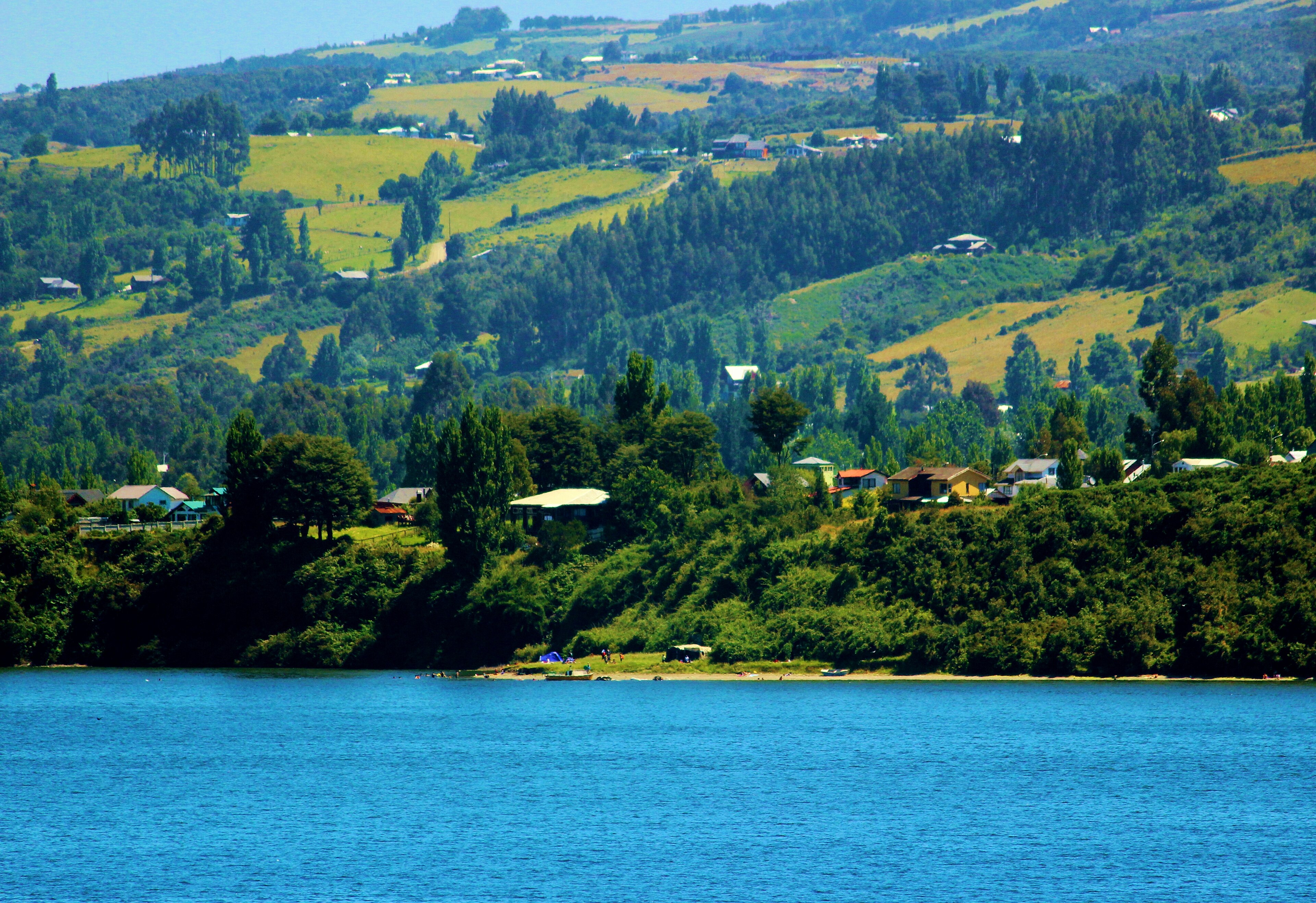
Why Chiloé is Perfect for Your Celebration
- UNESCO World Heritage wooden churches provide extraordinary, one-of-a-kind ceremony backdrops
- Palafito stilt houses over the water create uniquely photogenic settings found nowhere else in the world
- Summer (Dec–Mar) offers the archipelago's most stable weather and longest daylight hours for outdoor celebrations
- Deeply rooted Chilote mythology and artisan culture give events an authentic, immersive local character
- Intimate island scale naturally suits smaller, close-knit celebrations rather than mass-market events
- Native Valdivian rainforest and wild coastal scenery offer dramatic natural ceremony and photography settings
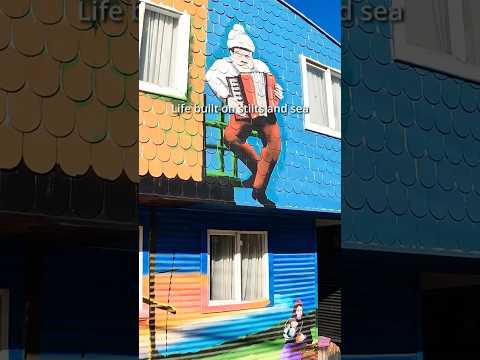
Compare Chiloé with Other Top Destinations
Frequently Asked Questions
Is Chiloé a good destination for a wedding?
Yes, particularly for intimate weddings of up to around 60–80 guests. Chiloé offers a genuinely unique setting — UNESCO-listed wooden churches, palafito stilt houses over the water, and native rainforest landscapes — that suits couples prioritising cultural depth and visual distinctiveness over conventional resort luxury. It is not well-suited to large-format weddings due to the island's limited venue capacity.
What is the best time of year to hold a wedding or event in Chiloé?
Summer — December, January, February, and March — is the only reliably suitable season for outdoor events. January and February offer the most stable weather, with temperatures around 16–20°C and significantly reduced rainfall. The remaining eight months bring persistent heavy rain, strong winds, and cold temperatures that make outdoor celebrations impractical and complicate guest travel.
How do guests get to Chiloé for a destination event?
The standard route is a flight to El Tepual Airport in Puerto Montt, followed by a road transfer south to the Pargua ferry terminal and a short ferry crossing to Chiloé Island. Total transfer time from the airport to Castro, the island's main city, is typically 90 minutes to two hours. All guests should build buffer time into their travel plans to account for ferry wait times, particularly during the January–February peak.
How many guests can Chiloé realistically accommodate for a destination wedding?
Chiloé's venue and accommodation inventory is best suited to events of up to roughly 80–100 guests. The island's boutique properties are intimate by design, and there are no large convention-style venues. For events above this scale, accommodation will need to be spread across multiple properties, which adds coordination complexity. The destination is genuinely strongest for smaller, close-knit celebrations.
What kinds of venues are available for events in Chiloé?
The most distinctive options are palafito-style boutique hotels built over tidal channels, rural estancias with hill and water views, and — for ceremonies — the UNESCO-listed wooden churches found across the archipelago. There are no large banquet halls or convention centres. Venue character is consistently intimate and architecturally distinctive, reflecting the island's deep carpentry and maritime traditions.
Can a traditional Chilote cultural experience be incorporated into a wedding or event?
Yes, and this is one of Chiloé's strongest assets. Local caterers can prepare curanto — the archipelago's signature earth-oven feast of shellfish, meat, and potato dumplings — as a centrepiece dining experience. Artisan weavers, woodworkers, and folkloric musicians are available for event programming. These cultural elements are genuinely embedded in local life rather than performed for tourists, which gives them an authenticity that is difficult to replicate elsewhere.
Is local transport easy to arrange for a guest group once they arrive in Chiloé?
Private transfers are the practical standard for event groups. Public buses connect the main towns but are not well-suited to coordinating guests on event timelines. For groups attending venues at rural or coastal locations, a coordinated private transport plan arranged in advance through a local coordinator is strongly recommended. Road quality is generally good on main routes but variable on access roads to more remote sites.
How far in advance should a Chiloé destination wedding be planned?
At least 12–18 months in advance is advisable, particularly for January and February events. The island's boutique accommodation inventory is small and fills quickly during the summer peak. Vendors with specific Chiloé destination-wedding experience are also limited in number, and securing a coordinator, caterer, and key suppliers early is important. Church ceremony arrangements through local parishes should also be initiated well in advance.
What is internet and mobile connectivity like in Chiloé for guests?
Connectivity is reasonable in Castro and Ancud but limited in rural and coastal areas. Guests should be informed in advance that reliable mobile data and Wi-Fi cannot be assumed outside the main towns. This is worth framing positively as part of the destination's character — genuine disconnection is part of what makes Chiloé distinctive — but it requires proactive communication so guests are not caught off-guard.
Are there local event coordinators with experience in Chiloé destination weddings?
Yes, though the pool is smaller than in Chile's major cities. Engaging a coordinator with specific Chiloé experience is strongly recommended over using a general Santiago-based planner unfamiliar with island logistics, ferry schedules, and local vendor relationships. A knowledgeable local coordinator is particularly valuable for navigating church ceremony arrangements, sourcing specialist suppliers, and managing the ferry-crossing logistics for guest groups.
Is Chiloé safe for international guests attending a destination event?
Generally, yes. Chiloé is considered a safe destination by Chilean standards, with low crime rates and a welcoming local community. The main practical safety considerations for event guests relate to weather and terrain — coastal and rural areas can be exposed and muddy in wet conditions — rather than personal security. Standard travel precautions apply, and guests should be briefed on road and ferry conditions relevant to their travel dates.

Ready to explore venues in Chiloé?
Chiloé: Destination Wedding & Cultural Event Venues in Southern Chile
◆Chiloé is a UNESCO-recognised archipelago in southern Chile, best suited to intimate, culturally immersive weddings and small private celebrations. Its primary vibe is Cultural & Timeless — shaped by centuries-old wooden churches, palafito stilt houses, and living Chilote mythology rather than conventional resort luxury. The destination works best for couples and planners who prioritise uniqueness, natural drama, and authentic local character over large-scale logistics. Summer (December through March) is the only reliably workable season for outdoor events. Guest travel requires meaningful advance planning — access involves a flight to Puerto Montt followed by road and ferry transfer — making Chiloé a considered, destination-first choice rather than a convenient one.
Chiloé at a Glance
| Category | Detail |
|---|---|
| Best For | Intimate Weddings, Elopements, Cultural Celebrations, Private Retreats |
| Primary Vibe | Cultural & Timeless |
| Other Vibes | Rustic, Mythic, Coastal, Intimate |
| Best Season | Summer (Jan, Feb, Mar, Dec) |
Why Choose Chiloé?
- UNESCO World Heritage setting: Chiloé's network of 16 UNESCO-listed wooden churches — built in a unique fusion of indigenous and European carpentry traditions — offers ceremony backdrops that are genuinely irreplaceable and found nowhere else on earth.
- Palafito architecture over the water: The iconic stilt houses of Castro and Dalcahue, built directly over tidal channels, create a visual identity so distinctive that photographs from Chiloé are immediately recognisable — a significant draw for couples who prioritise visual storytelling.
- Living Chilote culture and mythology: Unlike destinations where local culture is performed for tourists, Chiloé's traditions — its folklore, artisan weaving, curanto cooking, and oral mythology — remain genuinely embedded in daily life, giving celebrations an authentic cultural dimension that is difficult to replicate elsewhere.
- Intimate scale by nature: The island's infrastructure naturally limits event sizes, which works strongly in favour of couples seeking privacy, exclusivity, and a close-knit guest experience rather than a large-format production.
- Dramatic natural landscapes: Rolling hills covered in native Valdivian temperate rainforest, wild Pacific-facing beaches, and the calm inland sea of the Gulf of Ancud provide a range of natural ceremony and photography environments within short distances of each other.
- Boutique accommodation with genuine character: Properties in Chiloé — including palafito-style boutique hotels directly over the water — offer a level of architectural and experiential distinctiveness that standard resort destinations rarely match.
Which Celebrations Work Best in Chiloé?
- Intimate Weddings (up to ~60 guests): Chiloé is particularly well-suited to small, meaningful weddings where the setting itself is the statement. The combination of UNESCO church ceremonies, waterside receptions, and immersive local culture creates a deeply personal event that larger, more conventional destinations cannot replicate.
- Elopements and Micro-Weddings: For couples prioritising the experience over the guest list, Chiloé's remote character, extraordinary scenery, and boutique accommodation make it one of South America's more compelling elopement destinations. The logistical effort of getting there becomes part of the narrative.
- Cultural Celebrations and Heritage Events: Events that deliberately incorporate local Chilote traditions — curanto feasts, artisan craft displays, folkloric music — find a genuinely receptive and authentic environment here. The destination does not need to manufacture cultural content; it already exists.
- Private Retreats and Corporate Gatherings (small groups): The combination of natural isolation, distinctive accommodation, and a genuinely unhurried pace makes Chiloé workable for small leadership retreats or creative gatherings where disconnection and immersion are the goals.
Venues & Event Spaces
Chiloé's venue landscape is defined by boutique character rather than large-scale convention infrastructure. The most distinctive event spaces are palafito-style boutique hotels — properties built on stilts over tidal channels, offering waterside dining rooms and terraces that function as intimate reception spaces. Several properties feature native timber interiors that reflect the island's deep carpentry tradition, creating warm, atmospheric indoor settings well-suited to the cooler evenings even in summer.
For ceremonies, the UNESCO-listed wooden churches scattered across the archipelago — in towns including Castro, Chonchi, Quinchao, and Dalcahue — represent a category of venue entirely unique to this destination. Their use for private ceremonies is subject to local parish arrangements and should be confirmed well in advance through local coordinators.
Outdoor lawn and garden spaces exist at several rural properties and estancias on the island's interior, offering pastoral settings with hill and water views. Wild beach settings on the Pacific-facing western coast are accessible for photography and informal gatherings, though they require logistical planning given their remoteness. Overall, Chiloé's venue inventory is best understood as a collection of intimate, character-rich spaces rather than large banquet halls or convention centres — it is not a destination for events requiring capacity above roughly 100–120 guests in a single space.
Best Time to Celebrate
The curated best season for Chiloé is Summer: December, January, February, and March. This is the only period when the archipelago's notoriously wet and windy climate becomes reliably manageable for outdoor events. During these months, daytime temperatures typically reach 16–20°C, rainfall is significantly reduced compared to the rest of the year, and daylight extends well into the evening — a meaningful advantage for outdoor ceremonies and receptions that depend on natural light.
December and March are shoulder months within this window: generally workable but with a higher chance of overcast days and occasional rain than January and February, which represent the peak of Chiloé's summer. January and February are the most popular months for events and should be booked well in advance, as the island's limited accommodation inventory fills quickly during this period.
The remaining eight months — April through November — bring the full weight of Chiloé's sub-Antarctic oceanic climate: persistent heavy rainfall, strong westerly winds, cold temperatures (often dropping below 8°C), and very short daylight hours in the depths of winter (June–July). Outdoor events during this period are not practically viable, and even indoor events face significant logistical challenges related to guest travel in poor weather conditions. This is not a destination where the shoulder or off-season offers a workable compromise — the seasonal contrast is sharp and genuine.
Getting There & Local Connectivity
Reaching Chiloé requires a multi-leg journey for virtually all guests. The nearest commercial airport is El Tepual Airport in Puerto Montt, which receives domestic flights from Santiago and a small number of regional connections. From Puerto Montt, guests travel by road south to the ferry crossing at Pargua, then cross the Chacao Channel by ferry to Chiloé Island — a total transfer of roughly 90 minutes to two hours depending on ferry wait times and traffic. This crossing is a genuine logistical variable: ferry frequency is regular during summer but wait times can extend during peak holiday periods.
Within the island, private transfers and hired vehicles are the practical standard for event groups. Public bus services connect the main towns (Castro, Ancud, Dalcahue, Chonchi), but they are not well-suited to coordinating large guest groups on event timelines. For groups staying across multiple properties or attending events at rural venues, a coordinated private transport plan is strongly advisable. Road quality on the main island is generally good on paved routes, but access to more remote western-coast locations involves unpaved roads that require appropriate vehicles.
Mobile and internet connectivity on Chiloé is limited by mainland Chilean standards — coverage is reasonable in Castro and Ancud but patchy in rural and coastal areas. This is worth communicating to guests in advance, particularly for those who may need reliable connectivity for work during a multi-day stay.
Local Vendor & Hospitality Ecosystem
Chiloé's vendor ecosystem is small but genuinely skilled in what it does well. Local caterers and hospitality providers have deep experience with traditional Chilote cuisine — most notably curanto, the archipelago's signature slow-cooked feast of shellfish, meat, and potato dumplings prepared in an earth oven — which can serve as a powerful and memorable centrepiece for event dining. Incorporating local food traditions is one of the strongest arguments for working with local vendors rather than importing mainland catering.
Artisan suppliers — weavers, woodworkers, and ceramicists working in traditional Chilote styles — are available for event décor, favours, and cultural programming, and their work adds an authenticity that generic event suppliers cannot replicate. Floral options are more limited than in major urban centres, and couples with specific floral requirements may need to coordinate with suppliers from Puerto Montt or further afield.
Event coordination professionals with experience managing destination weddings on the island exist but are fewer in number than in Chile's larger cities. Engaging a coordinator with specific Chiloé experience — rather than a general Santiago-based planner unfamiliar with island logistics — is strongly recommended. Lead times for vendor bookings during the January–February peak should be treated as longer than mainland equivalents.
Pros & Things to Consider
Why Chiloé Works Well
- Genuinely irreplaceable visual and cultural setting — UNESCO churches and palafito architecture are unique to this destination
- Intimate island scale naturally creates privacy and exclusivity for small guest groups
- Authentic local culture (cuisine, craft, folklore) integrates naturally into event programming without feeling manufactured
- Summer season offers long daylight hours and relatively stable weather for outdoor events
- Boutique accommodation options provide strong architectural character and a memorable guest experience
- Low ambient tourism volume compared to Chile's more visited destinations means less competition for space and attention during events
Things to Consider
- Multi-leg access (flight + road + ferry) adds meaningful complexity and cost to guest travel, particularly for international attendees
- Venue capacity is genuinely limited — events above roughly 80–100 guests will find the local inventory stretched
- The workable event season is narrow (four months); outside December–March, outdoor events are not practically viable
- Vendor ecosystem is smaller than mainland Chilean cities — some specialist suppliers (floristry, AV, large-scale catering) may need to be sourced from Puerto Montt or Santiago
- Internet and mobile connectivity is limited in rural areas, which requires proactive communication with guests
- Ferry crossing schedules introduce a logistical variable that requires buffer time in guest travel plans
When Chiloé May Not Be the Right Fit
- Large guest lists (100+ guests): The island's accommodation and venue inventory is not structured to support large-format events comfortably. Couples expecting to host more than roughly 80–100 guests in a single space will find options genuinely limited.
- Guests with limited travel flexibility: The multi-leg journey — particularly the ferry crossing — is not well-suited to elderly guests, guests with mobility challenges, or those with very tight travel windows. If a significant portion of the guest list falls into this category, a more accessible destination is likely a better fit.
- Events planned outside the December–March window: Chiloé's climate outside summer is genuinely inhospitable for outdoor events and logistically challenging even for indoor ones. If the preferred event date falls between April and November, this destination is not recommended.
- Couples seeking conventional luxury resort infrastructure: Chiloé's strongest properties are boutique and character-driven rather than large luxury resort complexes. If the priority is a full-service, large-scale luxury resort with extensive on-site amenities, the local inventory may not meet expectations.