
Why Santo Antão is Perfect for Your Celebration
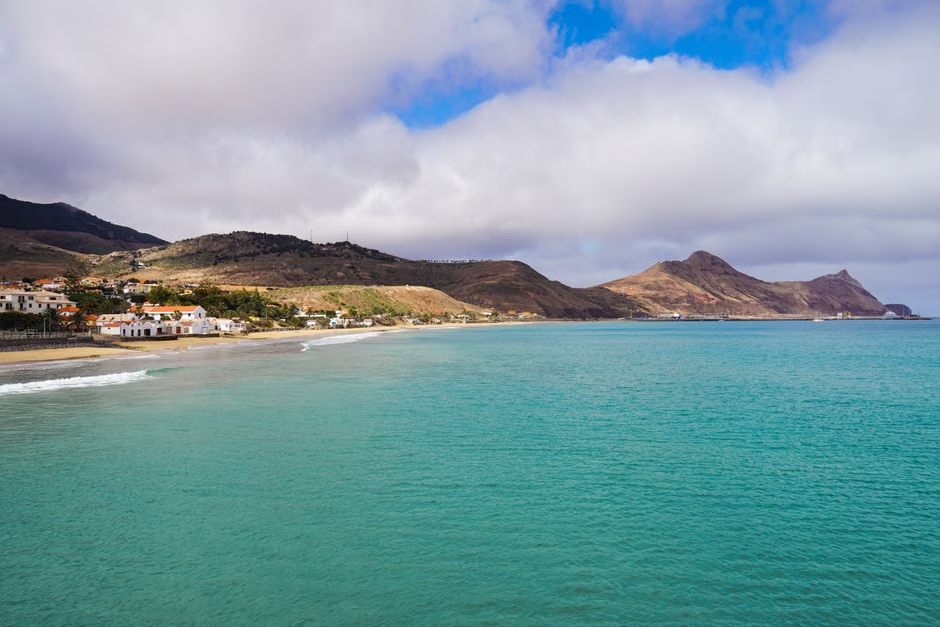
- Dramatic volcanic ribeira valleys and Atlantic coastal cliffs provide a genuinely unique, cinematic backdrop unavailable at mainstream destinations
- Dry season (Nov–May) delivers reliably clear skies and warm temperatures ideal for outdoor ceremonies and celebrations
- Small-scale, intimate island character naturally suits elopements, micro-weddings, and private group retreats
- Authentic Creole culture, local music (morna and coladeira), and cuisine add a distinctive, memorable flavour to any celebration
- Near-total absence of mass tourism means genuine privacy and exclusivity for groups willing to embrace the remoteness
- Hiking, whale watching, and nature excursions offer rich guest programming around the core event
Compare Santo Antão with Other Top Destinations
Frequently Asked Questions
Is Santo Antão a good destination for an intimate wedding or elopement?
Yes. Santo Antão is particularly well-suited to intimate weddings and elopements, especially for couples seeking a dramatic natural setting rather than a conventional resort experience. The island's volcanic valleys, Atlantic coastal scenery, and small-scale independent properties create a genuinely private and visually extraordinary backdrop. Guest lists of up to around 50 people are most comfortably accommodated within the local venue and accommodation inventory.
How do guests actually get to Santo Antão?
Guests fly into Cesária Évora Airport on the neighbouring island of São Vicente, then take a ferry from Mindelo's Porto Grande harbour to Porto Novo on Santo Antão — a crossing of roughly one hour. There is no commercial airport on Santo Antão itself. International flights to São Vicente connect from several European cities, particularly Lisbon and Amsterdam, as well as from other Cape Verdean islands, typically requiring at least one connection for most travellers.
What is the best time of year to hold an event on Santo Antão?
The dry season — January through May and November through December — is the strongly recommended window. During these months, rainfall is minimal, skies are generally clear, temperatures are warm and comfortable, and the ferry crossing from São Vicente is calmer and more reliable. January through March tends to offer the most settled conditions. The humid season (June–October) brings increased cloud cover, occasional rain, and rougher sea crossings that can disrupt guest arrivals.
What kinds of event venues are available on Santo Antão?
Santo Antão's venue offer is defined by small independent properties rather than large hotel chains or purpose-built event complexes. Options include small valley resorts with outdoor terraces, heritage-style guesthouses with traditional Creole architecture, and coastal properties with Atlantic views. Outdoor ceremonies in ribeira valley settings or against coastal backdrops are a genuine strength. Most spaces comfortably seat 20–80 guests; very few can support larger gatherings without supplementary logistics.
How many guests can Santo Antão realistically accommodate for a destination event?
Realistically, Santo Antão works best for groups of up to around 60–80 guests. The island's total accommodation inventory is limited, and securing sufficient rooms within a single property or a small cluster of nearby properties for larger groups requires very early booking — ideally six to twelve months in advance for peak dry-season dates. Groups significantly larger than 80 guests will find the local inventory genuinely stretched.
Is there a professional wedding and event planning industry on Santo Antão?
The professional event vendor ecosystem on Santo Antão is small and less developed than on Cape Verde's more tourism-oriented islands. Local strengths include experienced guides, genuine Creole catering, and warm community hospitality. However, specialist services such as dedicated wedding planners, florists, and audio-visual suppliers may need to be sourced from São Vicente or further afield. Working with a planner who has specific Cape Verde experience is strongly advisable.
What is the internet and mobile connectivity like for guests during an event?
Connectivity on Santo Antão is limited and can be unreliable, particularly in the interior ribeira valleys. Mobile signal exists in the main towns (Porto Novo, Ribeira Grande, Pombas) but drops in more remote areas. Wi-Fi is available at most accommodation properties but is generally slower and less consistent than guests from urban European or North American backgrounds may expect. This is worth communicating clearly to guests in advance.
What makes a celebration on Santo Antão genuinely distinctive compared to a standard resort destination?
Santo Antão offers a combination of dramatic volcanic scenery, authentic Creole culture (local music, cuisine, and community warmth), and near-total absence of mass tourism that is genuinely difficult to replicate elsewhere. Guests experience the island as a real place rather than a curated resort environment. Local programming — hiking the ribeiras, whale watching, valley walks, grogue distillery visits — gives multi-day celebrations a richness of shared experience that standardised resort destinations rarely match.
Are there any risks or challenges specific to planning an event on Santo Antão?
Yes. The main planning challenges are: ferry crossing reliability (sea conditions can occasionally delay or cancel crossings, affecting guest arrivals); limited local vendor infrastructure requiring some services to be sourced externally; the island's steep, winding road network complicating group transport logistics; and limited accommodation capacity requiring early booking. All of these are manageable with good advance planning and a knowledgeable local ground handler, but they require more active coordination than a mainstream resort destination.
Is Santo Antão suitable for guests with mobility challenges or limited travel experience?
It requires careful consideration. The multi-leg journey (international flight plus ferry crossing) and the island's steep, winding roads and uneven terrain in valley areas can be genuinely challenging for guests with mobility limitations or those unaccustomed to complex travel logistics. For events where guest accessibility is a high priority, a more directly connected and flatter destination would typically serve the group better. Santo Antão rewards guests who are comfortable with adventurous travel.
What local cultural elements can be incorporated into a celebration on Santo Antão?
Several genuinely distinctive local elements are available: live morna, coladeira, or funaná music performed by local musicians; Creole cuisine featuring fresh Atlantic fish, local vegetables from the ribeira farms, and traditional dishes; grogue (Cape Verdean sugarcane spirit) tastings; and guided ribeira valley walks as guest excursions. These cultural touches are authentic rather than staged, and they give celebrations on Santo Antão a flavour that is specific to this island and this archipelago.

Ready to explore venues in Santo Antão?
Santo Antão: Destination Wedding & Intimate Event Venues in Cape Verde
◆Santo Antão is Cape Verde's most rugged and verdant island, best suited to intimate weddings, elopements, small social celebrations, and nature-immersive group retreats. Its primary character is one of raw natural wilderness — volcanic ribeira valleys, Atlantic coastal cliffs, and lush highland agriculture — rather than polished resort infrastructure. The dry season (November through May) is the reliable window for outdoor events, with clear skies and calm sea crossings. Accessibility requires international travel to Cape Verde followed by a ferry from São Vicente, making it a genuinely remote destination; guest logistics demand careful planning. Accommodation and venue inventory is small-scale and largely independent, which keeps the atmosphere intimate but limits capacity for large groups.
Santo Antão at a Glance
| Category | Detail |
|---|---|
| Best For | Intimate Weddings, Elopements, Birthdays & Social Celebrations, Nature Retreats |
| Primary Vibe | Nature & Wilderness |
| Other Vibes | Authentic & Cultural, Secluded & Private, Adventurous |
| Best Season | Dry Season (Jan, Feb, Mar, Apr, May, Nov, Dec) |
Why Choose Santo Antão?
- Genuinely unique scenery: The deep ribeiras (valleys) of Paul and Ribeira Grande, the dramatic coastal road between Porto Novo and Ribeira Grande, and the volcanic highland interior offer a backdrop that is essentially impossible to replicate at any mainstream wedding destination.
- Natural privacy and exclusivity: Santo Antão receives relatively few international visitors compared to Cape Verde's more developed islands, meaning a group booking even a modest property can feel as though they have the landscape largely to themselves.
- Authentic Creole culture: Local music traditions — morna, coladeira, and funaná — local cuisine built around fresh fish, grogue (sugarcane spirit), and tropical produce, and the warmth of small-community hospitality give celebrations a genuinely distinctive cultural texture.
- Rich guest programming: Hiking trails through the ribeiras, whale and dolphin watching in season, local market visits, and agricultural valley walks provide natural itinerary content around the core event without needing to import entertainment.
- Reliable dry-season weather: From November through May, Santo Antão's northern and western valleys enjoy consistently clear, warm, and breezy conditions well-suited to outdoor ceremonies and al fresco dining.
- Small-scale, personal hospitality: Independent guesthouses and small resorts typically offer a level of personal attention and flexibility that larger chain hotels cannot match, which is particularly valuable when coordinating a bespoke celebration.
Which Celebrations Work Best in Santo Antão?
Intimate Weddings & Elopements: Santo Antão is particularly well-suited to couples seeking a ceremony in an extraordinary natural setting with a small guest list — typically under 50 people. The island's landscape provides dramatic, photogenic backdrops, and the absence of large-scale wedding infrastructure actually works in favour of couples who want something personal and unconventional rather than a packaged resort wedding.
Milestone Birthdays & Social Celebrations: A significant birthday or anniversary celebrated on Santo Antão carries an inherent sense of occasion simply by virtue of the destination's remoteness and beauty. Small groups willing to travel together for a shared experience will find the island's character — its food, music, and scenery — naturally conducive to memorable group moments.
Nature & Wellness Retreats: The combination of hiking, fresh mountain air, Atlantic breezes, and a genuinely slow pace of life makes Santo Antão an excellent setting for a wellness or nature-focused group retreat built around an event or celebration. The ribeira valleys in particular offer a meditative, restorative quality that is difficult to find in more commercialised destinations.
Photography & Creative Destination Events: The island's dramatic light — particularly in the dry season — its volcanic textures, lush valley greens, and coastal drama make it an outstanding location for event-linked photography projects, creative workshops, or any celebration where visual storytelling is a priority.
Venues & Event Spaces
Santo Antão's venue landscape is defined by small independent properties rather than large hotel chains or purpose-built event complexes. The island offers a range of intimate settings including small valley resorts with outdoor terraces and garden spaces, heritage-style guesthouses with traditional Creole architecture, and coastal properties with Atlantic views. Outdoor ceremonies on hillside terraces, in ribeira valley clearings, or against coastal cliff backdrops are genuinely feasible during the dry season and represent the island's strongest venue proposition. Indoor banquet capacity is limited — most properties comfortably accommodate groups of 20 to 80 guests for a seated event, and very few spaces can support larger gatherings without significant logistical supplementation. Couples and planners should expect to work closely with individual property owners to configure spaces for their specific needs, as standardised event packages of the kind found at large resort destinations are not the norm here.
Best Time to Celebrate
The dry season — running from November through May — is the strongly preferred window for any outdoor event on Santo Antão. During these months, rainfall is minimal, skies are generally clear, temperatures are warm and comfortable (typically in the low-to-mid twenties Celsius), and the trade winds keep conditions pleasant rather than oppressively hot. Crucially, the ferry crossing between São Vicente and Porto Novo — the primary arrival route for guests — is significantly calmer and more reliable during the dry season, reducing the risk of weather-related travel disruption for arriving guests.
The humid season, broadly June through October, brings increased cloud cover (particularly in the highlands), occasional rainfall, and rougher Atlantic swells that can make the ferry crossing uncomfortable or, in peak swell periods, subject to cancellation. The highland valleys, while dramatically green during this period, can be shrouded in mist for extended stretches, which affects both outdoor event viability and photography. For any celebration where guest arrival reliability and outdoor conditions are priorities, the humid season months are best avoided.
Within the dry season, January through March tends to offer the most settled conditions, while November and December can occasionally see the tail end of the previous season's humidity. April and May are generally excellent, with the landscape still carrying some green from earlier rains while maintaining dry, clear skies.
Getting There & Local Connectivity
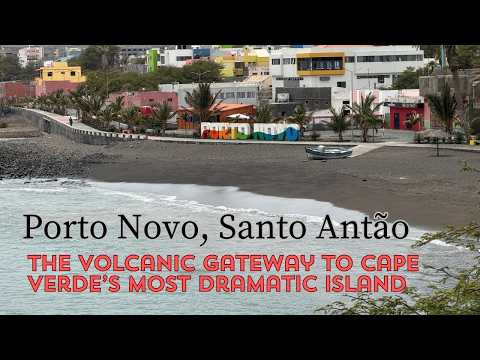
Reaching Santo Antão requires a two-stage journey for most international guests: a flight into Cesária Évora Airport on the neighbouring island of São Vicente, followed by a ferry crossing from Mindelo's Porto Grande harbour to Porto Novo on Santo Antão. The ferry crossing typically takes around an hour and operates multiple times daily during the dry season, though schedules can be affected by sea conditions. There is no commercial airport on Santo Antão itself, which means all guests — regardless of origin — must factor in this crossing as part of their arrival plan.
International connections to São Vicente are available from several European cities (particularly Lisbon and Amsterdam) as well as from other Cape Verdean islands, but the overall route network is more limited than that serving larger island destinations. Guests travelling from outside Europe or West Africa should expect at least one connection. This multi-leg journey is a genuine logistical consideration for any event planner coordinating a group arrival.
Once on the island, local transport is primarily by shared taxi (aluguer) or hired vehicle. Roads in the interior are often steep, narrow, and winding — particularly in the ribeira valleys — and some routes require four-wheel-drive vehicles. For a group event, coordinating local transport for guests between accommodation, ceremony venues, and dining locations requires advance planning and ideally a local logistics contact or ground handler familiar with the island's road network.
Local Vendor & Hospitality Ecosystem
Santo Antão's hospitality ecosystem is genuine and warm but small in scale. The island has a community of experienced local guides, particularly for hiking and nature excursions, and a number of small restaurants and local caterers capable of producing excellent Creole cuisine for groups. Fresh seafood, local vegetables from the ribeira valley farms, and traditional dishes prepared with grogue and local spices are genuine strengths of the local food offer.
However, the professional event vendor ecosystem — dedicated wedding planners, specialist florists, audio-visual suppliers, large-scale catering operations, and formal event coordination services — is significantly less developed than on Cape Verde's more tourism-oriented islands (such as Sal or Santiago) or on mainland European destination wedding circuits. Couples and planners should expect to source some specialist vendors from São Vicente or further afield, and to build in additional lead time for logistics. Working with a destination wedding planner who has specific Cape Verde or West African island experience is strongly advisable rather than attempting to coordinate entirely remotely.
Accommodation capacity across the island is limited, and for groups larger than 40-50 guests, securing sufficient rooms within a single property or a small cluster of nearby properties requires early booking — ideally six to twelve months in advance for peak dry-season dates.
Pros & Things to Consider
Why Santo Antão Works Well
- Extraordinary, genuinely rare natural scenery that creates inherently memorable event photography and guest experiences
- High degree of privacy and exclusivity — the island's low tourist volume means groups rarely feel crowded or overlooked
- Authentic local culture (music, cuisine, community warmth) adds real texture to celebrations without needing to import entertainment
- Dry season reliability (November–May) provides a long, dependable window for outdoor events
- Small independent properties offer flexibility and personal attention that standardised hotel chains typically cannot match
- Rich natural programming (hiking, whale watching, valley walks) keeps guests engaged across a multi-day celebration
Things to Consider
- Multi-leg travel (international flight + ferry crossing) adds complexity and cost to guest journeys, and may deter some attendees
- Venue capacity is genuinely limited — groups larger than 60-80 guests will find the local inventory stretched
- Professional event vendor infrastructure (specialist florists, AV suppliers, large caterers) is underdeveloped; some services must be sourced from other islands
- Internet and mobile connectivity across the island is limited and unreliable in some valley areas — important for guests who need to stay connected
- Ferry crossings can be disrupted by sea conditions, creating arrival uncertainty that requires contingency planning
- The island's road network, while scenic, is challenging for large vehicle movements and requires careful local transport coordination
When Santo Antão May Not Be the Right Fit
- Large guest lists (100+): The island's accommodation and venue inventory cannot comfortably support large weddings or events without significant logistical compromise. Groups of this size are better served by destinations with established large-scale resort infrastructure.
- Guests with limited travel flexibility: The multi-leg journey — international flight to São Vicente plus a ferry crossing — is a genuine barrier for elderly guests, guests with mobility challenges, or those with very limited travel time. If guest accessibility is a priority, a more directly connected destination will serve the group better.
- Events planned during the humid season (Jun–Oct): Outdoor ceremonies and reliable guest arrivals are both significantly harder to guarantee during this period. If the event date is fixed within these months, a destination with more weather-resilient infrastructure would be a more prudent choice.
- Couples expecting a full-service, plug-and-play wedding package: Santo Antão does not have the mature destination wedding industry infrastructure of more established circuits. Couples who want a fully managed, vendor-rich experience with minimal personal coordination effort will find the island's ecosystem requires more hands-on involvement than they may be prepared for.