
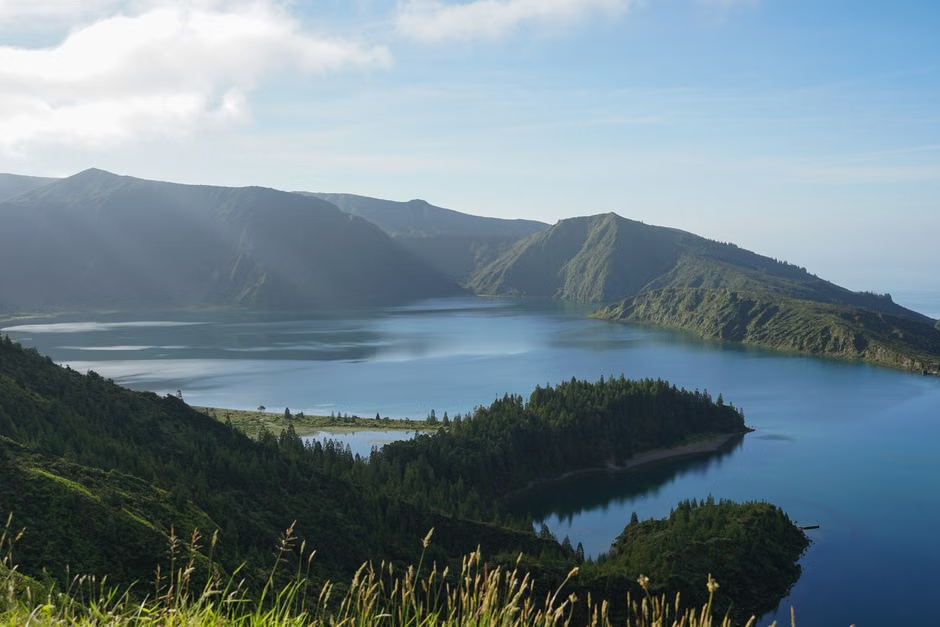
Why Fogo / São Filipe is Perfect for Your Celebration
- Pico do Fogo volcano provides a genuinely one-of-a-kind dramatic backdrop found nowhere else in the Atlantic
- São Filipe's Portuguese-Creole colonial architecture offers charming, photogenic settings for intimate ceremonies
- Small-scale, exclusive venue options mean celebrations feel private and personal rather than mass-market
- Dry season (Nov–May) delivers reliably clear skies, warm temperatures, and steady Atlantic breezes ideal for outdoor events
- Local Fogo wine — produced in the volcanic Chã das Caldeiras caldera — adds a genuinely unique, place-specific element to any celebration
- The island's remoteness and exclusivity naturally create a 'destination' experience that guests remember for years
Compare Fogo / São Filipe with Other Top Destinations
Frequently Asked Questions
Is Fogo / São Filipe a good destination for a small wedding?
Yes, particularly for intimate celebrations. Fogo is genuinely well-suited to micro-weddings and elopements of up to around 50 guests, where the volcanic landscape, colonial architecture, and sense of exclusivity are the main draw. Couples seeking a dramatic, off-the-beaten-path setting with a strong sense of place will find it a compelling choice, provided they plan travel logistics carefully for their guests.
How do guests get to Fogo / São Filipe?
Fogo is served by Fogo Airport (SFL), with domestic connections primarily from Praia on Santiago Island and occasionally from Sal. International guests fly into Praia or Sal first — both have European connections — then take a short onward flight to Fogo. There are no direct long-haul international flights into Fogo itself, so multi-leg travel is unavoidable and should be factored into guest coordination planning.
What is the best time of year to hold an event in Fogo / São Filipe?
The dry season — January through May and November through December — is the strongly recommended window. Clear skies, warm temperatures, and reliable Atlantic trade winds make outdoor events feasible and enjoyable. The humid season (June–October) brings rainfall, reduced visibility around the volcano, and rougher seas that can disrupt inter-island travel, making it a less reliable period for event planning.
What kinds of venues are available for events in Fogo / São Filipe?
Fogo offers colonial guesthouses and restored sobrados in São Filipe with courtyard and terrace spaces, small hotels with Atlantic-view terraces, and extraordinary open-air settings within the Chã das Caldeiras caldera. There are no large-scale banquet halls or purpose-built wedding venues — the island's strength is its natural and architectural character rather than purpose-built event infrastructure.
How many guests can Fogo / São Filipe realistically accommodate for a celebration?
Comfortably, up to around 80–100 guests, with careful advance booking across multiple properties in São Filipe. The island's total accommodation stock is modest, and groups larger than this will find both venue capacity and room availability genuinely stretched. Fogo is best suited to intimate celebrations rather than large-scale events.
Is there a local vendor ecosystem for weddings and events on Fogo?
A genuine but small-scale one. Local caterers produce excellent Cape Verdean cuisine, and live morna and funaná musicians offer an authentic cultural entertainment option. However, specialist wedding vendors — floristry, elaborate décor, large-scale catering — are limited. Planners should engage local contacts early and be prepared to source some specialist services from Praia or Sal, or bring them from abroad.
What makes Fogo / São Filipe distinctive as a celebration destination?
The combination of Pico do Fogo — an active, visually dramatic volcano — with São Filipe's Portuguese-Creole colonial architecture and locally produced volcanic wine from the Chã das Caldeiras caldera creates a setting that is genuinely singular. No other Atlantic island destination offers this specific combination of volcanic drama, Creole culture, and intimate scale.
Is Fogo / São Filipe suitable for a birthday celebration or social group retreat?
Yes. Milestone birthdays and adventure-oriented group retreats are a strong fit. The island's compact geography, volcanic hiking, caldera wine tastings, and small-group hospitality make it well-suited to a close group of friends sharing an experience together. A property or guesthouse buyout for the group is a particularly effective format for this type of celebration.
What is internet and mobile connectivity like on Fogo for event coordination?
Connectivity on Fogo is limited and can be unreliable, particularly outside São Filipe town and in the volcanic interior around Chã das Caldeiras. Planners should not rely on real-time digital coordination during the event itself and should ensure all key logistics — vendor confirmations, transport arrangements, guest communications — are fully resolved before arrival on the island.
Can guests travel between Fogo and other Cape Verde islands during a celebration week?
Yes, inter-island travel by domestic flight or ferry is possible, though it requires advance scheduling. Connections between Fogo and Santiago (Praia) are the most frequent. Ferry services are available but can be affected by sea conditions, particularly outside the dry season. For a celebration week incorporating multiple islands, building buffer time into the itinerary is strongly recommended.

Ready to explore venues in Fogo / São Filipe?
Fogo / São Filipe: Destination Wedding & Event Venues on Cape Verde's Volcanic Island
◆Fogo / São Filipe is best suited to small, intimate, and adventurous celebrations — elopements, milestone birthdays, social gatherings, and micro-weddings — where the drama of an active volcano, black-sand landscapes, and Portuguese-Creole colonial architecture matter more than large-scale infrastructure. The primary vibe is Adventurous & Thrilling, with a secondary warmth of colonial charm and Atlantic island hospitality. The reliable dry season runs from November through May, making those months the clear window for outdoor events. Guest travel requires planning — Fogo is a small island with limited direct international access — so this destination rewards couples and planners who prioritise exclusivity and experience over convenience.
Fogo / São Filipe at a Glance
| Category | Detail |
|---|---|
| Best For | Intimate Weddings, Elopements, Milestone Birthdays, Social Gatherings |
| Primary Vibe | Adventurous & Thrilling |
| Other Vibes | Colonial Charm, Romantic, Intimate, Off-the-Beaten-Path |
| Best Season | Dry Season (Jan, Feb, Mar, Apr, May, Nov, Dec) |
Why Choose Fogo / São Filipe?
- Unmatched volcanic scenery: Pico do Fogo — one of the Atlantic's most active and visually striking volcanoes — provides a backdrop that is genuinely impossible to replicate anywhere else. Ceremonies and celebrations set against its silhouette carry an inherent drama that no constructed venue can match.
- Authentic colonial architecture in São Filipe: The town's historic sobrados (two-storey Portuguese colonial townhouses) offer intimate, characterful spaces for small receptions and dinners, giving events a sense of place that generic resort ballrooms cannot provide.
- Locally produced volcanic wine: The Chã das Caldeiras caldera, within the volcano's crater, produces a distinctive red wine from vines grown in volcanic soil — a genuinely unique, place-specific element that can anchor a tasting experience or wedding dinner in a way few destinations can offer.
- Natural exclusivity and privacy: Fogo's relative remoteness and small tourism footprint mean that a group booking even a modest property effectively has the island's hospitality largely to themselves during their stay — a level of privacy that larger, more popular destinations rarely deliver.
- Reliable dry-season weather window: Seven months of the year (November through May) offer consistently clear skies, warm temperatures, and the island's characteristic steady Atlantic trade winds — long enough to give planners genuine flexibility in scheduling.
- Genuinely off-the-beaten-path credentials: For guests and couples who want a celebration story that stands apart, Fogo delivers an experience that is difficult to replicate — the combination of volcanic landscape, Creole culture, and Atlantic island setting is singular in the world of destination events.
Which Celebrations Work Best in Fogo / São Filipe?
- Intimate destination weddings and elopements: Fogo is particularly well-suited to couples seeking a small, meaningful ceremony — typically under 50 guests — where the landscape itself is the centrepiece. The island's limited large-scale venue infrastructure is not a constraint for micro-weddings; it is part of the appeal.
- Milestone birthday celebrations: A significant birthday — a 30th, 40th, or 50th — celebrated against a volcanic backdrop with a close group of friends is the kind of experience that defines the destination's adventurous character. Small resort and guesthouse buyouts work well for this format.
- Social gatherings and group retreats: Groups drawn together by a shared appetite for adventure — hiking Pico do Fogo, exploring the caldera, tasting volcanic wine — find Fogo a natural fit. The island's compact size makes group logistics manageable once guests have arrived.
- Pre-wedding or post-wedding experiences: Couples who marry elsewhere in Cape Verde (such as on Sal or Santiago) sometimes extend their celebration to Fogo for a volcanic adventure component — a hiking day, a caldera dinner, or a private wine tasting — making it a strong complement to a broader Cape Verde itinerary.
Venues & Event Spaces
Fogo's event venue landscape is intimate by nature. The primary categories of spaces available include:
- Colonial guesthouses and sobrados: Restored Portuguese colonial townhouses in São Filipe offer courtyard gardens, terraced dining areas, and characterful interiors suited to small receptions, rehearsal dinners, and intimate ceremonies. These properties typically accommodate groups of 20–60 guests comfortably.
- Small hotels with event terraces: The island's handful of small hotels — the most established of which sits on the clifftop overlooking the Atlantic — offer outdoor terraces and function spaces with panoramic ocean views, suitable for receptions of up to approximately 100–150 guests at the upper end.
- Outdoor volcanic landscape settings: The Chã das Caldeiras caldera, within the national park surrounding Pico do Fogo, offers extraordinary open-air settings for adventurous ceremonies or post-hike celebrations. These require logistical coordination with local guides and park authorities but are genuinely achievable for small groups.
- Private villa and property buyouts: A small number of private rental properties on the island can be engaged for exclusive group use, providing a home-base feel for a celebration week rather than a single-event format.
Planners should note that Fogo does not have large-scale banquet halls, convention facilities, or the kind of purpose-built wedding venue infrastructure found in more established destination-wedding markets. The island's strength lies in its natural and architectural character, not in purpose-built event capacity.
Best Time to Celebrate
The curated best season for Fogo / São Filipe is the dry season: January, February, March, April, May, November, and December. Here is why this window works — and why the remaining months are genuinely less suitable:
- November through May (dry season): Cape Verde's trade winds keep temperatures warm but comfortable (typically 22°C–28°C), skies are predominantly clear, and rainfall is minimal. Outdoor ceremonies and receptions on terraces or in the caldera are reliably feasible. Inter-island ferry and flight connections are more dependable in calmer sea and weather conditions, which matters significantly for guests travelling from other islands or from Praia (Santiago).
- June through October (humid/wet season): This period brings higher humidity, occasional heavy rainfall, reduced visibility around the volcano, and rougher Atlantic seas that can disrupt inter-island ferry services. While Fogo is drier than some other Cape Verde islands even in this season, the unpredictability is a genuine risk for outdoor event planning. Flight connections to and from Fogo can also be affected by weather disruptions during this period.
Within the dry season, November, December, January, and February are generally considered the most settled months, with the trade winds at their most consistent and temperatures at their most comfortable for active guests (hiking, exploring the caldera). March through May remain excellent but can see slightly warmer temperatures as the season progresses toward the transition period.
Getting There & Local Connectivity
Fogo is served by Fogo Airport (SFL), located approximately 3 km from São Filipe town centre. The airport handles domestic Cape Verde flights — primarily connections from Praia (Santiago Island, the national capital) and occasionally from Sal — operated by Cabo Verde Airlines and smaller regional carriers. There are no direct long-haul international flights into Fogo; international guests will typically route through Praia or Sal, both of which have international connections from Europe and West Africa.
This multi-leg journey is the single most significant logistical consideration for event planners. Guests travelling from Europe should expect a total journey time of approximately 6–10 hours including connections, depending on origin city and layover duration. Coordinating group travel — particularly ensuring guests arrive on the same connection — requires advance planning and ideally a dedicated travel coordination service.
There is no railway network anywhere in Cape Verde. Local movement on Fogo is primarily by aluguer (shared minibus taxis) and private hire vehicles. For a group, arranging private vehicle hire in advance through local operators is strongly recommended, as the island's public transport is informal and not calibrated for group logistics. The road from São Filipe to the Chã das Caldeiras caldera is a significant mountain ascent and requires appropriate vehicles — standard saloon cars are not suitable for this route.
Local Vendor & Hospitality Ecosystem
Fogo's hospitality ecosystem is genuine but small-scale. The island has a community of local caterers, musicians (Cape Verdean morna and funaná musicians are a distinctive and authentic entertainment option), and guides who are experienced in working with visiting groups. However, the vendor ecosystem does not yet have the depth or specialisation of more established destination-wedding markets.
- Catering: Local caterers can produce excellent Cape Verdean cuisine — fresh Atlantic seafood, cachupa (the national stew), and locally grown produce — but planners seeking highly specific international menus or large-scale banquet catering should discuss requirements well in advance and may need to supplement with resources from Praia or Sal.
- Floristry and décor: Specialist wedding floristry and décor suppliers are limited on the island. Planners working on more elaborate styling should factor in the logistics of sourcing materials from the mainland or other islands.
- Photography and videography: A small number of local and visiting photographers work on Fogo, and the island's landscapes are extraordinarily photogenic. International photographers travelling to the island for a commission is a common and workable arrangement.
- Music and entertainment: Live Cape Verdean music is a genuine strength — local musicians performing morna or funaná add an authentic cultural dimension to any celebration that is difficult to replicate elsewhere.
- Accommodation capacity: The island's total accommodation stock is modest. For groups larger than approximately 60–80 guests, securing sufficient rooms in close proximity to one another requires early booking and potentially spreading guests across multiple properties in São Filipe.
Pros & Things to Consider
Why Fogo / São Filipe Works Well
- Singular, dramatic volcanic landscape that creates genuinely memorable event photography and guest experiences
- Authentic Cape Verdean Creole culture — music, cuisine, and colonial architecture — gives celebrations a strong sense of place
- Natural exclusivity: small tourism footprint means groups rarely feel crowded or competing for attention
- Locally produced volcanic wine from Chã das Caldeiras is a unique, place-specific hospitality element
- Dry season is long (seven months) giving planners substantial scheduling flexibility
- Compact island geography makes group movement manageable once guests have arrived
Things to Consider
- Multi-leg international travel is unavoidable — guests will need to connect through Praia or Sal, adding journey time and complexity
- Venue capacity is inherently limited; the island is not suited to large weddings or events exceeding approximately 100–150 guests without significant logistical complexity
- Specialist wedding vendor depth (floristry, large-scale catering, décor) is limited compared to more established destination markets
- Internet and mobile connectivity on the island is limited and unreliable in some areas, which can affect real-time event coordination
- The road to the Chã das Caldeiras caldera requires appropriate vehicles and adds logistical planning for any event incorporating the volcanic interior
- Accommodation stock is modest — early booking is essential for groups, and guests may need to be distributed across multiple properties
When Fogo / São Filipe May Not Be the Right Fit
- Large guest lists: Groups significantly exceeding 100 guests will find the island's accommodation and venue capacity genuinely stretched. A destination with more developed hospitality infrastructure would serve large celebrations more comfortably.
- Guests with limited travel flexibility: Elderly guests, guests with mobility considerations, or those who find multi-leg international travel difficult may find the journey to Fogo — requiring at least one connection through Praia or Sal — more demanding than is comfortable.
- Celebrations requiring specialist vendor depth: Couples with highly specific requirements for elaborate floral design, large-scale international catering, or a wide roster of entertainment options may find the local vendor ecosystem insufficient without significant advance planning and external sourcing.
- Events planned during the humid season (June–October): Groups with fixed dates in this window face genuine weather unpredictability, potential inter-island travel disruption, and reduced reliability for outdoor event formats — the island's primary strength.