
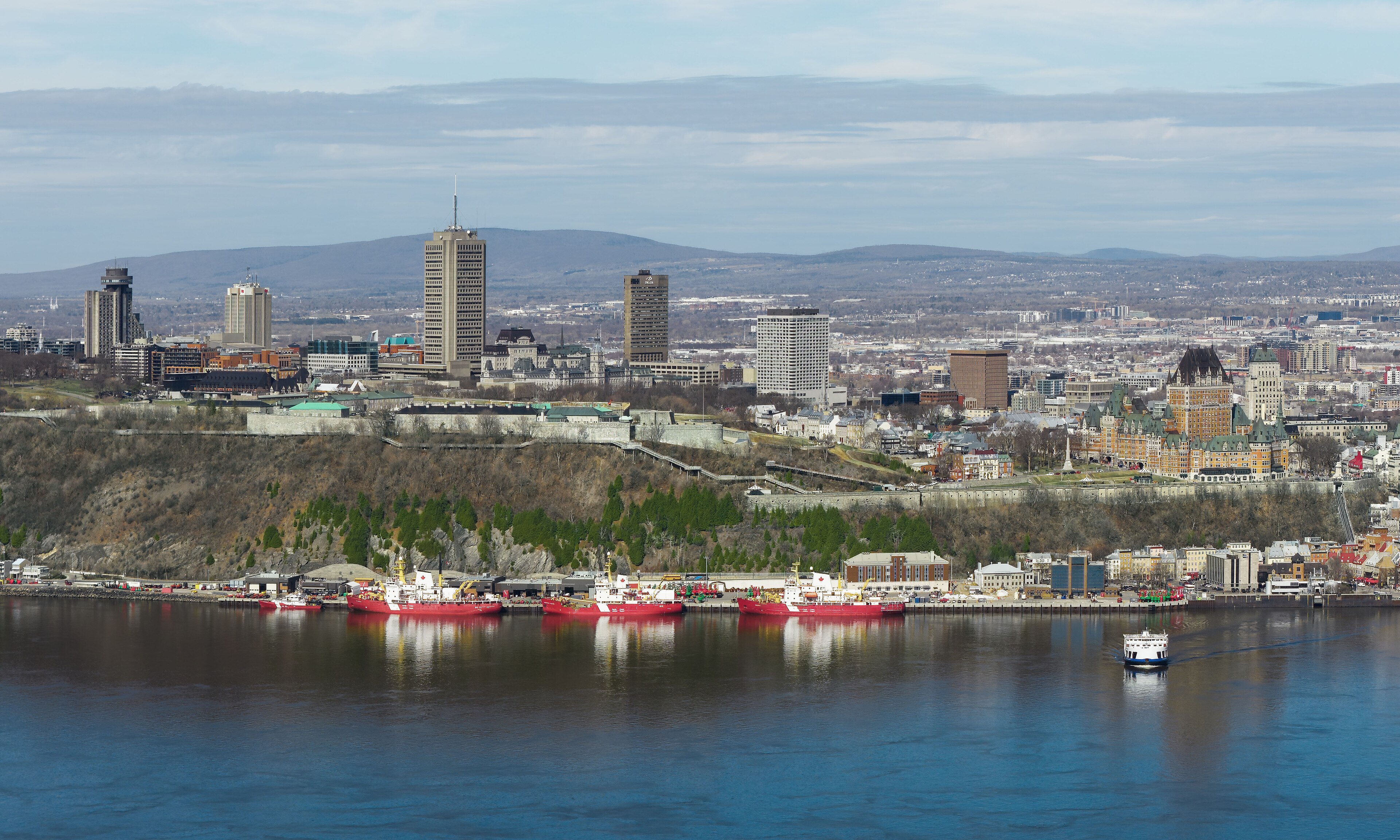
Why Quebec City is Perfect for Your Celebration
- UNESCO World Heritage Site Old Town provides a one-of-a-kind historic backdrop unavailable elsewhere in North America
- Château Frontenac and other landmark château-style properties offer iconic, photogenic ceremony and reception settings
- Bilingual French-English hospitality culture ensures polished, internationally attuned service for diverse guest groups
- Compact, walkable Old Town means guests can move easily between ceremony, reception, and accommodation on foot
- Summer season (May–Sep) delivers warm, long days with outdoor terraces, garden lawns, and riverside settings fully accessible
- Mature local vendor ecosystem — florists, caterers, photographers, and event planners experienced with destination celebrations

Compare Quebec City with Other Top Destinations
Frequently Asked Questions
Is Quebec City a good destination for a wedding?
Yes. Quebec City is particularly well-suited to destination weddings where atmosphere, heritage setting, and photography are priorities. The UNESCO-listed Old Town, château-style landmark hotels, and cobblestone ceremony backdrops create a European-feeling environment that is genuinely rare in North America. It works best for intimate to mid-sized celebrations rather than very large guest lists.
What is the best time of year to hold a wedding or event in Quebec City?
Summer — May through September — is the clear best window. This period offers warm temperatures, long daylight hours, and full access to outdoor terraces, garden courtyards, and riverside settings. July and August are warmest and most festive, though early July coincides with a major city festival and requires advance booking. September offers pleasant conditions with fewer crowds.
How many guests can Quebec City venues realistically accommodate?
Most heritage and luxury properties in the Old Town comfortably accommodate events from around 20 to 500 guests across various room configurations. The city's inventory is strongest for intimate to mid-sized celebrations. Very large events exceeding 500 guests may find the local venue supply somewhat constrained compared to major metropolitan convention cities.
How do international guests typically get to Quebec City?
Quebec City is served by Jean Lesage International Airport (YQB), approximately 16 km from the Old Town. Most international guests connect through Montreal or Toronto. VIA Rail also connects Quebec City to Montreal by train in roughly three hours, making it a comfortable option for guests travelling from Montreal or along the corridor.
Is Quebec City easy to get around for a large guest group?
Yes, particularly within the Old Town. The Haute-Ville and Basse-Ville — where most event venues and heritage hotels are concentrated — are compact and walkable, meaning guests can often move between ceremony, reception, and accommodation on foot. For guests staying slightly further out, taxis, rideshare services, and local coach operators are readily available.
What kinds of venues are available for events in Quebec City?
The city offers grand château-style landmark hotels with multiple ballrooms and terraces, boutique heritage inns in centuries-old stone buildings, outdoor terrace spaces overlooking the St. Lawrence River, garden courtyards within the fortified walls, and private historic rooms including vaulted stone cellars and period-furnished salons. The range suits intimate dinners through to mid-sized receptions.
Is the local vendor and hospitality ecosystem experienced with destination events?
Yes. Quebec City's hospitality industry has long experience with destination clients from across Canada, the United States, and internationally. Local wedding planners, caterers, florists, and photographers are generally familiar with heritage venue constraints and destination event logistics. Bilingual French-English service is standard across the industry.
Are there any planning challenges specific to Quebec City that I should know about?
Key considerations include: booking well in advance for July dates (the city's major summer festival creates high demand); confirming heritage building regulations with your venue early (some restrict décor installation or amplified sound); and noting that the outdoor event season is firmly May–September, with little flexibility for off-season outdoor plans given Quebec City's harsh winters.
What makes Quebec City's food and catering scene distinctive for events?
Quebec City has a well-developed culinary identity rooted in French and Québécois traditions, with strong emphasis on locally sourced ingredients and artisan producers. Catering options range from formal French-inspired banquet service to more relaxed Québécois comfort food experiences, giving events a genuinely local character that guests from outside the region typically find memorable.
Is Quebec City safe for guests travelling for a celebration?
Yes. Quebec City consistently ranks among the safest cities in Canada, with low crime rates and well-maintained public spaces throughout the Old Town and surrounding areas. The compact, walkable nature of the event geography also means guests are rarely navigating unfamiliar or isolated areas, which adds to the overall sense of ease and security.
Does the French-language environment create any practical challenges for English-speaking guests?
Generally not within the hospitality industry. Hotels, restaurants, and event vendors in Quebec City operate fluently in both French and English, and staff at heritage and luxury properties are accustomed to international guests. Outside the hospitality sector, French is the primary language, which some guests find charming and others find an adjustment — it is worth setting expectations with your guest group in advance.

Ready to explore venues in Quebec City?
Quebec City: Destination Wedding & Cultural Event Venues in Old Quebec
◆Quebec City is among North America's most distinctive destinations for weddings, milestone celebrations, and cultural events. Its primary strength lies in its UNESCO-listed Old Town — a compact, walkable historic core of fortified walls, château-style architecture, and cobblestone lanes that creates an atmosphere closer to a European capital than a typical North American city. The destination suits intimate to mid-sized celebrations particularly well, with a mature hospitality and vendor ecosystem, bilingual service culture, and a genuine concentration of heritage and luxury properties. Summer (May through September) is the clear window for events, offering warm temperatures and long daylight hours. International guests will typically connect through Montreal or Toronto, making travel straightforward for most North American and European attendees.
Quebec City at a Glance
| Category | Detail |
|---|---|
| Best For | Destination Weddings, Milestone Anniversaries, Cultural Celebrations, Intimate Receptions |
| Primary Vibe | Cultural & Timeless |
| Other Vibes | Romantic, Heritage, Intimate, European-Inspired |
| Best Season | Summer (May, Jun, Jul, Aug, Sep) |
Why Choose Quebec City?
- Unmatched historic setting: Old Quebec is the only fortified city north of Mexico still retaining its original defensive walls, offering a genuinely rare architectural backdrop that no other North American destination can replicate.
- Concentration of landmark properties: The Fairmont Le Château Frontenac — one of the most photographed hotels in the world — anchors a cluster of heritage and luxury properties within walking distance of each other, giving planners real choice without dispersing guests across a sprawling area.
- Walkable, self-contained event geography: Ceremony venues, reception spaces, accommodation, and dining are all within the compact Old Town, reducing the logistical complexity of moving large guest groups between locations.
- Bilingual, internationally experienced hospitality: Quebec City's hospitality industry operates fluently in both French and English, with significant experience hosting international guests, diplomatic events, and high-profile celebrations.
- Distinctive culinary identity: The city has a well-developed fine dining and artisan food culture rooted in Québécois and French traditions, giving catered events a genuinely local and memorable flavour profile.
- Summer season delivers ideal outdoor conditions: Long daylight hours, warm temperatures, and accessible terraces, garden courtyards, and riverside promenades make outdoor ceremonies and receptions genuinely practical from late May through early September.
Which Celebrations Work Best in Quebec City?
- Destination Weddings: Quebec City is particularly well-suited to destination weddings for couples seeking a European-feeling setting without travelling to Europe. The combination of château architecture, cobblestone ceremony backdrops, and intimate reception spaces in heritage properties makes it a strong choice for couples prioritising atmosphere and photography over sheer scale.
- Milestone Anniversaries & Vow Renewals: The city's romantic, timeless character — candlelit stone interiors, terrace views over the St. Lawrence River, and a generally unhurried pace — makes it a natural fit for anniversary celebrations and vow renewals where intimacy and setting matter more than large guest counts.
- Cultural & Heritage Celebrations: For families with French-Canadian heritage or a connection to Francophone culture, Quebec City carries genuine emotional and cultural resonance that adds meaning beyond the visual backdrop.
- Corporate Milestone Events & Retreats: The city's conference-capable heritage hotels, combined with its distinctive cultural programming (walking tours, culinary experiences, historic site access), make it a credible choice for high-end corporate milestone events where experience and exclusivity are priorities.
- Intimate Receptions & Private Dinners: Quebec City's inventory of boutique heritage properties and private dining rooms in historic buildings is particularly strong for smaller, curated gatherings where the quality of the space matters more than raw capacity.
Venues & Event Spaces
Quebec City's event venue landscape is defined primarily by its heritage and château-style properties. The most prominent category is the grand historic hotel — large, landmark properties with multiple ballrooms, terraces, and private dining rooms that can accommodate everything from an intimate dinner for twenty to a reception for several hundred guests. Alongside these, the city offers a range of boutique heritage inns and auberges, many of which occupy centuries-old stone buildings in the Old Town and provide more intimate, characterful settings for smaller celebrations.
Outdoor event spaces are a genuine strength during the summer season. Terrace venues overlooking the St. Lawrence River, garden courtyards within the fortified walls, and promenade settings along the Dufferin Terrace offer ceremony and cocktail-hour options with exceptional visual impact. Several properties also offer private access to historic rooms — vaulted stone cellars, period-furnished salons, and rooftop terraces — that function as distinctive alternatives to conventional ballroom settings.
For larger events requiring significant banquet capacity, the city's full-service conference hotels provide modern ballroom infrastructure within properties that still carry the city's characteristic architectural identity. The overall venue inventory is best suited to events in the range of twenty to five hundred guests; very large-scale events exceeding that range may find the local inventory somewhat constrained compared to major metropolitan convention cities.
Best Time to Celebrate
The curated best season for Quebec City events is Summer: May through September. This window is the clear choice for several concrete reasons beyond simply "pleasant weather."
From late May through June, temperatures are comfortably warm (typically 15°C–22°C), crowds are building but not yet at peak, and outdoor spaces — terraces, garden courtyards, riverside promenades — are fully accessible. This is a particularly good window for couples who want summer conditions without the peak-August intensity.
July and August represent the warmest and longest-daylight period, with temperatures regularly reaching 24°C–28°C. Outdoor ceremonies benefit from evenings that stay light well past 8 PM. The city is at its most animated, with street performers, festivals, and a generally festive atmosphere that adds energy to any celebration. The internationally renowned Quebec City Summer Festival (Festival d'été de Québec) typically falls in early July — planners should be aware that this period brings significant visitor volume and should book accommodation and venues well in advance.
September is an excellent shoulder option: temperatures remain pleasant (typically 12°C–20°C), crowds thin noticeably after Labour Day, and the early hints of autumn foliage begin to appear, adding a different kind of visual richness to outdoor settings.
The months outside this window present genuine challenges. October brings rapidly cooling temperatures and unpredictable frost. November through March is a full winter season with heavy snowfall, temperatures regularly dropping to −15°C or below, and conditions that make outdoor events impractical and guest travel more complicated. April is a cold, often muddy shoulder month with lingering winter conditions. While Quebec City's winter has its own beauty and the city does host winter festivals, these conditions are not suitable for the kinds of outdoor and semi-outdoor celebrations this destination is best known for.
Getting There & Local Connectivity
Quebec City is served by Jean Lesage International Airport (YQB), located approximately 16 km from the Old Town. The airport handles direct flights from several major Canadian cities and select US destinations, with the most frequent connections running through Montreal (Pierre Elliott Trudeau International) and Toronto (Pearson). For international guests travelling from Europe or beyond, a connection through Montreal is the most common routing and adds only a short additional leg to the journey.
By rail, Gare du Palais — Quebec City's main train station, itself a heritage building in the Old Port area — connects the city to Montreal via VIA Rail's Quebec City–Windsor corridor. The Montreal–Quebec City journey takes approximately three hours and is a comfortable, scenic option for guests travelling from Montreal or points along the corridor.
Once guests arrive in Quebec City, the Old Town's walkability is a genuine logistical advantage. The core of the Haute-Ville (Upper Town) and Basse-Ville (Lower Town) — where the majority of event venues and heritage hotels are concentrated — is compact enough that most guests can walk between accommodation, ceremony, and reception without requiring organised transport. For guests staying slightly outside the Old Town core, taxis and rideshare services are readily available. For larger groups requiring coordinated movement, local coach and minibus operators are experienced with event logistics.
Local Vendor & Hospitality Ecosystem
Quebec City has a well-developed event vendor ecosystem that reflects both its status as a major tourism destination and its long tradition of hosting high-profile celebrations and diplomatic events. Local wedding planners and event coordinators are generally experienced with destination clients — couples and families travelling from elsewhere in Canada, the United States, and internationally — and are accustomed to managing the additional coordination that destination events require.
The culinary vendor landscape is a particular strength. Quebec City's food culture is rooted in French and Québécois traditions, with a strong emphasis on locally sourced ingredients, artisan producers, and fine dining technique. Catering options range from formal French-inspired banquet service to more relaxed Québécois comfort food experiences, giving planners genuine flexibility in tone and style.
Florists, photographers, and audiovisual suppliers in the city are experienced with the specific challenges and opportunities of heritage venues — stone interiors, low-light historic rooms, outdoor terrace settings — and generally understand how to work within the constraints that listed heritage buildings sometimes impose. Bilingual vendor communication (French and English) is standard across the industry, which is a practical advantage for mixed-language guest groups.
One area where planners should plan ahead is vendor availability during peak summer weeks, particularly around major city festivals in July. Booking key vendors — photographers, florists, specialist caterers — well in advance of the summer season is strongly advisable.
Pros & Things to Consider
Why Quebec City Works Well
- Genuinely unique North American setting — UNESCO heritage status and château architecture are not replicated elsewhere on the continent
- Compact, walkable Old Town reduces guest logistics complexity significantly
- Strong concentration of heritage and luxury properties within a small geographic area
- Bilingual, internationally experienced hospitality and vendor ecosystem
- Distinctive culinary identity adds genuine local character to catered events
- Summer season delivers long daylight hours and warm outdoor conditions ideal for ceremonies and receptions
- Very safe destination with low crime rates and well-maintained public spaces
Things to Consider
- Venue capacity ceiling: Quebec City's heritage venue inventory is best suited to events up to approximately 500 guests; very large-scale celebrations may find the local supply constrained.
- International flight connectivity is indirect: Guests travelling from outside North America will typically require a connection through Montreal or Toronto, adding travel time and complexity compared to a destination with a major international hub airport.
- Peak-season booking pressure: July in particular — coinciding with the city's major summer festival — sees very high demand for accommodation and venues; late bookings in this window carry real risk of unavailability.
- French-language primary environment: While English is widely spoken in the hospitality industry, the city's primary language is French; guests who are not comfortable in a predominantly Francophone environment may find this an adjustment.
- Strict heritage building regulations: Some Old Town venues operate under heritage preservation rules that restrict certain types of décor installation, amplified sound, or structural modification — planners should confirm specific constraints with each venue early in the planning process.
- Seasonal window is firm: Unlike some destinations with a broad shoulder season, Quebec City's outdoor event suitability drops off sharply outside the May–September window, leaving little flexibility for off-season planning.
When Quebec City May Not Be the Right Fit
- Very large guest lists (500+): Couples or planners expecting to host several hundred guests across a single venue will find the local heritage inventory somewhat limiting; a larger metropolitan destination with purpose-built convention and banquet infrastructure may serve better.
- Guests with difficult international connections: For a guest group travelling primarily from regions without good connections to Montreal or Toronto (parts of Asia, Africa, or South America), the multi-leg journey to Quebec City may be a meaningful burden compared to a destination with a larger international hub airport.
- Off-season or winter event plans: Quebec City's winters are genuinely harsh, and the outdoor and semi-outdoor settings that define the destination's appeal are not accessible from October through April. A couple committed to a winter date would be better served by a destination with year-round outdoor suitability.
- Guests seeking a warm-weather beach or resort experience: Quebec City's appeal is cultural, architectural, and culinary — it does not offer beach, pool-resort, or tropical-landscape settings. Celebrations where the primary guest experience is outdoor leisure in a warm-weather resort environment would be better matched to a different destination type.