
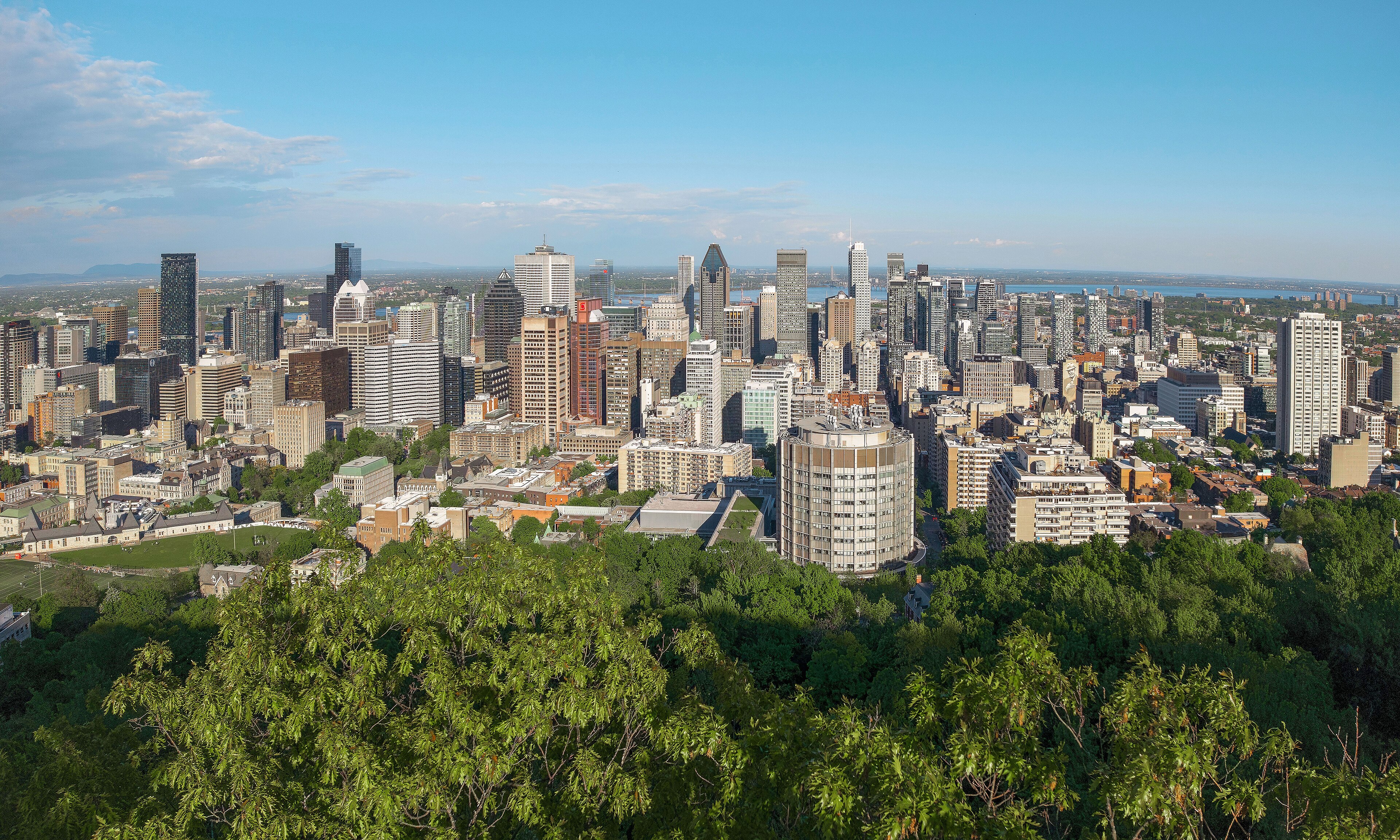
Why Montreal is Perfect for Your Celebration
- Old Montreal's cobblestone streets and 17th–19th century stone buildings create a uniquely European-feeling backdrop unavailable elsewhere in North America
- Summer festival season (Jazz Fest, Just for Laughs, Osheaga) creates a naturally celebratory city atmosphere that amplifies any event
- Montréal-Trudeau International Airport offers direct connections to major cities across North America, Europe, and beyond — easy for international guests
- A deeply mature hospitality and catering ecosystem with world-class chefs, florists, and event production companies experienced in large-scale celebrations
- Bilingual (French/English) city with a strong service culture, making it welcoming for diverse, multicultural guest lists
- Diverse venue inventory spanning historic basilicas and loft spaces in Old Montreal to grand hotel ballrooms and rooftop terraces downtown

Top Venues in Montreal
Ritz-Carlton Montreal
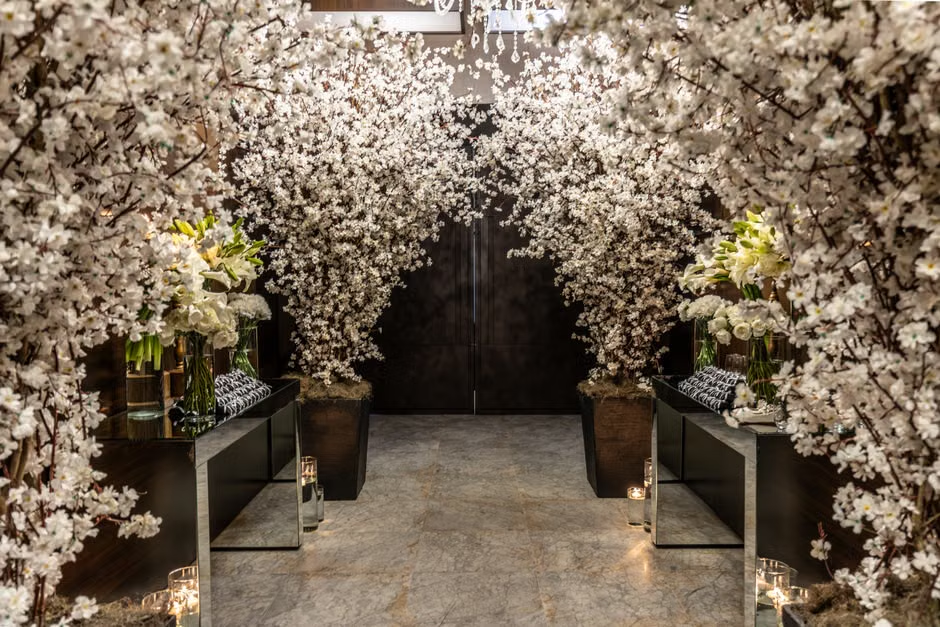
InterContinental Montreal
Hotel Nelligan
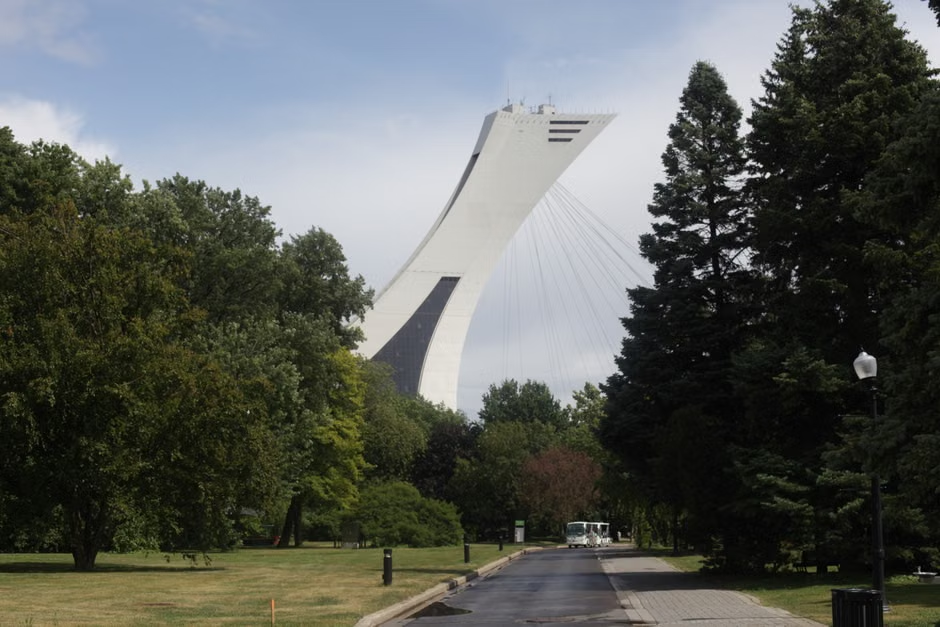
Le Saint-Sulpice Hôtel Montréal
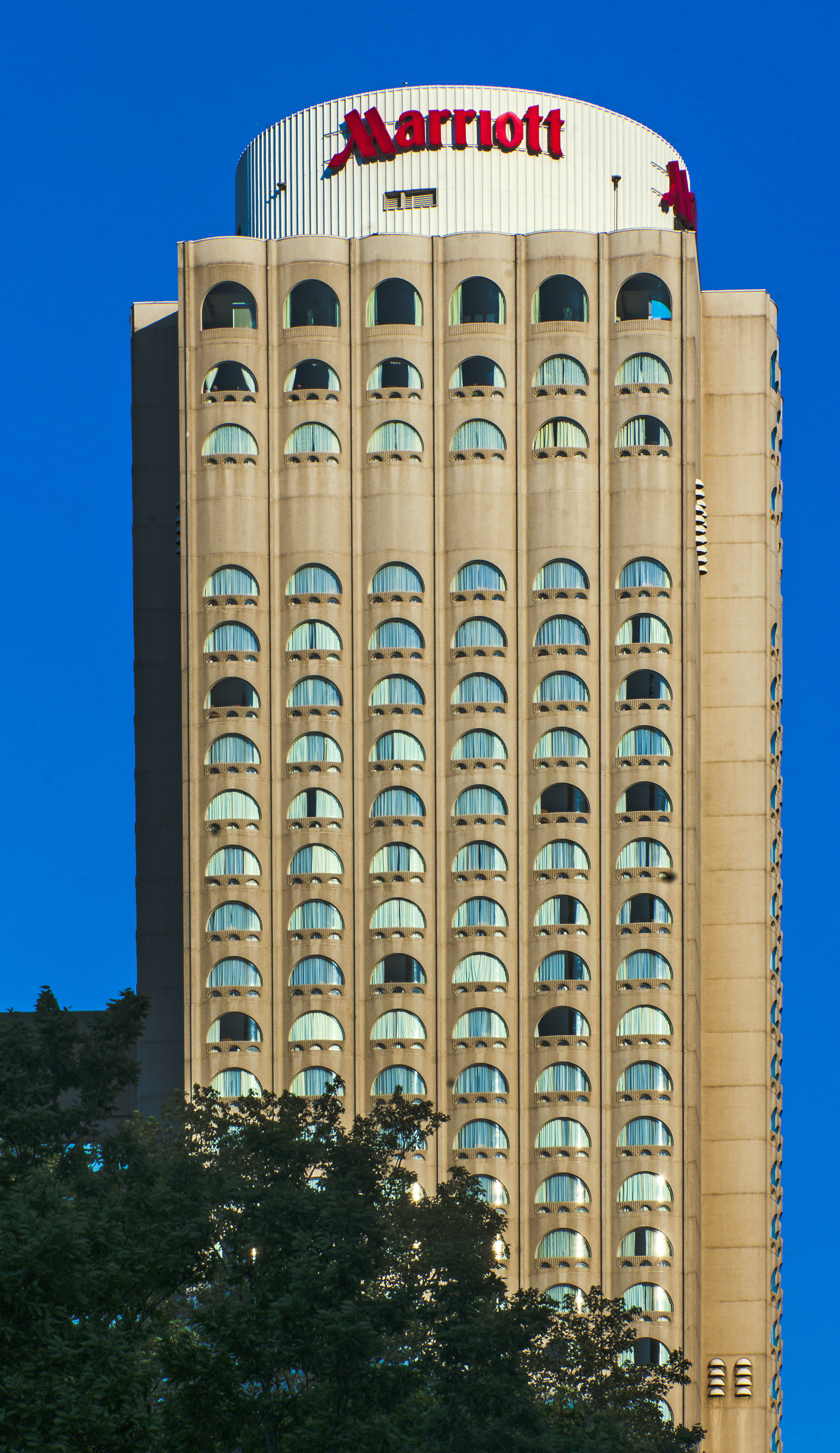
Marriott Château Champlain
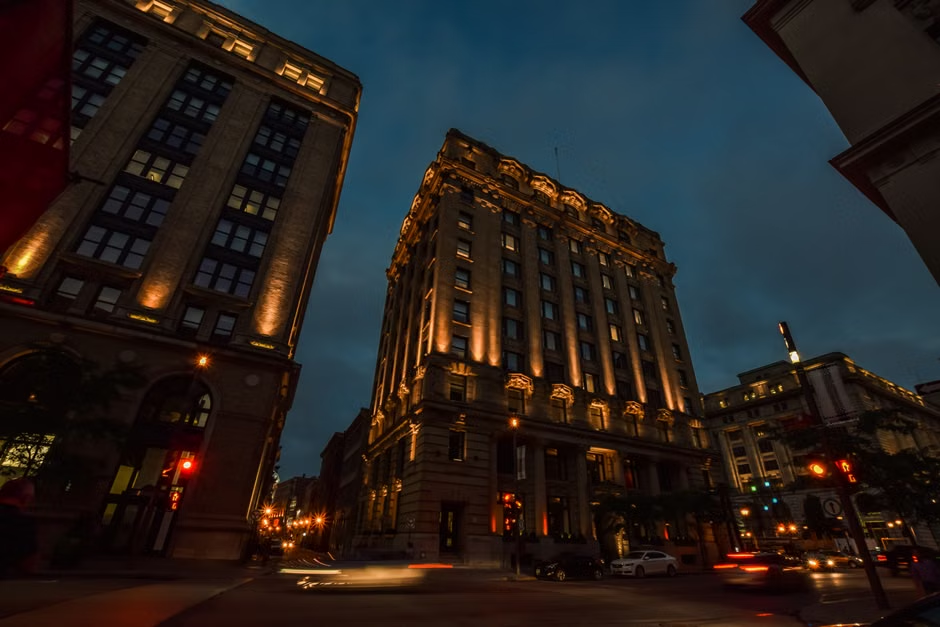
Westin Montreal
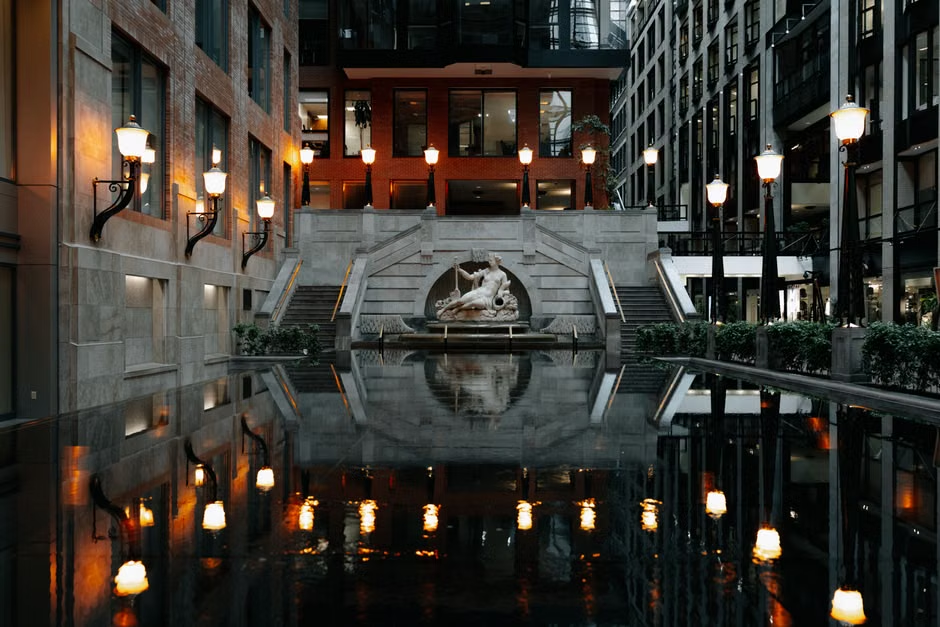
Le Centre Sheraton Montreal
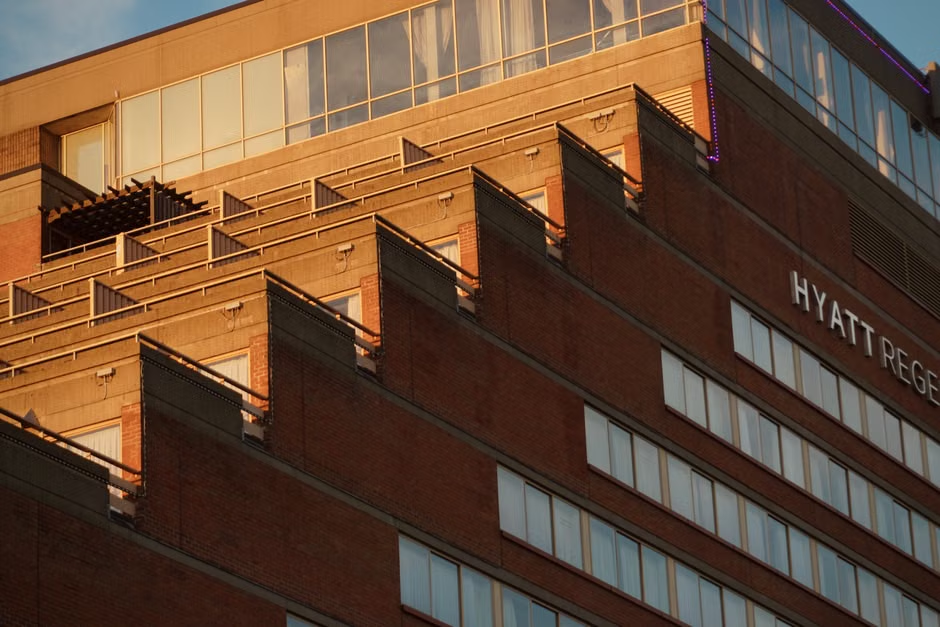
Hyatt Regency Montreal
Compare Montreal with Other Top Destinations
Frequently Asked Questions
Is Montreal a good destination for a wedding celebration?
Yes. Montreal is particularly well-suited to couples who want a cosmopolitan, culturally rich setting with genuine character. Old Montreal's historic architecture, the city's world-class culinary scene, and a mature wedding vendor ecosystem make it a strong choice for sophisticated celebrations. The best season is May through September, when warm weather and long daylight hours support both outdoor and indoor events.
What is the best time of year to hold an event in Montreal?
May through September is the recommended window. July and August offer the warmest temperatures and coincide with Montreal's famous festival season, creating a naturally celebratory city atmosphere. September is particularly pleasant — comfortable temperatures and early autumn colour without peak-summer crowds. October through April carries significant weather risk, with harsh winters making outdoor events impractical and winter travel logistics challenging for guests.
How easy is it for guests to travel to Montreal from abroad?
Generally very easy. Montréal-Trudeau International Airport (YUL) offers direct flights from major North American cities and several European hubs, making it a single-flight journey for most guests from Canada, the US, and Western Europe. International guests from some regions will need to arrange a Canadian visa or eTA in advance, which is worth factoring into planning timelines.
What kinds of venues are available for events in Montreal?
Montreal offers exceptional variety — historic stone lofts and converted heritage buildings in Old Montreal, grand hotel ballrooms downtown, rooftop terraces with skyline views, waterfront spaces along the St. Lawrence River, and industrial-chic creative spaces in neighbourhoods like Griffintown. The city suits everything from intimate ceremonies to large-scale corporate productions and gala dinners.
Can Montreal accommodate a large guest list for a destination event?
Yes. Several downtown hotels have ballrooms and event spaces capable of hosting several hundred guests, and the city's convention infrastructure supports very large-scale gatherings. For large groups, accommodation is typically distributed across multiple centrally located hotels rather than a single property, which is standard for urban destination events and well-supported by the city's transport network.
What is the local transport situation for event guests once they arrive?
Montreal's city centre is compact and walkable, particularly Old Montreal and the downtown core, so guests staying centrally can often move between venues on foot. The metro system is reliable and covers key areas. Private shuttle or coach hire for group transfers between the airport, hotels, and event venues is a well-established, readily available service that most event planners in the city routinely arrange.
How developed is Montreal's event planning and vendor ecosystem?
Very developed. Montreal has a long history of hosting major international events, which has built deep expertise in event logistics, large-group catering, and high-production-value experiences. The city has a strong pool of wedding planners, caterers, florists, photographers, and entertainment companies experienced in multicultural and bilingual celebrations. The culinary talent pool in particular is exceptional by North American standards.
Is Montreal suitable for corporate events and conferences?
Yes, strongly so. Montreal is one of Canada's premier corporate event cities, with large convention-capable hotels, professional AV and production infrastructure, and a bilingual environment that suits companies with both English and French-speaking stakeholders. The city's restaurant scene, cultural attractions, and summer festival calendar also keep delegates genuinely engaged outside of formal meeting hours.
What makes Old Montreal particularly appealing as an event setting?
Old Montreal offers a genuinely rare aesthetic in North America — 17th to 19th century stone buildings, cobblestone streets, and historic architecture that creates a European atmosphere without leaving the continent. Many of these buildings have been converted into atmospheric event lofts and banquet spaces with original architectural details like exposed stone walls and vaulted ceilings, providing a naturally dramatic backdrop that requires minimal additional décor.
How far in advance should I book a Montreal venue for a summer event?
For summer dates — particularly July and August — booking 12 to 18 months in advance is strongly advisable. Summer is peak demand season in Montreal, coinciding with the city's major festival calendar, and preferred venues, in-demand vendors, and hotel accommodation blocks for large guest groups can fill up well ahead of the event date. May, June, and September offer slightly more flexibility but still benefit from early planning.
Is Montreal a safe destination for event guests?
Yes. Montreal is consistently regarded as one of Canada's safest major cities and ranks well by international standards. The city centre, Old Montreal, and the main hotel districts are all generally safe and well-policed, including during evening events. Standard urban awareness is always sensible, but safety is not a meaningful concern for event guests staying and celebrating in the city's main areas.

Ready to explore venues in Montreal?
Montreal: Destination Wedding & Event Venues in Quebec, Canada
◆Montreal is a cosmopolitan, bilingual city in Quebec, Canada, and one of North America's strongest destinations for weddings, corporate events, milestone celebrations, and festival-themed gatherings. Its primary vibe is Vibrant & Festive — shaped by a rich French-influenced culture, a world-class dining scene, and a summer calendar packed with internationally renowned festivals. The best season for events is May through September, when warm temperatures and long daylight hours make both outdoor and indoor celebrations exceptional. Montreal is highly accessible via a major international airport and a central railway hub, and its mature hospitality ecosystem means event planning infrastructure is sophisticated and reliable across a wide range of event scales.
Montreal at a Glance
| Category | Details |
|---|---|
| Best For | Weddings, Corporate Events, Milestone Celebrations, Festival Gatherings |
| Primary Vibe | Vibrant & Festive |
| Other Vibes | Historic & Romantic, Cosmopolitan & Cultural |
| Best Season | Summer (May, Jun, Jul, Aug, Sep) |
Why Choose Montreal?
- Unmatched architectural diversity: Old Montreal's 17th–19th century stone buildings, cobblestone streets, and historic basilicas offer a genuinely European aesthetic that is rare in North America, providing a naturally dramatic backdrop for ceremonies and receptions without requiring heavy décor investment.
- Summer festival culture as a built-in amenity: Events held during the Montreal Jazz Festival, Just for Laughs, or Osheaga season benefit from a city already in full celebratory mode — restaurants are at their best, the streets are alive, and guests experience the city at its most energetic.
- World-class culinary scene: Montreal is consistently ranked among North America's top food cities, with a deep pool of experienced caterers, award-winning chefs, and a strong tradition of French-influenced fine dining that elevates any event's food and beverage program.
- Excellent international connectivity: Montréal-Trudeau International Airport (YUL) offers direct flights from major North American cities as well as transatlantic routes to Europe, making it genuinely easy for international guests to attend without complex connections.
- Bilingual, multicultural hospitality: Montreal's French-English bilingualism and its highly multicultural population mean that event staff, vendors, and venues are experienced in serving diverse guest lists with warmth and professionalism.
- Mature, full-service event industry: The city supports a well-developed ecosystem of wedding planners, event production companies, florists, photographers, and entertainment professionals with deep experience in large-scale, high-expectation events.
Which Celebrations Work Best in Montreal?
- Weddings: Montreal suits couples who want a sophisticated, cosmopolitan setting with genuine character — whether that means a candlelit ceremony in a historic Old Montreal venue, a rooftop reception overlooking the city skyline, or a grand ballroom celebration in a luxury downtown hotel. The city's romantic French-influenced culture and exceptional food scene make it particularly well-suited to couples who prioritize atmosphere and culinary experience.
- Corporate Events & Conferences: Montreal is one of Canada's premier corporate event destinations, with large convention-capable hotels, professional AV and production infrastructure, and a city that keeps delegates genuinely engaged outside of meeting hours. Its bilingual character also makes it a natural choice for North American companies with both English and French-speaking stakeholders.
- Festival & Cultural Gatherings: The city's own festival DNA makes it an ideal host for large cultural celebrations, community gatherings, and themed events that want to tap into a city-wide sense of festivity — particularly during the summer months when public spaces, terraces, and outdoor venues are fully activated.
- Milestone Celebrations (Anniversaries, Galas, Reunions): Montreal's combination of luxury hotel infrastructure, fine dining, and a walkable, visually rich urban environment makes it an excellent choice for significant personal or organizational milestones where guests expect a memorable, high-quality experience.
Venues & Event Spaces
Montreal offers one of the most varied venue inventories of any North American city. In Old Montreal, guests find historic stone buildings — former warehouses, banks, and merchant houses — converted into atmospheric event lofts and banquet spaces with exposed brick, vaulted ceilings, and original architectural details. The neighbourhood also contains iconic religious architecture that provides a dramatic ceremonial setting.
Downtown Montreal is home to large luxury hotel ballrooms capable of hosting several hundred guests, with full in-house catering, accommodation blocks, and professional event coordination. These properties range from grand heritage hotels to sleek contemporary towers, giving planners flexibility in aesthetic direction.
The city also offers rooftop terraces with panoramic skyline views, waterfront spaces along the St. Lawrence River, and purpose-built convention and event centres for very large-scale gatherings. Griffintown and the Plateau-Mont-Royal neighbourhoods have added a newer generation of industrial-chic loft venues and creative spaces that suit more contemporary or unconventional event briefs. Outdoor garden and park settings within the city — including the grounds of Mount Royal — provide natural backdrops for summer ceremonies and receptions.
Best Time to Celebrate
The curated best season for Montreal events is May through September, and this recommendation is grounded in concrete, practical reasons beyond simply "the weather is nice."
May and June offer mild, comfortable temperatures (typically 15°C–24°C), long daylight hours, and the city beginning to fully activate after winter — terraces open, parks bloom, and the general energy of the city lifts noticeably. These months avoid the peak summer heat while still offering reliable outdoor conditions.
July and August are Montreal's warmest months and coincide with the city's most celebrated festival season. Temperatures typically reach 24°C–28°C, outdoor venues are fully operational, and the city's hospitality industry is at maximum capacity and energy. The trade-off is that this is also peak demand for venues and accommodation, so advance planning is essential.
September is widely considered one of Montreal's most beautiful months — temperatures ease to a comfortable 15°C–22°C, the early autumn foliage begins to appear, and the city is slightly less crowded than peak summer while still fully operational for outdoor events.
October marks a rapid transition: temperatures drop quickly, frost becomes possible by late October, and outdoor event reliability declines significantly. November through March brings Montreal's famously harsh winter — temperatures regularly fall to -15°C or below, heavy snowfall is common, and outdoor events become essentially impractical. While indoor venues remain fully operational year-round, the logistical challenges of winter travel for guests (flight delays, road conditions, extreme cold) make this period genuinely difficult for destination events. April is a transitional month — snow is possible, temperatures are unpredictable, and the city has not yet fully emerged from winter mode, making it a less reliable choice for outdoor or semi-outdoor celebrations.
Getting There & Local Connectivity
Montreal is served by Montréal-Trudeau International Airport (YUL), located approximately 20 km from the city centre. The airport handles a substantial volume of direct international and domestic traffic, with non-stop routes to major North American cities (Toronto, New York, Chicago, Los Angeles, Miami, and many others) as well as direct transatlantic connections to European hubs. For most guests travelling from within Canada or the northeastern United States, Montreal is a straightforward, single-flight journey.
By rail, Gare Centrale (Montreal Central Station) sits in the heart of downtown and connects the city to Toronto, Quebec City, Ottawa, and other major Canadian centres via VIA Rail. The station is also connected to the city's metro system, making onward travel seamless for arriving guests.
Within the city, Montreal's public transit network — the metro (subway), buses, and a growing cycling infrastructure — is reliable and well-used. For event groups, the city's taxi and rideshare services are plentiful, and private coach or shuttle hire for group transfers between venues, hotels, and the airport is a standard, well-supported service. The compact, walkable nature of Old Montreal and the downtown core means that guests staying centrally can often move between accommodation, ceremony, and reception venues on foot, which significantly simplifies group logistics.
Local Vendor & Hospitality Ecosystem
Montreal's event vendor ecosystem is genuinely mature and sophisticated. The city has a long history of hosting large-scale international events — including the 1976 Olympics, Formula 1 Grand Prix, and major international conferences — which has built deep institutional knowledge in event logistics, large-group catering, and high-production-value experiences.
Wedding and event planners based in Montreal are experienced in managing multicultural celebrations, bilingual programming, and the specific logistical demands of destination events where many guests are travelling from out of town. The city's culinary talent pool is exceptional — Montreal is home to a disproportionate number of acclaimed chefs and restaurants relative to its size, and this talent flows directly into the catering and private dining market available to event planners.
Florists, photographers, videographers, entertainment companies, and décor specialists in Montreal are accustomed to working across the full range of venue types the city offers — from intimate heritage lofts to grand hotel ballrooms — and the competitive market generally means strong quality at a range of investment levels. French-language and English-language service providers are both readily available, and many vendors operate fluently in both.
Pros & Things to Consider
Why Montreal Works Well
- Genuinely distinctive architectural settings — particularly Old Montreal — that create memorable event backdrops without requiring extensive imported décor
- Exceptional food and beverage culture that elevates the dining experience at any event
- Strong international airport connectivity making it accessible for guests from across North America and Europe
- A bilingual, multicultural city that is naturally welcoming to diverse guest lists
- A full-service, experienced event industry capable of handling events from intimate gatherings to large-scale corporate productions
- Summer festival season creates a naturally celebratory city atmosphere that enhances any event held during that period
Things to Consider
- Seasonal limitation is real: Montreal's winter is genuinely harsh and long — roughly November through March — which meaningfully restricts the viable event window compared to year-round destinations. Outdoor events outside the May–September window carry significant weather risk.
- Peak summer demand: July and August are extremely popular for events, which means venues, preferred vendors, and accommodation blocks can book up well in advance. Early planning — ideally 12–18 months ahead for summer dates — is strongly advisable.
- Visa requirements for international guests: Canada requires visas or Electronic Travel Authorizations (eTAs) for many nationalities, which adds an administrative layer for international guest lists that some other destinations do not require.
- Currency and cost context: As a major North American city with a strong hospitality infrastructure, Montreal's event costs reflect an urban, developed-market context — guests and planners should calibrate expectations accordingly.
- Winter travel disruption risk: For events planned outside the recommended season, winter weather can cause flight delays and road disruptions that complicate guest arrival logistics in ways that are difficult to fully mitigate.
When Montreal May Not Be the Right Fit
- Outdoor-focused events outside summer: If your event concept centres on outdoor ceremonies, garden receptions, or open-air dining and your dates fall between October and April, Montreal's climate makes reliable outdoor execution genuinely difficult. A destination with a longer warm season would serve that brief better.
- Guests facing complex international travel: For guest lists drawn primarily from regions without direct air connections to Montreal — or from countries where Canadian visa processing is lengthy or uncertain — the travel logistics can become a meaningful barrier to attendance.
- Very large-scale events requiring resort-style self-contained campuses: While Montreal has excellent large hotel and convention infrastructure, it does not offer the kind of sprawling resort campus — with multiple outdoor ceremony lawns, accommodation, and event spaces all on a single property — that some destination wedding formats require. Guests will typically be distributed across multiple hotels rather than a single integrated resort.
- Guests seeking a remote, private, or nature-immersed setting: Montreal is a dense, urban city. Couples or planners seeking seclusion, natural landscapes, or a retreat-style atmosphere as the primary event character will find the city's urban energy works against that brief — a rural Quebec property or a different destination would be a stronger fit.