
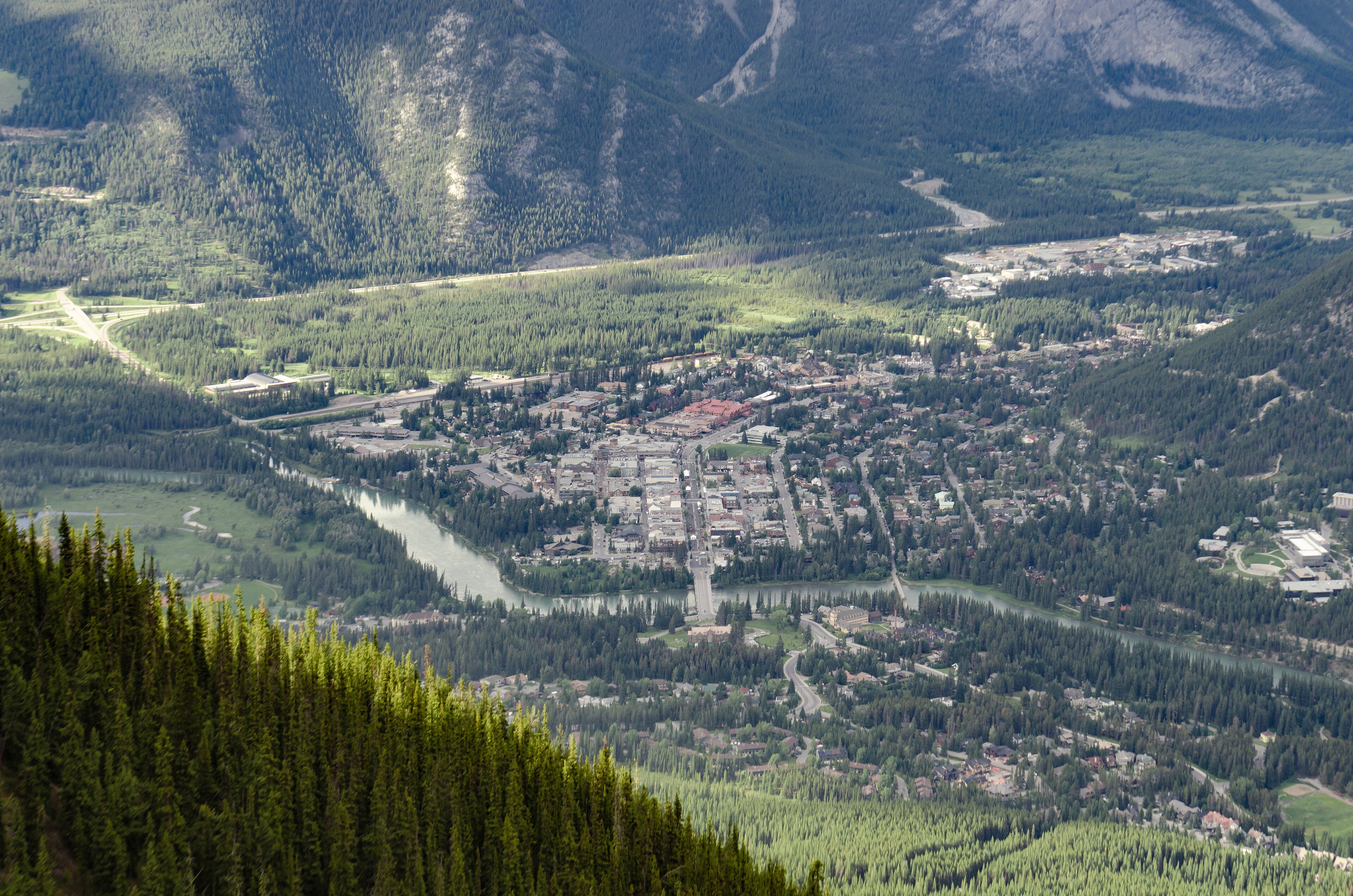
Why Banff is Perfect for Your Celebration
- Unmatched alpine scenery — turquoise lakes like Lake Louise and Moraine Lake provide iconic natural backdrops
- Banff National Park setting creates a naturally private, immersive atmosphere unlike any urban venue
- Summer season offers long daylight hours (up to 16+ hours), ideal for outdoor ceremonies and golden-hour photography
- Well-established luxury and boutique resort infrastructure within a compact, walkable town centre
- Strong local vendor ecosystem for mountain weddings — experienced photographers, florists, and caterers familiar with alpine logistics
- Proximity to Calgary International Airport makes international guest arrivals straightforward

Top Venues in Banff
Fairmont Banff Springs
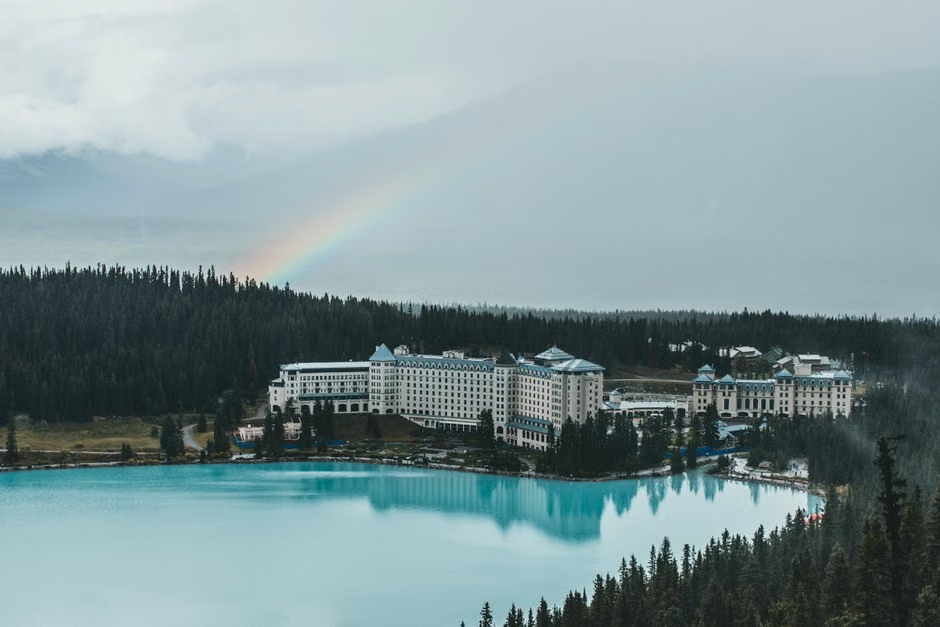
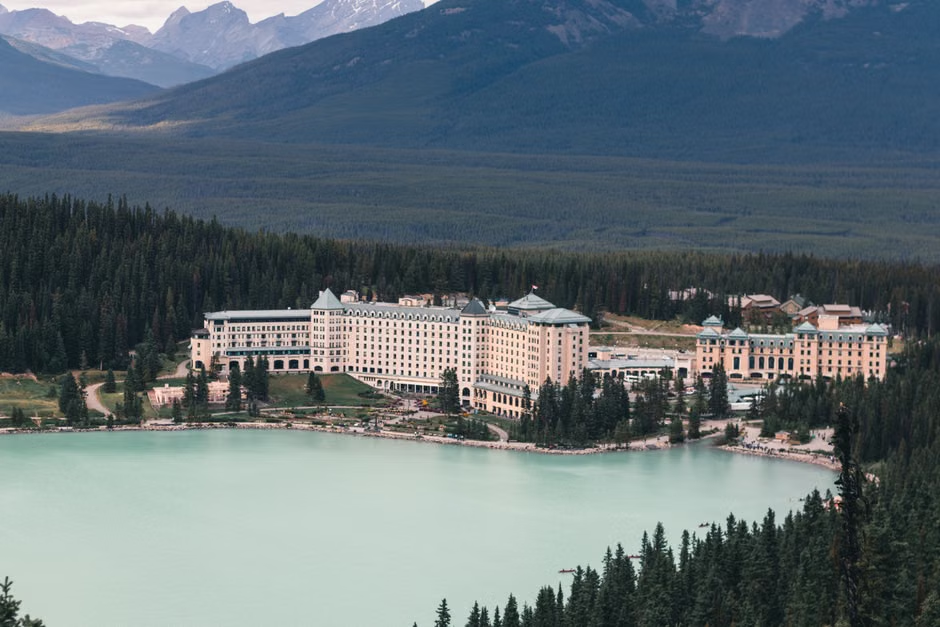
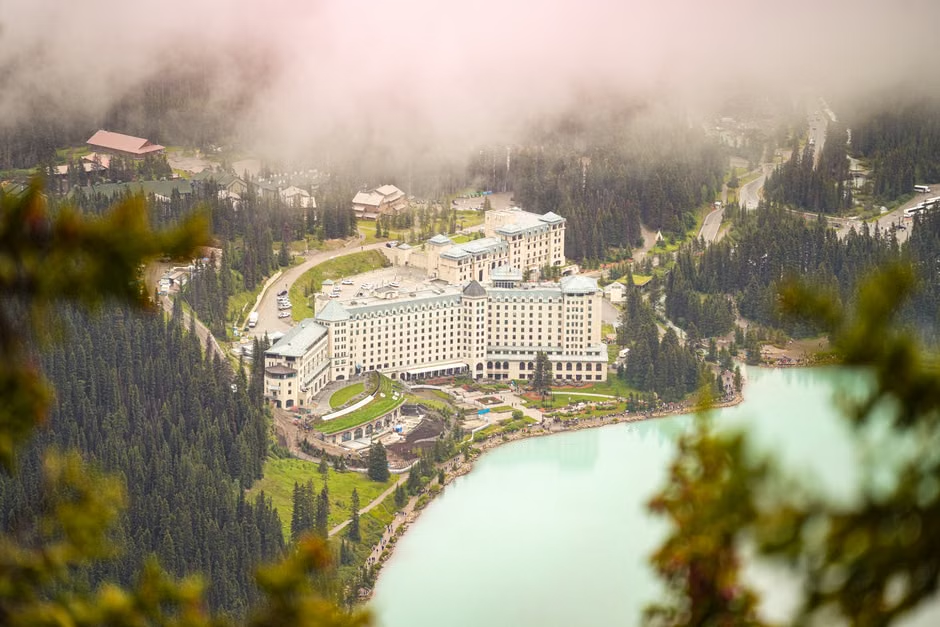
Fairmont Chateau Lake Louise
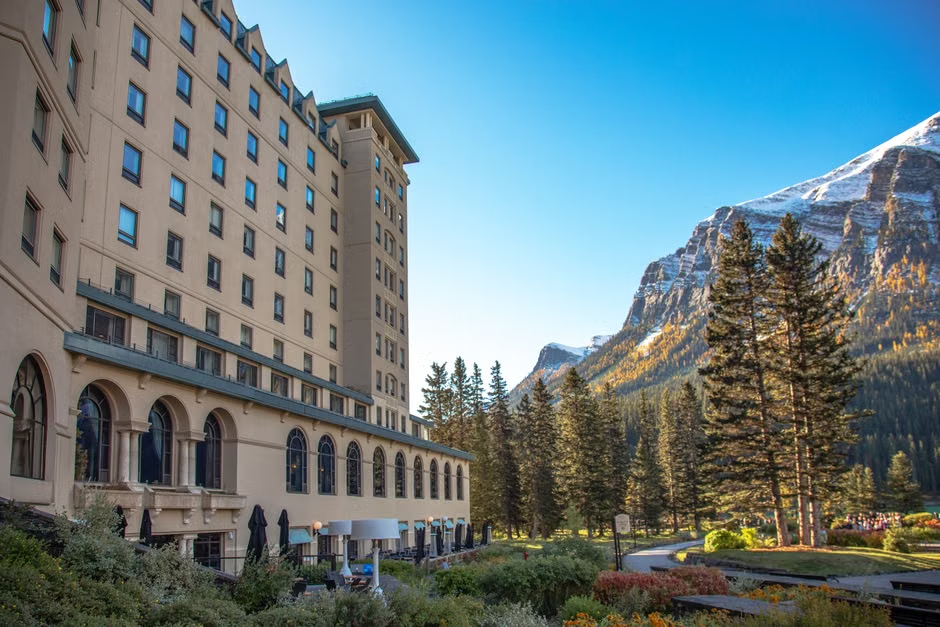
Mount Royal Hotel
Banff Caribou Lodge & Spa
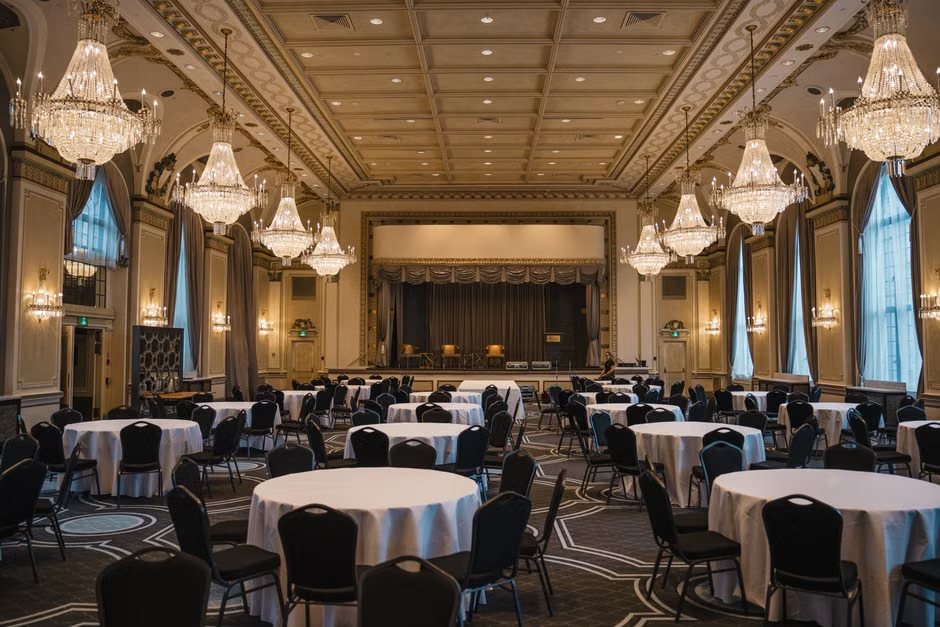
Elk + Avenue Hotel
Compare Banff with Other Top Destinations
Frequently Asked Questions
Is Banff a good destination for a wedding?
Yes, particularly for intimate and mid-sized weddings. Banff is one of North America's most sought-after destination wedding locations, offering dramatic alpine scenery, experienced local vendors, and well-appointed resort properties. It works best for guest lists under 150, where the natural setting and immersive mountain experience are central to the celebration rather than a backdrop to a large-scale production.
What is the best time of year to hold a wedding or event in Banff?
June through September is the optimal window. Summer offers long daylight hours, accessible outdoor ceremony sites, wildflower meadows, and the most vivid glacial lake colours. August is the most reliably warm month. September adds golden larch foliage but requires planning for cooler evenings. Outside this window, snowfall, extreme cold, and inaccessible outdoor sites make celebrations significantly more challenging.
How do guests get to Banff for a destination wedding?
The primary gateway is Calgary International Airport, a major hub with direct connections from across North America, the UK, and Europe. From Calgary, Banff is approximately a 90-minute drive. There is no regular passenger rail service, so all guests require road transfers — either rental cars, private shuttles, or organised coach transfers. For large groups, coordinating a dedicated shuttle from Calgary Airport is a common and practical approach.
What size guest list can Banff realistically accommodate?
Banff is best suited to celebrations in the range of 20 to 150 guests. The larger resort properties can accommodate receptions of up to 300–500 guests in their ballroom spaces, but the overall accommodation inventory, outdoor ceremony site capacity, and the intimate character of the destination all point toward smaller, more curated gatherings as the natural fit.
What kinds of venues are available for weddings and events in Banff?
The dominant format is the full-service mountain resort — large properties combining guest accommodation, dedicated ballroom or banquet spaces, and outdoor ceremony terraces or lawns. Boutique lodges suit more intimate gatherings. Outdoor ceremony sites within Banff National Park — lakeside, meadow, and riverside locations — are available under Parks Canada permit and are among the most visually distinctive options in the destination.
Do I need a permit for an outdoor ceremony in Banff National Park?
Yes. Outdoor ceremonies within Banff National Park require a permit from Parks Canada. Permits specify the approved site, guest number limits, and operational conditions. The most popular outdoor ceremony locations — particularly lakeside sites — are competitive and require advance application, often many months ahead of the event date. Working with a local wedding planner experienced in the Parks Canada process is strongly advisable.
How far in advance should I book a wedding in Banff?
For peak summer dates (July and August), 12–18 months of lead time is strongly advisable. Popular photographers, florists, and outdoor permit sites are often committed well in advance during peak season. June and September offer slightly more flexibility but still reward early planning. Attempting to organise a peak-season Banff wedding with less than 9 months of lead time carries meaningful risk of key vendors or sites being unavailable.
Is accommodation readily available for a large guest group in Banff?
Banff has a reasonable concentration of accommodation for a national park town, with several resort properties offering room blocks for wedding groups. However, during peak summer season the town's overall capacity is under significant demand from general tourism. Securing a room block at a single property or across a small cluster of nearby properties early in the planning process is essential for groups of 50 or more guests.
What is the local vendor scene like for weddings in Banff?
Banff has a well-developed vendor ecosystem specifically oriented around destination weddings. Local photographers, florists, officiants, and catering teams are generally experienced with alpine event logistics, Parks Canada requirements, and mountain-specific planning. The major resort properties offer in-house coordination teams. Peak season availability is limited, so early engagement with preferred vendors is important.
What activities are available for wedding guests during a multi-day celebration in Banff?
During summer, guests can enjoy hiking, lake kayaking, gondola rides, white-water rafting, cycling, and wildlife watching within and around the national park. The town centre has a walkable concentration of restaurants, spas, and shops. This range of genuine outdoor experiences makes Banff particularly well-suited to multi-day celebration weekends where guests are engaged between formal events.
Is Banff suitable for an elopement or micro-wedding?
Yes — Banff is one of North America's most popular elopement destinations. Parks Canada permits allow small ceremonies at designated outdoor locations within the national park, and the local vendor community is highly experienced with intimate, photography-focused celebrations. The combination of dramatic scenery, accessible outdoor sites, and a well-developed elopement vendor network makes it an exceptionally strong choice for couples prioritising experience over scale.

Ready to explore venues in Banff?
Banff: Destination Wedding & Celebration Venues in the Canadian Rockies
◆Banff is a mountain resort town within Banff National Park, Alberta, Canada, and one of North America's most distinctive destination wedding and celebration locations. Its primary strength is nature-immersed, intimate events — small to mid-sized weddings, elopements, anniversary celebrations, and corporate retreats — set against glacial lakes, pine forests, and the Canadian Rockies. The best season runs from June through September, when alpine conditions are accessible and daylight is long. Guest access is straightforward via Calgary International Airport (~90-minute drive), though the destination requires road or shuttle transfers. The hospitality infrastructure is well-developed for a national park town, with a range of luxury and boutique resort properties.
Banff at a Glance
| Category | Detail |
|---|---|
| Best For | Intimate weddings, elopements, anniversary celebrations, corporate retreats |
| Primary Vibe | Nature & Wilderness |
| Other Vibes | Romantic, Scenic, Alpine Resort |
| Best Season | Summer (Jun, Jul, Aug, Sep) |
Why Choose Banff?
- Iconic natural scenery: Turquoise glacial lakes, snow-capped peaks, and dense pine forests create a ceremony backdrop that is genuinely difficult to replicate anywhere else in the world. Locations such as Lake Louise and the Bow Valley are internationally recognised for their visual drama.
- Established luxury resort infrastructure: Despite being a national park town, Banff supports a range of well-appointed properties — from grand castle-style resorts to boutique mountain lodges — capable of hosting full wedding weekends with accommodation, dining, and event spaces under one roof.
- Long summer daylight hours: June and July in Banff offer up to 16 hours of daylight, giving event planners and photographers exceptional flexibility for outdoor ceremonies, golden-hour portraits, and extended evening receptions.
- Mature local vendor ecosystem: Banff's status as a global wedding destination means local photographers, florists, officiants, and caterers are highly experienced with alpine event logistics — including weather contingency planning, Parks Canada permit requirements, and mountain-specific décor.
- Natural privacy and exclusivity: The national park setting limits commercial development, which means the destination retains a sense of seclusion and exclusivity that is hard to achieve in a conventional urban or resort city.
- Accessible international gateway: Calgary International Airport is a major hub with direct connections from across North America, the UK, and Europe, making international guest travel genuinely manageable.
Which Celebrations Work Best in Banff?
- Intimate destination weddings: Banff is particularly well-suited to smaller weddings — typically under 150 guests — where the natural setting is as important as the venue itself. The combination of outdoor ceremony sites, mountain backdrops, and resort accommodation makes it a natural fit for couples prioritising scenery and atmosphere over large-scale production.
- Elopements and micro-weddings: Parks Canada permits allow ceremonies at designated outdoor locations within the national park, making Banff one of the most sought-after elopement destinations in North America. The infrastructure for small, photography-focused celebrations is exceptionally well developed.
- Anniversary and milestone celebrations: The destination's romantic character and high-end resort options make it a strong choice for significant anniversaries, vow renewals, and milestone birthday celebrations where the experience itself is the gift.
- Corporate retreats and incentive events: Several of Banff's larger resort properties have dedicated conference and event facilities, and the combination of team-building activities (hiking, skiing in winter, rafting) with high-quality accommodation makes it a credible corporate event destination during the summer season.
- Pre-wedding and post-wedding gatherings: The town's concentration of restaurants, spas, and outdoor activities makes it well-suited to multi-day celebration weekends, with guests able to fill time between formal events with genuine experiences rather than simply waiting in a hotel.
Venues & Event Spaces
Banff's event venue landscape is defined primarily by its resort and lodge properties rather than standalone banquet halls or convention centres. The dominant format is the full-service mountain resort — large properties that combine guest accommodation, multiple dining outlets, dedicated ballroom or banquet spaces, and outdoor ceremony lawns or terraces within a single complex. These properties are well-practised at hosting complete wedding weekends, managing everything from rehearsal dinners to post-ceremony brunches without guests needing to travel between venues.
Beyond the larger resorts, Banff also has a selection of boutique lodges and smaller hotels that suit more intimate gatherings, typically in the range of 20 to 80 guests, where a more personal, less formal atmosphere is preferred. Outdoor ceremony sites within Banff National Park — lakeside locations, mountain meadows, and riverside settings — are available under Parks Canada permit and are among the most visually distinctive ceremony options in the destination. These outdoor sites are typically paired with an indoor reception venue nearby, given the unpredictability of mountain weather even in summer.
The town centre itself is compact and walkable, which simplifies logistics for guests moving between accommodation, ceremony sites, and reception venues. This concentration is a genuine practical advantage for multi-day events.
Best Time to Celebrate
The curated best season for Banff is Summer: June, July, August, and September. This window is the clear optimal period for outdoor and semi-outdoor celebrations for several concrete reasons:
- June – July: Wildflowers are in bloom across alpine meadows, glacial lakes reach their most vivid turquoise colour as glacial melt peaks, and daylight extends well past 9 pm. These months offer the most dramatic and photogenic conditions of the year.
- August: Temperatures are at their warmest (typically 15°C–22°C during the day), trails and outdoor ceremony sites are fully accessible, and the risk of unexpected snowfall is at its lowest. August is generally the most reliable month for outdoor events.
- September: Early autumn brings golden larch trees — a particularly striking visual — and the crowds thin noticeably after the peak summer rush. Temperatures begin to drop in the evenings, so outdoor evening receptions require planning for warmth, but daytime ceremonies remain very viable through mid-September.
Outside this window, the destination becomes progressively less suitable for the kinds of outdoor and semi-outdoor celebrations it is best known for. October brings rapid temperature drops and early snowfall risk, making outdoor ceremony planning unreliable. November through March sees heavy snowfall, extreme cold (regularly below −15°C), and the closure or inaccessibility of many outdoor ceremony sites and mountain roads. While Banff in winter has its own appeal for skiing and snow-based activities, it is not a practical season for destination weddings or large outdoor celebrations. April and May are shoulder months — snow is melting but trails are often muddy and partially inaccessible, weather is highly unpredictable, and the destination has not yet reached the visual peak that makes it so compelling for event photography.
Getting There & Local Connectivity
The primary gateway for guests travelling to Banff is Calgary International Airport (YYC), located approximately 130 km east of Banff town centre — roughly a 90-minute drive under normal conditions. Calgary is a major international hub with direct connections from cities across Canada, the United States, the United Kingdom, and Europe, making it genuinely accessible for international guest groups.
The transfer from Calgary to Banff is straightforward by road, and several shuttle and coach services operate the route regularly, which is an important consideration for event planners coordinating large guest groups who may not all be renting cars. For a destination wedding with 50–100 guests, organising a dedicated coach transfer from Calgary Airport is a common and practical approach.
There is no regular passenger rail service connecting Calgary to Banff for everyday travel purposes. The Rocky Mountaineer operates a scenic rail experience seasonally, but it is a multi-day tourist product rather than a practical guest transfer option.
Within Banff itself, the town centre is compact and walkable, with most hotels, restaurants, and the main event venues within easy walking distance of each other. For guests needing to travel to locations outside the town centre — such as the Rimrock Resort on Sulphur Mountain or venues in the Lake Louise area — private transfers or rental vehicles are necessary, as public transit within the national park is limited. Event planners should factor in shuttle logistics for any multi-venue or multi-location celebration.
Local Vendor & Hospitality Ecosystem
Banff has a well-developed vendor ecosystem specifically oriented around destination weddings and mountain celebrations. Because the destination has attracted international wedding clients for decades, local suppliers — photographers, videographers, florists, officiants, hair and makeup artists, and catering teams — are generally experienced with the specific demands of alpine events: weather contingency planning, outdoor lighting in mountain settings, Parks Canada permit processes, and the logistical realities of working in a national park environment.
The resort properties themselves typically offer in-house catering and event coordination teams with strong track records in wedding and celebration management. For couples or planners bringing in external vendors, Banff's vendor community is accustomed to working with outside teams and the town has a reasonable concentration of specialists given its size.
One practical consideration is that Banff is a relatively small town, and during peak summer season (July–August), vendor availability can be limited — particularly for popular photographers and florists. Early booking, often 12–18 months in advance for peak dates, is strongly advisable. The destination's popularity also means that Parks Canada outdoor ceremony permits for the most sought-after locations (lakeside sites in particular) are competitive and require advance planning.
Food and beverage quality in Banff is generally high relative to its size, with the major resort properties offering sophisticated menus and the town supporting a range of independent restaurants that can accommodate private dining and rehearsal dinner events.
Pros & Things to Consider
Why Banff Works Well
- Genuinely world-class natural scenery that elevates event photography and guest experience without requiring elaborate décor
- Compact, walkable town centre simplifies multi-day event logistics for guests
- Experienced local vendor community familiar with alpine event requirements and Parks Canada processes
- Long summer daylight hours provide exceptional flexibility for outdoor ceremonies and evening receptions
- Strong luxury and boutique resort options capable of hosting complete wedding weekends under one roof
- High safety standards, excellent English-language services, and a well-regulated national park environment
Things to Consider
- Scale limitations: Banff is not well-suited to very large weddings (200+ guests). The venue inventory, accommodation capacity, and the intimate character of the destination all point toward smaller, more curated guest lists.
- Weather unpredictability: Even in peak summer, mountain weather can change rapidly. Afternoon thunderstorms are common in July and August, and temperatures can drop sharply after sunset. Outdoor ceremonies require solid weather contingency plans and backup indoor spaces.
- Transfer dependency: There is no direct rail or bus transit from Calgary Airport to Banff, meaning all guests require road transfers. For large groups, coordinating this logistics adds meaningful planning complexity and cost.
- Peak season demand: July and August are extremely popular, and both vendor availability and accommodation can be constrained. Couples planning peak-season events need to begin the booking process well in advance.
- Parks Canada permit requirements: Outdoor ceremonies within the national park require permits, which involve specific site restrictions, guest number limits, and advance application timelines. This adds a regulatory layer that urban destinations do not have.
- Limited off-season viability: Unlike some destinations that have a genuine shoulder season, Banff's non-summer months are genuinely challenging for outdoor celebrations, narrowing the planning window considerably.
When Banff May Not Be the Right Fit
- Large guest lists (200+ guests): The local venue and accommodation inventory is not well-suited to very large celebrations. Couples expecting a guest list above 150–200 will find the destination's capacity limiting and may be better served by a larger resort city.
- Guests with limited mobility or travel flexibility: The requirement for road transfers from Calgary, combined with the mountainous terrain and the absence of flat, easily navigable outdoor spaces, can make Banff challenging for guests with mobility considerations or those who find long road journeys difficult.
- Tight planning timelines: Couples working with less than 9–12 months of lead time for a peak summer date will likely find that preferred vendors, outdoor permit sites, and accommodation blocks are already committed. Banff rewards early planning; last-minute destination weddings here are genuinely difficult to execute well.
- Couples prioritising urban energy or cultural richness: Banff's identity is entirely rooted in its natural environment. Couples seeking a celebration defined by heritage architecture, vibrant local culture, street life, or urban sophistication will find the destination's character a poor match — it is a wilderness and resort destination, not a cultural or heritage city.